

Introduction
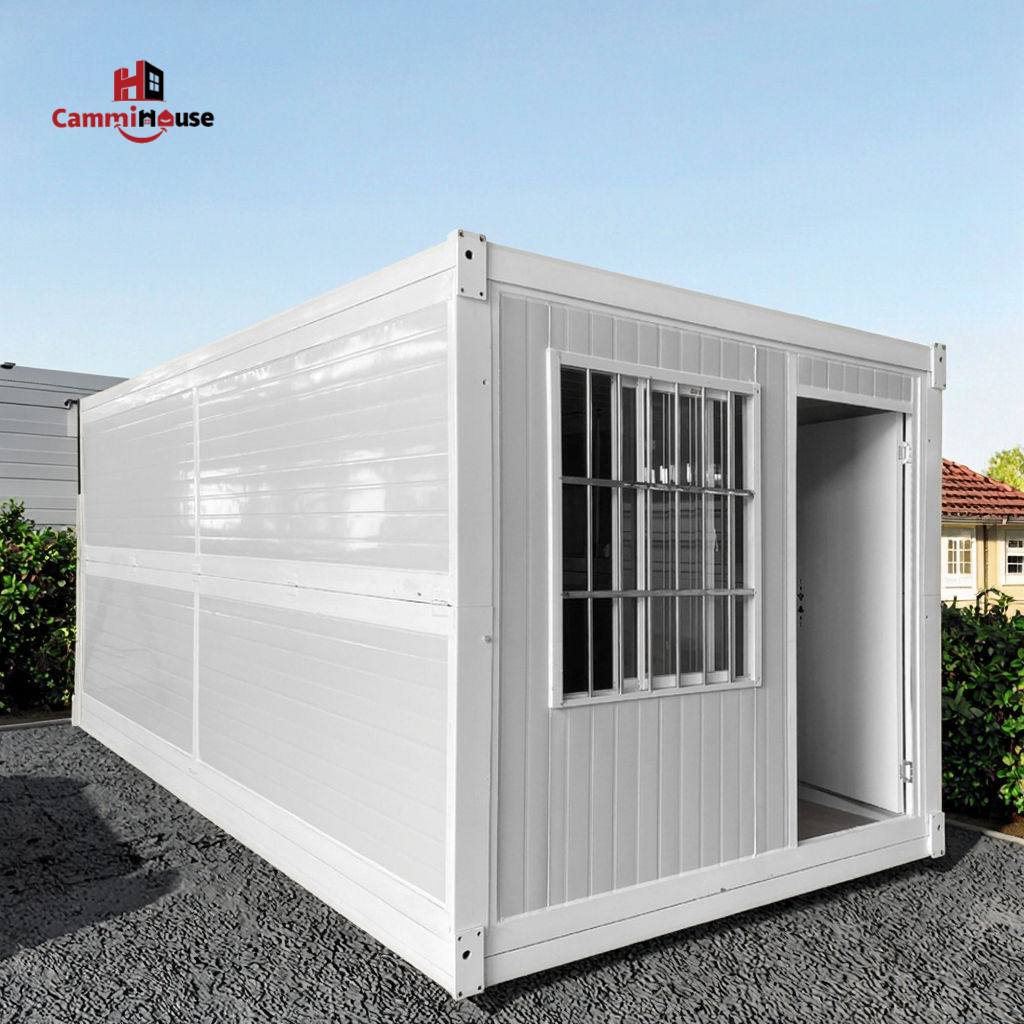
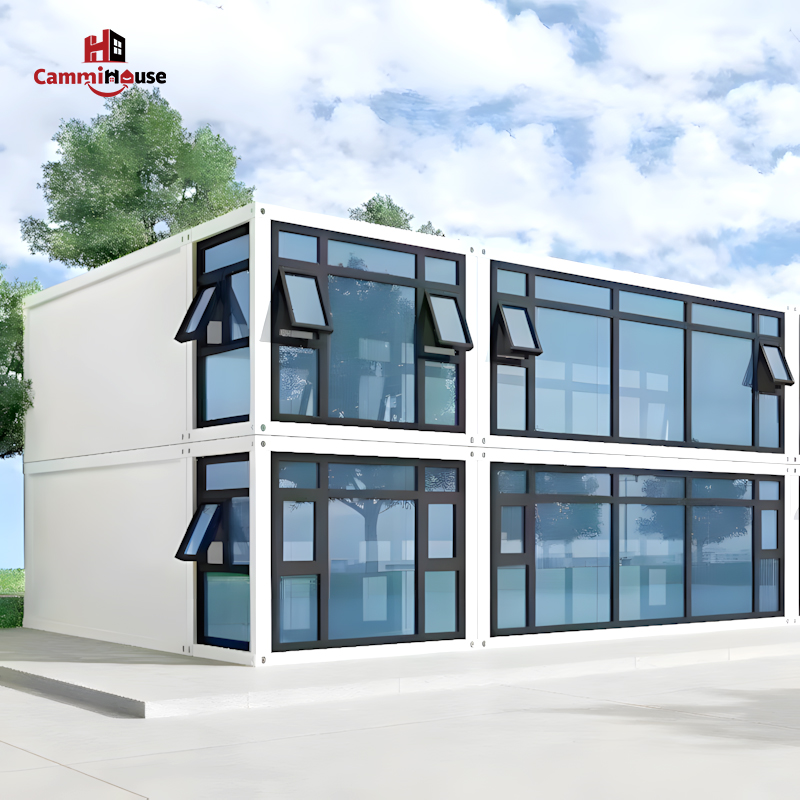
Cost and budget planning is one of the most common concerns when evaluating a container house project. While container houses are often associated with cost efficiency, their actual budget range depends on multiple factors beyond the unit price. Understanding how pricing is structured, what costs are included or excluded, and how expenses evolve across the project lifecycle helps buyers avoid unrealistic expectations and make informed decisions.
How Much Does a Container House Cost?
Typical Price Ranges by Project Type
Container house pricing varies significantly based on size, configuration, and intended use. Single-unit container houses for temporary accommodation generally cost less than multi-unit residential or commercial systems. According to industry summaries published by the Modular Building Institute, prefabricated modular buildings can reduce construction costs by 10–20 percent compared with traditional site-built projects, though actual savings depend on scope and location.
Rather than focusing on a fixed price, buyers should view container houses as scalable systems whose cost increases with performance requirements and customization.
What Factors Affect Container House Pricing?
Design, Performance, and Specification Levels
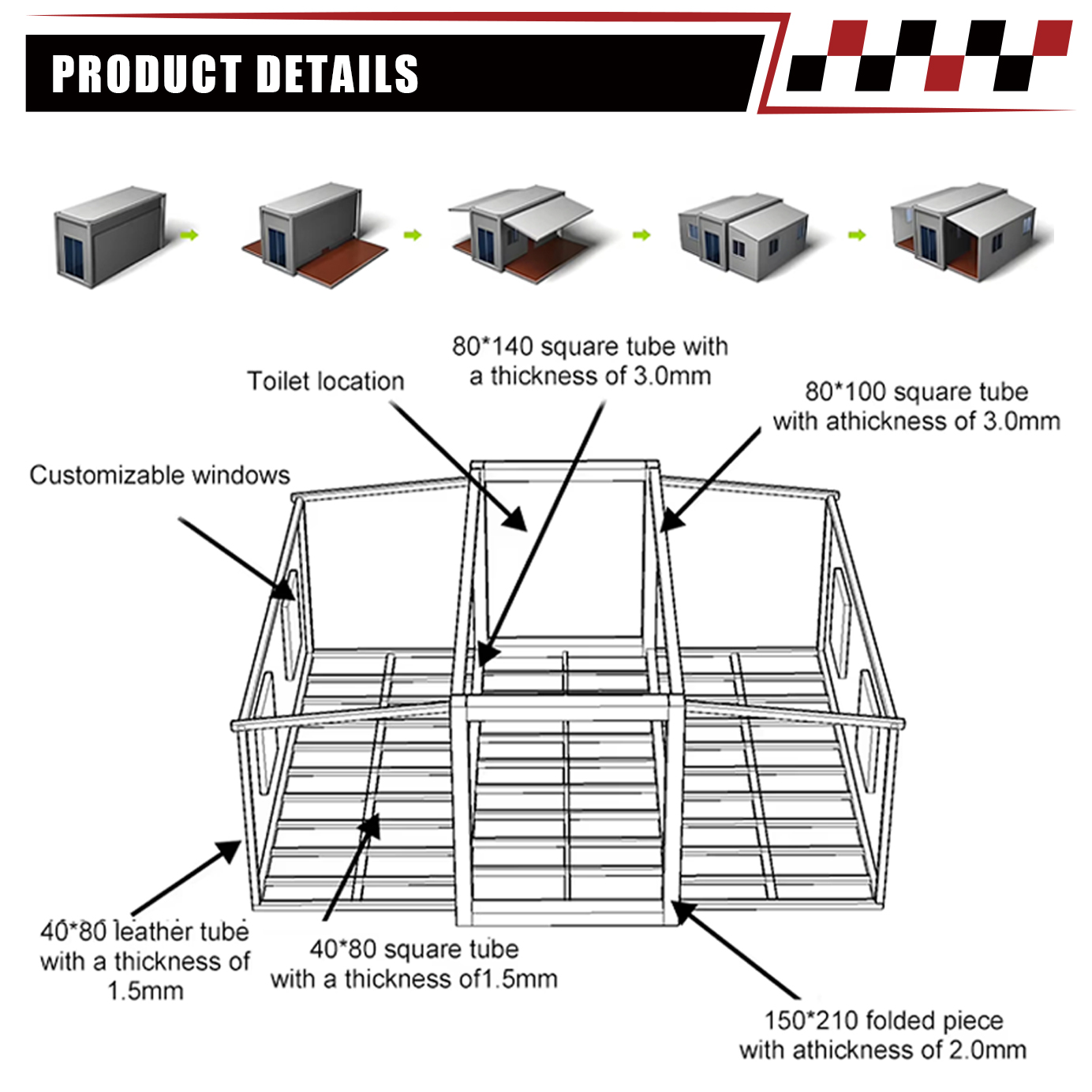
Pricing is primarily driven by system specifications. Structural reinforcement, insulation thickness, waterproofing standards, fire resistance, and electrical or plumbing integration all influence cost. A container house designed for mild climates will differ significantly in price from one engineered for extreme temperatures or coastal environments.
Level of Customization
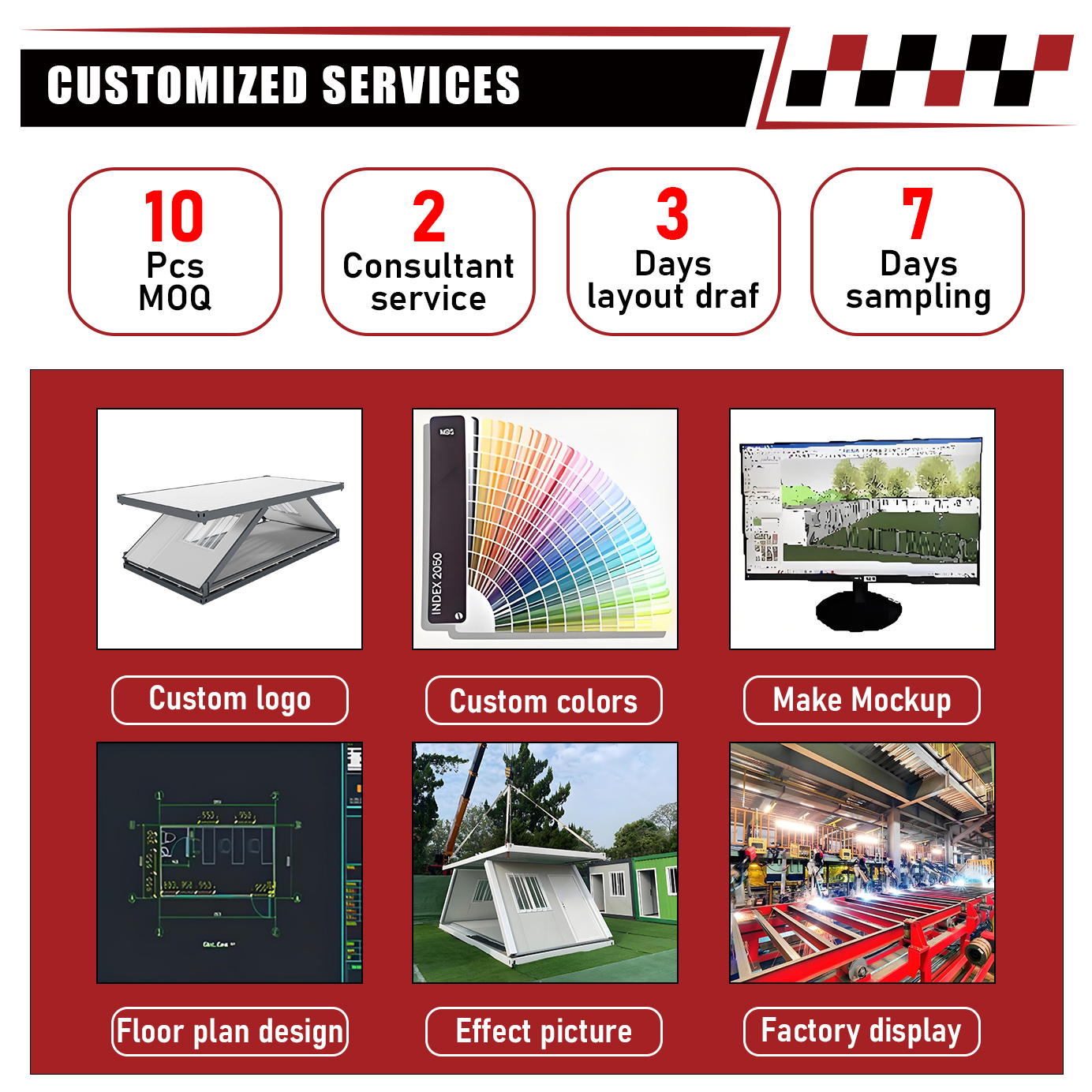
Standardized layouts are generally more cost-efficient than fully customized designs. Custom interiors, facade treatments, and integrated smart systems add value but also increase initial investment. Buyers should balance customization against operational needs.
Shipping Cost of Container Houses
Transportation and Logistics Considerations
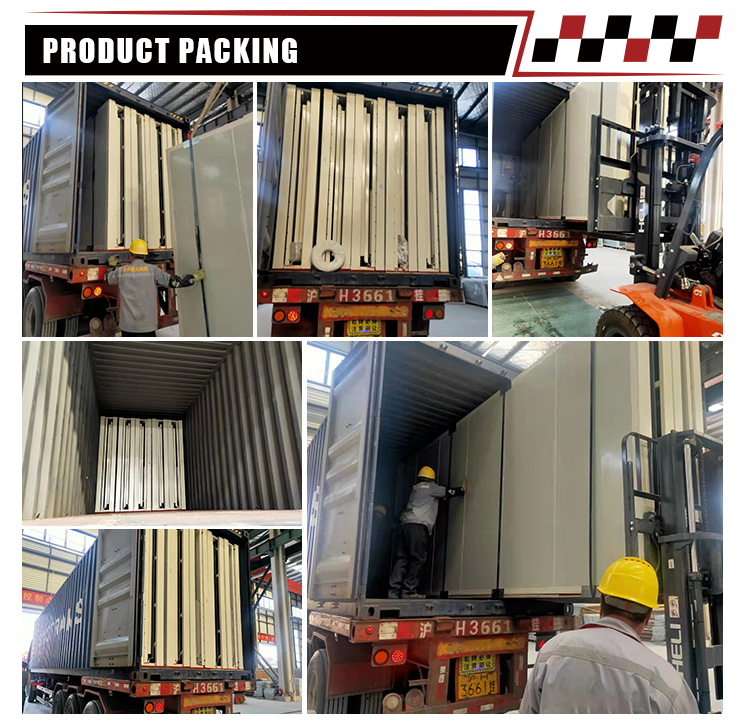
Shipping costs depend on container dimensions, shipping distance, and delivery method. Flat-pack or modular container houses can reduce shipping volume, while fully assembled units increase freight costs. International shipping fees fluctuate based on fuel prices and port availability.
On-Site Handling and Installation
In addition to freight charges, buyers should account for unloading, lifting equipment, and local transportation. These costs vary by site accessibility and local labor rates.
Import Tax and Duties for Container Buildings
Regional Differences in Import Regulations
Import taxes for container houses vary by country and region. Duties may be applied based on product classification, declared value, and trade agreements. Buyers should consult local customs authorities or import agents early in the planning phase.
Compliance Documentation
Accurate documentation, including material declarations and certificates of origin, can help avoid delays and unexpected charges during customs clearance.
Maintenance and Long-Term Operating Costs
Routine Maintenance Requirements
Maintenance costs for container houses are generally predictable when systems are designed correctly. Routine inspections focus on corrosion protection, sealing performance, and mechanical systems. Compared with traditional buildings, maintenance tasks are often simpler due to standardized components.
Lifecycle Cost Perspective
Over time, maintenance and energy costs can exceed initial purchase price. Systems with higher upfront performance specifications often reduce long-term operational expenses, improving overall cost efficiency.
Matching Budget to Application Scenarios
Temporary and Workforce Housing
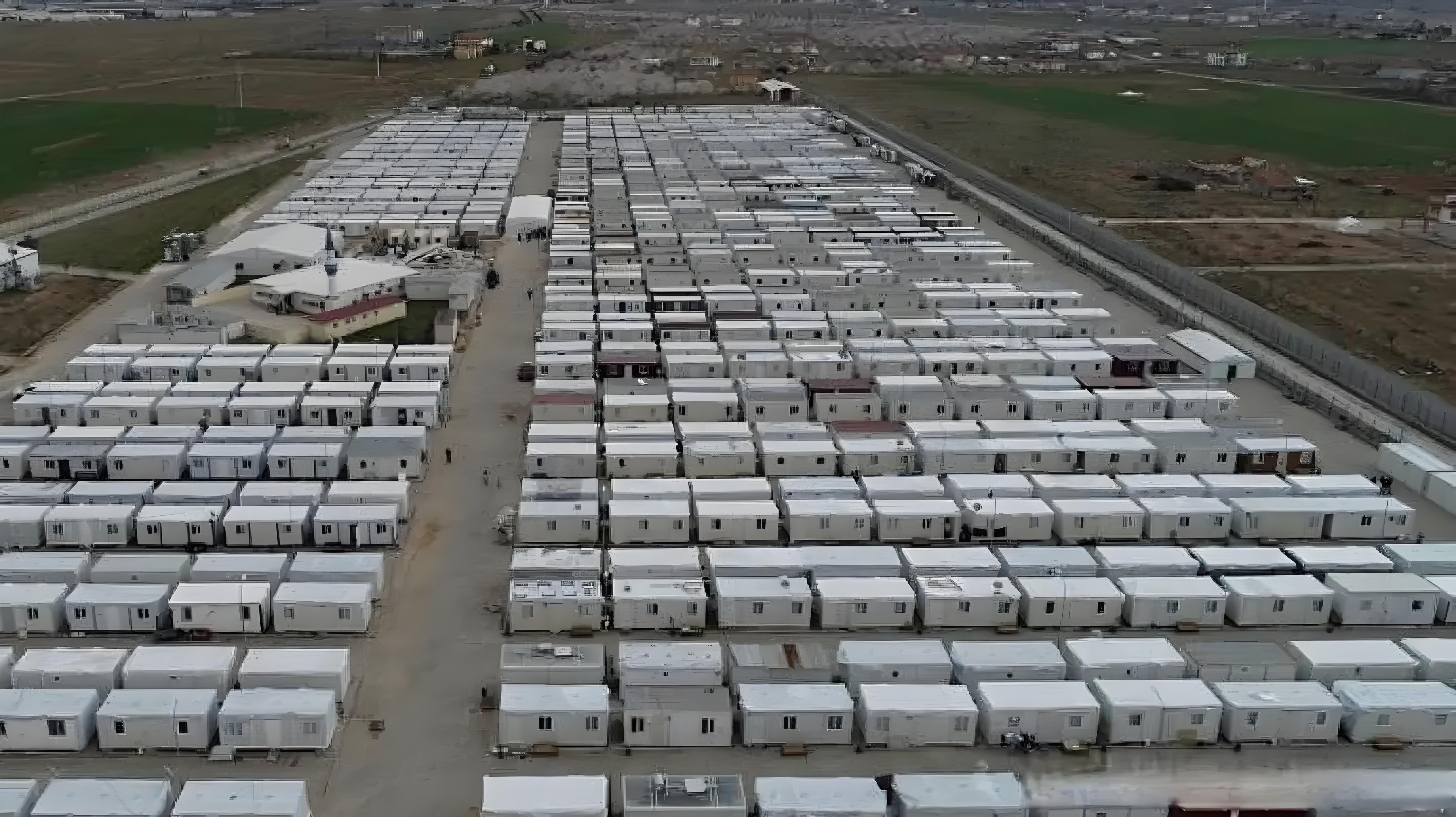
For temporary housing projects, buyers often prioritize speed and durability over extensive customization. Standard container house systems offer lower upfront costs and faster deployment.
Residential and Commercial Projects
Long-term residential or commercial applications typically require higher investment in insulation, finishes, and compliance. These costs should be planned as part of total lifecycle budgeting rather than treated as optional upgrades.
Role of Manufacturers in Cost Control
Importance of System Integration
Manufacturers that offer integrated container housing systems can help control costs by reducing on-site modifications and unforeseen expenses. Purpose-built systems simplify installation and improve cost predictability.
Companies such as cammihouse focus on container house systems designed for predictable budgeting across residential, workforce, and commercial projects.

Conclusion
Effective cost and budget planning for container houses requires a holistic view rather than a focus on unit price alone. Initial cost, shipping, import duties, and maintenance must all be evaluated together. When container houses are selected through system-level analysis and supplied by experienced manufacturers like cammihouse, projects achieve better cost control, reduced risk, and more reliable long-term performance.
FAQ
Are container houses always cheaper than traditional buildings?
Not always. While container houses can reduce construction time and labor costs, total cost depends on performance requirements, site conditions, and compliance standards. A lifecycle comparison provides a more accurate assessment.
What costs are often overlooked in container house projects?
Commonly overlooked costs include foundations, utility connections, shipping logistics, import duties, and long-term maintenance. Including these early improves budget accuracy.
How can buyers control container house budgets effectively?
Budget control starts with clear performance requirements and standardized system selection. Working with manufacturers that provide integrated solutions and transparent specifications helps minimize unexpected expenses.
