



Understanding Import Tax for Container Buildings
Import tax is a structural cost factor that must be evaluated early when sourcing container buildings internationally. Unlike conventional construction materials, container houses are often classified as prefabricated buildings, modular units, or temporary structures, depending on the destination country’s customs framework. This classification directly determines whether import duties, value-added tax (VAT), or exemptions apply.
For buyers importing container houses from overseas manufacturers, import tax is not a fixed rate. It varies based on product declaration, intended use, and compliance documentation. Understanding these variables helps avoid unexpected clearance delays or cost overruns during project execution.
How Container Houses Are Classified by Customs
Product Category and HS Code
Customs classification defines the tax outcome more than the product name itself. Container houses are usually declared under HS codes related to prefabricated buildings or modular structures. However, differences in structural integration, utility pre-installation, and permanence can shift classification.
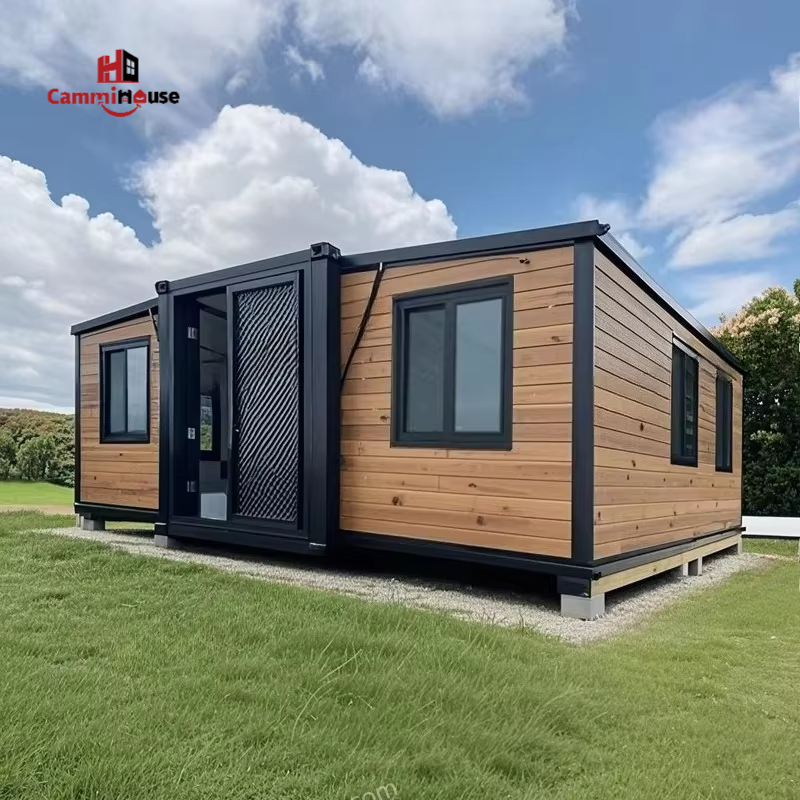
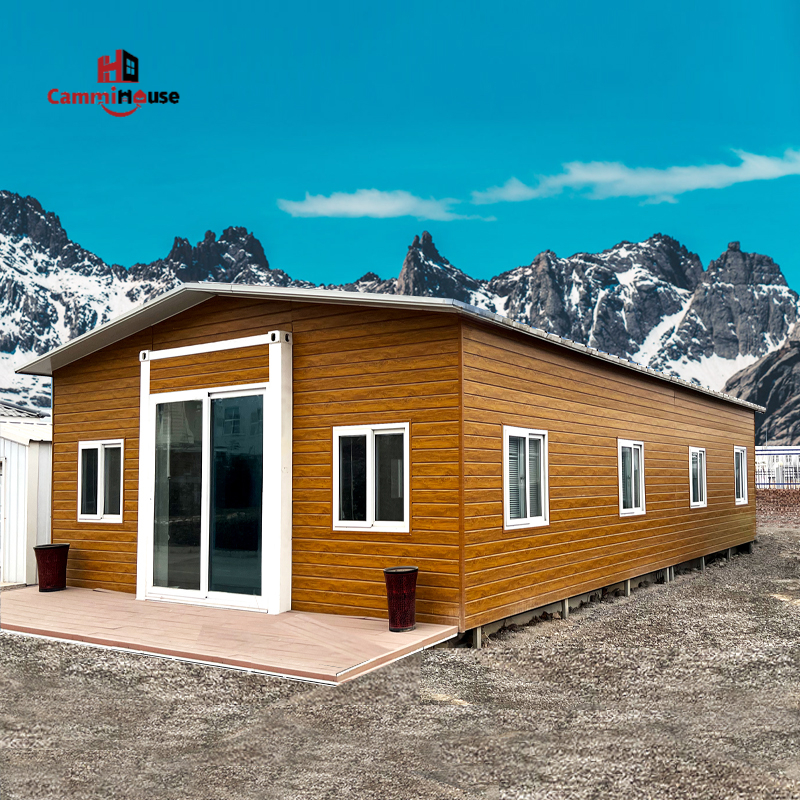
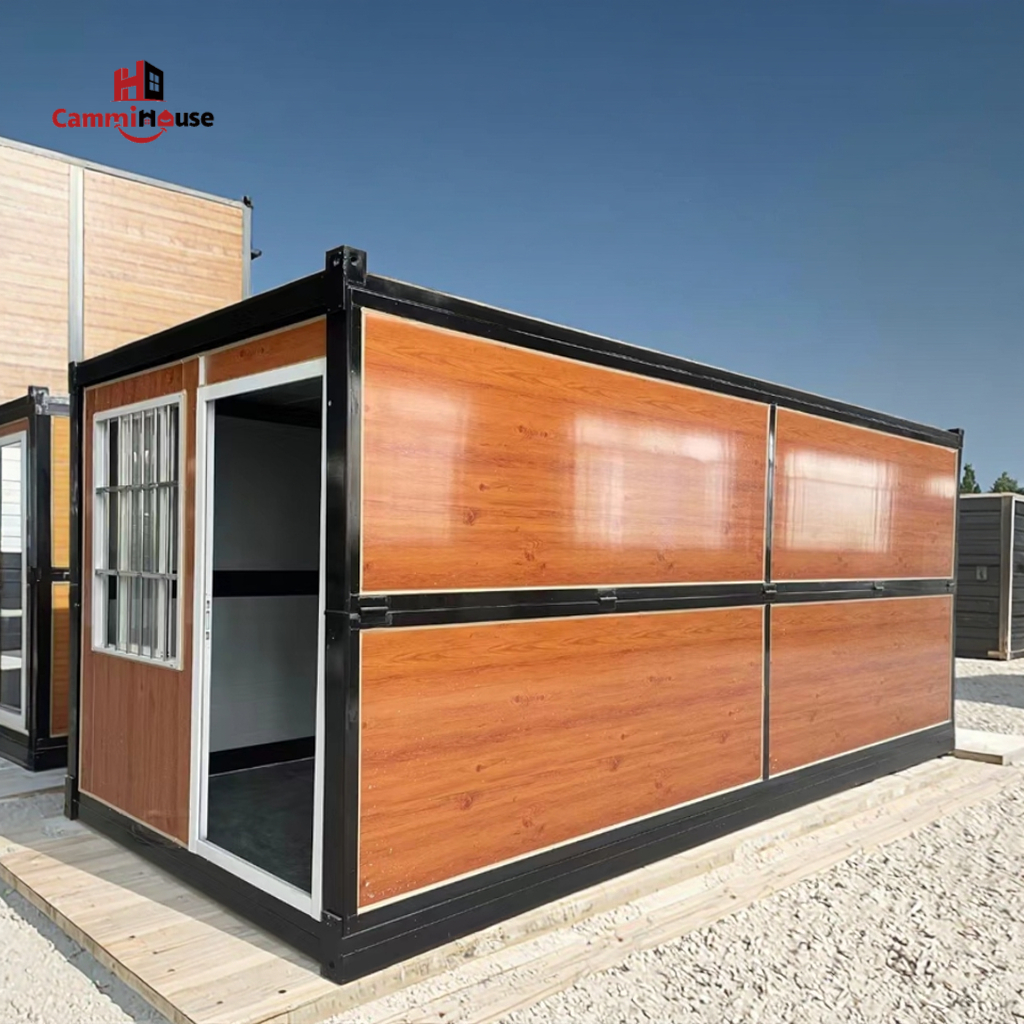
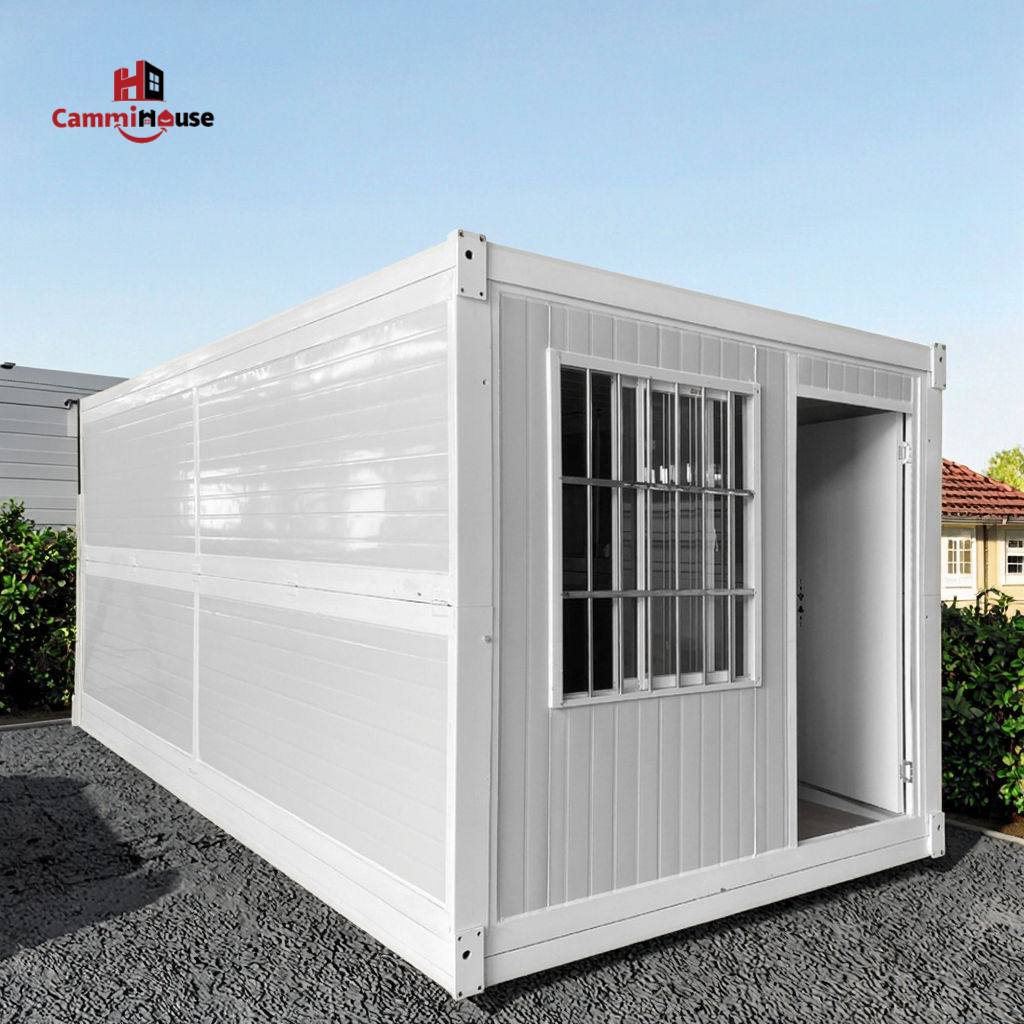
For example, a detachable container house shipped as components may be treated differently from a fully assembled unit. Buyers working with experienced suppliers such as cammihouse typically receive HS code guidance aligned with prior export records to reduce uncertainty.

Intended Use Declaration
Declared usage influences whether a container building is taxed as permanent or temporary. Housing for construction camps, disaster relief, or temporary accommodation may qualify for reduced duties or exemptions in some regions. In contrast, container houses intended for residential or commercial leasing often fall under standard import taxation.
Clear alignment between declared use, documentation, and actual deployment is essential to avoid post-clearance audits.
Regional Differences in Import Tax Policies
Import Tax in North America and Europe
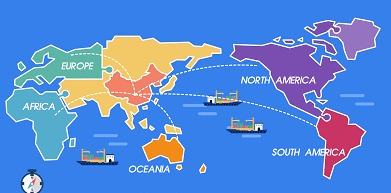
Most developed markets apply standard duties but offer predictable frameworks. In the United States and European Union, container houses are generally subject to import duties and VAT, depending on origin and trade agreements. Anti-dumping measures or additional tariffs may apply to specific exporting countries.
Buyers often mitigate risk by confirming trade agreement eligibility and ensuring accurate country-of-origin documentation before shipment.
Import Policies in Emerging Markets
Some regions prioritize rapid housing deployment over taxation. In parts of Southeast Asia, Africa, and the Middle East, container buildings used for infrastructure or workforce housing may benefit from simplified import procedures. However, requirements can change quickly, making local customs consultation essential.
What Documents Affect Import Tax Outcomes
Core Customs Documentation
Complete documentation reduces inspection risk and cost uncertainty. Typical documents include commercial invoices, packing lists, certificates of origin, and technical specifications. Incomplete or inconsistent paperwork can trigger reclassification or higher duty rates.
Manufacturers like cammihouse usually support buyers with standardized export documentation aligned with international modular housing practices.
Compliance and Certification Files
Compliance records can influence tax treatment indirectly. Fire ratings, structural certifications, and energy performance documents may not reduce tax directly but help confirm product classification. This is particularly important when container houses are used in regulated housing or public projects.
Import Tax vs. Total Landed Cost
Why Import Tax Is Only One Cost Component
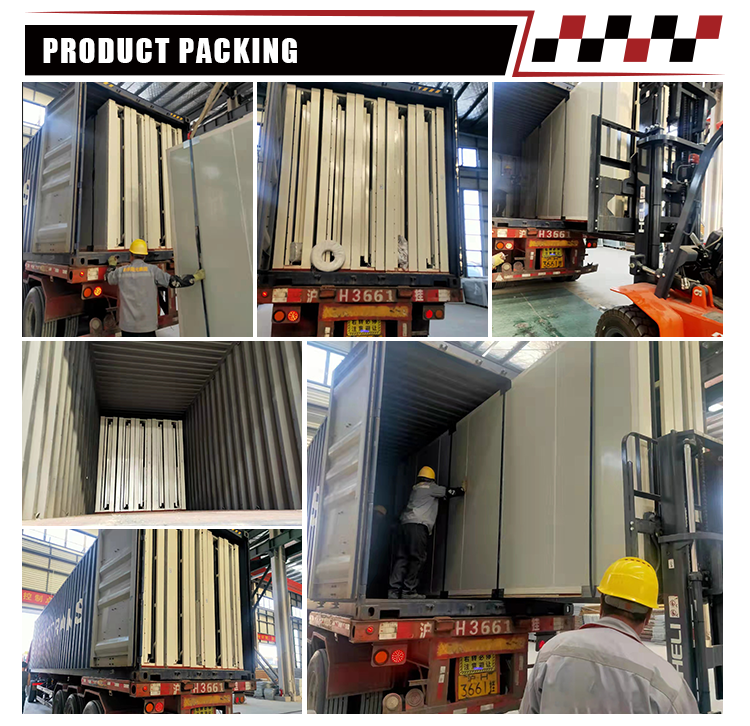
Focusing solely on import tax can distort budget planning. Shipping, inland transportation, port handling, and local compliance modifications often represent a larger share of total landed cost than duties alone.
A container house with slightly higher import tax but optimized logistics and installation may still deliver better overall cost control.
Reducing Risk Through Early Planning
Early tax evaluation supports smoother project execution. By clarifying classification and documentation requirements before production, buyers reduce the likelihood of clearance delays or redesign requests at the port of entry.
This approach is commonly used in multi-unit container housing projects where timing directly affects operational schedules.
Practical Import Planning for Buyers
Align Supplier Experience With Destination Market
Supplier export experience matters as much as product quality. Manufacturers familiar with target markets understand recurring customs expectations and common compliance gaps. This reduces the burden on buyers unfamiliar with import procedures.
Cammihouse supports container house projects with export records across multiple regions, helping buyers navigate documentation and customs coordination more efficiently.
Coordinate With Local Customs Brokers
Local expertise bridges regulatory interpretation gaps. Customs brokers can validate HS codes, estimate duties, and flag regional compliance issues before shipment. Their input is especially valuable when importing container buildings for the first time.
Conclusion
Import tax for container buildings is a manageable variable when addressed systematically. Classification, declared use, regional policy, and documentation quality all shape final duty outcomes. While import tax should be included in early budgeting, it should be evaluated alongside logistics and compliance costs.
By working with experienced container house suppliers such as cammihouse and confirming customs requirements early, buyers can reduce risk and maintain predictable project timelines.

FAQ
Do container houses always require import tax?
Not always. Import tax depends on the destination country, product classification, and declared use. Some temporary or special-purpose container buildings may qualify for reduced duties or exemptions, but this must be confirmed with local customs authorities before shipment.
Can import tax be reduced through product configuration?
In some cases, yes. Shipping container houses as modular components rather than fully assembled units may affect classification. However, changes must align with legal declarations and actual use to avoid compliance risks.
Who is responsible for paying import tax?
Import tax is typically paid by the importer of record, which may be the buyer or a designated local entity. Responsibility should be clearly defined in the purchase contract and aligned with Incoterms to prevent disputes.
