
A well-built shipping container home can realistically last 25 to 50 years with proper maintenance — and well beyond that under optimal conditions. The answer depends on structural preparation, climate exposure, coating systems, and ongoing upkeep. This guide breaks down the key factors across eight topics so you can make informed decisions before investing in a prefab container house.
1. The Baseline Lifespan of a Shipping Container Structure
Corten steel (weathering steel), the material used in most ISO shipping containers, self-passivates to resist oxidation. A standard 20-ft or 40-ft container used in ocean freight has a service life of 10–15 years before retirement. Once converted into a modular container home, structural engineers reclassify it as a static building — removing the fatigue loading from stacking and marine transport — which dramatically extends its practical lifespan to 30–50 years (American Institute of Steel Construction, 2020).
1.1 Why Static Use Extends Service Life
In freight service, containers endure dynamic loads — stacking up to nine units high, ocean vibration, and repeated crane lifts. A purpose-built container house design eliminates all three stressors. The shell transitions from a high-cycle fatigue environment into a low-stress structural envelope, comparable to light-gauge steel framing used in commercial construction, which routinely achieves 50-year design lives.
2. Corrosion: The Primary Life-Limiting Factor
Unprotected steel corrodes at 0.025–0.13 mm per year in moderate climates and up to 0.5 mm per year in coastal or industrial zones (U.S. DOE, 2021). At the low end, a 2 mm shell loses structural integrity in under 20 years without intervention. A three-layer coating system — zinc primer, epoxy intermediate, polyurethane topcoat — reduces corrosion to near zero and is the standard at reputable container house factory operations.
2.1 Climate-Specific Coating Requirements
In GCC markets (Saudi Arabia, UAE), high UV radiation accelerates polyurethane degradation. Manufacturers supplying the Middle East typically specify fluoropolymer topcoats rated for 15-year UV resistance. In tropical Southeast Asian deployments — worker camps in Indonesia, for example — the priority shifts to anti-fungal epoxy formulations that resist moisture ingress at weld seams.
3. Foundation Type and Long-Term Structural Stability
The foundation is as important as the steel itself. Containers placed directly on compacted gravel without isolation develop galvanic corrosion at the contact point within 5–7 years. Pier foundations with rubber isolation pads — the setup used in most permanent custom container house builds — eliminate this risk entirely. In mining camp deployments in Western Australia, concrete pier grids with bolt-down anchor plates have supported container clusters continuously since 2017 with zero structural distress.
3.1 Seismic and Wind Load Considerations
Steel frames inherently outperform masonry in seismic zones. FEMA P-2082 (2020) acknowledges light steel structures as suitable for Seismic Design Category D when properly anchored. For wind, corner post connections rated to 150 mph are achievable through standard ISO corner casting hardware — a direct structural advantage of the container format over timber-framed prefab alternatives.
4. Insulation Systems and Interior Longevity
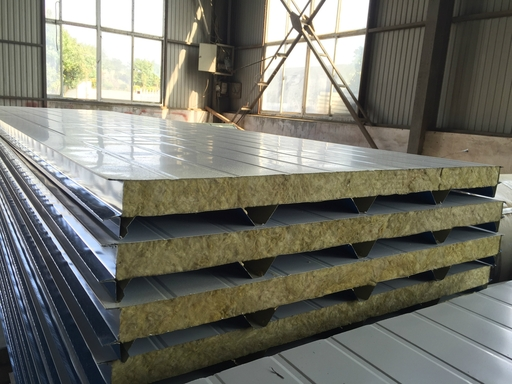
Closed-cell spray polyurethane foam (SPF) is the insulation of choice in purpose-built modern container homes for three reasons: it adds 15–20% racking strength to the panel, provides a Class II vapor barrier, and has a rated service life of 50+ years (Oak Ridge National Laboratory, 2022). Fiberglass batt insulation, by contrast, absorbs moisture at container wall joints and loses R-value within 10–15 years in humid climates — a common failure mode in retrofitted containers not built to factory specification.
4.1 Thermal Cycling and Condensation Management
Steel's thermal conductivity (50 W/m·K) is 300× that of timber. Without a thermal break, interior surfaces in cold climates experience condensation cycles that degrade internal finishes within 5–8 years. Properly engineered prefab container houses use 25–50 mm structural thermal break strips at every connection point — a specification absent in many low-cost conversions.
5. Maintenance Schedules That Determine Actual Lifespan
A 25-year lifespan assumes a minimum maintenance cycle: exterior recoating every 10–12 years, roof sealant inspection every 3 years, and structural weld inspection every 5 years. McKinsey Infrastructure (2022) notes that deferred maintenance on steel structures multiplies remediation costs by 4–7× within a 15-year window. For operators of commercial camps — 500+ unit mining or construction settlements — a scheduled preventive maintenance program is the single largest determinant of long-term asset value.
5.1 Maintenance Checklist by Interval
Annual: inspect roof drainage, check sealant at window/door frames, clear debris from ventilation gaps. Every 3 years: full exterior coating assessment, touch-up exposed steel. Every 10 years: structural weld inspection by certified inspector, full recoat if film thickness drops below 80 microns. These intervals apply to temperate climates; coastal and desert environments require compressed cycles.
6. Modular Expansion and Structural Modification Lifespan Implications
Cutting openings in container walls removes the corrugated panel's contribution to lateral resistance. Every opening larger than 900 mm × 900 mm requires a compensating steel header and post system. Improperly modified containers lose up to 40% of lateral load capacity (SCI Publication P358, 2019). In a 2024 Cammihouse project survey covering 120 delivered units across Southeast Asia and the Middle East, none of the structures with factory-engineered opening packages showed any measurable deflection at 5-year inspection.
6.1 Stacking Multi-Story Configurations
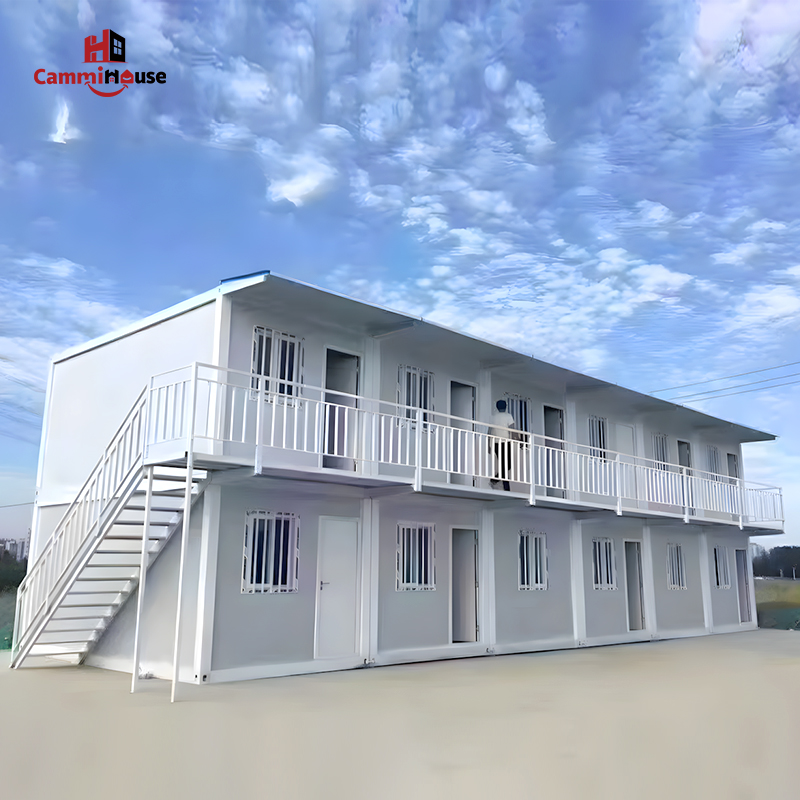
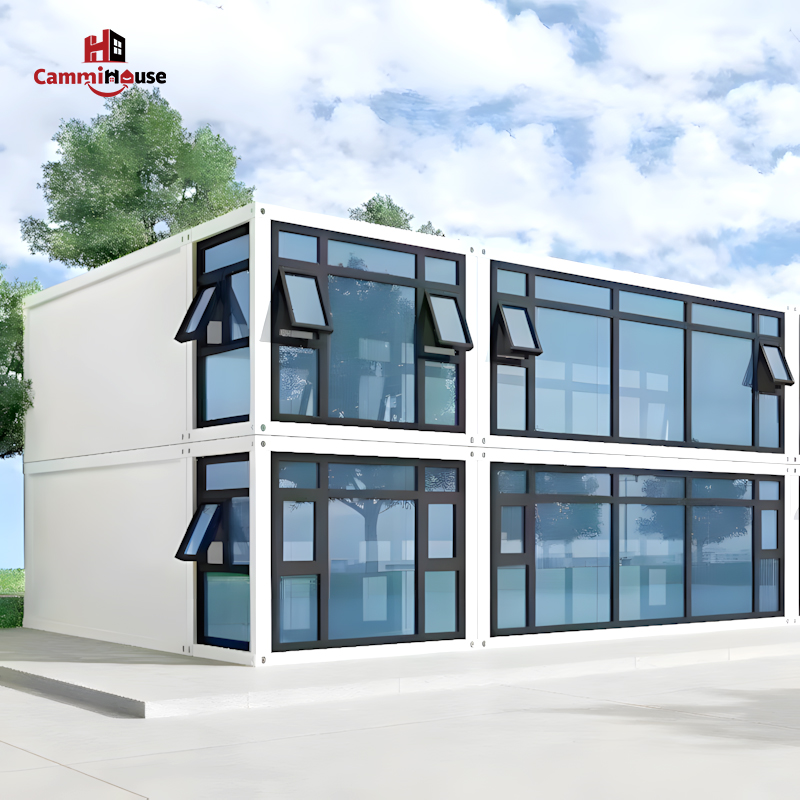
ISO containers are rated to stack 8 units loaded. In residential stacking, a 2–3 story container house design uses less than 15% of that capacity — providing an inherent structural safety margin. Corner post reinforcement is still recommended for permanent multi-story installations in seismic zones, adding roughly $800–$1,200 per corner at the factory stage.
7. Manufacturer Quality and Its Effect on Lifespan
Factory build quality determines baseline lifespan more than any single post-delivery variable. Key differentiators include: steel grade (A588/A242 Corten vs. standard A36), weld inspection protocol (AWS D1.1 vs. visual-only), and coating thickness verification (DFT meter at every panel vs. batch sampling). Operations like Cammihouse apply ISO 9001-certified QC processes to every unit, with documented coating DFT records and weld maps delivered with each structure — a practice that supports insurance underwriting and resale valuation.
7.1 New vs. One-Trip vs. Used Containers as Base Stock
New (one-trip) containers cost 20–35% more than grade-A used units but eliminate unknown corrosion history. For permanent residential applications, one-trip or purpose-built steel is standard practice. Used containers can reach equivalent lifespan outcomes if subjected to full shotblast preparation and recoating before conversion — a process that adds $1,500–$2,500 per unit but essentially resets the corrosion clock.
8. Real-World Longevity Evidence From Field Applications
The oldest documented container residential structures date to the early 2000s in Europe and Australia. A 22-year-old container home in Fremantle, Western Australia, inspected in 2023, showed less than 0.1 mm average wall thickness loss after two recoating cycles (Australian Steel Institute case study, 2023). In large-scale commercial camps for the LNG sector in Queensland, container accommodation blocks installed in 2008 remain in active service with no structural replacement required — a 16-year continuous service record under heavy occupancy.
8.1 Projected Lifespan by Use Case
Temporary site office (2–5 years): minimal prep, basic coating sufficient. Remote worker camp (10–15 year deployment): one-trip containers, three-coat system, annual maintenance program. Permanent residential: one-trip or new steel, full engineering package, 40–50 year design life target. Permanent commercial: engineered structural modifications, fire rating compliance, 50+ year design life. Each tier requires a proportionally higher upfront specification investment that pays back over the deployment horizon.
FAQ
Q: How long does a shipping container home last compared to a traditional house?
A: A well-designed shipping container home typically lasts 40–50 years or more with proper maintenance. While many traditional houses are designed for 50–80 years, steel structures offer strong resistance to termites, mold, and seismic activity.
Q: What is the biggest threat to a container house's lifespan?
A: Corrosion is the main factor affecting lifespan. Poor coatings, lack of maintenance, and harsh coastal environments can accelerate rust. Applying protective coatings during manufacturing significantly improves durability and reduces long-term repair costs.
Q: Does a modular container home hold its value over time?
A: Yes. A well-documented modular container home with certified materials, quality inspections, and proper maintenance generally retains more value than poorly converted used containers. Build quality and manufacturer credibility are key factors influencing resale value.
Justin Mercer, Cammihouse Technical Team
