

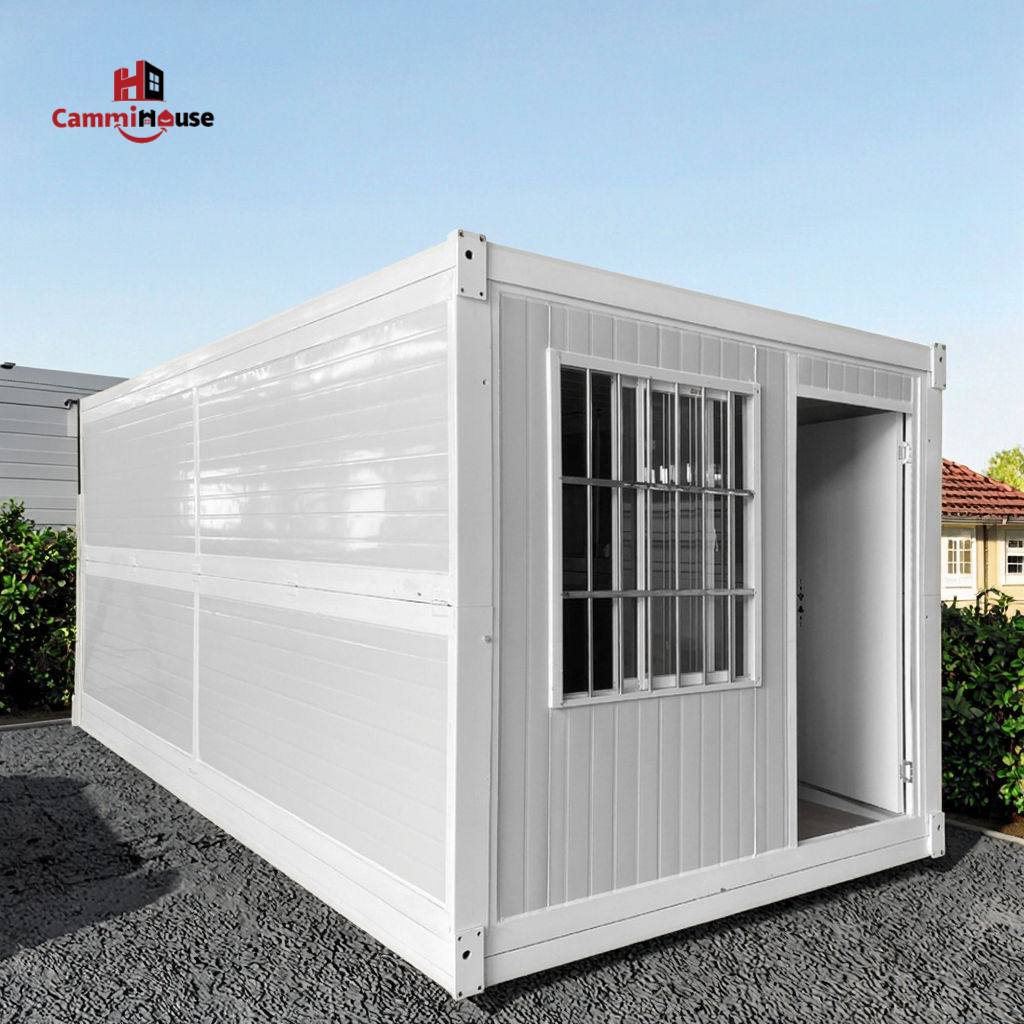
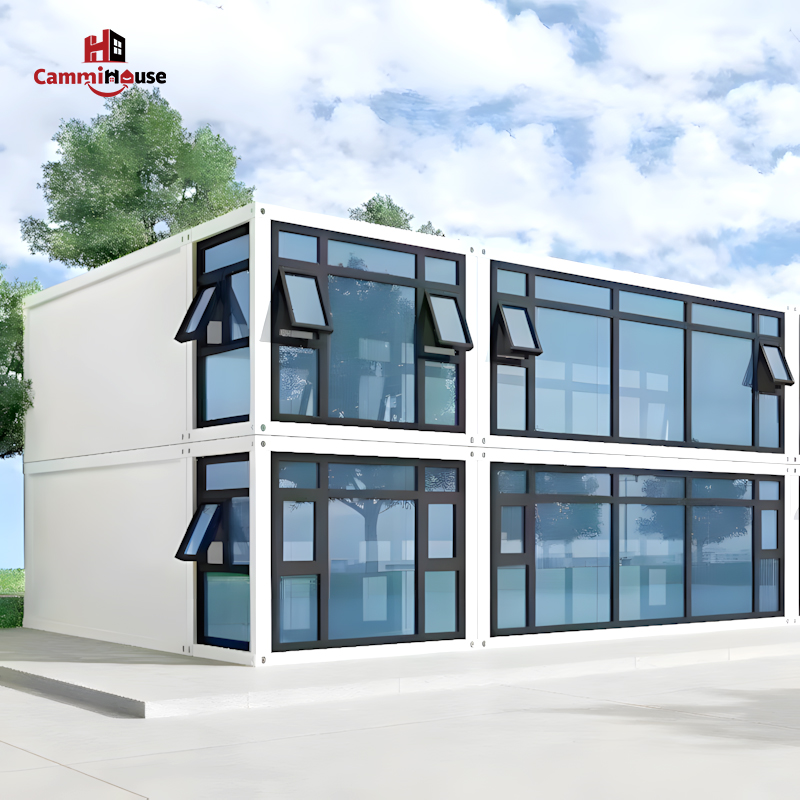
Introduction: Container House Pricing Is Driven by Technical Choices
Container house pricing is not determined by size alone. In practice, price differences reflect technical decisions made during design, manufacturing, and deployment. Buyers comparing container house pricing or prefabricated container house cost often see large gaps between quotations that appear similar on the surface. These gaps usually result from differences in system specifications rather than supplier margins. This article explains the main factors that affect container house pricing and helps buyers understand how technical choices translate into cost differences across residential, commercial, and workforce housing projects.
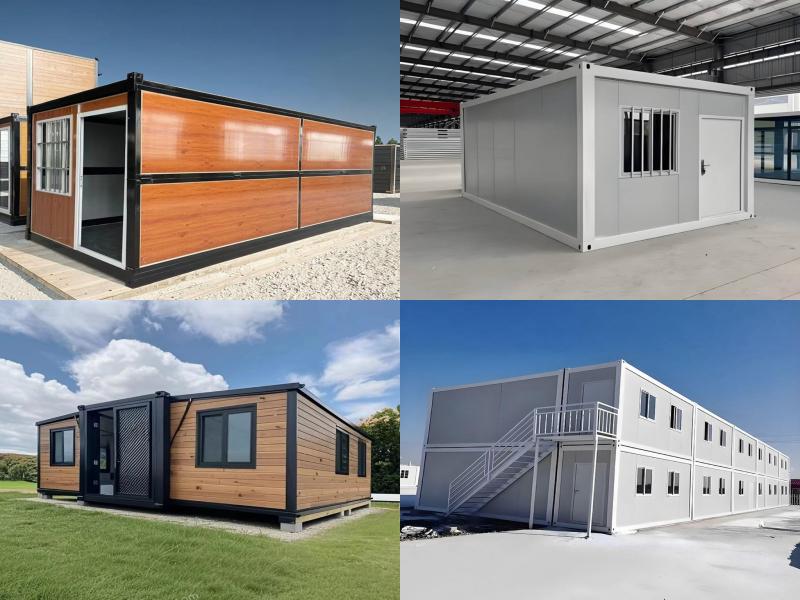
Structural Design and Load Performance
Structural Ratings Define Material Cost
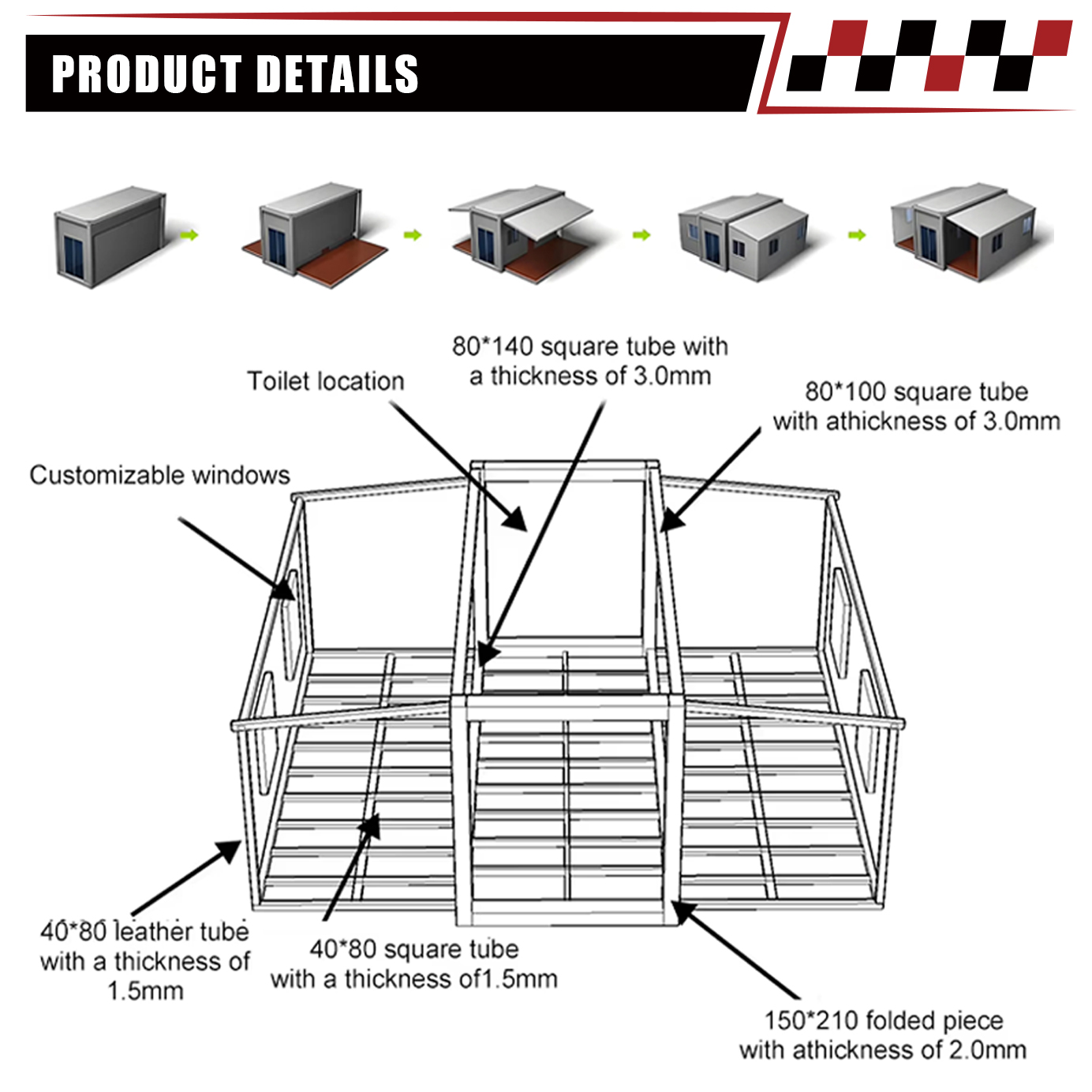
Structural performance is one of the most influential pricing factors. Load-bearing capacity, wind resistance, and seismic performance directly affect steel thickness, frame reinforcement, and connection design. A container house engineered for high-wind coastal zones or seismic regions requires more material and stricter fabrication tolerances than a unit intended for short-term inland use.
According to the Modular Building Institute 2024 Report, systems designed with verified structural ratings experience lower retrofit rates and fewer structural failures. This explains why container houses with similar dimensions may have very different prices when their performance specifications are compared.
Insulation Systems and Climate Adaptability
Thermal Performance Increases System Cost
Insulation is a major driver of container house pricing, especially for residential or long-term use. Container houses designed for year-round occupancy must manage heat transfer, condensation, and ventilation effectively. Higher insulation standards require multi-layer wall assemblies, thermal breaks, and integrated ventilation systems.
Searches such as container house for living or modular container house residential often indicate buyers who need climate-adapted solutions. While improved insulation raises initial cost, it reduces energy consumption and improves indoor comfort over the building’s lifecycle, making it a cost-defining factor rather than an optional upgrade.
Interior Integration and System Completeness
Integrated Systems Cost More Than Empty Shells
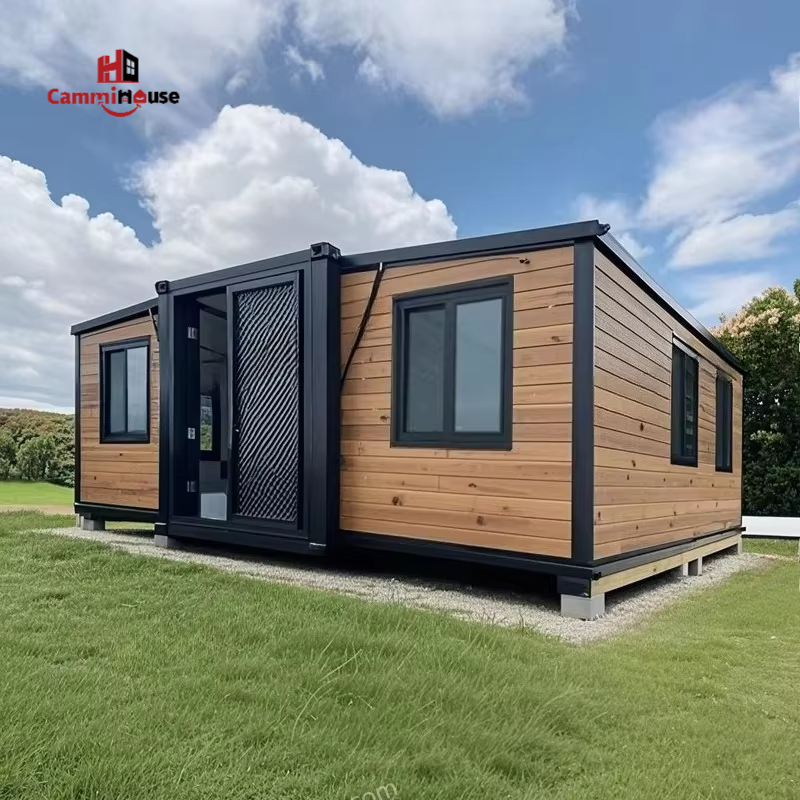
Another key pricing factor is system completeness. Some container houses are delivered as basic structural shells, while others include factory-installed electrical, plumbing, lighting, and interior finishes. Units with higher integration reduce on-site work and installation uncertainty but require more factory labor and coordination.
Manufacturers such as cammihouse focus on integrated container housing systems rather than partial assemblies. This approach results in higher upfront pricing compared with empty shells, but it improves predictability during installation and reduces post-delivery modification costs, especially for overseas projects.
Manufacturing Quality and Process Control
Factory Standards Influence Price Stability
Manufacturing quality affects both price and long-term performance. Container houses produced in controlled factory environments benefit from consistent welding quality, accurate tolerances, and standardized component installation. These factors increase production cost but reduce defects and rework.
According to industry data from McKinsey Global Institute on Modular Construction, factory-controlled production can reduce project delays by up to 20%. Buyers evaluating container house pricing should consider how manufacturing standards influence total project risk rather than focusing solely on unit price.
Transportation and Packaging Strategy
Logistics Efficiency Shapes Delivered Cost
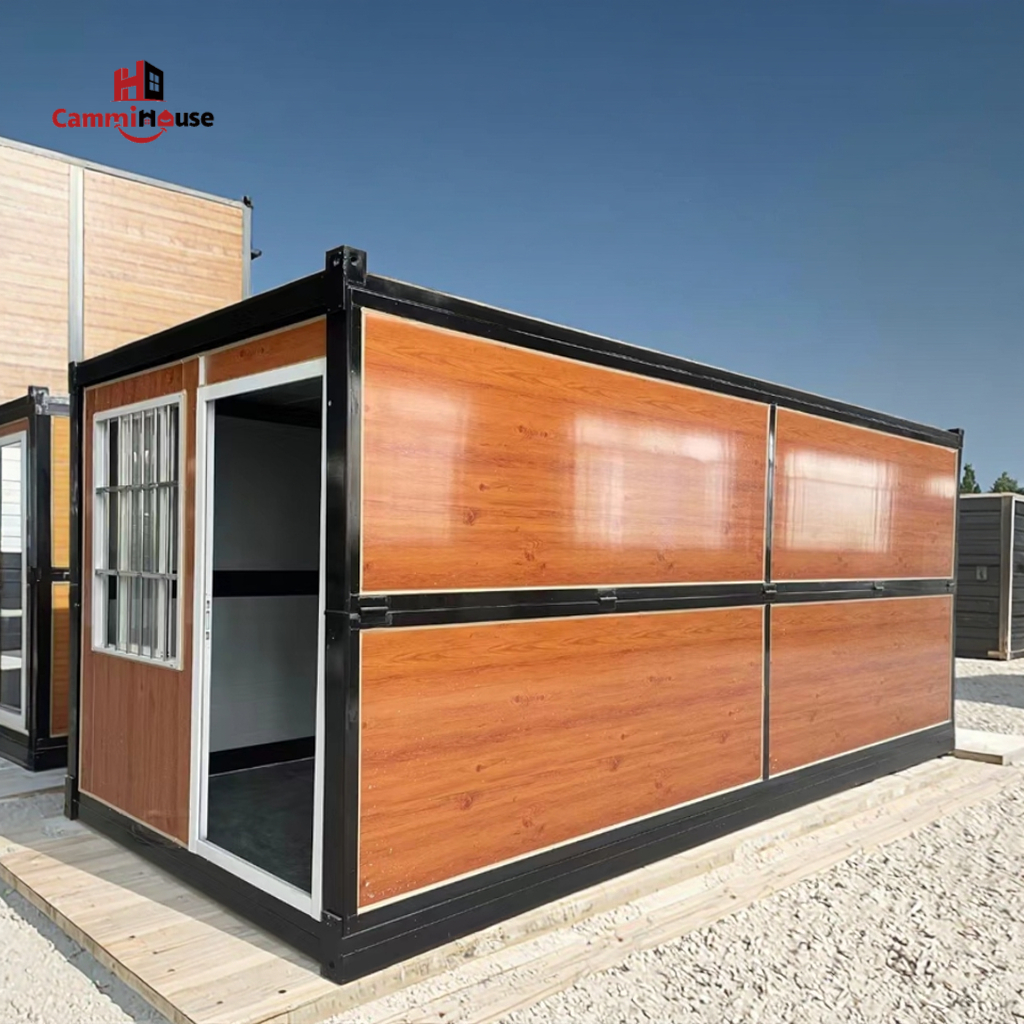
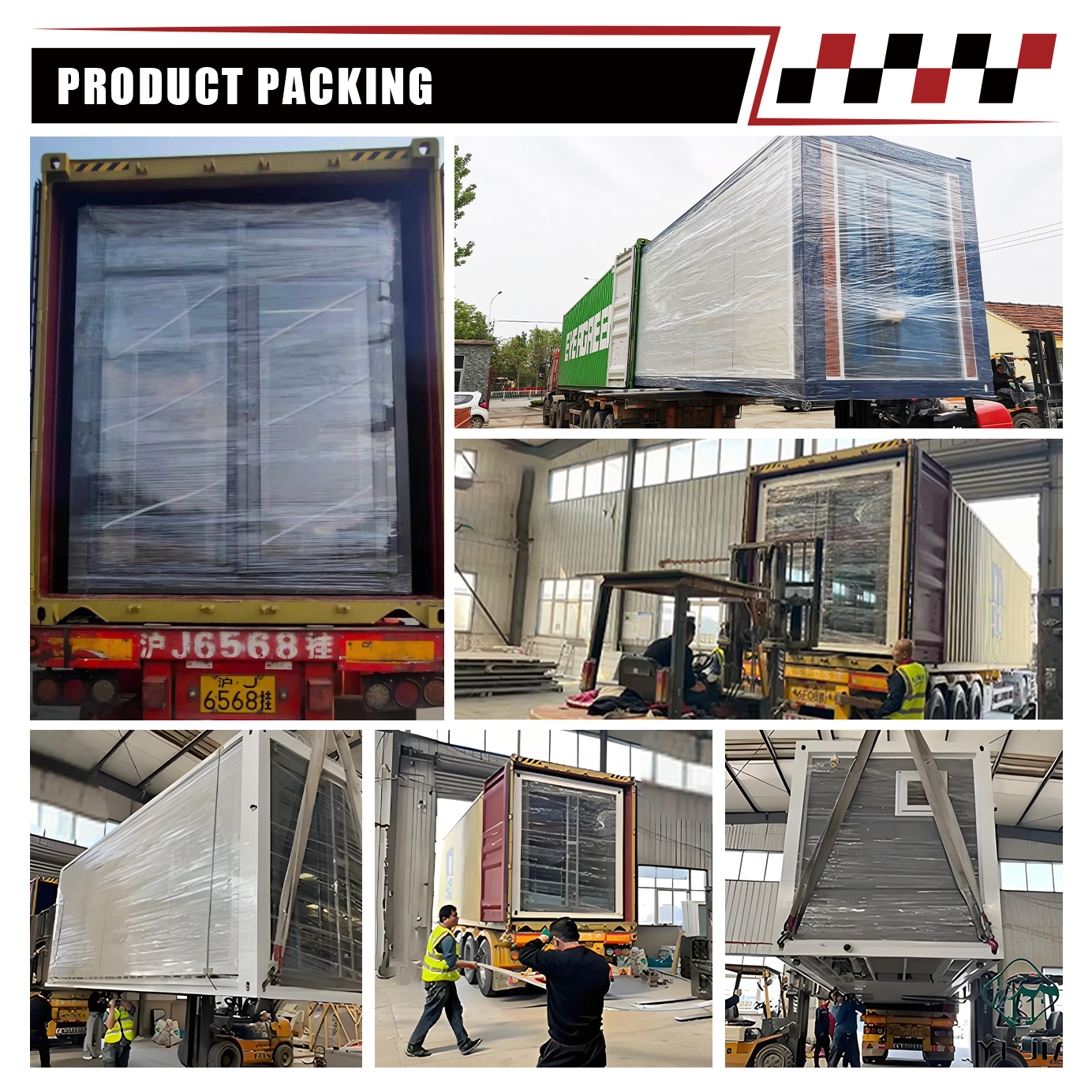
Transportation strategy significantly affects final container house pricing. Fully assembled units require more shipping volume, while flat-pack or modular configurations reduce transport costs by optimizing container space. For international buyers searching container house suppliers or container house manufacturers, logistics efficiency can determine overall project feasibility.
System designs that balance factory integration with transport efficiency often achieve the best cost-performance ratio for multi-unit developments.
Regulatory Compliance and Certification
Compliance Requirements Add Hidden Costs
Local building codes, fire safety standards, and electrical regulations influence container house pricing. Systems designed to meet international or multi-regional standards require additional testing, documentation, and design adjustments. These compliance-related costs are rarely visible in base quotations.
The OECD Construction Policy Brief 2025 notes that regulatory adaptation can add 10–15% to modular housing project costs if not addressed during early design stages.
Application Scenario and Intended Use
Use Case Determines Specification Level
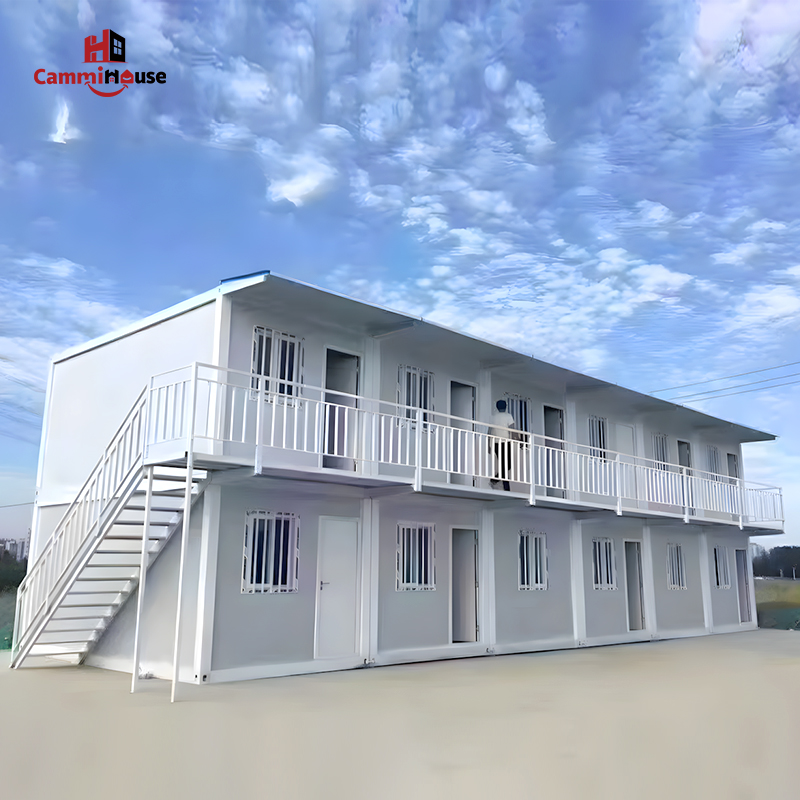
Container houses used for workforce housing, tourism, or residential projects follow different pricing logic. Workforce accommodation prioritizes durability and transportability, while hospitality projects emphasize interior finishes and guest experience. Residential use requires higher insulation and compliance standards.
Matching system specifications to the actual use case is essential to avoid over-specification or underperformance, both of which increase total cost.
Conclusion: Pricing Reflects System Decisions, Not Just Size
Container house pricing is shaped by structural performance, insulation standards, system integration, manufacturing quality, logistics strategy, and regulatory compliance. Understanding these factors allows buyers to evaluate quotations more accurately and avoid misleading price comparisons. When sourced from experienced manufacturers such as cammihouse, container houses offer transparent system-based pricing aligned with real project requirements rather than superficial cost benchmarks.

FAQ
Why do container house prices vary so much between suppliers?
Price differences usually result from system specifications, not appearance. Structural ratings, insulation levels, integration degree, and compliance standards all affect cost. Comparing quotations without reviewing technical details often leads to misleading conclusions.
Does higher insulation always mean higher container house cost?
Higher insulation increases initial cost but reduces energy consumption and improves comfort. For long-term residential or rental use, insulation often lowers lifecycle cost despite a higher upfront price.
How can buyers control container house pricing effectively?
The most effective way is to match specifications to actual use cases. Avoiding unnecessary features while ensuring required performance standards helps achieve balanced pricing and predictable long-term operation.
