

Introduction: Container House Cost Depends on More Than the Unit Price
Container house cost is often misunderstood as a simple purchase price, but in real projects it reflects a combination of design standards, logistics, compliance, and long-term use requirements. Buyers searching for container house cost or prefabricated container house price usually compare visible quotes without accounting for system-level expenses. This leads to budget overruns during installation or operation. This article explains the core cost components of a container house, highlights typical price ranges, and helps buyers understand what truly affects total project budget.
What Is the Average Cost of a Container House?
Typical Price Ranges by Use Case
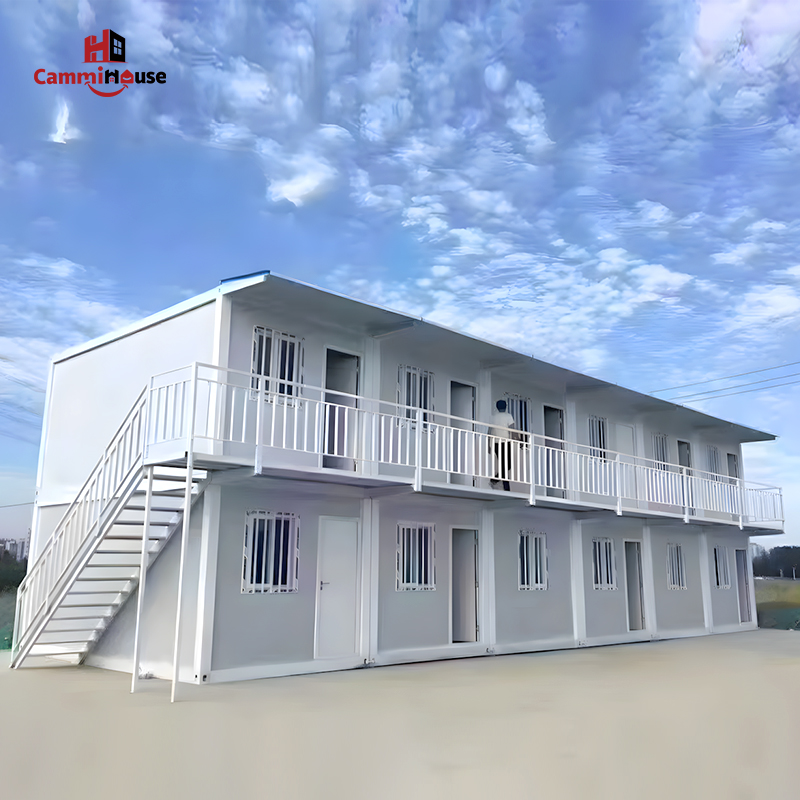
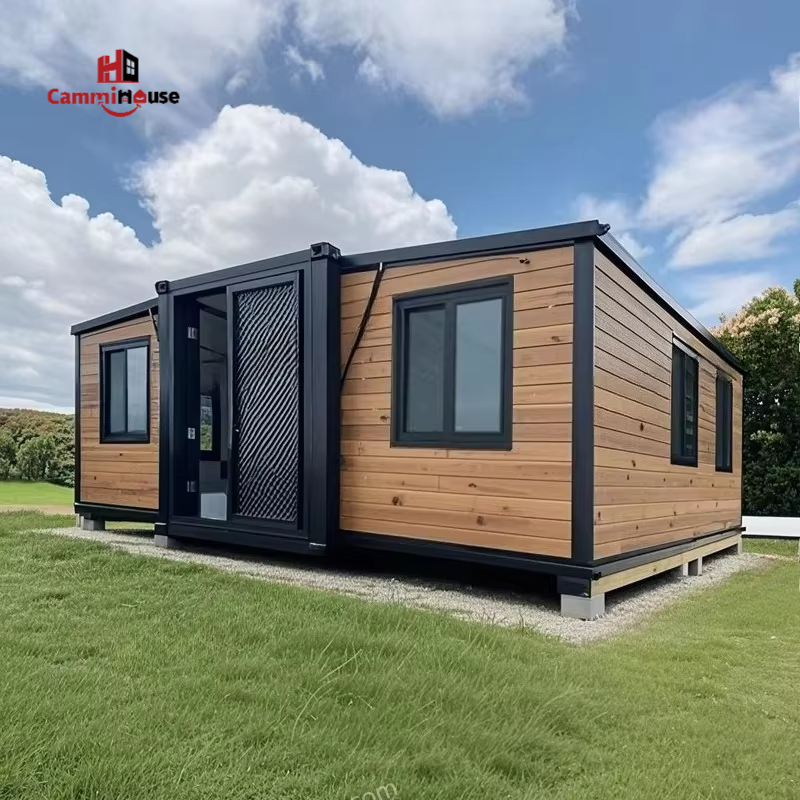
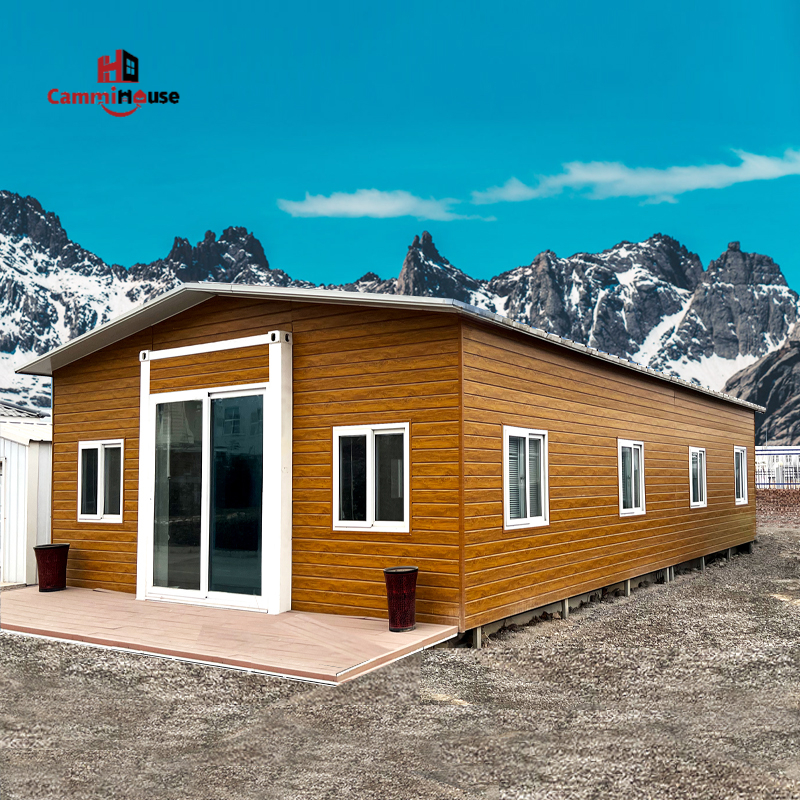
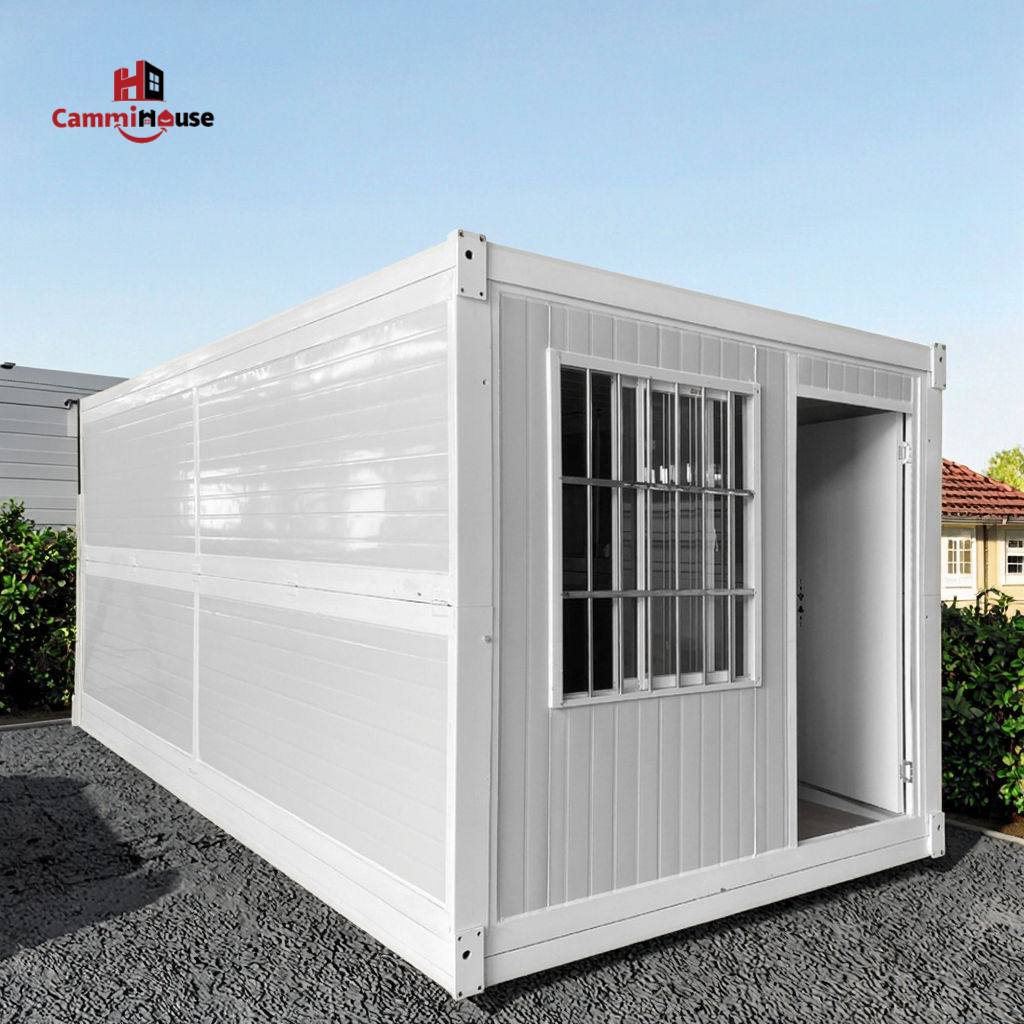
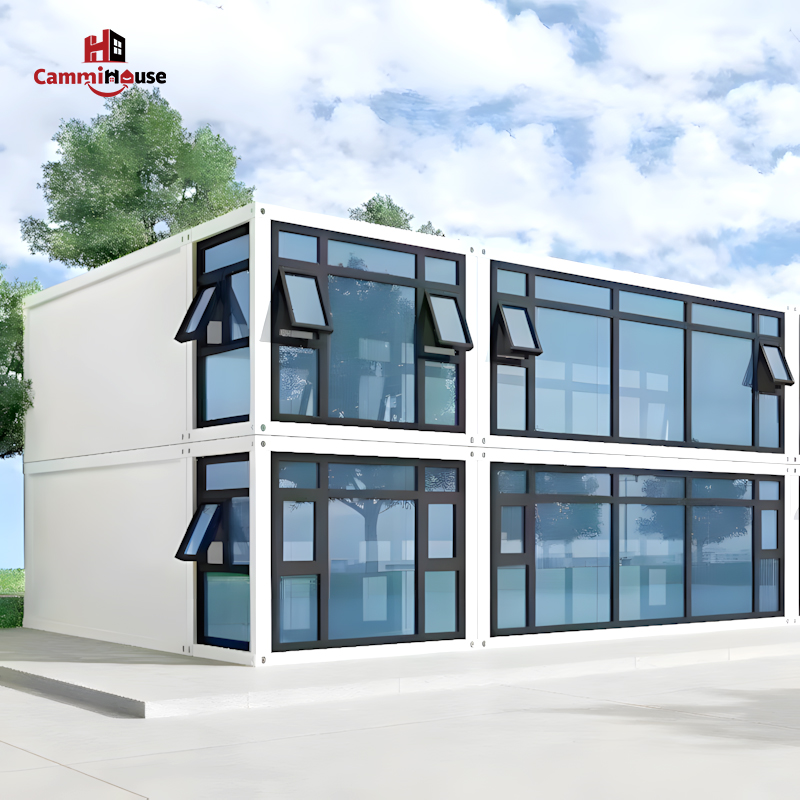
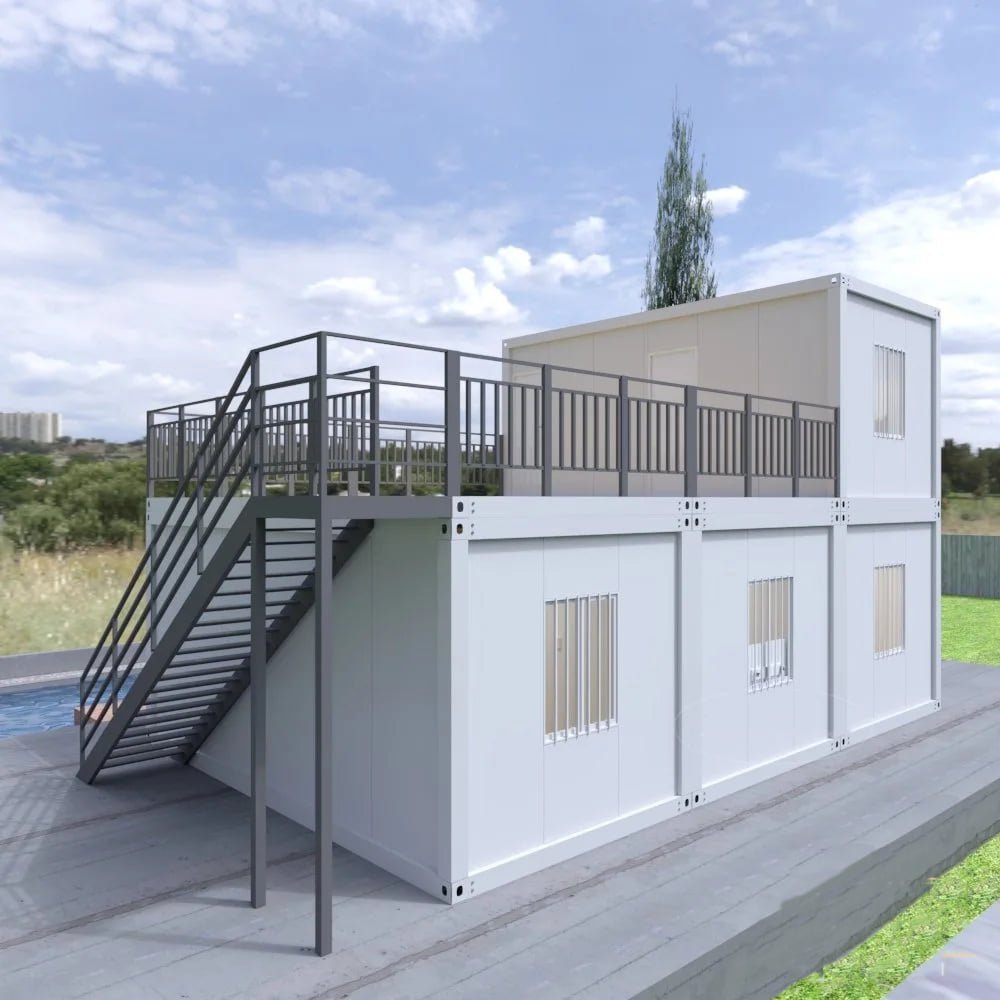
Container house prices vary significantly depending on application. Basic container houses used as site offices or temporary shelters usually cost less than residential or hospitality-grade systems. Residential container houses require higher insulation standards, integrated utilities, and compliance with local building codes, which increases cost. Searches such as modular container house or container house for living often indicate buyers looking beyond temporary use.
Manufacturers like cammihouse typically price container houses as integrated systems rather than empty steel shells. This includes structural framing, enclosure, and core interior systems, allowing buyers to compare solutions based on real usability instead of incomplete units with hidden upgrade costs.
Key Factors That Influence Container House Pricing
Structural Design and Material Specification
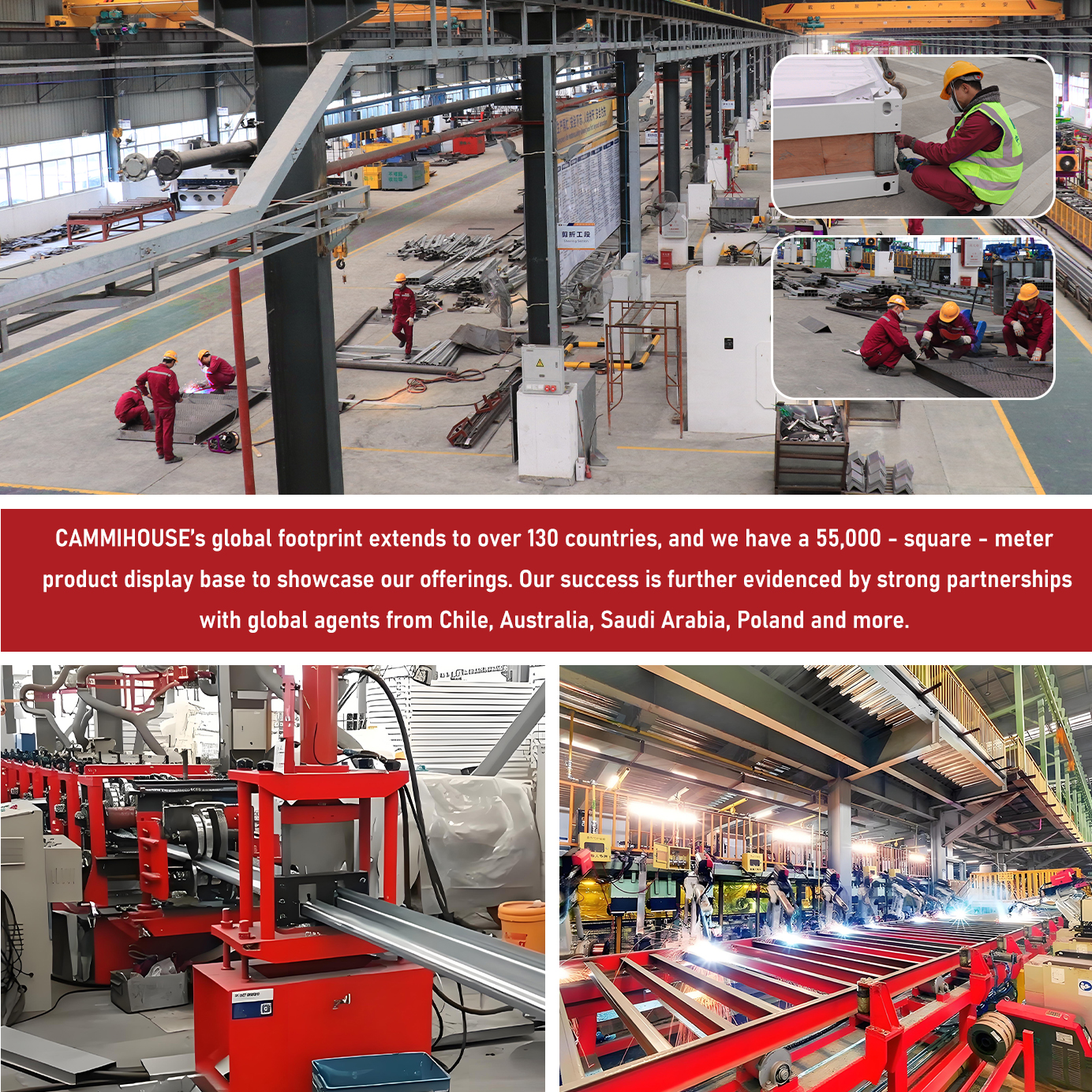
Structural performance is a primary cost driver. Load-bearing capacity, wind resistance, seismic performance, and corrosion protection all affect material selection and fabrication complexity. Container houses designed for coastal areas or high-wind regions require reinforced frames and enhanced surface treatments. According to the Modular Building Institute 2024 Report, systems with verified structural ratings experience fewer retrofits and lower maintenance costs over time.
Insulation and Climate Adaptability
Insulation level directly affects container house cost. Units intended for year-round occupancy must control heat loss, condensation, and ventilation. Buyers often underestimate the cost impact of climate adaptation, but higher insulation performance improves energy efficiency and indoor comfort. Over the lifecycle of a container house, this can reduce operational expenses significantly.
Shipping and Transportation Costs
Distance and Transport Configuration
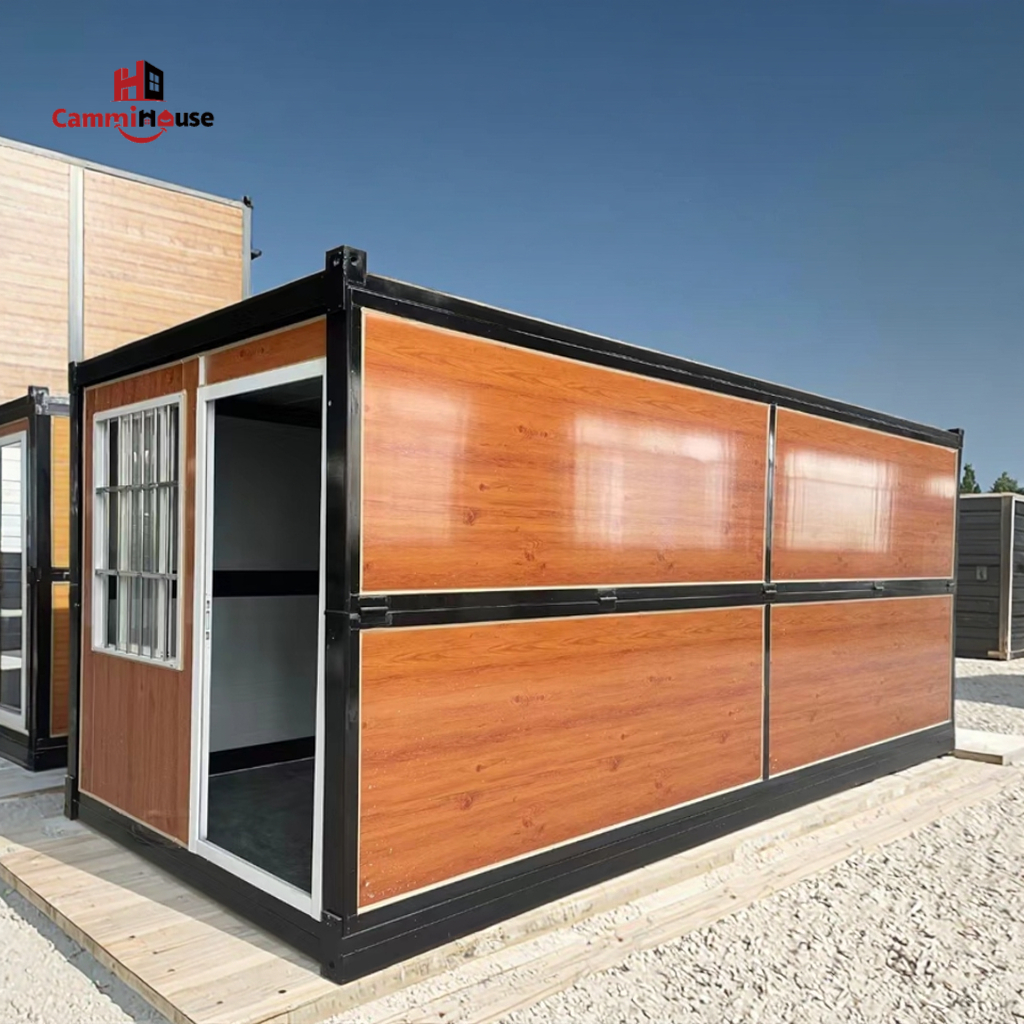
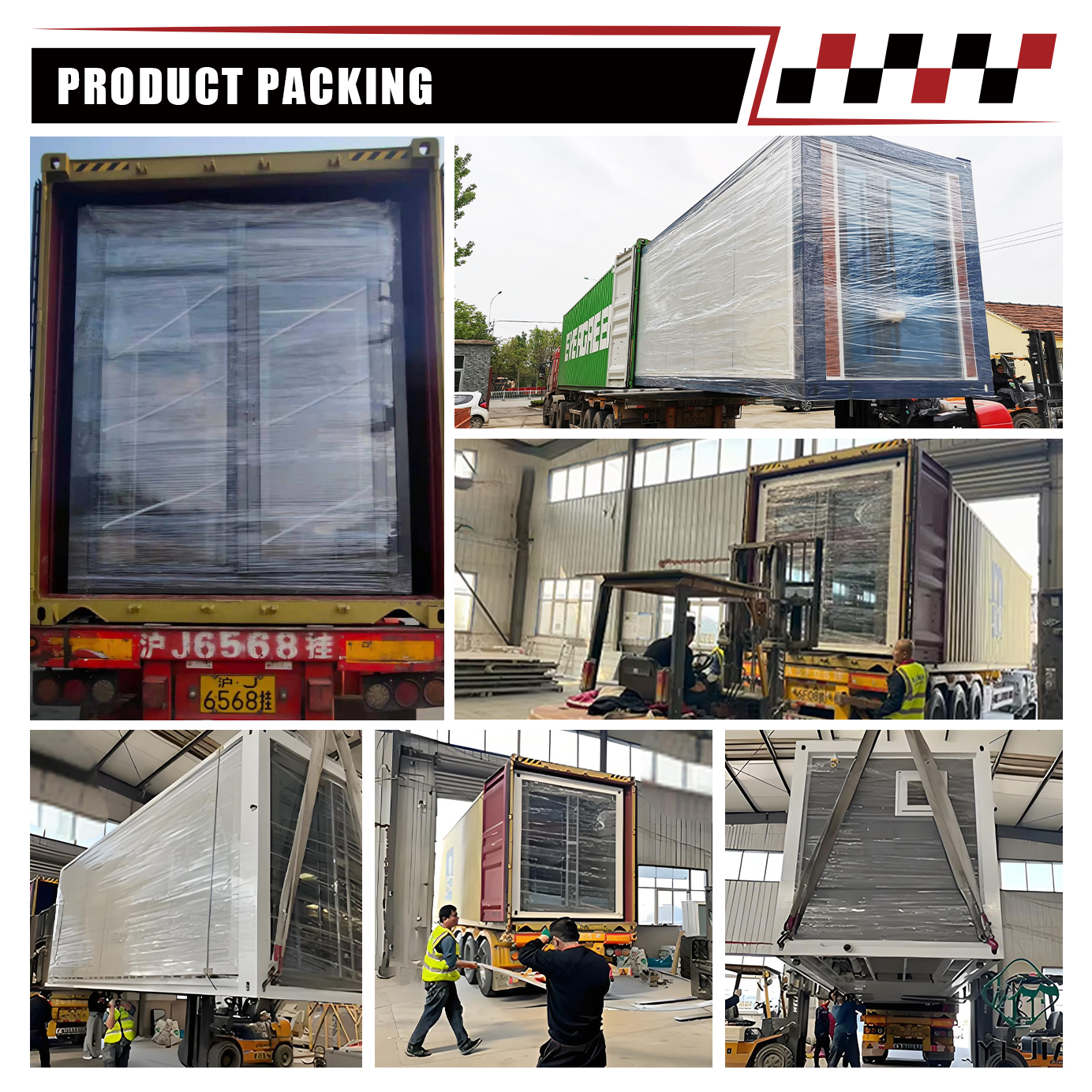
Shipping cost is an important but frequently overlooked component. Fully assembled container houses occupy more transport volume, while flat-pack or modular systems reduce shipping costs by optimizing container space. This is especially relevant for international buyers sourcing container houses overseas.
Cammihouse designs container housing systems with transport efficiency in mind, allowing multiple units to be shipped together while maintaining factory-controlled quality. For multi-unit projects, logistics planning can noticeably affect total cost.
Import Duties and Regulatory Compliance
Hidden Costs Beyond the Quotation
Import taxes, certification requirements, and regulatory adaptation costs vary by country. Fire safety regulations, electrical standards, and zoning rules may require design adjustments or additional documentation. These costs are rarely included in initial container house quotes.
According to the OECD Construction Policy Brief 2025, regulatory adaptation can account for 10–15% of total modular housing project cost if not considered during early planning.
Installation and Site Preparation Costs
Foundations and Utility Connections
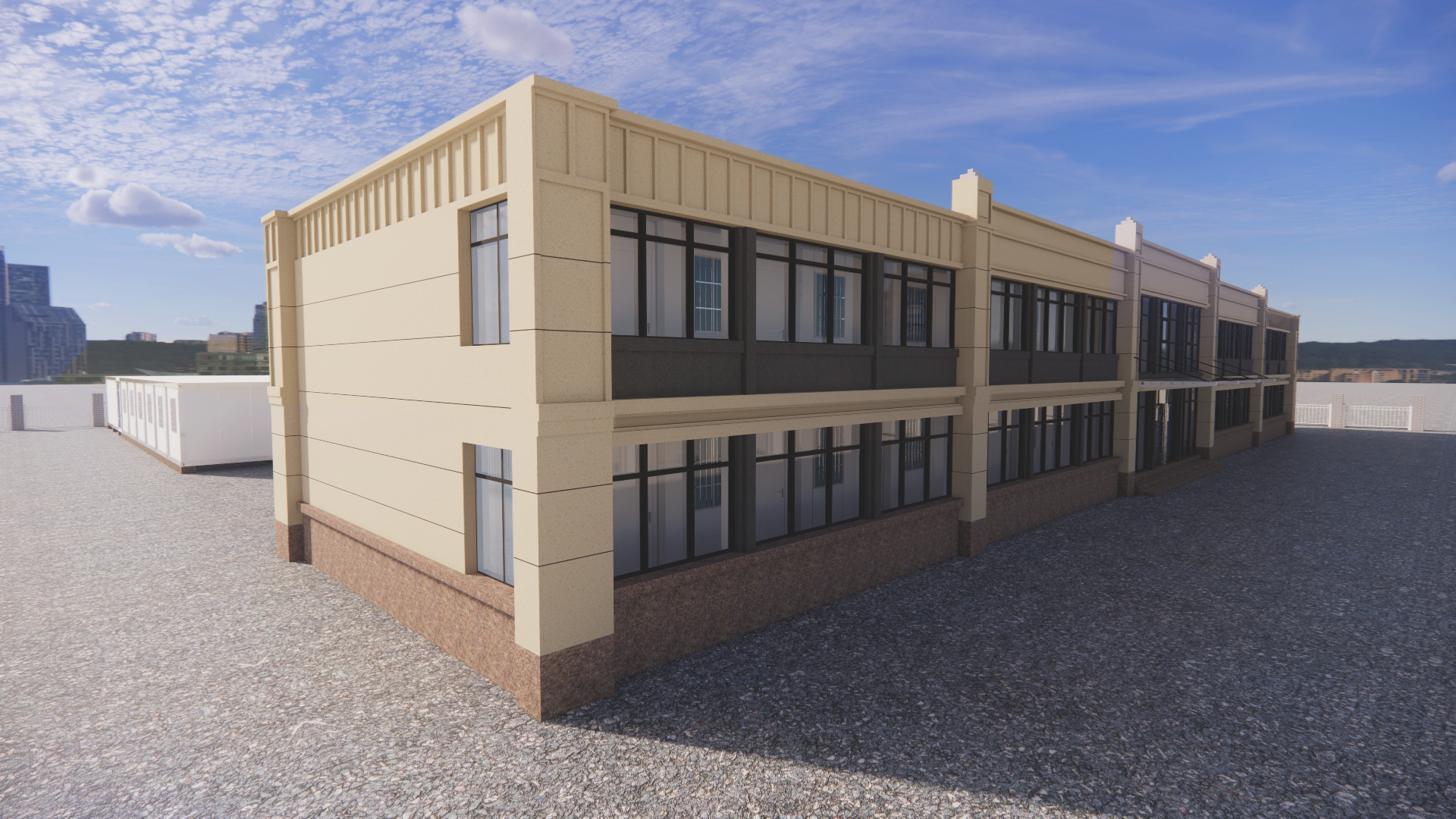
Although container houses reduce on-site construction work, site preparation is still required. Foundation type, ground conditions, and utility connections all contribute to total cost. Projects that integrate container houses into existing infrastructure often achieve lower installation expenses than greenfield developments.
In workforce housing and temporary accommodation projects, simplified foundations and standardized layouts help control installation budgets.
Maintenance and Long-Term Cost Considerations
Lifecycle Cost Matters More Than Entry Price
Maintenance cost depends more on system durability than on container size. Proper corrosion protection, replaceable components, and accessible service systems reduce long-term expenses. Buyers evaluating are container houses worth it should focus on lifecycle performance rather than the lowest upfront price.
Operators report that purpose-built container house systems require fewer repairs than ad hoc container conversions, particularly in rental and hospitality environments.
Conclusion: Plan Container House Costs as a System
Container house cost is shaped by design standards, logistics, compliance, installation, and long-term maintenance—not by unit price alone. Buyers who evaluate total lifecycle cost achieve better predictability and lower risk. When sourced from experienced manufacturers such as cammihouse, container houses function as reliable housing assets for residential, commercial, and workforce applications rather than short-term fixes.

FAQ
How much does a container house usually cost?
Container house prices vary by size, configuration, and performance level. Basic units cost less, while residential or hospitality-grade systems are priced higher due to insulation, compliance, and integrated utilities. Total cost should include shipping, installation, and long-term operation.
What factors most affect container house pricing?
Structural performance, insulation standards, transport method, regulatory compliance, and site preparation are the main cost drivers. Material durability and system integration often matter more than exterior appearance.
Is a container house more affordable than traditional construction?
In many cases, yes. Container houses reduce construction time and on-site labor. While initial prices may seem comparable, faster deployment and predictable performance often lower overall project cost compared with conventional building methods.
