
Introduction
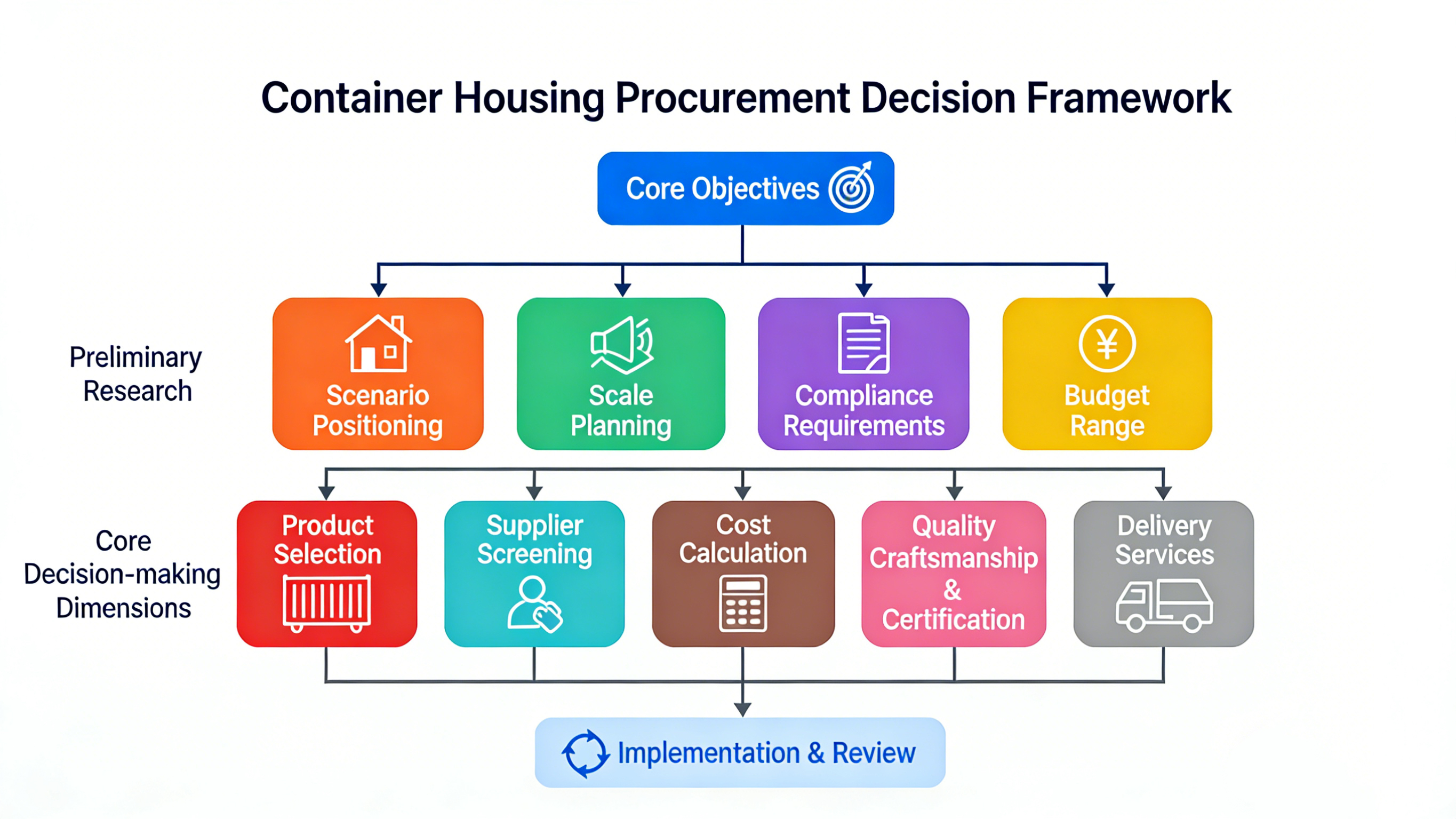
Selecting a container housing system is a procurement decision that directly affects project risk, lifecycle cost, and operational stability. Rather than comparing products based on unit price alone, buyers must evaluate container houses as integrated building systems. Climate conditions, regulatory requirements, and long-term performance expectations all influence whether a system will remain viable beyond initial deployment.
Why Procurement Requires a System-Level View
Beyond Single-Parameter Comparison
Procurement decisions based solely on price or delivery speed often lead to hidden costs later. Container houses function as complete building systems, not standalone products. Structural integrity, enclosure performance, and system compatibility must be assessed together to avoid future retrofitting or operational disruption.
Matching System Design to Project Context
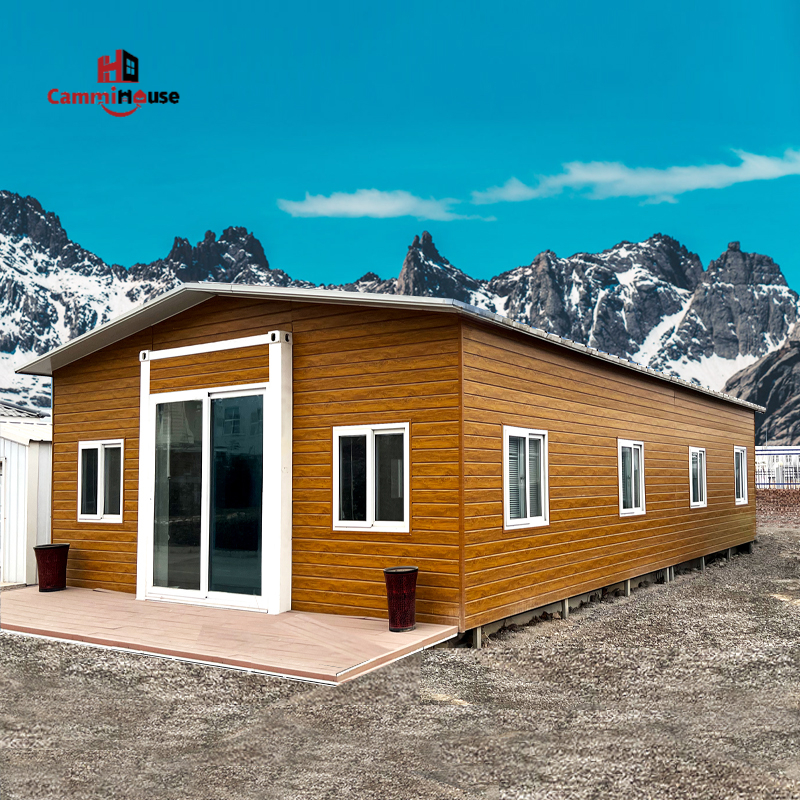
Each project environment presents different demands. Housing deployed in coastal regions, seismic zones, or extreme climates requires systems engineered for those conditions. A procurement process that aligns system design with local context reduces compliance risk and improves long-term performance reliability.
Core Performance Indicators to Evaluate
Structural and Environmental Resistance
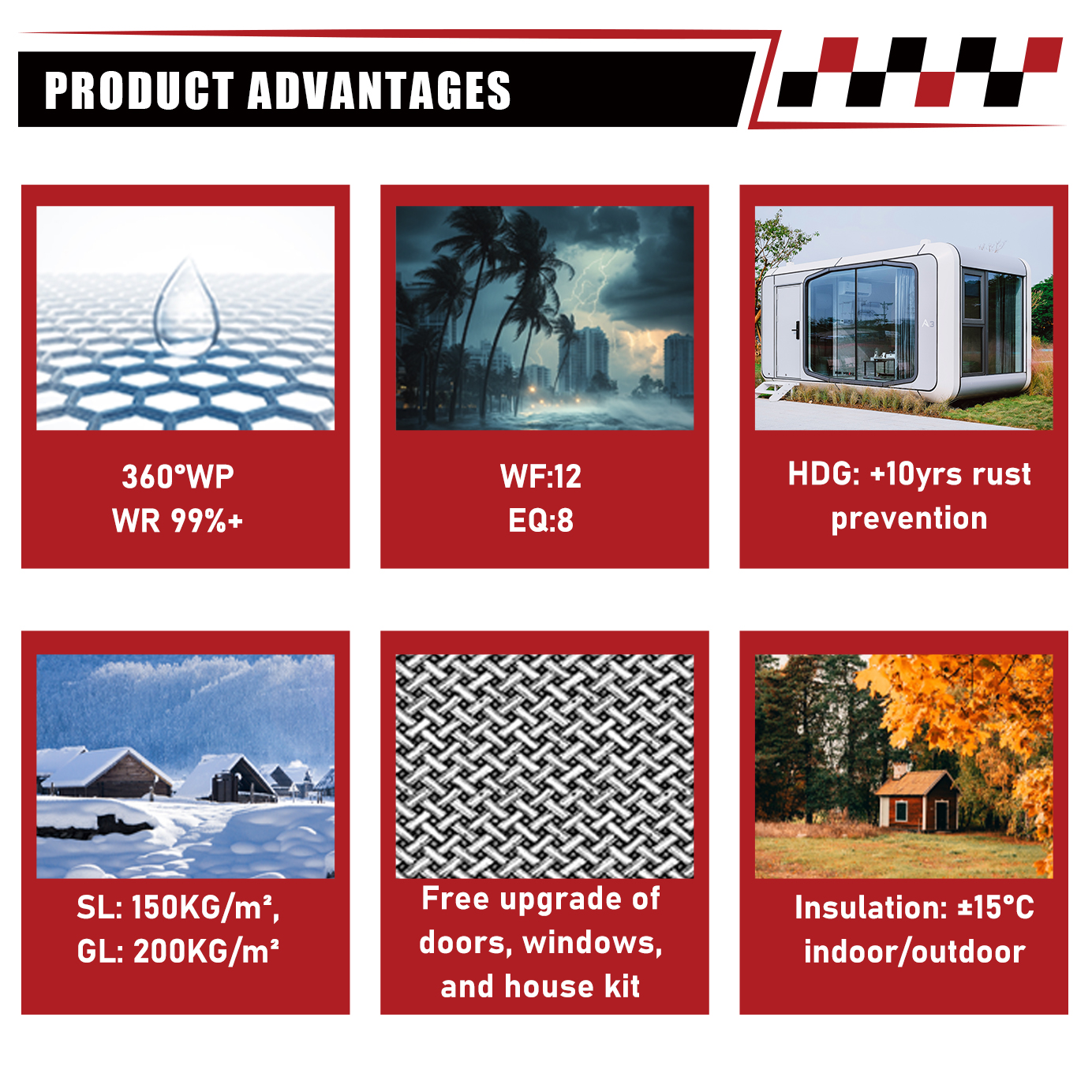
Key performance indicators such as wind resistance, seismic ratings, and load-bearing capacity determine whether container houses can operate safely under environmental stress. Waterproofing levels and corrosion protection are equally critical, especially in high-humidity or coastal regions.
Thermal and Comfort Performance
Thermal insulation, ventilation systems, and moisture control directly affect indoor comfort and energy use. Poor enclosure performance increases operational costs and reduces occupancy satisfaction, particularly in long-term residential or workforce housing projects.
Regulatory Compliance and Certification
Navigating Local Building Codes
Container houses must comply with zoning laws, fire safety regulations, and occupancy standards. Procurement teams should verify whether systems are designed to meet local codes without extensive modification. Early compliance planning reduces approval delays and redesign costs.
Documentation and Verification
Verified test reports and certification documents provide measurable assurance of system performance. According to the Modular Building Institute, standardized modular systems with third-party verification reduce project delivery risks compared to site-built alternatives.
Evaluating Lifecycle Cost, Not Unit Price
Hidden Costs Beyond Initial Purchase
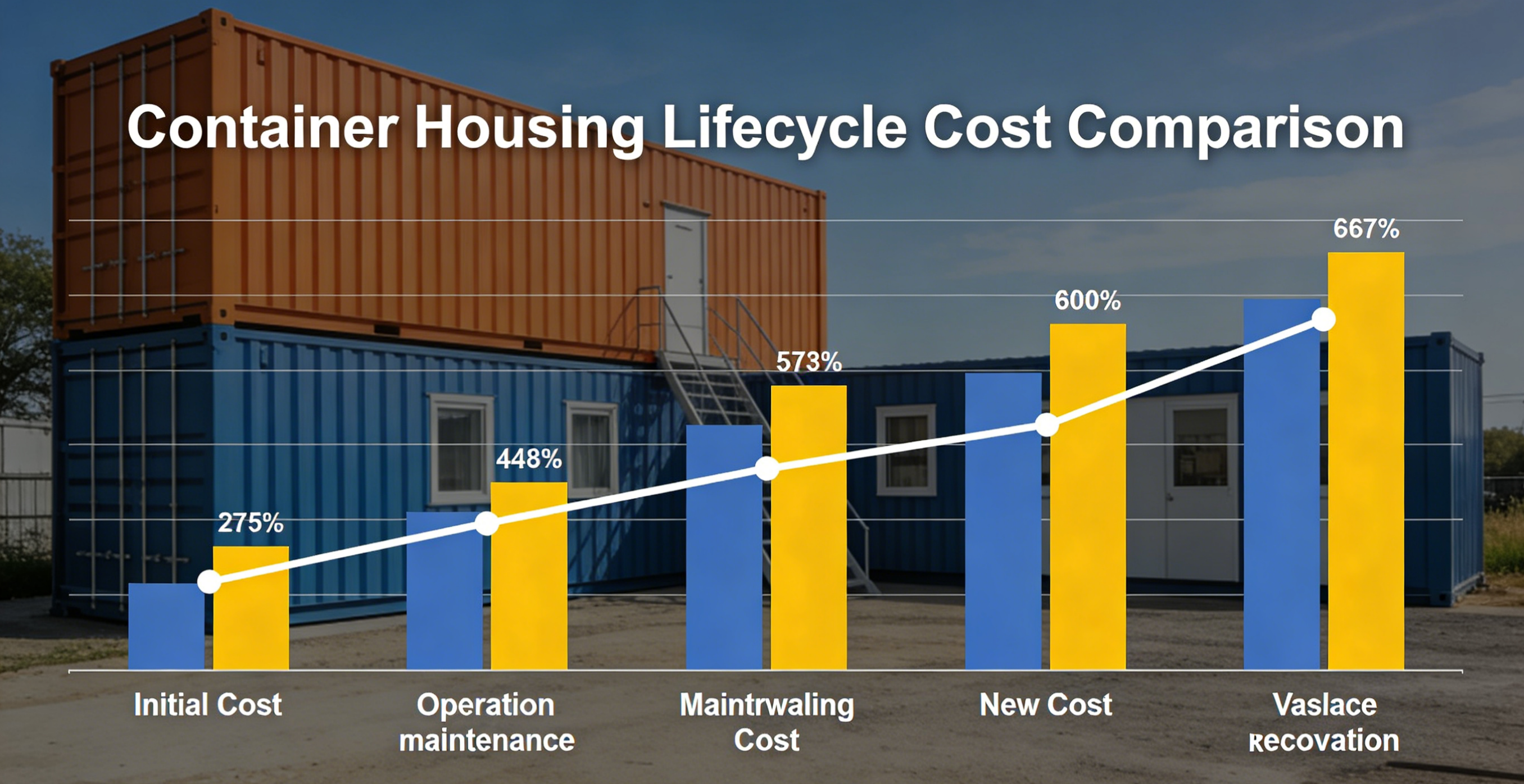
The initial unit price represents only a portion of total project expenditure. Foundations, utility integration, transportation logistics, regulatory adaptations, and commissioning costs often exceed the base product price over the lifecycle of the project.
Maintenance and Upgrade Considerations
Long-term maintenance cycles, corrosion protection renewal, and component replacement should be factored into procurement decisions. Systems optimized at the technical level reduce future retrofit requirements and improve cost predictability.
Application-Specific Selection Logic
Workforce and Temporary Housing Projects
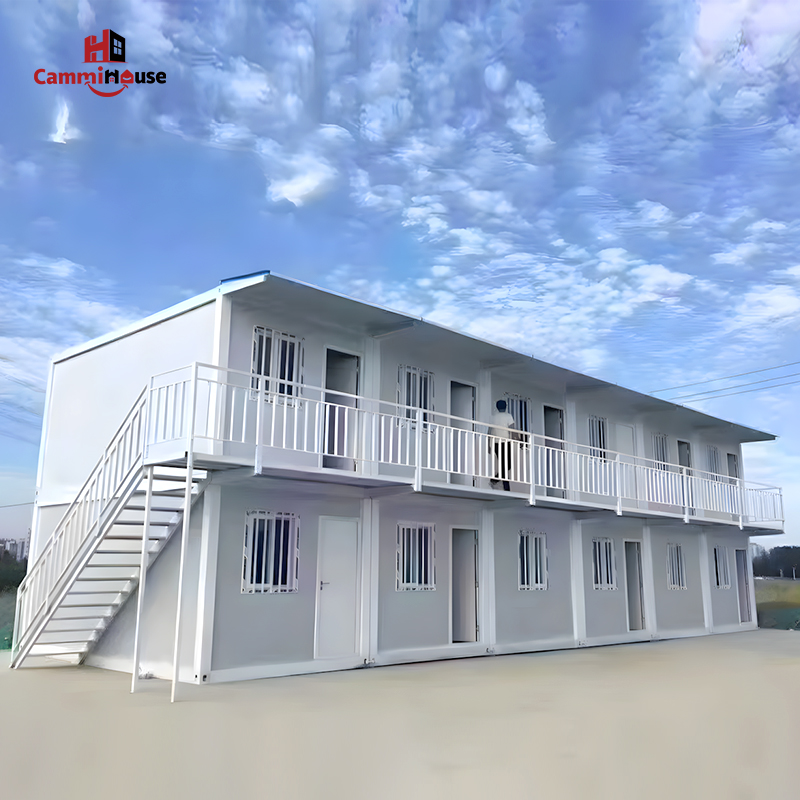
For workforce housing, rapid deployment and durability are primary concerns. Systems should support repeated relocation without structural degradation. Buyers often prioritize standardized modules that simplify logistics and maintenance.
Public and Institutional Projects
Government and institutional buyers require compliance, transparency, and long-term asset value. Container houses used in public housing must demonstrate stability, safety, and adaptability over extended service periods.
Role of Manufacturers in Risk Reduction
Importance of Purpose-Built Systems
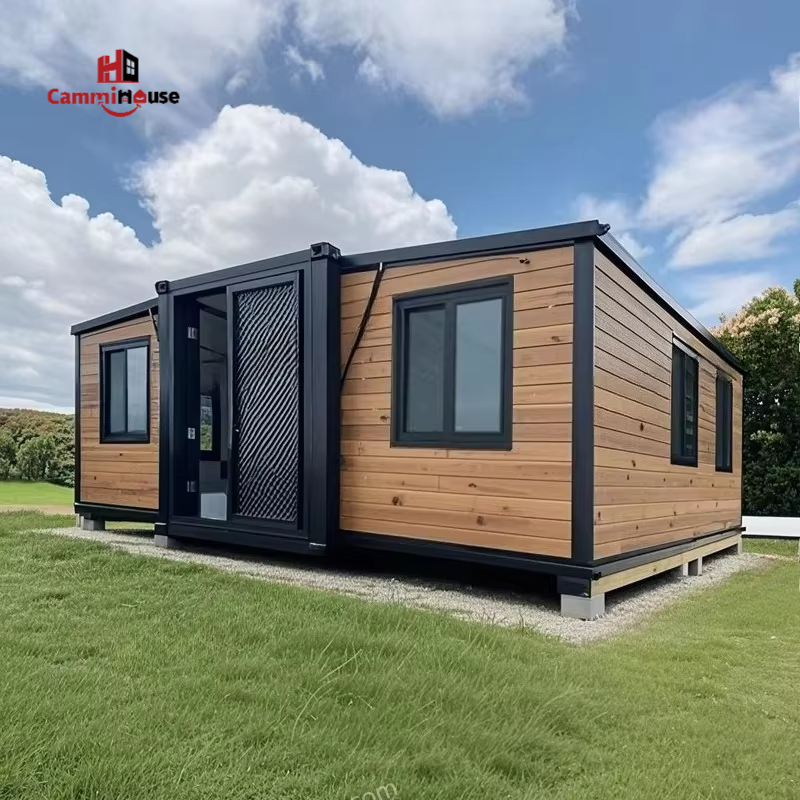
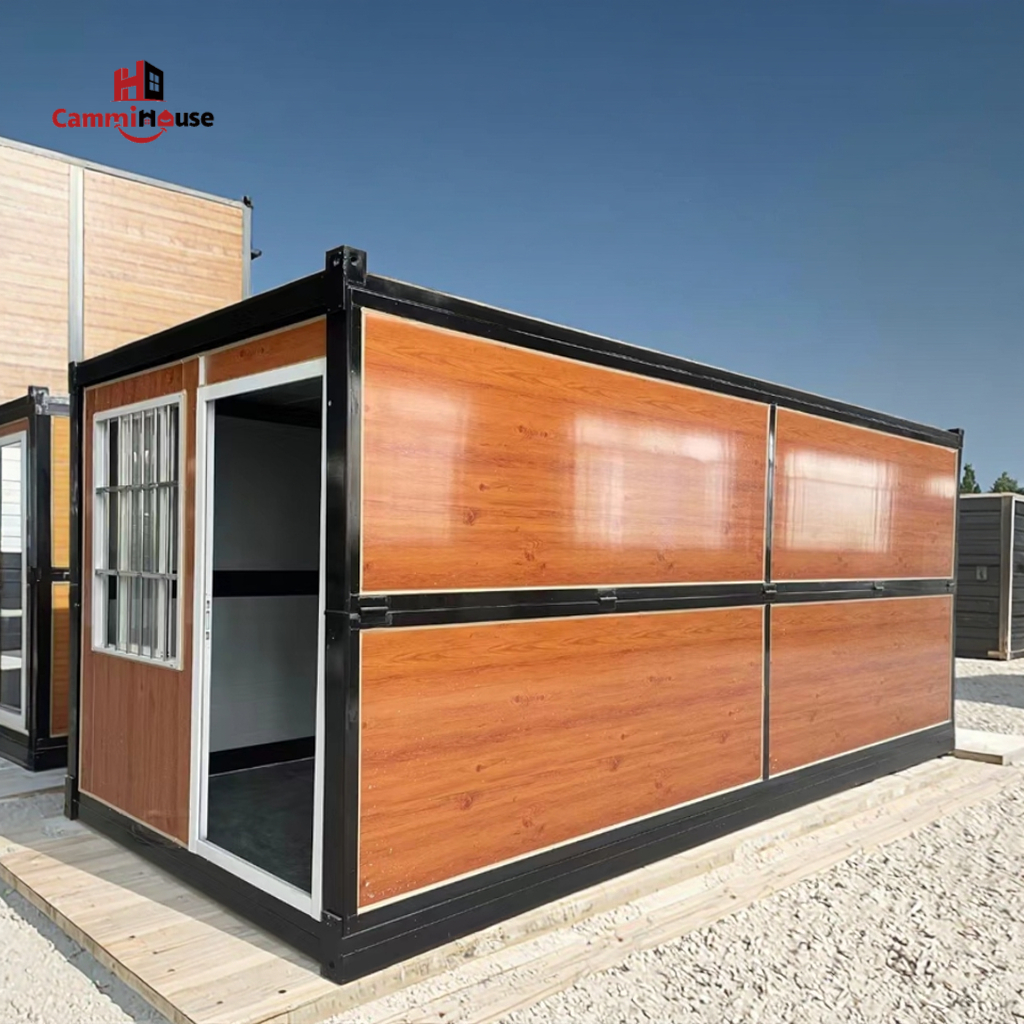
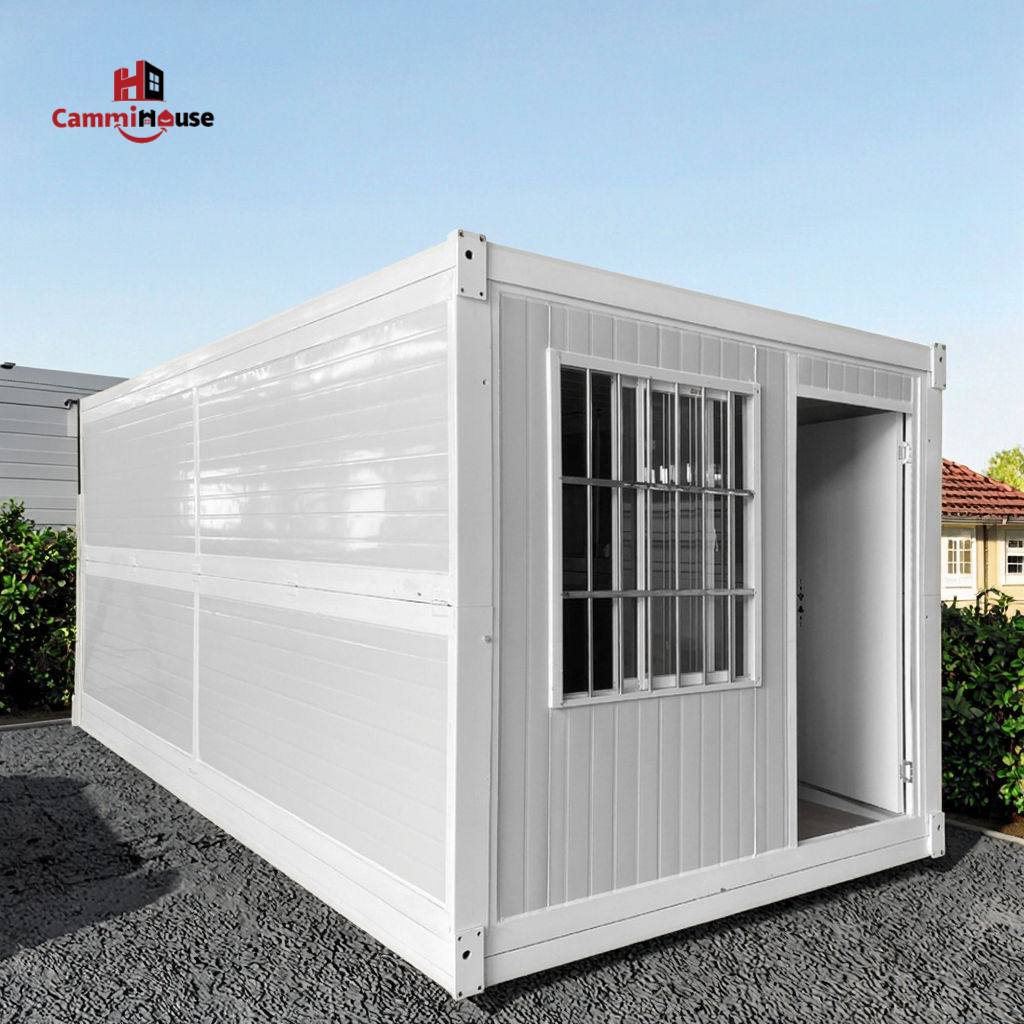
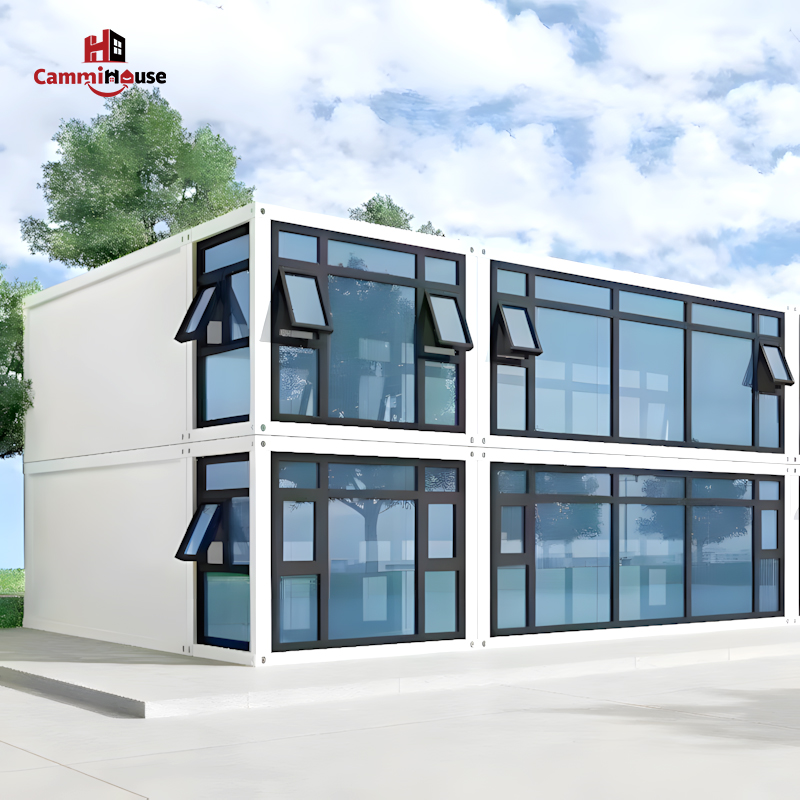
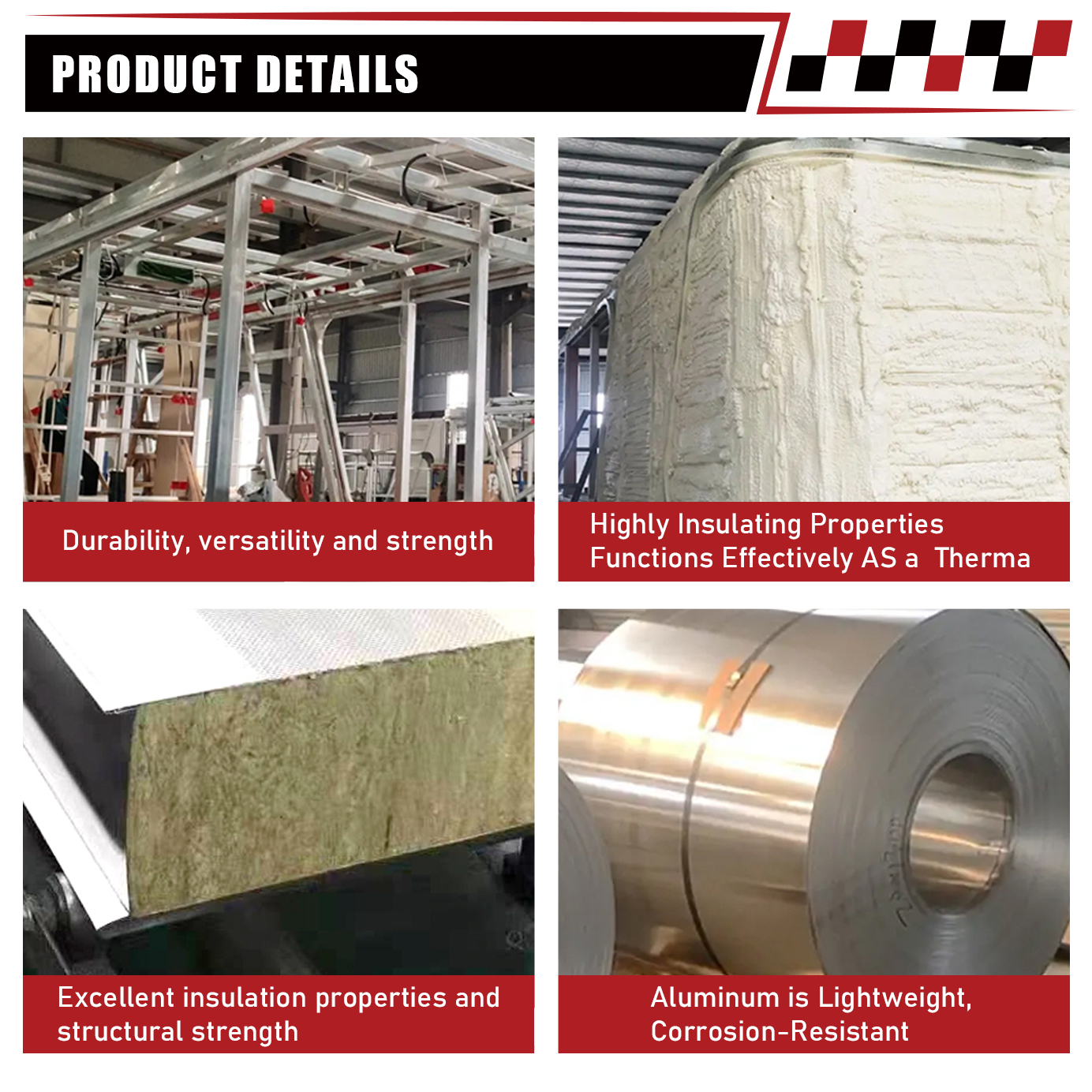
Manufacturers that design container houses as housing systems rather than modified cargo containers provide more consistent outcomes. Purpose-built systems integrate structural reinforcement, insulation, and services during manufacturing, reducing on-site uncertainty.
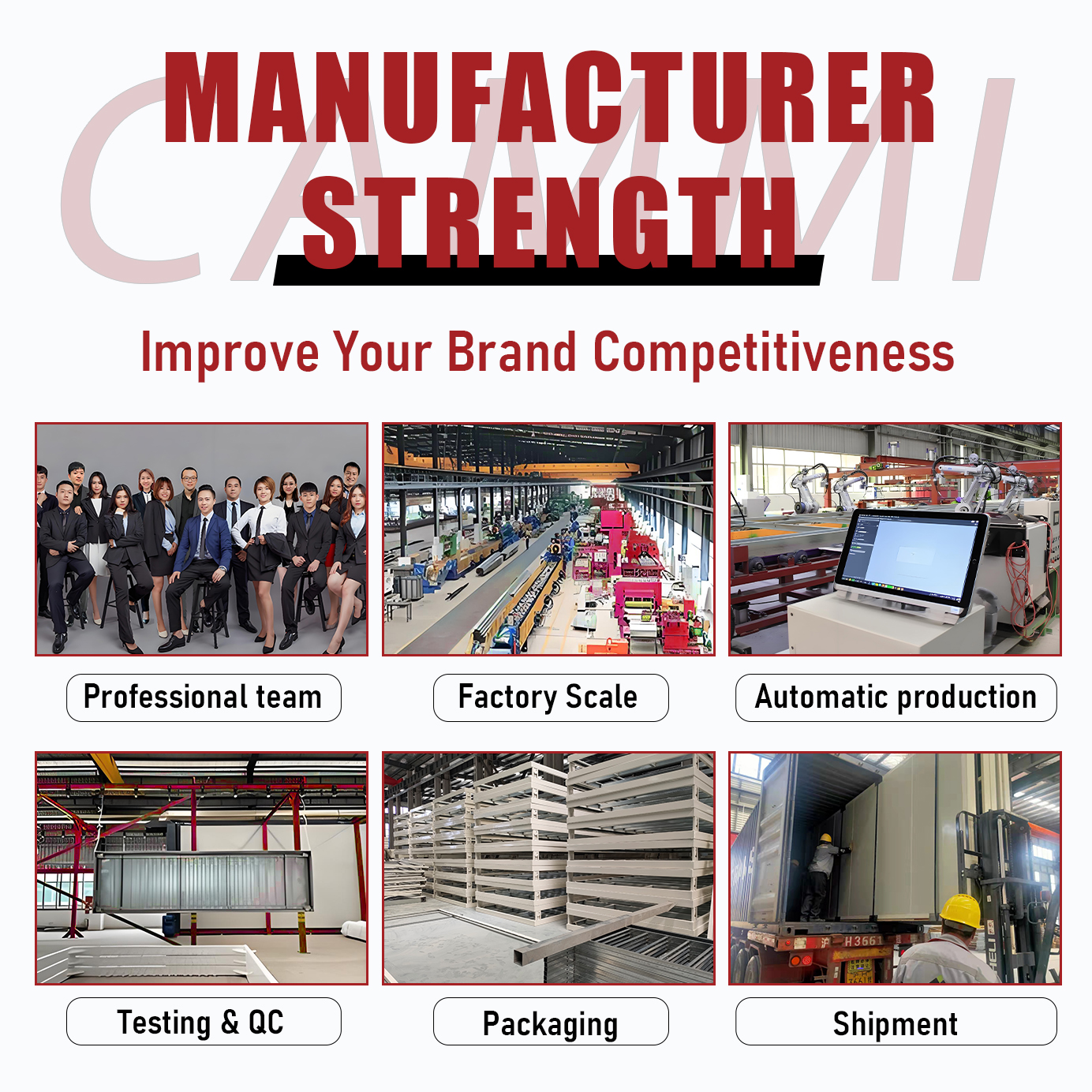
Companies such as cammihouse focus on container housing systems engineered for predictable performance across residential, workforce, and public-sector applications.
Conclusion
Effective procurement of container housing systems depends on comprehensive evaluation rather than isolated metrics. Performance indicators, regulatory alignment, and lifecycle cost analysis provide a clearer basis for selection. When container houses are chosen through system-level assessment and supplied by specialized manufacturers like cammihouse, projects benefit from reduced risk, improved stability, and long-term cost efficiency.
FAQ
What is the most important factor when selecting a container house?
System performance should be prioritized over unit price. Structural ratings, environmental resistance, and compliance determine long-term suitability and operational cost more reliably than initial purchase price.
Are container houses suitable for different climates?
Yes, if designed accordingly. Climate adaptability depends on insulation, waterproofing, ventilation, and corrosion protection integrated into the system during manufacturing.
How can buyers evaluate long-term costs accurately?
Lifecycle cost analysis should include installation, utilities, maintenance, and upgrade cycles. Verified technical specifications help forecast long-term operational expenses more accurately.
Do container houses meet regulatory standards?
They can, provided systems are designed to meet local building codes. Buyers should confirm certification and test documentation during procurement to avoid approval delays.
