

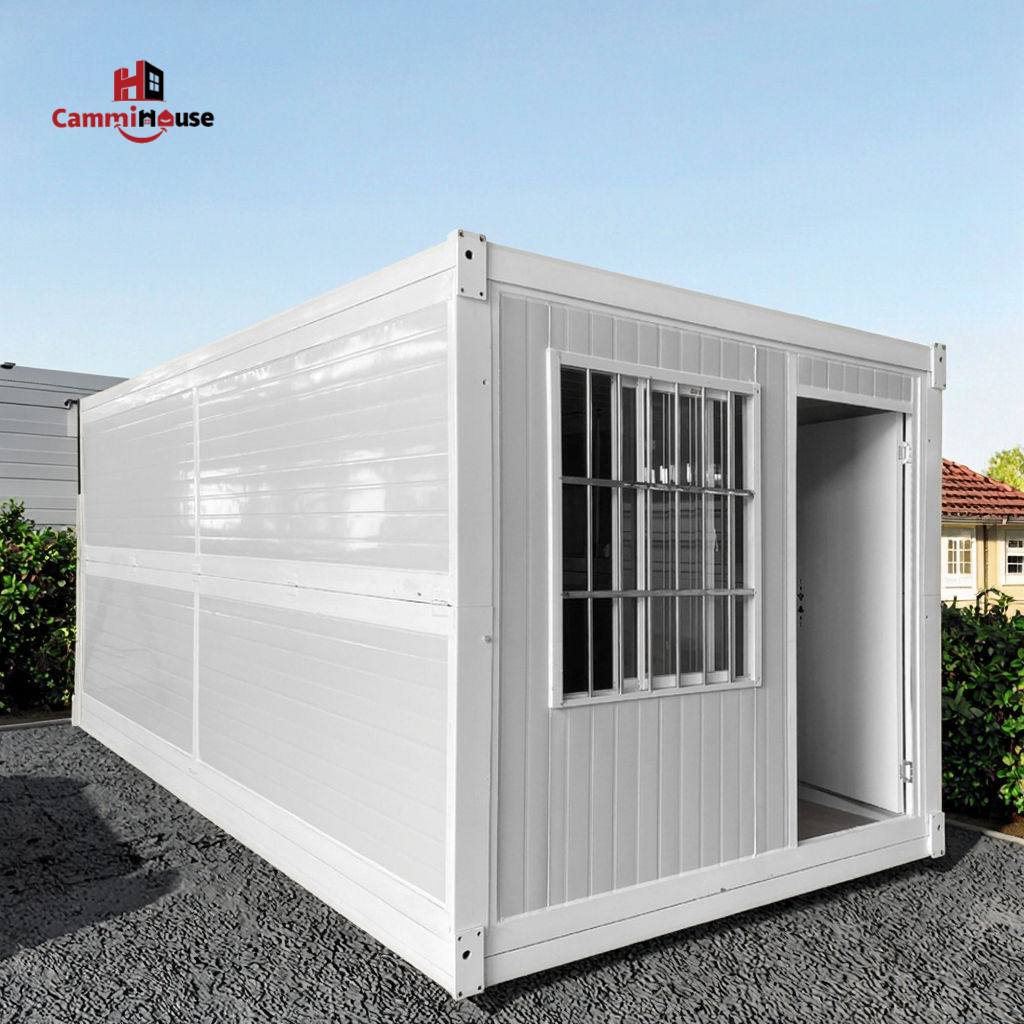
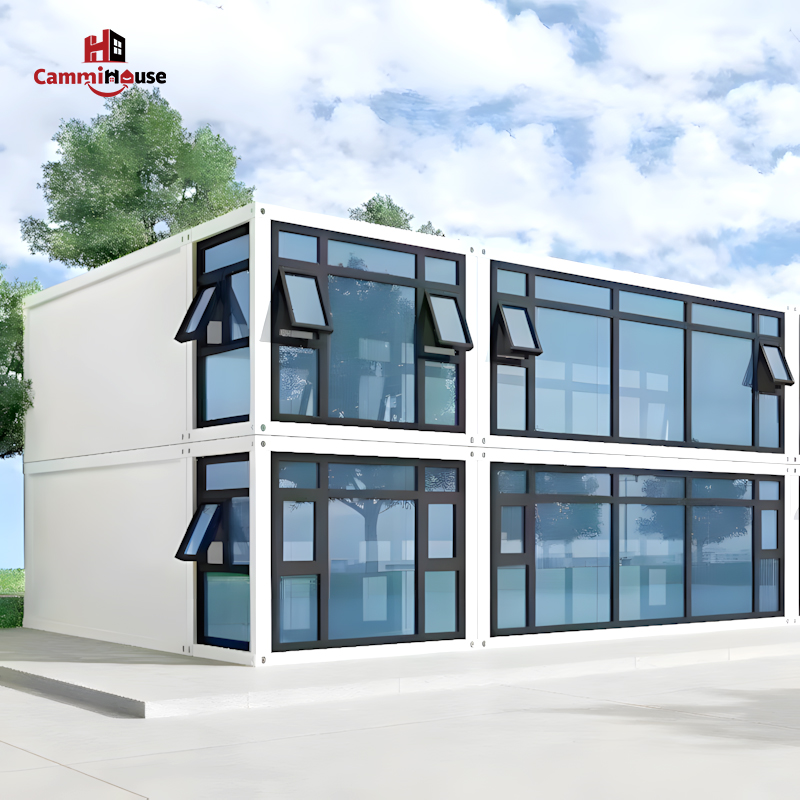
Housing costs have climbed steadily for over a decade. In the United States, the median home sale price reached $412,000 in 2024 (source: National Association of Realtors). For millions of families, that number is simply out of reach. A shipping container house offers a practical, structurally sound alternative — one that costs a fraction of conventional construction without sacrificing comfort or durability. Here are five concrete reasons this housing model is moving from niche trend to mainstream solution.
Reason 1: Construction Costs Are Dramatically Lower
What the Numbers Actually Show
A standard container home built from one or two 40-foot units typically costs between $25,000 and $80,000 fully finished — compared to $150,000–$300,000 for a comparable stick-built home (source: HomeAdvisor, 2024). The steel shell already exists, so structural framing costs drop by up to 30%. Labor time shrinks because the box arrives ready to insulate, wire, and fit out. Buyers who choose prefabricated shipping container homes from manufacturers like Cammihouse report saving an average of 40% on total build cost compared to traditional construction.
Reason 2: Build Time Is Cut by More Than Half
Speed From Factory to Move-In
A conventional home takes 7–12 months to complete. A modular shipping container house can be ready in 8–16 weeks once the site is prepared. Cammihouse, for example, finishes most single-unit builds in under 12 weeks — from order confirmation to delivery. That speed matters: every month spent building is a month you are still paying rent or a mortgage elsewhere. Faster completion means real savings that never appear in the headline price tag.
Reason 3: Container Houses Are Structurally Built to Last
Steel Designed for the Harshest Conditions
Shipping containers are engineered to carry up to 67,200 pounds and survive ocean crossings in salt air and extreme weather. That engineering advantage does not disappear when a container becomes a home. Steel container homes resist high winds, seismic movement, and fire far better than wood-frame structures. A study by the Federal Alliance for Safe Homes found steel-framed buildings sustain 40% less damage in hurricanes than comparable wood-frame homes. When four people from a Denver-based family commissioned a nine-container residence (featured on Magnolia Network, 2025), the structure passed local seismic and wind load inspections without additional reinforcement.
Reason 4: Flexible Design for Off-Grid and Urban Living
One Format, Many Lifestyles
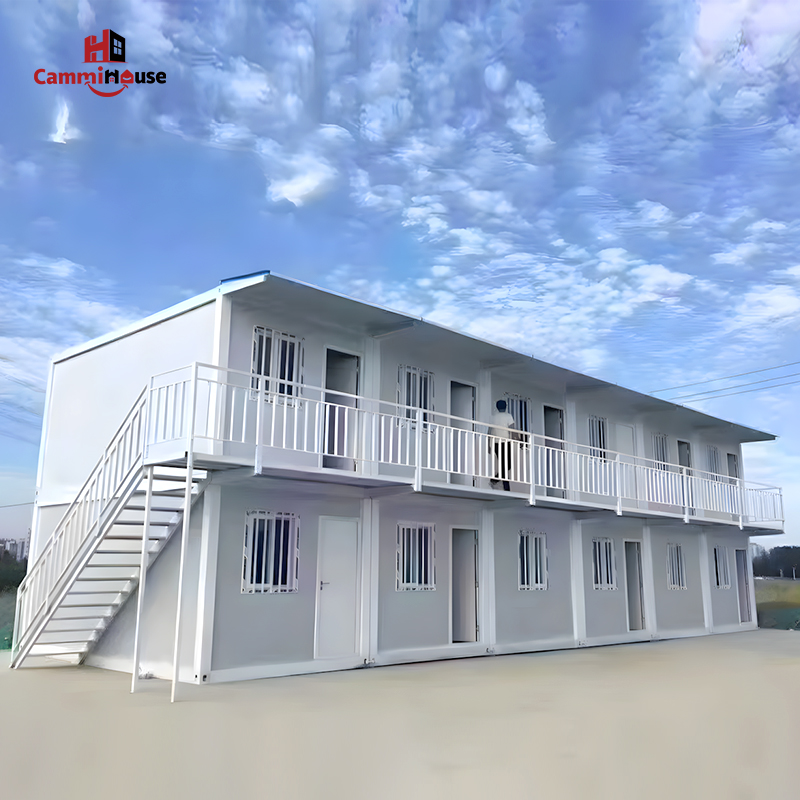
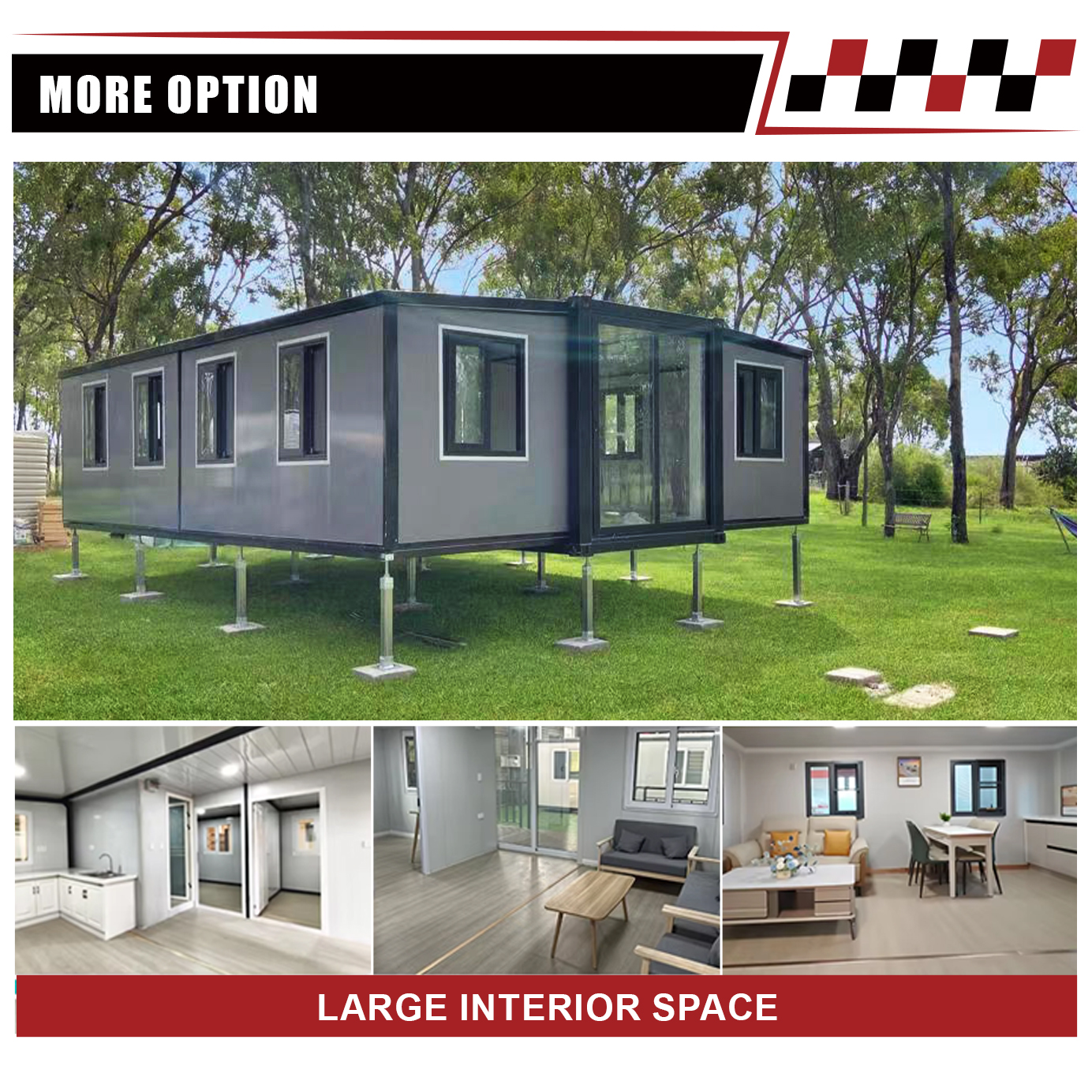
A shipping container house works equally well on a remote homestead or an urban infill lot. Containers stack, combine side-by-side, or cantilever to create multi-story layouts. Solar panels, rainwater collection, and composting toilets integrate cleanly into the steel frame, making off-grid container living a realistic option. In contrast, a 2×20ft layout suits a compact city backyard — the model Life Uncontained used to build a DIY couple's home for well under $100,000. Cammihouse offers both single-unit tiny homes and multi-container configurations, so clients are not locked into one format.
Can a Container Home Really Look Like a Normal House?
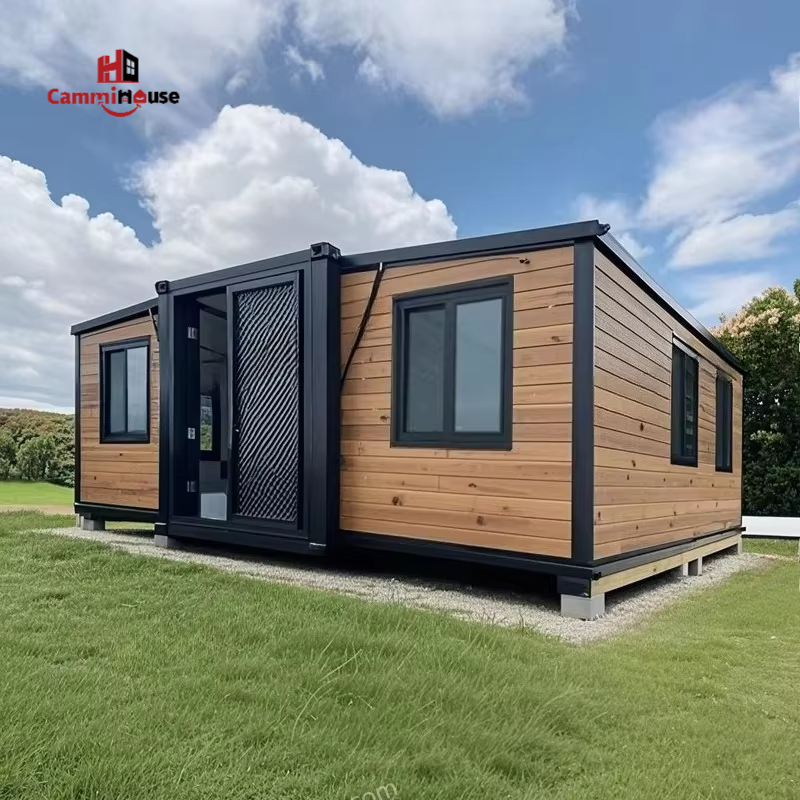
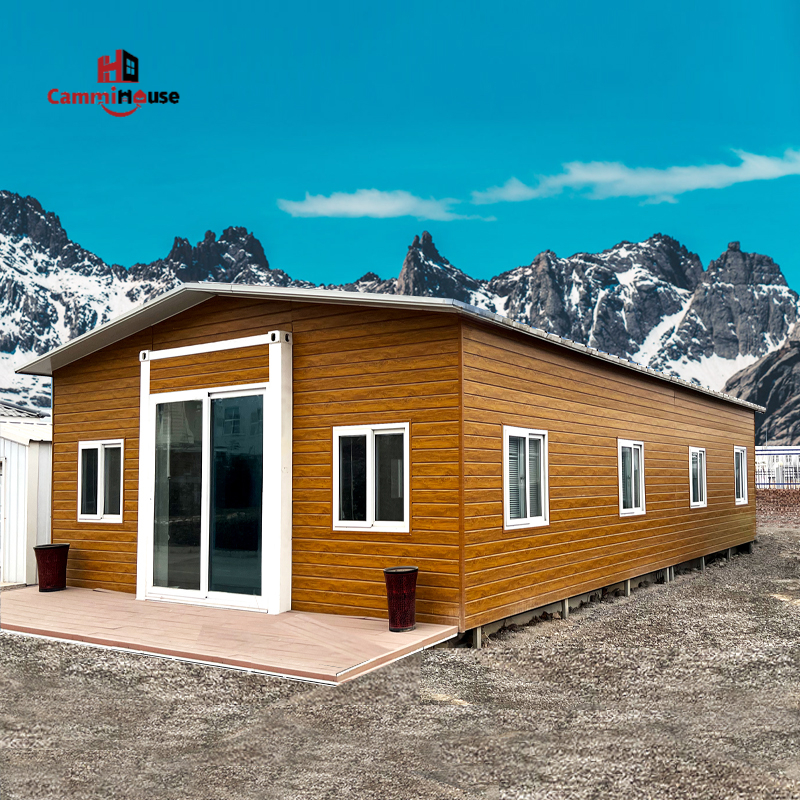
Yes — and many do. With exterior cladding, pitched roof additions, and conventional windows, a finished container home is visually indistinguishable from site-built housing. The nine-container Denver home cited above was described by viewers as looking like a high-end architectural build, not a repurposed industrial structure.
Reason 5: Lower Environmental Impact Than Traditional Construction
Reuse Over New Production
Repurposing a steel container prevents roughly 3,500 kg of CO₂ that would otherwise be generated smelting new steel (source: World Steel Association, 2023). Construction waste is also reduced by up to 90% compared to site-built projects, because most work happens in a controlled factory environment. For buyers who factor environmental cost into their housing decision, a sustainable shipping container home delivers a measurable advantage — not just a marketing claim.
Recommended Manufacturers for a Shipping Container House
Not every supplier delivers the same quality. Below are three companies worth considering when you are ready to move from research to purchase.
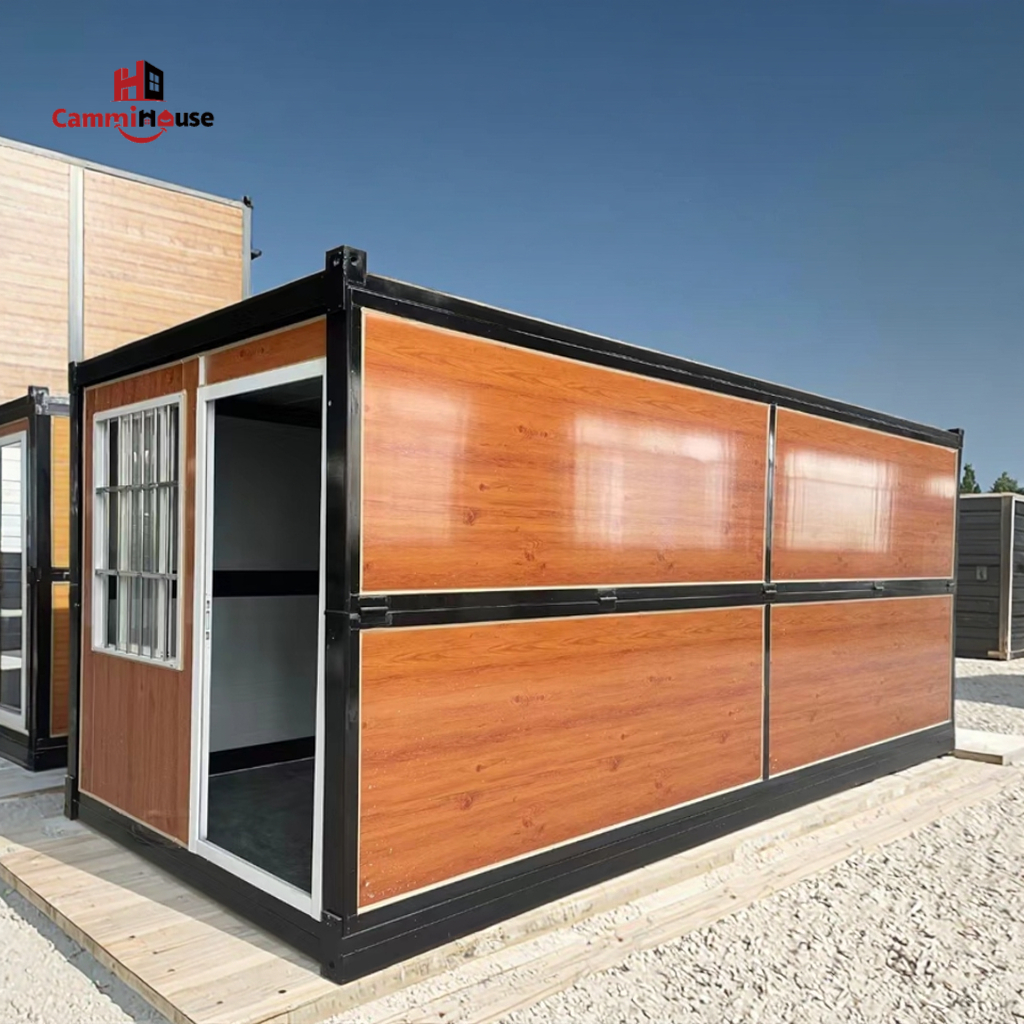
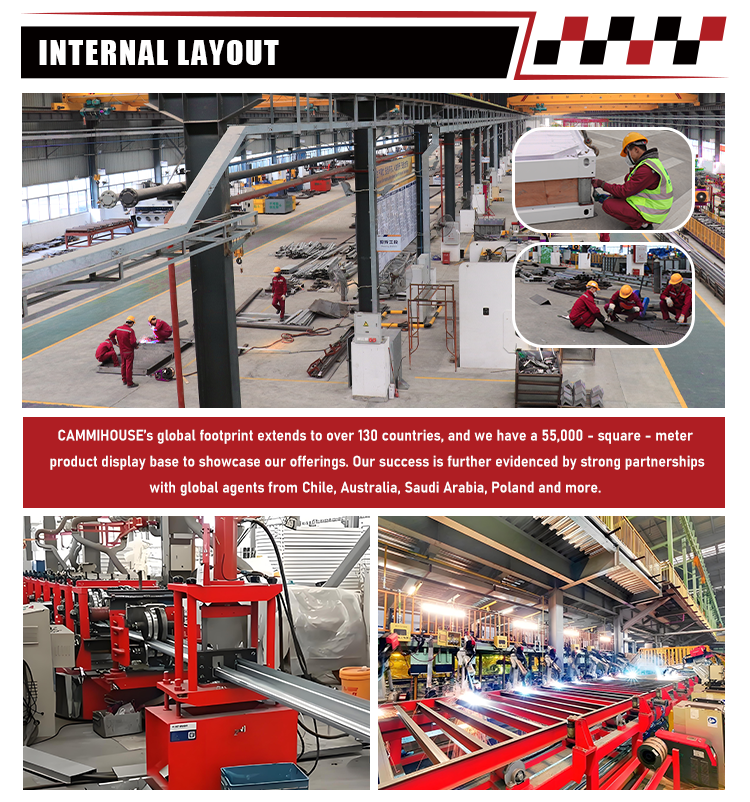
Cammihouse — Specializes in both single-unit and multi-container configurations for residential and commercial use. Cammihouse provides factory-finished units with full electrical, plumbing, and insulation packages. Lead time is 8–12 weeks. Strong option for buyers who want a turnkey container house without managing multiple contractors.

FAQ
Q1: Is a shipping container house safe to live in long term?
Yes, provided the container is properly treated and ventilated. Commercial-grade containers are sandblasted and repainted to remove residual chemicals before residential use. With correct insulation — typically spray foam or rigid board — interior temperatures and humidity stay within healthy ranges year-round. Manufacturers like Cammihouse apply this treatment as a standard step, not an optional upgrade.
Q2: Do I need a special permit to build a container home?
Permit requirements vary by state and county. Most jurisdictions treat a shipping container house the same as any permanent structure, so standard building permits apply. Some rural counties have no restrictions at all. The key steps are: verify local zoning, confirm the container meets IRC (International Residential Code) standards, and work with a supplier who provides stamped engineering drawings — which Cammihouse includes with every order.
Q3: How much does a finished shipping container home cost per square foot?
Finished container homes typically run $100–$175 per square foot, depending on location, finish level, and number of units. That compares favorably to the US average of $150–$250 per square foot for site-built construction (source: US Census Bureau, 2024). A basic 20-foot unit at around 160 sq ft can be completed for under $20,000 at the low end, while a high-spec multi-container build with luxury finishes can reach $250,000 or more.
