

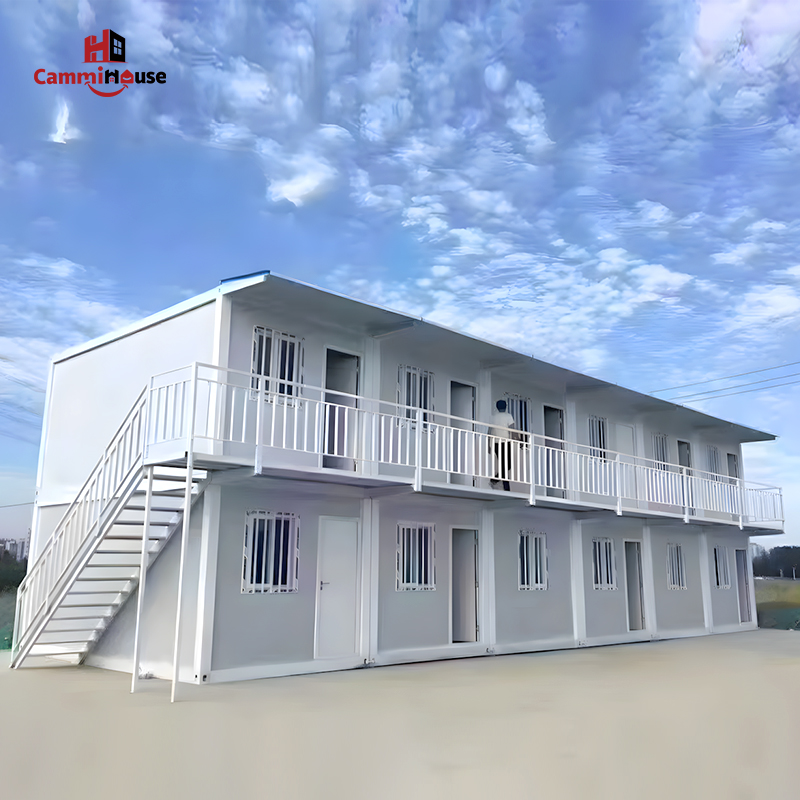
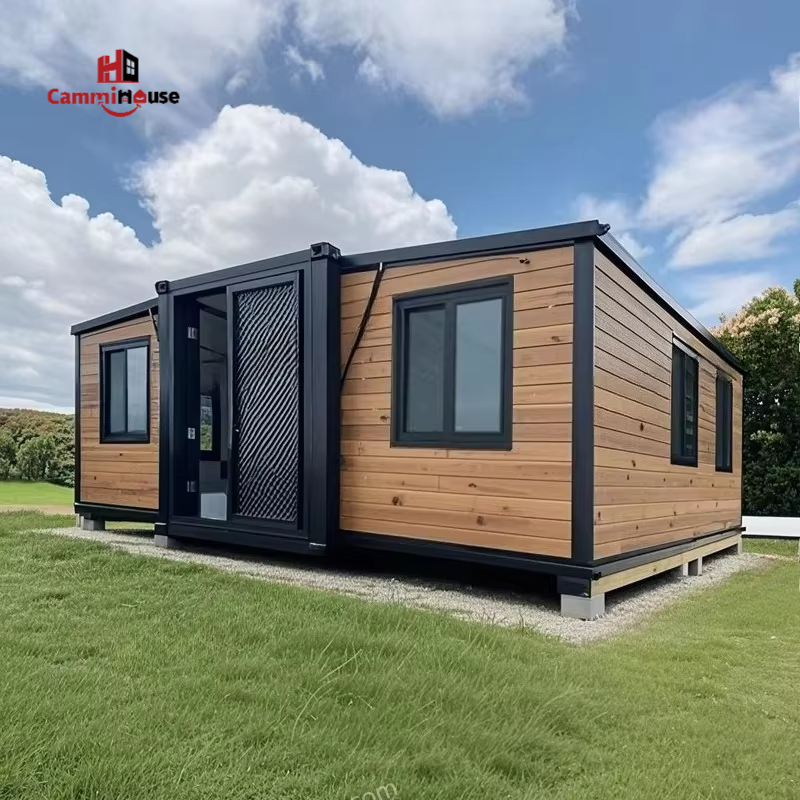
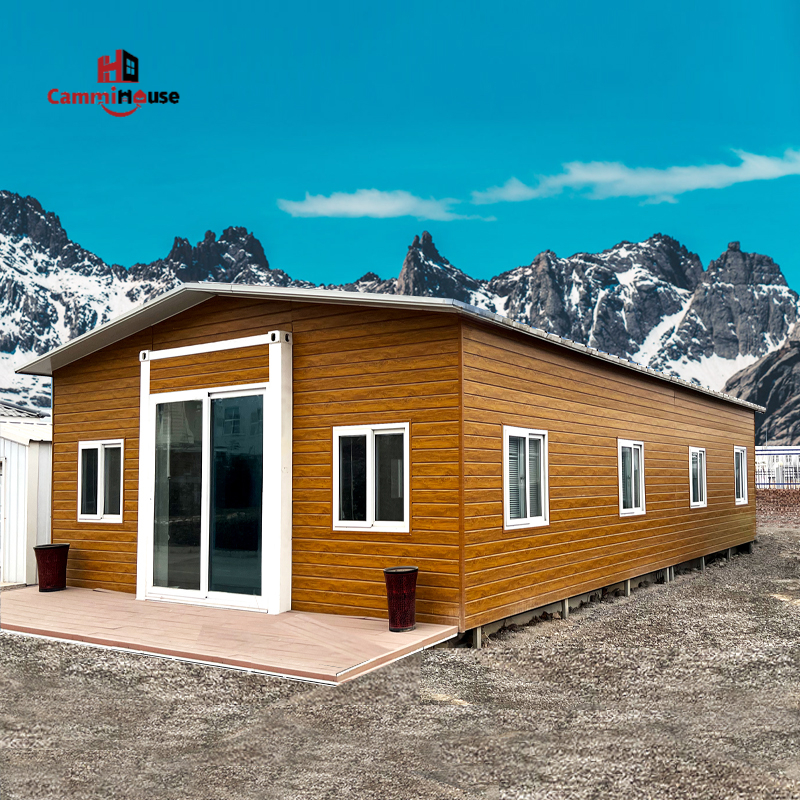
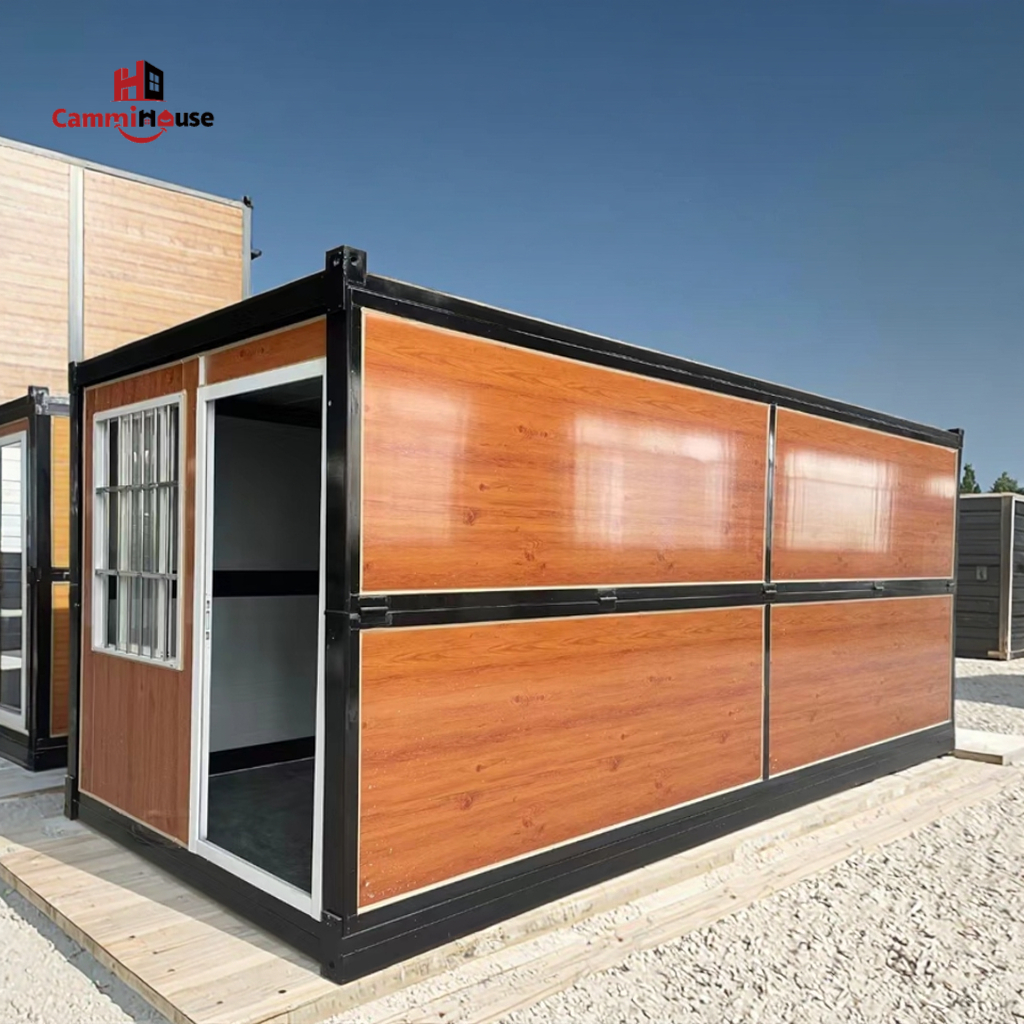
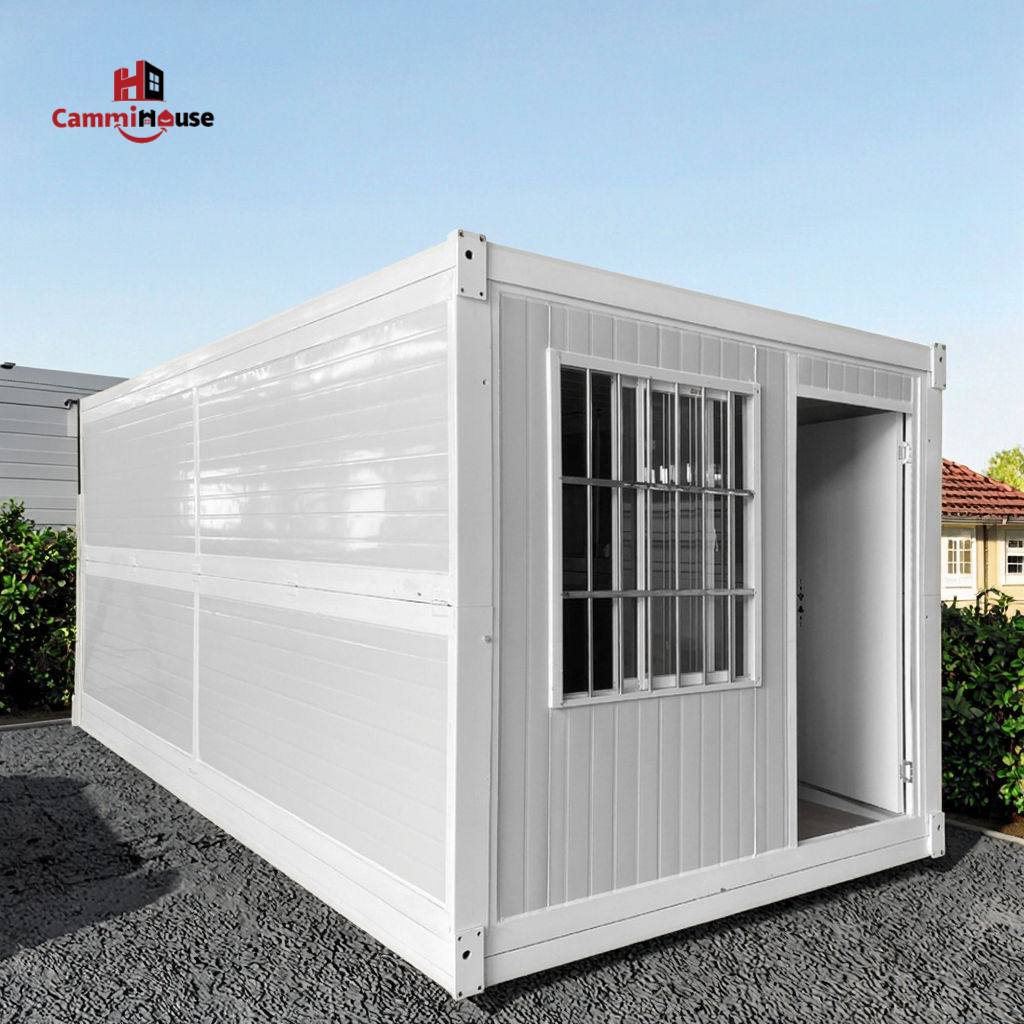
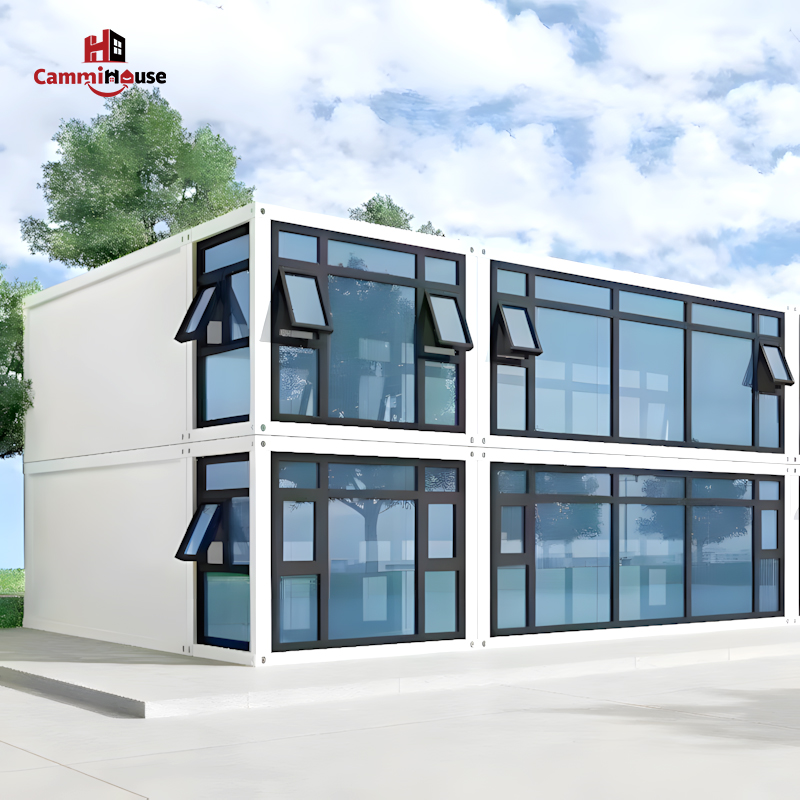
Shipping container home design has gained global popularity as a solution for rapid, sustainable living. However, many buyers overlook the technical complexities that determine the longevity and comfort of these steel structures. While cammihouse provides factory-finished Custom Container Houses that address these issues, understanding the underlying realities of steel-based construction is essential for any prospective homeowner.
1. Thermal Conductivity Dictates Interior Comfort
Steel is a highly efficient thermal conductor, meaning a raw shipping container will mirror external temperatures without intervention. In summer, the interior can exceed 45°C (113°F) if not properly shielded. Achieving a livable environment requires a scientific approach to container home insulation that goes beyond standard fiberglass batts.
Advanced Insulation Strategy is Non-Negotiable
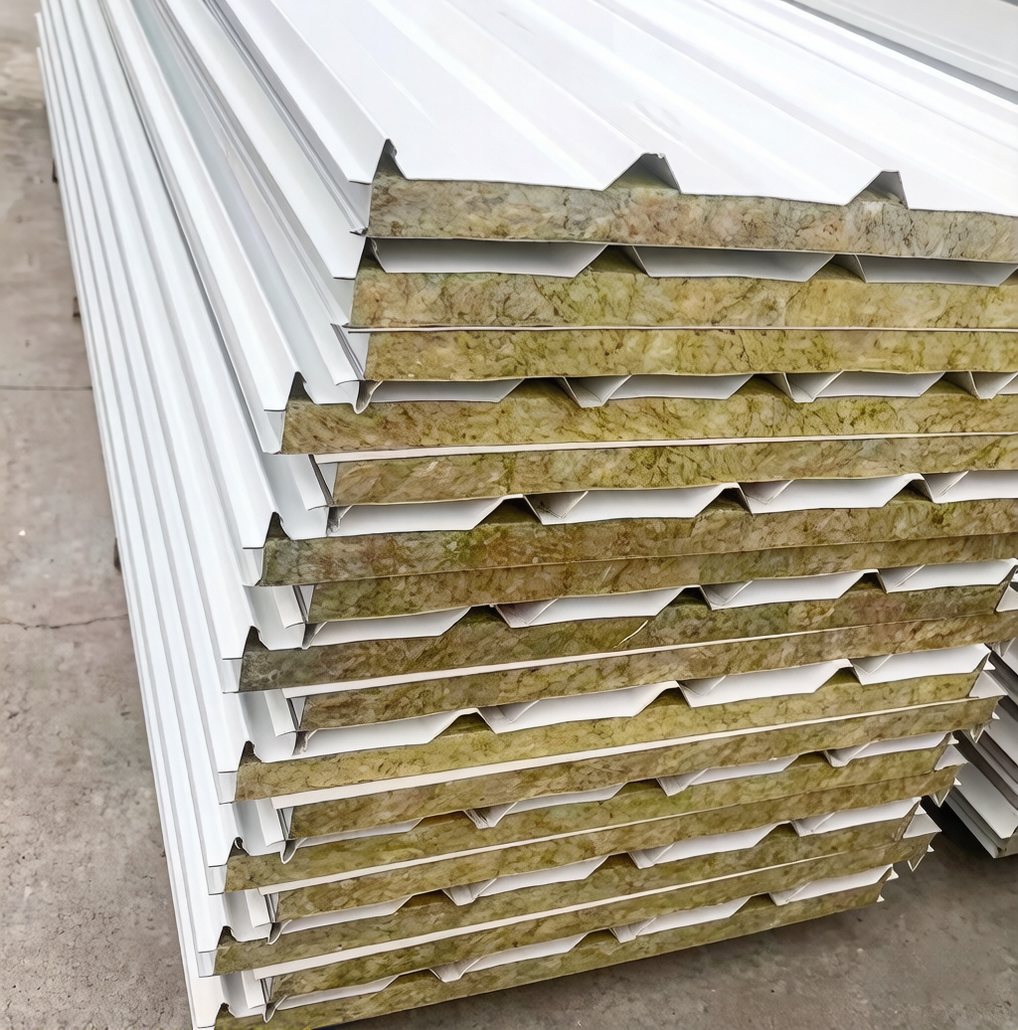
Closed-cell spray foam is the most effective method for insulating a modular container house because it creates an airtight vapor barrier against the steel walls. According to data from the U.S. Department of Energy, proper air sealing can reduce heating and cooling costs by up to 15%. Cammihouse utilizes high-density polyurethane layers in their builds to ensure an R-value that meets international residential codes. This prevents the "oven effect" in tropical climates and condensation-driven rust in colder regions.
2. Structural Integrity Weakens with Every Cut
Every window and door added to a Custom Container House removes part of the structural steel that provides its strength. While containers are designed to be stacked eight high when full, they rely on their corner posts and corrugated walls for rigidity. Cutting large spans for glass walls without adequate reinforcement can lead to roof sagging or structural failure over time.
Engineering Reinforcement for Large Openings
Professional container home manufacturers like cammihouse use steel C-channels and box sections to frame every opening. This ensures the structure can still withstand wind loads and seismic activity. A client in Australia reported that their triple-container configuration remained perfectly aligned after a severe storm, thanks to the integrated steel reinforcement frames provided during the factory assembly phase.
3. Hidden Site Preparation Costs Often Exceed Estimates
The "low cost" of a used shipping container is often offset by the expenses of site preparation and utility integration. A container house foundation must be perfectly level to prevent the steel doors from jamming. Depending on the soil type, foundation costs can range from $5,000 to $20,000, which is frequently missing from initial "DIY" budget calculations.
Selecting the Right Foundation Type
Helical piles and concrete piers are the preferred foundations for mobile container homes because they allow for airflow beneath the unit, preventing moisture buildup. Cammihouse provides detailed foundation plans for each model, allowing local contractors to prepare the site with millimeter precision before the unit arrives. This level of planning prevents the common issue of "container racking," where the frame twists slightly on uneven ground.
4. Zoning and Building Permits Vary by Zip Code
Securing shipping container home permits is the most significant hurdle in many urban areas. Some local jurisdictions still classify these structures as "temporary" or "accessory dwelling units" (ADUs), which may limit their use as primary residences. Researching local IBC (International Building Code) compliance is the first step before purchasing any unit.
Compliance with Residential Building Codes
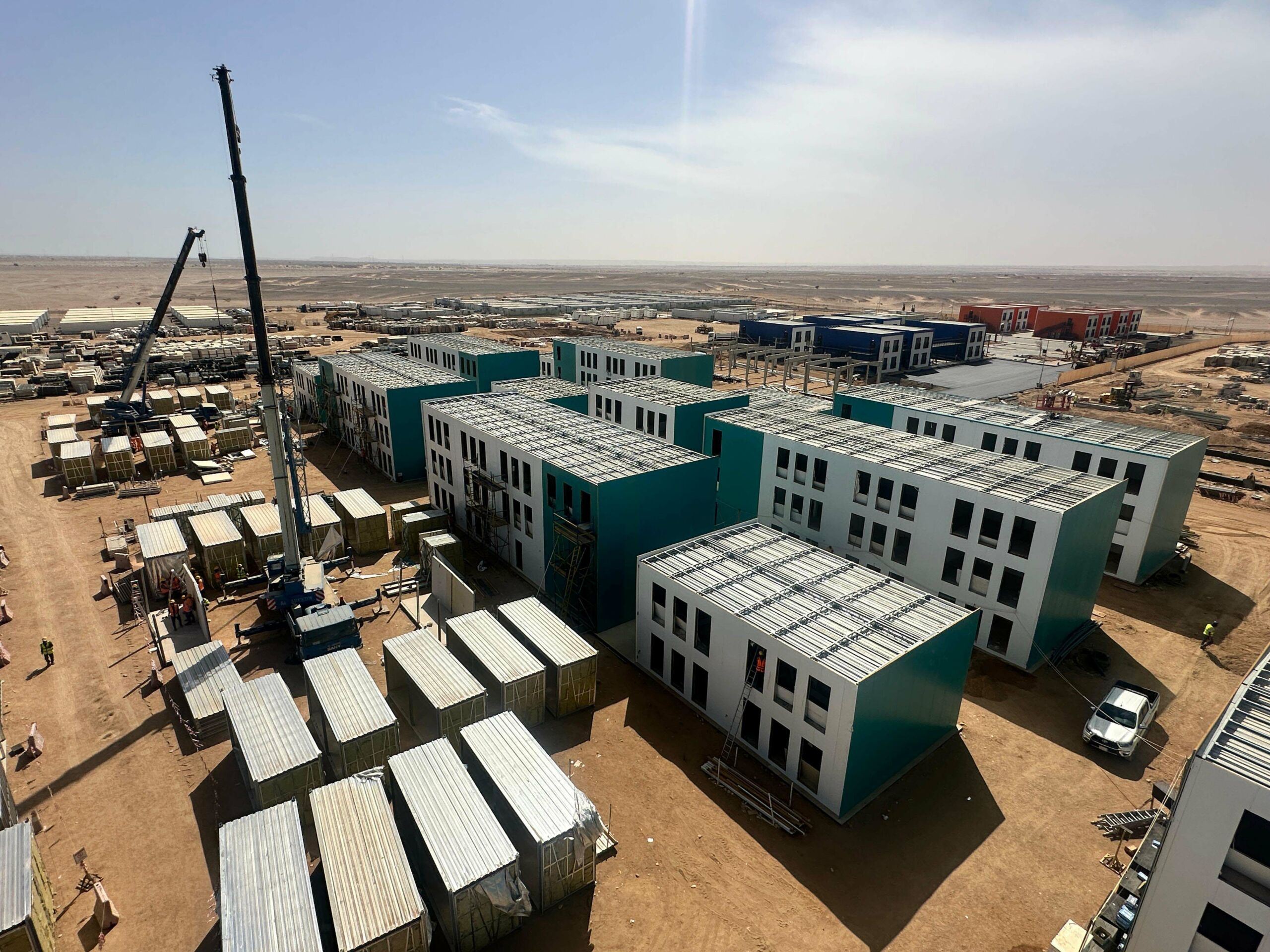
Most successful projects utilize "Off-site Construction" certifications to streamline the permit process. Cammihouse builds follow standardized electrical and plumbing codes, making it easier for local inspectors to approve the installation. By providing comprehensive architectural drawings and structural calculations, the brand helps customers navigate the complex regulatory landscape of custom container living.
5. Not All "Eco-Friendly" Claims are Equal
Using a "one-trip" container is often more sustainable than using a heavily rusted "retired" container. Old containers frequently carry traces of toxic floor pesticides or lead-based paints used for maritime protection. A truly sustainable container home requires the removal of these hazardous materials or the use of new, purpose-built steel frames.
Material Sourcing and Chemical Safety
Cammihouse prioritizes consumer safety by using new steel frames or certified clean containers that are free from maritime chemical treatments. According to the Environmental Protection Agency (EPA), indoor air quality can be two to five times worse than outdoor air; therefore, using non-toxic interior finishes is vital. Our units feature eco-friendly bamboo flooring and low-VOC paints to ensure a healthy living environment from day one.
6. Resale Value Depends on Manufacturer Reputation
A DIY container house often depreciates because it lacks the standardized certifications required for traditional bank financing. Conversely, a professionally built Custom Container House from a recognized container home manufacturer like cammihouse maintains a higher resale value because it is viewed as a permanent, high-quality asset rather than a temporary modification.
The Importance of Brand Credibility
A customer in California recently resold their two-bedroom cammihouse unit for 15% above the original purchase price after three years of use. This appreciation is attributed to the professional finish and the "Plug-and-Play" utility system that allows the house to be moved to a new location. Choosing a reputable manufacturer ensures that your investment remains liquid and attractive to future buyers in the modular housing market.
FAQ
Q1: How do you prevent rust in a Custom Container House over the long term?
A: Rust prevention starts with high-grade marine paint and galvanized steel frames. Cammihouse applies a multi-stage epoxy coating that resists salt spray and humidity. Additionally, maintaining a gap between the container house foundation and the ground ensures proper ventilation, which prevents moisture from trapped beneath the steel floor, effectively extending the lifespan of the structure to over 50 years.
Q2: Can I stack multiple containers to create a multi-story home?
A: Yes, but it requires structural engineering. While a shipping container is designed to be stacked, the weight must be distributed through the corner castings. If you plan a custom layout that offsets the containers, you must add internal steel pillars. Cammihouse offers pre-engineered multi-unit designs that ensure safe weight distribution while maximizing the available modern living space.
Q3: Are container houses safe during lightning storms or earthquakes?
A: Steel containers act as a "Faraday Cage," safely conducting lightning strikes around the exterior and into the ground. Regarding seismic safety, the ductile nature of steel makes a modular container house exceptionally resistant to earthquakes compared to brick or wood. A cammihouse unit is bolted directly to its foundation, providing a rigid yet flexible structure that outperforms traditional housing in disaster-prone areas.
