

Author: Justin Mercer, Cammihouse Technical Team
1. Budget Feasibility: Is $15k Realistic?
Conclusion: A basic shipping container home can be built under $15k only with strict cost control and minimal finishes.
Cost Breakdown Basics
A single used 20ft container typically costs $2,000–$4,000 (Drewry Shipping Index, 2023). Structural modifications, insulation, and utilities quickly raise costs. In low-labor regions or DIY builds, total expenses can remain under $15k, but turnkey builds often exceed $25k.
2. Container Sourcing Strategies
Conclusion: Buying locally and choosing used units is the fastest way to cut 30–50% of costs.
New vs Used Containers
Used containers from a container house factory supply chain reduce upfront cost significantly. “One-trip” containers cost nearly double. In a 2024 Cammihouse sourcing survey, projects using refurbished units saved an average of $3,200 per unit.
3. Design Simplicity Matters
Conclusion: A minimalist container house layout is essential to stay within budget.
Space Planning Efficiency
Simple open-plan layouts reduce cutting, welding, and material waste. Avoid complex roof extensions or multi-container stacking. According to McKinsey 2022 modular construction data, simplified designs cut build costs by up to 20%.

4. Insulation and Climate Control
Conclusion: Smart container home insulation choices prevent long-term energy loss without exceeding budget.
Cost vs Performance
Spray foam costs $2–$3 per sq ft (U.S. DOE 2021) but offers superior sealing. Budget builds often use rigid बोर्ड insulation panels instead, balancing cost and thermal performance in hot regions like the Middle East.
[Image: insulation installation inside container, file name: container-home-insulation-install.jpg]
5. DIY vs Professional Labor
Conclusion: DIY labor can reduce total costs by up to 40%, but increases risk and build time.
Labor Cost Impact
In the U.S., labor accounts for 30–50% of total construction cost (NAHB 2023). Owner-builders can save thousands but must handle structural cuts, electrical routing, and waterproofing correctly to avoid costly rework.
6. Modular and Prefab Advantages
Conclusion: A prefab container house or modular container home kit can control costs through standardized production.
Factory Efficiency
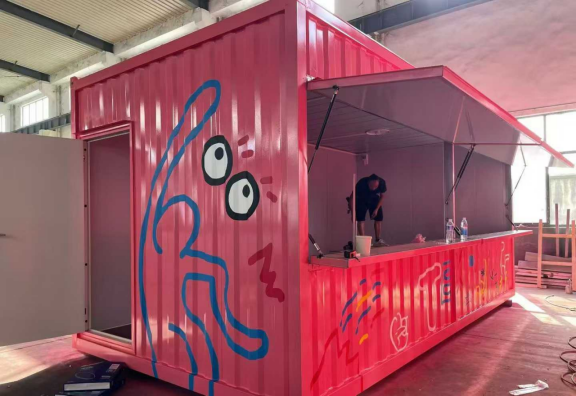
Factory-built modules reduce waste by up to 15% (World Economic Forum 2021). In one 2024 Cammihouse project for a mining camp, prefab units reduced on-site labor time by 60%, keeping total costs close to budget targets.
7. Real-World Case Scenarios
Conclusion: Remote and industrial use cases are the most viable for sub-$15k builds.
Field Applications
Mining sites in Africa and temporary worker housing in Southeast Asia often prioritize function over aesthetics. These projects typically use basic container house design with minimal interior finishing, achieving costs between $12k–$18k per unit.
8. Hidden Costs to Watch
Conclusion: Permits, transport, and utilities can exceed 30% of your budget if not planned early.
Budget Risks
Transport alone can cost $1,000–$5,000 depending on distance. Utility hookups vary widely by region. In U.S. suburban areas, permitting and compliance can add $3,000–$8,000, making ultra-low budgets difficult.
FAQ
Q1: Can a modern container home really be built for under $15k?
Yes, but only in simplified forms. A single-container unit with minimal finishes, DIY labor, and basic utilities can meet this budget. However, most modern designs with full amenities exceed $20k due to insulation, electrical, and plumbing costs.
Q2: What is the cheapest way to start a custom build?
The most cost-effective path is choosing a custom container house based on a standard 20ft unit, using a simple layout and sourcing local materials. Avoid structural modifications and prioritize essential features first, then upgrade gradually.
Q3: Is insulation necessary for low-budget container homes?
Yes, insulation is critical. Without it, interior temperatures can exceed 120°F (U.S. DOE 2021). Even budget builds should include basic insulation to ensure livability and reduce long-term energy expenses.
