

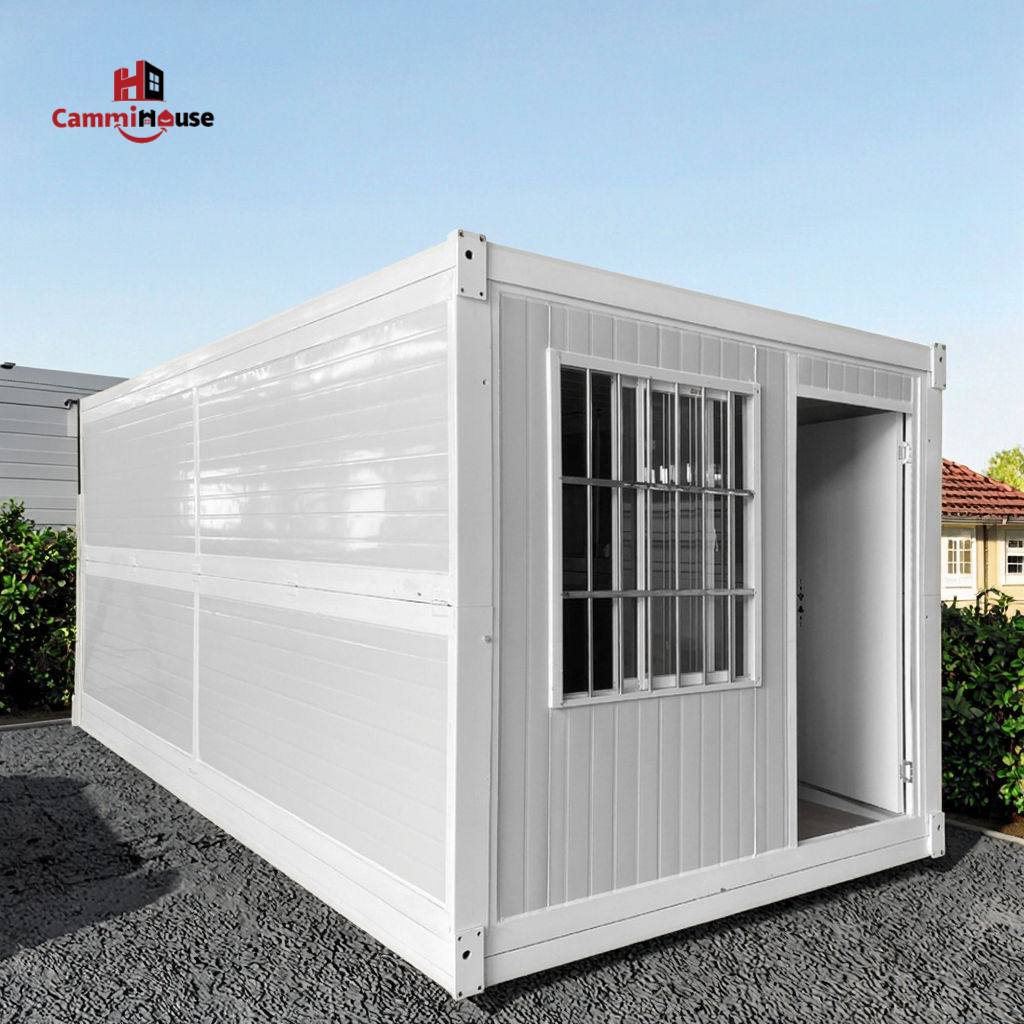
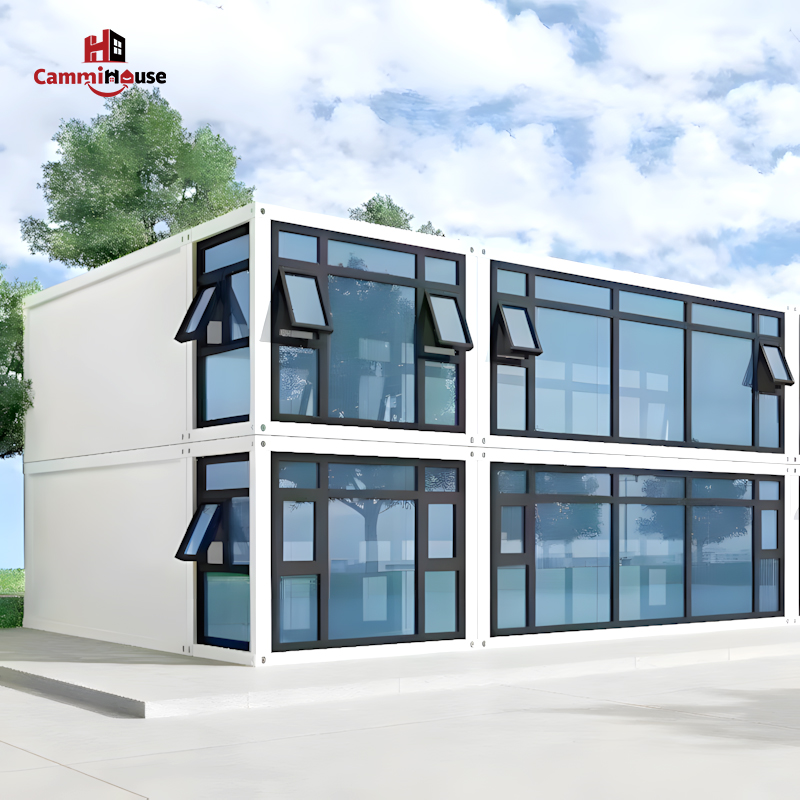
Introduction: Why 2026 Is a Turning Point for Container Housing?
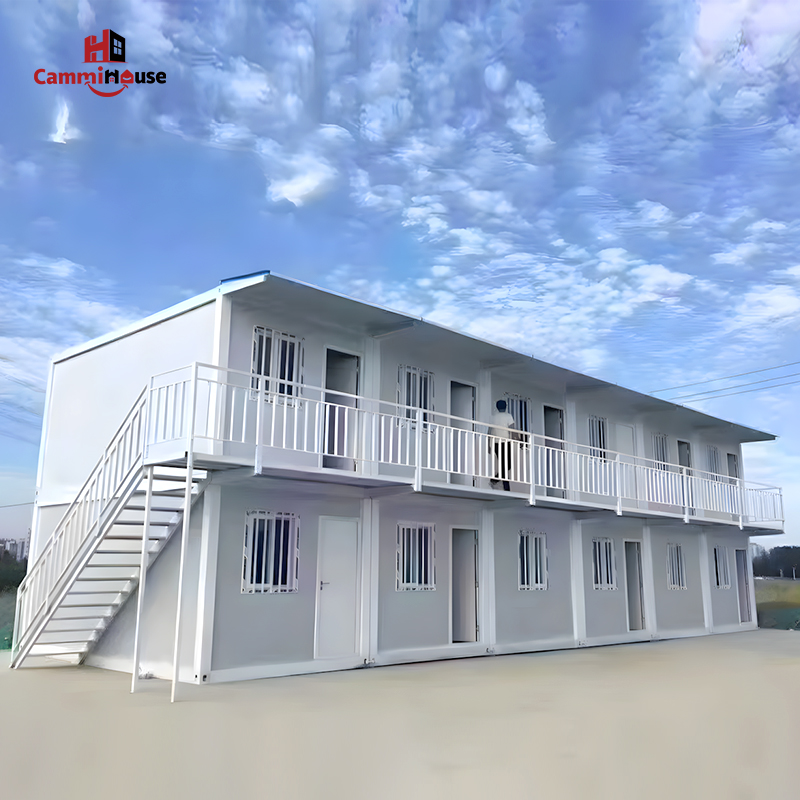
Container houses are no longer viewed as experimental or niche solutions. By 2026, they are increasingly recognized as a practical response to housing shortages, rising construction costs, and growing demand for flexible living systems. Their relevance is not based on aesthetics, but on how effectively they address structural challenges in modern housing delivery.
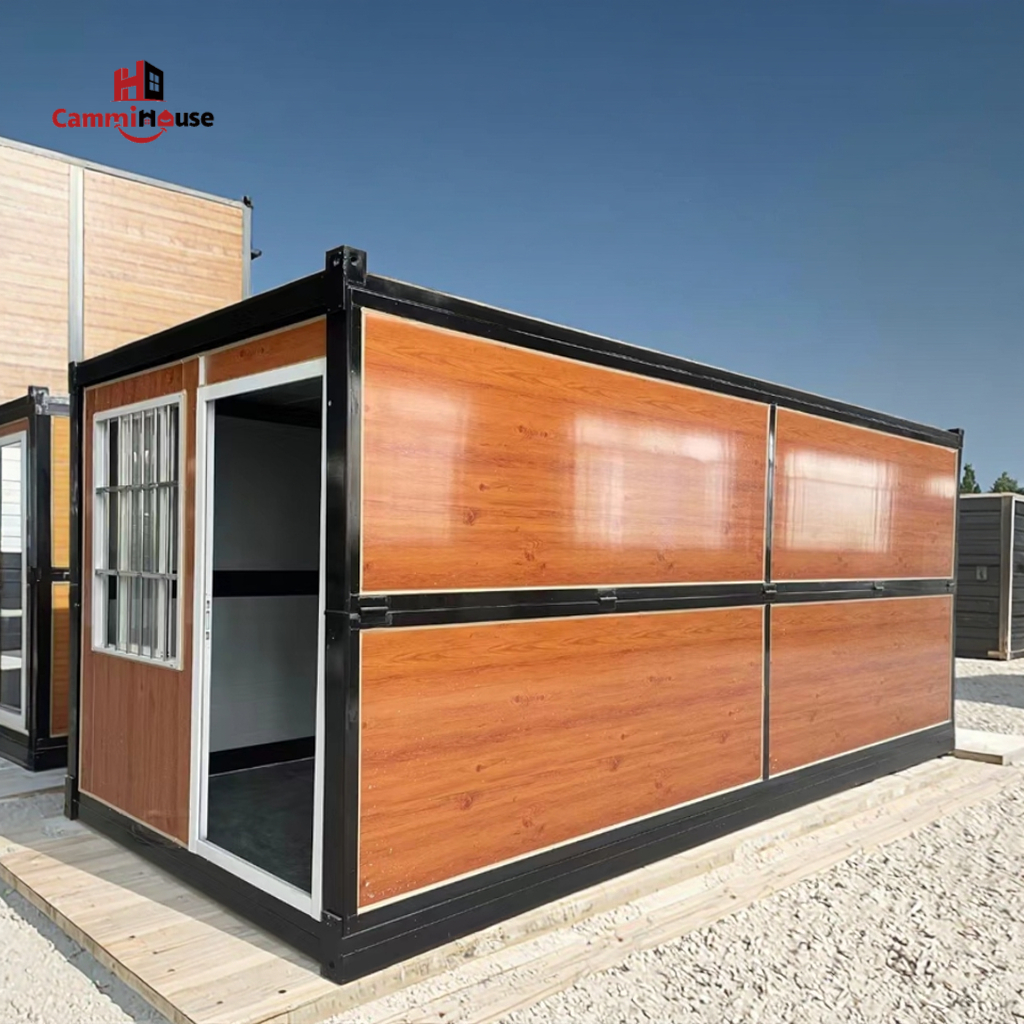
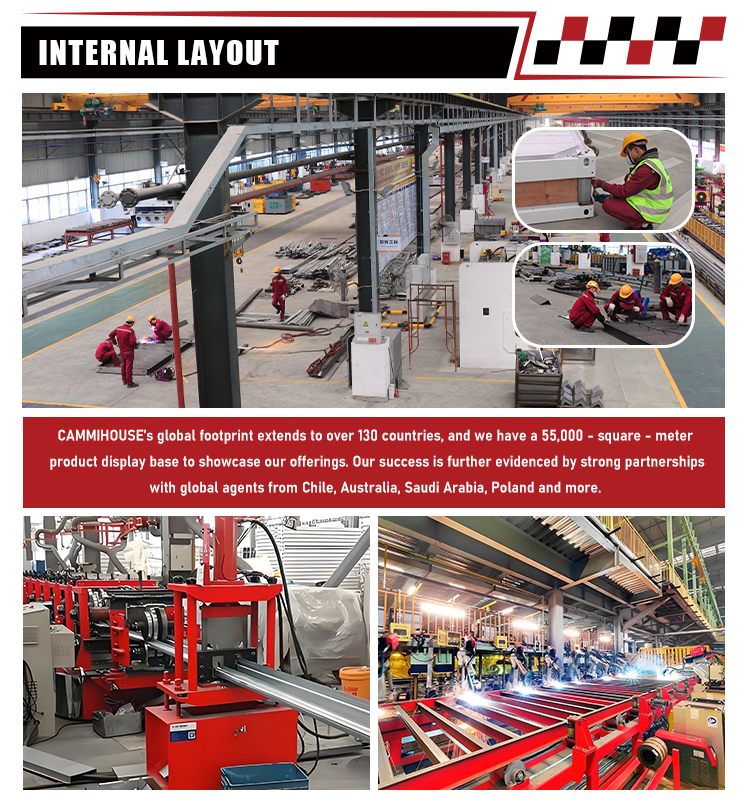
Unlike conventional buildings that rely heavily on on-site labor and weather-dependent schedules, container houses are largely produced in controlled factory environments. This shift enables predictable quality, shorter timelines, and more consistent performance. For developers, institutions, and private buyers, this reliability has become a critical factor in housing decisions.
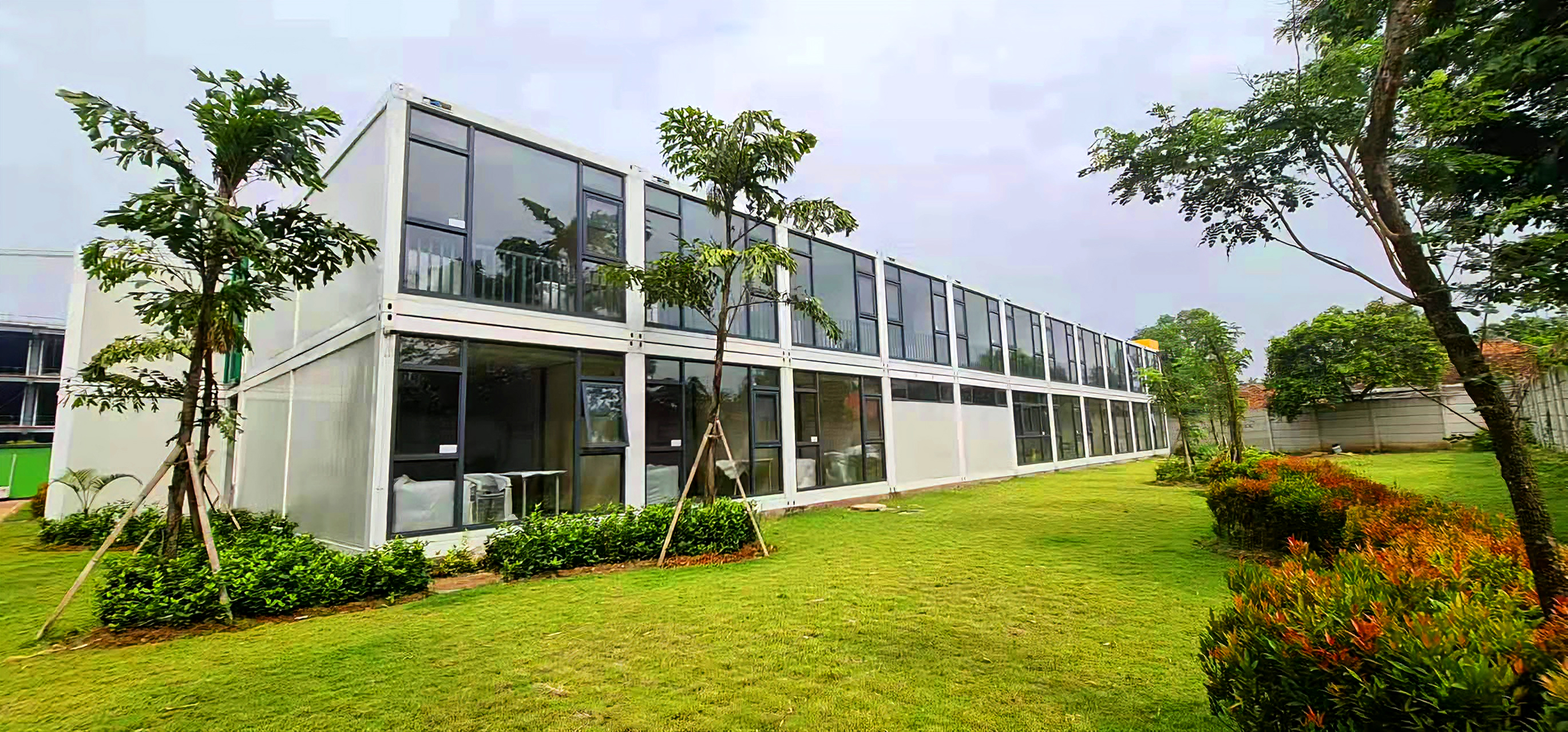
The Changing Housing Landscape in 2026
Rising Demand for Flexible Housing Systems
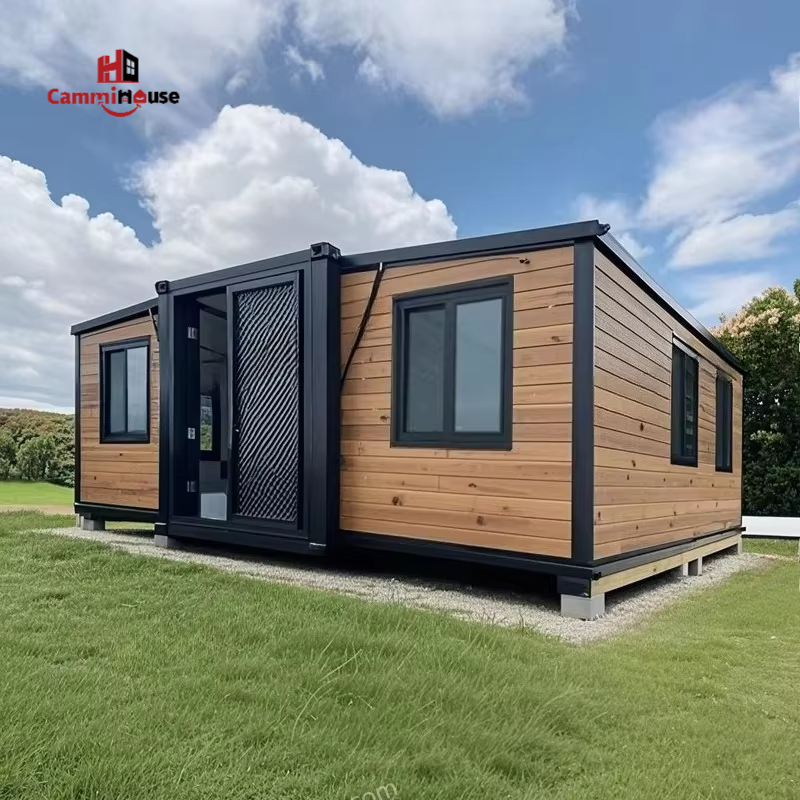
By 2026, urbanization, migration, and shifting work patterns continue to reshape housing needs. People increasingly require homes that can adapt to changes in family size, location, and income. Container houses respond to this trend by offering modular structures that can be expanded, relocated, or reconfigured.
This adaptability makes container housing suitable for both temporary and long-term living scenarios.
Cost Control as a Primary Concern
Construction costs remain a major barrier to housing access. Container houses reduce uncertainty by standardizing materials, production processes, and assembly methods. According to the World Bank’s 2024 Urban Housing Outlook, standardized off-site construction can reduce project delivery times by up to 30%.
Why Container Houses Are Gaining Long-Term Relevance
Predictable Timelines and Outputs
Container houses matter in 2026 because predictability has become more valuable than customization. Factory-based production allows developers to estimate delivery timelines with greater accuracy, reducing financing risks and project delays.
Standardization Without Uniformity
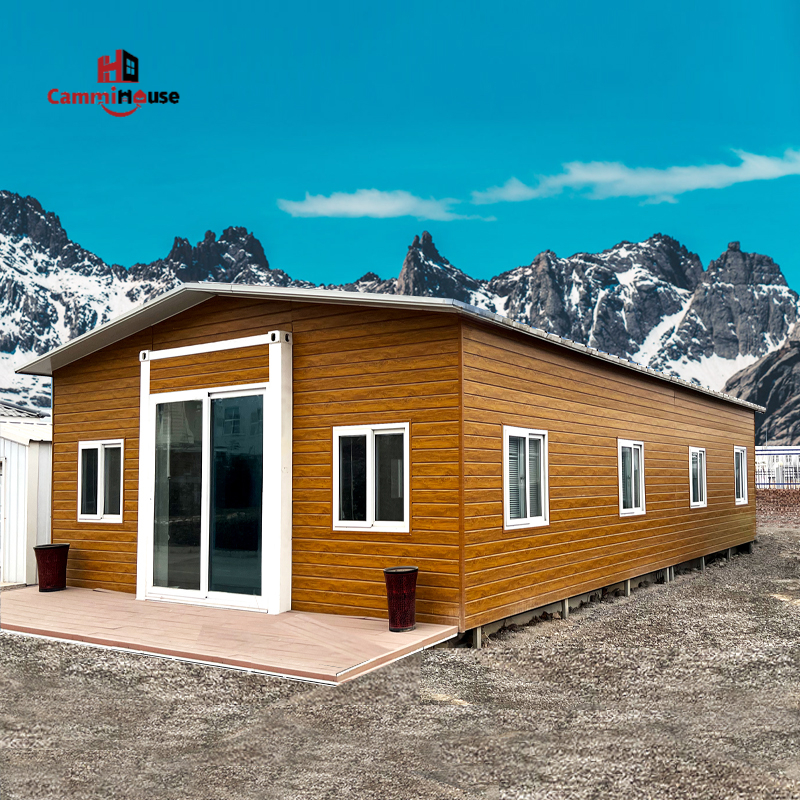
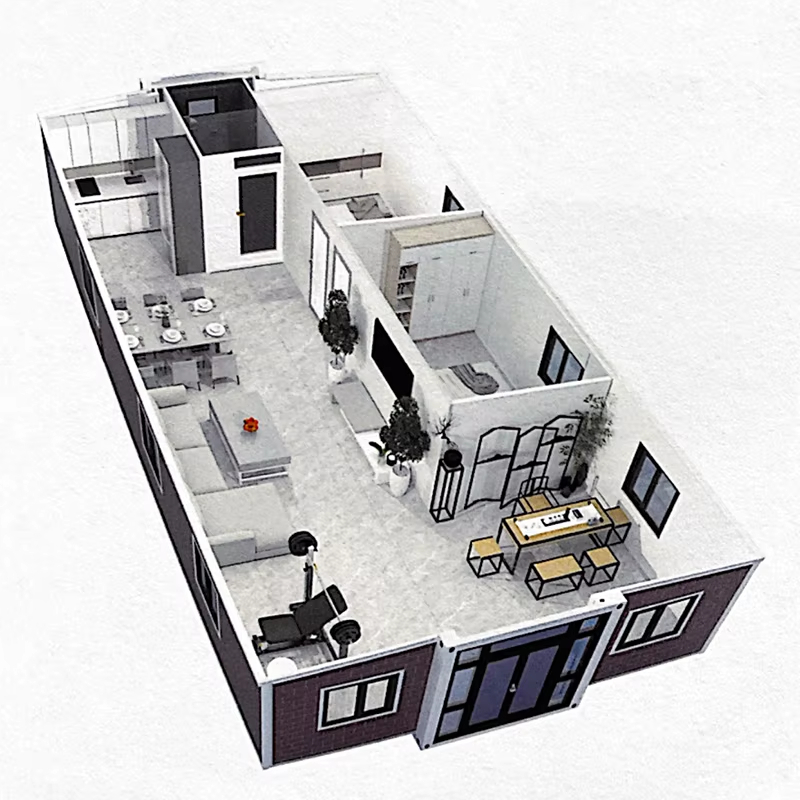
Although container houses follow standardized dimensions, they do not enforce uniform designs. Layouts, façade treatments, and interior systems can still be customized. This balance between standardization and design flexibility is a key reason for their growing adoption.
Temporary and Transitional Housing Use Cases
Disaster Relief and Emergency Housing
Container houses are widely used in disaster response scenarios. Compared with tents or lightweight shelters, they offer improved structural stability, security, and insulation potential. According to UN-Habitat’s 2023 Emergency Housing Report, modular housing systems reduce setup time by nearly 40%.
Urban Transitional Housing
Cities facing rapid population changes use container houses for short-term accommodation. These projects are often designed with defined lifespans, after which the units are relocated or repurposed.
Workforce and Remote Housing Solutions
Housing for Mobile Workforces
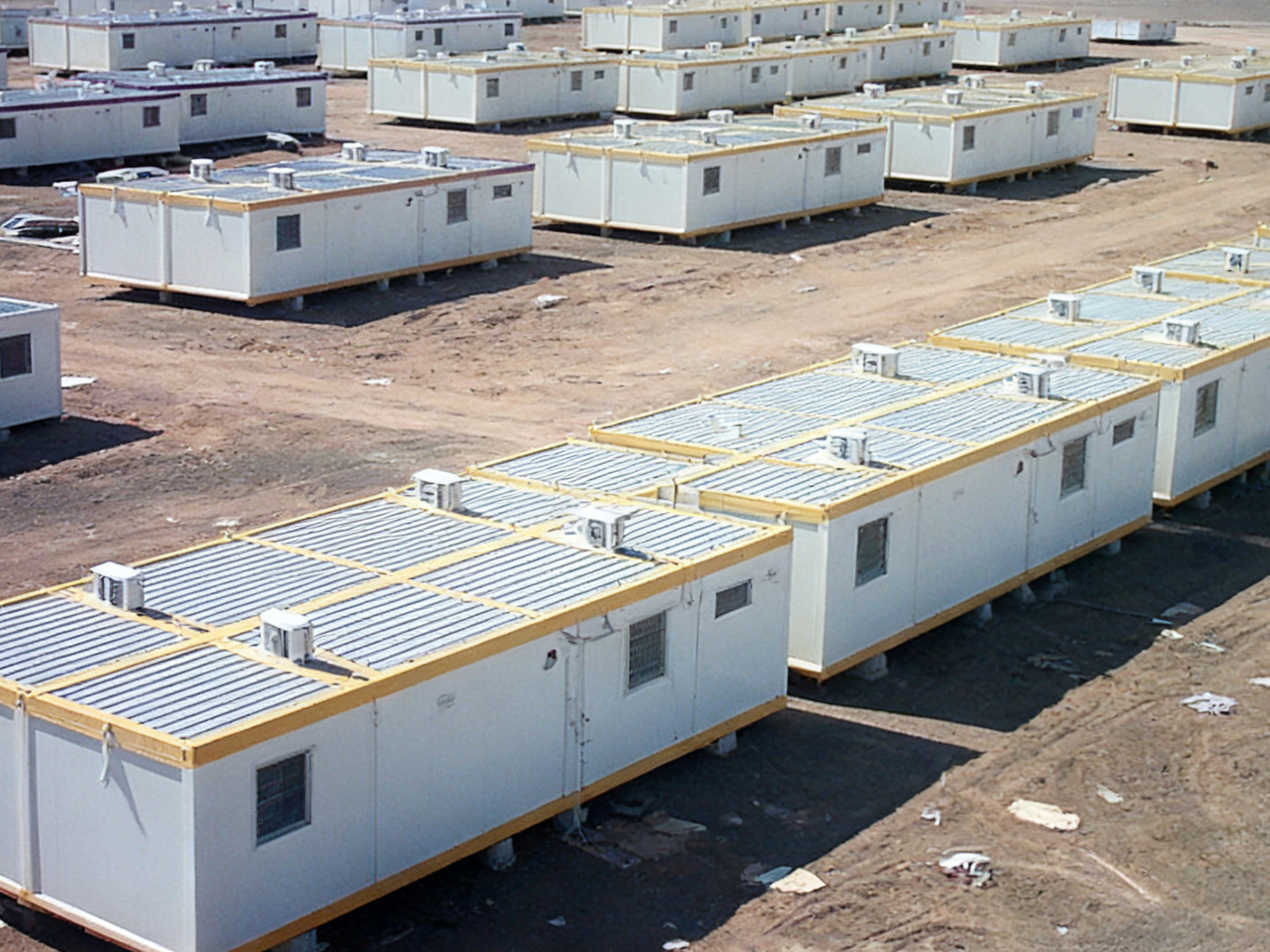
Industries such as mining, energy, and large infrastructure developmentrely on mobile labor. Container houses allow companies to deploy housing quickly and remove it when projects end.
Remote and Hard-to-Reach Locations
In isolated regions, container houses offer a transportable solution. Theycan be shipped by road, rail, or sea, making them viable for islands,deserts, and mountainous areas.
Sustainability and Resource Efficiency
Reduced Material Waste
Factory-based production generates less material waste than conventional construction. Components are cut to precise dimensions, reducing excess.
Reusability and Circular Use
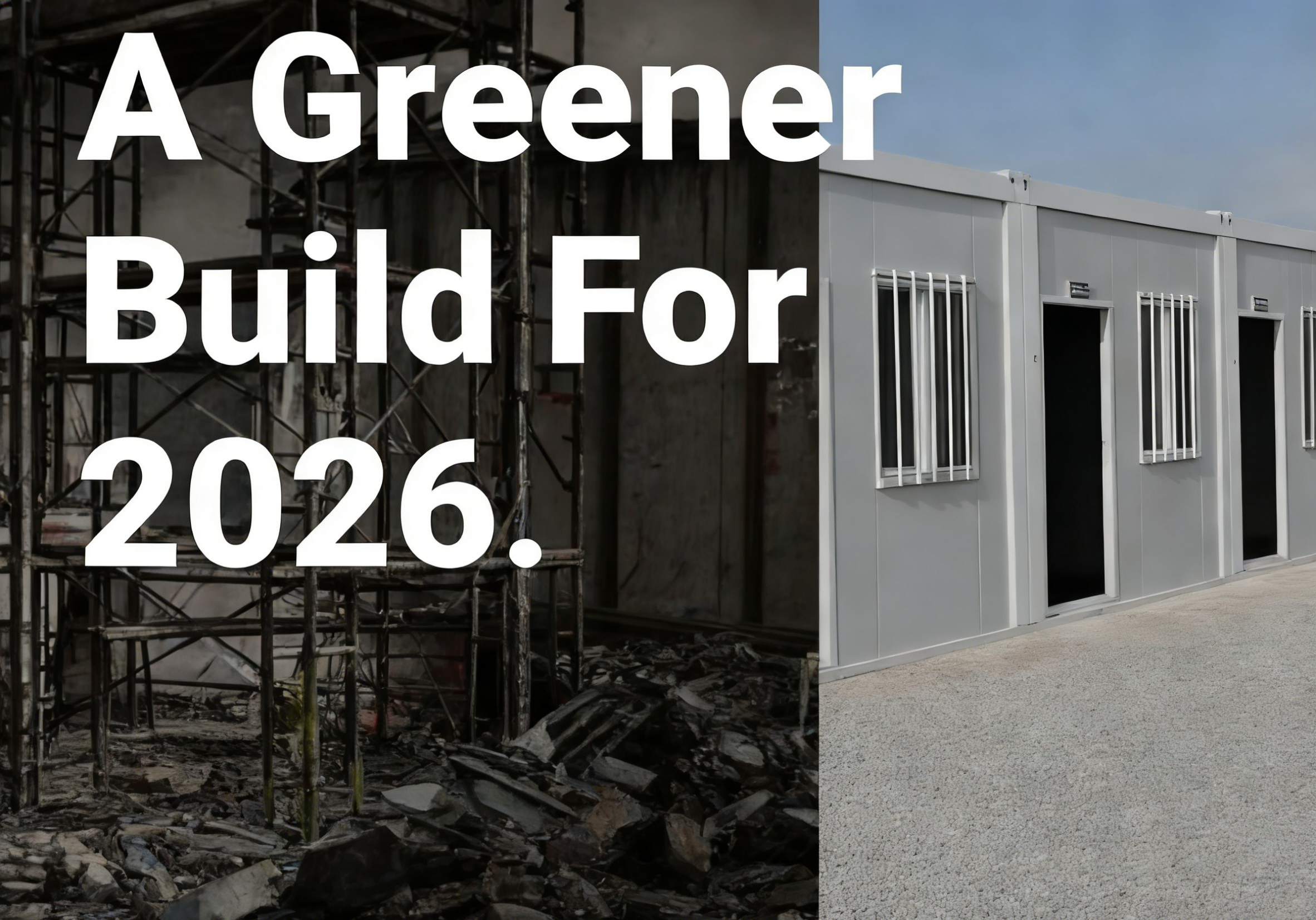
Container houses can be dismantled, relocated, and reused. This aligns with circular economy principles and reduces long-term environmental impact.
Real-World Value for Buyers
Container houses are not chosen for novelty, but for function. Buyers value speed, predictability, and flexibility. In customer feedback from modular housing platforms such as ArchDaily (2024), users consistently highlight fast delivery and layout flexibility as top priorities.
Conclusion: Why Container Houses Will Continue to Matter
In 2026, container houses matter because they respond to real constraints: time, cost, land availability, and shifting demand. They are not universal replacements for traditional homes, but they offer structured solutions where conventional methods struggle.
When designed as purpose-built housing systems by specialized providers such as cammihouse, container houses become long-term assets rather than temporary solutions. This makes them increasingly relevant for residential, transitional, and workforce housing projects.
FAQ
Are container houses suitable for long-term living?
Yes. When designed as full housing systems, container houses can support long-term living. This requires proper insulation, ventilation, moisture control, and compliance with local residential building codes.
How long does a container house typically last?
With proper corrosion protection and maintenance, a container house can last 25–50 years or more. Durability depends on system design rather than the steel shell itself.
Are container houses energy efficient?
They can be. Factory-installed insulation and airtight construction often achieve better thermal performance than on-site builds.
