

Introduction
In modern housing systems, container houses are increasingly recognized as a practical and forward-looking building solution. Their value lies in standardization, controlled production, and predictable deployment, which makes them suitable for a wide range of residential and semi-residential scenarios. Unlike conventional buildings that depend heavily on on-site conditions, container houses are largely manufactured off-site, reducing uncertainty in cost, timeline, and construction quality.
For developers, planners, and institutional buyers, this reliability is a key advantage. Manufacturers such as cammihouse focus on designing container-based housing systems specifically for long-term and transitional living needs, rather than treating them as experimental or temporary structures.
Core Housing Applications
Residential and Modular Housing
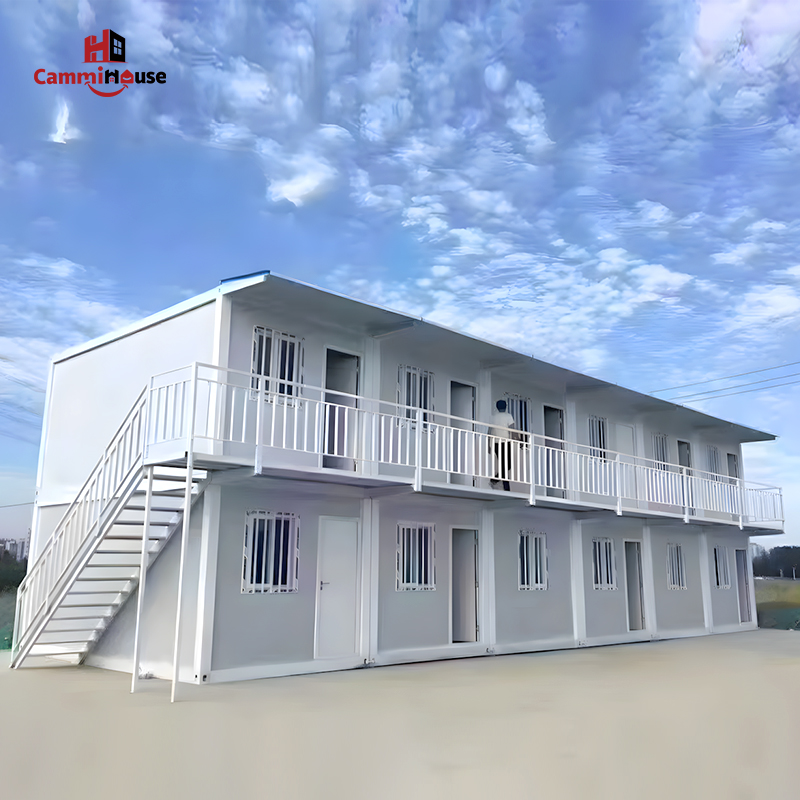
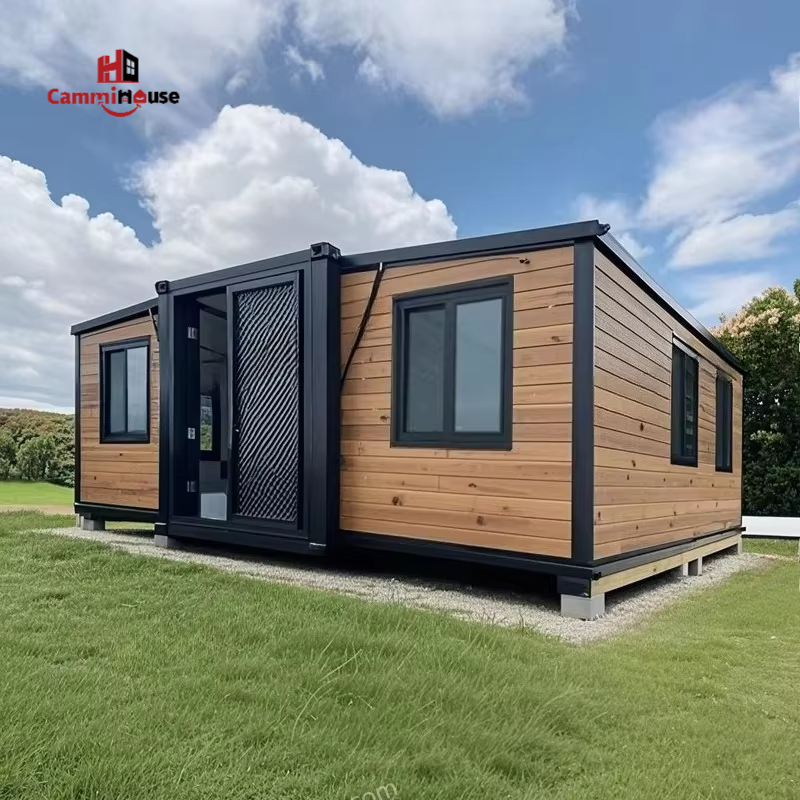
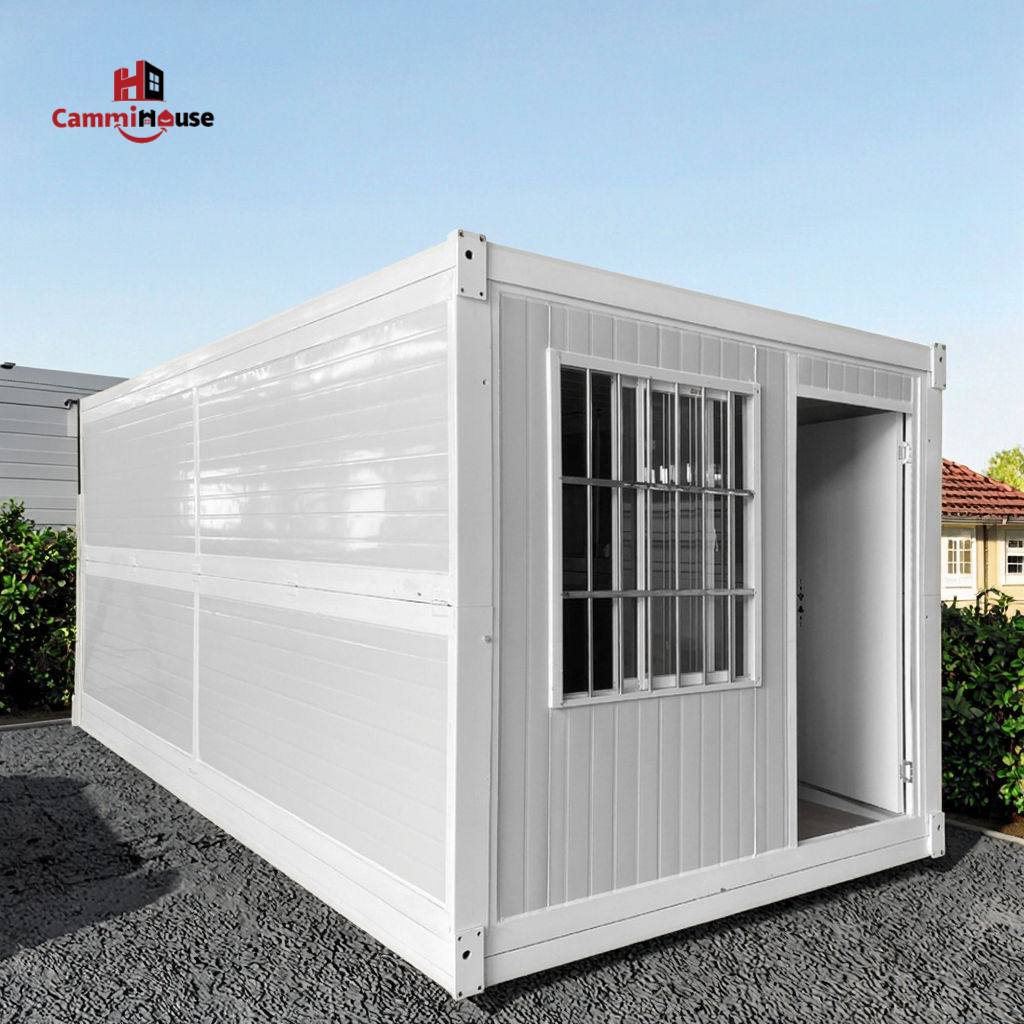
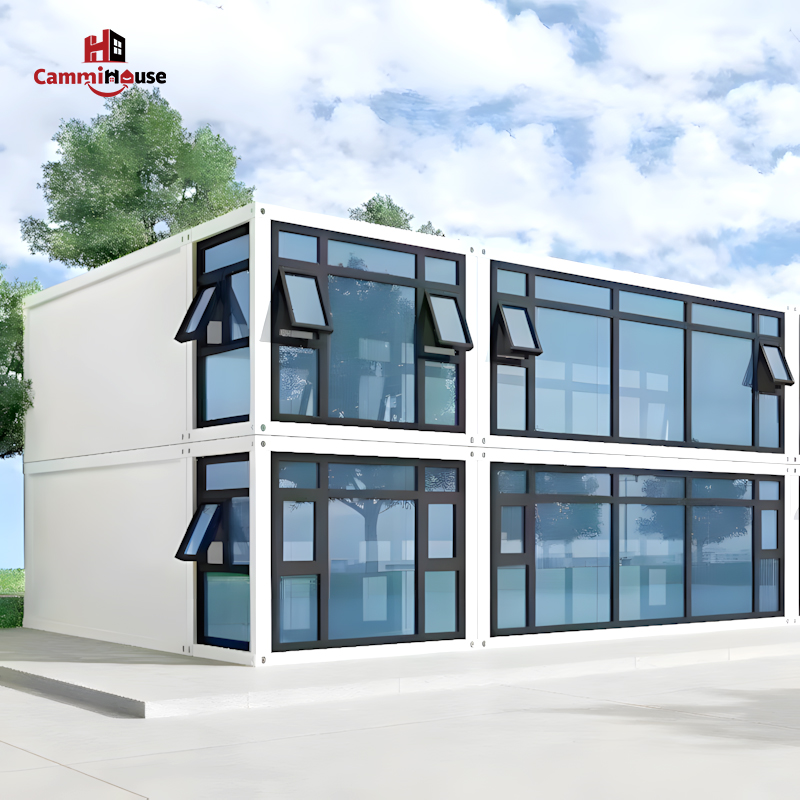
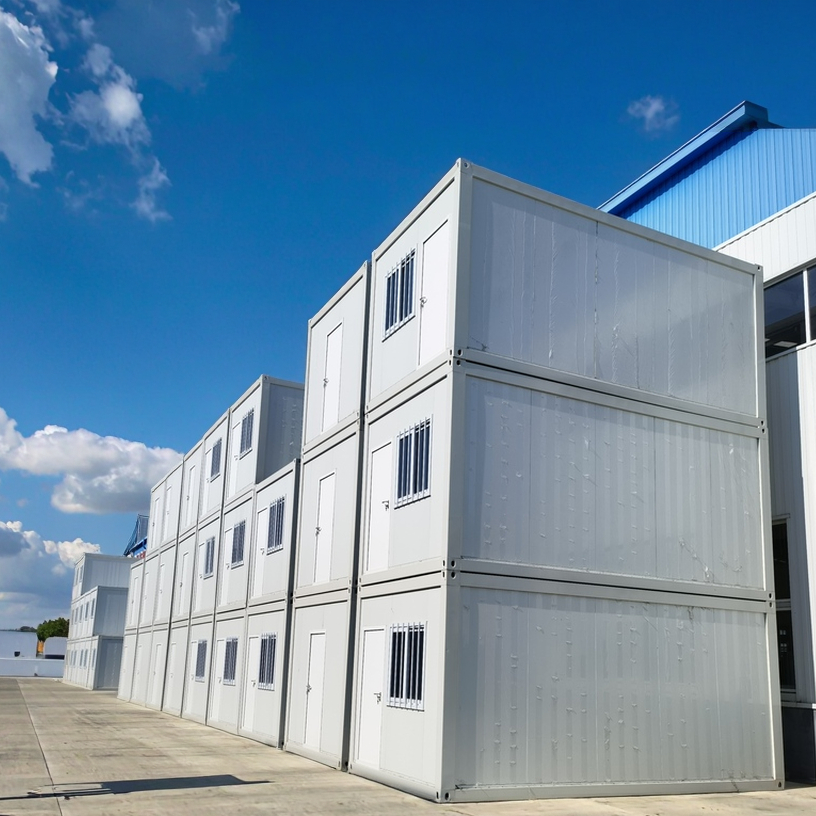
Container houses are commonly used as compact residential units or as modules within larger housing clusters. Their standardized dimensions allow for repeatable layouts, easier maintenance planning, and scalable expansion. In modular housing projects, multiple units can be combined to form multi-story or multi-unit developments with shared infrastructure.
This approach is particularly suitable for developments where population size or land availability may change over time.
Temporary and Transitional Housing
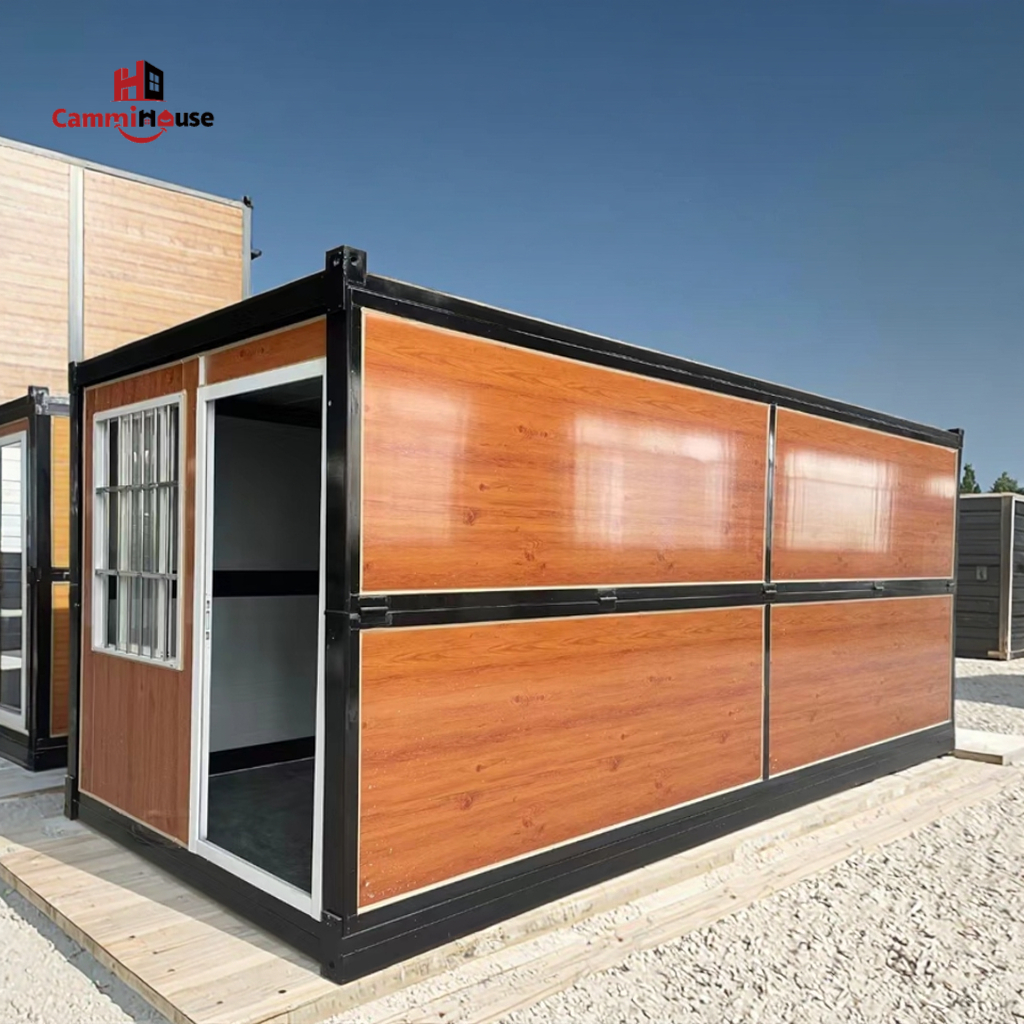
Container houses are also widely used for temporary or transitional accommodation. Compared with tents or lightweight shelters, they provide greater structural stability, better insulation potential, and improved security.
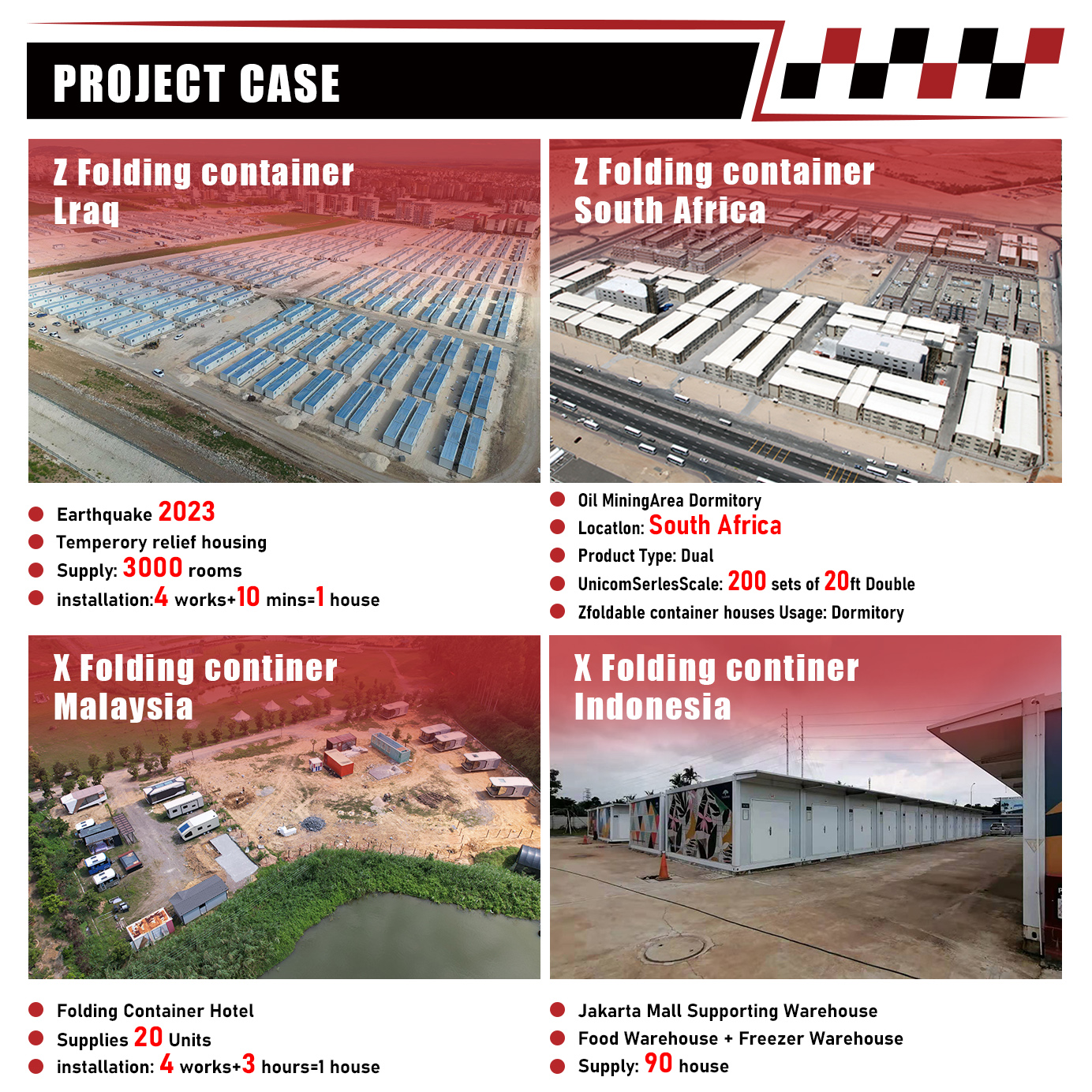
These characteristics make them suitable for post-disaster recovery, short-term urban housing, and government-supported relocation programs.
Workforce and Remote Housing
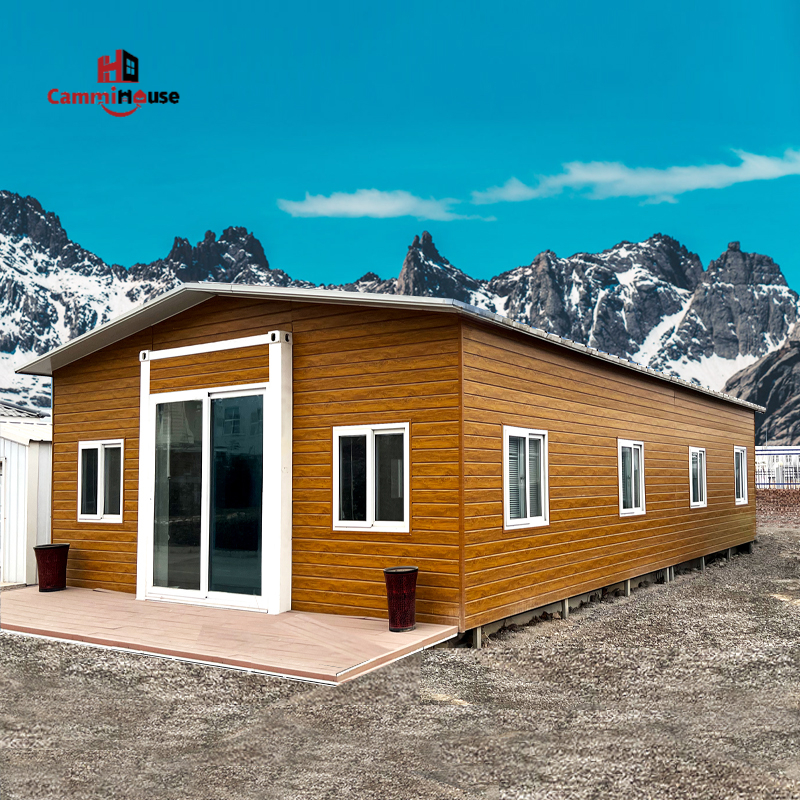
In industries such as mining, energy, and infrastructure construction, container houses are used to accommodate mobile workforces. They can be transported in large quantities, installed rapidly, and removed when no longer needed.In remote or hard-to-access regions, this transportability becomes a decisive advantage.
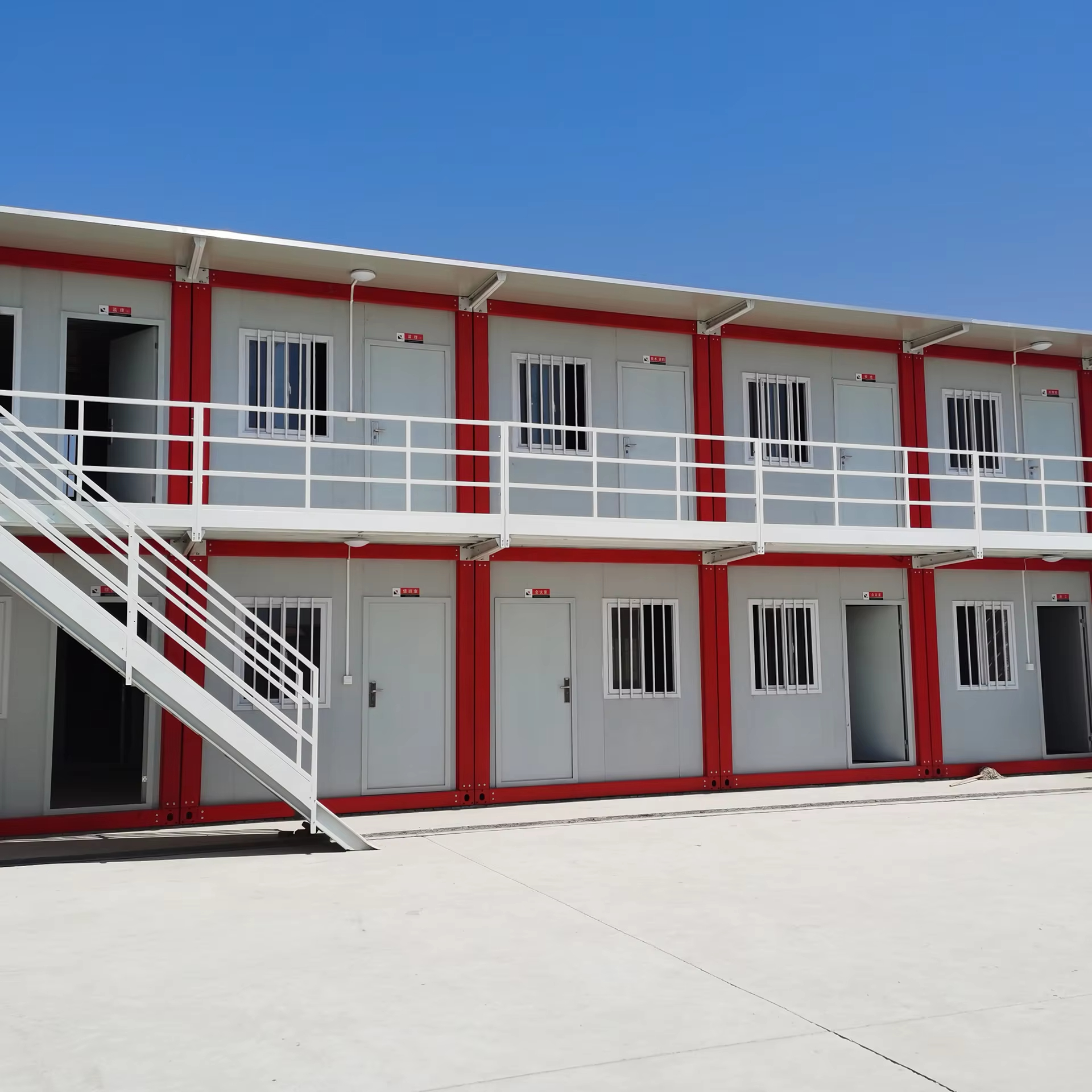
Why Container Houses Are Chosen
Container houses reduce on-site construction complexity by shifting much of the work into the factory. This minimizes exposure to weather delays and reduces dependency on specialized on-site labor. In addition, standardized systems allow developers to forecast maintenance cycles and long-term operational costs more accurately.
From a planning perspective, container houses function as modular assets. They can be relocated, reused, or repurposed, which lowers long-term risk compared with permanent construction.
Role of Manufacturing Quality
The performance of a container house depends heavily on how it is designed and manufactured. Insulation, ventilation, moisture control, and structural reinforcement must be integrated as part of the system rather than added later. When these elements are planned from the beginning, container houses can provide stable indoor comfort and consistent long-term performance.
Professional manufacturers such as cammihouse focus on purpose-built container housing systems instead of repurposed cargo containers. This approach improves regulatory compatibility, durability, and overall living quality, making container houses suitable for real housing use rather than short-term experiments.
Conclusion
In modern housing, container houses are used to address logistical, spatial, and scheduling challenges in a structured way. They are most effective where speed, predictability, and modular scalability are required. While they are not intended to replace every form of traditional construction, they represent a positive and increasingly mature housing option within contemporary planning systems.
When developed as purpose-built housing units by specialized providers such as cammihouse, container houses can function as stable, adaptable assets rather than temporary structures. This makes them a reliable choice for residential, transitional, and workforce housing projects.

FAQ
Are container houses suitable for long-term living?
Yes, provided they are designed as full housing systems. Long-term use requires proper insulation, ventilation, moisture control, and compliance with residential building standards.
Are container houses legal for residential use?
Legality depends on local zoning laws and building codes. Many regions permit container houses if they meet fire safety, structural, and occupancy requirements.
How long does a container house typically last?
With proper corrosion protection and maintenance, a container house can last 25–50 years or longer. Longevity depends more on system design than on the steel shell itself.
