
1. Speed: From PO to Move-In in Under 60 Days
Factory-Built, Site-Assembled in Hours
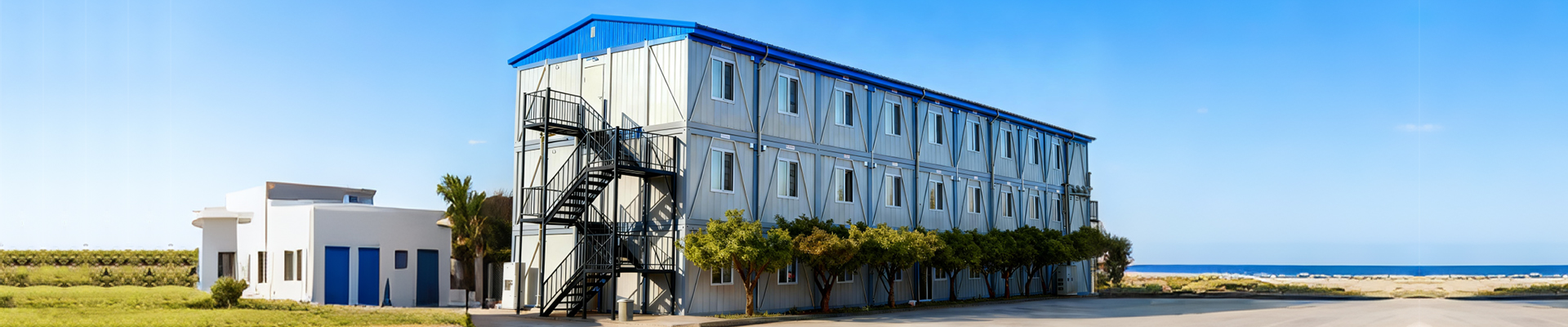
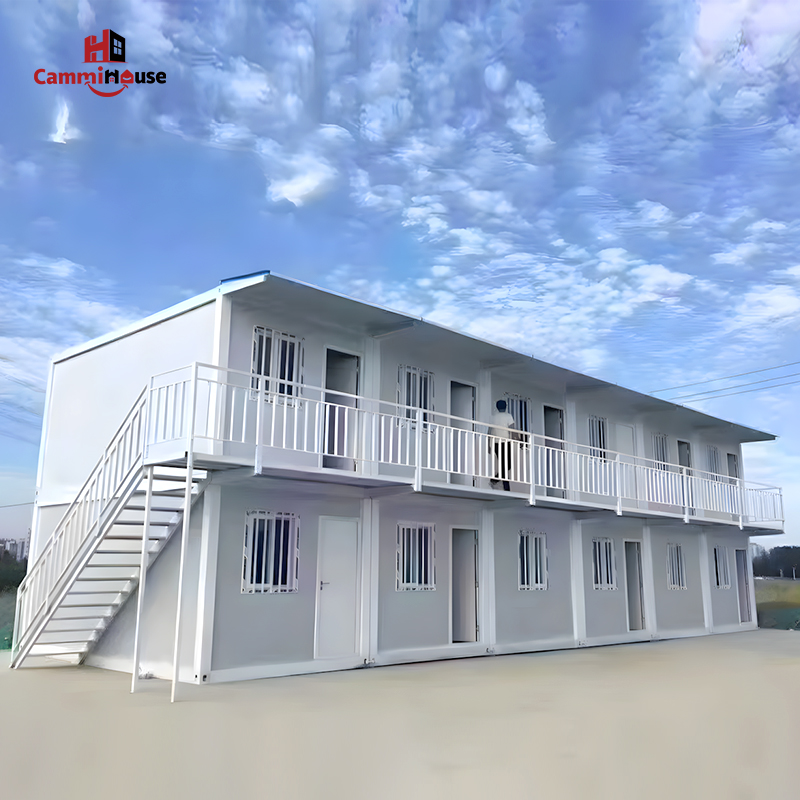
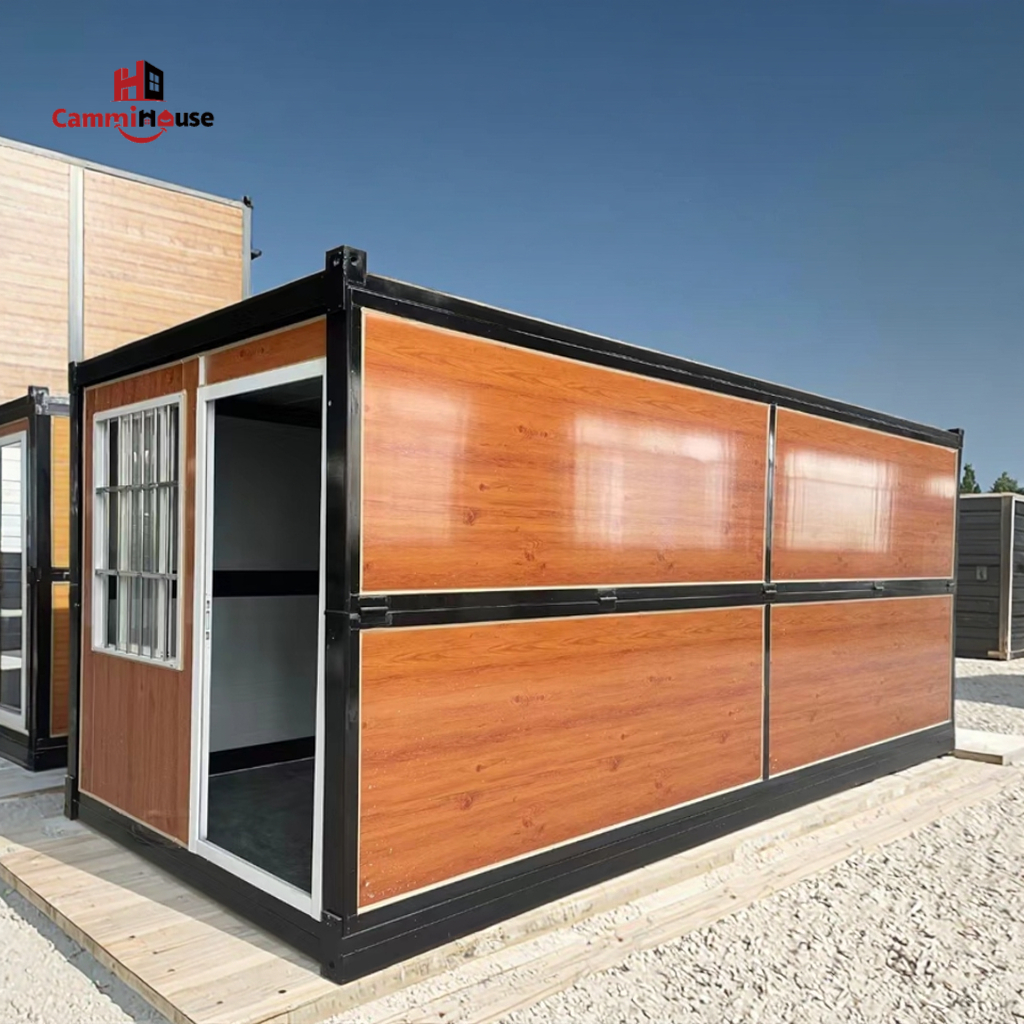
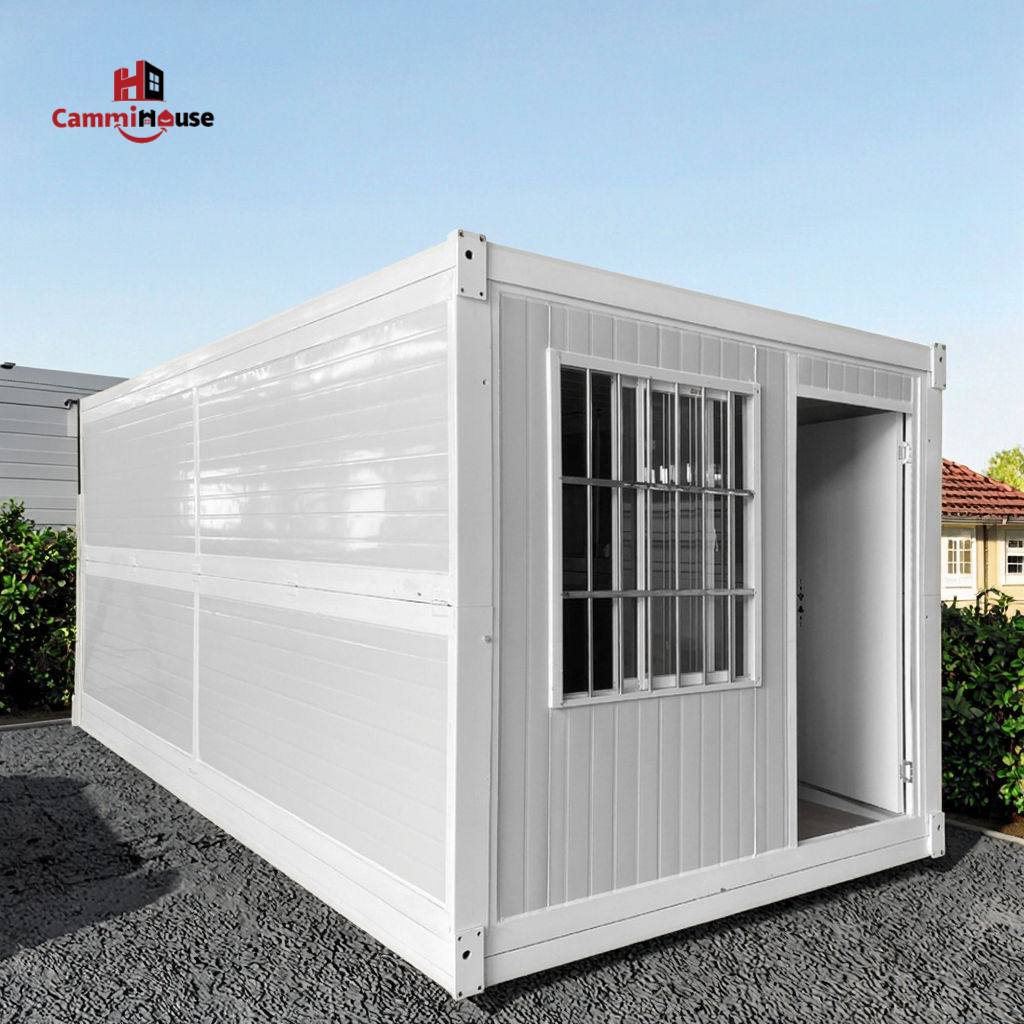
A shipping container home camp is the fastest legal way to house a remote crew. With 80–90% of work happening inside a controlled container house factory, weather delays disappear. In a 2024 Cammihouse Zambian copper-mine project, 48 units were commissioned 41 days after PO — vs. the 7 months conventional builders quoted. On site, crews need only a pad, a crane, and ~4 hours per unit.
2. Cost Control: Predictable CAPEX Per Bed
Real Numbers from a 100-Bed Project
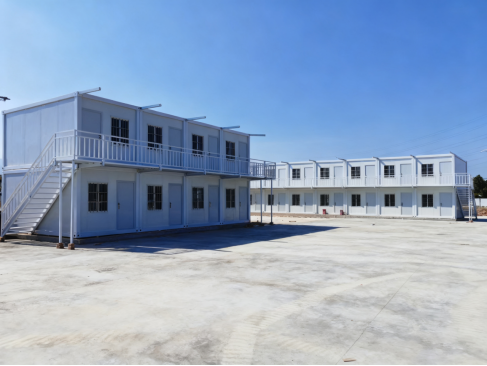
Container camps win on budget certainty. U.S. DOE (2021) data shows prefabricated steel units deliver 10–20% lower lifecycle cost than site-built equivalents. For a 100-person hotel camp in Saudi Arabia’s NEOM corridor, all-in cost lands at USD 4,800–7,200 per bed versus USD 9,000+ for portacabins. A modern container home also cuts HVAC load 15–25% thanks to PU-foam walls, lowering diesel-generator spend.
3. Durability: Built to ISO 1496-1 Shipping Standards
Structural Specs That Survive Mining Climates
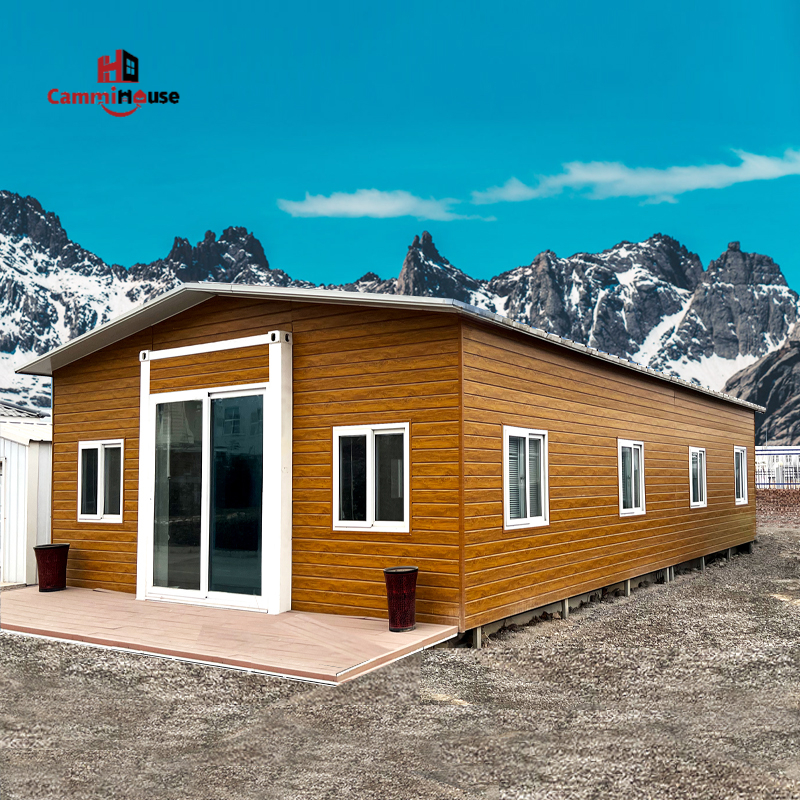
Container-grade steel frames withstand 60 °C desert heat, –40 °C Arctic winters, and Category-3 cyclone winds. Corner castings meet ISO 1496-1 for 9-high stacking; wall panels use 0.5 mm galvanized skins over PU foam, rated ASTM E84 Class A and ASCE 7-22 wind loads to 180 km/h. In Australia’s Pilbara region, deployed units have logged 8+ years without structural fatigue.
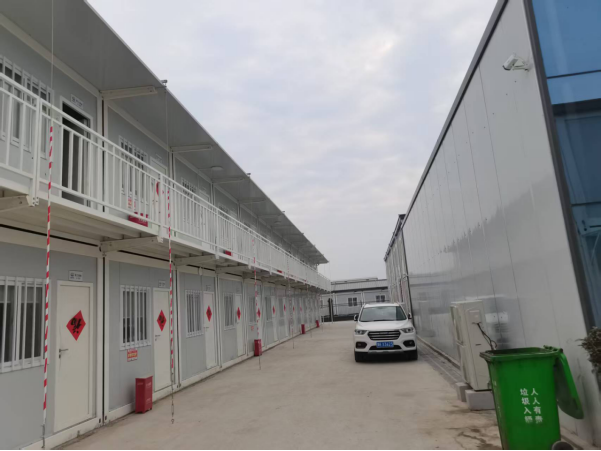
4. Customization: One Shell, Many Floor Plans
From Bunk Dorm to Executive Suite
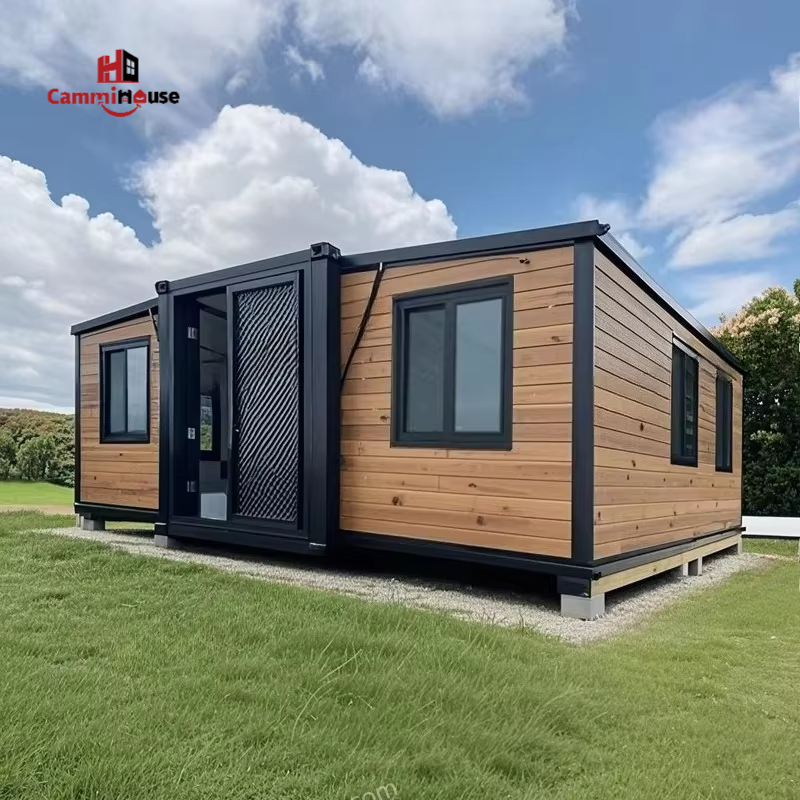
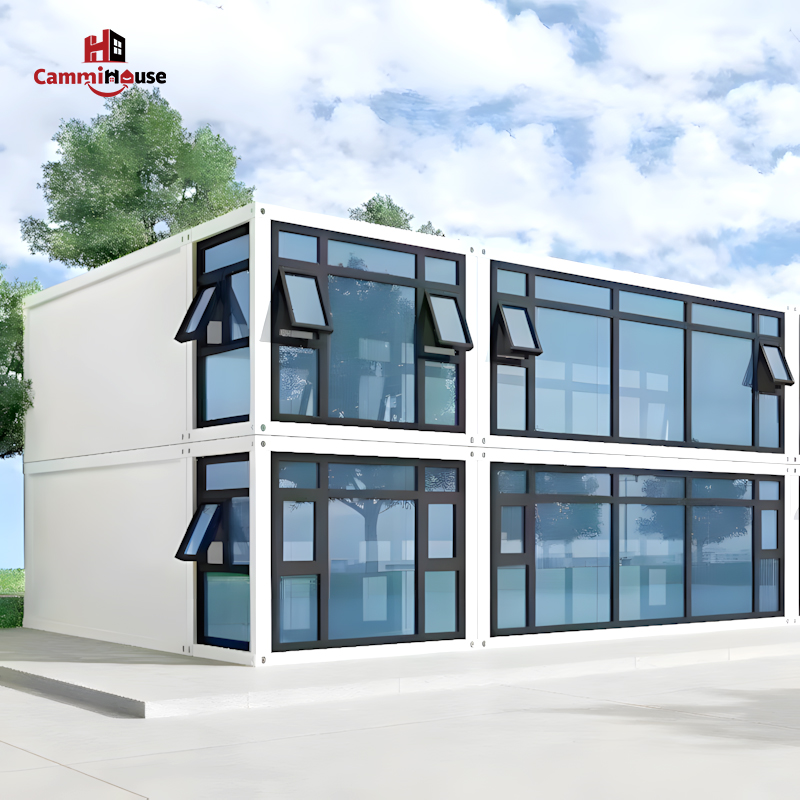
Operators no longer trade design freedom for speed. A 40-ft HQ shell becomes a 4-bed dormitory, a 2-bed ensuite, a clinic, a canteen, or a gym. custom container house projects for Middle East oilfield clients now include private bathrooms, smart thermostats, and 32-inch wall TVs — strong container house design starts with daily workflow, not the unit catalog.
5. Sustainability: Lower Embodied Carbon, Reusable Assets
Circular Asset Model Across 25 Years
Modular steel housing supports a true circular asset model. WBCSD (2023) reports off-site modular construction generates 30–40% less waste and cuts embodied CO₂ by 22% on average. A modular container home can be redeployed 3–4 times across a 25-year life — now a procurement requirement for ESG-reporting mining operators, not a marketing bonus.
6. Logistics: Built Around the Global Shipping Network
Stack, Ship, Roll Without Oversize Permits
Units respecting ISO footprints unlock the global freight chain. Standard 20-ft and 40-ft units stack on any container vessel and fit standard flatbed trailers without oversize permits. Flat-pack versions (4 units per 40-HQ slot) cut Qingdao–Jeddah ocean freight from ~USD 3,200/unit to ~USD 900/unit — decisive for high-volume GCC camp rollouts.
7. Comfort: Hotel-Grade Living in Industrial Settings
Acoustic, Thermal, and Air-Quality Engineering
Worker retention is now a hard ROI metric, and comfort drives retention. A prefab container house with 75 mm PU sandwich panels delivers STC 32–35 — comparable to a 3-star hotel wall — and a 12,000-BTU inverter AC with HEPA fresh-air keeps indoor PM2.5 below 15 μg/m³. In a 2024 Cammihouse Mongolia survey, 87% of 312 mine workers rated container dorms “equal or better” than regional hotels.
8. Compliance & Safety: Engineered for Regulated Industries
Certifications Owners Should Demand
Remote operators face strict HSE audits, and container housing is one of the few prefab formats with globally recognized compliance paths. Specify units shipping with CE marking (EN 1090 welding), AS/NZS 1170 for Australian sites, and UL-listed electrical packages for North America. Cammihouse builds to all three on the same line — always request third-party test reports, not in-house declarations.
FAQ
Q1: How long does a container camp actually last in a harsh climate? A well-built unit using Corten steel and PU insulation lasts 20–25 years in desert or sub-Arctic conditions. With repainting every 5–7 years and routine MEP servicing, structural integrity is preserved. ISO 1496-1 stacking certification confirms long-term load tolerance under repeated relocation.
Q2: Are container homes cheaper than traditional portacabins for a 100-person camp? Yes — typically 15–25% cheaper on total landed cost. U.S. DOE 2021 data shows steel modular units have lower lifecycle costs, and ocean-shipping efficiency for ISO-footprint units further reduces logistics spend, especially for Middle East and African remote-site deployments.
Q3: Can container units be relocated after the first project ends? Yes. Standard 20-ft and 40-ft units are engineered to be lifted, trucked, and redeployed 3–4 times across a 25-year life. This circular-asset model is now a key reason mining and EPC operators specify modular shells over fixed site-built camp housing.
Author: Justin Mercer, Cammihouse Technical Team.
