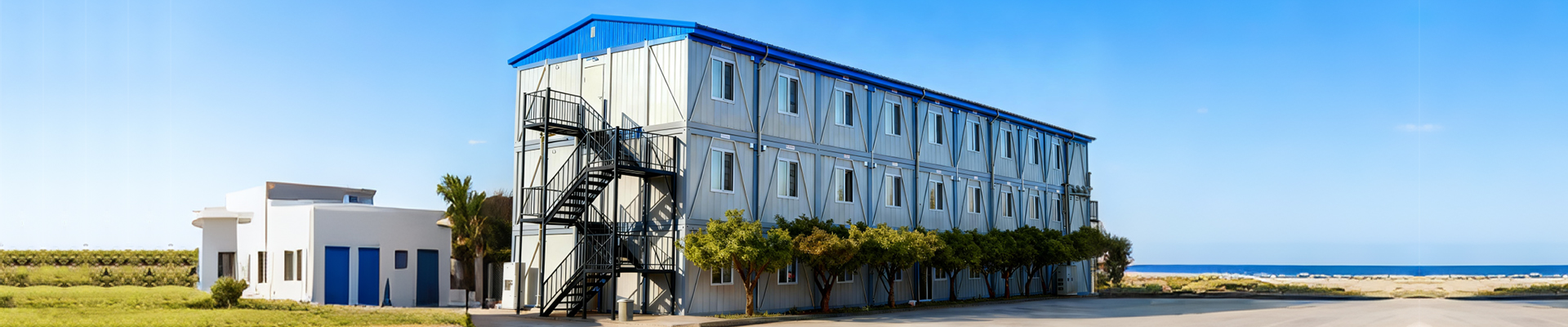
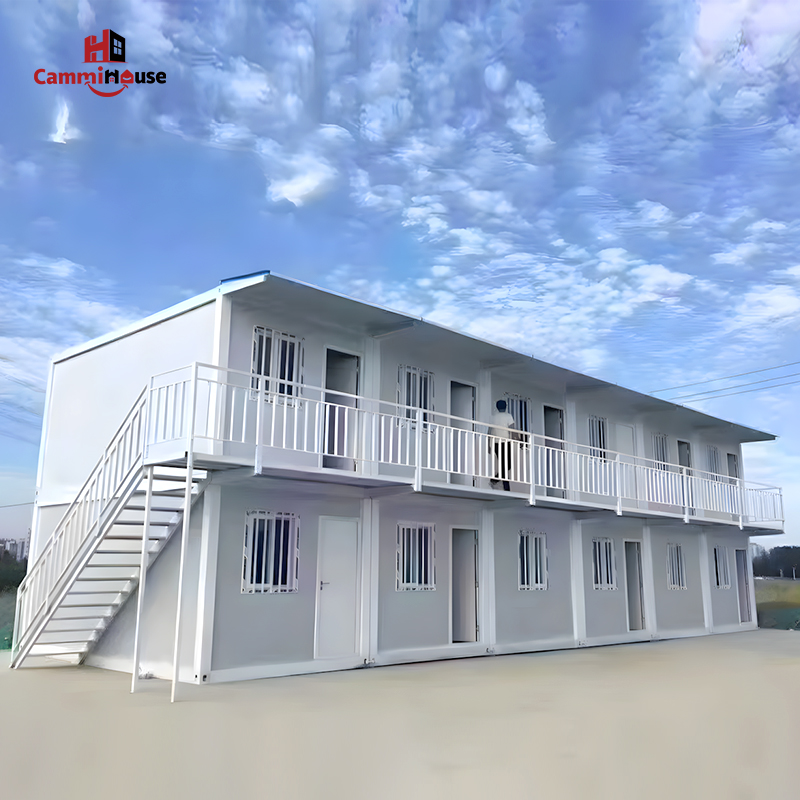
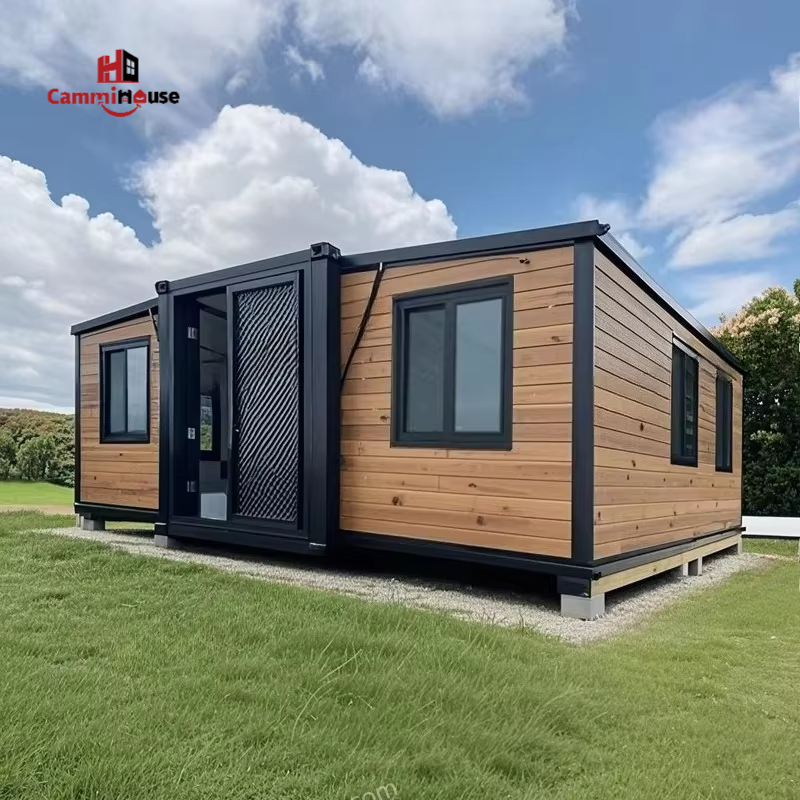
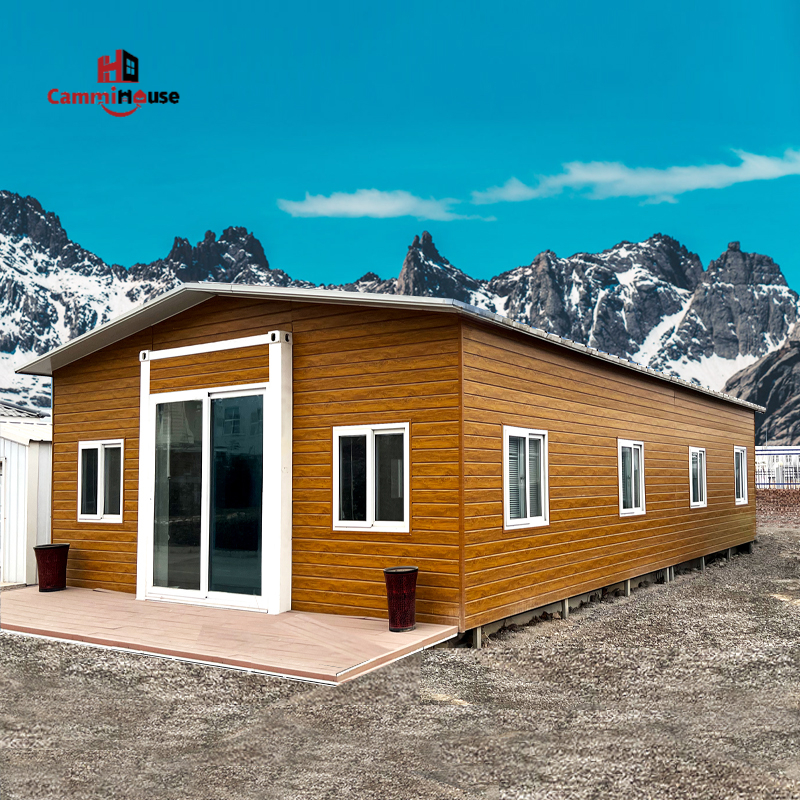
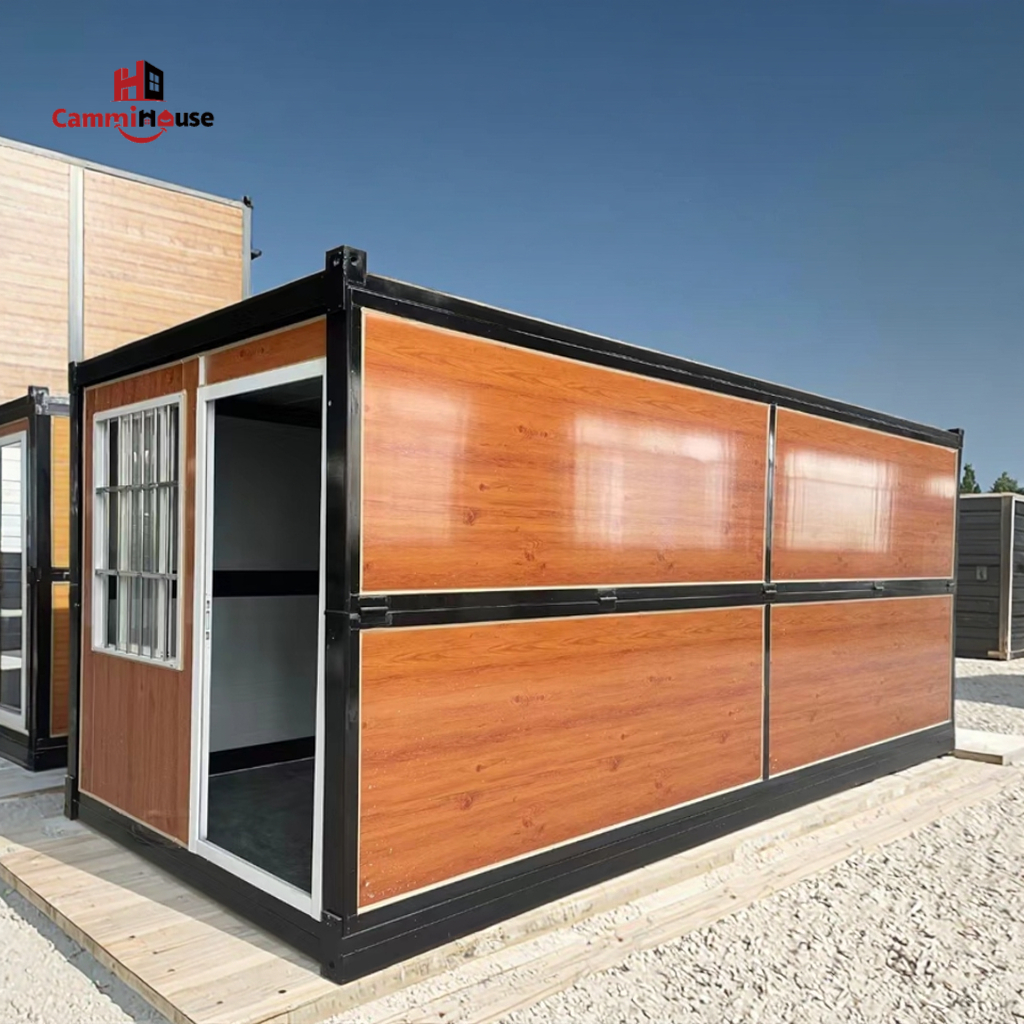
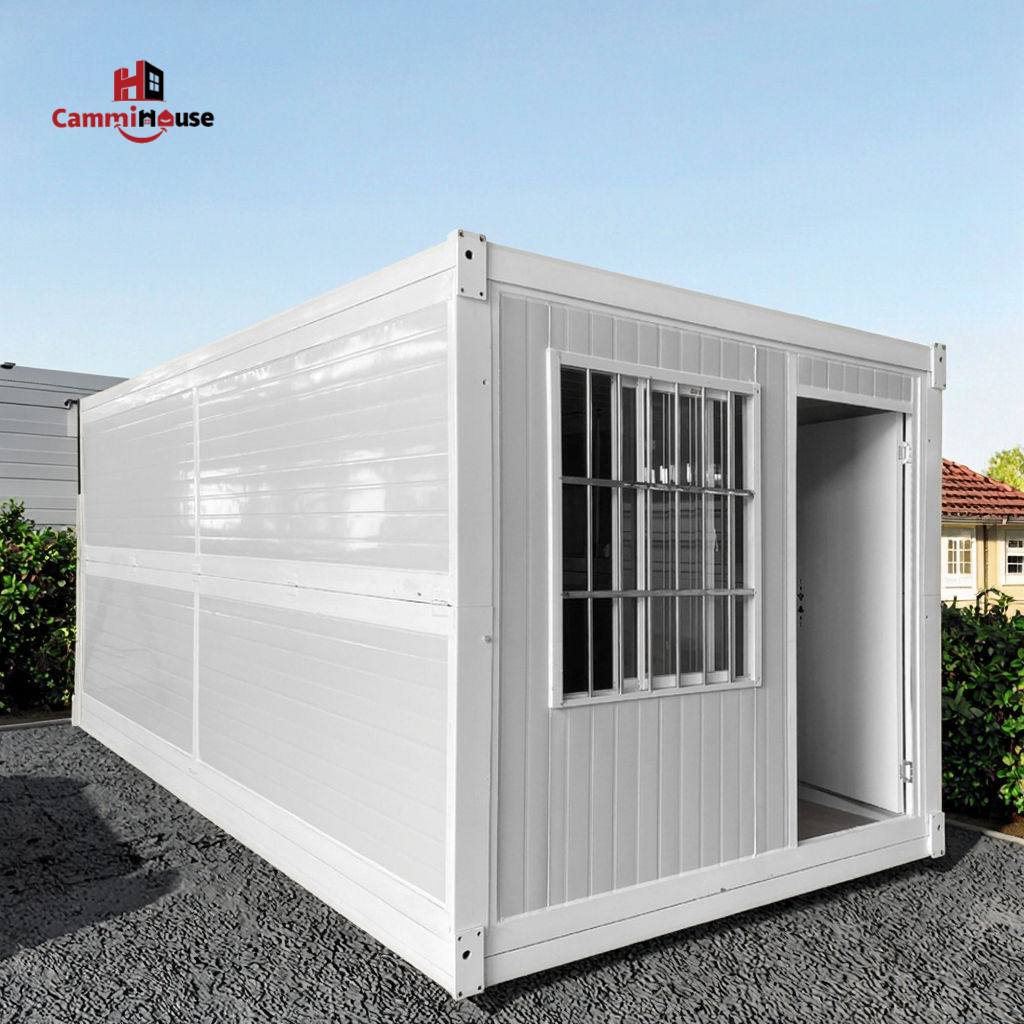
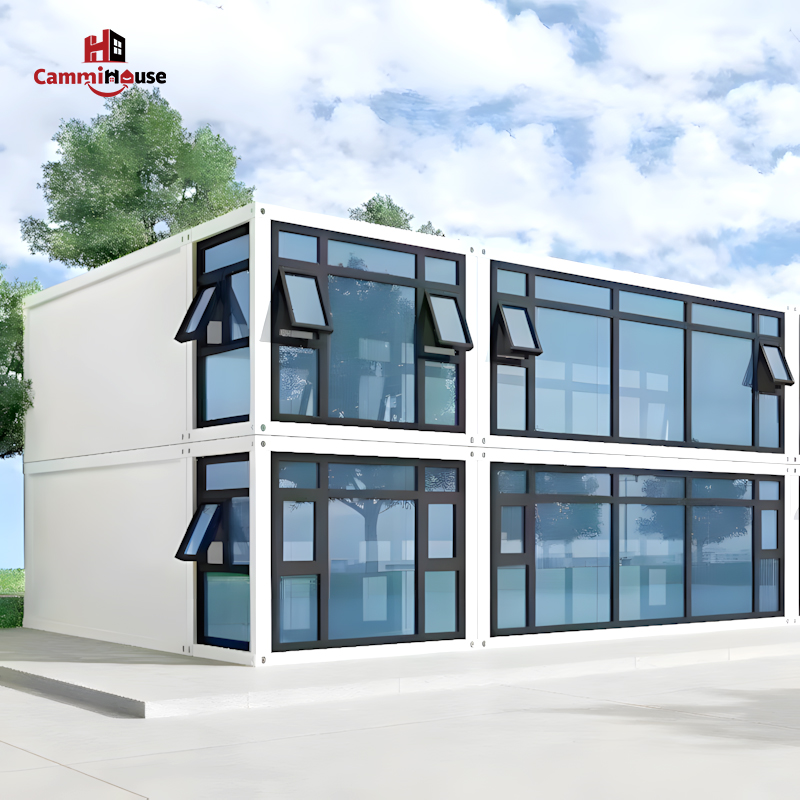
Determining the precise cost of a hotel camp requires analyzing structural variables rather than just unit prices. In the mobile housing industry, costs are driven by engineering requirements and site-specific logistics. Based on a 2024 Cammihouse project survey, unit costs vary significantly between standardized industrial pods and high-end hospitality suites.
1. Base Unit Costs for Standard Shipping Containers
Standard 20ft and 40ft units serve as the fundamental pricing baseline for any modular project.
A basic shell typically ranges from $2,800 to $5,500 depending on the steel grade and modification status. For hotel applications, we primarily utilize ISO 1496-1 compliant structures to ensure the safety of multi-story configurations. These units provide a predictable cost structure for large-scale procurement.
Structural Reinforcement Requirements for Multi-Unit Stacks
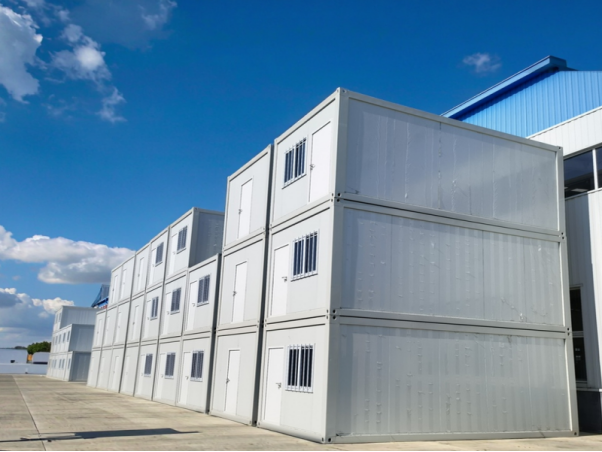
Stacking units for vertical hotels requires additional corner post reinforcement, adding roughly $800 to $1,200 per unit. This engineering ensures the base modules can handle the axial loads of four or more levels without deformation.
2. The Price Impact of Custom Container House Engineering
Complex architectural designs increase budget requirements by 25% to 45% due to specialized welding and frame modification.
A custom container house often features large glass facades or cantilevered sections that disrupt the original structural integrity of the box. These modifications require heavy-gauge C-channel steel inserts to maintain load-bearing paths. According to industry data, custom engineering typically adds $150 per square meter in structural costs.
Cantilevered Layouts and Modern Aesthetic Costs
Creating overhangs or integrated balconies for a luxury hotel feel requires precision CNC cutting and reinforced floor joists. This design shift elevates the visual appeal but necessitates a higher allocation for specialized labor.
3. Thermal Performance and Insulation Budgeting
High-performance insulation is non-negotiable for achieving operational cost efficiency in extreme climates.
In projects across the Middle East, we implement closed-cell spray foam or vacuum insulation panels to resist external temperatures exceeding 50°C. Data from the U.S. DOE 2021 reports that efficient insulation can reduce HVAC energy consumption by up to 30%. For a typical hotel module, thermal barrier installation costs between $1,200 and $2,400 per unit.
Meeting U.S. DOE 2021 Energy Standards in Harsh Climates
Achieving an R-value of 25 or higher involves multi-layer wall systems. This investment pays back within 18 months through significantly lower utility bills in high-occupancy hotel camps.
4. Interior Fit-Out and Hospitality Standards
Interior finishes represent the largest variable in the total budget of a modular hotel project.
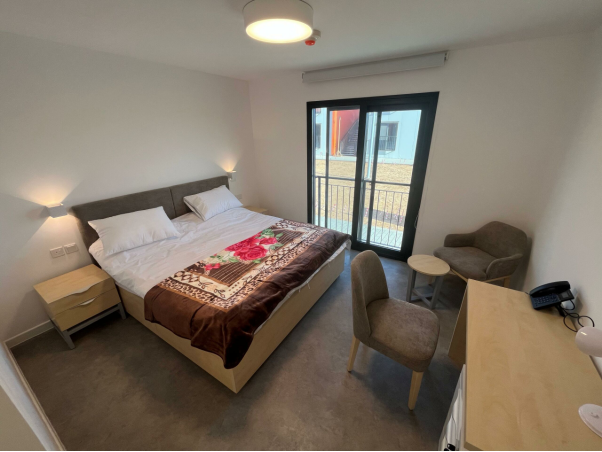
A modular container home intended for resort use requires SPC flooring, soundproofing panels, and smart-home integration. Standard industrial pods cost roughly $400/sqm to finish, whereas luxury hospitality suites can exceed $1,200/sqm. In our 2024 projects, high-durability surfaces are prioritized to withstand the high turnover of guests.
Calculating the Cost of Commercial-Grade Interiors
Hotel-grade bathrooms with moisture-proof cabinetry and ceramic tiles are the primary cost drivers. Prefabricating these wet rooms in the factory reduces site labor costs by 20%.
5. Logistics and Factory-to-Site Transportation Costs
Global shipping costs and site delivery logistics typically account for 12% to 18% of the total project expenditure.
Shipping a 40HQ unit from a major manufacturing hub to the US West Coast currently averages $3,500 to $5,000 depending on the season. Utilizing SOC (Shipper Owned Containers) strategies can save approximately $500 per unit in demurrage fees. At Cammihouse, we optimize loading patterns to minimize wasted space during transit.
Optimized Global Shipping Strategies
For landlocked sites or remote mining camps, last-mile delivery requires flatbed trucks and specialized cranes. Coordinating these elements early prevents budget overruns caused by site delays.
6. Labor Savings through Factory Automation
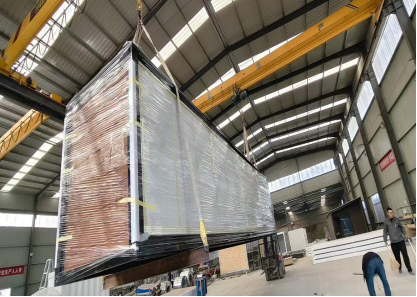
Off-site manufacturing reduces on-site labor hours by up to 60%, significantly lowering total project costs.
Working within a container house factory allows for standardized QC and assembly line efficiency. McKinsey 2022 research highlights that modular construction can increase productivity by 5 to 10 times compared to traditional builds. By shifting 90% of the work to a controlled environment, developers mitigate weather-related delays and labor shortages.
McKinsey 2022 Benchmarks on Modular Construction Productivity
The predictable environment of a factory enables the parallel processing of foundation work and unit assembly. This reduces the total time-to-market for hotel owners by four to six months.
7. Site Preparation and Foundation Infrastructure Expenses
Foundation costs vary based on soil type but usually range from $2,500 to $6,000 per 40ft module.
While containers are self-supporting, a stable foundation—whether helical piers, concrete slabs, or strip foundations—is required to prevent settling. In a recent site survey, helical piers were identified as the most cost-effective solution for uneven terrain, costing roughly 15% less than traditional concrete pours.
Balancing Soil Integrity with Prefabricated Foundation Systems
Implementing screw piles allows for rapid deployment, which is critical for seasonal hotel camps. This method minimizes environmental impact and enables the easy relocation of the units if needed.
8. Total Turnkey Project Cost Estimates for 2026
A turnkey hotel camp module typically costs between $15,000 and $42,000 depending on the specifications.
This range covers the structure, insulation, premium interior finishes, and core plumbing. For a 20-unit hotel camp project, the total budget should include a 10% contingency for site-specific integration. By sourcing directly from an experienced manufacturer, developers can achieve a cost reduction of up to 25% compared to local custom builds.
Regional Variance: Middle East, Arctic, and Urban Projects
Urban projects often face higher permitting and zoning compliance costs, adding $2,000 per unit. Conversely, remote mining camps prioritize durability and thermal insulation over high-end aesthetics, keeping budgets focused on functional performance.
Frequently Asked Questions (FAQ)
Q: Can I customize the dimensions of a hotel camp container unit?
A: Yes. Multiple container modules can be combined to create wider hotel rooms or suites. Proper structural reinforcement ensures stability while providing more usable space and flexible layouts.
Q: How long does a container hotel last in coastal environments?
A: With C5-M marine-grade coatings and regular maintenance, a container hotel can last 25 years or more in coastal areas. Routine inspections and recoating help prevent corrosion and extend service life.
Q: Is a modular container hotel more energy efficient than traditional buildings?
A: Yes. Factory-installed insulation, double-glazed windows, and efficient HVAC systems can significantly reduce heating and cooling demand, making modular hotels well suited for remote and off-grid locations.
