

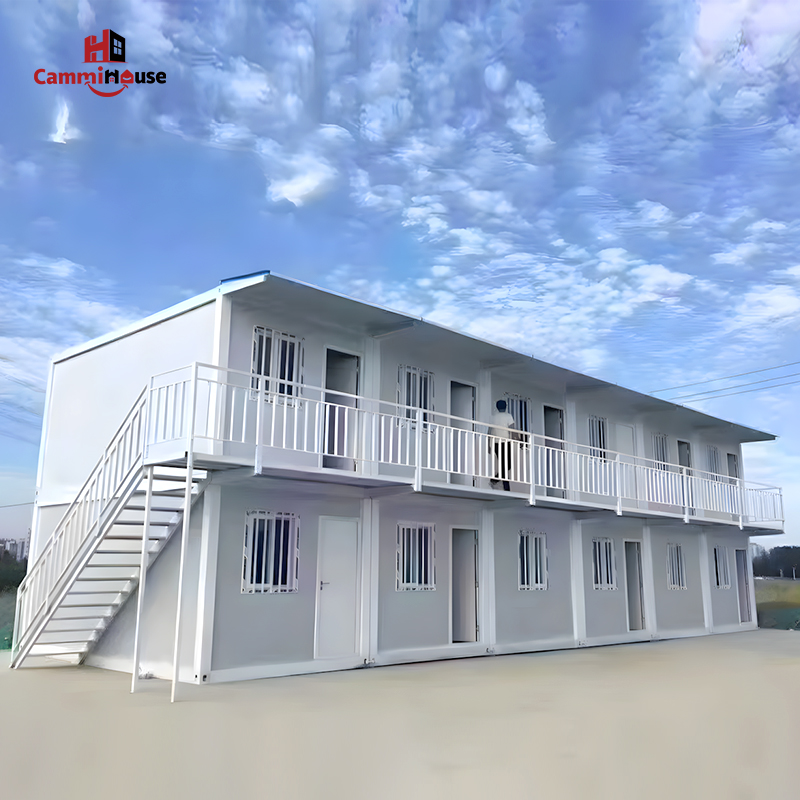
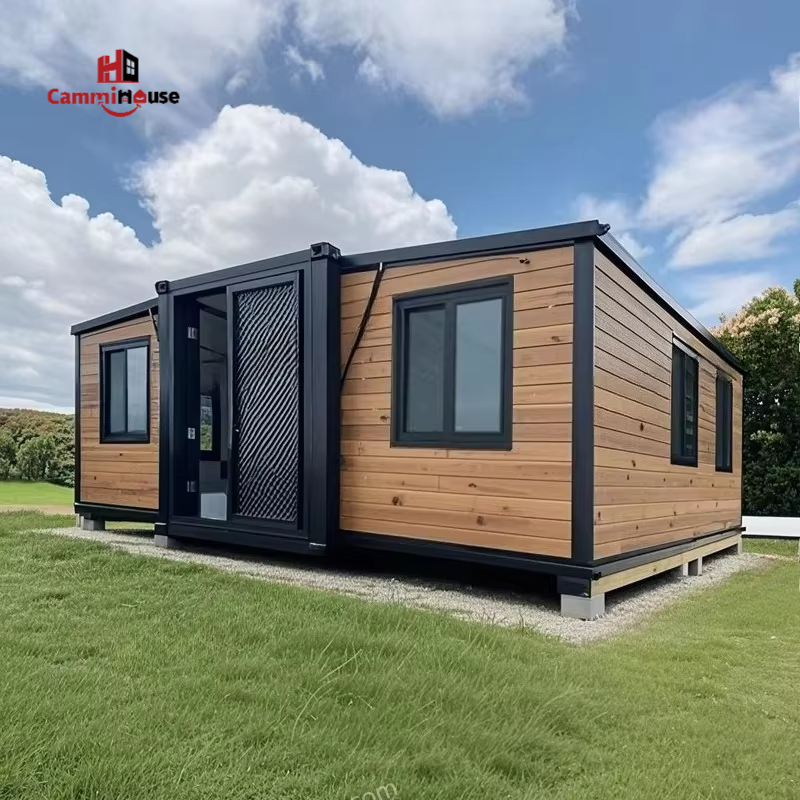
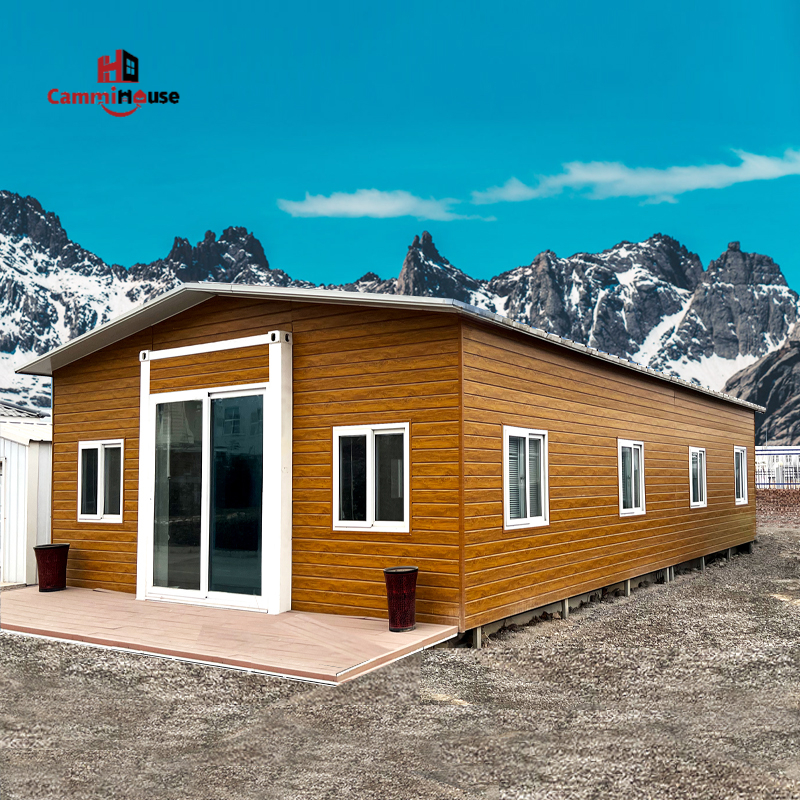
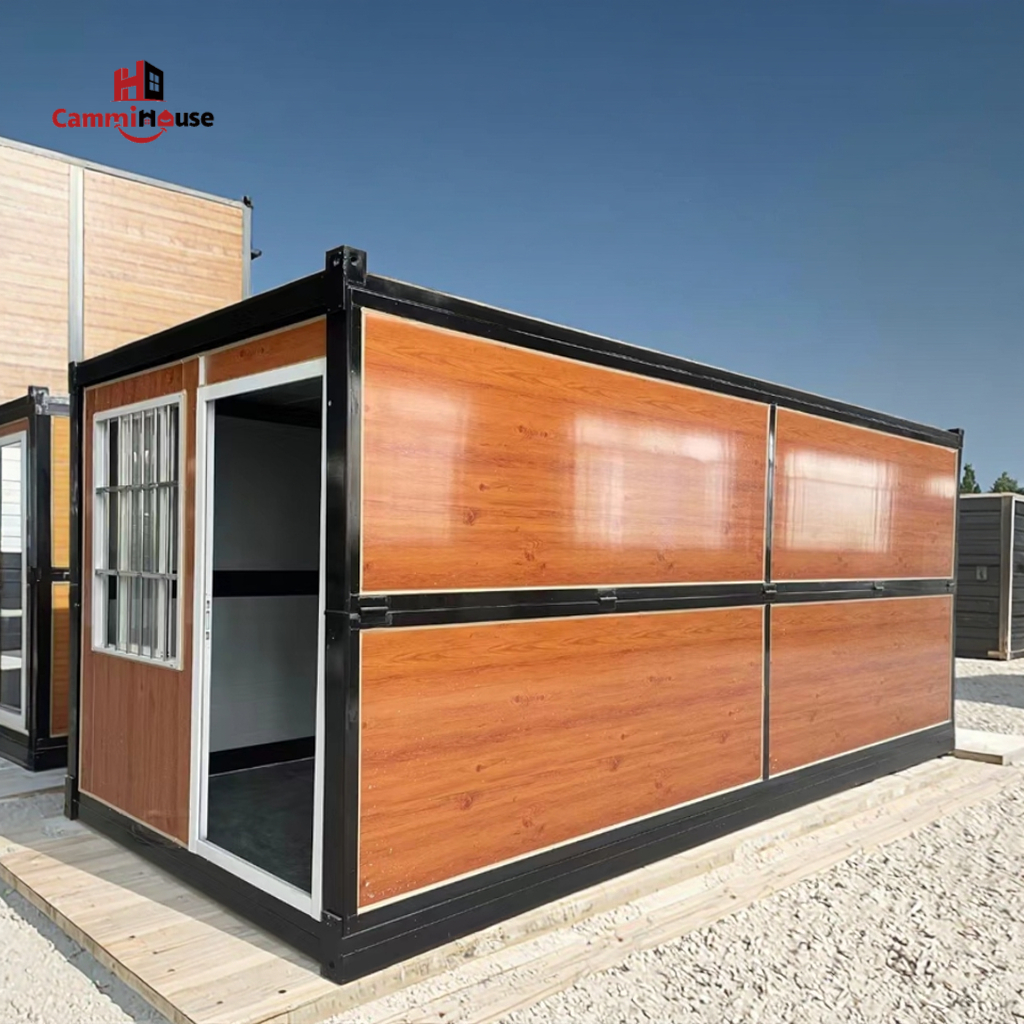
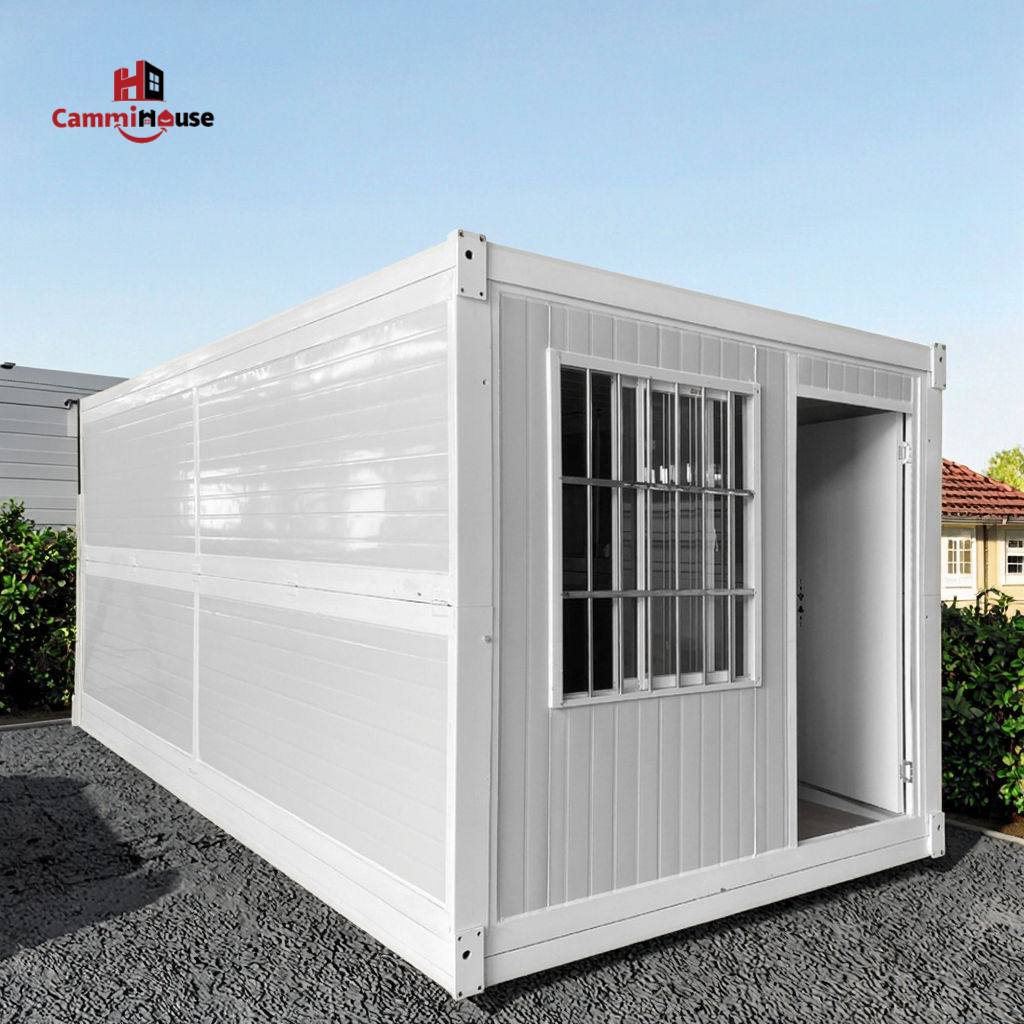
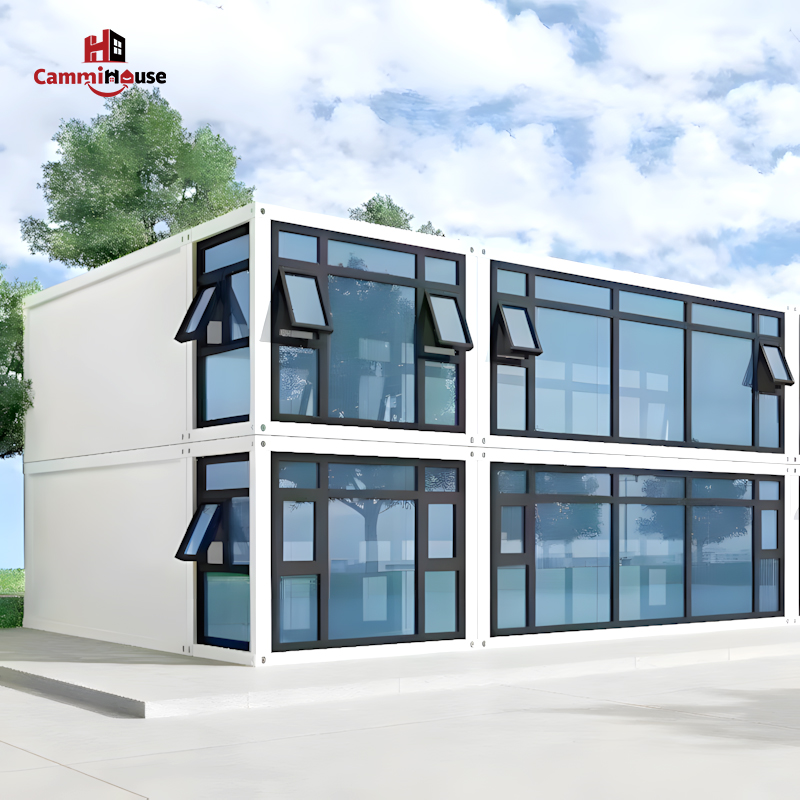
Structural testing is critical for mining camp housing because remote workforce projects face transport vibration, strong wind, and repeated relocation. A container house factory should verify structural stability before shipment to reduce operational risks at temporary industrial sites.
1. Steel Frame Load Testing
Core conclusion: Load testing confirms whether container structures can support long-term mining camp occupancy.
Static Load Verification
ISO 1496 standards require container structures to handle stacking and transport pressure during relocation. A prefab container house used for mining accommodation often carries additional insulation, plumbing systems, and rooftop equipment. Structural simulations help manufacturers verify roof strength and floor stability before deployment.
2. Wind Resistance Testing
Core conclusion: Wind testing helps workforce housing remain stable in desert and coastal mining regions.
High-Wind Performance Checks
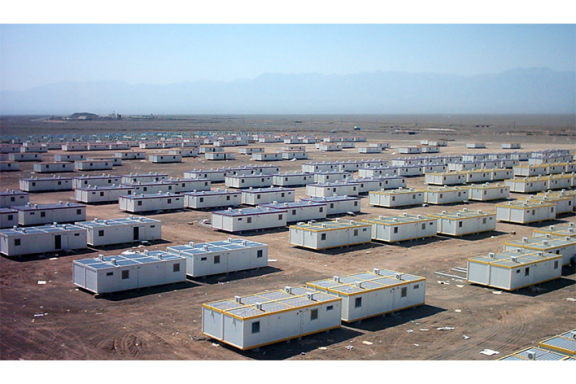
According to ASCE 7 standards, some industrial structures must withstand wind speeds above 140 mph. Mining camps in Saudi Arabia, Australia, and North Africa frequently face seasonal storms and heavy dust conditions. Wind tunnel simulations and anchor bolt testing reduce the risk of structural displacement or panel failure.
3. Seismic Resistance Evaluation
Core conclusion: Earthquake testing is necessary for mining camps located in seismic regions.
Seismic Stability Analysis
A modular container home installed in Chile, Peru, or Central Asia may experience seismic activity during operation. Engineers often perform vibration simulations and connection joint analysis to evaluate frame flexibility and weld reliability. The International Building Code (IBC 2021) recommends seismic evaluation for relocatable workforce housing.
4. Welding Inspection Procedures
Core conclusion: Welding inspections reduce structural failure risks during transportation and repeated installation.
Weld Integrity Control
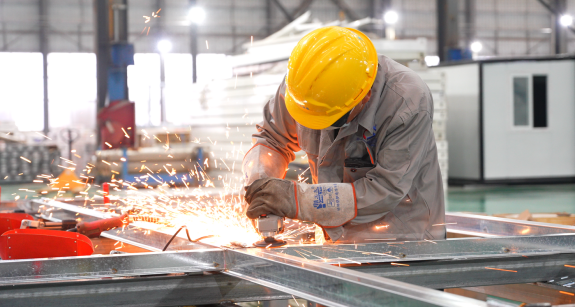
Ultrasonic inspection and magnetic particle testing are commonly used to detect incomplete weld penetration and hidden cracks. Mining housing modules may relocate several times during exploration projects, increasing stress on structural joints. Inspection records help factories identify weak points before shipment.
5. Floor Strength and Impact Testing
Core conclusion: Floor testing verifies whether worker accommodation can support heavy daily usage.
Heavy-Duty Floor Evaluation
Mining camps experience constant foot traffic and equipment movement. A custom container house designed for dormitory use should undergo concentrated load testing to evaluate steel floor durability. In a 2024 Cammihouse project survey, operators in Western Australia reported reduced floor deformation after reinforced flooring systems were introduced.
6. Fire Resistance Testing
Core conclusion: Fire testing helps reduce evacuation risks in densely populated workforce camps.
Material Fire Performance
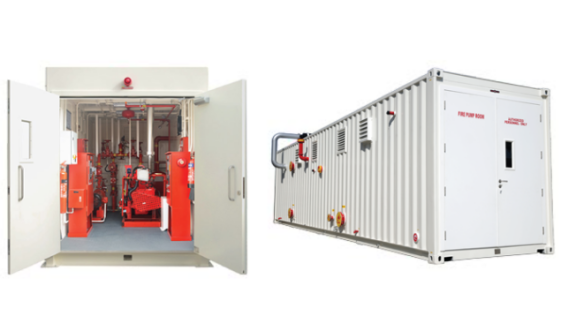
The National Fire Protection Association recommends fire-resistant wall systems and insulated escape corridors for temporary industrial accommodation. Fire testing evaluates insulation materials, electrical routing, and emergency exits. This is especially important for remote mining camps where emergency response times can exceed 30 minutes.
7. Water Leakage and Corrosion Testing
Core conclusion: Corrosion testing protects mining accommodation in humid and coastal environments.
Environmental Durability Checks
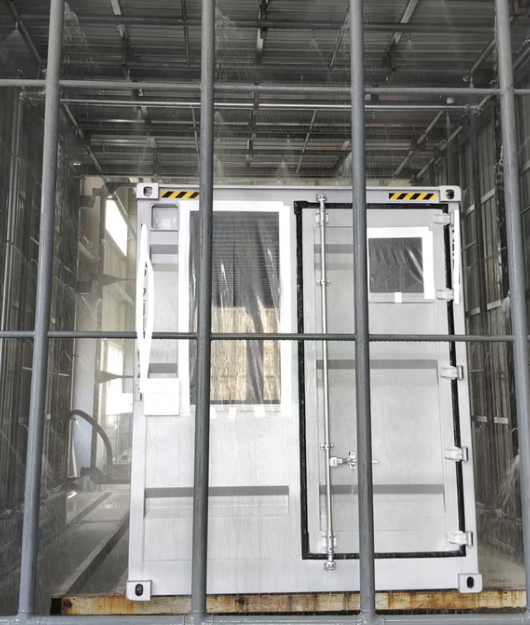
A shipping container home exposed to coastal salt air or heavy rain requires sealed roof joints and anti-corrosion coatings. ASTM corrosion testing standards help manufacturers evaluate steel durability. Water spray testing also verifies window and roof sealing performance before transportation.
8. Transportation Vibration Testing
Core conclusion: Vibration testing reduces structural damage during long-distance transport.
Transport Durability Validation
Mining accommodation modules may travel thousands of kilometers before arriving on site. A minimalist container house designed for relocation should undergo vibration testing to evaluate wall fasteners, electrical systems, and panel stability. These procedures reduce repair costs after delivery to isolated mining zones.
FAQ
Q: What is the most important structural test for mining camp housing?
A: Load testing is one of the most important evaluations because mining housing modules must withstand transport pressure, stacking weight, and long-term occupancy. Structural analysis helps factories identify weak frame sections before the units are shipped to remote industrial locations.
Q: Why is wind resistance testing important for modular mining camps?
A: Mining camps in desert and coastal regions often experience strong seasonal winds and sandstorms. Wind resistance testing evaluates anchoring systems, wall stability, and roof performance to reduce the risk of movement or structural damage during operation.
Q: How does Cammihouse evaluate mining camp housing safety?
A: Cammihouse performs welding inspection, transport vibration simulation, waterproof testing, and structural load analysis during production. These procedures help verify that modular workforce accommodation can perform reliably during transportation, installation, and repeated relocation cycles.
Sources: ISO 1496, ASCE 7, IBC 2021, NFPA guidelines, ASTM corrosion testing standards.
Author: Justin Mercer, Cammihouse Technical Team.
