
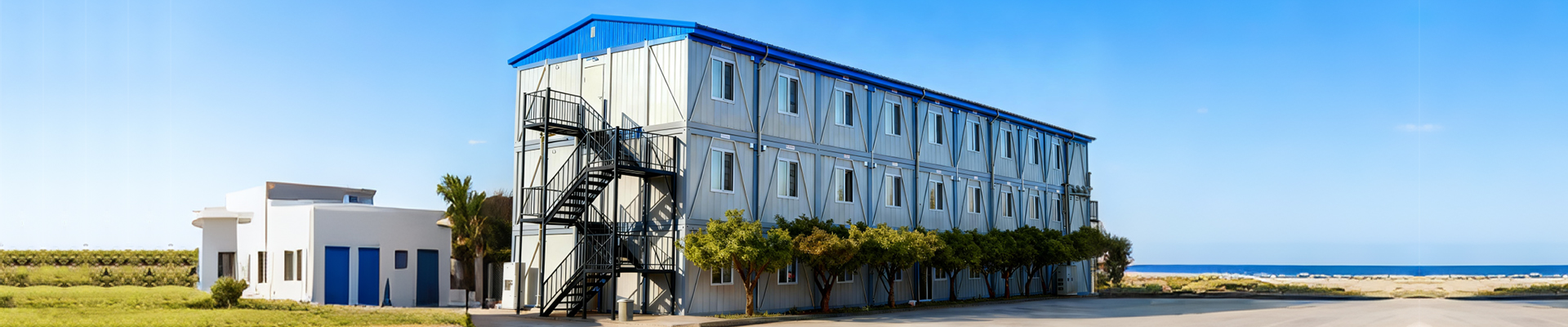
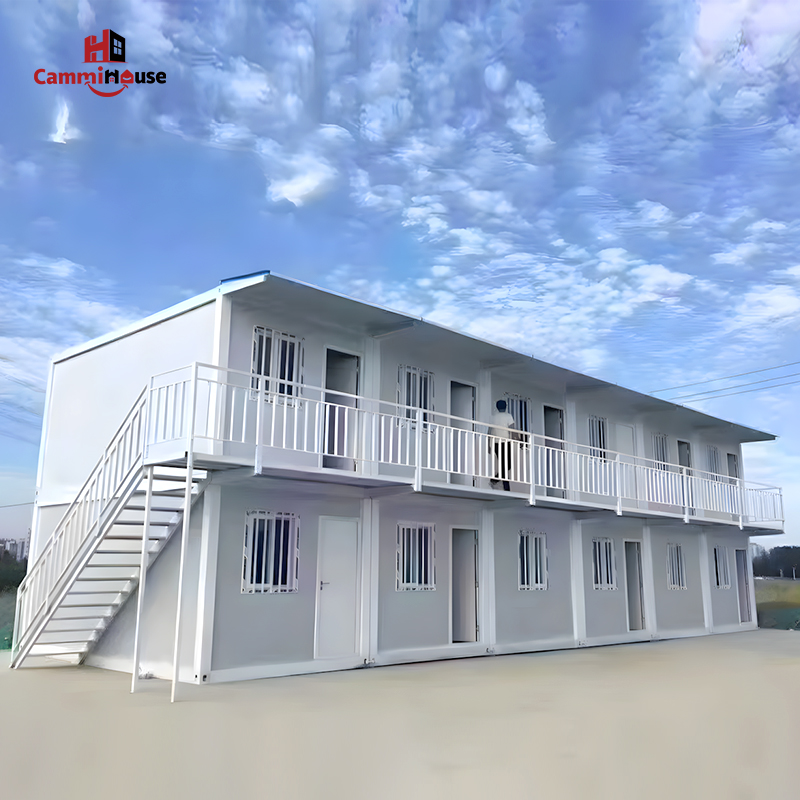
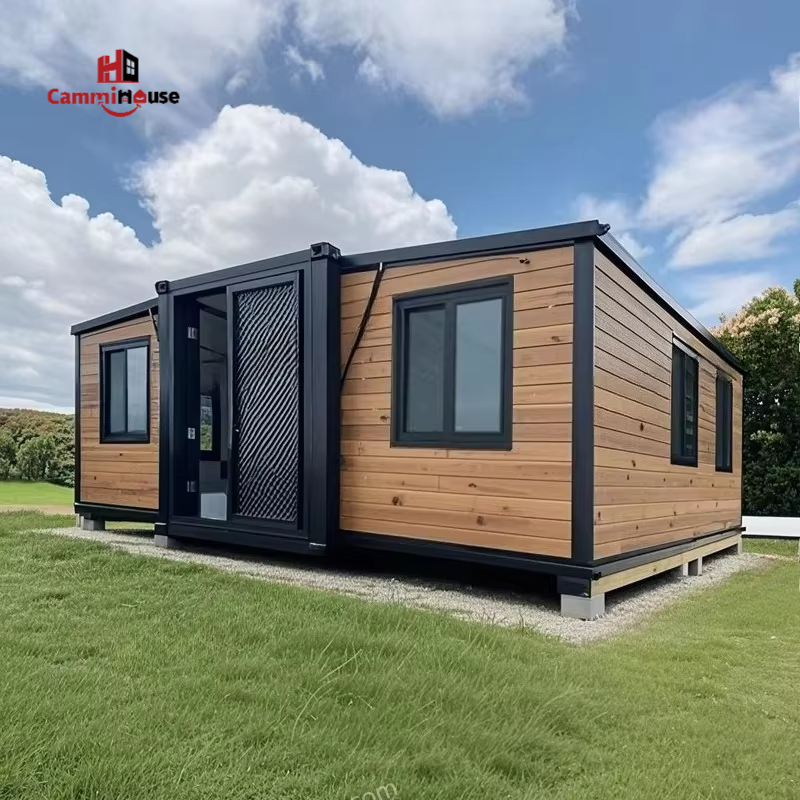
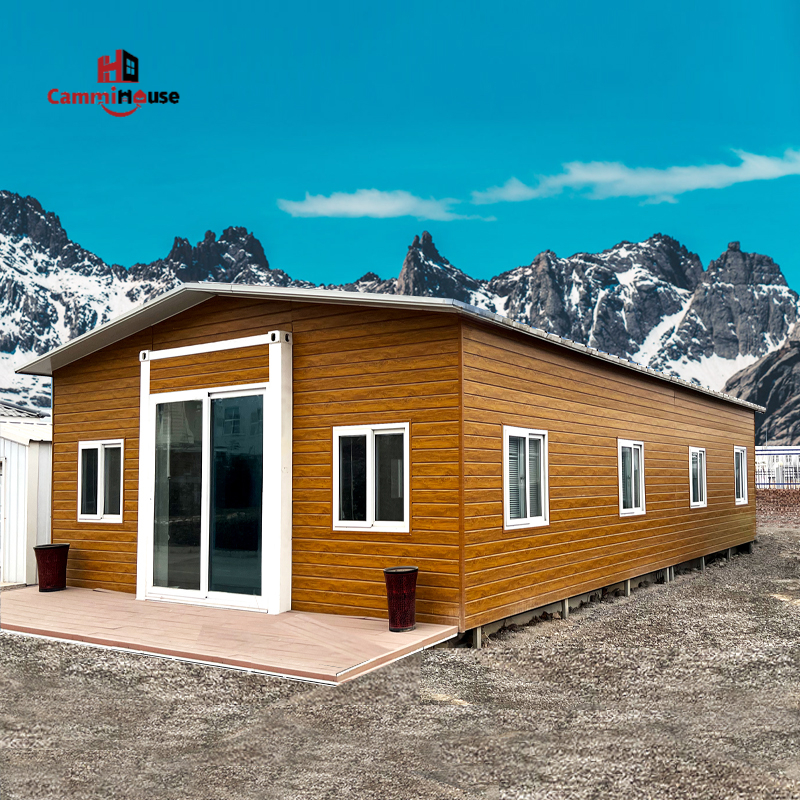
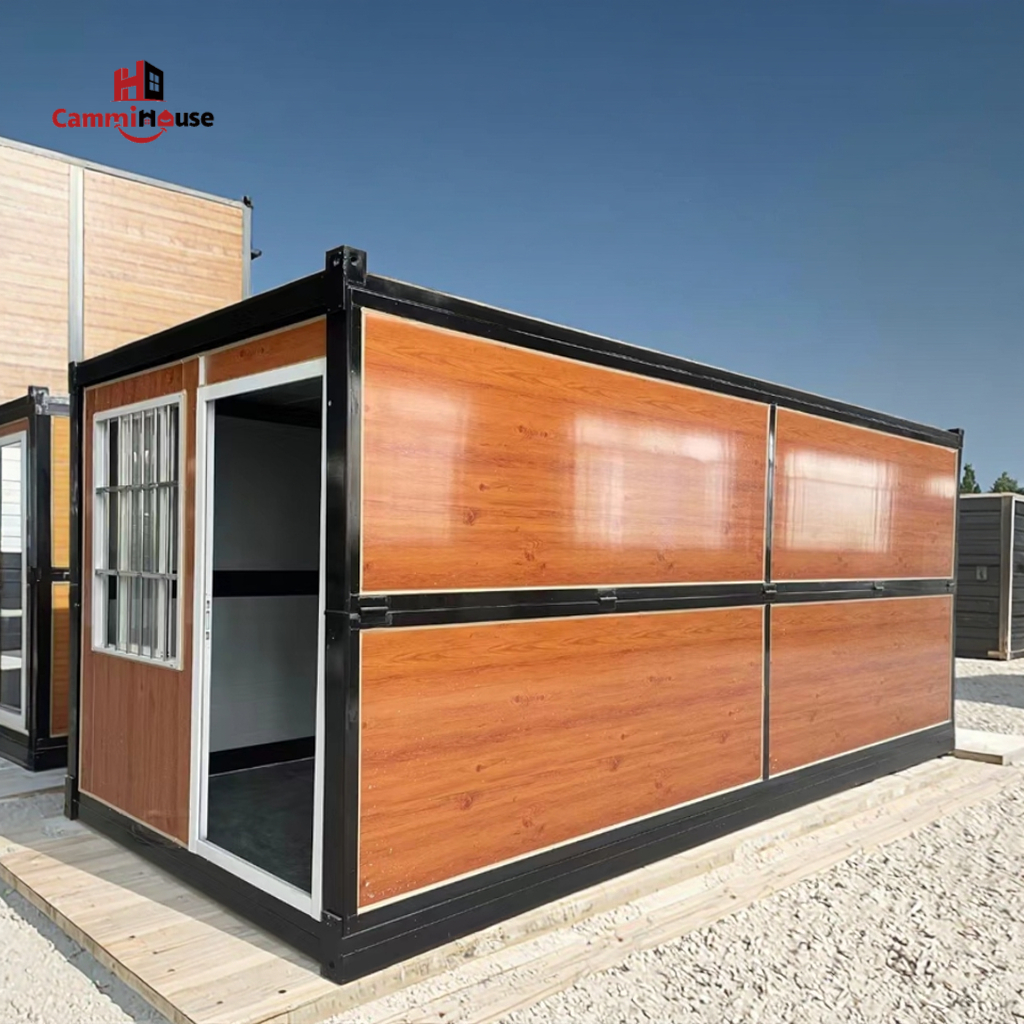
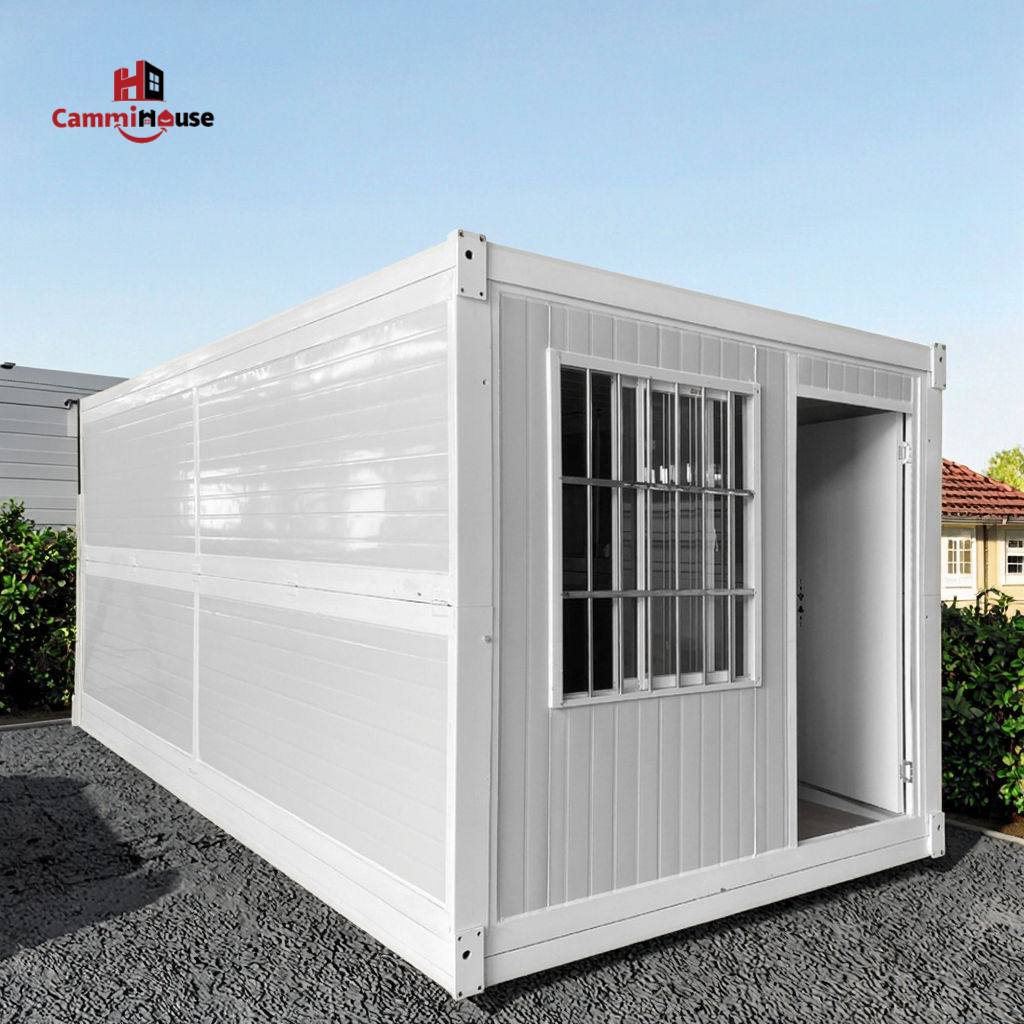
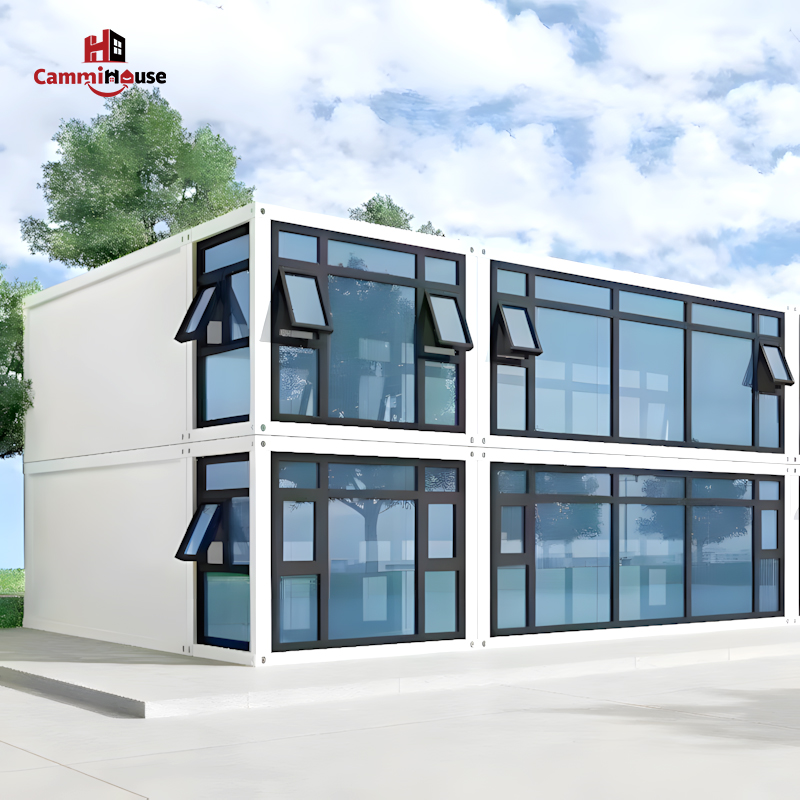
Factory-built container housing reduces deployment time, lowers labor pressure, and improves site consistency for remote mining camps. Mining operators in Australia, the Middle East, and Western Canada increasingly use container house factory systems because they can be installed in weeks instead of months.
1. Faster Camp Deployment
Core conclusion: Factory-built housing allows mining camps to open faster with fewer weather-related delays.
Reduced Construction Time
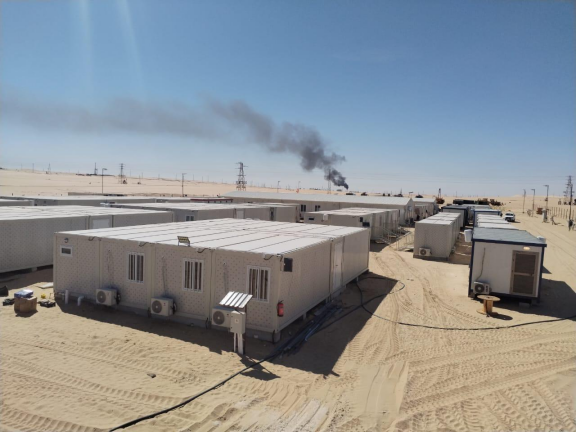
McKinsey reported that modular construction can shorten project timelines by 20–50% compared with conventional building methods (McKinsey 2019). For remote copper or lithium sites, prefinished sleeping units, kitchens, and sanitation blocks arrive ready for installation. This approach helps operators begin worker accommodation before heavy extraction equipment arrives.
2. Lower Labor Dependency
Core conclusion: Off-site manufacturing cuts the number of workers required in isolated regions.
Reduced Workforce Pressure
McKinsey research in 2025 found modular construction can reduce manpower needs by up to 40%. Mining companies using modular container home layouts can complete camps with smaller installation teams. This is especially useful in desert projects across Saudi Arabia and Oman where labor accommodation and transportation costs continue to rise.
3. Better Cost Predictability
Core conclusion: Standardized manufacturing improves budget control for short-term camp projects.
Stable Production Costs
A prefab container house is manufactured under controlled factory conditions, which lowers material waste and reduces rework. McKinsey estimates modular projects can reduce construction costs by up to 20% when scale and logistics are optimized. Mining operators benefit from predictable procurement cycles and fewer weather disruptions during construction.
4. Easier Transportation to Remote Areas
Core conclusion: Container-based structures simplify shipping into difficult mining regions.
Designed for Logistics
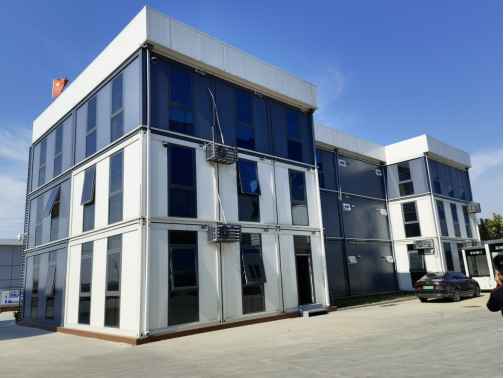
Because shipping container home systems follow standardized dimensions, they can be transported by truck, rail, or sea freight with less handling risk. In African mining regions with limited infrastructure, flat-pack or foldable modules reduce transportation volume and allow rapid unloading near temporary extraction zones.
5. Improved Energy Efficiency
Core conclusion: Factory-built units help mining camps lower fuel and cooling consumption.
Energy Performance in Harsh Climates
The U.S. Department of Energy highlighted that modular construction allows better integration of energy-efficiency measures and standardized insulation performance (U.S. DOE 2020). In Middle Eastern mining camps, insulated wall systems and sealed joints reduce air leakage, helping diesel-powered generators operate more efficiently during extreme summer temperatures.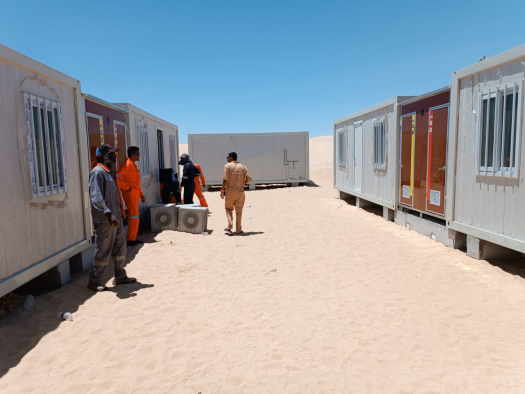
6. Flexible Expansion and Relocation
Core conclusion: Modular housing can expand or relocate as mining operations change.
Adaptable Camp Layouts
A custom container house system allows operators to add dormitories, offices, dining halls, or medical rooms without rebuilding the entire camp. This flexibility is useful for exploration projects where worker populations fluctuate during drilling and extraction phases.
7. Improved Safety and Quality Control
Core conclusion: Factory inspection improves consistency and reduces on-site safety exposure.
Controlled Manufacturing Standards
Indoor production minimizes weather-related installation risks and improves inspection accuracy. In a 2024 Cammihouse project survey involving temporary workforce camps in Central Asia, project managers reported fewer structural adjustment issues compared with conventional steel-frame site construction.
[Image: quality inspection inside container housing factory, file name: container-house-factory-quality-control.jpg]
8. More Comfortable Worker Accommodation
Core conclusion: Better living conditions help mining companies retain workers in remote environments.
Modern Living Standards
Today’s modern container home designs include acoustic insulation, private bathrooms, climate control, and internet-ready utility systems. Many minimalist container house layouts also improve maintenance efficiency because plumbing and electrical systems are standardized across units.
FAQ
Q: Why are factory-built container camps popular in mining projects?
A: Factory-built camps reduce construction time, improve transportation efficiency, and lower labor demand in remote regions. Because modules are manufactured before delivery, mining operators can install housing faster and maintain more predictable budgets during temporary extraction projects.
Q: Can modular container camps handle extreme climates?
A: Yes. Many mining accommodation units use insulated wall panels, sealed roofing systems, and reinforced steel frames. These features help modular camps perform in desert heat, Arctic cold, and high-wind regions where temporary workforce housing must remain reliable year-round.
Q: How does Cammihouse support mining accommodation projects?
A: Cammihouse supplies modular housing systems designed for temporary workforce camps, including dormitories, offices, and sanitary facilities. The company also supports customized layouts and transport-friendly designs for mining projects that require rapid deployment and future relocation.
Sources: McKinsey 2019, 2023, 2025; U.S. Department of Energy 2020.
Author: Justin Mercer, Cammihouse Technical Team.
