

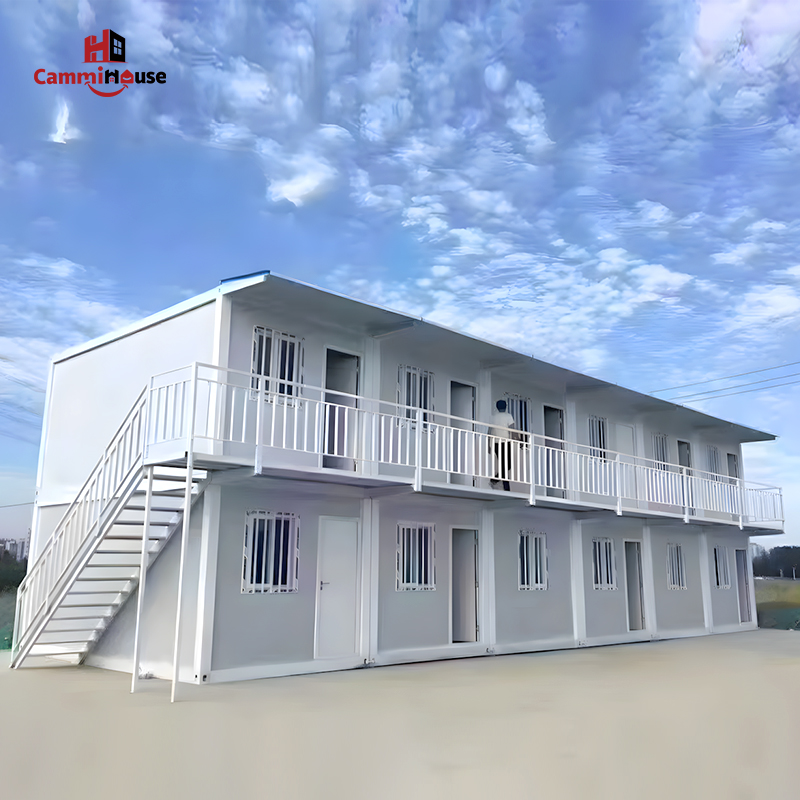
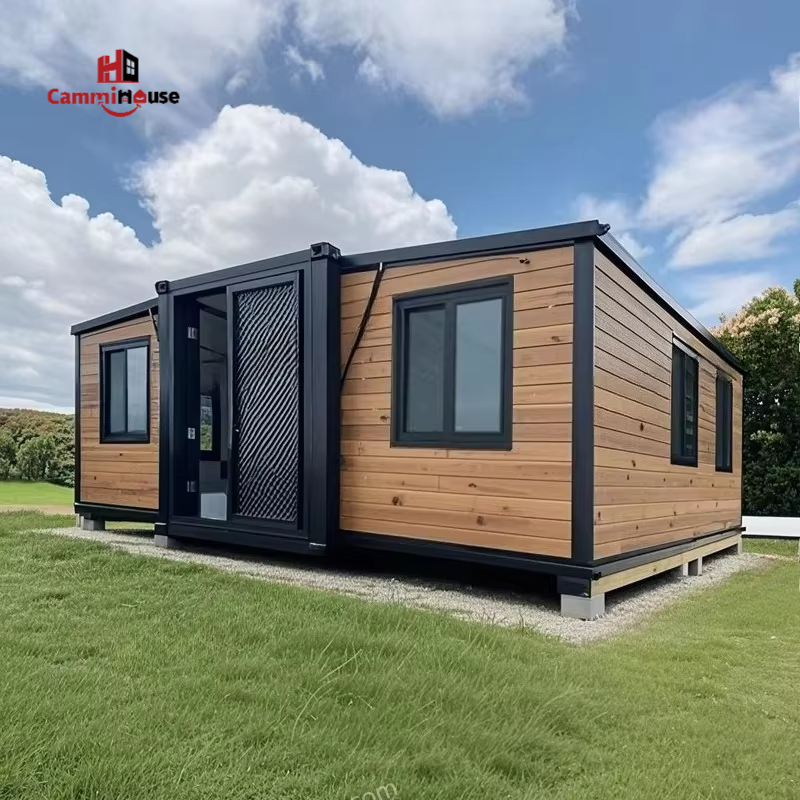
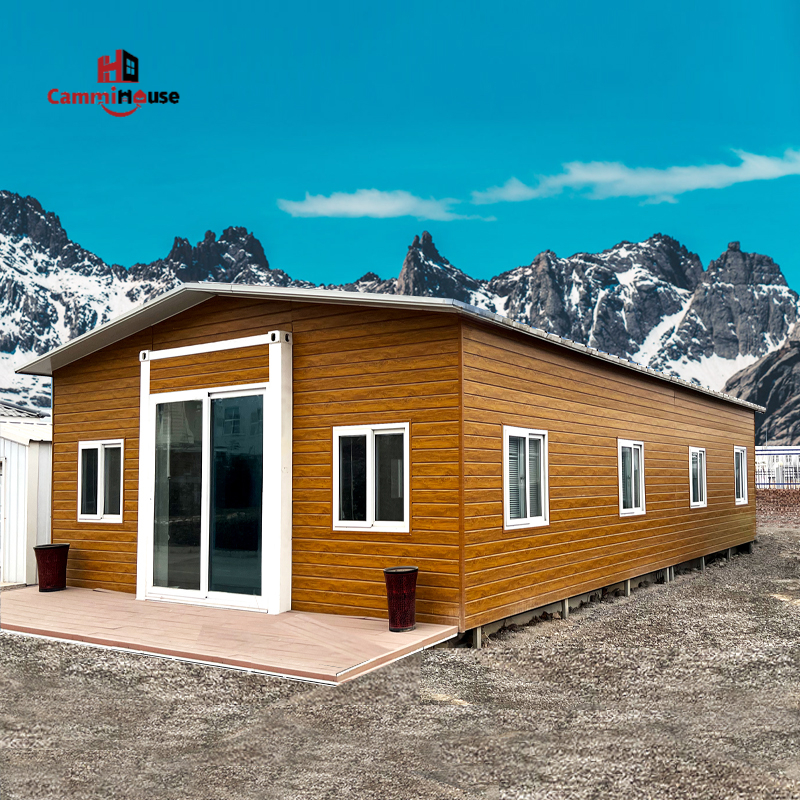
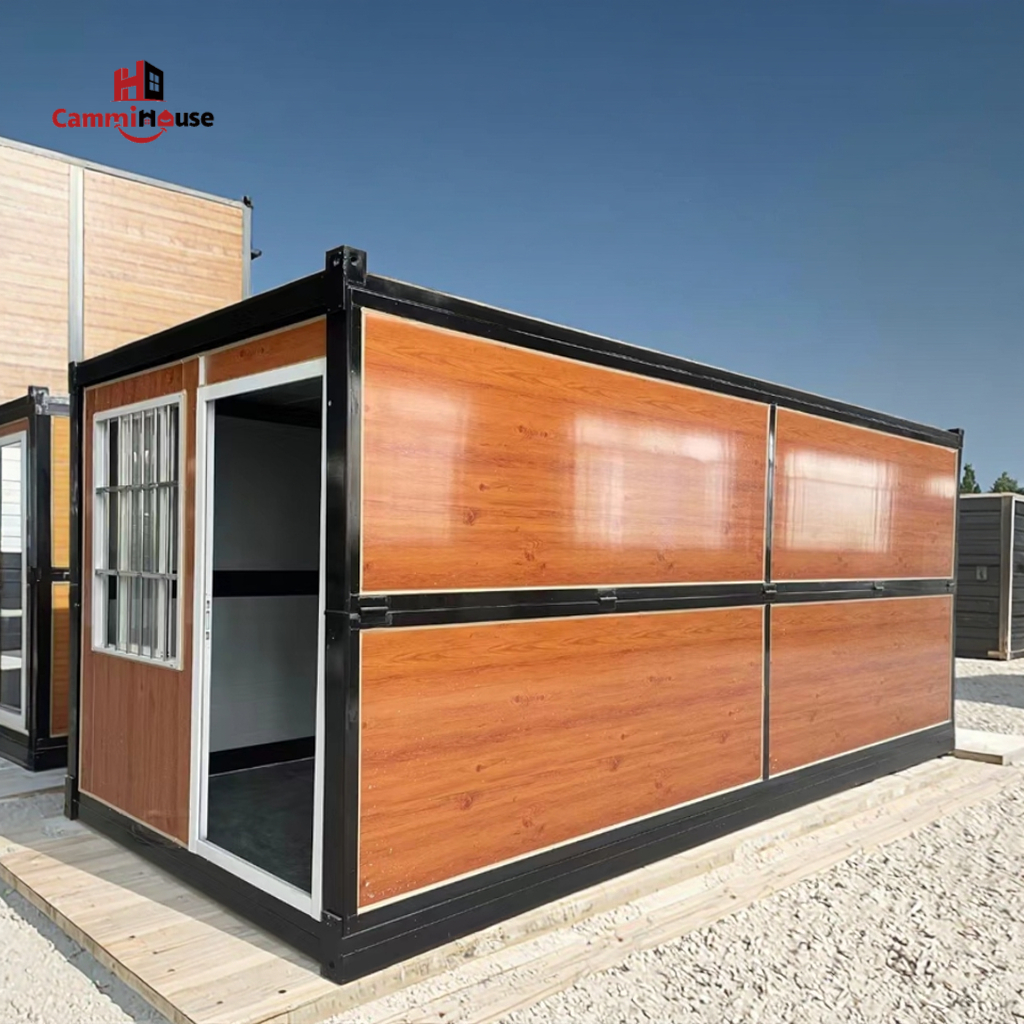
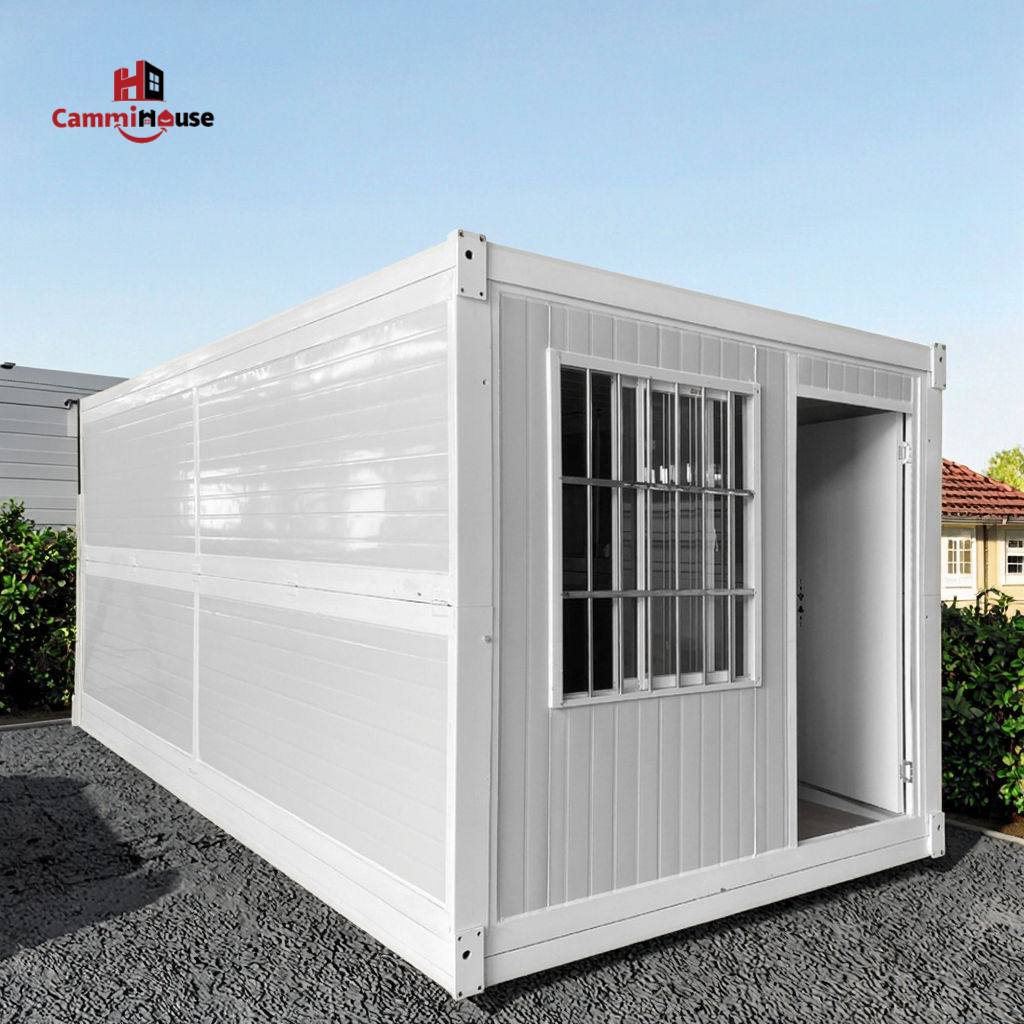
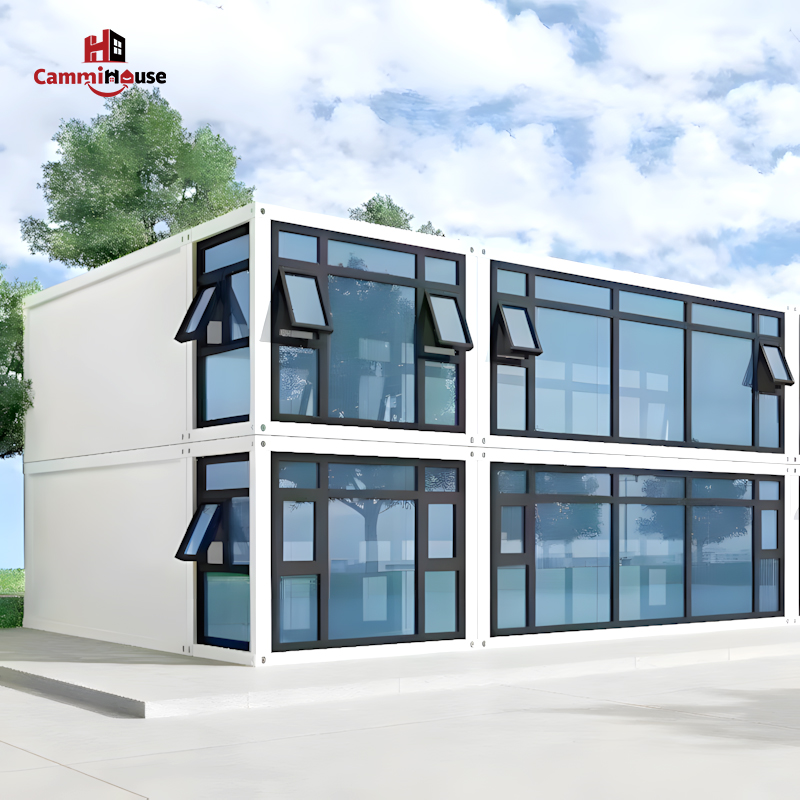
Capsule houses and container houses solve different housing problems. Capsule units focus on compact living and fast deployment, while shipping container home systems are designed for larger layouts, long-term durability, and modular expansion. Both are widely used in tourism projects, mining camps, remote offices, and temporary accommodation markets.
1. Capsule Houses Prioritize Compact Living
Capsule homes are designed for small footprints and mobile hospitality use.
Why Space Efficiency Matters
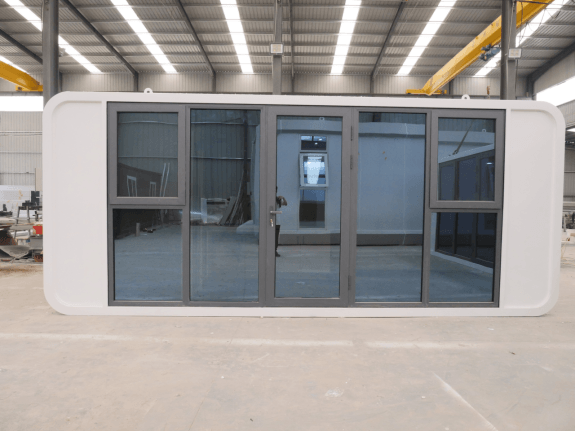
Most capsule houses range from 18–38 square meters and target short-stay accommodation markets. In tourist destinations across Southeast Asia, operators use capsule units to reduce land costs while maximizing room counts. By comparison, a modern container home can support larger family layouts with expandable modules.
2. Container Houses Focus on Structural Strength
Container-based buildings are built for transportation durability and long-term use.
How Steel Structures Improve Lifespan
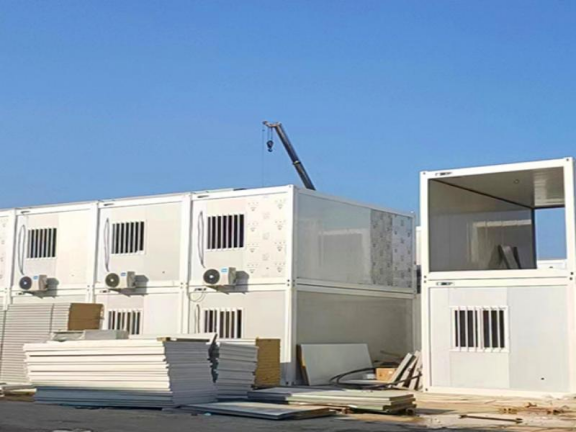
ISO shipping containers are engineered to handle heavy cargo loads and ocean transport. According to the International Organization for Standardization, standard containers can stack multiple units vertically without losing structural stability. A modular container home can therefore support multi-unit residential or office projects more effectively than lightweight capsule shells.
3. Capsule Houses Use Different Materials
Most capsule units rely on fiberglass, aluminum, or composite shells instead of steel container frames.
Material Choice Changes Maintenance
Fiberglass structures resist corrosion and reduce overall transport weight. However, they are harder to modify after production. A custom container house allows easier window cutting, room expansion, and utility upgrades because steel walls can be reinforced during fabrication.
4. Container Homes Offer More Flexible Layouts
Container systems support larger floor plans and multi-room configurations.
Why Modular Design Matters
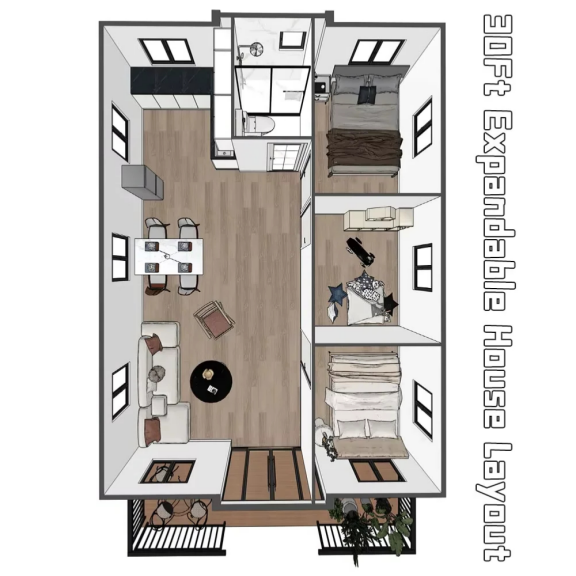
A single 40-foot container provides about 320 square feet of usable space before interior finishing. Developers often combine multiple units into offices, villas, or classrooms. In a 2024 Cammihouse project survey for Middle East workforce housing, modular steel layouts reduced on-site installation time by 37% compared with traditional block construction.
5. Capsule Houses Are Faster to Install
Factory-finished capsule units can often operate immediately after delivery.
Plug-and-Play Deployment Benefits
Many capsule homes arrive with integrated lighting, plumbing, and furniture systems. Resorts in mountainous regions prefer this approach because cranes can place finished units directly onto prepared foundations. A prefab container house may require more assembly work, especially for multi-container combinations.
6. Insulation Performance Depends on Climate
Thermal control systems vary greatly between capsule and container housing.
Why Insulation Impacts Operating Costs
The U.S. DOE 2021 report showed that poor insulation can increase energy consumption by over 30% in extreme climates. Capsule shells often rely on polyurethane foam layers, while container home insulation systems commonly use rock wool or PU sandwich panels for industrial and residential applications.
7. Capsule Homes Target Tourism Markets
Most capsule projects focus on hospitality and short-term rental demand.
Real-World Hospitality Examples
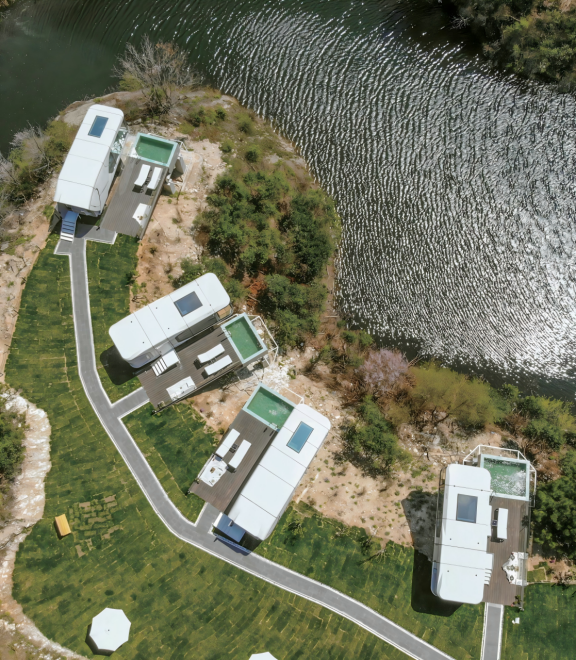
Capsule resorts are common in desert tourism projects, mountain camps, and lakeside eco-parks. Their futuristic appearance attracts younger travelers on social media platforms. Meanwhile, a minimalist container house is more frequently used for long-term living, construction offices, and workforce accommodation.
8. Long-Term Cost Structures Are Different
Container homes usually provide better long-term expansion value.
Comparing Lifecycle Costs
McKinsey 2022 construction data found that lifecycle maintenance costs significantly affect total project spending over 20 years. Capsule homes may reduce startup investment for resorts, but container systems allow easier renovation and expansion later. Many developers now work directly with a container house factory to standardize modular production for scalable projects.
FAQ
Q: Which is better for long-term living, a capsule house or a container house?
A: Container houses are generally better for permanent living because they support larger layouts, stronger steel structures, and easier expansion. Capsule homes are more suitable for tourism projects, temporary accommodation, or compact resort spaces where mobility and fast installation are more important than floor size.
Q: Are capsule houses cheaper than container homes?
A: Capsule houses can reduce initial installation costs because they arrive factory-finished with integrated interiors. However, container homes often provide lower lifecycle costs due to easier repairs, modular expansion, and stronger structural durability over 20 years of use in different climates.
Q: Why do developers choose modular container systems?
A: Developers choose modular container systems because they simplify transportation, accelerate project timelines, and allow flexible room combinations. Container-based structures are also widely accepted in mining camps, construction sites, workforce housing, and remote commercial projects where durability matters more than compact aesthetics.
Justin Mercer, Cammihouse Technical Team.
