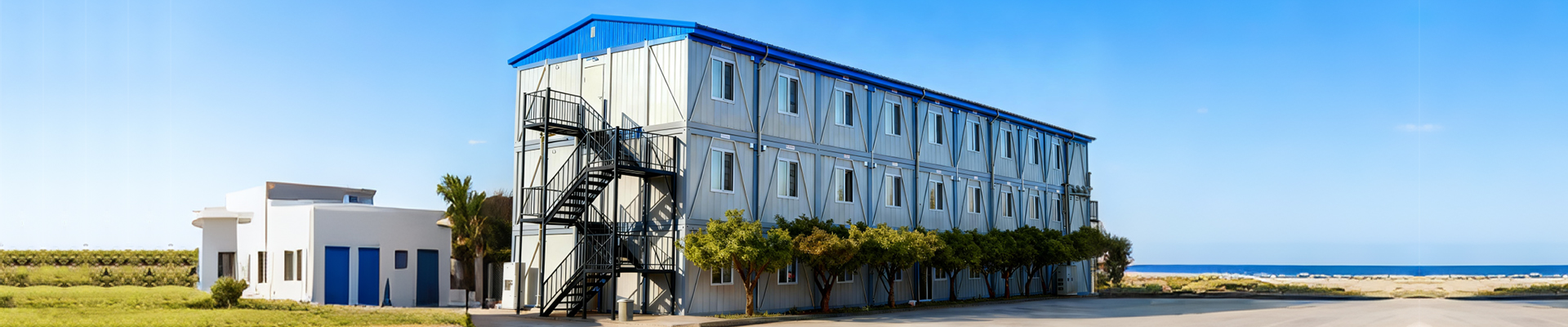
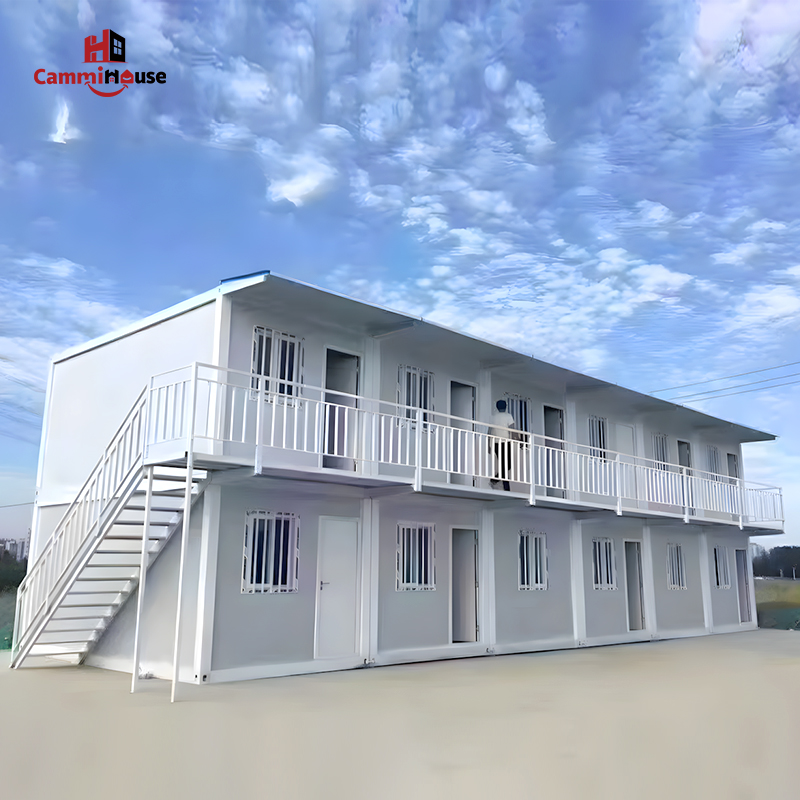
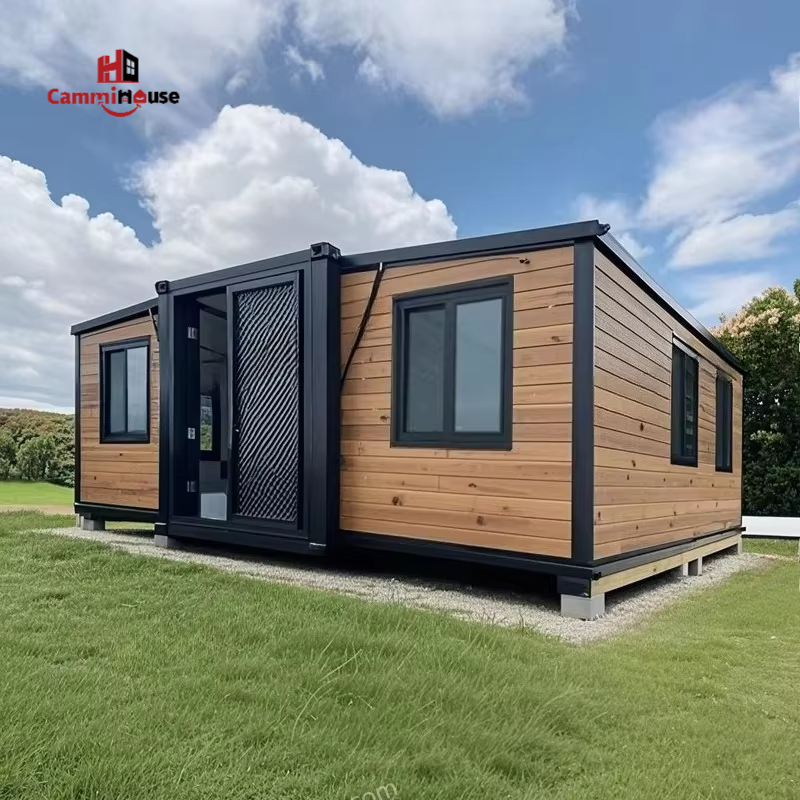
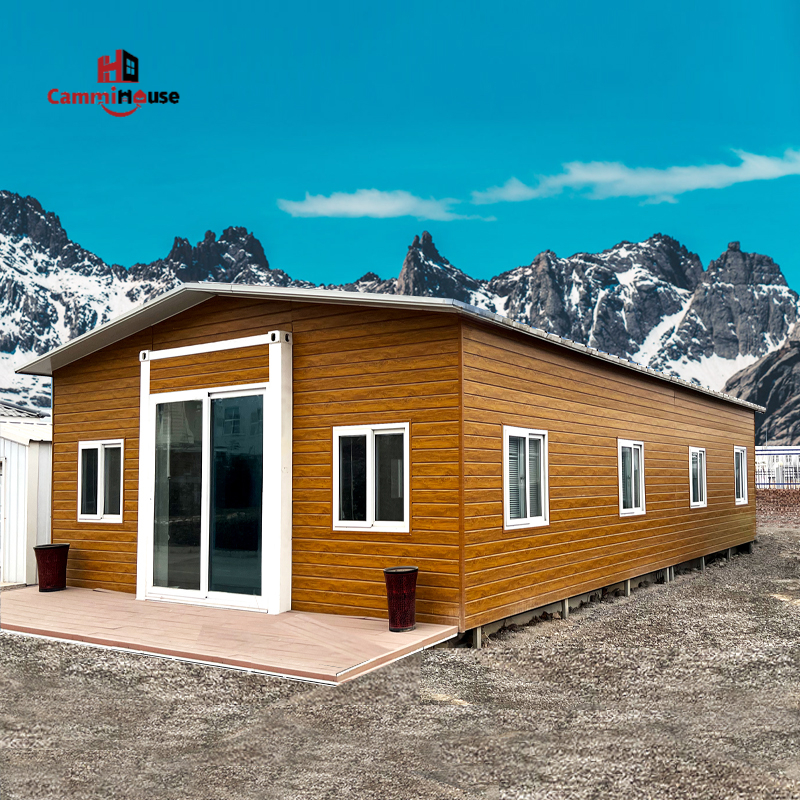
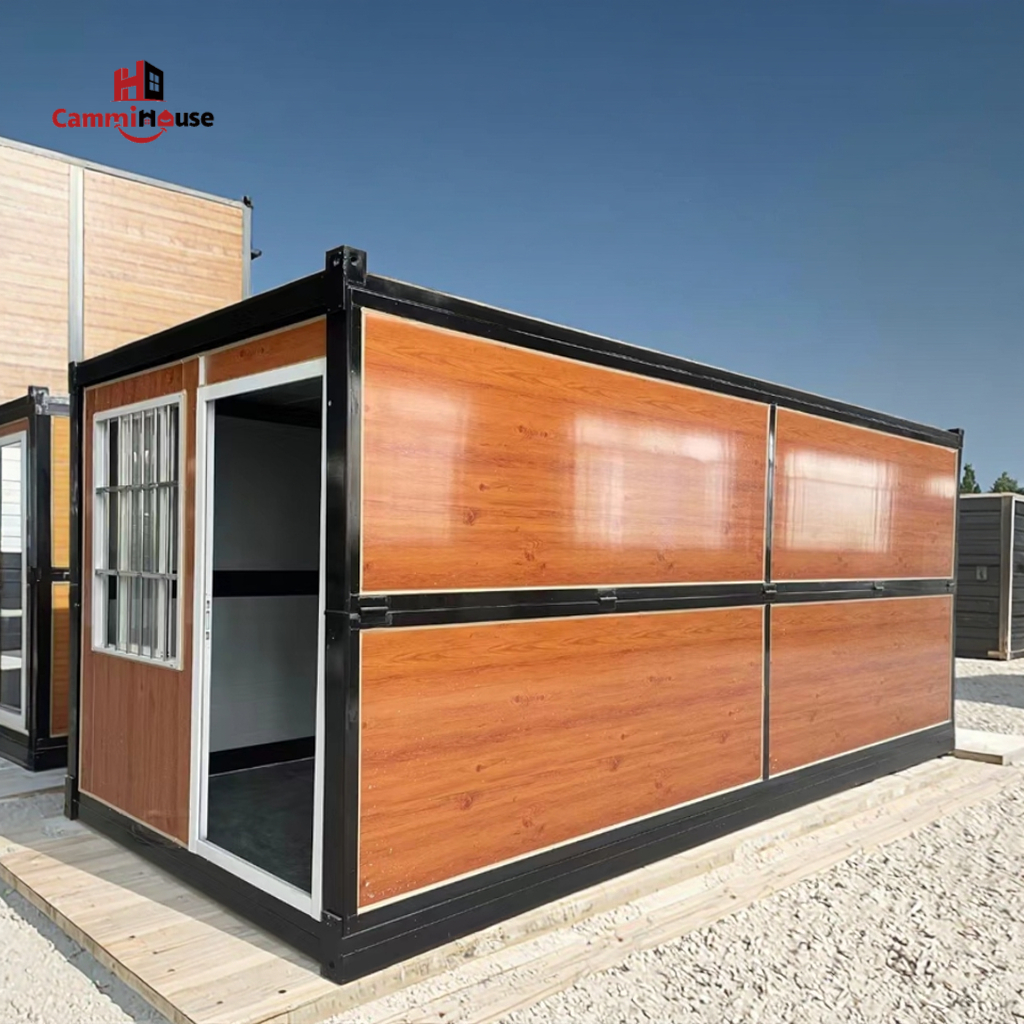
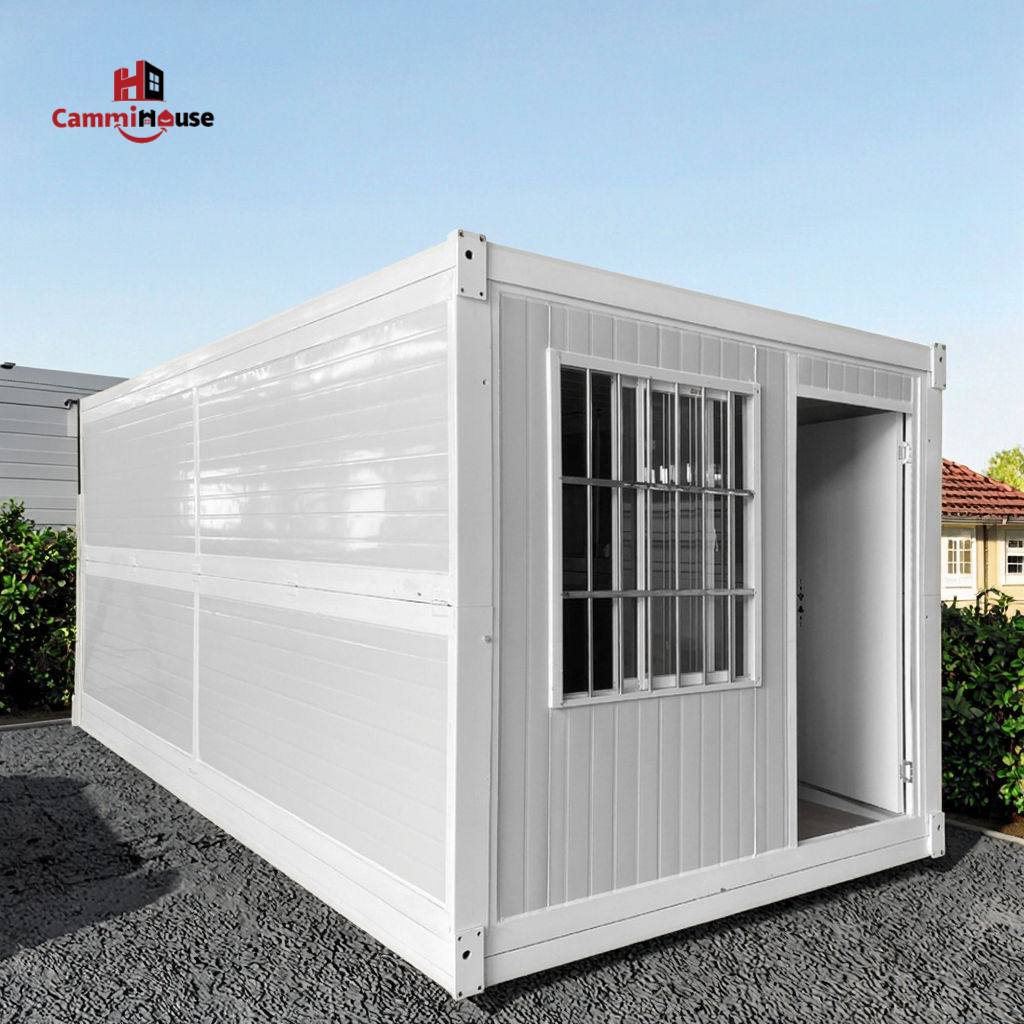
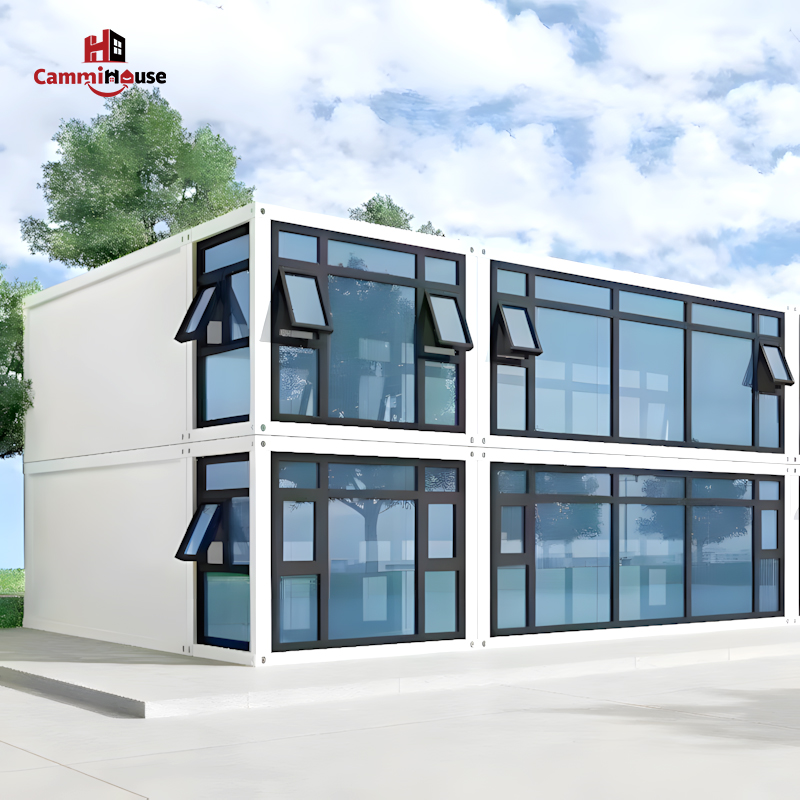
Hotel camps in remote or fast-growing markets need rooms that go up quickly without sacrificing comfort or durability. A prefab container house answers that need by shifting most of the build into a factory, leaving the site to handle only foundations, utility hookups, and final assembly.
1. Speed of Deployment Is the Main Driver
Parallel Production Cuts Project Timelines
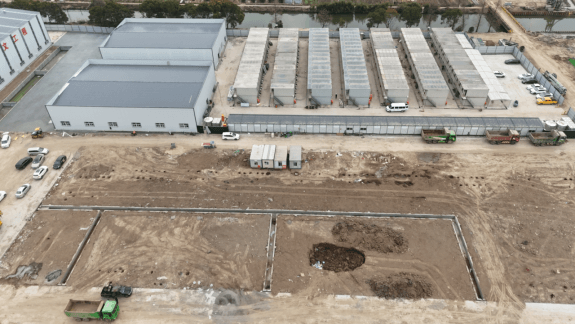
Hotel camps open faster because factory and site work happen at the same time. While a contractor levels the ground and runs utility lines, a modular container home is already being framed, wired, and insulated off-site. McKinsey 2022 found that modular construction methods can shorten total project schedules by 20 to 50% compared with conventional building, a range that matters most when a camp needs rooms ready before a fixed opening date.
2. Factory Output Improves Build Consistency
Why a Container House Factory Standardizes Quality
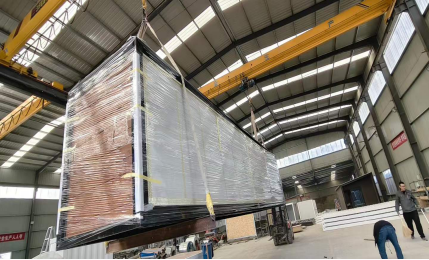
Every unit performs the same way because it leaves the same production line. A container house factory applies identical wall assemblies, electrical layouts, and plumbing runs across every module, removing the variation that comes from different site crews working under different weather conditions. This matters in mining camps and oilfield housing, where dozens of nearly identical rooms must be installed within weeks of each other.
3. Comfort Depends on Envelope Design, Not the Container
Insulation and Glazing Decide Indoor Conditions
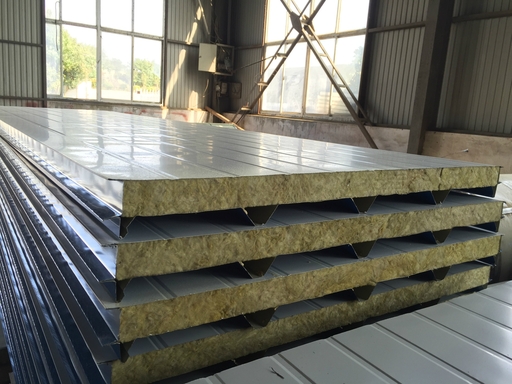
A steel box alone does not make a comfortable room; the envelope does. A modern container home built with rock wool or polyurethane insulation and double-glazed windows can hold indoor temperatures far steadier than an uninsulated unit. The U.S. DOE 2021 reported that envelope upgrades of this type can cut heating and cooling energy use by 20 to 30%, a figure that directly affects guest comfort and utility costs in desert and high-altitude hotel camps.
4. Layout Flexibility Supports Phased Hotel Growth
Configuring Rooms, Common Areas, and Staff Housing
Camps can scale room by room instead of committing to a full build upfront. A custom container house layout lets operators combine single units into larger suites, dining halls, or staff quarters as occupancy grows. In Middle Eastern tourism projects, developers frequently start with a 10 to 20 room pilot phase and add units once early bookings confirm demand, which limits upfront capital exposure.
5. Logistics Determine Where a Camp Can Be Built
Standard Dimensions Simplify Freight and Permits
Remote hotel camps depend on how easily units can reach the site. A shipping container home fits existing flatbed trucks, rail cars, and cargo ships built around ISO container sizes, so transport rarely requires oversized-load permits. Compared with bulkier prefabricated panel systems, this standardization is a practical advantage for camps in mountain regions or desert interiors with limited road access.
6. Design Choices Affect Long-Term Operating Costs
Smart Container House Design Lowers Utility Bills
Operating costs are set largely at the design stage, not after move-in. Thoughtful container house design choices, such as window orientation, roof overhangs, and module spacing for cross-ventilation, reduce the mechanical cooling load before any equipment is even installed. Camps in hot climates that incorporate passive shading alongside the insulation gains noted by the U.S. DOE 2021 see compounding savings across an entire room block.
7. Durability Determines Whether a Camp Lasts Beyond One Season
Corrosion Protection Extends Service Life
A hotel camp built for one tourist season but expected to run for ten needs structural durability built in from day one. ISO shipping containers start out engineered for harsh marine transport, and with added corrosion coatings and routine maintenance, operators can expect service lives exceeding 25 years across climates ranging from humid coastlines to dry, temperature-swinging deserts.
8. Manufacturer Track Record Matters More Than Price
What to Check Before Signing a Supplier Contract
The wrong supplier turns a fast project into a delayed one. Buyers evaluating a prefab container housemanufacturer should request structural calculations, insulation specifications, and references from completed hospitality jobs rather than choosing on unit price alone. In a 2024 Cammihouse project survey, hotel camp developers ranked installation speed and after-sales support above sticker cost when scoring suppliers. Cammihouse's technical team works with clients during early planning to match unit specifications, such as wall thickness and window count, to each camp's climate and budget.
FAQ
Q1. Are prefab container houses suitable for hotel camps?
Yes. Factory production allows hotel camps to open faster while keeping build quality consistent across many rooms. Suitability still depends on insulation, layout planning, and supplier experience with hospitality-specific projects rather than the container structure alone.
Q2. How fast can a prefab hotel camp be built?
Timelines vary by scale, but McKinsey 2022 found modular methods can cut total project schedules by 20 to 50% versus conventional construction, since factory production and site groundwork happen simultaneously rather than in sequence.
Q3. Do container hotel units handle extreme climates well?
They can, provided insulation and glazing are upgraded for the climate. The U.S. DOE 2021 found envelope improvements reduce heating and cooling energy use by 20 to 30%, which keeps guest rooms stable in both desert heat and cold mountain nights.
Justin Mercer, Cammihouse Technical Team.
