
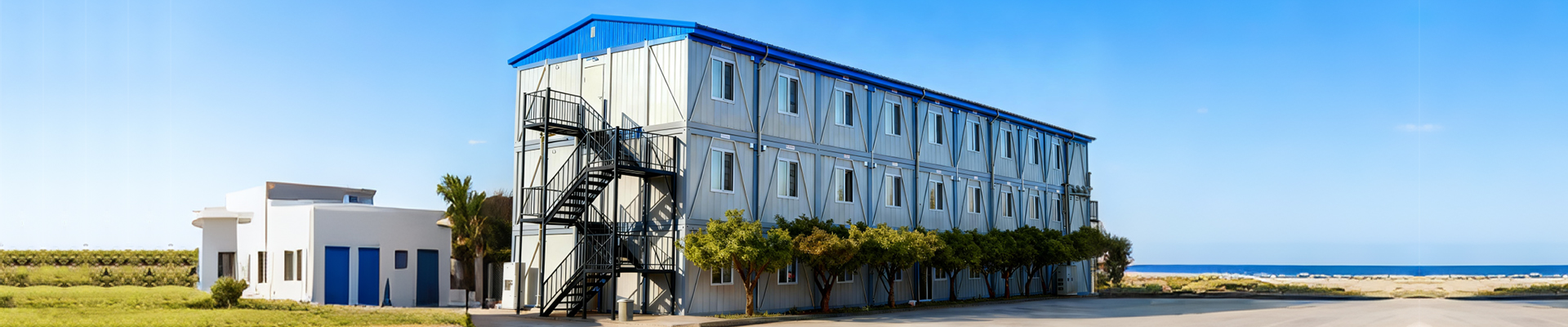
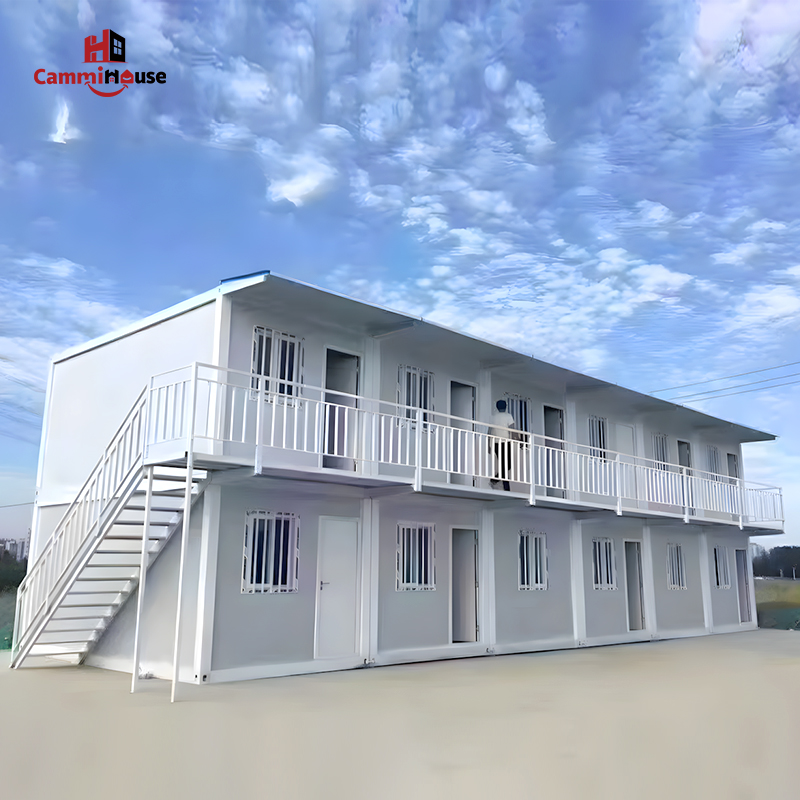
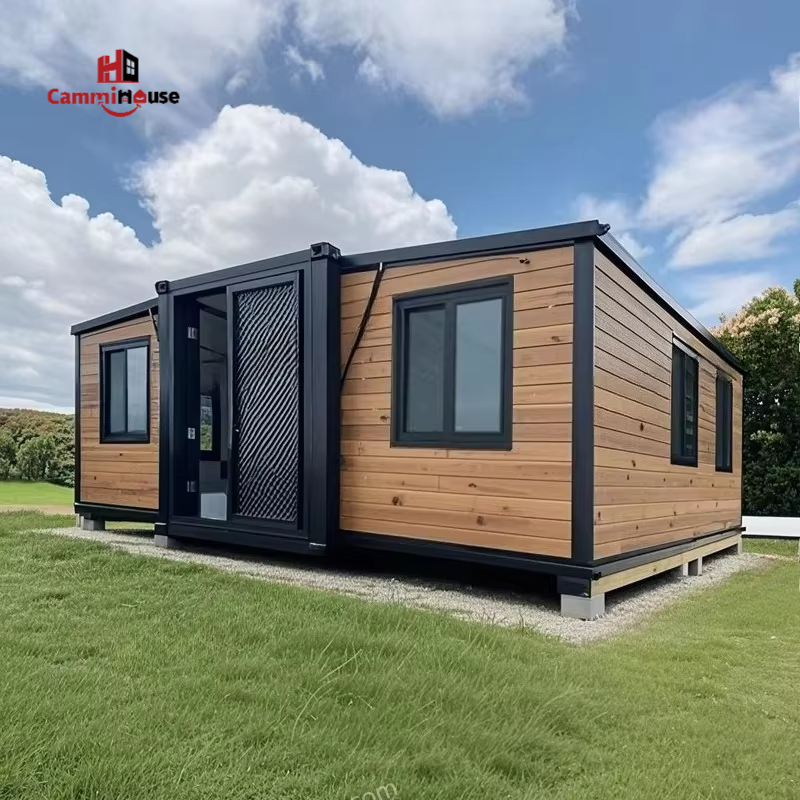
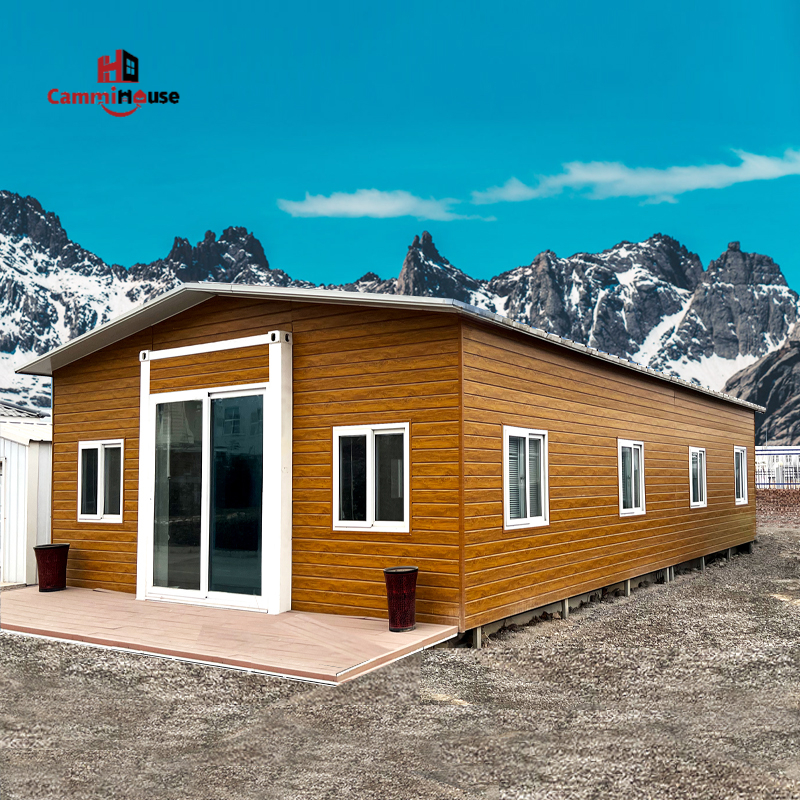
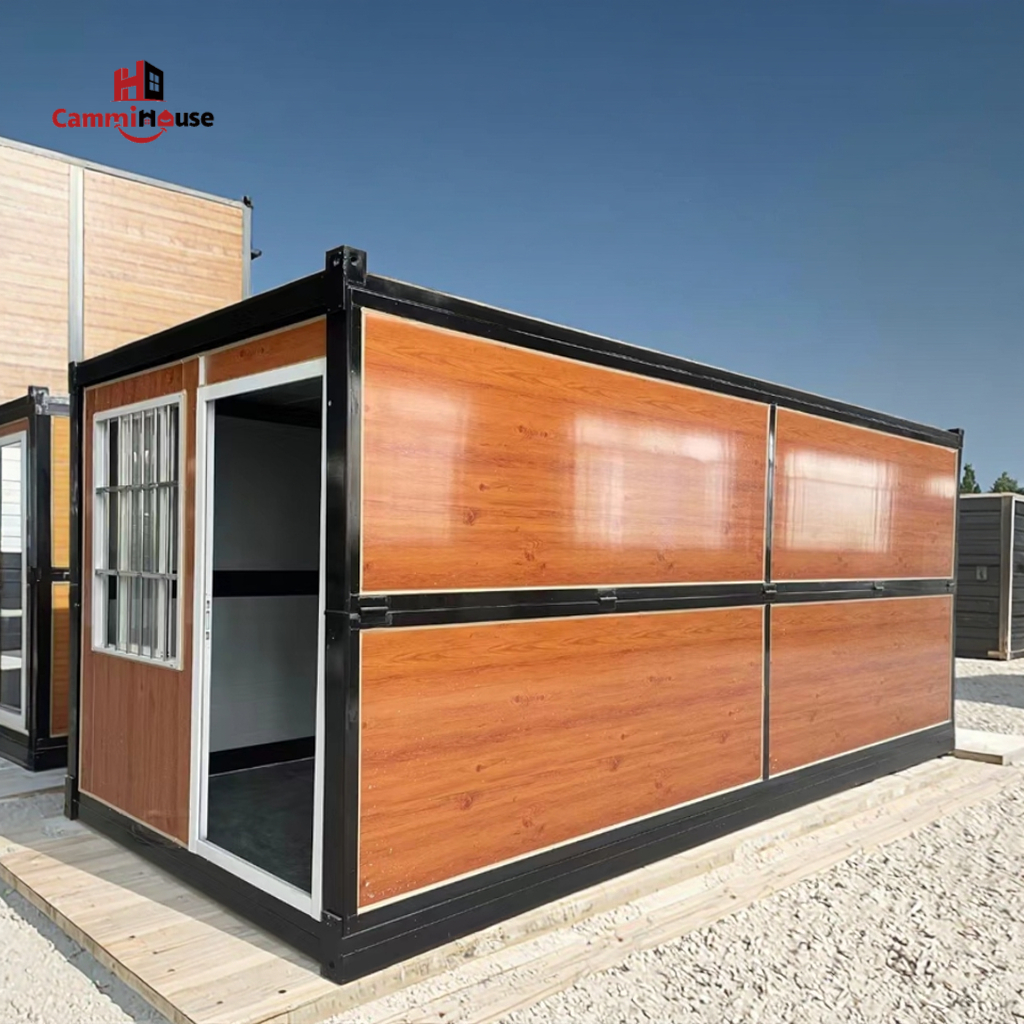
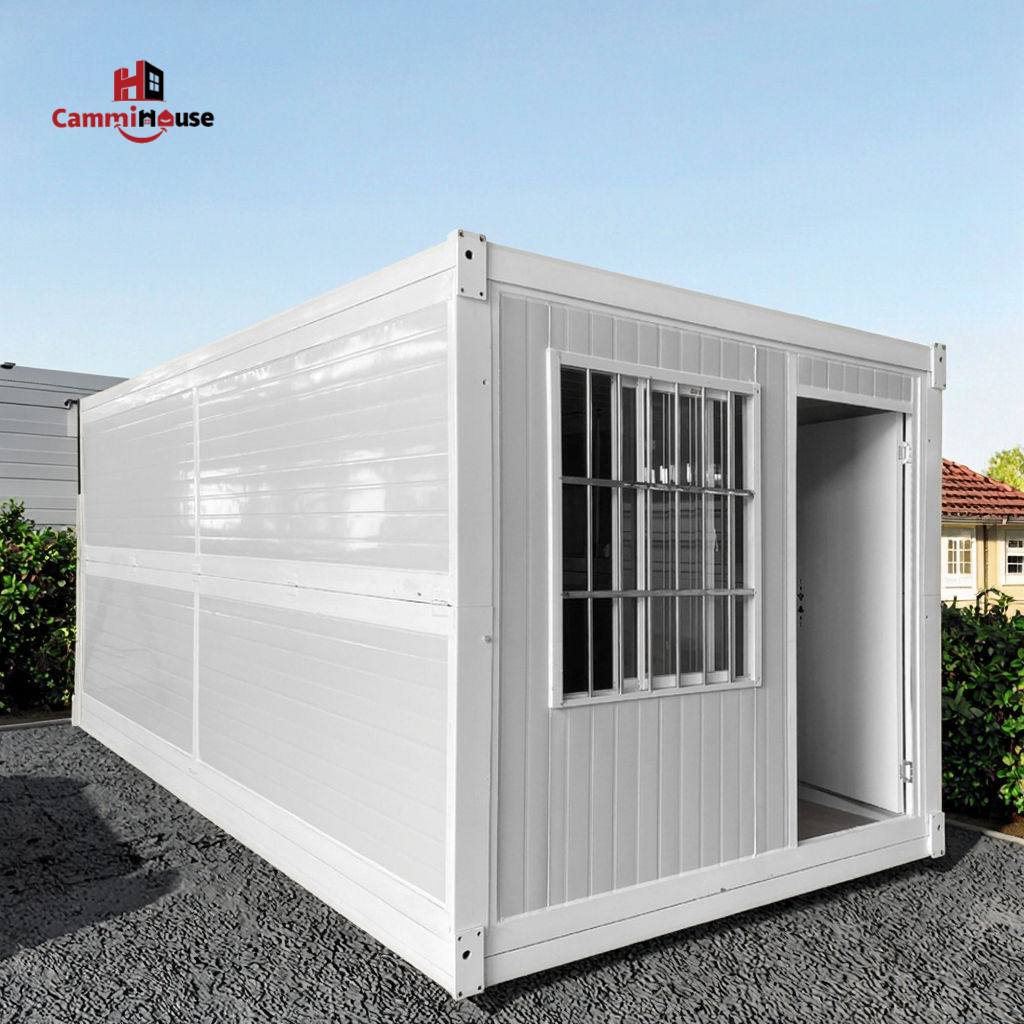
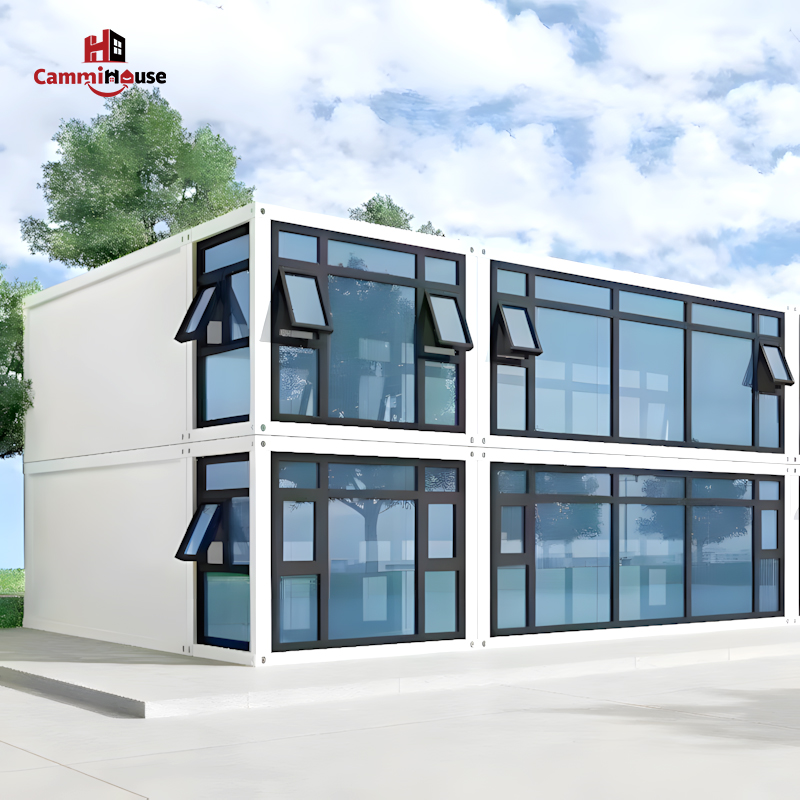
Foldable houses are becoming a realistic option for guest housing because they reduce transport costs, shorten installation time, and adapt well to temporary or seasonal accommodation needs.
1. Fast Installation Reduces Labor Costs
Foldable units can be installed within 2 to 4 hours using a small team, making them practical for resorts, farms, and project sites.
Key Practical Consideration
Compared with traditional concrete guest rooms, a prefab container house requires less on-site labor. According to McKinsey 2022, modular construction can reduce project schedules by up to 50%. In remote mining camps and Middle Eastern worker compounds, foldable structures help operators open accommodation areas faster during peak seasons.
2. Compact Shipping Improves Logistics
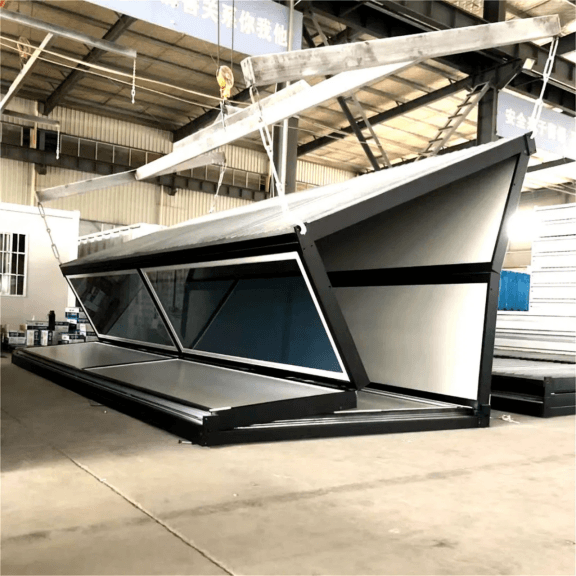
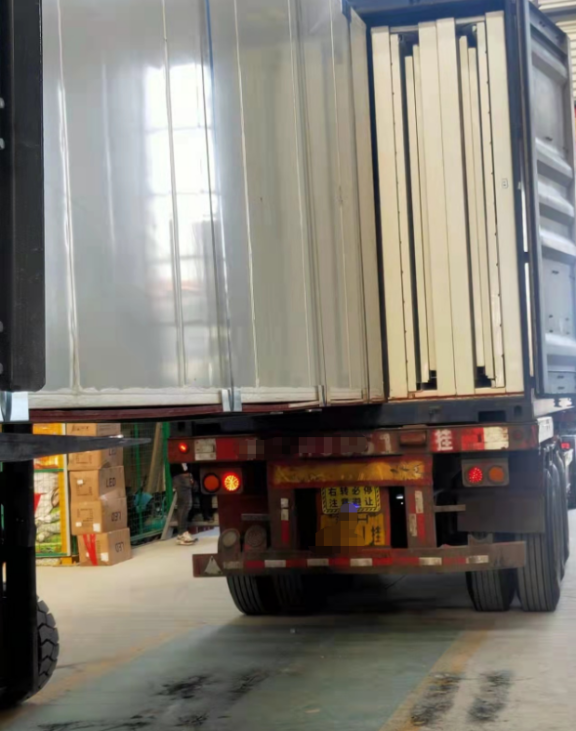
Foldable structures lower transportation expenses because multiple units can fit into one container shipment.
Key Practical Consideration
A standard 40-foot shipping container can carry several folded modules, reducing freight costs per unit. This advantage matters in Africa and Southeast Asia, where inland transport can account for over 20% of project budgets. Many buyers now prefer a shipping container home layout because it simplifies overseas delivery.
3. Flexible Layouts Work for Guest Housing
Foldable homes support flexible interior planning for families, tourists, or temporary workers.
Key Practical Consideration
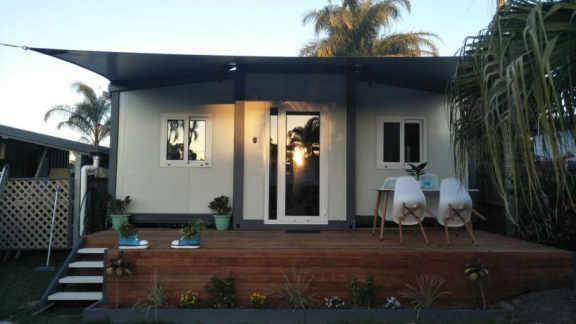
Modern layouts often include one bedroom, a bathroom, and a compact kitchenette. A modern container home can also integrate foldable furniture to maximize usable space. In a 2024 Cammihouse project survey involving vacation cabin buyers, over 60% preferred modular layouts that could later expand into larger living spaces.
4. Insulation Determines Long-Term Comfort
Thermal insulation is the key factor separating temporary shelters from practical guest accommodation.
Key Practical Consideration
Proper container home insulation using 50mm to 100mm rock wool panels can significantly reduce heat transfer. The U.S. DOE 2021 reported that insulated wall systems may lower heating and cooling demand by up to 30%. This is especially important in desert climates and cold mountain regions.
5. Foldable Designs Support Minimalist Living
Simple layouts reduce maintenance and make guest management easier.
Key Practical Consideration
A minimalist container house typically uses durable steel framing, compact bathrooms, and integrated storage systems. Resorts and Airbnb operators favor these models because cleaning time is shorter and replacement parts are standardized. Minimalist layouts also reduce unnecessary construction materials.
6. Factory Production Improves Consistency
Controlled factory manufacturing leads to more predictable construction quality.
Key Practical Consideration
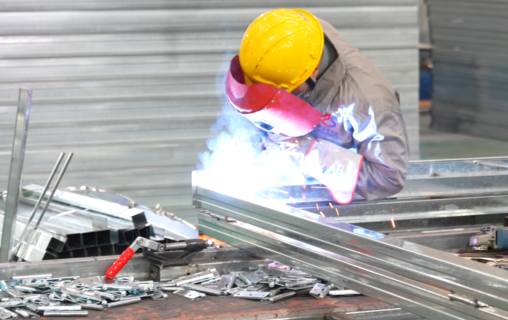
An experienced container house factory can complete welding, waterproof testing, and electrical preparation before shipment. This reduces installation errors on-site. Cammihouse technical teams commonly perform drainage and roof leak testing before overseas export to reduce maintenance risks.
7. Customization Expands Commercial Use
Custom layouts allow foldable homes to serve different hospitality markets.
Key Practical Consideration
A custom container house can include larger windows, solar systems, rooftop shading, or connected multi-room configurations. In Middle Eastern tourism projects, operators often request expanded terrace areas and stronger cooling systems to improve guest comfort during summer seasons.
8. Modular Systems Simplify Future Expansion
Expandable structures allow property owners to scale guest accommodation gradually.
Key Practical Consideration
A modular container home system can add extra bedrooms or shared facilities without rebuilding the original structure. This approach works well for eco-resorts, construction camps, and rural tourism projects where occupancy changes seasonally.
FAQ
Q: Are foldable houses durable enough for long-term guest use?
A: Yes. Most foldable units use galvanized steel frames and insulated sandwich panels designed for repeated transport and long-term occupancy. With regular maintenance, many modular units can remain operational for over 15 years in residential or commercial projects.
Q: Do foldable homes require special permits?
A: Permit requirements depend on local regulations and land zoning rules. Some countries classify foldable units as temporary structures, while others treat them as permanent modular buildings. Buyers should always confirm local approval standards before installation.
Q: Can foldable houses perform well in extreme climates?
A: Yes, if insulation and ventilation systems are selected correctly. Rock wool insulation, double-glazed windows, and reinforced roofing improve thermal performance in cold regions and hot desert markets. Climate-specific customization is essential for guest comfort.
Author: Justin Mercer, Cammihouse Technical Team.
