
By Justin Mercer, Cammihouse Technical Team
1. Preliminary Planning and Design Phase (10–15 Days)
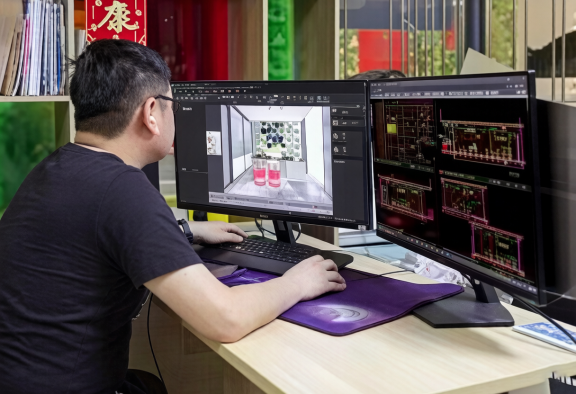
The first 10 to 15 days are typically used to finalize layouts, structural details, and engineering specifications for the mining camp project. This stage ensures the project complies with local regulations, climate conditions, and operational requirements before production begins.
Engineers convert the client’s concept into a detailed container house design, covering electrical systems, insulation, ventilation, and structural loading. Early-stage BIM coordination helps reduce design revisions and improves schedule reliability throughout the project lifecycle.
Accelerating the container house design workflow
Using pre-engineered modular systems allows manufacturers to customize layouts quickly without restarting the entire engineering process, significantly shortening approval timelines.
2. Strategic Material Procurement and Inventory (7–10 Days)
Material sourcing generally requires 7 to 10 days depending on steel availability and supplier capacity. High-quality structural steel and insulation materials are essential for long-term mining camp durability.
For a mining camp project, manufacturers commonly use Q355B low-alloy steel because of its strength and corrosion resistance. Factories with long-term supplier partnerships and in-stock galvanized coils can reduce procurement delays for urgent orders.
Sourcing low-alloy steel efficiently
Maintaining ready-to-use inventories of standard structural profiles allows production to begin immediately, minimizing exposure to raw material market fluctuations.
3. Core Manufacturing and Assembly Line Production (30–45 Days)
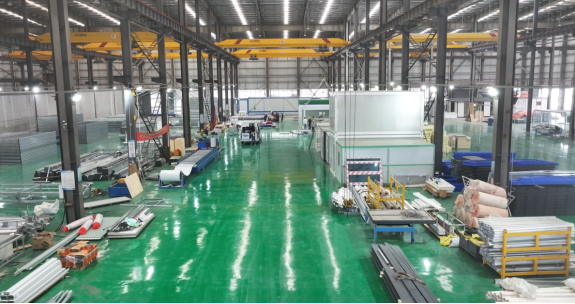
Production for a medium or large-scale camp usually takes 30 to 45 days. Modern assembly lines divide manufacturing into separate stages including frame fabrication, welding, coating, insulation, and interior installation.
A professional container house factory can complete multiple modules simultaneously through parallel production systems. Automated welding and CNC cutting equipment help maintain consistency, improve structural precision, and increase daily output capacity.
High-volume output at a premier container house factory
Robotic welding systems improve joint accuracy and maintain stable structural quality across large production runs, especially for industrial accommodation projects.
4. Structural Integrity and Quality Control (5 Days)
A dedicated quality inspection process normally takes around 5 days before export packaging begins. This stage verifies structural safety, electrical performance, waterproofing, and plumbing functionality.
Factory-level testing is especially important for remote mining environments where maintenance access may be limited. Thorough inspection reduces the risk of costly onsite repairs and minimizes operational interruptions after installation.
Factory testing for extreme environmental compliance
Heavy-rain simulation tests and weld inspections ensure each unit meets international durability standards before shipment.
5. Global Maritime Logistics and Transit (25–50 Days)
Ocean freight remains the most economical transport method for modular camps. Transit times average 18–30 days for the Middle East and up to 50 days for parts of Western Africa.
Shipping schedules for a shipping container home project must account for vessel availability, customs coordination, and potential port congestion. Choosing direct routes from major Chinese ports helps improve delivery predictability.
Optimized shipping routes for a mining camp project
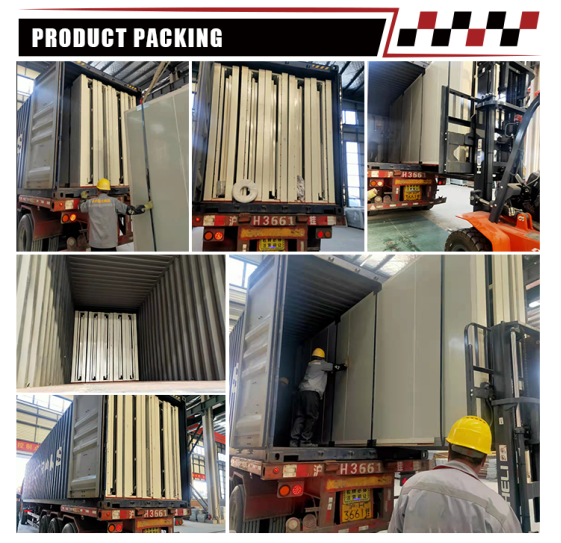
Using SOC (Shipper Owned Container) solutions allows modules to function as their own shipping units, reducing handling costs and simplifying logistics.
6. Port Clearance and Customs Documentation (7 Days)
International customs clearance usually requires about 7 working days when all documentation is prepared correctly in advance.
For a prefab container house, delays are often caused by incomplete certificates, tax approvals, or incorrect cargo declarations. Early coordination with local customs brokers can significantly improve clearance efficiency.
Streamlining import protocols for a prefab container house
Pre-customs clearance procedures allow import data to be submitted before vessel arrival, helping reduce storage and demurrage charges at the port.
7. Final Mile Inland Logistics (5–12 Days)
Transporting units from the destination port to remote mining sites typically takes 5 to 12 days depending on road conditions and site accessibility.
Delivering a custom container house to mountainous or undeveloped regions often requires specialized trailers, escort vehicles, and careful route planning. Flat-pack modular systems can reduce truck requirements and transportation costs considerably.
Secure delivery to remote sites
GPS-monitored logistics fleets provide real-time tracking and help onsite teams prepare cranes and installation crews efficiently.
8. Onsite Mobilization and Rapid Handover (15–20 Days)
Installation and utility connection for a 500-person camp generally takes 15 to 20 days. Foundations, crane operations, and utility hookups are often performed simultaneously to accelerate project completion.
The modular structure of a modern container home allows rapid deployment compared to traditional construction methods. Standardized plumbing and electrical systems help reduce onsite labor and speed up occupancy readiness.
Achieving schedule certainty with a modular container home
Pre-configured utility connections allow electrical and plumbing systems to be completed quickly, ensuring the camp becomes operational in a shorter timeframe.
FAQ
Q: How can urgent projects reduce the overall lead time?
A: Selecting standard unit configurations and pre-approved layouts can shorten both engineering and procurement stages. Manufacturers with stocked materials and existing certifications are usually able to save several weeks on total delivery time.
Q: Does a custom mining camp always take longer to manufacture?
A: Not always. While custom engineering requires additional planning, automated manufacturing systems help maintain production efficiency. The largest delays are usually caused by repeated client revisions during the approval process.
Q: What is the most unpredictable stage of the project timeline?
A: International shipping and port congestion remain the biggest variables. Weather conditions, vessel delays, and customs clearance issues can all affect delivery schedules, so adding a logistics buffer is highly recommended.
