

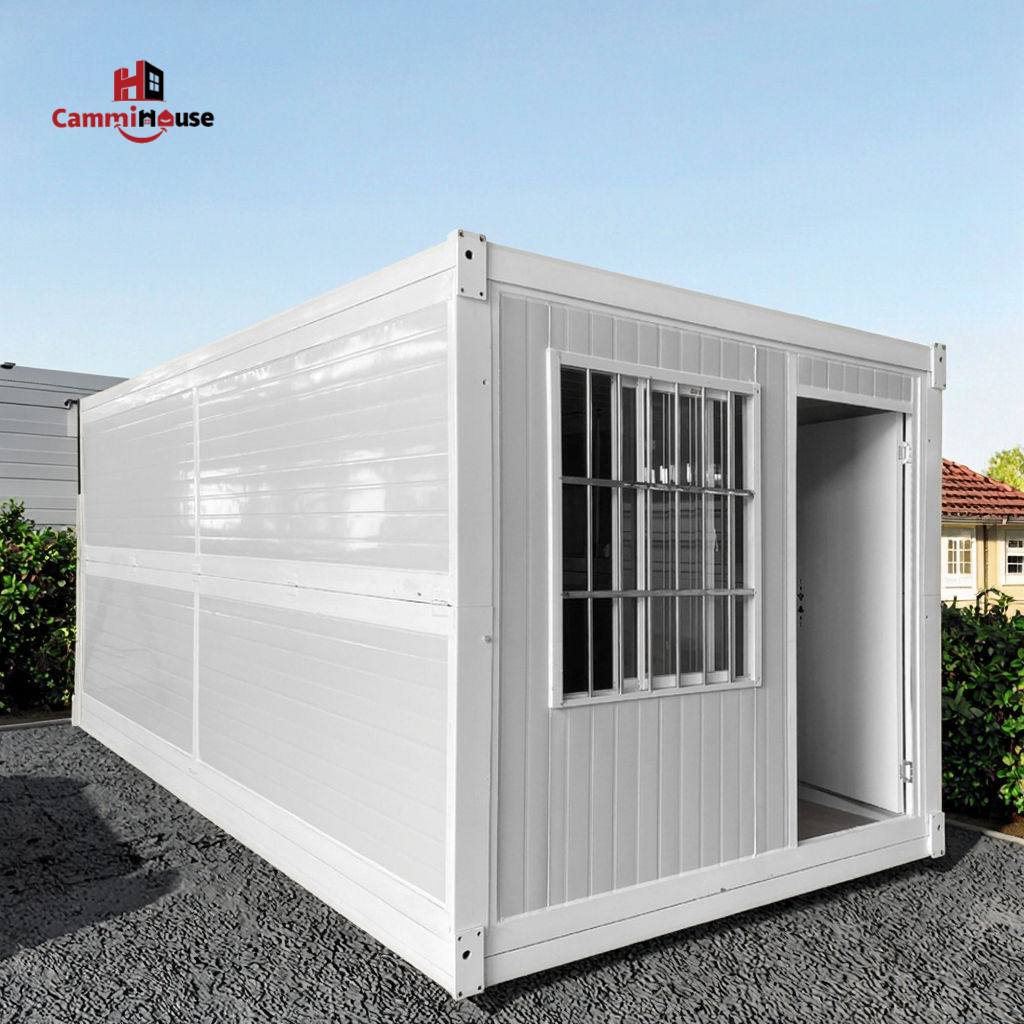
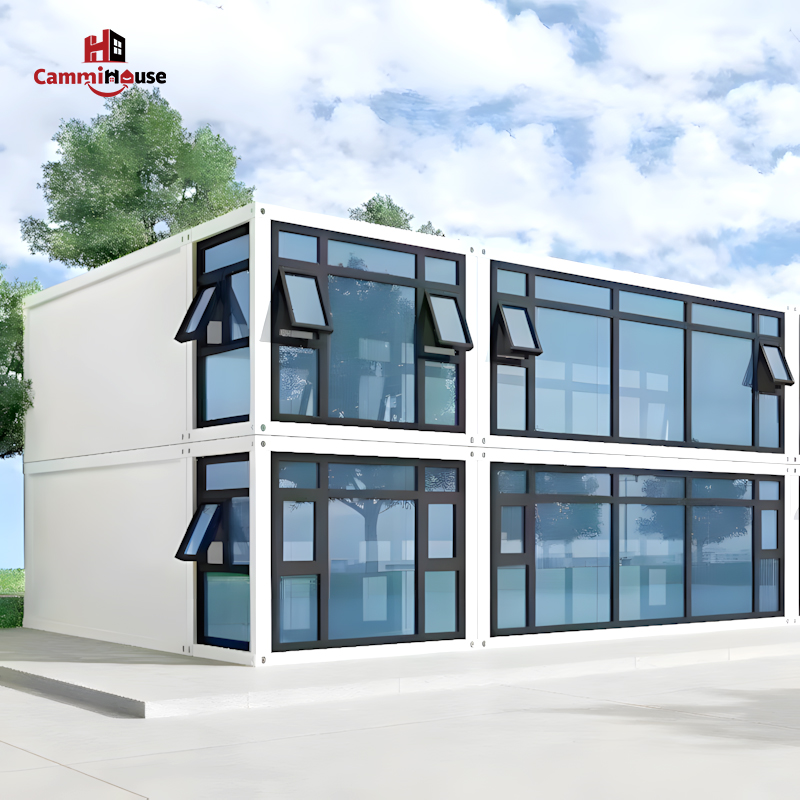
Introduction: Expandable Container Houses Are Designed to Solve Space Constraints
Expandable container houses are purpose-built modular housing systems designed to increase usable interior space after deployment. Unlike fixed-size container units, they incorporate fold-out or slide-out structures that expand on-site, allowing a compact shipping footprint to transform into a larger living or working area. This design responds to a recurring challenge in modular construction: balancing transportation efficiency with spatial comfort.
For developers, operators, and institutional buyers, expandable container houses offer a structured way to deliver flexible space without sacrificing logistics control. Manufacturers such as cammihouse focus on expandable systems that prioritize structural integrity, repeatable deployment, and predictable performance, rather than ad-hoc modifications.
What Defines an Expandable Container House?
Core Structural Concept
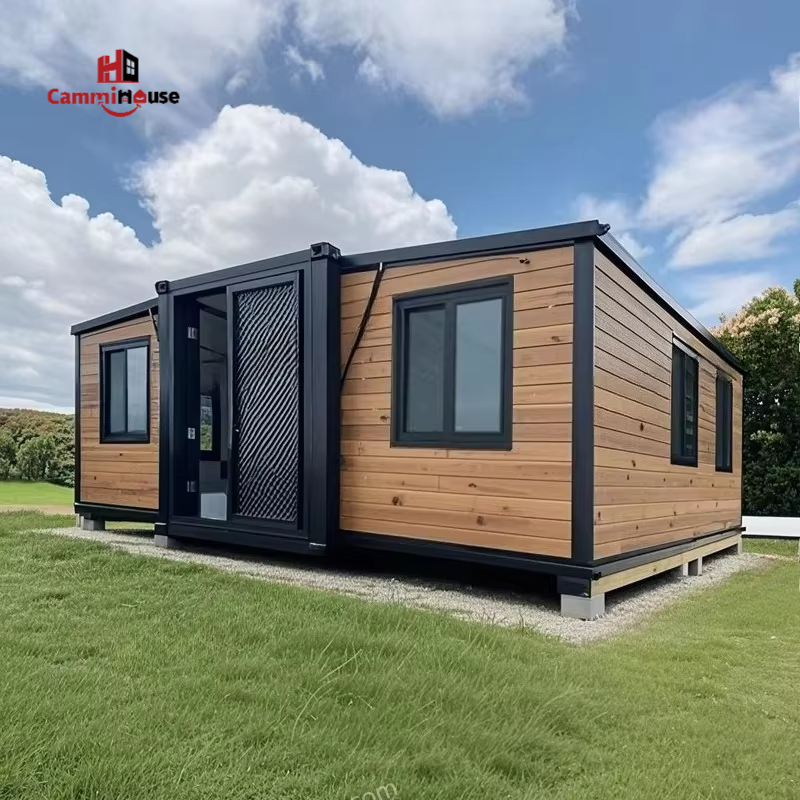
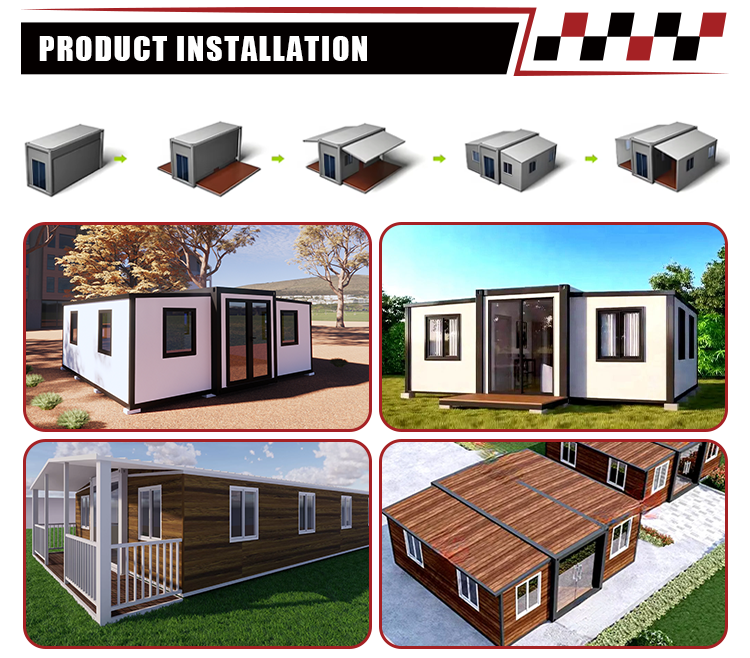
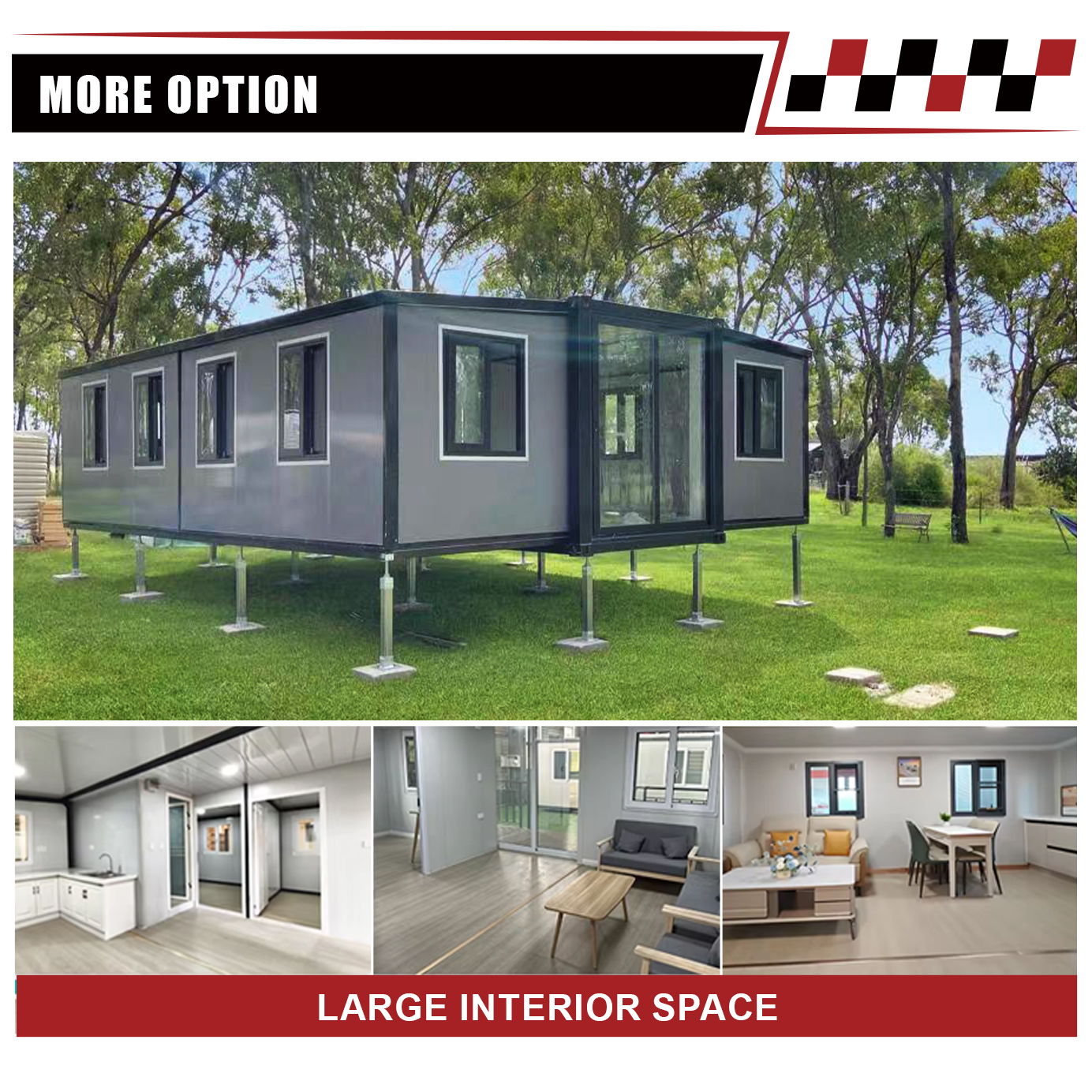
Expandable container houses are engineered around a compact base module that expands horizontally on-site. The expansion mechanism is integrated into the structural system, ensuring that load transfer, sealing, and stability are addressed at the design stage rather than added later. This allows the unit to remain transport-efficient while delivering increased interior area after installation.
Unlike traditional container conversions, expandable models are not constrained by the original container footprint once deployed. This makes them suitable for projects that require temporary compact transport but permanent or semi-permanent spatial performance.
Expandable Container House Use Cases
Why Expandable Systems Are Chosen Across Multiple Sectors
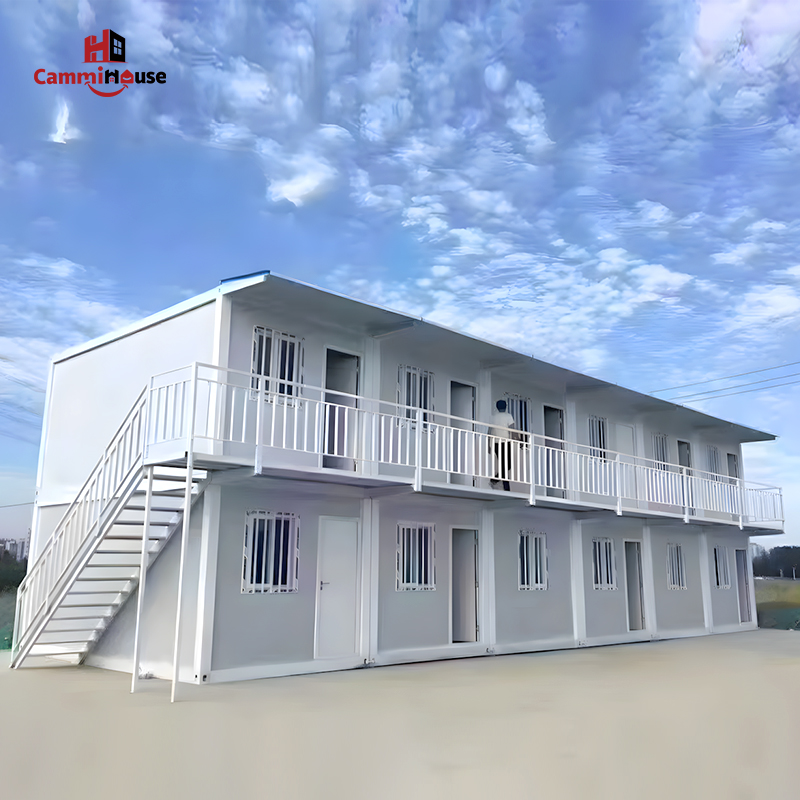
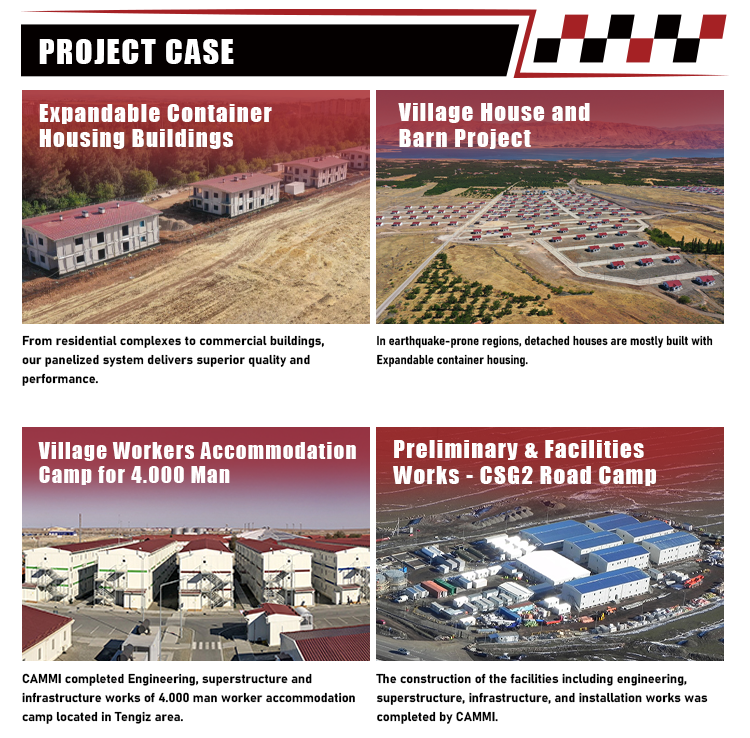
Expandable container houses are selected when projects require both mobility and usable interior space. Common applications include workforce accommodation, tourism lodging, temporary residential housing, and site offices. In these scenarios, space demand often exceeds what a standard container footprint can provide.
Expandable systems allow operators to maintain efficient logistics while delivering a more comfortable and functional interior environment. This balance explains their growing adoption across both public and private sector projects.
Scalability in Project Deployment
Another advantage is scalability. Multiple expandable units can be deployed side by side, creating modular clusters with consistent spatial quality. This is particularly valuable for phased projects where capacity increases over time.
Expandable container houses support repeatable layouts, which simplifies maintenance planning and operational management.
How Expandable Container Houses Increase Living Space
Expansion Without Increasing Transport Volume
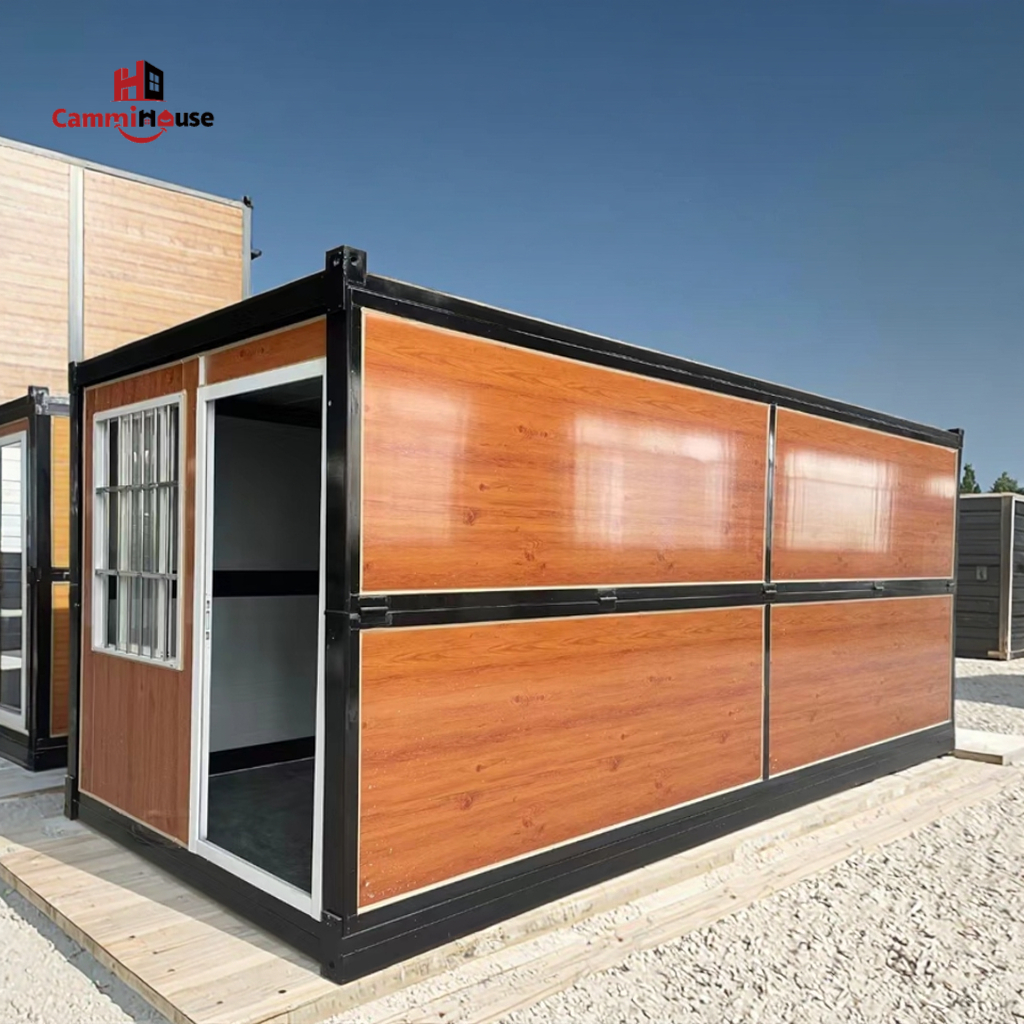
Expandable container houses increase interior space by unfolding or sliding out pre-engineered sections after placement. This means that transportation dimensions remain compact, reducing shipping and handling costs compared with oversized modules.
The expansion process is typically completed on-site with minimal labor, using integrated mechanical or manual systems designed for repeatability.
Impact on Interior Functionality
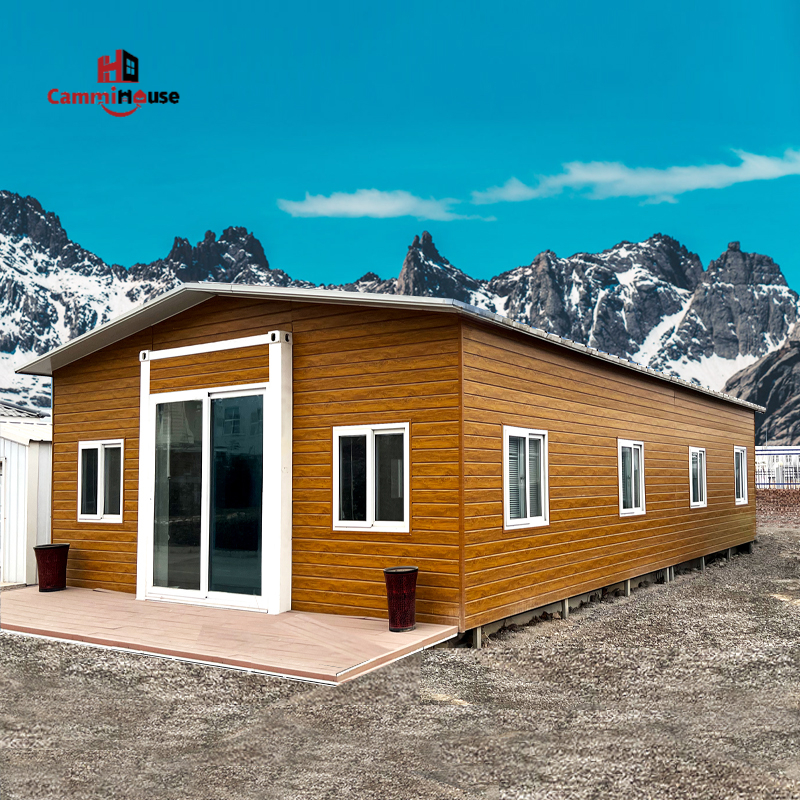
Once expanded, the interior layout supports clearer zoning between living, sleeping, and service areas. This improves usability compared with single-volume container units. For residential or hospitality use, the additional space directly affects comfort, circulation, and long-term occupancy satisfaction.
Clients often report that expandable layouts feel closer to traditional small apartments than to container-based units, especially when combined with proper insulation and ventilation systems.
Expandable Container House Cost and Budget Overview
Why Unit Price Alone Is Misleading
Expandable container houses typically have a higher unit price than fixed container models due to their mechanical systems and structural complexity. However, focusing solely on initial cost can distort budget evaluation.
Because expandable units reduce transportation volume and improve space efficiency, they often offset higher manufacturing costs through savings in logistics, installation, and site preparation.
Lifecycle Cost Considerations
From a lifecycle perspective, expandable container houses can reduce long-term operational costs by improving space utilization. Fewer units may be required to achieve the same functional area, lowering maintenance, utility connections, and site infrastructure expenses.
Buyers working with experienced manufacturers such as cammihouse often evaluate expandable systems based on total project cost rather than per-unit pricing.
Expandable Container House vs Traditional Container House
Structural and Spatial Differences
Traditional container houses rely on fixed dimensions and modular stacking for scalability. Expandable container houses, in contrast, achieve spatial growth within a single unit footprint. This reduces reliance on multiple modules to achieve functional space.
The structural design of expandable systems accounts for movement, sealing, and load distribution, which are often weaknesses in modified shipping containers.
Project Suitability Comparison
Traditional container houses remain suitable for projects prioritizing simplicity and repeatability. Expandable container houses are better suited for projects where interior comfort, zoning, and adaptability are critical.
Choosing between the two depends on project priorities rather than a universal preference.
Manufacturing Quality and System Integration
Importance of Purpose-Built Design
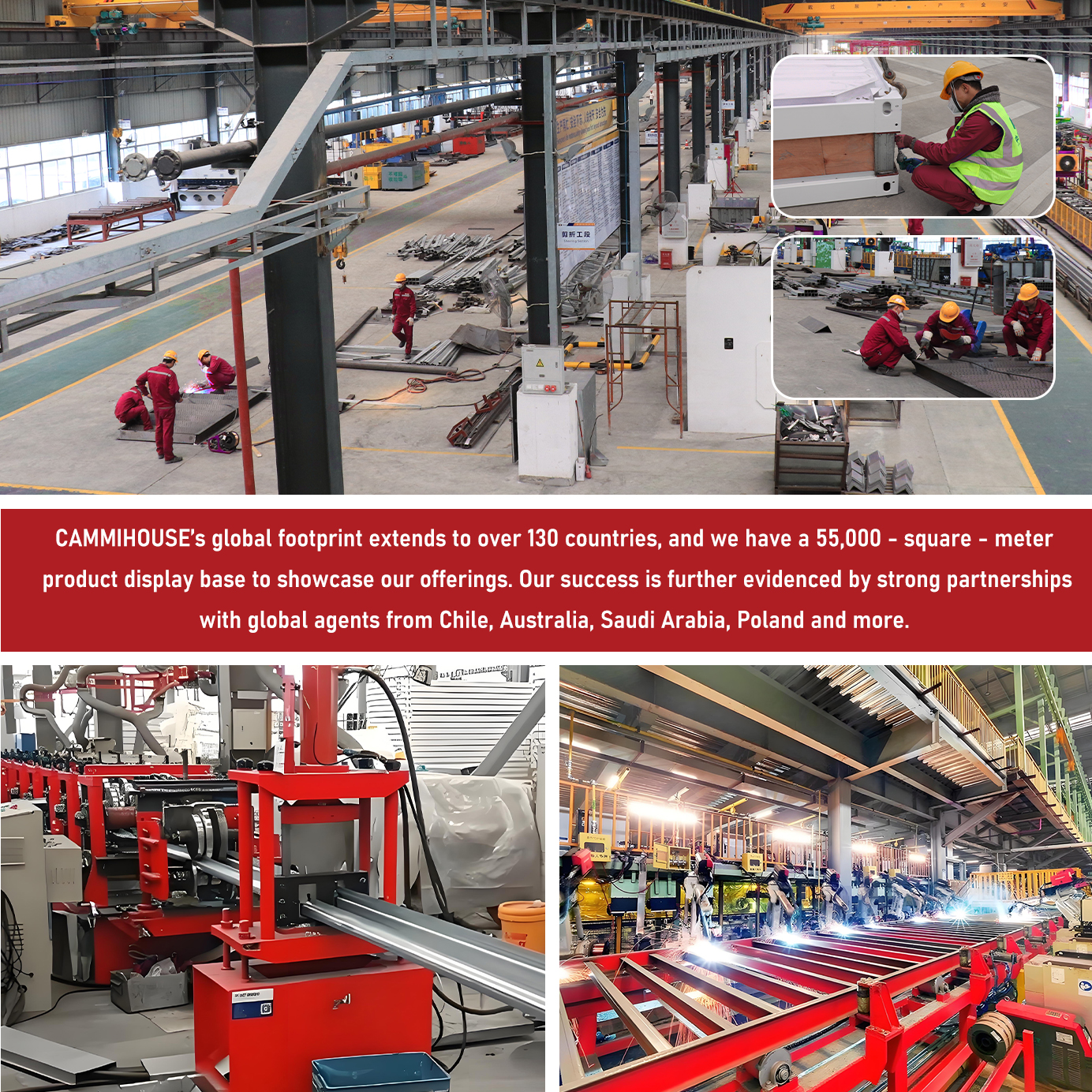
Expandable container houses require higher manufacturing precision than fixed units. Expansion joints, waterproofing, and structural reinforcements must be integrated from the outset. Poorly designed expansion systems can compromise durability and indoor performance.
Manufacturers specializing in expandable systems focus on standardized components and tested mechanisms to ensure consistent deployment.
Role of Experienced Suppliers
Suppliers with experience across multiple markets understand regulatory, logistical, and performance requirements. Cammihouse develops expandable container house systems with verified specifications, helping buyers reduce uncertainty during procurement and deployment.
Conclusion: Expandable Container Houses as a Flexible Housing Solution
Expandable container houses provide a structured response to the challenge of delivering usable space within logistical constraints. By combining compact transport dimensions with on-site spatial expansion, they bridge the gap between mobility and comfort.
While they are not a replacement for all container housing types, expandable systems offer clear advantages for projects requiring adaptability, space efficiency, and predictable performance. When designed and manufactured as complete systems, expandable container houses function as long-term assets rather than temporary solutions.
FAQ
Are expandable container houses suitable for long-term use?
Yes. When designed as purpose-built systems with integrated insulation, structural reinforcement, and moisture control, expandable container houses can support long-term residential or commercial use. Performance depends on system design and manufacturing quality rather than the expansion concept itself.
How complex is the on-site expansion process?
The expansion process is typically straightforward and designed for repeatability. Most expandable container houses are expanded using built-in mechanisms with limited labor and equipment. Proper site preparation and level foundations are essential for smooth deployment.
Do expandable container houses require special permits?
Permit requirements depend on local regulations and intended use. Expandable container houses are often evaluated under modular or prefabricated building codes. Buyers should confirm zoning, structural, and occupancy requirements during early project planning.
