

Introduction: Why Flat Pack Container Houses Are Widely Used
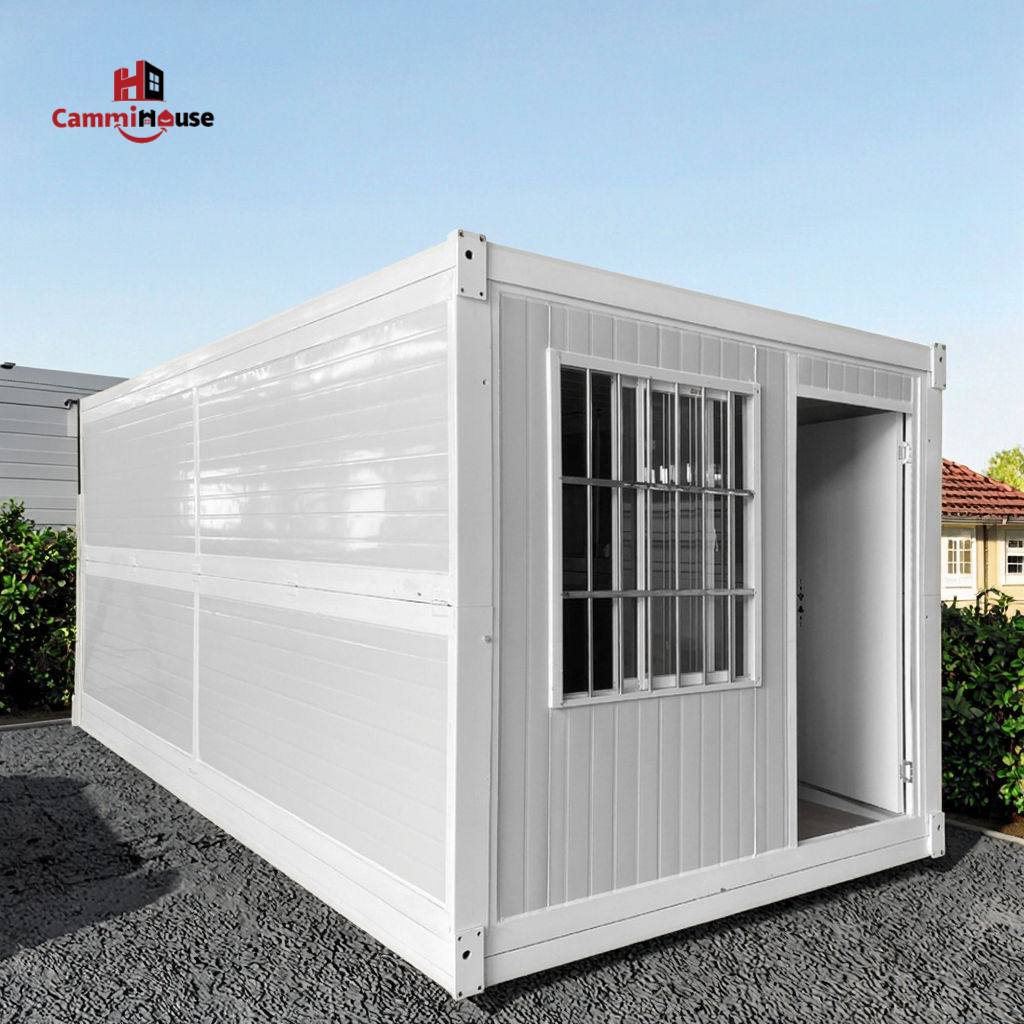
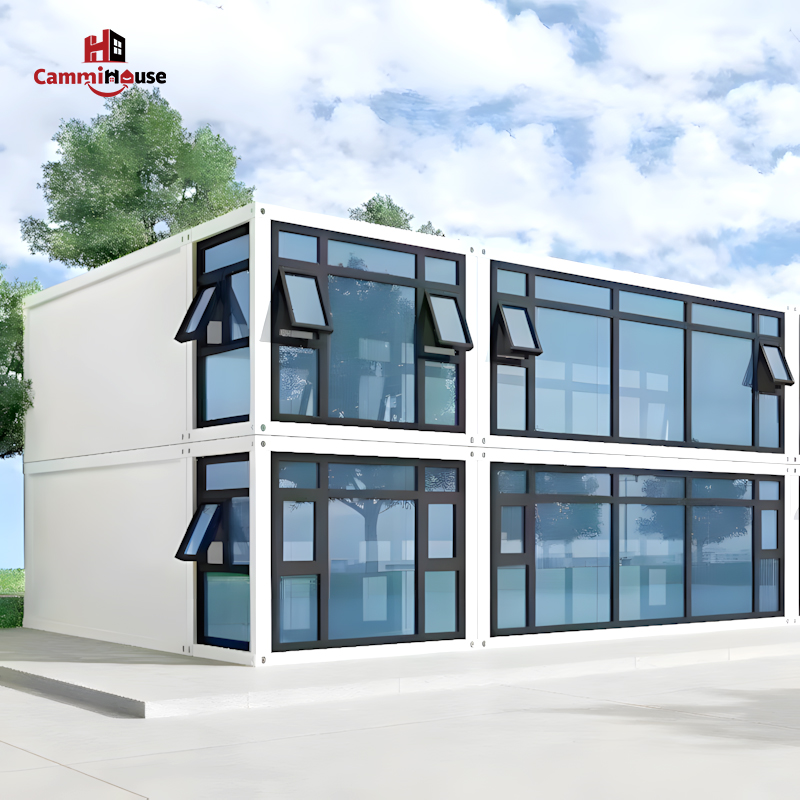
A flat pack container house is a modular building system designed to be transported as individual components and assembled on site. This approach significantly reduces shipping volume and logistics cost while maintaining structural consistency after installation. As demand increases for cost-controlled, scalable housing solutions, flat pack container houses are widely adopted in construction camps, workforce housing, temporary accommodation, and export-oriented modular projects.
Unlike fully assembled container houses, flat pack systems prioritize transportation efficiency and flexible deployment, making them suitable for regions where shipping costs and access conditions strongly affect project feasibility.
What Defines a Flat Pack Container House?
Structural Components and Assembly Logic
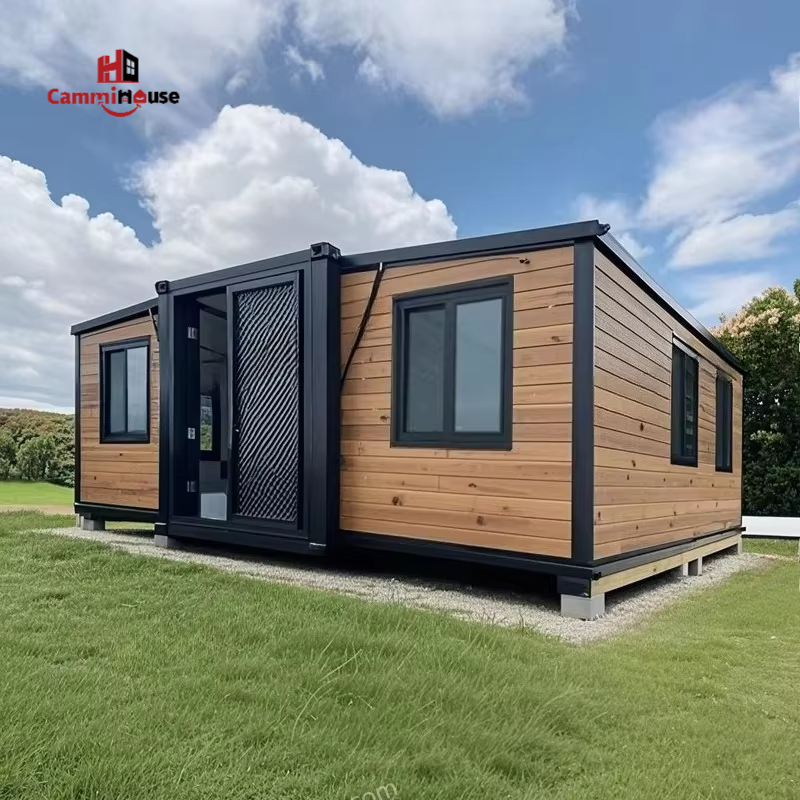
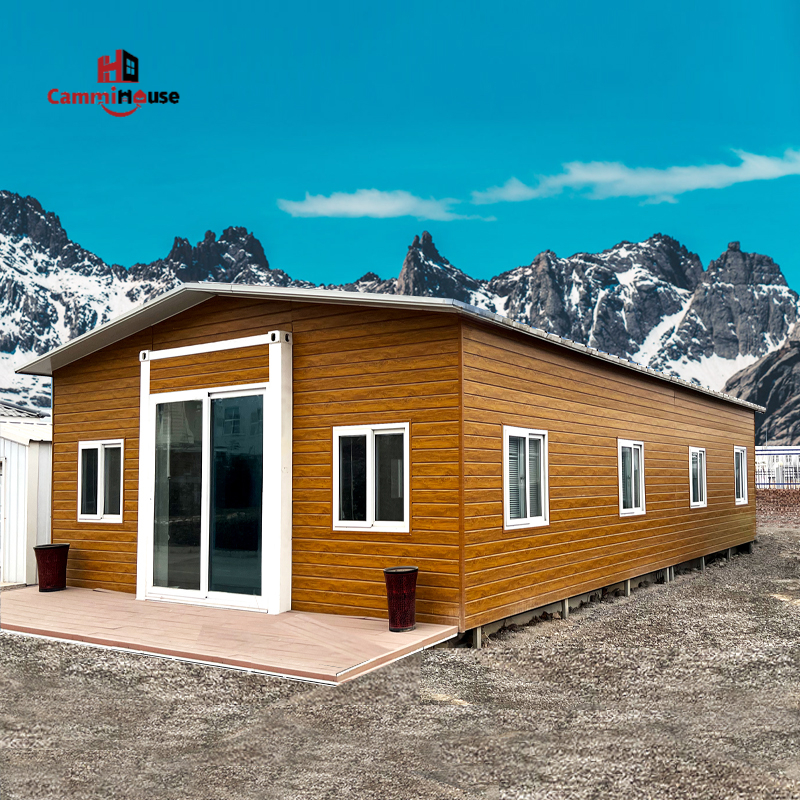
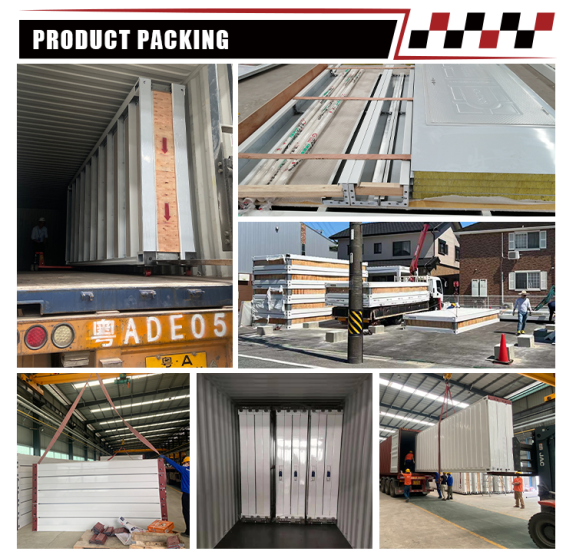
A flat pack container house consists of standardized wall panels, roof systems, floor frames, columns, and connectors shipped in compact packages. These components are designed to be assembled using bolted connections rather than welded joints, allowing faster installation and easier disassembly.
Structural performance such as load-bearing capacity and wind resistance is calculated during design, ensuring that on-site assembly does not compromise safety or durability.
Factory Standardization and Quality Control
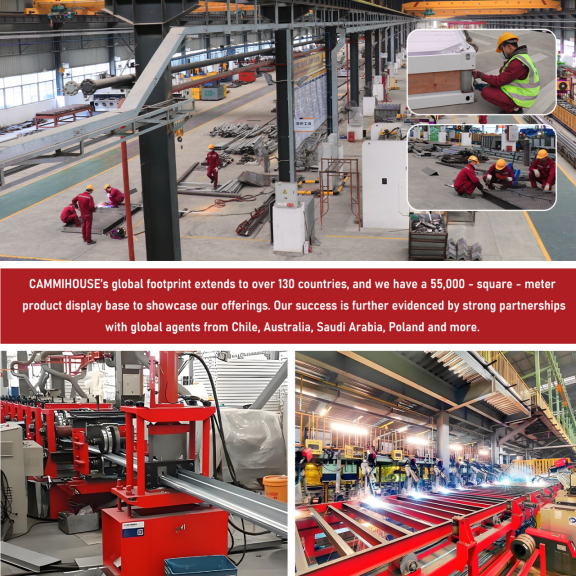
Although assembled on site, flat pack container houses are manufactured under controlled factory conditions. Panels, frames, insulation layers, and openings are pre-engineered to ensure dimensional accuracy. This standardization reduces installation errors and supports repeatable quality across large-scale projects.
Core Applications of Flat Pack Container Houses
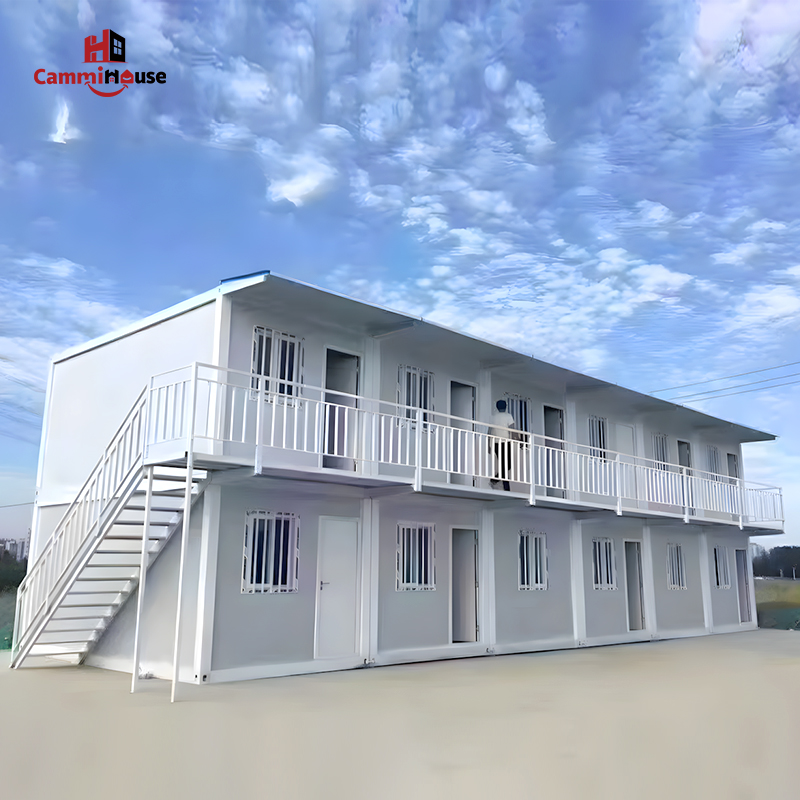
Construction Camps and Workforce Accommodation
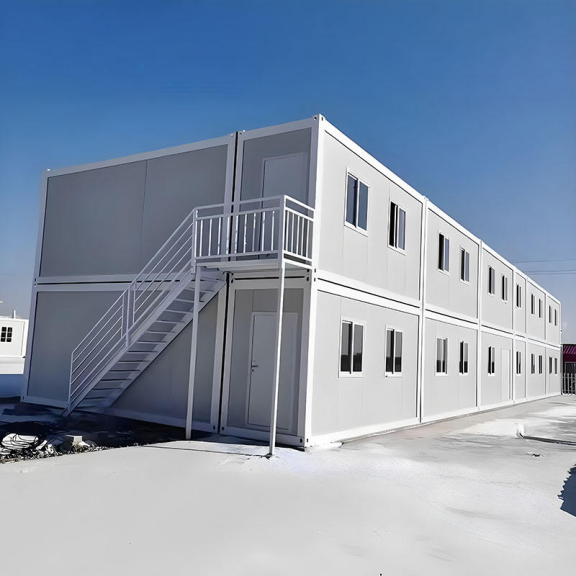
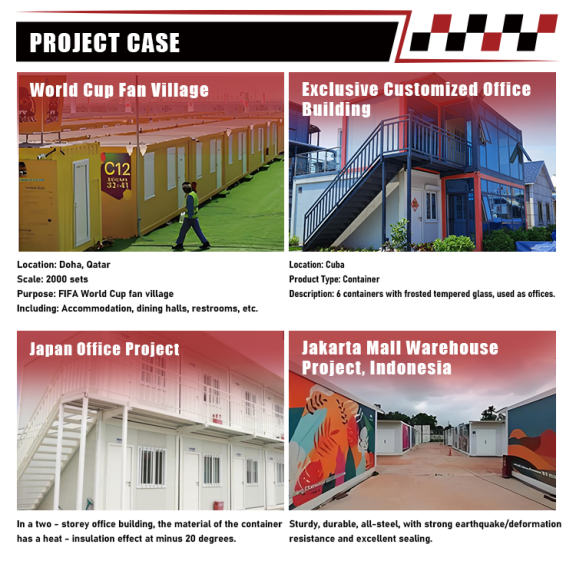
Flat pack container houses are commonly used in construction and infrastructure projects where large numbers of units must be transported efficiently. Contractors benefit from reduced shipping costs and flexible assembly schedules aligned with project timelines.
Once projects are completed, units can be dismantled and relocated, improving asset utilization.
Temporary Housing and Institutional Use
Governments and institutions deploy flat pack container houses for temporary dormitories, classrooms, medical units, and on-site offices. Their modular nature allows phased installation and expansion without full-scale construction disruption.
Export and Overseas Projects
For international projects, flat pack container houses are favored due to containerized shipping efficiency. Multiple units can be loaded into standard shipping containers, reducing per-unit transport cost and simplifying customs handling.
Cost Structure and Budget Considerations
Unit Cost vs Logistics Savings
The initial unit price of a flat pack container house is often lower than fully assembled systems. Combined with reduced shipping volume, this results in lower total delivered cost for large or export-oriented projects.
However, buyers should account for on-site labor and equipment required for assembly when evaluating total project budgets.
Installation and Lifecycle Costs
Flat pack systems require more on-site work than folding or pre-assembled units, but they offer flexibility in labor sourcing and scheduling. Over the lifecycle, standardized components simplify repairs and part replacement.
Flat Pack Container House vs Other Modular Systems
Flat Pack vs Folding Container Houses
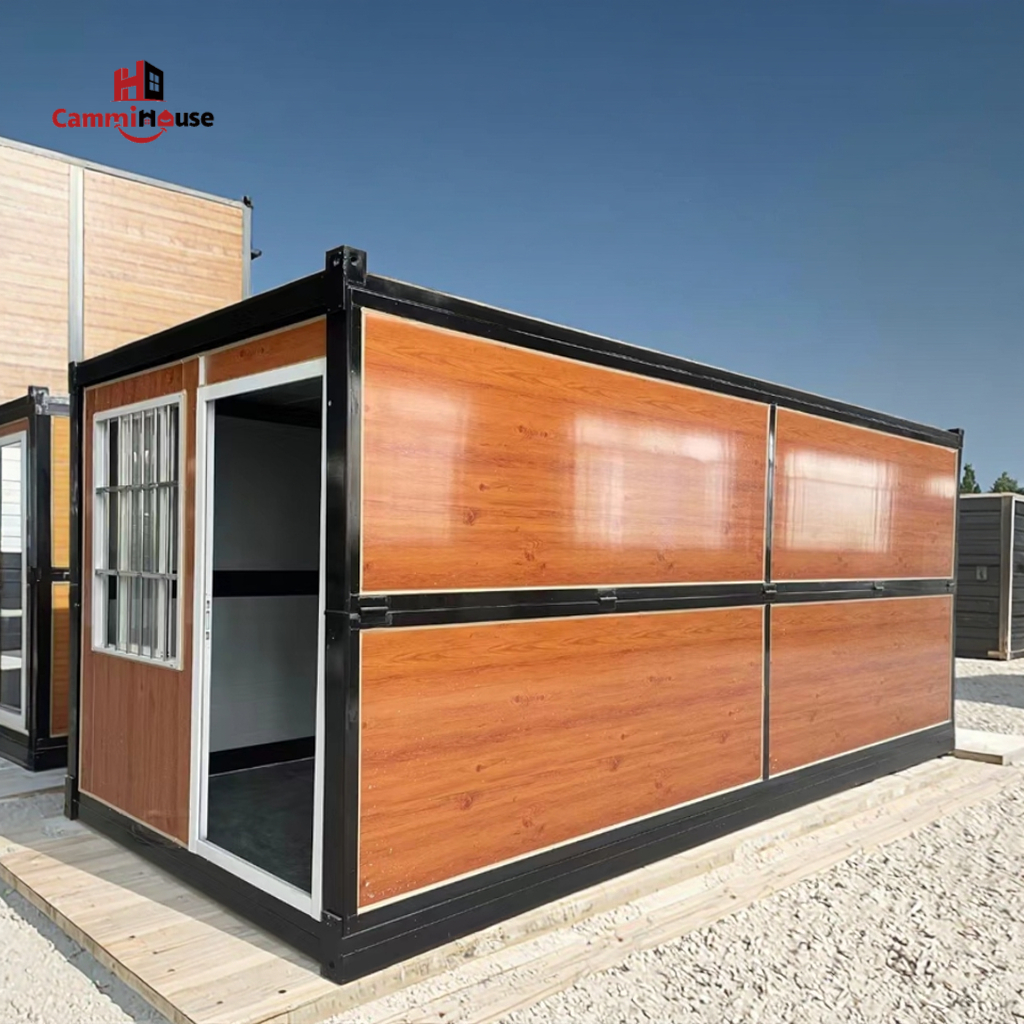
Folding container houses arrive largely pre-assembled and deploy faster on site. Flat pack systems, by contrast, trade longer assembly time for higher shipping efficiency and lower transport cost.
Flat Pack vs Traditional Container Houses
Traditional container houses ship as rigid units, increasing logistics expense. Flat pack container houses optimize volume efficiency while retaining modular strength after assembly.
Manufacturing Quality and Compliance
The performance of a flat pack container house depends on material selection, connection design, insulation quality, and corrosion protection. Poor connector tolerances or low-grade steel can affect long-term stability.
Manufacturers such as cammihouse focus on standardized flat pack container systems engineered for repeated assembly, ensuring structural reliability, regulatory compatibility, and predictable performance across multiple deployments.
Market Trends and Industry Outlook
According to modular construction industry data, flat pack container houses remain one of the most cost-efficient modular housing formats for large-scale and international projects. Rising freight costs further strengthen their relevance.
As buyers seek scalable systems with transparent cost structures, flat pack container houses continue to play a central role in modular housing strategies.
Conclusion
A flat pack container house is a modular solution optimized for transportation efficiency, flexible assembly, and scalable deployment. Its value lies in balancing lower logistics costs with standardized structural performance.
When supplied by experienced manufacturers such as cammihouse, flat pack container houses serve as reliable assets for construction, institutional, and export-driven housing projects.

FAQ
Are flat pack container houses suitable for long-term use?
Yes. With proper materials, insulation, and corrosion protection, flat pack container houses can support long-term use. Durability depends on system design and maintenance rather than assembly method.
How long does on-site assembly take?
Assembly time varies by unit size and crew experience. A standard flat pack container house can typically be assembled within one to three days once foundations are prepared.
Are flat pack container houses easy to relocate?
Yes. One advantage is reusability. Units can be dismantled, packed, transported, and reassembled at new sites, improving lifecycle efficiency.
