

Introduction: Why Folding Container Houses Are Gaining Attention
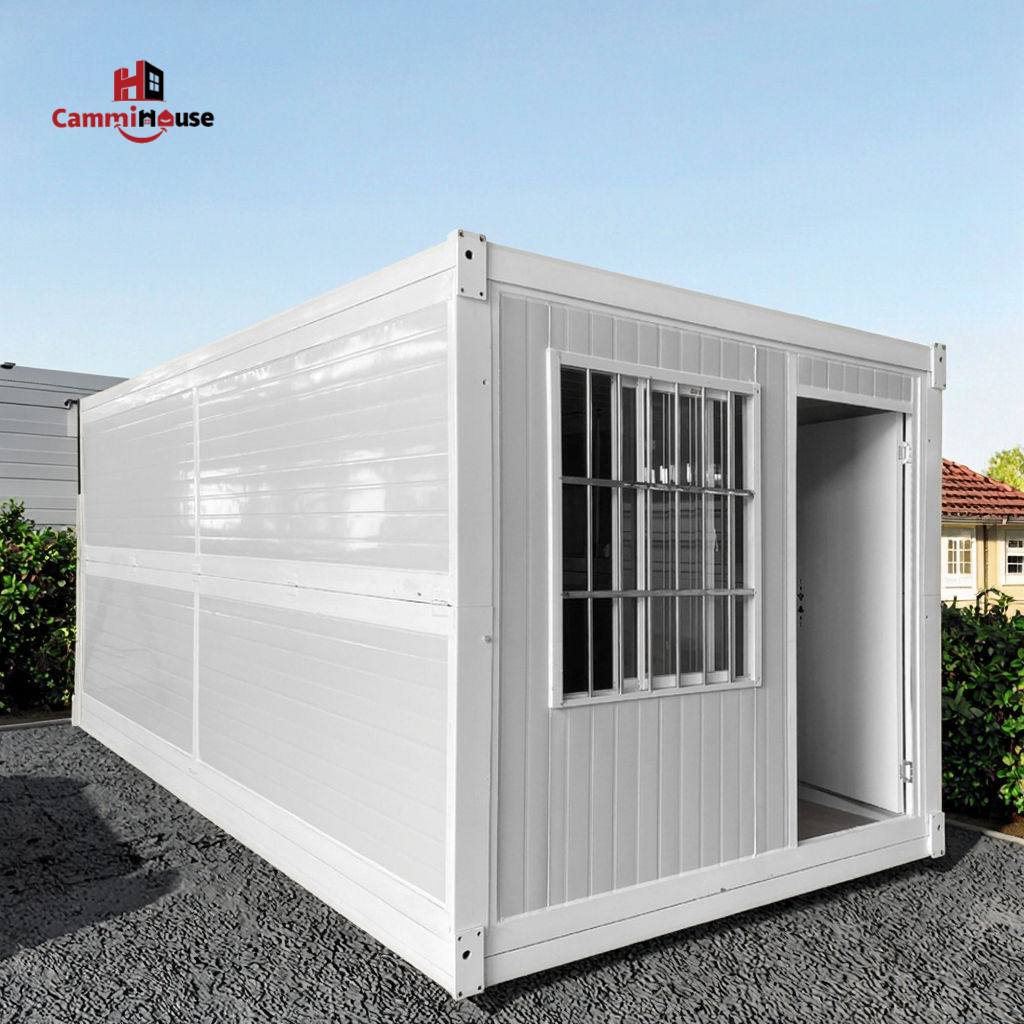
A folding container house is a modular building system designed to reduce transportation volume while maintaining structural integrity after deployment. As global demand grows for fast-deploy housing with controlled costs, folding container houses are increasingly adopted in construction camps, emergency housing, temporary accommodation, and export-oriented modular projects.
Unlike conventional container houses that ship as fixed-volume units, folding container systems collapse into compact forms for transport and unfold on-site. This approach directly addresses logistics efficiency, shipping cost control, and rapid installation—three key concerns for developers and institutional buyers.
What Defines a Folding Container House?
Structural Design and Folding Mechanism
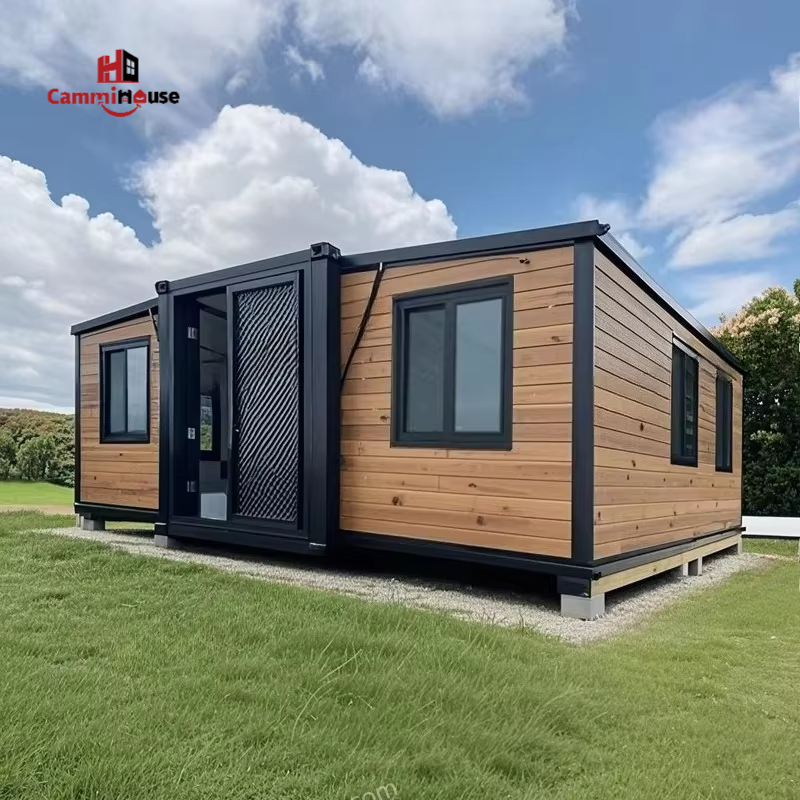
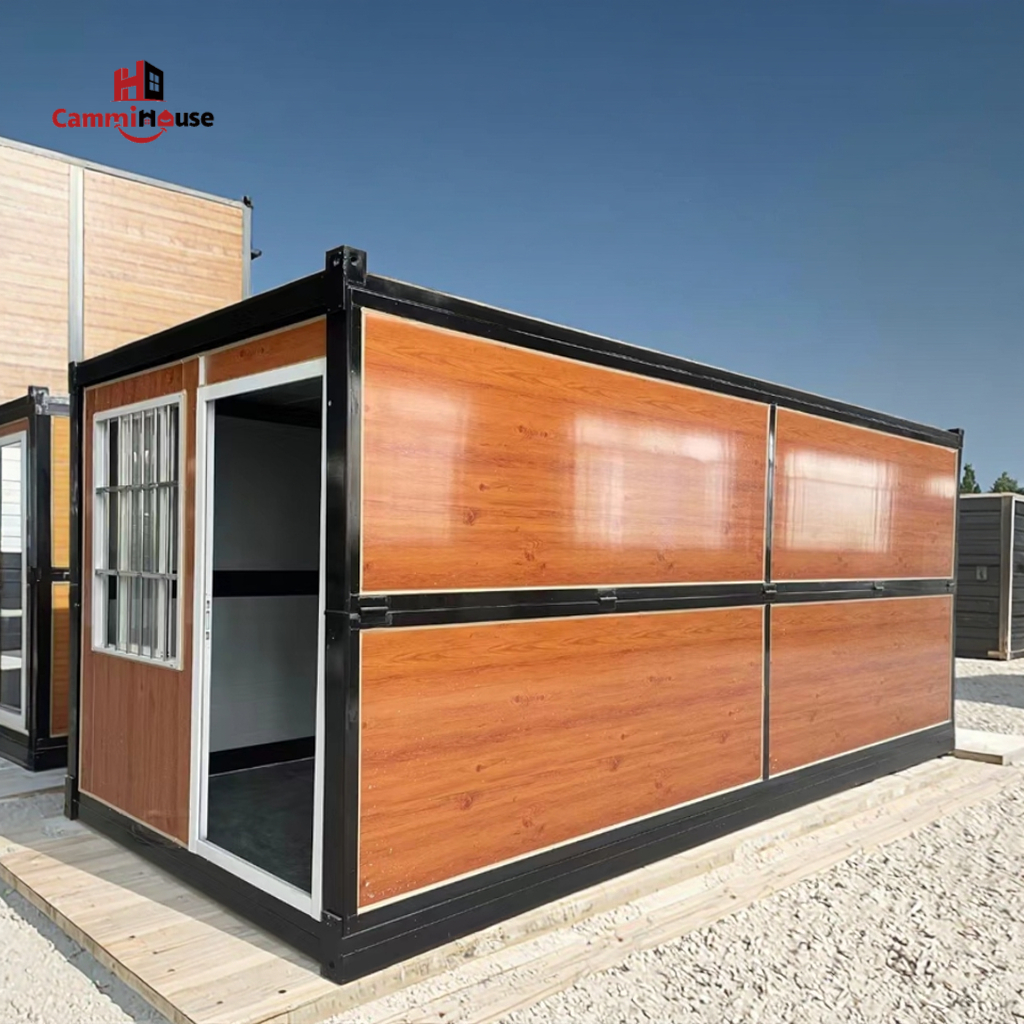
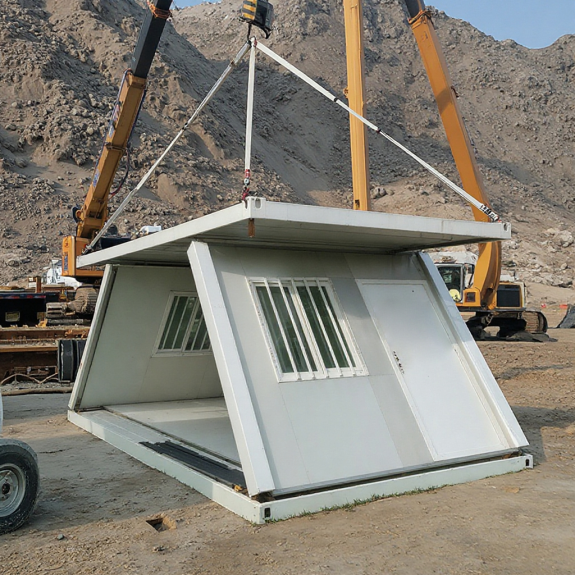
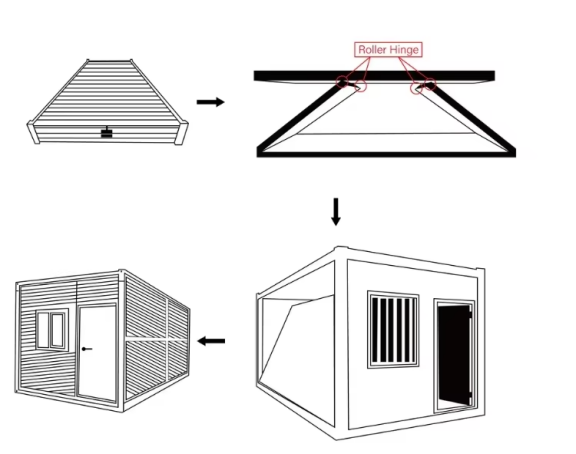
A folding container house is engineered with hinged wall panels, reinforced roof frames, and integrated floor systems that allow the unit to fold flat during transportation. Once delivered, the structure is unfolded and locked into place using pre-installed connectors and load-bearing supports.
This system differs from simple knock-down housing. Structural performance, including wind resistance and load distribution, is pre-calculated at the factory stage to ensure stability after unfolding.
Factory Integration and Standardization
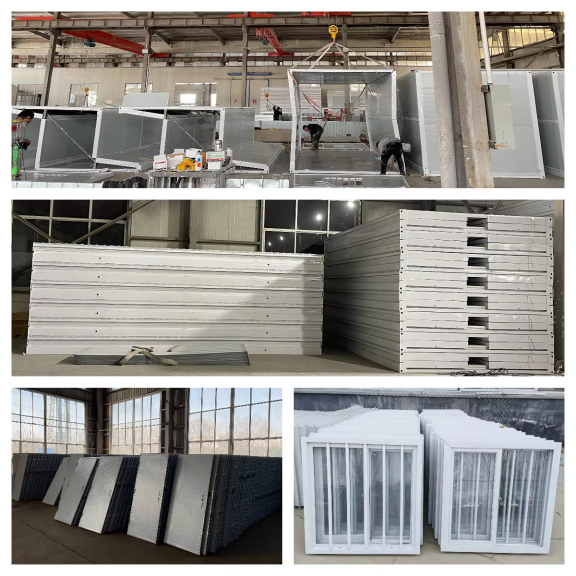
Most folding container houses are manufactured in controlled factory environments. Electrical wiring, insulation layers, windows, and doors are often pre-installed, reducing on-site labor requirements.
Standardized production improves consistency across large-scale projects and supports predictable delivery timelines—an important factor for government and infrastructure-related deployments.
Core Use Cases of Folding Container Houses
Construction Worker Camps and Infrastructure Projects
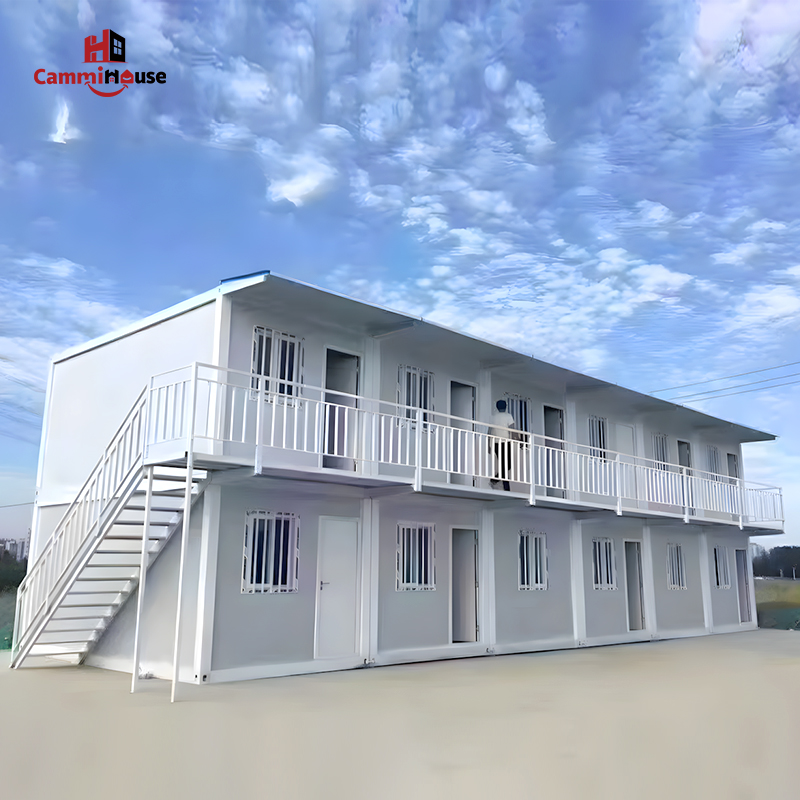
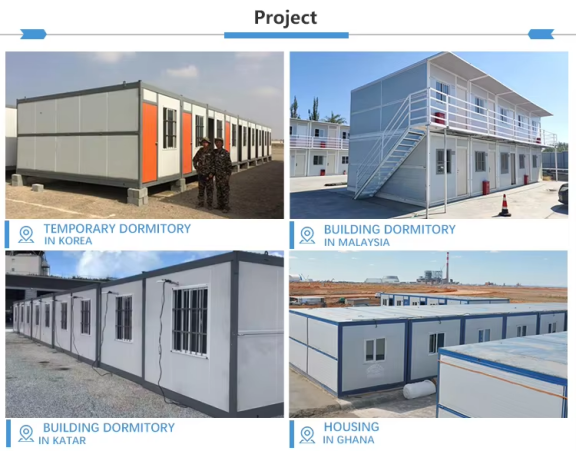
Folding container houses are widely used in construction camps due to their fast setup and removal cycles. Contractors benefit from reduced shipping volume and shorter installation time, especially in remote or temporary project locations.
In large infrastructure projects, folding systems allow housing capacity to scale up or down as workforce needs change, minimizing idle assets.
Emergency and Disaster Relief Housing
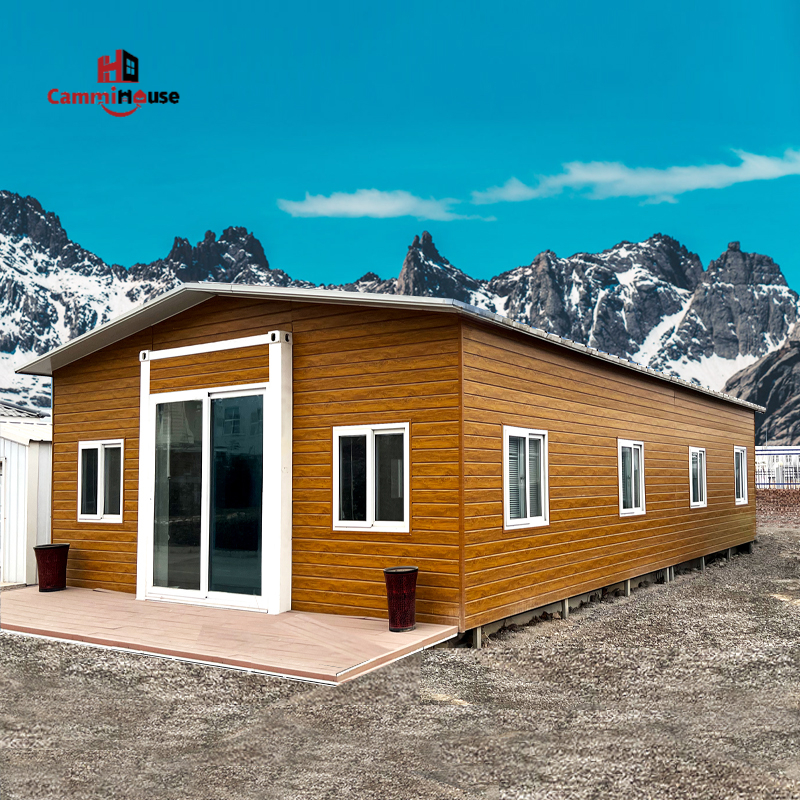
In disaster response scenarios, speed and logistics efficiency are critical. Folding container houses can be transported in bulk and installed rapidly, providing safer and more durable alternatives to tents.Their enclosed structure supports insulation, security, and basic utilities, making them suitable for short- to medium-term transitional housing.
Temporary Urban and Institutional Housing
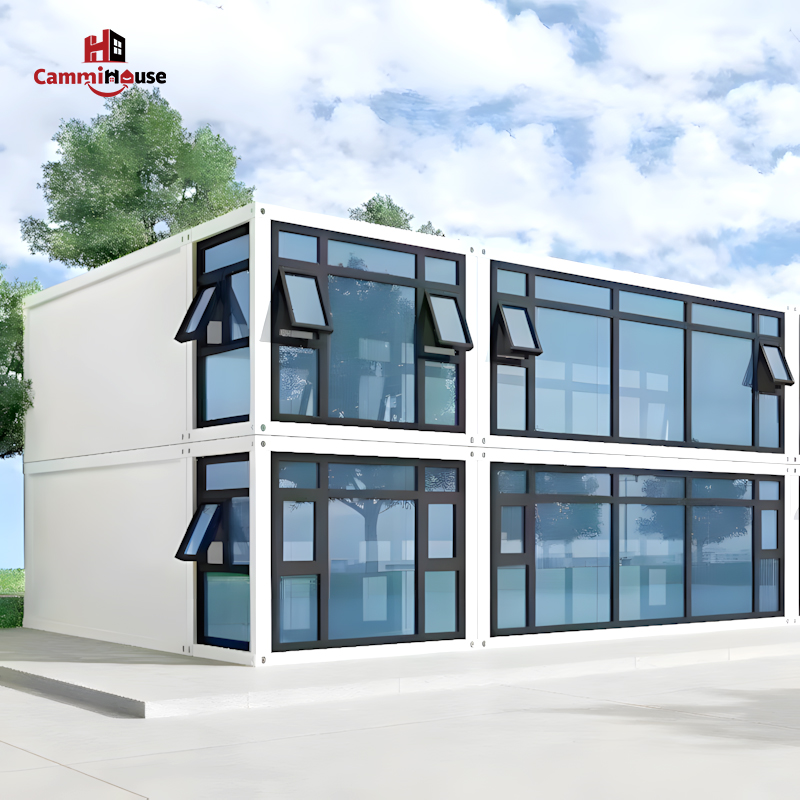
Municipalities and institutions use folding container houses for temporary dormitories, classrooms, and on-site offices. Their relocatable nature allows reuse across different projects, reducing long-term capital risk compared with permanent buildings.
Cost Structure and Budget Considerations
Initial Unit Cost vs Transportation Savings
The unit price of a folding container house may be higher than basic flat-pack structures, but transportation savings often offset this difference. Because multiple folded units can be shipped in a single container, logistics costs per unit decrease significantly.
For export projects, shipping efficiency plays a major role in total project cost.
Installation and Lifecycle Costs
Folding container houses reduce on-site installation labor and equipment requirements. Faster deployment lowers indirect costs such as site management and temporary utilities.
Over the lifecycle, reusable folding systems offer better asset utilization, especially for organizations managing multiple short-term projects.
Folding Container House vs Other Modular Systems
Folding vs Flat-Pack Container Houses
Flat-pack container houses require full on-site assembly of walls, roofs, and structural components. Folding systems arrive largely pre-assembled, shortening installation time and reducing assembly errors.
The trade-off lies in factory complexity versus on-site labor reduction.
Folding vs Traditional Container Houses
Traditional container houses ship as rigid units, leading to higher transportation costs. Folding container houses optimize volume efficiency while retaining container-based strength after deployment.
This makes folding systems more suitable for export-driven or mobile housing applications.
Manufacturing Quality and Compliance
The performance of a folding container house depends on hinge durability, structural reinforcement, insulation continuity, and corrosion protection. Poorly designed folding mechanisms can compromise long-term stability.
Manufacturers such as cammihouse focus on system-level engineering, ensuring that folding joints, locking points, and load-bearing frames meet structural and safety requirements for repeated use across multiple deployments.
Market Trends and Industry Outlook
According to modular construction industry reports, demand for transport-efficient housing systems continues to grow as logistics costs rise globally. Folding container houses align with this trend by reducing shipping volume without sacrificing usability.
They are increasingly viewed as reusable assets rather than single-use temporary buildings, particularly in infrastructure, mining, and government-supported housing programs.
Conclusion
A folding container house is a practical modular housing solution designed for efficient transport, rapid deployment, and repeat use. Its value lies not only in speed but in predictable cost control and scalability across different project types.
When produced as a complete system by experienced manufacturers such as cammihouse, folding container houses function as reliable building assets rather than temporary stopgap solutions.

FAQ
Are folding container houses suitable for long-term use?
Yes, if designed with proper structural reinforcement, insulation, and corrosion protection. Long-term suitability depends on system specifications and maintenance practices rather than the folding mechanism itself.
How long does installation usually take?
Most folding container houses can be deployed within hours once delivered to site. Installation time varies depending on foundation preparation and utility connections.
Are folding container houses reusable?
Yes. One key advantage is reusability. Folding container houses can be dismantled, folded, transported, and redeployed across multiple projects, improving lifecycle value.
