

Introduction
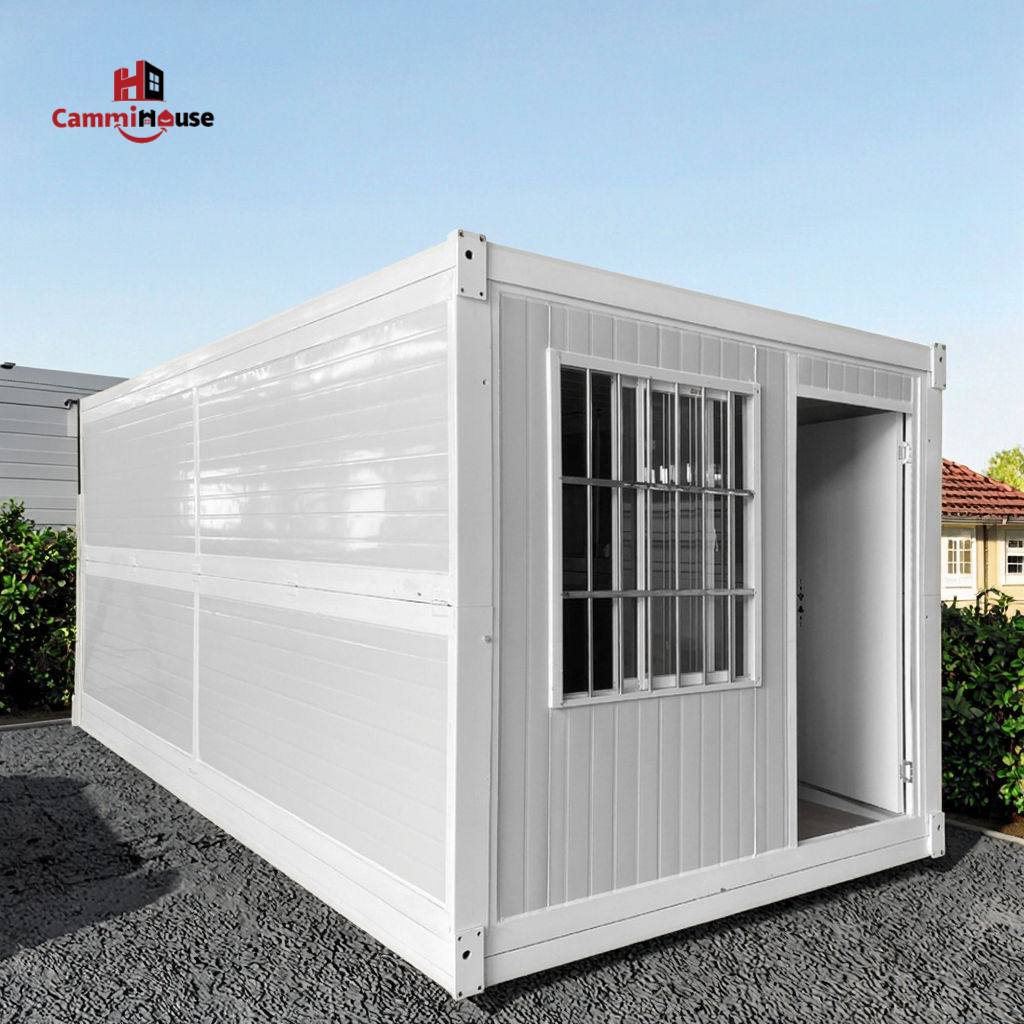
Container houses are increasingly adopted across multiple sectors because they solve practical problems related to speed, scalability, and controlled construction. Rather than being treated as experimental buildings, container houses are now integrated into formal housing and commercial systems. Their factory-based production allows developers and institutions to deploy standardized units with predictable timelines and costs, which is why their use cases continue to expand globally.
Construction Worker Camps
Why Container Houses Suit Construction Camps
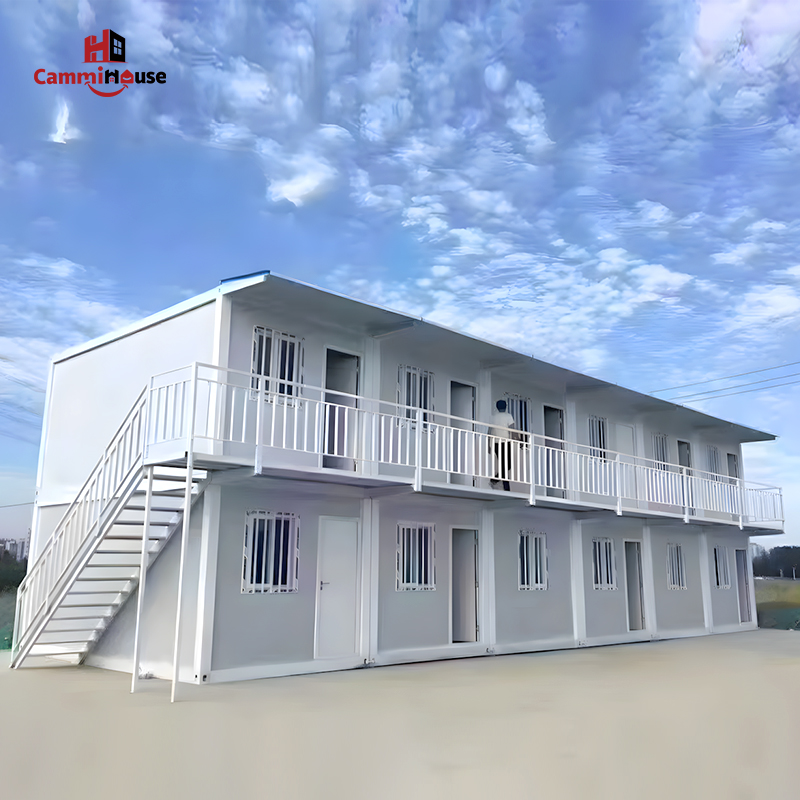
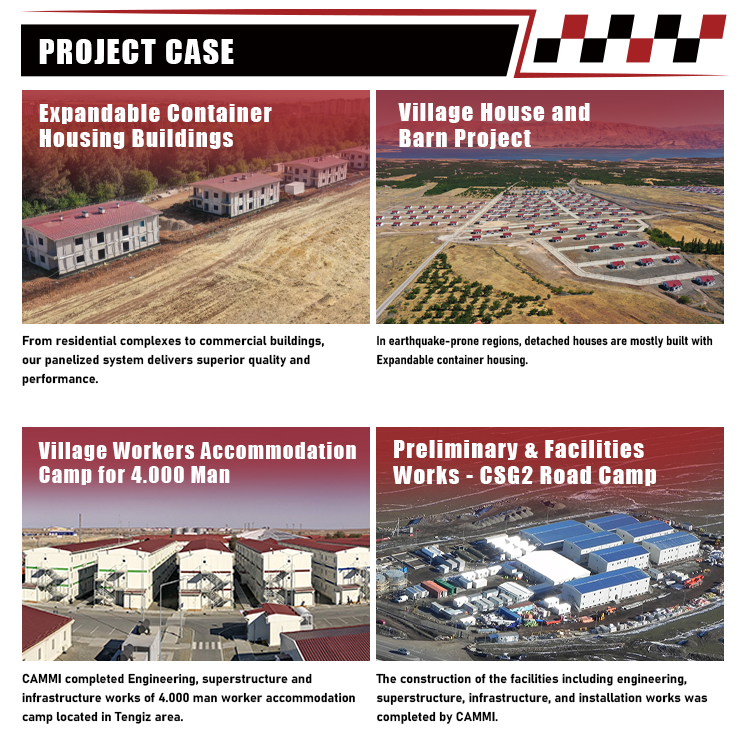
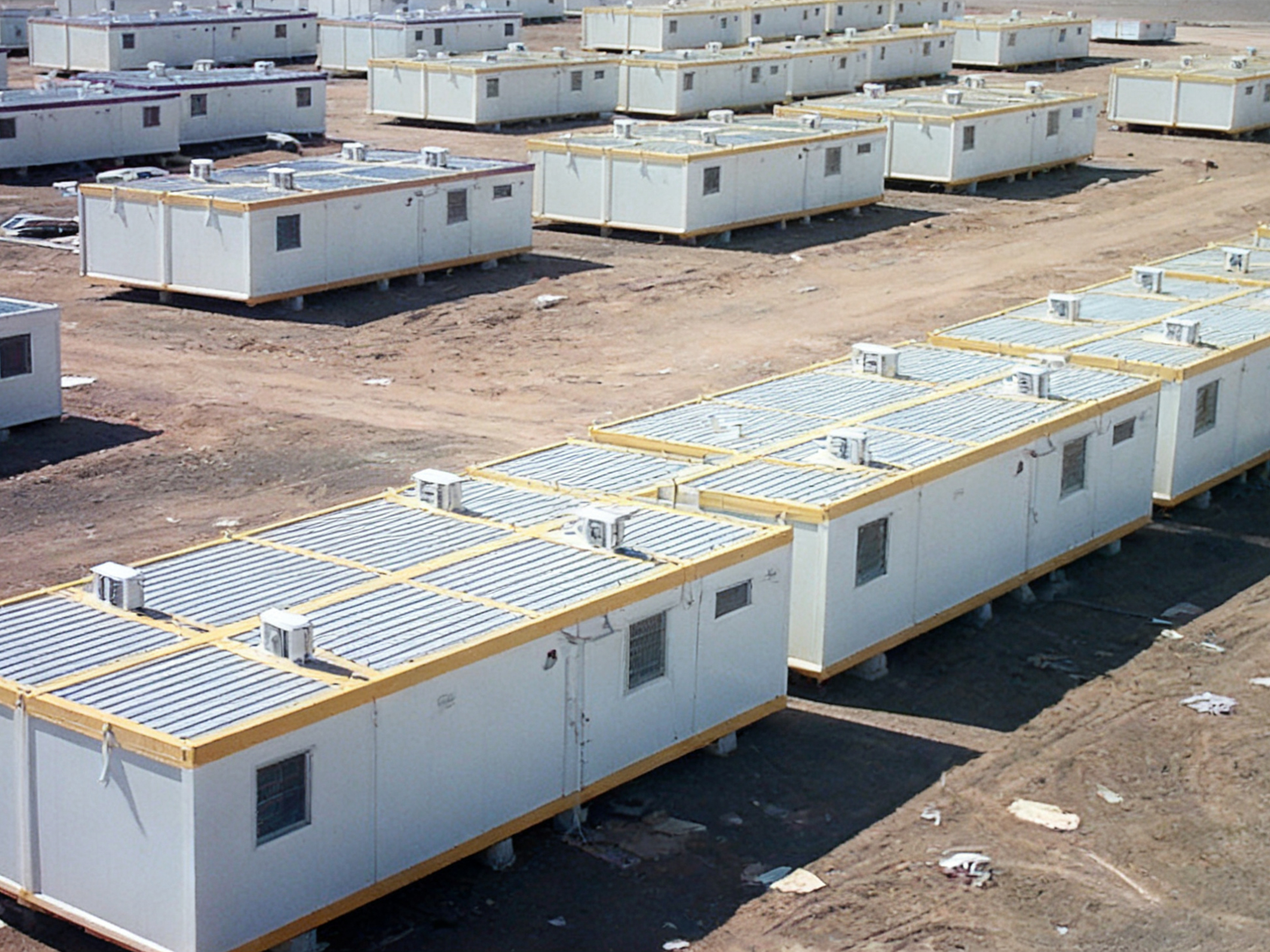
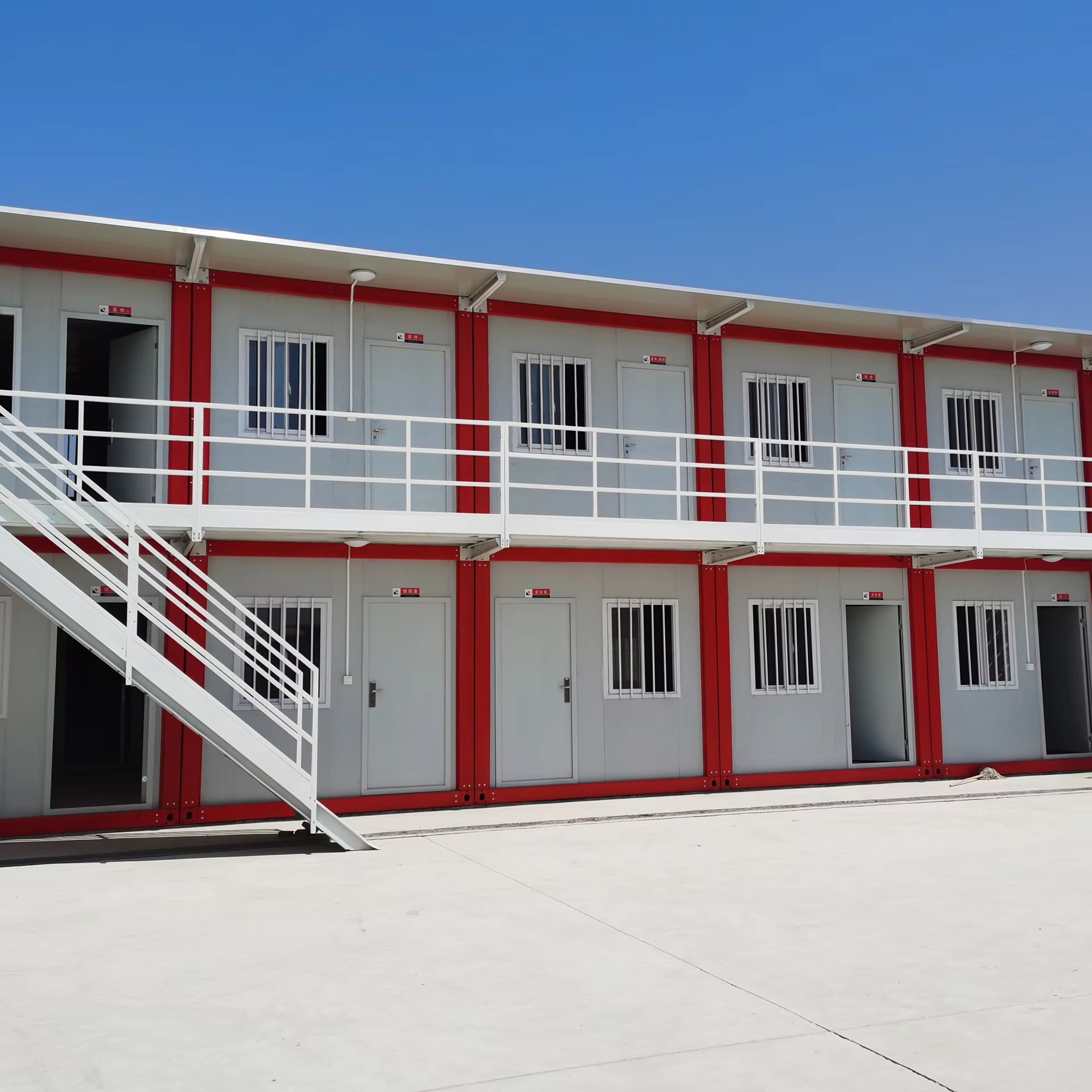
Container houses are widely used for construction worker camps because they can be installed quickly near project sites. Their modular structure allows developers to scale accommodation capacity as workforce size changes, avoiding permanent investments in temporary locations.
Operational Benefits on Active Sites
By using container houses, contractors reduce commuting time, improve worker safety, and centralize site management. Compared with traditional temporary barracks, container units provide better insulation, security, and durability, which supports longer project cycles and improves overall workforce stability.
Disaster Relief and Emergency Housing
Rapid Deployment in Emergency Situations
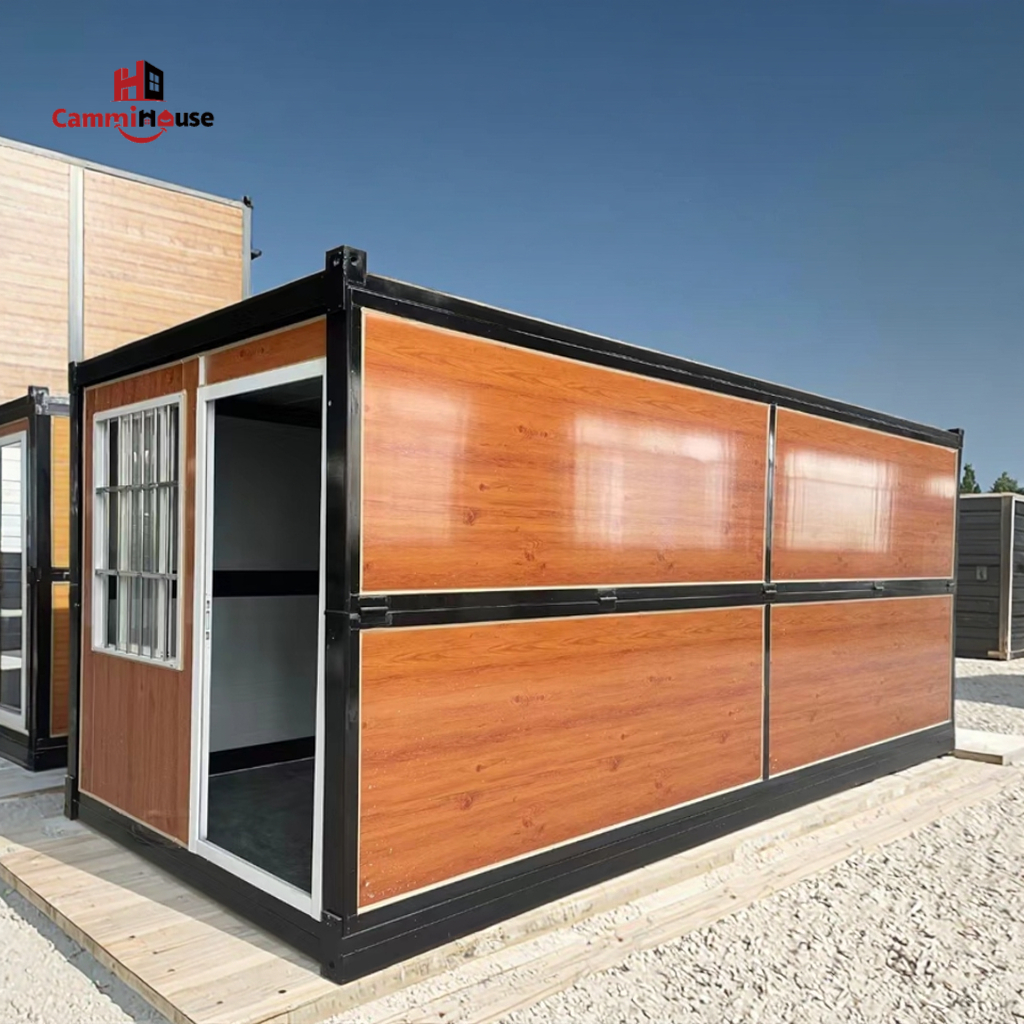
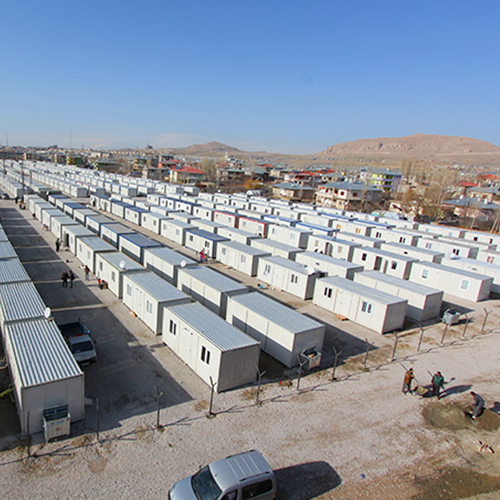
Container houses play a critical role in disaster relief because they can be transported in large quantities and assembled rapidly. After earthquakes, floods, or hurricanes, speed is essential. Factory-finished units allow emergency housing to be deployed within weeks instead of months.
Transition from Emergency to Temporary Living
Unlike tents or lightweight shelters, container houses can support transitional living phases. They can be upgraded with insulation, sanitation systems, and utilities, allowing displaced populations to remain in stable housing while permanent reconstruction is underway.
Government and Public Housing
Supporting Public Housing Programs
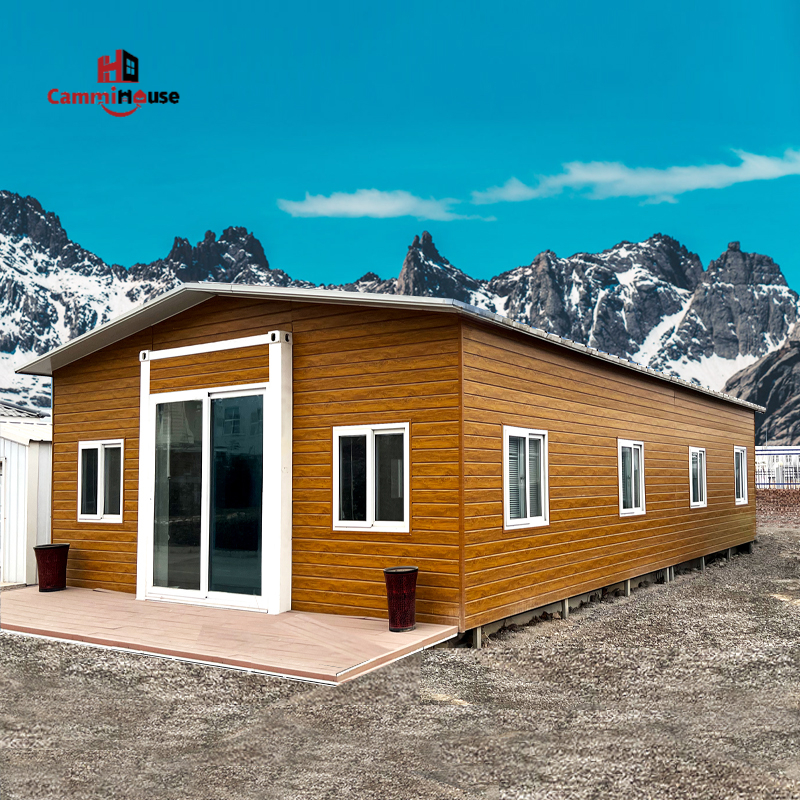
Governments increasingly use container houses to address housing shortages, especially for temporary relocation and social housing programs. Their standardized design simplifies compliance with safety and occupancy regulations while allowing controlled budgeting.
Long-Term Asset Management
Container houses can be relocated or repurposed when public housing needs change. This flexibility reduces long-term risk compared with permanent construction and allows governments to treat housing units as reusable infrastructure assets rather than fixed buildings.
Commercial and Mixed-Use Buildings
Flexible Commercial Applications
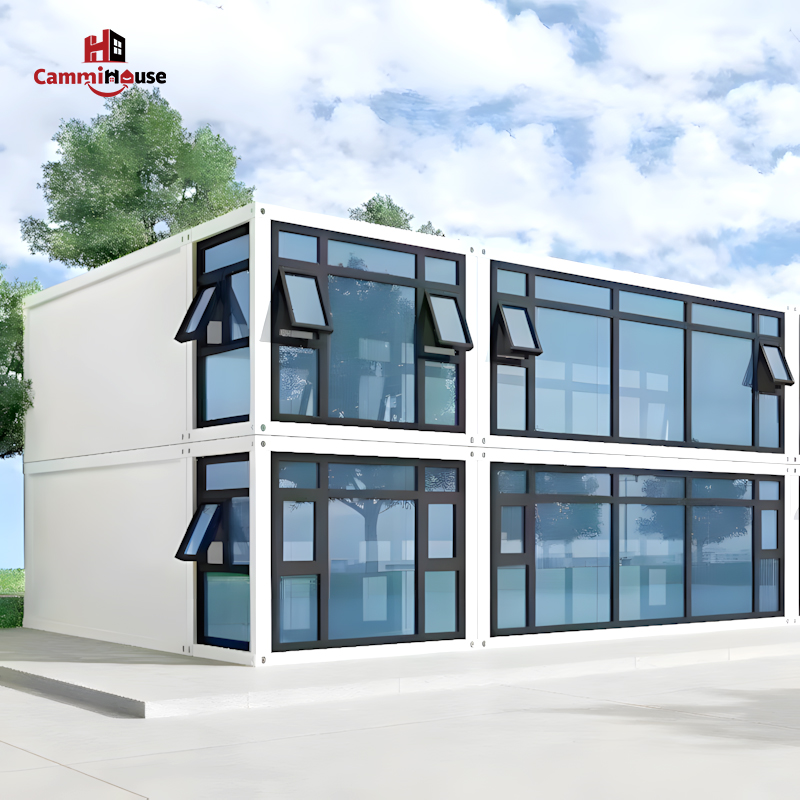
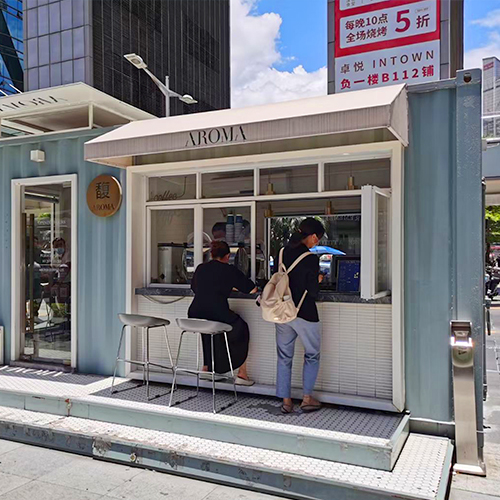
Container houses are also used in commercial and mixed-use developments, including offices, retail spaces, and service facilities. Their modular nature allows developers to adjust layouts based on tenant demand without major structural changes.
Integration with Urban Development
In mixed-use projects, container houses can be combined with conventional structures to create phased developments. This approach supports faster project launches while maintaining flexibility for future expansion or redesign.
Manufacturing and System Quality Considerations
Importance of Purpose-Built Design
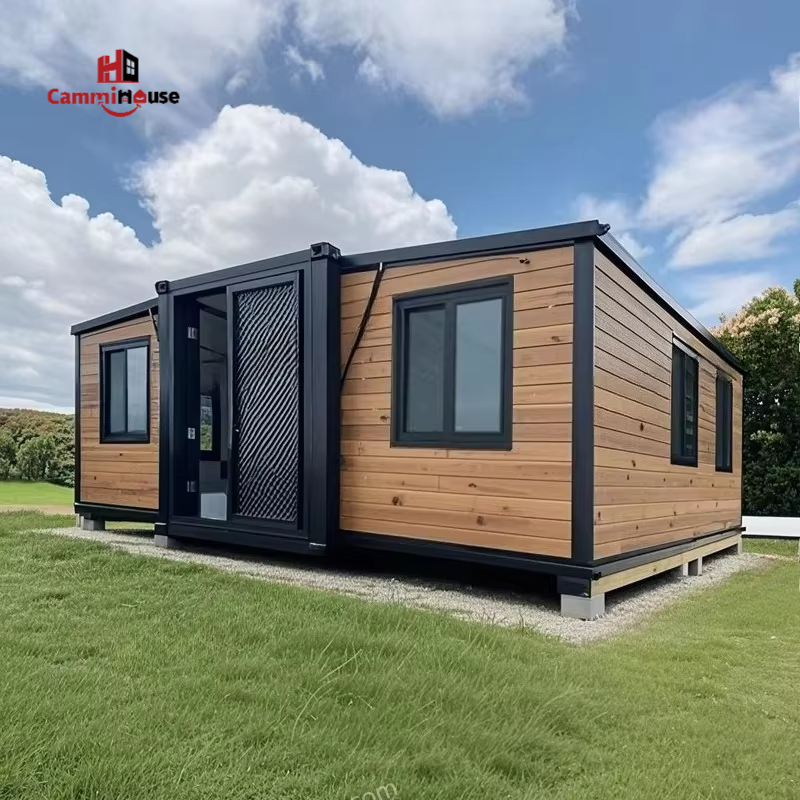
The performance of container houses depends on system-level design rather than the steel shell alone. Insulation, ventilation, moisture control, and structural reinforcement must be integrated during manufacturing. Purpose-built systems perform more reliably than repurposed shipping containers.
Manufacturers such as cammihouse focus on container housing systems designed specifically for residential, public, and commercial use, improving regulatory compatibility and long-term performance.
Conclusion
Container houses address real-world housing and infrastructure challenges by offering speed, predictability, and modular flexibility. Their core use cases—from construction camps to disaster relief, public housing, and commercial buildings—demonstrate their role as functional building systems rather than temporary solutions. When developed by specialized providers like cammihouse, container houses support stable, adaptable, and scalable projects across multiple sectors.
FAQ
Are container houses suitable for long-term use?
Yes. When designed as full housing systems with proper insulation, ventilation, and corrosion protection, container houses can support long-term residential and institutional use. Performance depends on system design rather than the container structure alone.
How fast can container houses be deployed?
Deployment timelines vary by project scale, but container houses are typically manufactured off-site and installed significantly faster than conventional buildings. This makes them suitable for time-sensitive housing needs such as emergency or workforce accommodation.
Do container houses meet building regulations?
Container houses can meet local building codes if designed accordingly. Compliance depends on structural standards, fire safety, and occupancy regulations, which must be addressed during the design and manufacturing stages.
