

Introduction: Why Classification Matters in Container Housing
Container houses are no longer a single product type. In modern construction, they have evolved into a group of modular building systems designed to meet different functional, logistical, and spatial needs. Understanding the types and classifications of container houses is essential for buyers, developers, and planners, because each system is optimized for a specific use case, budget range, and deployment condition.
Rather than choosing based on appearance alone, most projects now select container housing systems according to transport efficiency, assembly method, scalability, and long-term use. Manufacturers such as cammihouse focus on offering multiple standardized systems to address these diverse requirements.
How Container Houses Are Commonly Classified
Classification by Structural Configuration
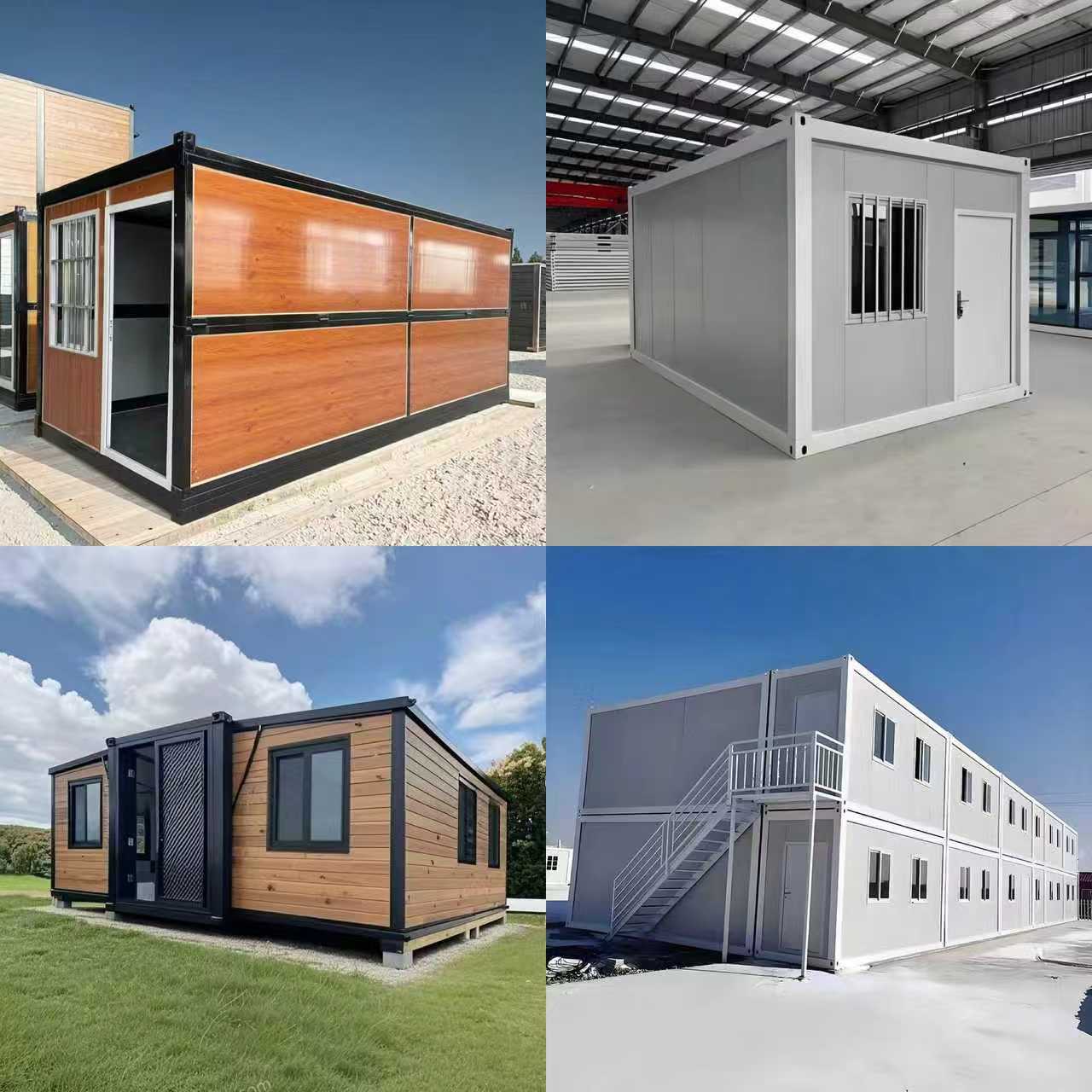
One of the most common ways to classify container houses is by how their structure is assembled and deployed. Some systems are shipped fully assembled, while others are flat-packed, foldable, or expandable. Each format responds to a different logistical challenge, such as transport cost, installation time, or site accessibility.
This classification helps buyers understand not only what the building looks like, but how it performs across its lifecycle.
Classification by Functional Application
Container houses can also be classified by use: residential housing, temporary accommodation, workforce housing, commercial units, or mixed-use developments. These categories influence internal layouts, insulation levels, utility integration, and regulatory compliance.
Flat-Pack Container Systems
What Defines Flat-Pack Systems
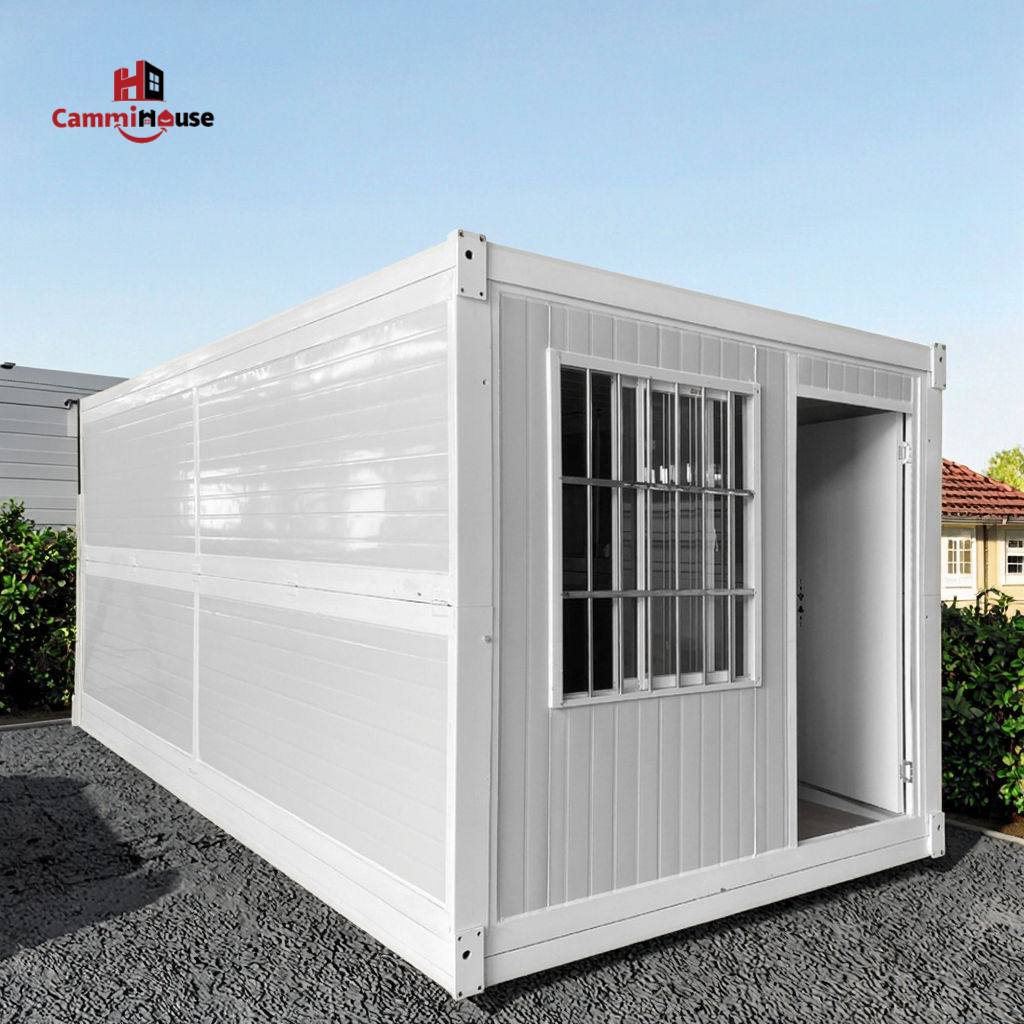
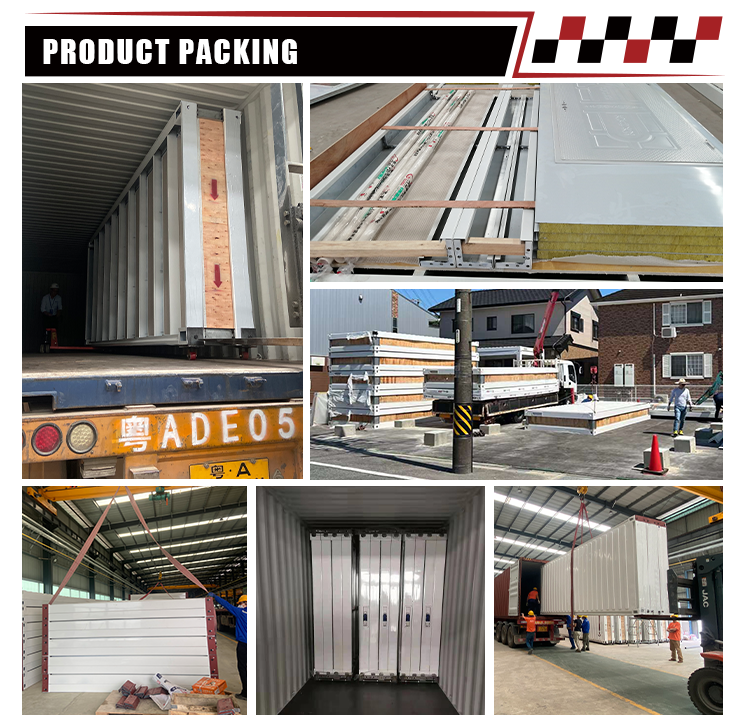
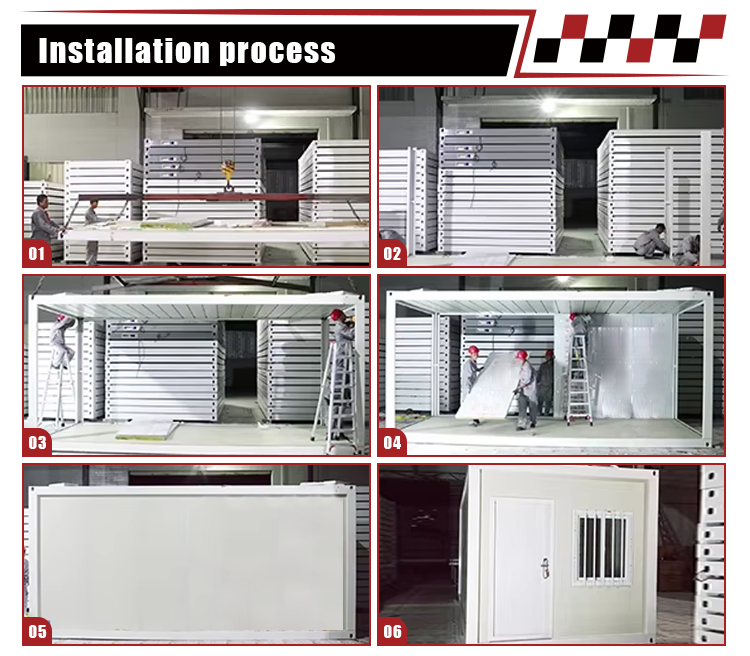
Flat-pack container systems are designed to be shipped in compact, disassembled components. Walls, floors, roofs, and frames are transported separately and assembled on site. This format maximizes shipping efficiency and reduces logistics costs.
Typical Applications
Flat-pack systems are widely used in large-scale housing projects, classrooms, offices, and temporary accommodation. They are especially effective when transportation volume is a constraint or when units must be moved through narrow access routes.
Key Advantages
The primary advantage of flat-pack container systems is scalability. Hundreds of units can be shipped together and assembled rapidly. This makes them suitable for disaster relief housing, temporary schools, and workforce camps.
Foldable Container Units
Structural Logic of Foldable Systems
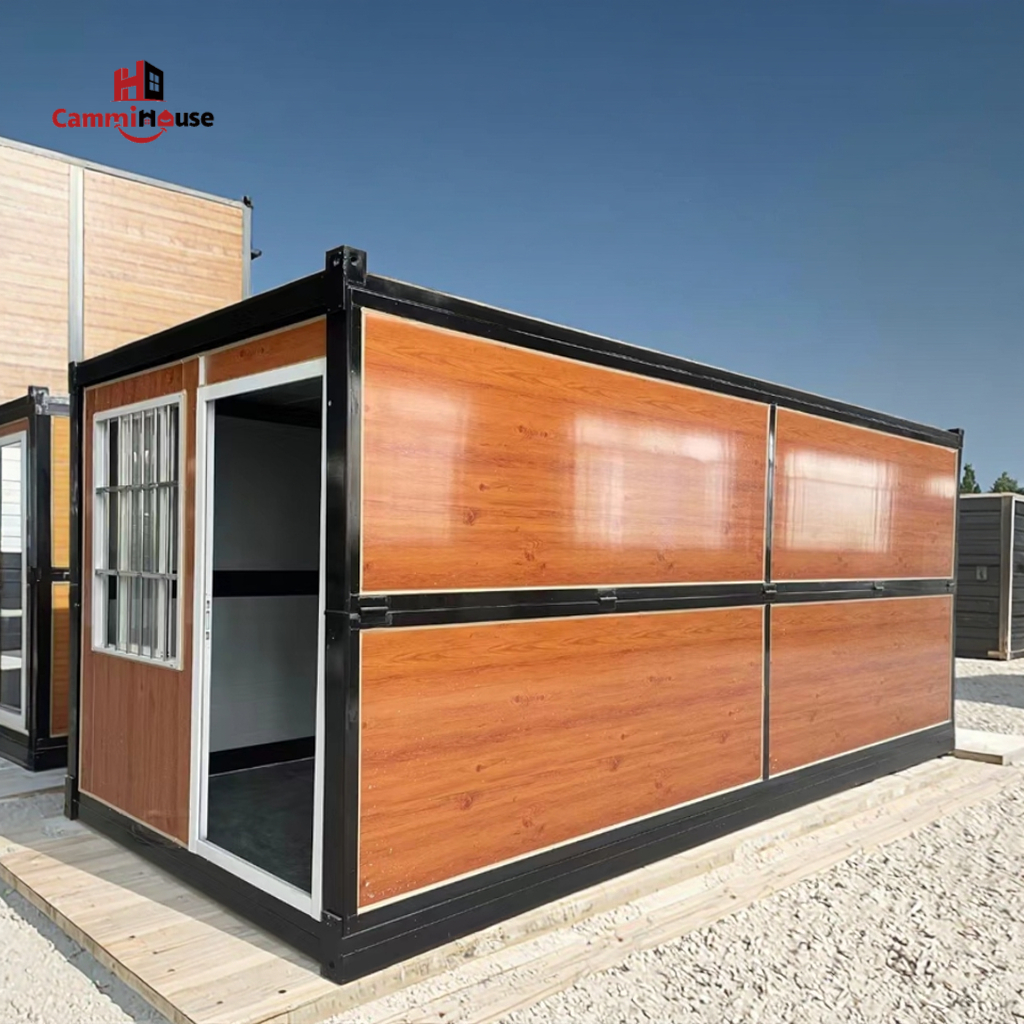
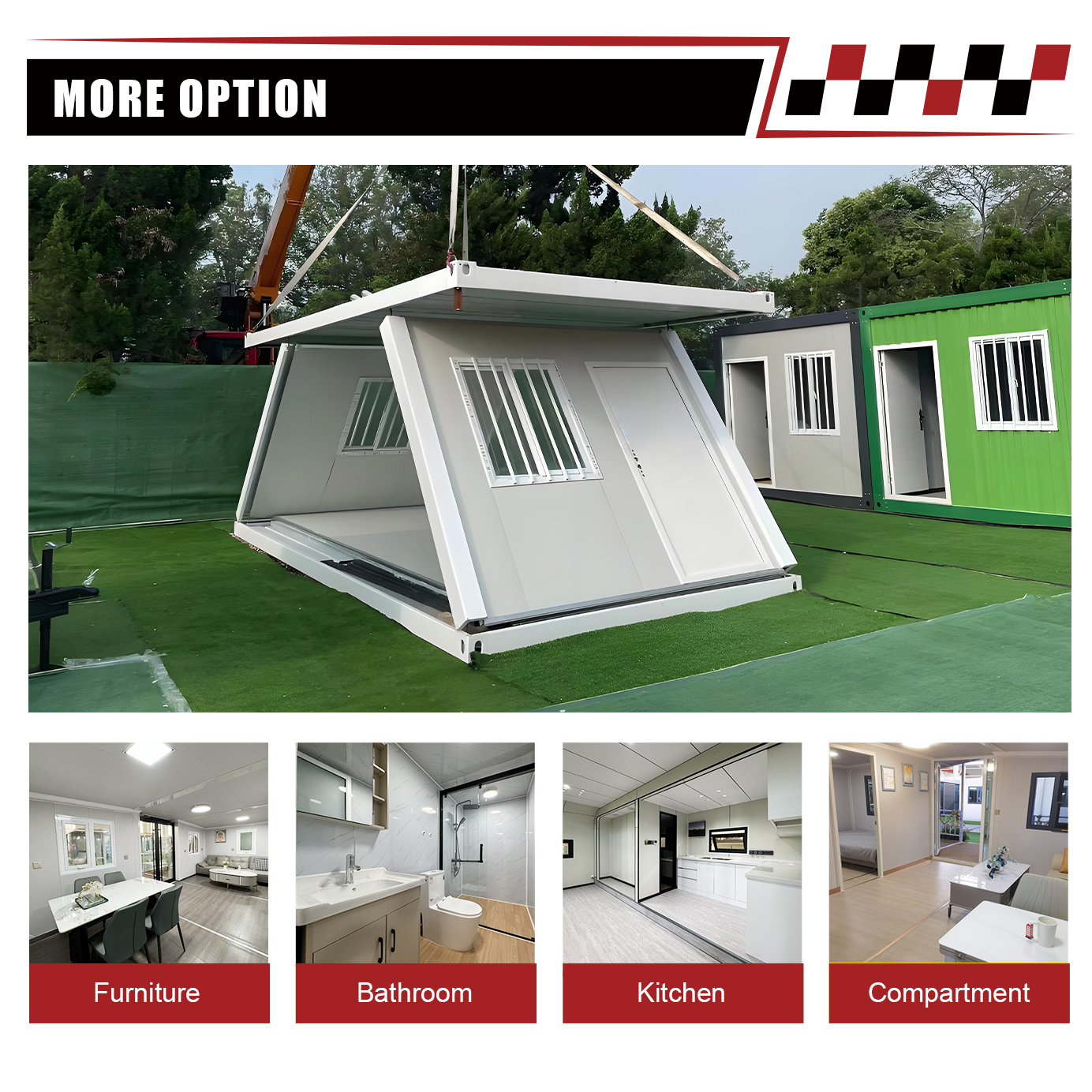
Foldable container units are designed to collapse into a compact form during transportation and unfold into full-size housing units on site. This design significantly reduces shipping volume while preserving structural integrity.
Where Foldable Units Perform Best
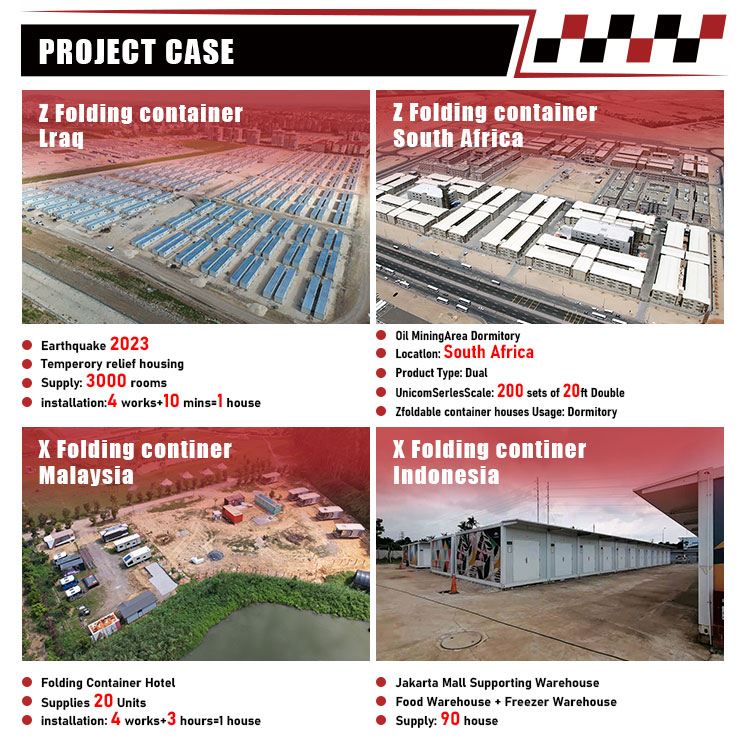
Foldable systems are commonly used for emergency housing, short-term accommodation, and mobile housing programs. Their fast deployment time makes them valuable when speed is critical.
Operational Benefits
These systems reduce handling steps, minimize installation labor, and allow for rapid occupancy. This makes them suitable for humanitarian projects and remote deployments.
Expandable Container Houses
How Expandable Systems Work
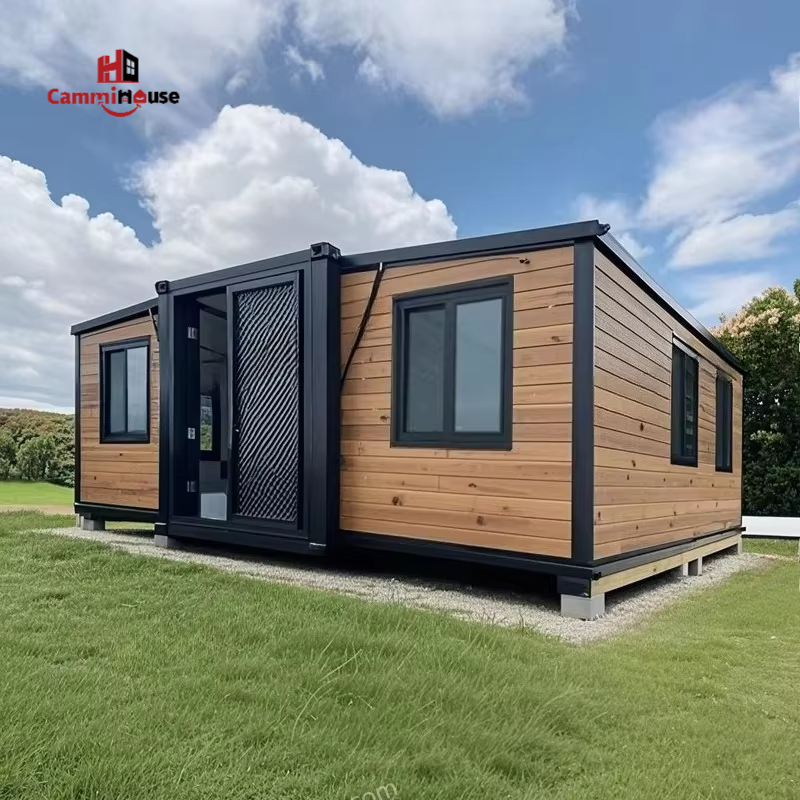
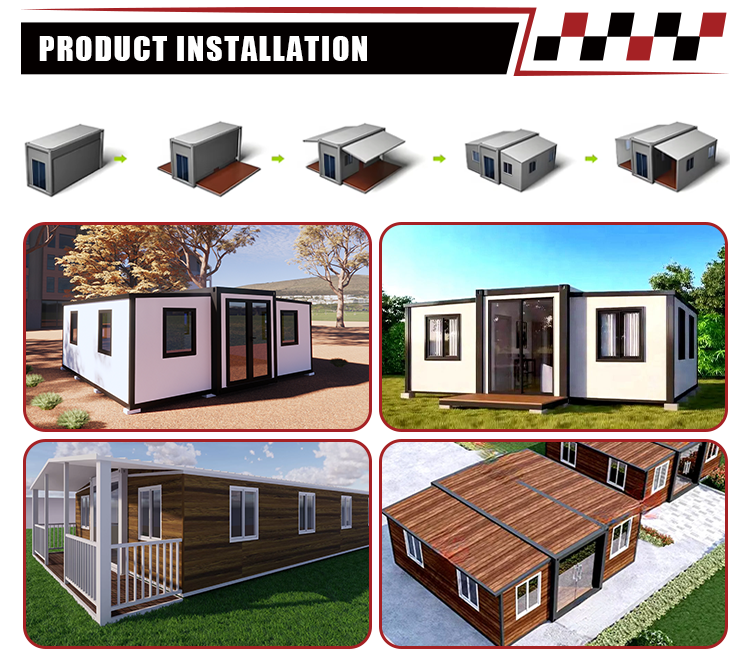
Expandable container houses are shipped in a compact form and expand horizontally or vertically on site. This allows a single transport unit to become a larger living or working space.
Typical Use Scenarios
Expandable units are often used for residential living, mobile clinics, pop-up commercial spaces, and remote workstations. They provide more interior space without increasing transport footprint.
Functional Value
The main value of expandable systems is spatial efficiency. Users gain larger usable areas without sacrificing mobility.
Detachable Container Houses
Modular Detachability Explained
Detachable container houses are built from modules that can be disassembled and reassembled multiple times. Each module is structurally independent, allowing flexible reconfiguration.
Common Applications
These systems are widely used for long-term workforce housing, military facilities, and temporary urban developments. Their reusability makes them cost-effective over multiple project cycles.
Long-Term Value
Detachable systems function as reusable assets rather than one-time structures, aligning with circular construction principles.
Modular Stackable Units
Vertical Scalability
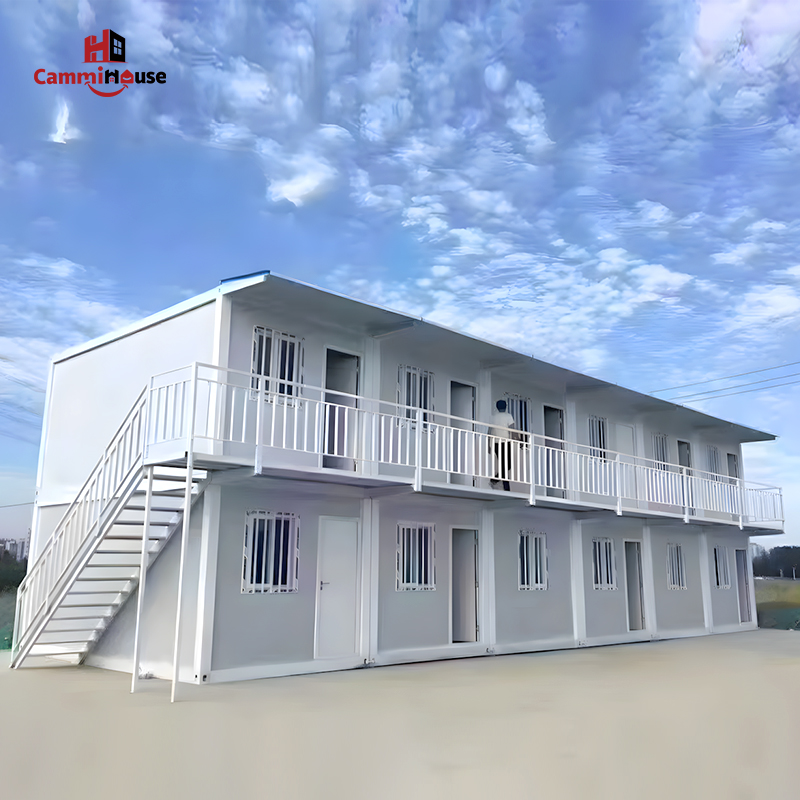
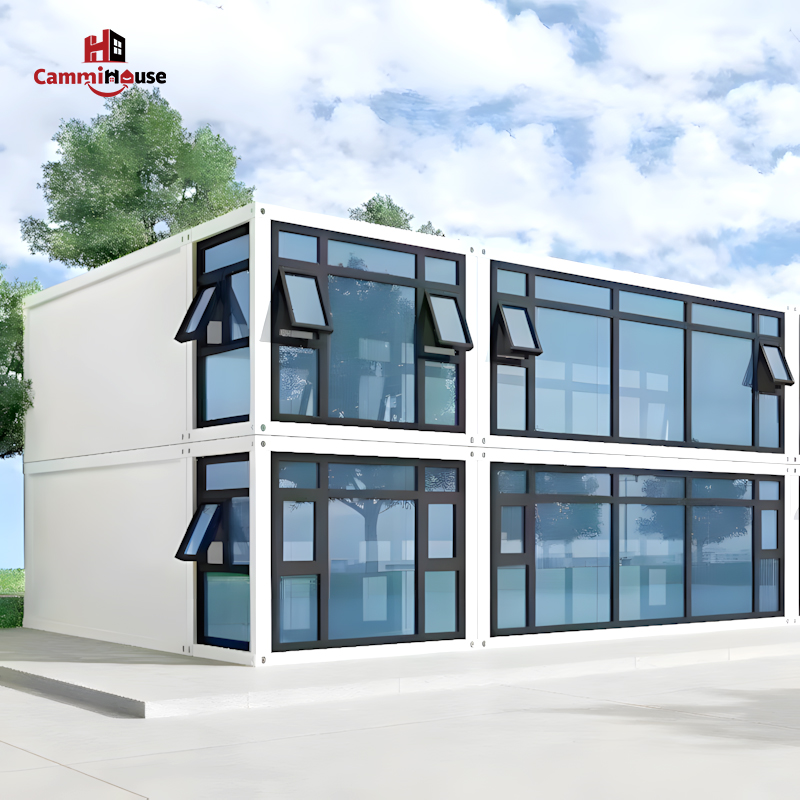
Modular stackable container units are designed for vertical and horizontal stacking. Reinforced frames and standardized connection points allow multi-story construction.
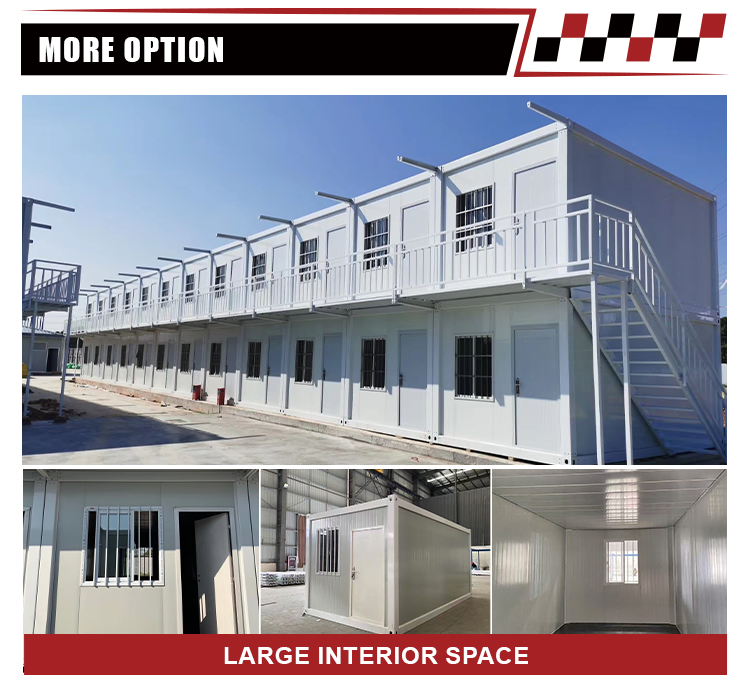
Urban and High-Density Applications
These systems are ideal for urban infill projects, student housing, and worker dormitories. They optimize land use while maintaining modular flexibility.
Structural Reliability
Stackable units are engineered to distribute loads efficiently, ensuring safety and long-term durability.
Role of Professional Manufacturers
Why System Design Matters
A container house is not just a steel box; it is a building system. Insulation, moisture control, ventilation, and structural reinforcement must be integrated from the beginning.
cammihouse System Approach
Manufacturers such as cammihouse develop container housing systems specifically for residential and semi-permanent use, rather than modifying shipping containers. This ensures better performance, comfort, and regulatory compatibility.

FAQ
What is the difference between flat-pack and foldable container houses?
Flat-pack container houses are shipped in separate components and assembled on site, while foldable units are transported in a collapsed form and unfolded for use. Flat-pack systems prioritize shipping efficiency, while foldable units emphasize rapid deployment.
Which type of container house is best for long-term living?
Stackable and detachable container systems are generally more suitable for long-term use because they allow better insulation integration, structural stability, and layout flexibility.
Are expandable container houses suitable for residential use?
Yes. Expandable container houses are often used for residential and commercial applications where larger interior spaces are needed without increasing transport volume.
