
1. DIY builders benefit most from modular systems with pre-installed structural components.
Why modular kits reduce construction errors
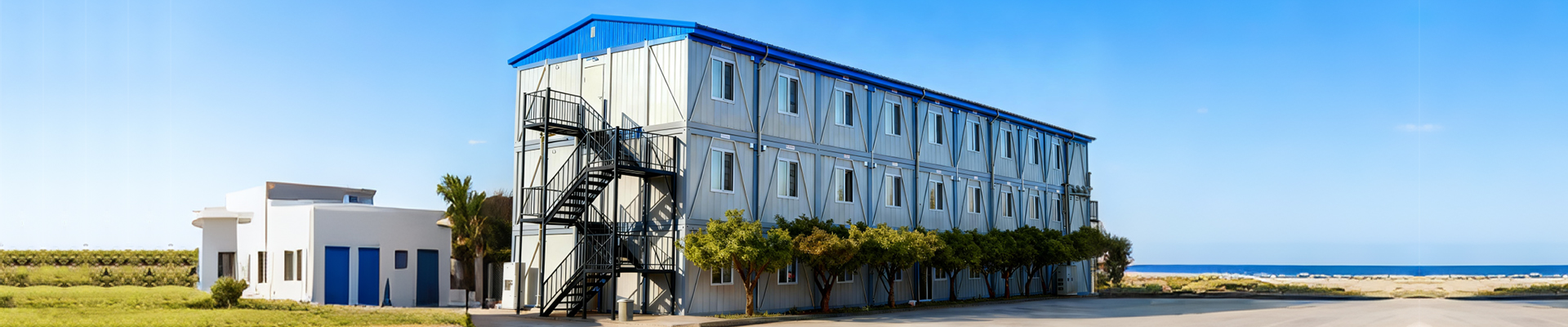
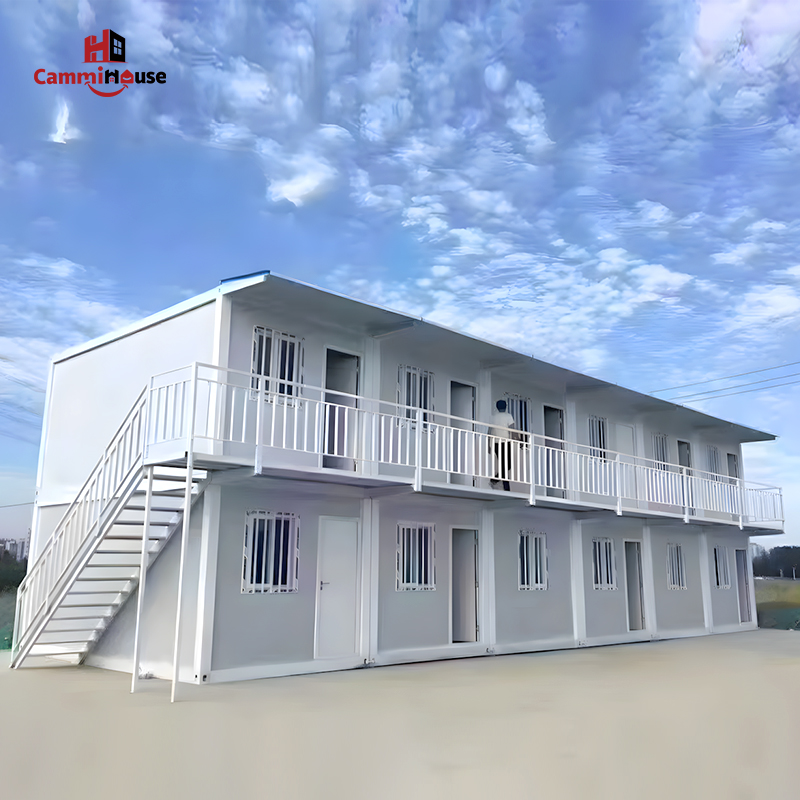
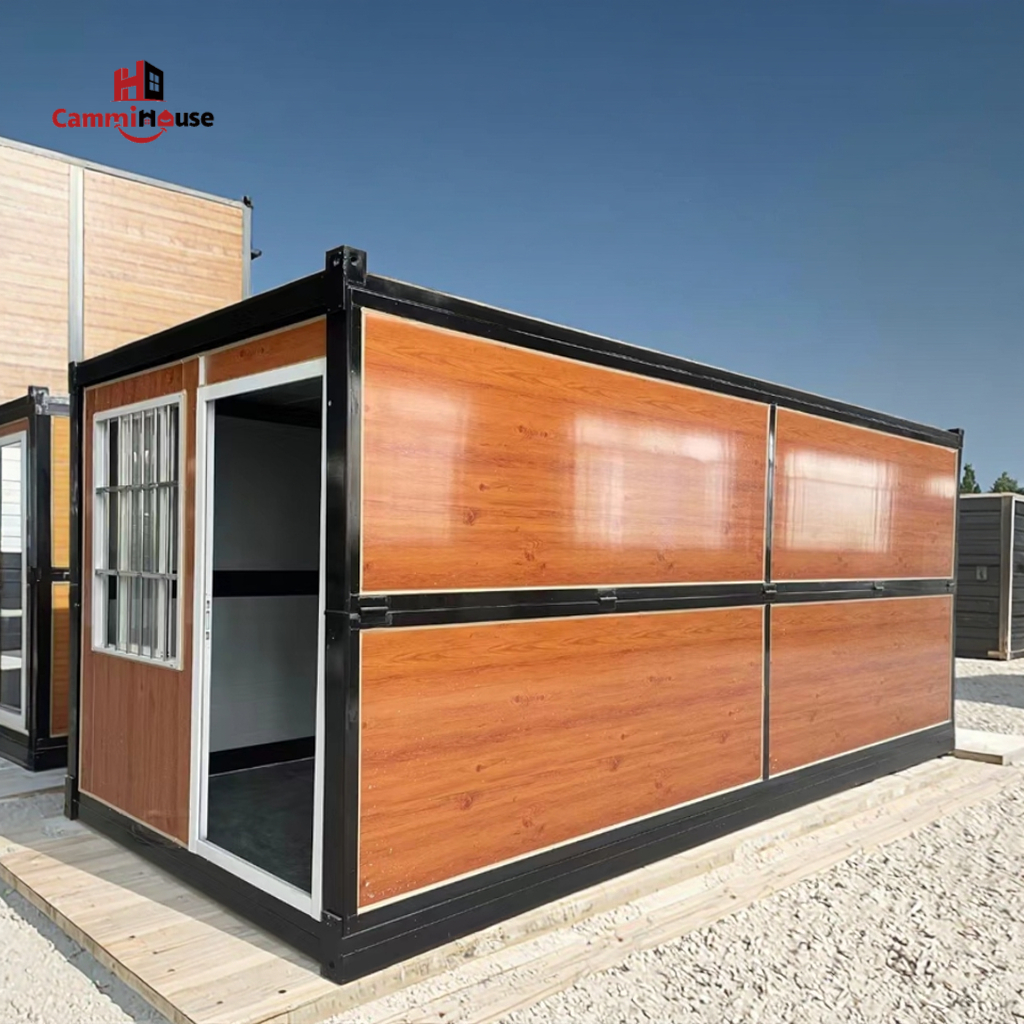
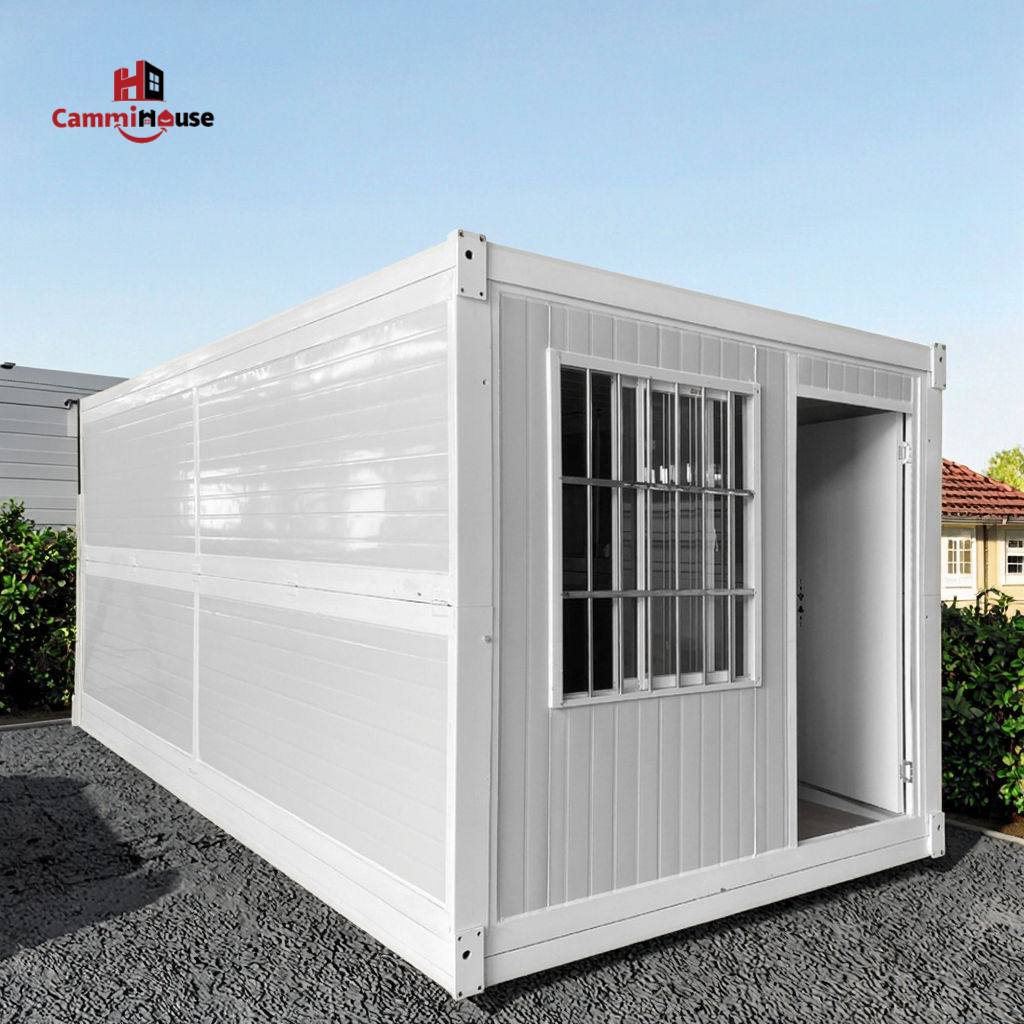
DIY builders usually save the most time with modular container home systems that arrive with pre-cut wall panels and electrical routing already prepared. According to McKinsey 2022, modular construction can reduce project timelines by up to 50% compared to traditional methods. In remote mining camps in Australia, modular kits lowered on-site labor needs because fewer skilled workers were required.
2. Steel-framed container kits perform better in humid and coastal environments.
Why shipping containers resist weather damage
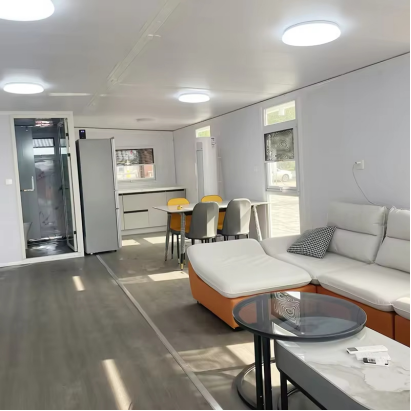
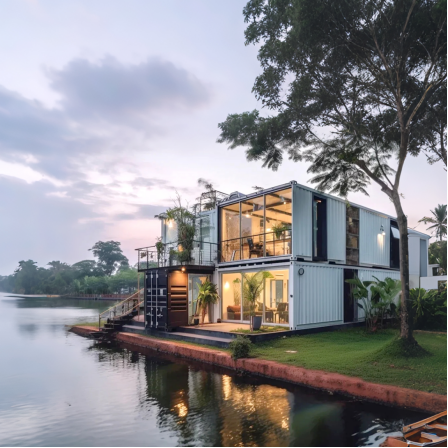
A shipping container home uses corten steel designed for ocean transport, making it resistant to corrosion and wind loads. FEMA 2021 reports that properly reinforced steel structures withstand hurricane conditions better than many timber-framed homes. In Caribbean and Southeast Asian markets, container-based prefab units are often selected for flood-prone regions.
3. Insulation quality determines long-term comfort and energy costs.
How insulation affects temperature control
Proper container home insulation reduces internal heat transfer and lowers HVAC costs. The U.S. DOE 2021 states that spray foam insulation can cut energy loss by nearly 30% in steel structures. In Middle Eastern construction camps, polyurethane foam insulation is commonly used to maintain indoor temperatures below 24°C during summer operations.
4. Simple layouts are easier for first-time DIY builders to install.
Why minimalist layouts reduce installation complexity
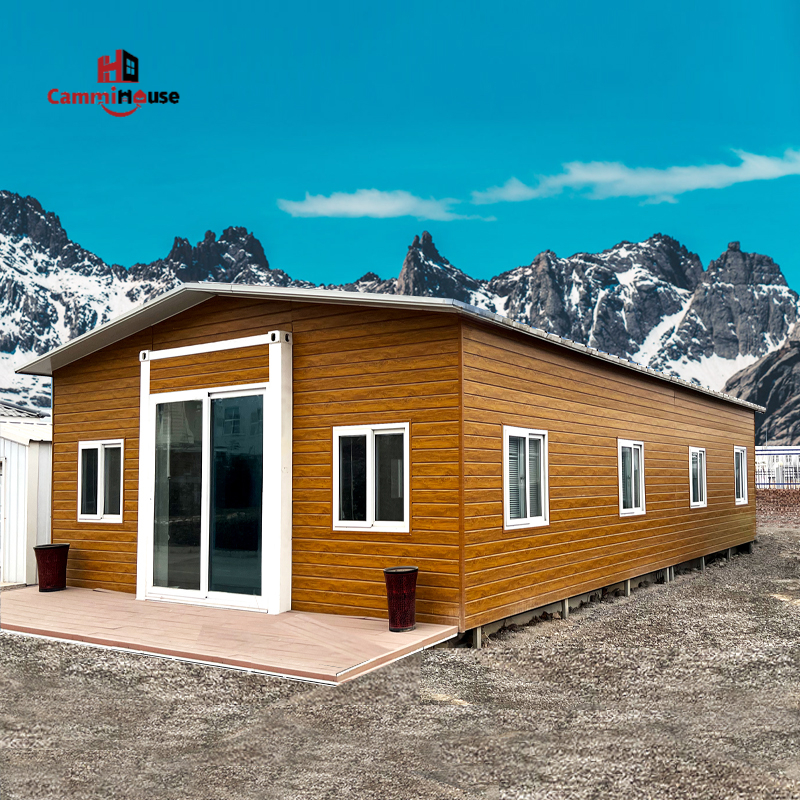
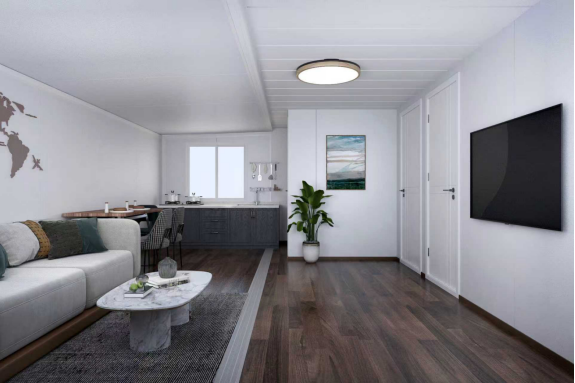
A minimalist container house often uses open-plan interiors with fewer partition walls and plumbing points. This reduces installation mistakes and shortens assembly time. In a 2024 Cammihouse project survey involving 37 DIY buyers, homeowners using single-bedroom layouts completed installation 35% faster than multi-room projects.
5. Expandable prefab kits provide more usable space without increasing shipping costs.
Why expandable designs are popular in export markets
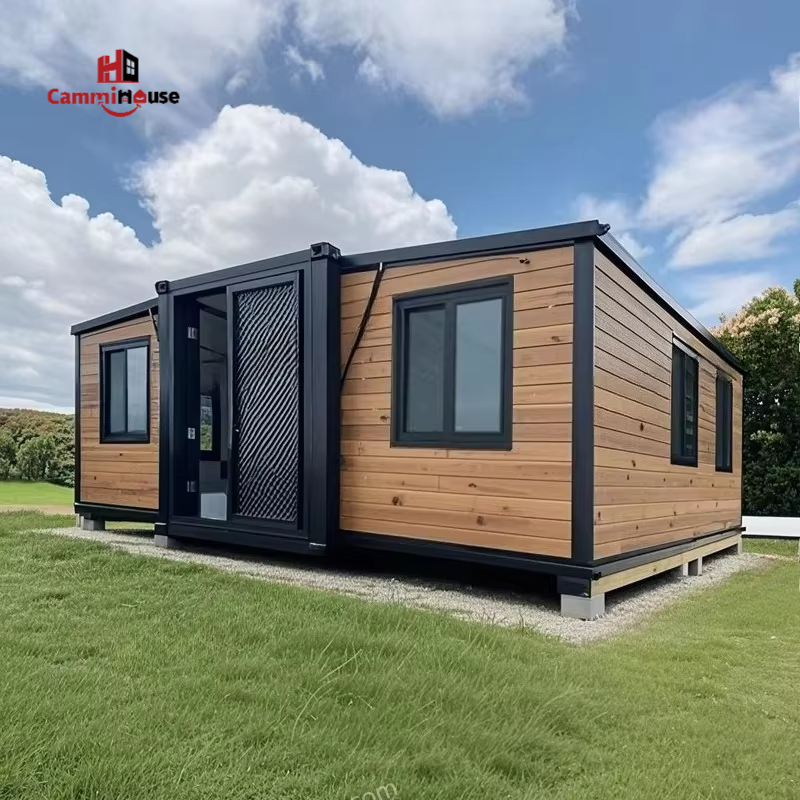
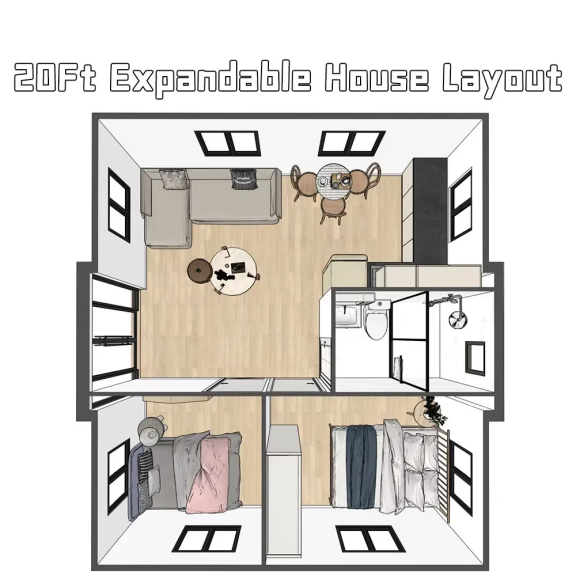
Expandable units are now widely used in Europe and North America because they maximize living space after delivery. A standard 40-foot expandable unit can triple usable floor area after unfolding. Many prefab container house buyers choose this format for Airbnb rentals and temporary housing projects.
6. Smart design improves both resale value and daily usability.
What buyers should look for in container layouts
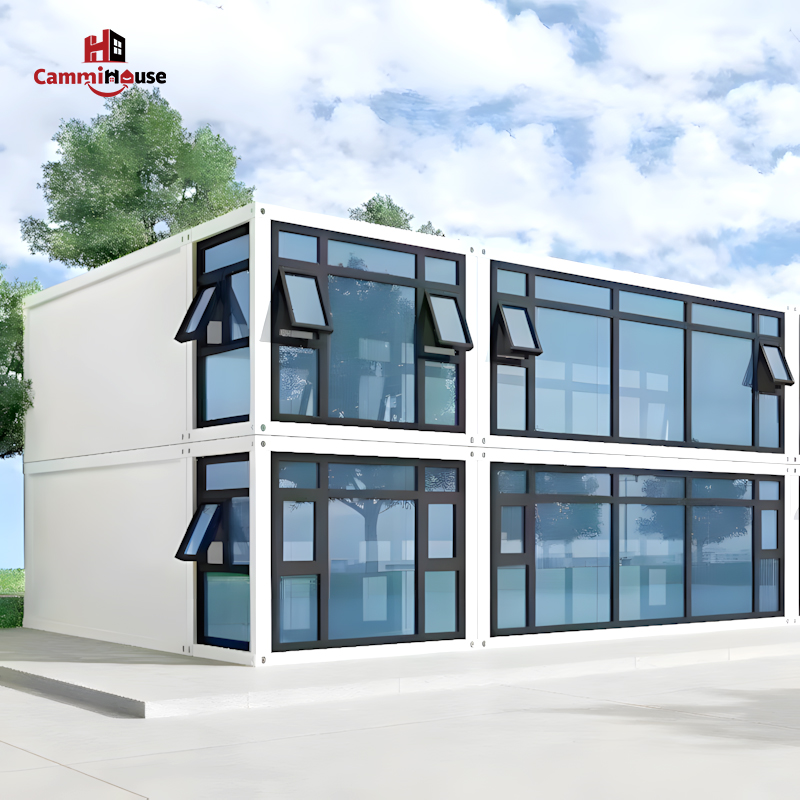
Good container house design includes natural lighting, cross ventilation, and standardized plumbing locations. The International Energy Agency 2023 noted that daylight-focused residential designs can reduce daytime electricity usage by 15%. In Scandinavian prefab projects, large glass openings are commonly paired with insulated steel frames for winter performance.
7. Factory customization reduces post-installation modification costs.
Why factory-built customization matters
Many DIY buyers underestimate the cost of later modifications. Ordering a custom container house with pre-installed wiring, flooring, and bathrooms often reduces renovation expenses after delivery. Several Asian exporters, including Cammihouse, now offer factory-installed solar systems and smart-lock packages for off-grid projects.
8. Choosing the right manufacturer affects long-term reliability.
What separates experienced prefab suppliers
An experienced container house factory usually provides engineering drawings, structural certifications, and shipping support. ISO-certified factories are more likely to meet export standards for North America and Europe. Buyers should also verify welding standards, insulation thickness, and electrical certifications before placing large orders.
FAQ
Q:How many 20ft/40ft units can fit in one 40HQ container?
A: For flat-pack units, typically 4-6 units per 40HQ. For expandable or pre-assembled villas, it's usually one customized unit per shipping container.
Q:Is the internal furniture (cabinets, toilets) secured properly for ocean freight?
A: Yes, all internal items are reinforced with steel strapping and protective foam to prevent shifting and damage during 30+ days of transit.
Q: What kind of foundation is required for these modular units?
A: They can be placed on concrete piers, slab foundations, or helical piles. We provide the foundation loading points plan after the design is finalized.
Author: Justin Mercer, Cammihouse Technical Team.
