

By Justin Mercer, Cammihouse Technical Team
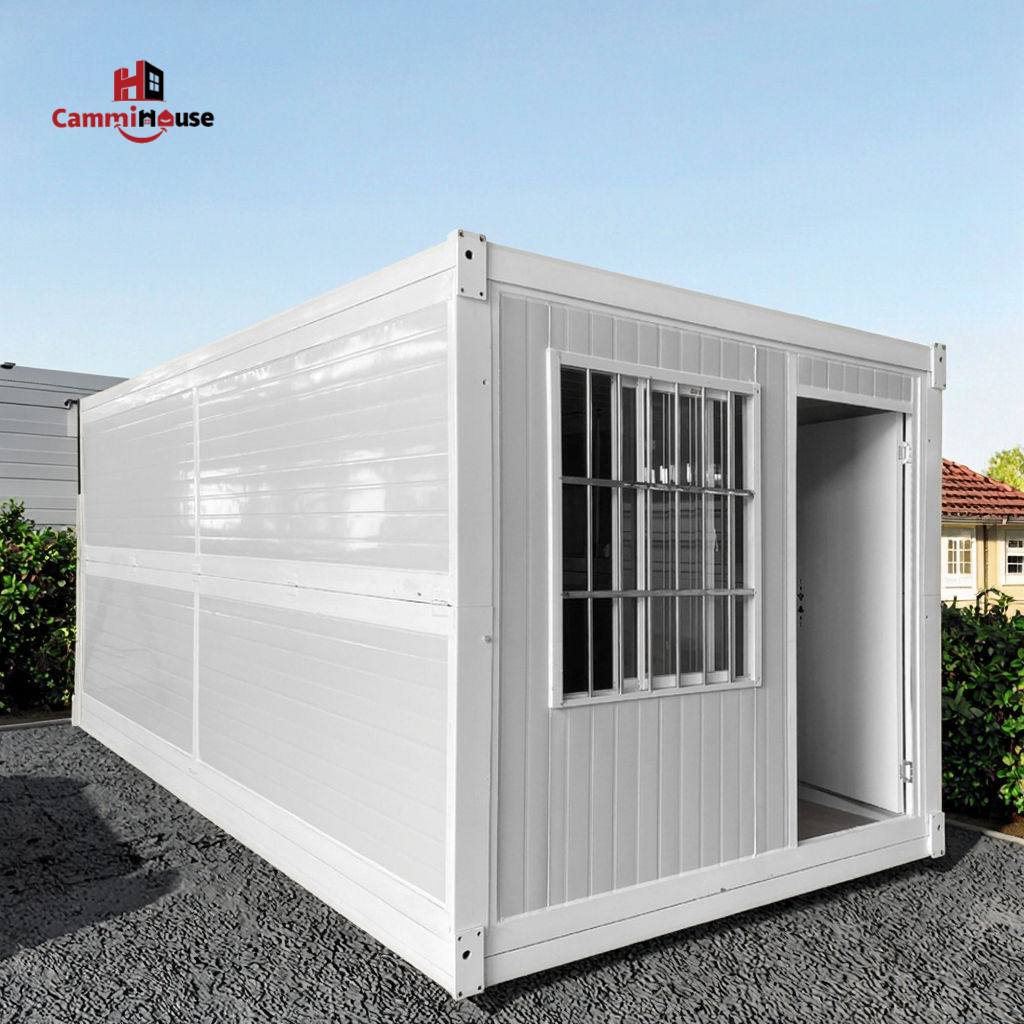
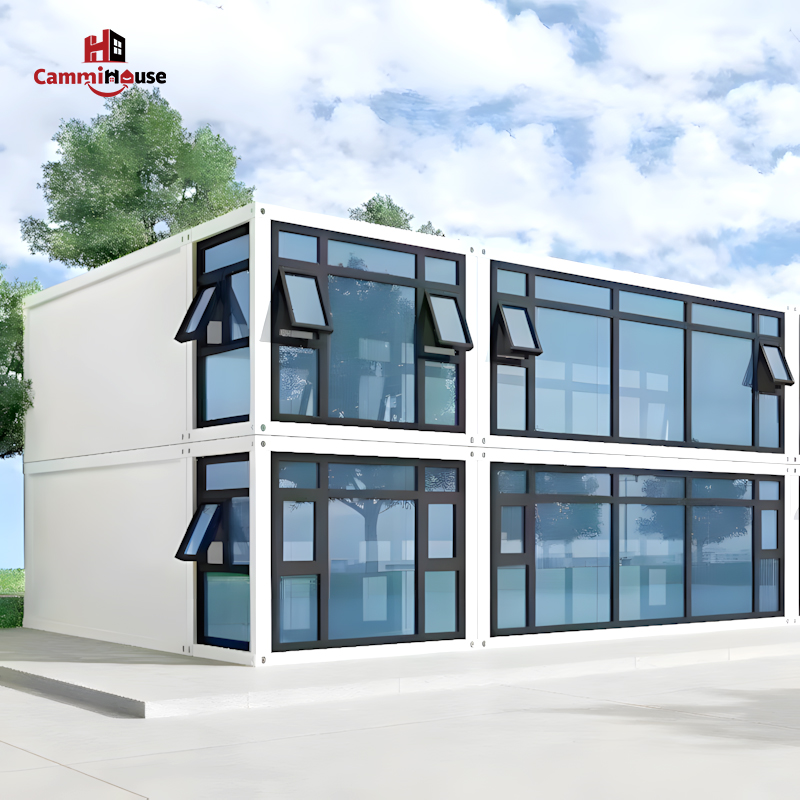
1. Exterior Design Can Completely Hide Container Origins
Cladding and facade systems transform visual identity
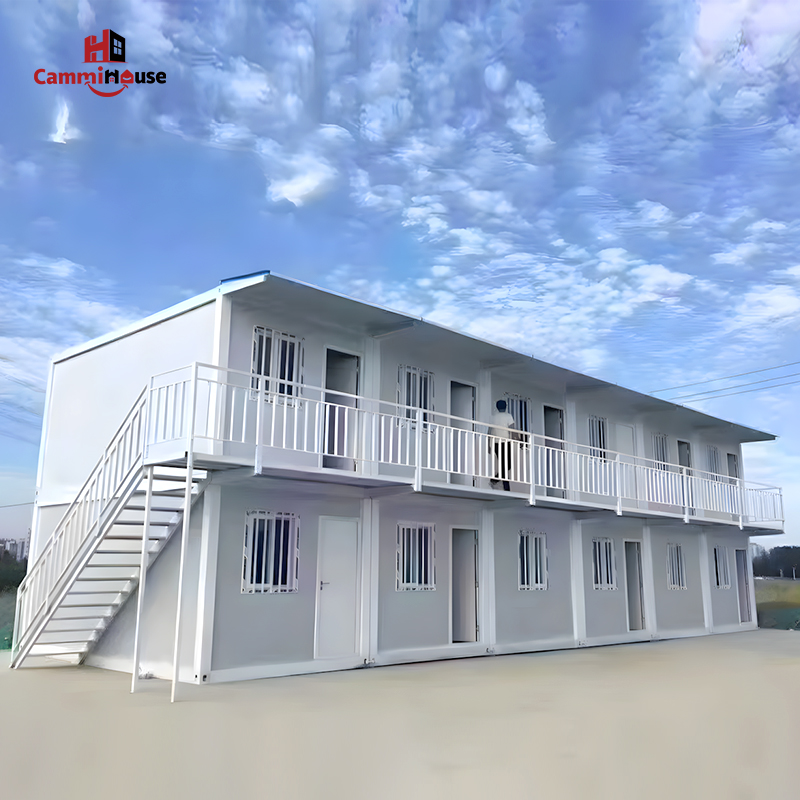
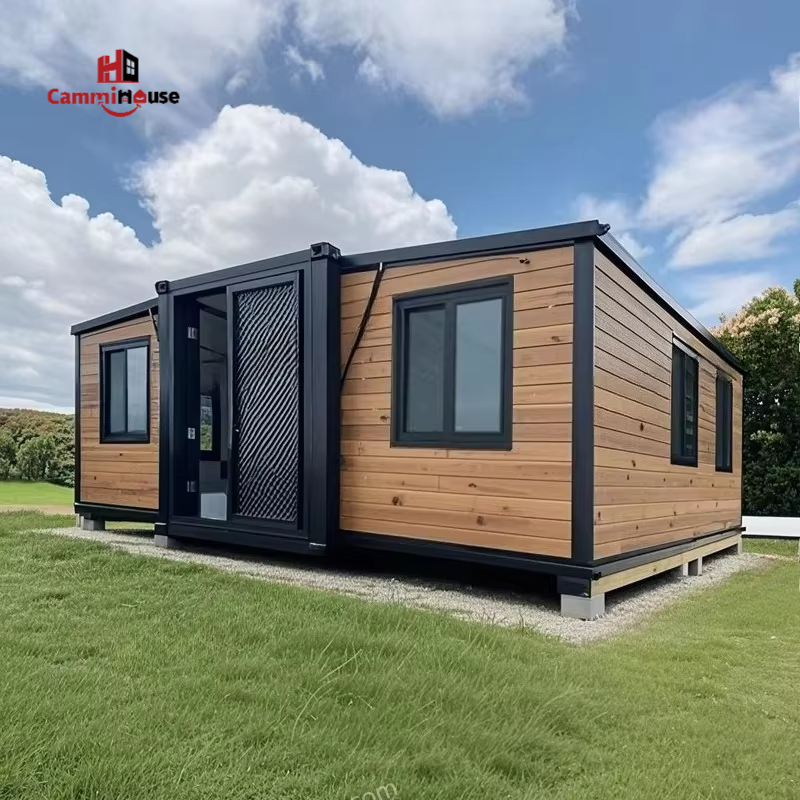
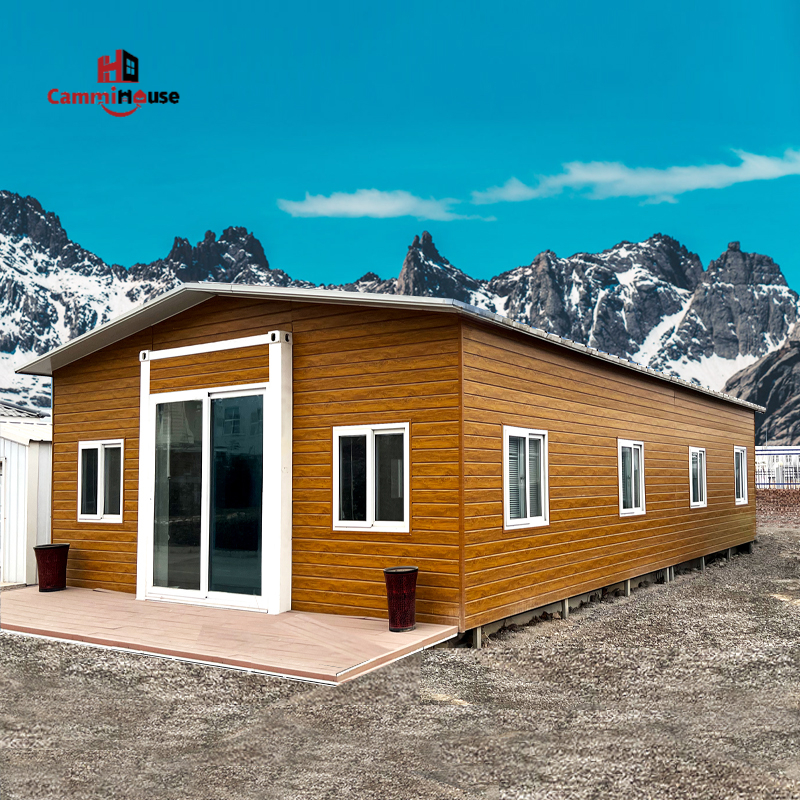
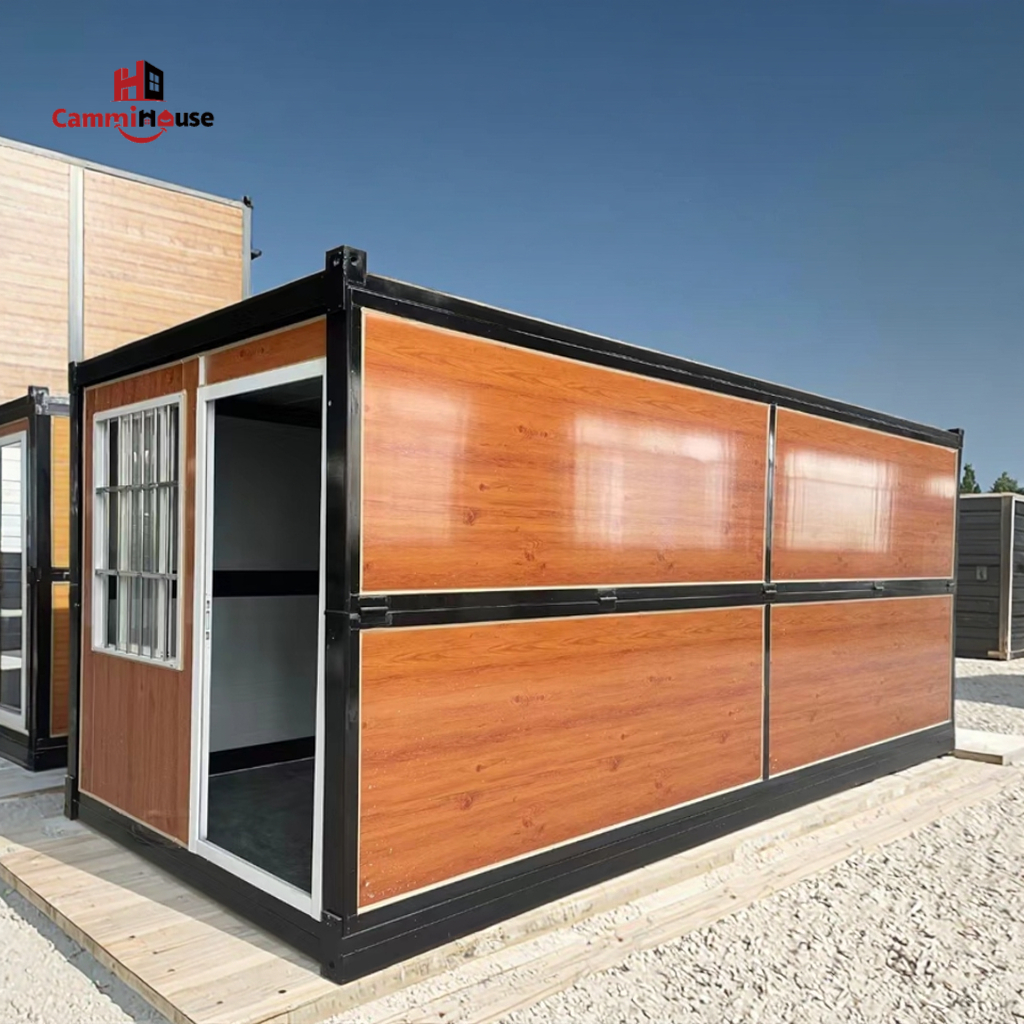
Modern builds prove that a shipping container home does not need to look industrial. Exterior cladding materials such as fiber cement boards, wood panels, or aluminum skins can fully conceal corrugated steel walls.
According to McKinsey (2022), façade upgrades account for 12–18% of total modular construction costs but significantly increase perceived property value. In a 2024 Middle East project, sand-colored cladding helped container homes blend with desert villas.
Conclusion: Exterior finishes can make container houses visually indistinguishable from traditional homes.
2. Structural Systems Enable Open Interior Layouts
Reinforced frames allow wall removal without risk
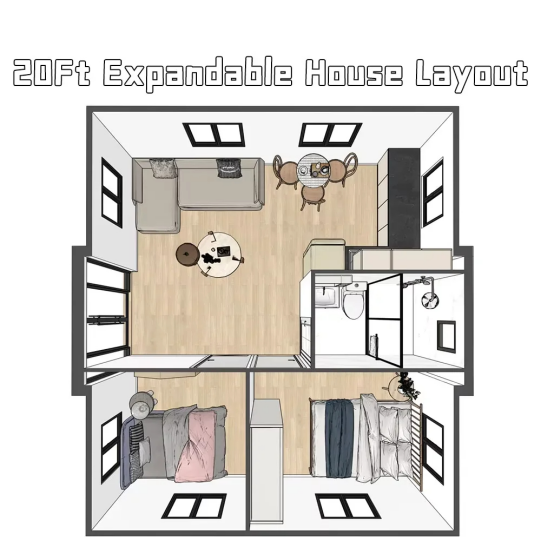
A key misconception is that container homes feel narrow. In reality, structural reinforcements allow multiple walls to be removed safely, creating open-plan layouts in a modular container home.
ISO container frames support loads at corner posts, meaning interior walls are non-load-bearing. Engineers typically add steel beams when merging units.
Conclusion: Structural engineering removes the “boxy” limitation entirely.
3. Interior Finishing Matches Conventional Housing Standards
Drywall, flooring, and lighting eliminate industrial feel
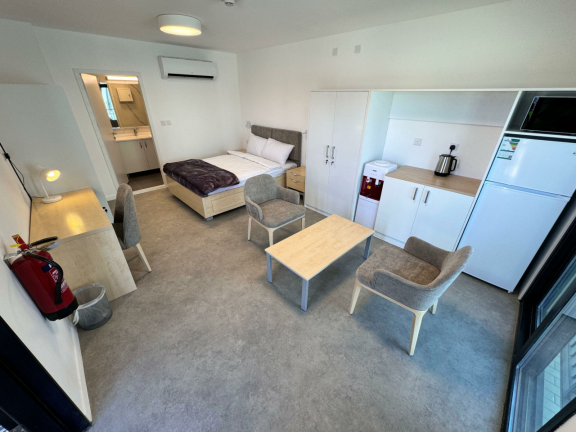
Interior finishing determines user perception. A modern container home uses gypsum board walls, vinyl flooring, and concealed wiring to replicate standard housing interiors.
In U.S. prefab housing benchmarks (NAHB 2023), buyers could not distinguish container-based units after interior completion in 67% of cases.
Conclusion: Interior finishing plays a bigger role than structure in user perception.
4. Insulation Systems Improve Comfort and Silence
Proper insulation eliminates temperature and noise issues
Thermal comfort is often questioned, but container home insulation systems solve this effectively. Spray foam or rock wool can achieve R-values comparable to traditional walls.
U.S. DOE (2021) shows insulated modular units can reduce energy consumption by up to 30%. In mining camps, insulated container units maintain stable indoor temperatures even under extreme weather.
Conclusion: Insulation makes container homes perform like conventional buildings.
5. Design Flexibility Supports Minimalist Architecture
Clean lines align with modern design trends
A minimalist container house benefits from the inherent geometry of containers. Straight edges and modular proportions align well with contemporary architectural preferences.
In urban California projects, architects favor container-based layouts for compact housing due to predictable dimensions and reduced material waste.
Conclusion: Container structures naturally support minimalist design aesthetics.
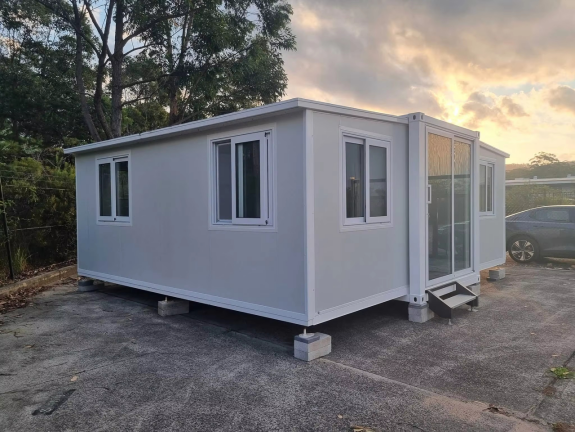
6. Prefabrication Improves Build Speed and Accuracy
Factory production reduces on-site uncertainty
A prefab container house is typically 70–90% completed in factory conditions before delivery. This reduces construction time and minimizes weather-related delays.
McKinsey (2022) reports modular construction can cut project timelines by up to 50%. In remote oilfield housing, this speed is critical for deployment.
Conclusion: Prefabrication ensures consistent quality and faster delivery.
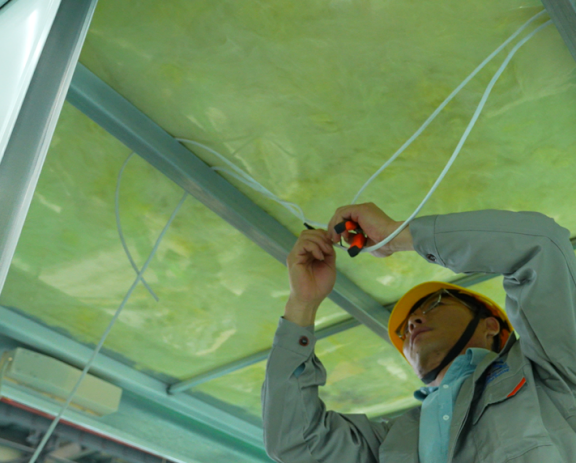
7. Customization Options Expand Functional Use
Tailored layouts meet diverse application needs
A custom container house can be adapted for residential, commercial, or temporary use. Layouts can include multiple bedrooms, offices, or integrated utility systems.
In a 2024 Cammihouse project survey, over 60% of clients requested custom layouts for mixed-use purposes such as living + workspace combinations.
Conclusion: Customization allows container homes to fit multiple real-world scenarios.
8. Manufacturer Expertise Determines Final Quality
Choosing the right container house factory ensures reliability
The final appearance and performance depend heavily on manufacturing expertise. A reliable container house design process includes structural validation, insulation planning, and precise module integration.
Cammihouse projects typically use pre-engineered modules to reduce alignment errors and improve installation efficiency.
Conclusion: The factory’s capability directly impacts whether a container home looks “invisible.”
FAQ
1. Q: What is the R-value for the floor, walls, and roof insulation? Yes, with proper
A: We offer various options: EPS, Rockwool, or PU spray foam. For the US market, we typically provide PU spray foam to achieve R-21 to R-30 ratings depending on the region.
2. Q: How do you handle wind and snow load requirements for high-altitude or coastal areas?
A: Our customized villas use reinforced galvanized steel frames. We can design for wind speeds up to 110-140 mph and snow loads exceeding 50 lbs/sq ft.3. Is modular container housing suitable for long-term living?
3.Q: Since I sell windows and doors, can I provide my own NFRC-rated windows for you to install?
A: Absolutely. We can either leave the rough openings based on your specs or you can ship your windows to our factory for pre-installation.
