
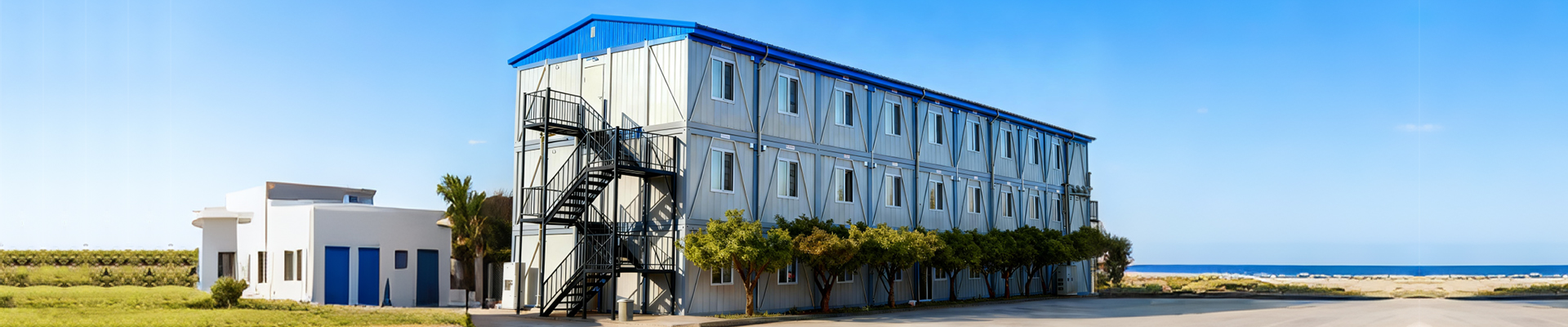
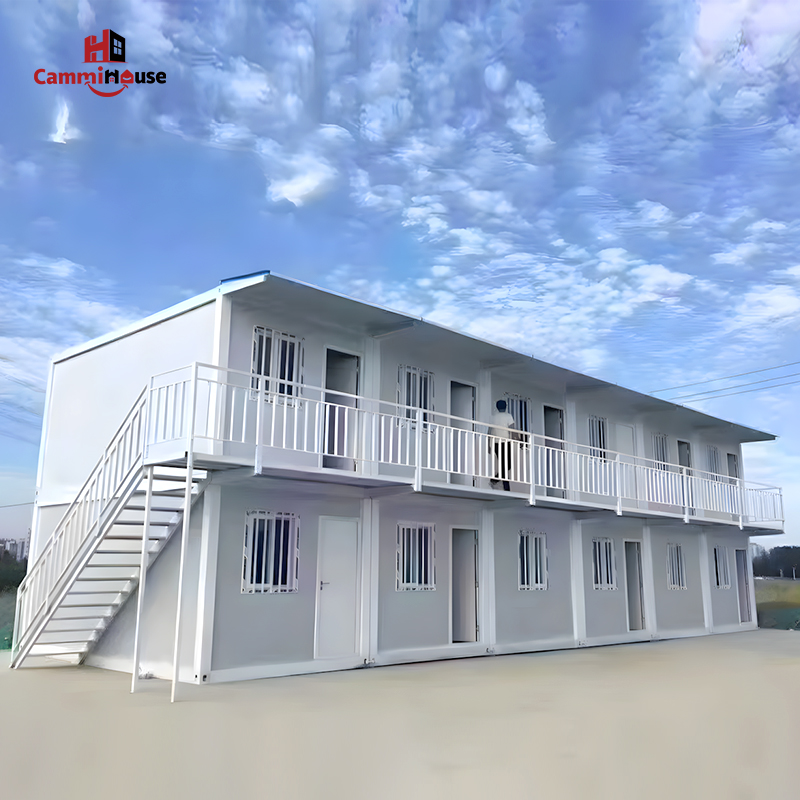
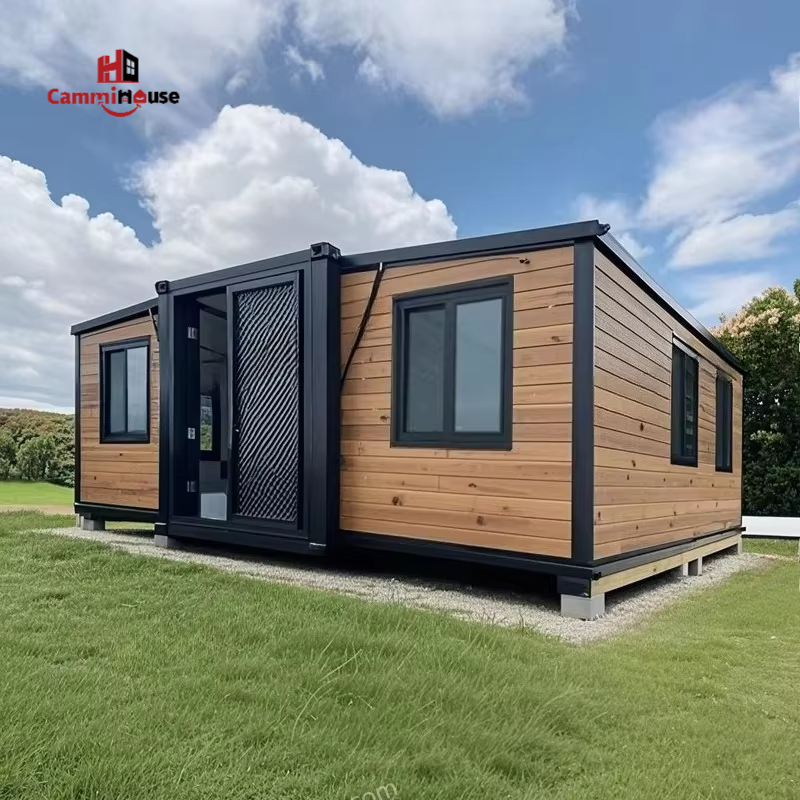
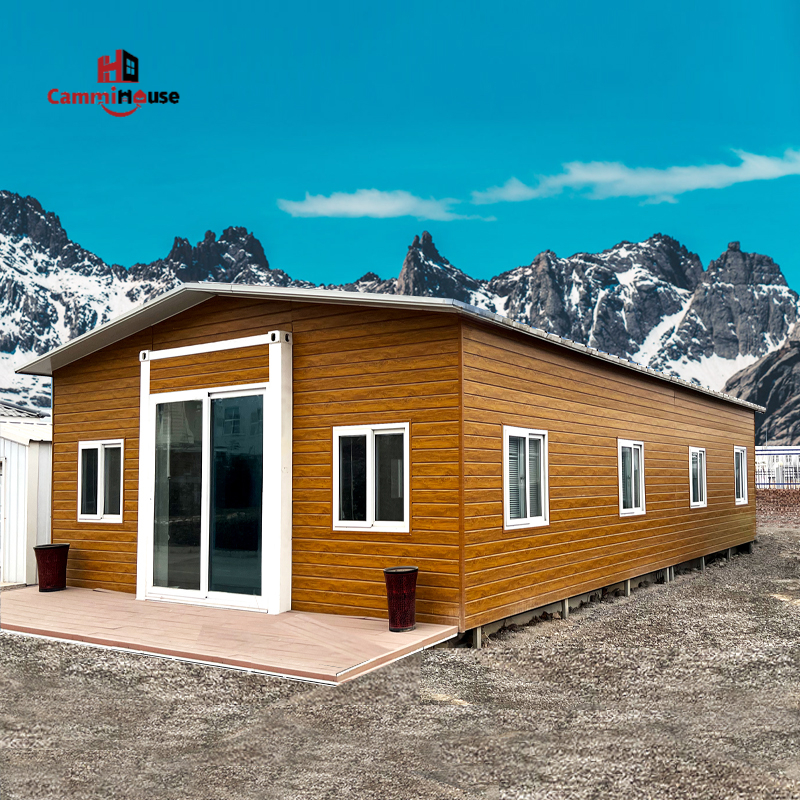
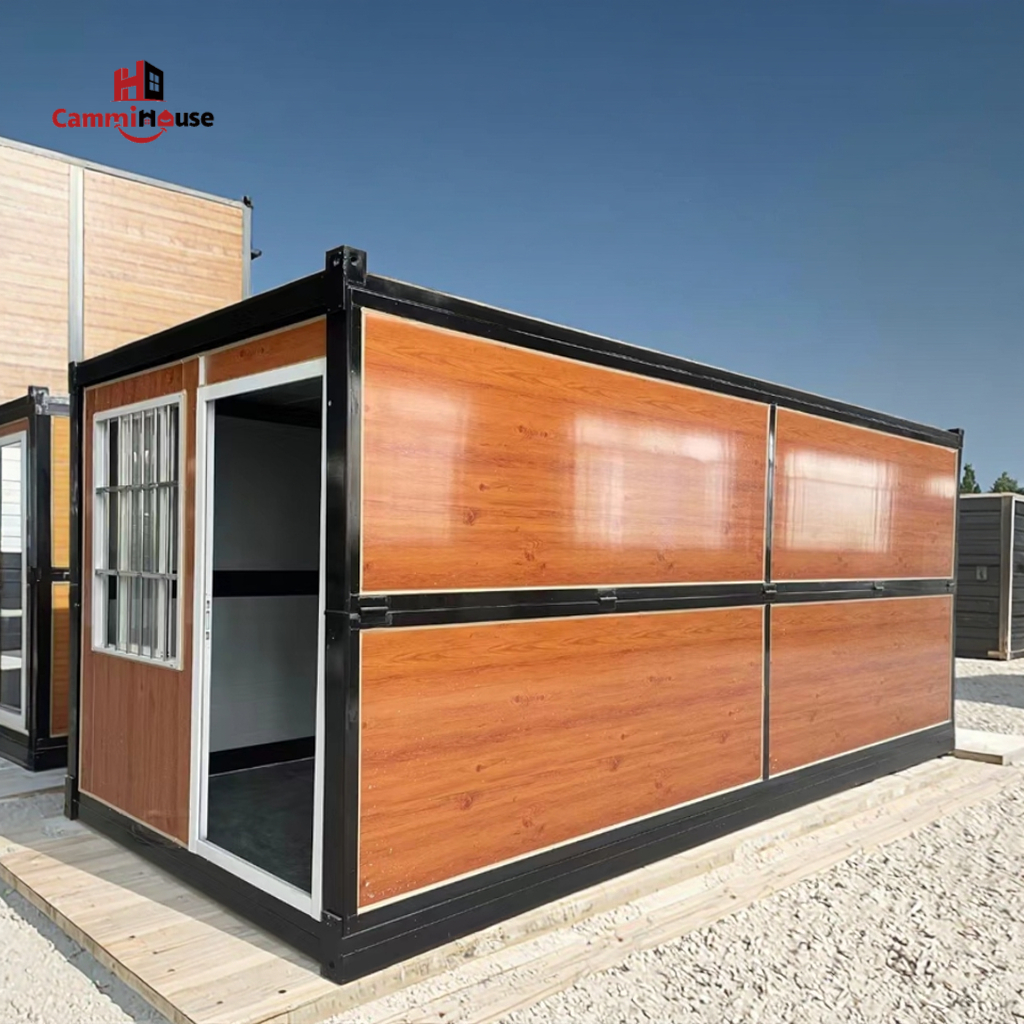
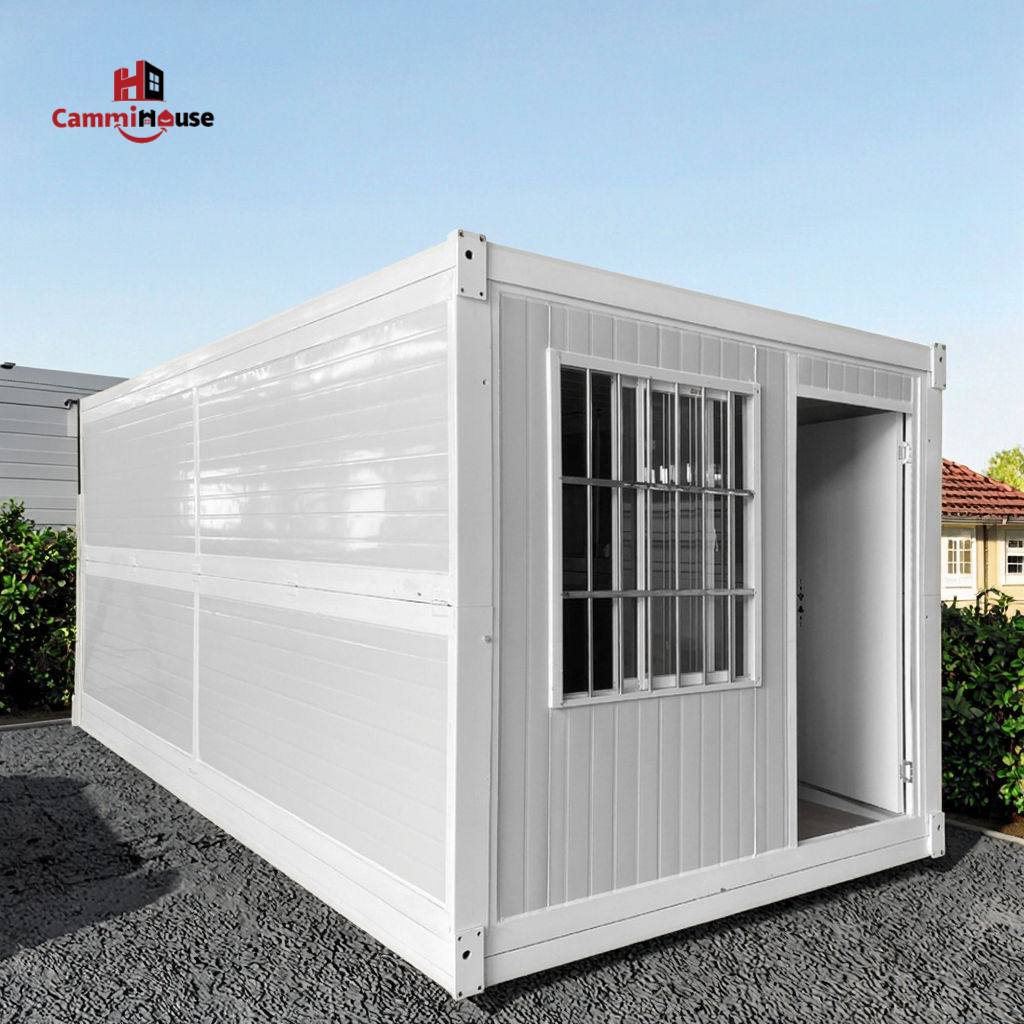
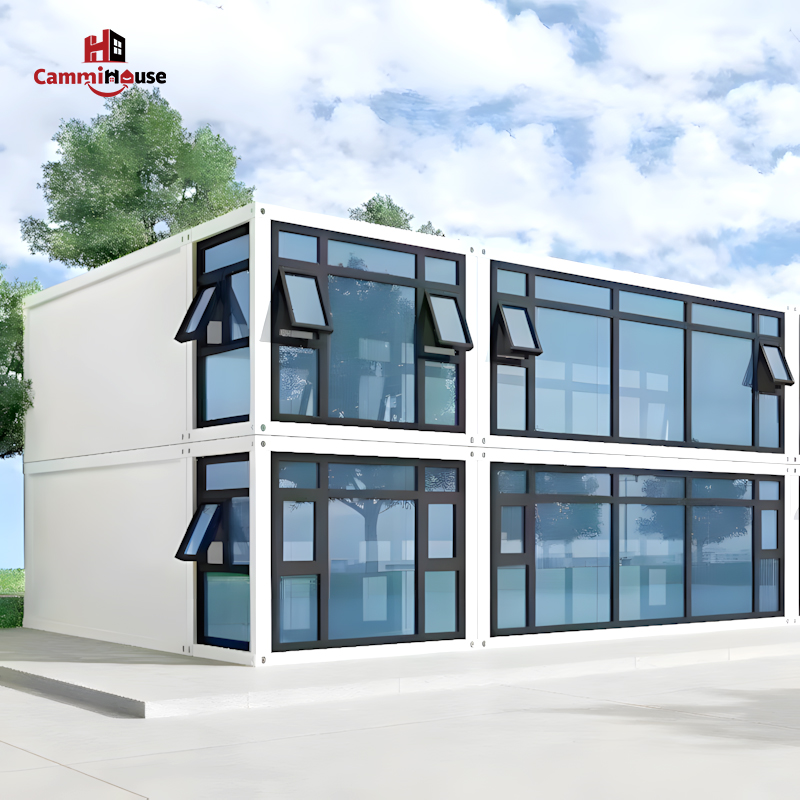
Eco-hotel camps benefit from modular construction when sustainability, speed, and operational flexibility top the priority list. A modular container home reduces site disturbance, simplifies logistics, and supports resource-efficient operations once insulation, energy systems, and layout are properly engineered.
1. Modular Container Homes Reduce Construction Waste
Factory Manufacturing Creates Better Material Control
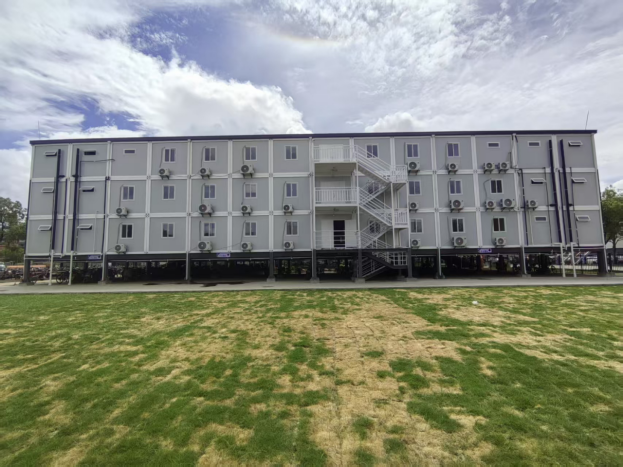
Factory assembly cuts waste before a single module reaches the site. A modular container home is built in a controlled production environment, then transported once finished. According to McKinsey 2022, modular construction can reduce material waste by up to 30% compared with site-built methods. For eco-hotel operators, that translates directly into lower disposal costs and a smaller environmental footprint per room.
2. Faster Construction Reduces Site Disturbance
Why Factory Production Supports Sustainability
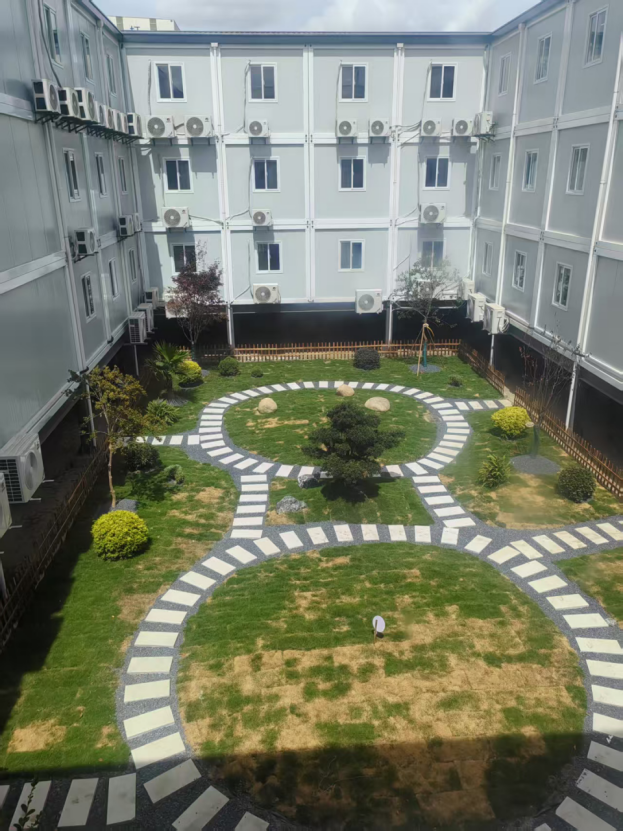
Shorter build schedules mean less disruption to the surrounding land. Factory-built modules generate less material waste than conventional construction, and McKinsey 2022 reported the same 30% reduction figure when comparing modular methods to traditional builds. A container house factory also standardizes insulation, wiring, and plumbing before delivery, so on-site work is limited mainly to foundation prep and module connection.
3. Energy Efficiency Depends on Design
Insulation and Passive Cooling Matter
Energy savings come from the building envelope, not the steel shell. A modern container home fitted with rock wool insulation, double-glazed windows, and roof shading can lower cooling demand significantly in hot climates. The U.S. DOE 2021 found that envelope improvements of this kind can cut heating and cooling energy use by 20 to 30%, a meaningful figure for any off-grid or solar-powered camp.
4. Flexible Layouts Fit Different Tourism Markets
From Desert Resorts to Forest Lodges
Modular systems let operators grow capacity without rebuilding from scratch. A custom container house can be configured as guest rooms, a reception area, a restaurant, or staff housing, depending on what the site needs first. In Middle Eastern tourism projects, developers commonly launch with 10 to 20 rooms and add units in phases as occupancy climbs, spreading capital cost across several seasons.
5. Transportation Efficiency Improves Project Economics
Shipping-Friendly Structures
Standardized dimensions keep logistics simple and predictable. Ashipping container home moves through existing freight networks already built around ISO container sizes. Compared with many conventional prefabricated structures, this container-based approach typically requires fewer special transport permits when crossing borders, which matters for remote international hospitality sites.
6. Water-Saving Systems Work Well in Remote Camps
Practical Off-Grid Solutions
Eco-hotel camps gain the most when water management is built in at the factory stage. Rainwater harvesting, greywater recycling, and low-flow fixtures can all be installed during manufacturing rather than retrofitted later. This approach shows up regularly in safari camps and other remote tourism destinations where municipal water infrastructure simply does not reach the site.
7. Durability Supports Long-Term Operations
Maintenance Is the Key Factor
Properly protected steel structures can serve hospitality projects for decades. ISO shipping containers are engineered for harsh transport conditions at sea, which gives them a strong starting point on land. With corrosion protection and periodic maintenance, container-based hotel units can reach service lives exceeding 25 years across a wide range of climates, from coastal humidity to desert heat cycling.
8. Manufacturer Selection Affects Project Success
Evaluating Suppliers
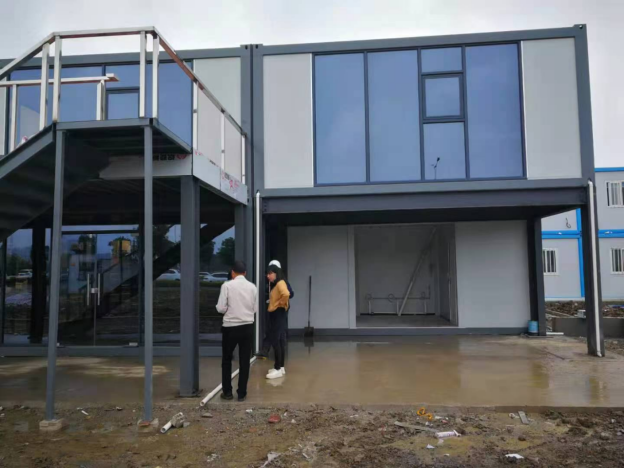
The supplier's engineering capability matters more than the container itself. When selecting a prefab container house manufacturer, buyers should review structural calculations, insulation specifications, and a track record of completed hospitality projects rather than price alone. In a 2024 Cammihouse project survey, hotel developers ranked energy efficiency and installation speed as their two most important purchasing factors, ahead of unit cost. Cammihouse's engineering team works directly with operators on container house design choices such as insulation grade, window placement, and module sequencing before production begins.
FAQ
Q1. Are modular container homes environmentally friendly?
Yes. Their environmental performance comes from reduced construction waste, shorter installation periods, and the ability to integrate energy-saving systems. Sustainability depends on insulation quality, energy systems, and site planning, not the steel structure alone.
Q2. How long can a modular container hotel last?
With proper coatings, drainage design, and routine maintenance, container-based hotel buildings can remain operational for more than 25 years. Climate conditions and maintenance schedules affect lifespan more than the original container's age.
Q3. Are modular container homes suitable for remote eco-tourism projects?
Yes. Modular units are widely used in mining camps, safari lodges, desert resorts, and mountain tourism projects. Their transportability, rapid installation, and compatibility with off-grid systems make them practical for locations with limited infrastructure.
Justin Mercer, Cammihouse Technical Team.
