
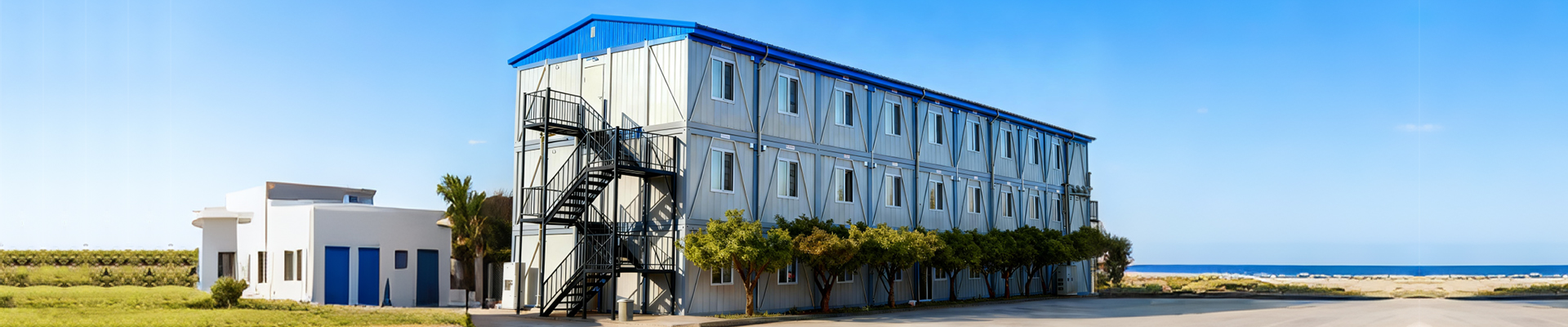
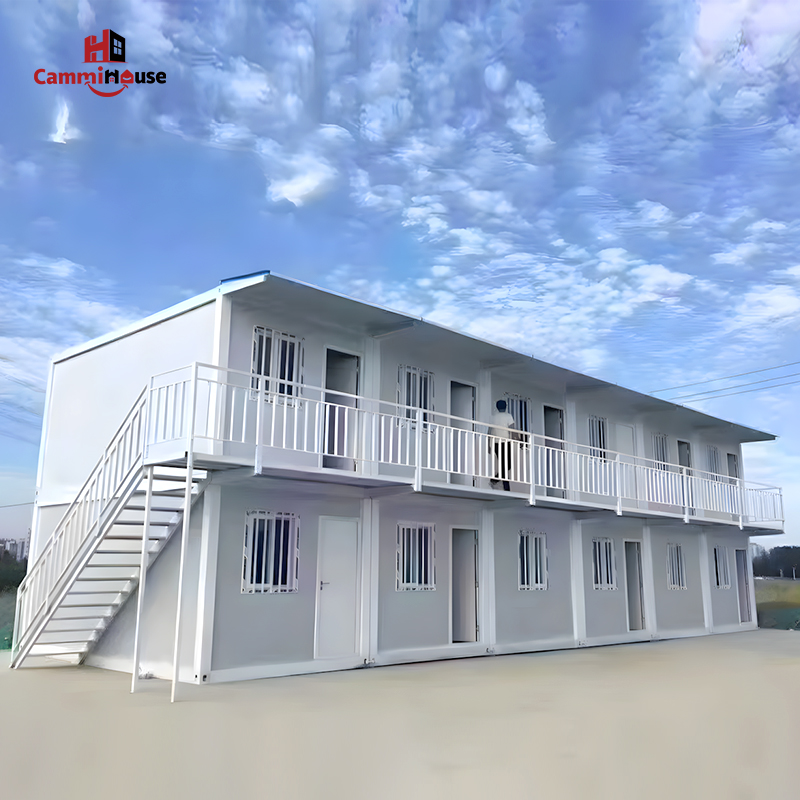
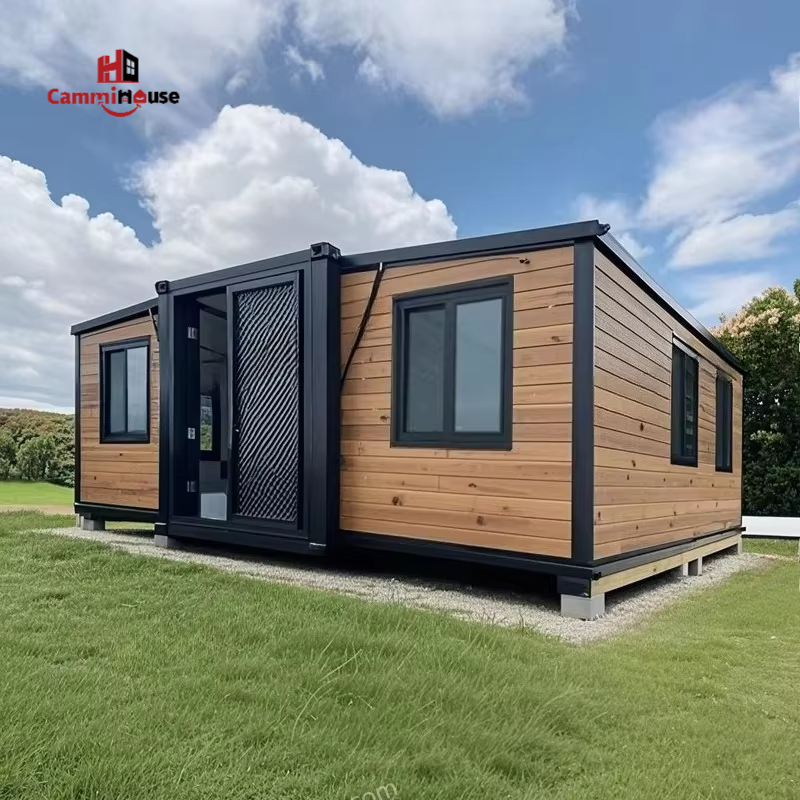
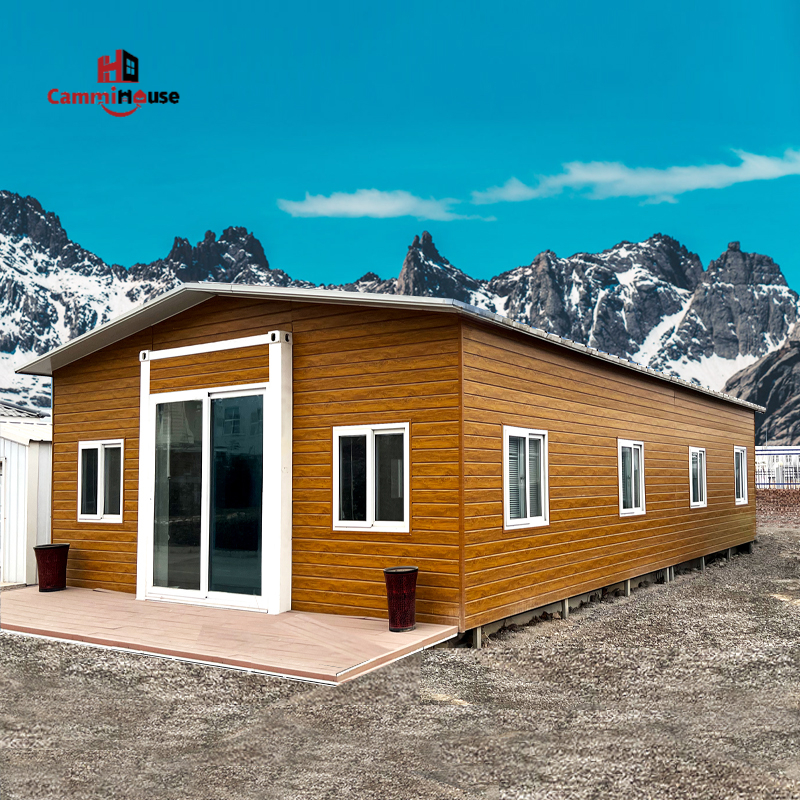
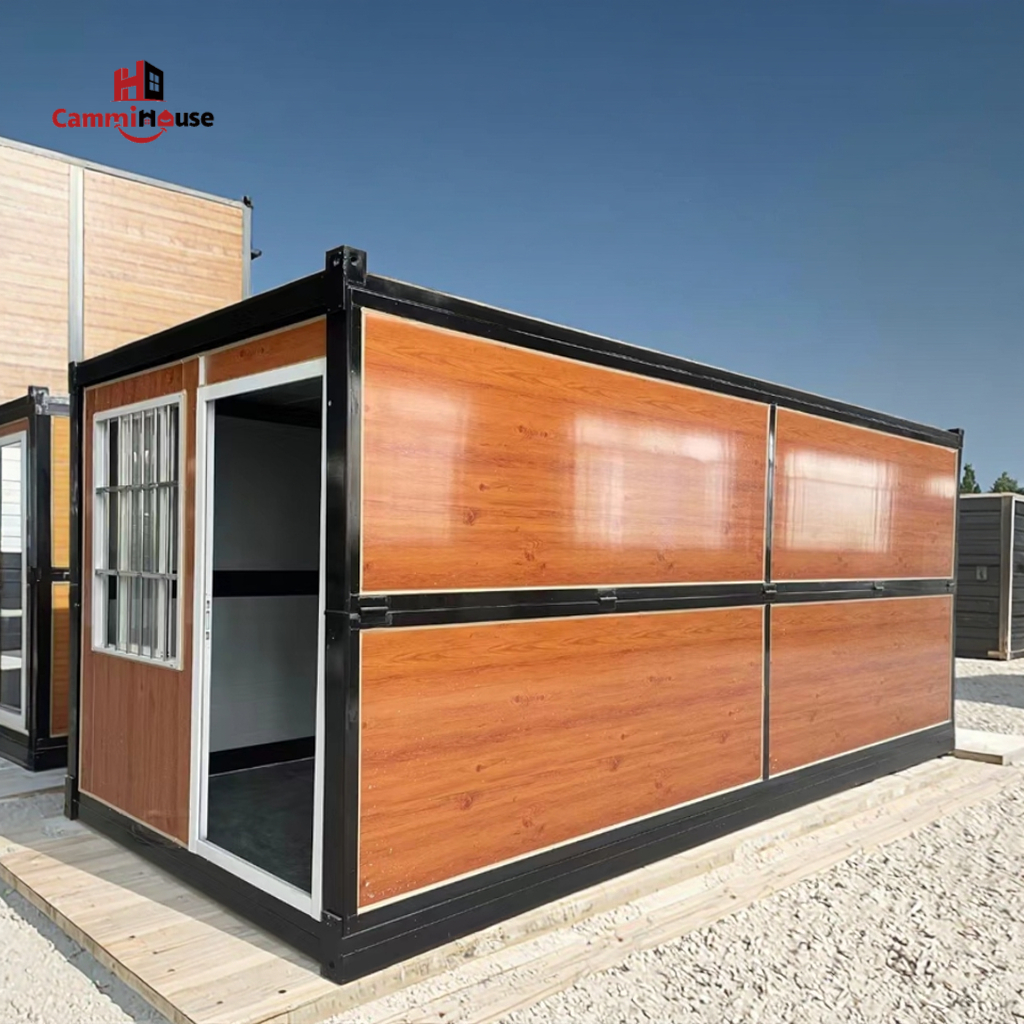
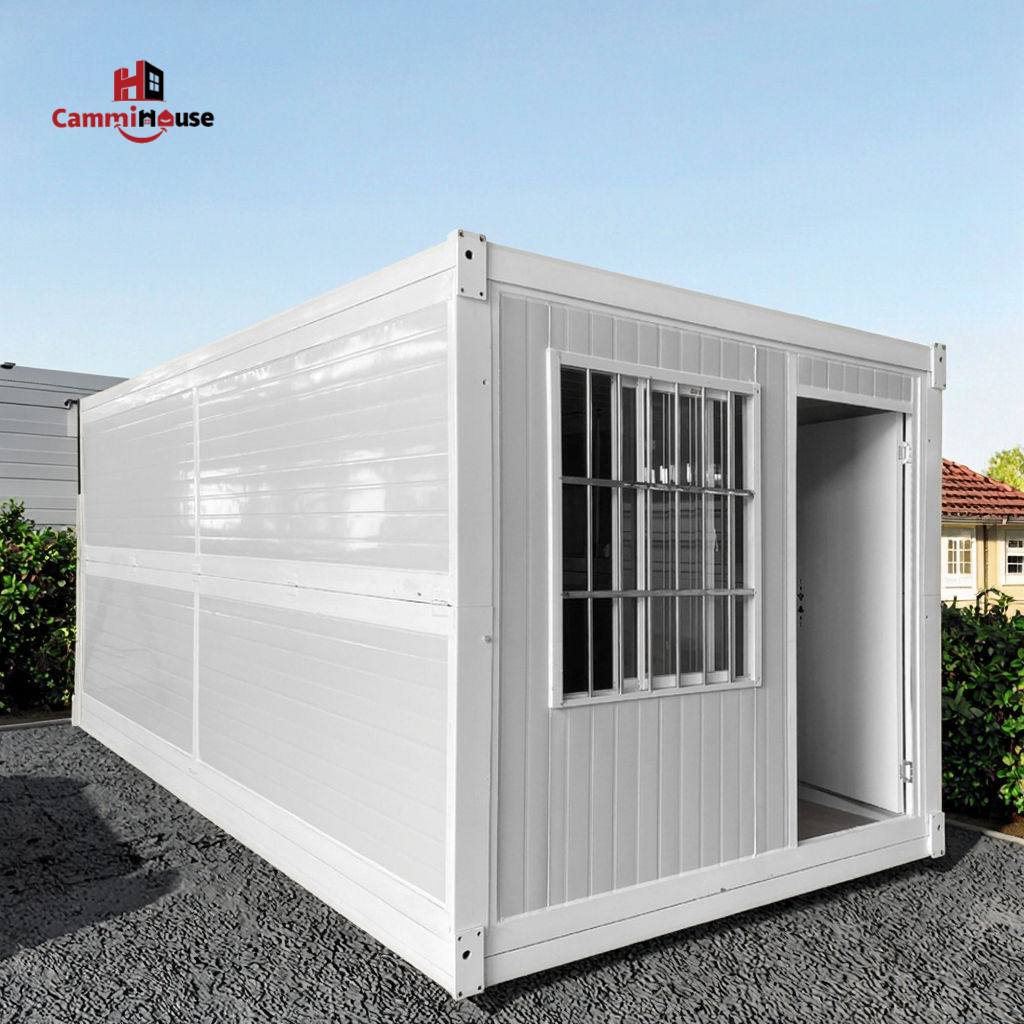
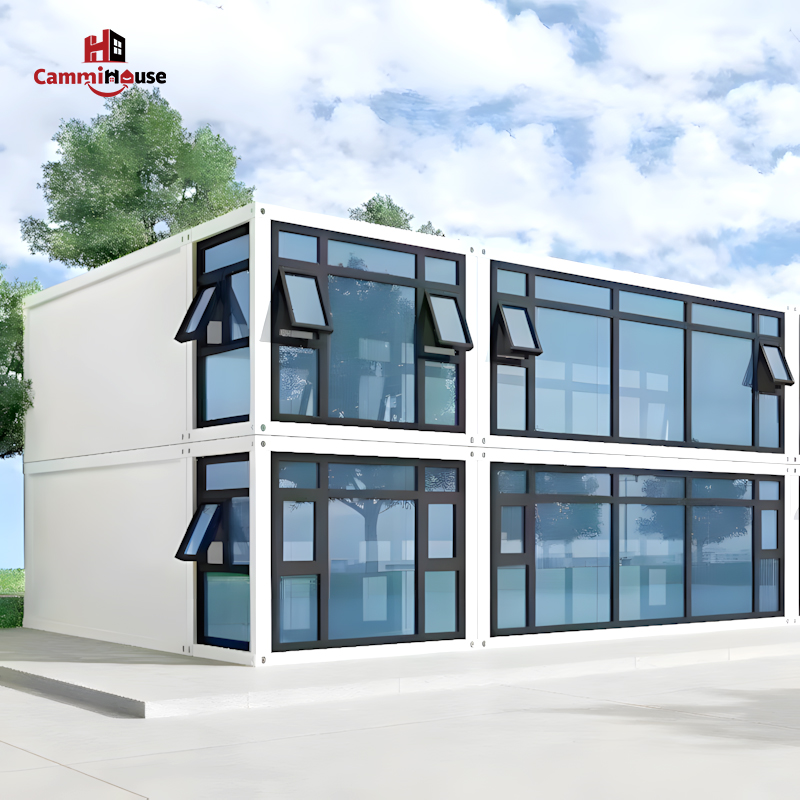
The unique features of a detachable container house make it ideal for moving, pausing, or scaling projects. It provides flexibility for temporary engineering projects, rental companies, and phased developments. This guide describes the systems of detachment, optimal operational areas, and the cost-effective reuse of container housing.
Detachable Design Features
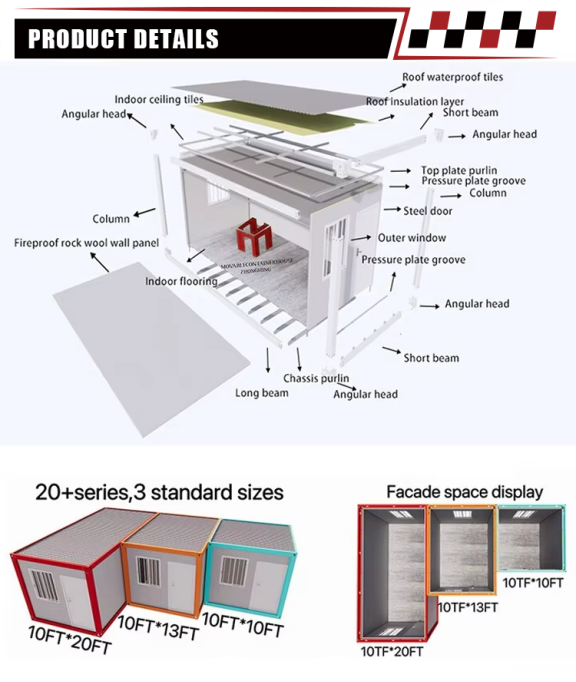
A detachable container house is built around separation, not permanence. Core structural elements—columns, beams, wall panels, and roof units—are connected using standardized bolts instead of welding. This allows the unit to be taken apart without damaging materials.
Modular Structural Logic
Each module follows unified size and load standards, so parts remain interchangeable after relocation. In CammiHouse systems, panels and frames are engineered to maintain tolerance after multiple assemblies, which reduces deformation risk during reuse.
Component-Level Independence
Walls, floors, and MEP interfaces are designed as independent units. This makes partial replacement possible, extending the overall lifecycle without replacing the full structure.
Assembly Process
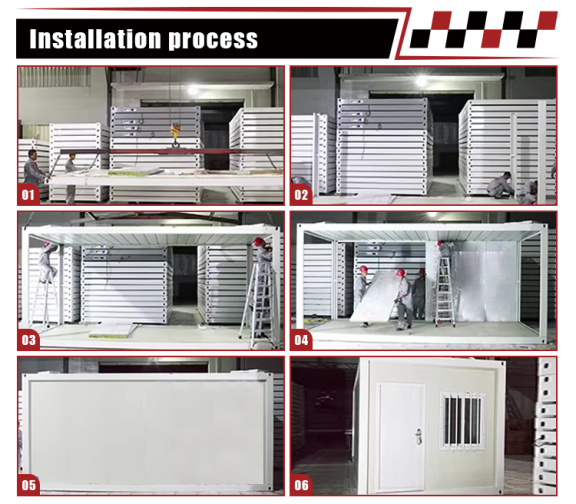
Fast deployment is a primary advantage of detachable container houses. On-site assembly typically relies on light equipment and pre-numbered components, reducing dependency on skilled labor.
Step-by-Step Installation
Foundations are minimal—often steel footings or concrete pads. Structural frames are bolted first, followed by wall panels, roofing, and integrated utilities. A standard unit can be assembled in 1–3 days depending on size and configuration.
Disassembly Without Material Loss
Because no permanent joints are used, dismantling does not degrade panels or frames. This is critical for projects that relocate every 6–18 months.
Reusability Advantages
Reusability is the defining value of a detachable container house. Unlike fixed modular buildings, the same unit can serve multiple projects over its lifespan.
Rental Market Performance
According to industry data from modular rental operators (Modular Building Institute, 2023), reusable modular units reduce per-project building costs by 30–45% when deployed across three or more sites.
Lifecycle Extension
Instead of treating buildings as single-use assets, detachable systems behave like equipment. CammiHouse designs specifically target engineering contractors who redeploy housing across infrastructure, mining, and energy projects.
Transport & Storage
Transport efficiency directly affects reuse economics. A detachable container house can be flat-packed, dramatically reducing shipping volume.
Flat-Pack Logistics
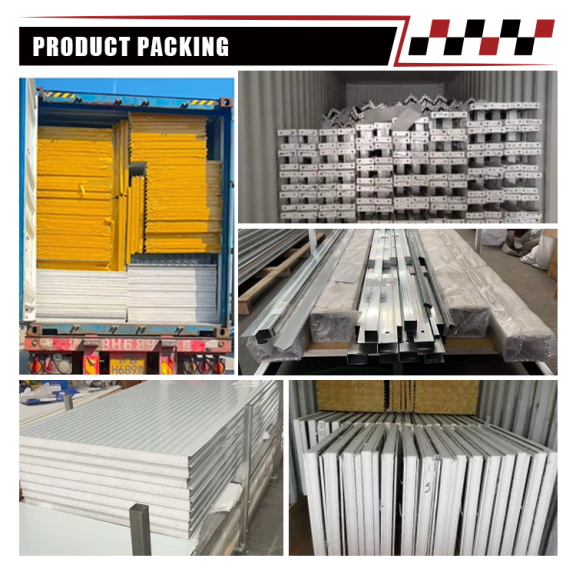
Disassembled units fit into standard shipping containers or stacked on flatbed trucks. This lowers international freight costs and simplifies customs handling.
Off-Site Storage Flexibility
When not in use, components can be stored in warehouses without occupying full building footprints, reducing idle asset costs.
Best Applications
Detachable container houses perform best where permanence is a disadvantage. They are widely used in temporary and semi-temporary scenarios.
Engineering & Infrastructure Projects
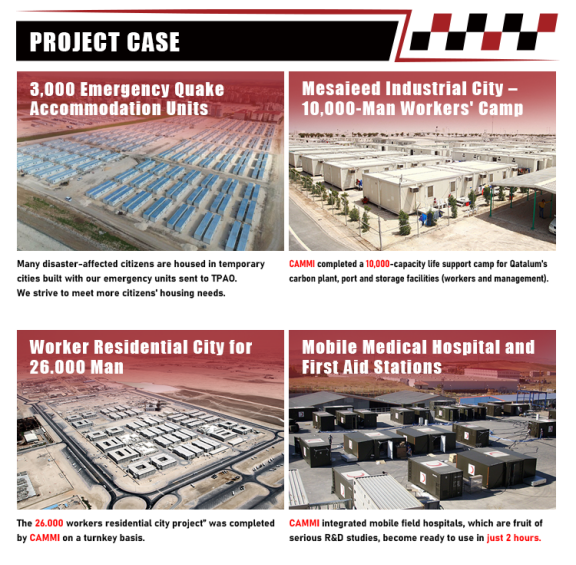
Road, bridge, and energy projects often require housing that moves with the project timeline. CammiHouse products are designed for repeated transfers without structural fatigue.
Event & Temporary Commercial Use
Pop-up offices, temporary classrooms, and exhibition spaces benefit from rapid setup and removal without site damage.
Cost-Effectiveness Analysis
Initial purchase cost does not define value—reuse does. A detachable container house may cost slightly more upfront than welded units, but total lifecycle cost is significantly lower.
Cost Per Deployment
When reused across multiple projects, the cost per use decreases sharply. Studies show that after the third deployment, detachable systems outperform traditional prefab units in ROI (Source: MBI Modular Construction Report, 2023).
Maintenance & Replacement Savings
Component-level replacement reduces long-term maintenance expenses, avoiding full-unit retirement.
FAQ
Q1: How many times can a detachable container house be reused?
Most high-quality detachable container houses can be reused 5–10 times, depending on transport conditions and maintenance. Systems designed for engineering projects, like CammiHouse models, focus on joint durability and panel resilience to support multiple relocations without structural degradation.
Q2: Is a detachable container house suitable for long-term use?
Yes. While optimized for temporary projects, detachable container houses can remain on one site for years. The key advantage is flexibility—the structure can be relocated or reconfigured when project needs change, without rebuilding from scratch.
Q3: Does repeated assembly affect structural safety?
When properly engineered, repeated assembly does not compromise safety. Standardized bolt connections, load-tested frames, and replaceable fasteners ensure consistent performance across deployments, as long as installation guidelines are followed.
