
Folding Mechanism Design
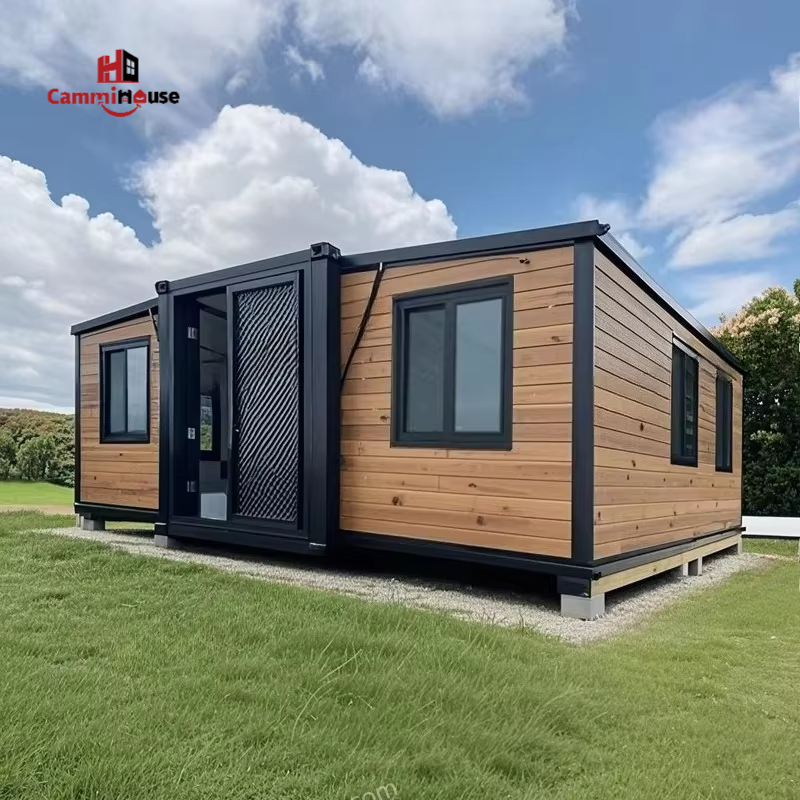
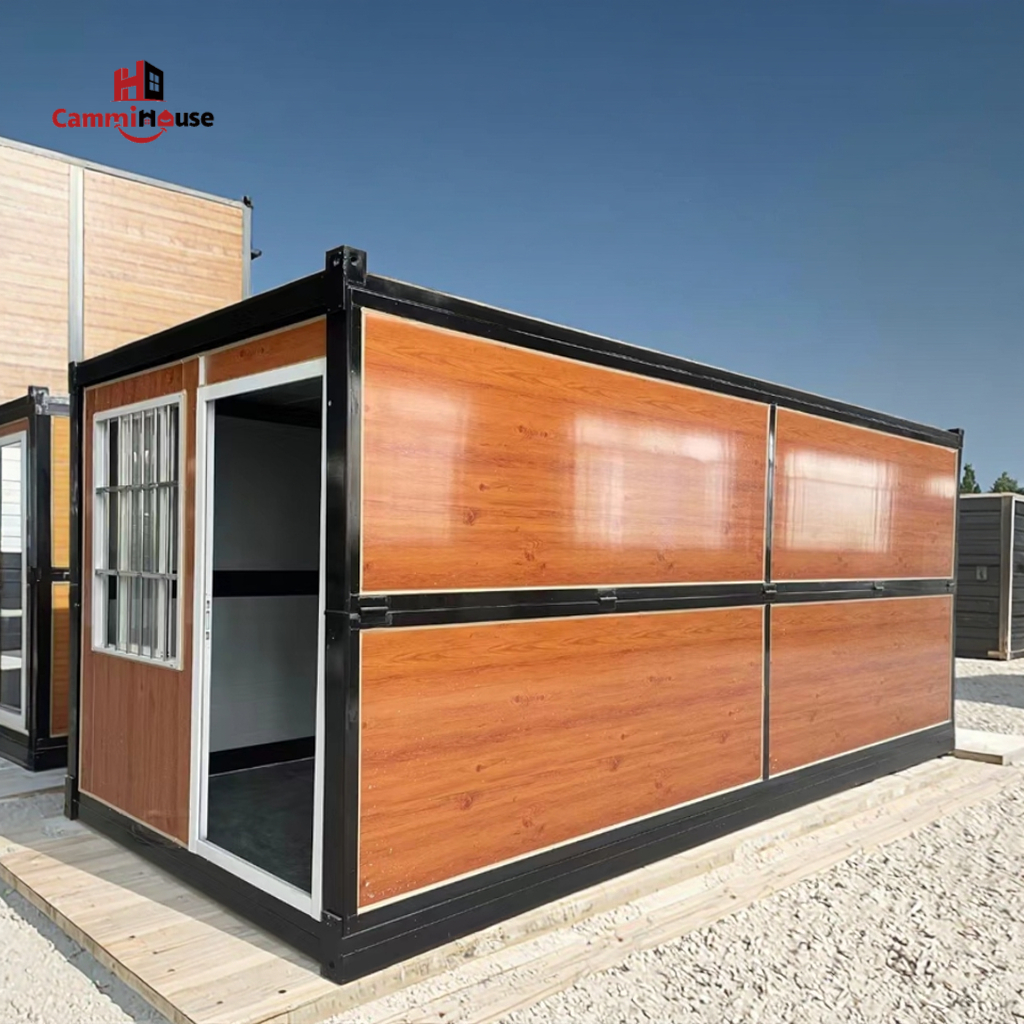
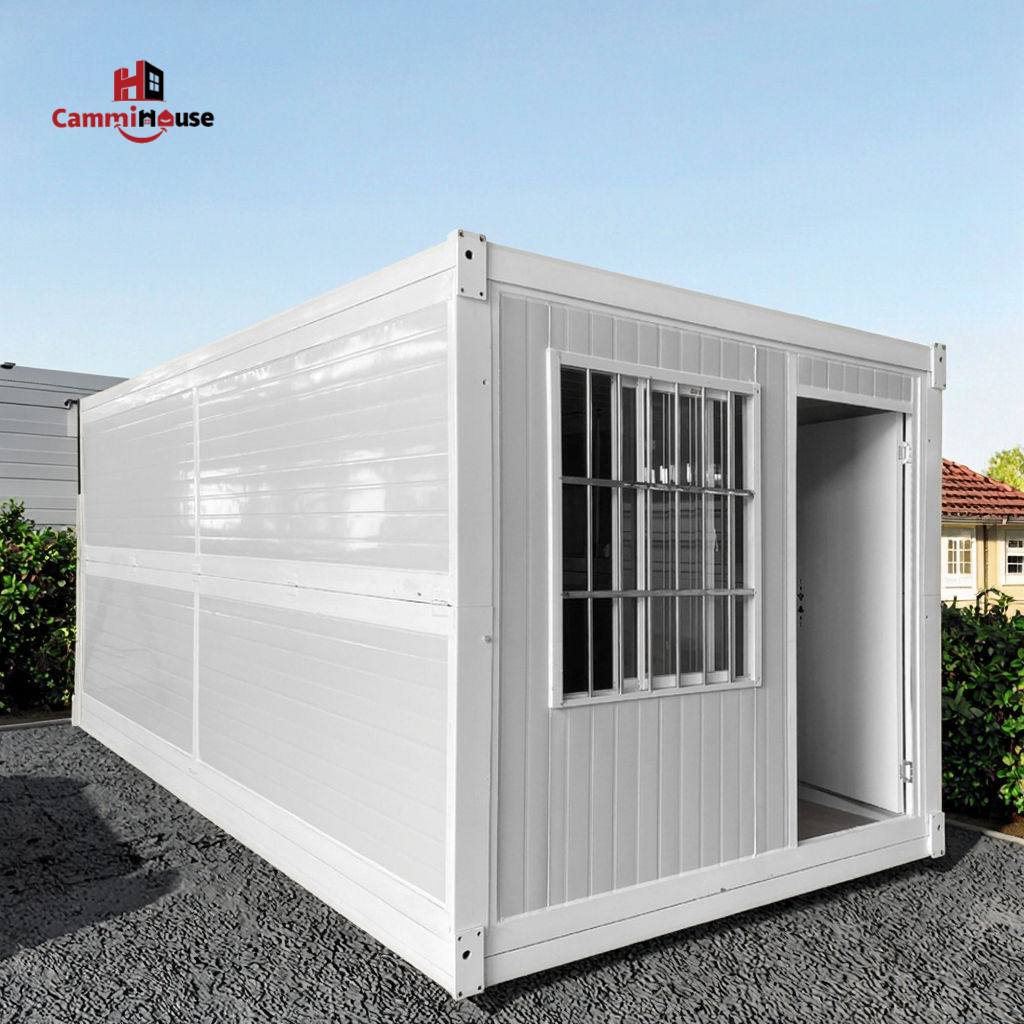
Folding container houses collapse to one-fifth their deployed size through a hinged wall and roof system that folds inward around a central steel frame. The base platform and corner posts remain rigid while side walls, end walls, and roof panels fold down using integrated piano hinges or hydraulic actuators. A 20ft folding unit measures 20ft x 8ft x 8.5ft when deployed but compresses to 20ft x 8ft x 1.8ft when folded—reducing shipping volume by 80% compared to fully assembled containers.
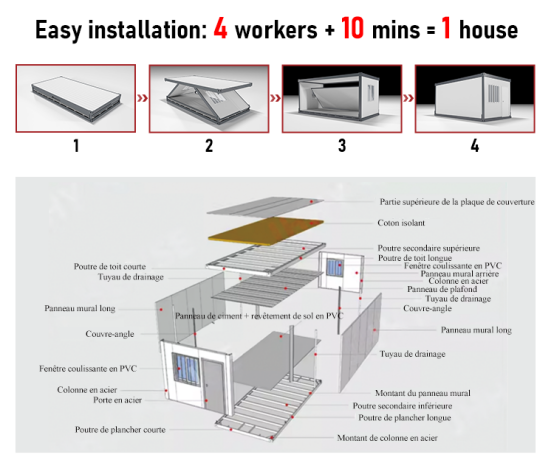
The folding sequence follows a specific pattern to prevent structural interference. Roof panels fold first, lowering onto interior support brackets. Side walls then fold inward 90 degrees, followed by end walls that fold last to secure the compressed package. Cammi House folding models use double-axis hinges at corner connections, allowing smooth 180-degree rotation without binding or misalignment. Steel cables integrated into the hinge mechanism prevent over-extension during deployment, automatically stopping walls at the correct 90-degree position.
Locking systems secure the structure in both folded and deployed states. In transport mode, exterior latches and steel pins hold walls against the base platform, preventing movement during shipping. When deployed, corner locking pins engage through reinforced brackets at 8-12 points around the perimeter, creating rigid connections that transfer loads to the foundation. Each locking point withstands shear forces up to 35 kN, ensuring structural stability under wind and occupancy loads.
Transport Efficiency Benefits
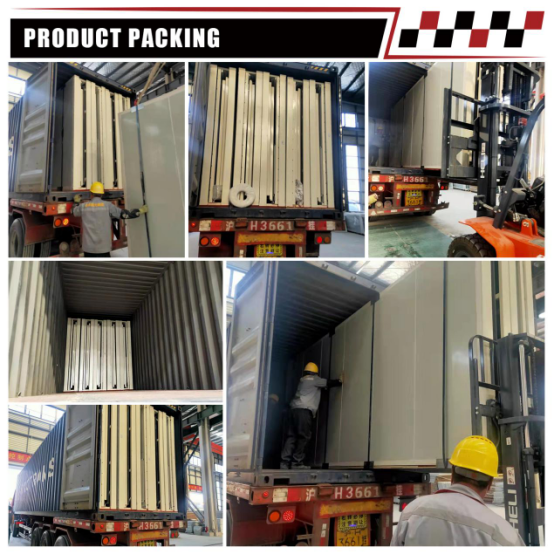
Four to five folding container houses fit in a standard 40ft shipping container when collapsed, compared to only two pre-assembled units. This 150% improvement in transport density reduces shipping costs proportionally—a 100-unit order requires 20-25 containers using folding systems versus 50 containers for traditional units. At current international freight rates, this represents $75,000-112,500 in shipping cost savings on large projects.
The compressed profile also reduces handling complications during transport. Folded units stack securely without the top-heavy instability of assembled containers, minimizing damage risk during ocean transit or overland trucking. Cammi House folding units include built-in lifting points compatible with standard container handling equipment—forklifts, reach stackers, and overhead cranes—eliminating specialized rigging requirements that increase port and delivery costs.
Weight distribution improves in folded configuration. All mass concentrates near the base platform rather than distributing vertically through walls and roof. This lower center of gravity enhances stability during lifting and transport, reducing insurance premiums by 8-12% compared to top-heavy assembled structures. A Middle East construction project transported 80 folding units across desert terrain on flatbed trucks—zero shipping damage occurred versus three units damaged in a previous shipment of traditional containers on the same route.
Setup Process Step-by-Step
Deployment begins with positioning the folded unit on prepared foundations using crane or forklift. The collapsed package weighs 3,200-3,800 kg, requiring lifting capacity of 5 tons including rigging. Once placed, installers release transport locks securing walls in folded position—typically 12-16 latches around the perimeter accessed from ground level.
Hydraulic folding systems deploy automatically in 10-15 minutes with single-operator control. The operator connects an electric or diesel power pack to hydraulic ports, then activates sequential valve controls that raise roof panels first, followed by side walls and end walls. Hydraulic cylinders provide controlled, synchronized movement preventing binding or jamming. Manual folding systems require two operators working 25-35 minutes, using hand winches and cable systems to lift walls into position.
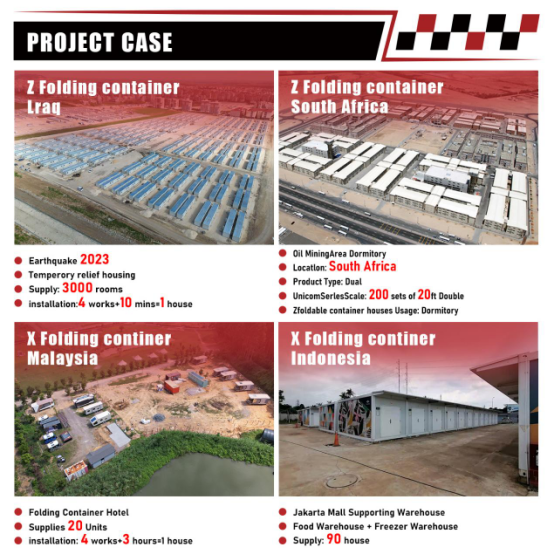
Final securing involves engaging corner locking pins, installing weatherstripping at wall junctions, and connecting utility rough-ins. Cammi House provides color-coded assembly instructions and video guides accessible via QR codes on each unit. A resort operator in Costa Rica deployed 12 folding units over three days with a 4-person crew—total time from delivery to guest-ready status averaged 8 hours per unit including interior finishing and utility connections.
Weather Resistance
Weatherproofing folding container houses addresses the multiple seams created where walls meet at corners and roof junctions. Cammi House uses compression gaskets at all fold lines—EPDM rubber seals that compress when walls lock into deployed position, creating weathertight barriers. These gaskets run the full height and width of each joint, with 10mm compression ensuring seal integrity even as materials expand and contract with temperature changes.
Roof drainage receives special attention due to the flat or low-slope profile common in folding designs. Internal gutters collect water at roof panel junctions, directing flow to corner downspouts integrated into the structural posts. The drainage system handles rainfall up to 100mm/hour—exceeding requirements for most climates. A Philippines resort operating 18 folding units through three typhoon seasons reports zero leak incidents, validating the multi-layer sealing approach.
Corrosion protection combines galvanized steel framing with powder-coat exterior finishes. The base steel receives hot-dip galvanization providing 50+ year corrosion resistance, topped with polyester powder coating in customer-selected colors. Hinge mechanisms use stainless steel pins and bushings that operate maintenance-free in coastal environments. Testing per ASTM B117 salt spray standards confirms 3,000+ hour corrosion resistance—equivalent to 15-20 years of coastal exposure.
Lifespan & Durability
Folding container houses achieve 25-35 year service life when maintained according to manufacturer specifications. The primary wear points—hinges, locking mechanisms, and seals—require periodic inspection and occasional replacement. Hinge pins need lubrication every 12 months and replacement every 8-10 years or after 50 folding cycles. Seal replacement typically occurs at 10-12 year intervals, with coastal installations requiring more frequent service.
Structural integrity remains unchanged throughout the lifespan. The steel frame and panel system doesn't degrade from folding operations when properly maintained. Cammi House tracks performance across 1,200+ folding units deployed since 2016, with the oldest installations now approaching 9 years. Annual inspections show zero structural failures and minimal maintenance requirements beyond routine seal and hinge service.
Real-world durability data comes from emergency housing applications where folding units undergo frequent relocation. A disaster relief organization has deployed and redeployed 30 Cammi House folding units across 8 different sites over 6 years—each unit averaging 12-15 deployment cycles. All units remain operational with only standard maintenance, demonstrating the system's resilience under demanding conditions exceeding typical resort or permanent housing applications.
Frequently Asked Questions
Q: How many times can a folding container house be folded and unfolded?
A: Folding systems withstand 50-100 fold/unfold cycles when properly maintained, with hinge components and locking mechanisms inspected after every 10-15 deployments. Most installations remain permanently deployed after initial setup, making cycle limits non-issues for resort and residential applications. Cammi House provides replacement hinge kits and locking hardware for units requiring frequent relocation, extending usable cycle counts beyond 100 with component replacement.
Q: Can one person deploy a folding container house?
A: Hydraulic folding systems allow single-operator deployment in 10-15 minutes after crane placement on foundations. The operator activates sequential hydraulic controls that automatically raise walls and roof. Manual folding systems require two operators working 25-35 minutes using hand winches. Both systems assume the unit is already positioned on foundations—initial crane placement requires separate crane operator and ground crew for safety.
Q: Do folding container houses meet building codes for permanent housing?
A: Yes, when properly engineered and permitted. Cammi House folding units comply with International Residential Code requirements including structural loads, electrical systems, plumbing, and energy efficiency. We provide jurisdiction-specific engineered drawings stamped by licensed engineers. Some municipalities require special permits for alternative construction—our team handles permit research and submission. The folding mechanism doesn't affect code compliance once the unit is deployed and locked in position.
Contact Cammi House for engineering support and installation training for your project.
