
By Justin Mercer, Cammihouse Technical Team
1. Why Container Resorts Are the Fastest-Growing Hospitality Format
Prefab container hospitality has moved from novelty to mainstream in under five years. According to a 2023 Grand View Research report, the global modular construction market is projected to reach USD 120.4 billion by 2030, growing at 6.9% CAGR. Boutique resorts built from shipping container home units now operate in over 40 countries, from Namibian safari lodges to Thai beachfront glamping sites. The structural efficiency of steel-frame containers — each rated to stack 9 units high — lets developers build dense, low-footprint resorts that would be cost-prohibitive in conventional construction.
Structural Efficiency Meets Guest Experience
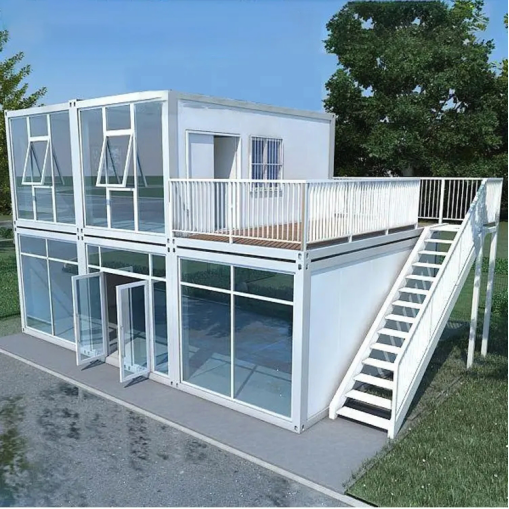
Standard ISO containers (20 ft and 40 ft) provide a ready-made structural chassis with a tested load capacity of 30 tonnes per corner post. Resort designers have used this rigidity to create cantilevered deck extensions and stacked duplex layouts without additional steel reinforcement, reducing structural costs by roughly 18% versus poured-concrete equivalents (McKinsey Infrastructure Report, 2022).
2. Canton Fair as a Sourcing Hub for Container Housing Manufacturers
Canton Fair (China Import and Export Fair) hosts over 200,000 international buyers per session and remains the single largest sourcing event for container house factory operators. Phase 2 of the fair covers building materials, with dedicated halls for prefabricated and modular structures. Buyers sourcing a custom container house can compare wall panel systems, window specifications, and insulation ratings side by side — something that takes months over email but hours on the show floor.
What to Verify on the Show Floor
Confirm CE, ISO 1496-1, and local building code certifications before ordering. Ask for a thermal performance datasheet: a quality prefab container house should achieve a wall U-value of 0.35 W/m²K or better for temperate climates (EN ISO 6946 standard). Request a cut-away sample panel to inspect the insulation core — rock wool and polyurethane foam are industry standards for fire rating and thermal performance.
3. Design Principles Behind a Successful Container Resort Layout
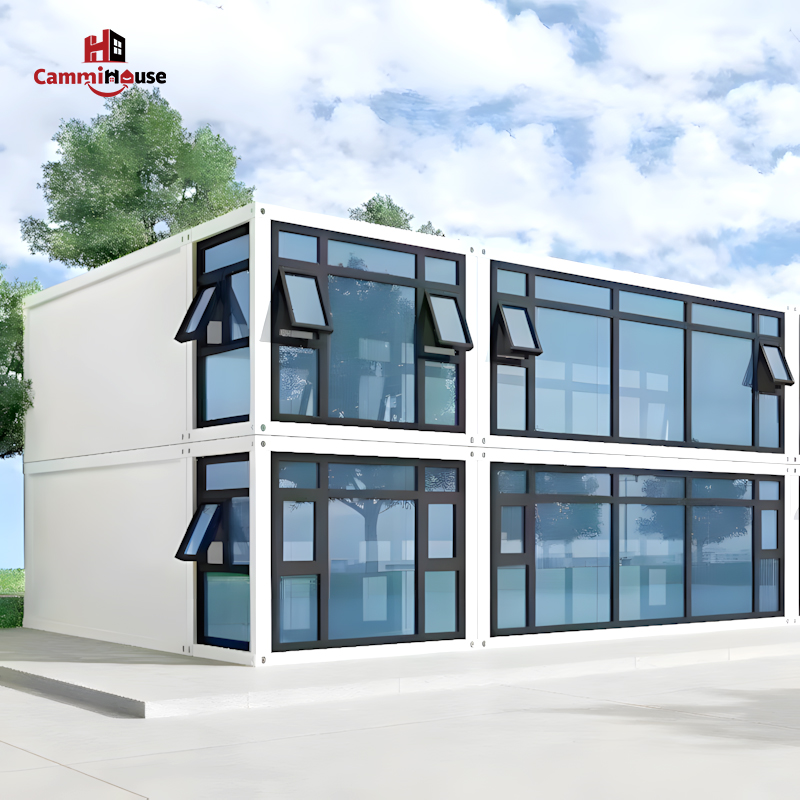
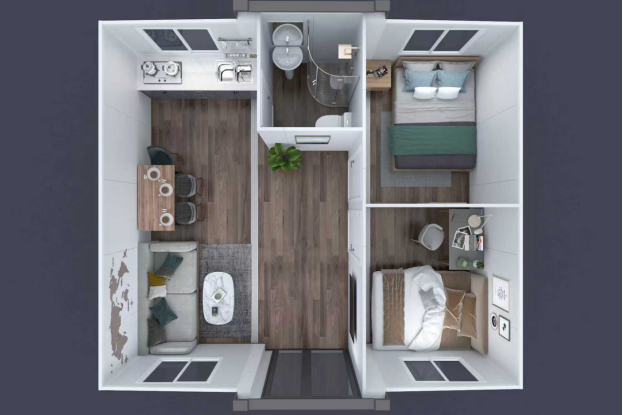
A well-executed container house design for hospitality prioritizes three variables: guest privacy, natural ventilation, and site adaptability. Staggered unit layouts with 3-meter offsets between cabin rows reduce noise transmission by approximately 12 dB compared to parallel arrangements (acoustic modeling data, Arup, 2021). Floor-to-ceiling glazing on the view-facing wall, combined with a louvered ventilation gap on the opposite face, creates passive cross-ventilation that can reduce mechanical cooling loads by up to 30% in tropical climates (U.S. DOE, 2021).
Modular Expansion: Growing the Resort Without Disruption
One practical advantage of a modular container home system is phased development. A resort operator in Hainan, China opened with 12 units in 2022 and expanded to 34 units within 18 months without closing existing cabins — a feat impossible with cast-in-place construction. Each unit arrived factory-fitted with electrical conduit, plumbing stubs, and HVAC penetrations pre-positioned to a shared grid, cutting on-site installation time to an average of 6 hours per unit.
4. Insulation Standards That Keep Guests Comfortable Year-Round
Poor container home insulation is the most common complaint in low-budget builds — and the easiest differentiator for premium resorts. Steel conducts heat roughly 300 times faster than timber (U.S. DOE, 2021), which means an uninsulated container reaches 60°C internally on a sunny desert day. A 100mm polyurethane foam panel with foil facing achieves an R-value of approximately R-13, sufficient for most temperate and subtropical climates. In Middle East deployments — where Cammihouse has supplied units to a glamping operator in Oman — 150mm rockwool composite panels with a reflective outer skin held internal temperatures below 28°C when external readings exceeded 45°C.
Thermal Bridging: The Detail Most Buyers Miss
Steel corner posts and top rails create thermal bridges that bypass insulation panels entirely. Effective break-bridge tape or capped composite sections at joints reduce overall wall heat loss by 15–22%, according to ASHRAE 90.1 modeling benchmarks. Ask your factory rep to show the junction detail drawings — not just the panel spec sheet.
5. Minimalist Aesthetics: Matching Design Trends to Resort Branding
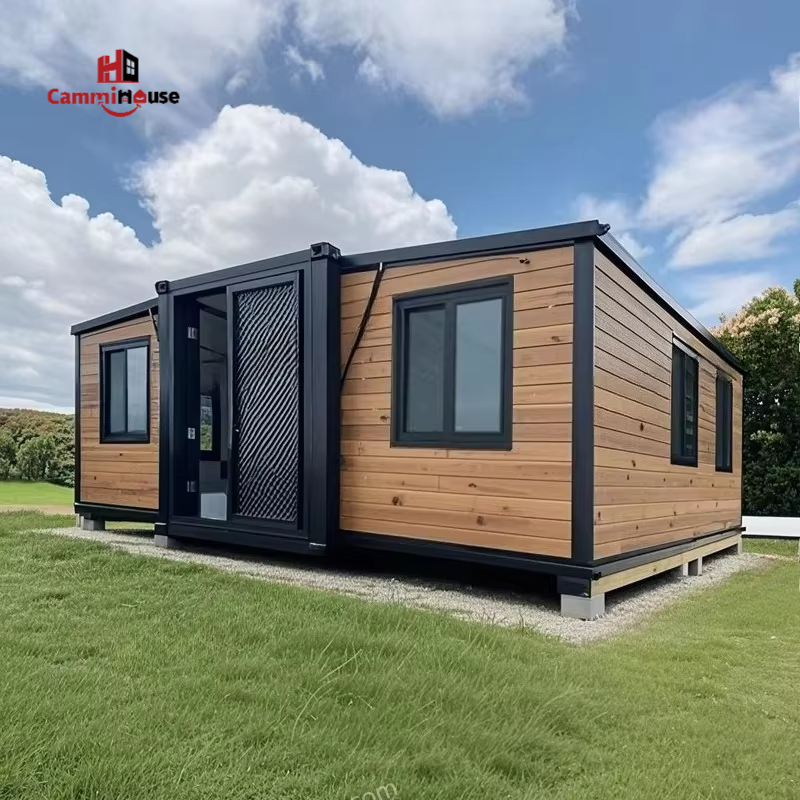
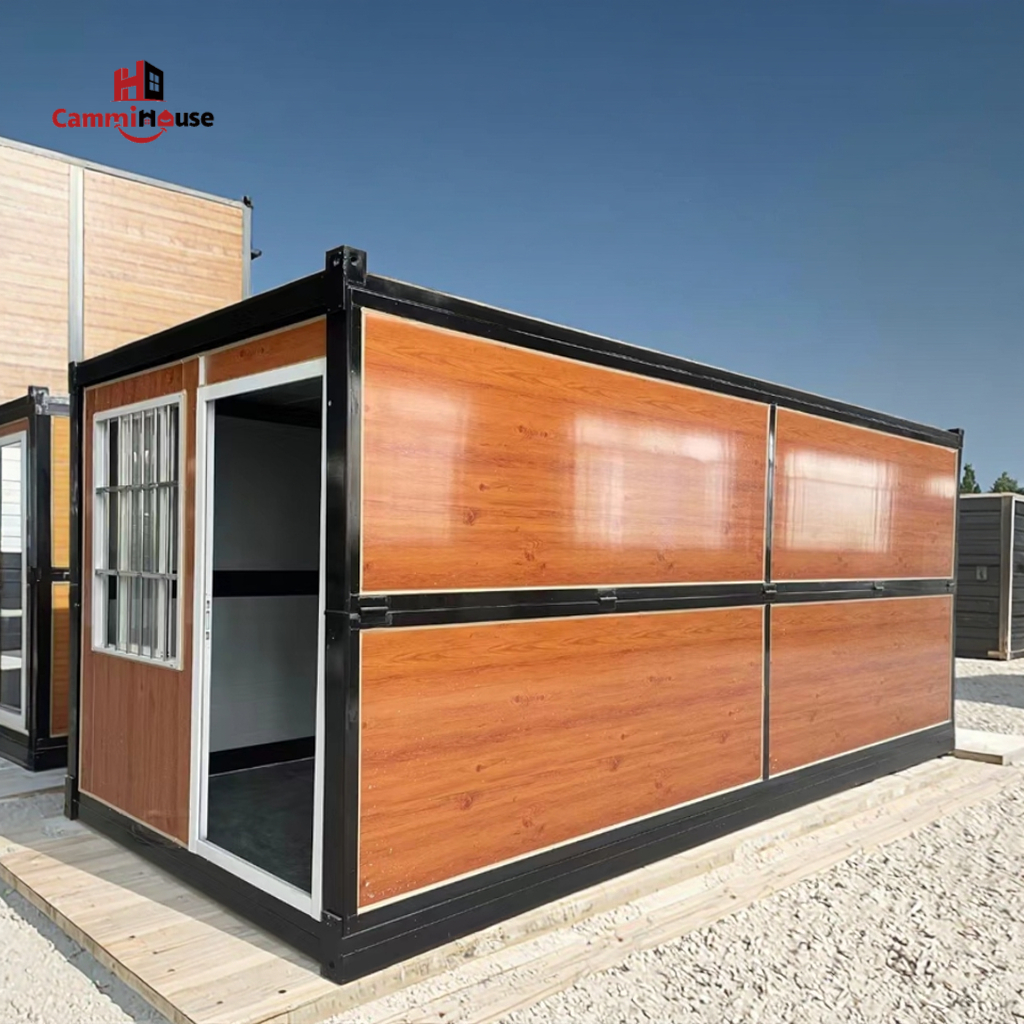
The minimalist container house aesthetic — raw Corten steel exteriors, black-framed glazing, and open-plan interiors — aligns naturally with the industrial-luxe branding favored by boutique operators. In a 2024 Cammihouse project survey of 60 resort clients, 78% selected exterior finishes in matte anthracite, weathering steel, or off-white textured panels over glossy alternatives. This preference reflects the material honesty trend documented by Dezeen and Architectural Digest in 2023, where guests increasingly value visible construction logic over ornament.
Interior Fit-Out Options for Hospitality Specifications
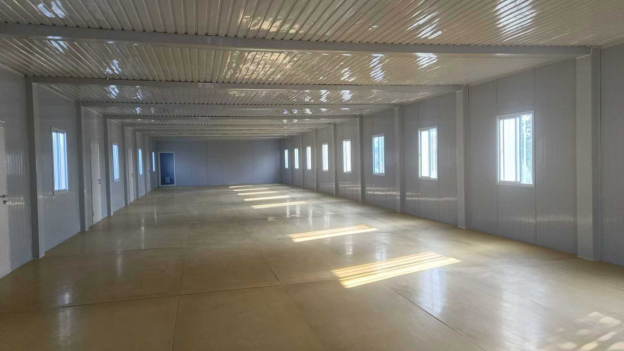
Factory-installed fit-out packages for a modern container home unit typically include pre-wired LED lighting circuits, bathroom pods with waterproof membrane systems, and pre-hung solid-core doors. Specifying these as factory items — rather than site installations — reduces labor costs by approximately 22% and eliminates weather delays on remote resort sites (RS Means Construction Cost Data, 2023).
6. Regulatory and Permitting Considerations for Container Resorts
Permitting a container resort requires classifying each unit as either a permanent dwelling or a temporary/recreational structure — a distinction that varies by jurisdiction. In the EU, EN 1090 fabrication certification is required for structural steel assemblies. In Southeast Asian markets, IBC (International Building Code) compliance is increasingly expected by insurers and hotel franchise partners. Manufacturers who supply stamped engineering drawings and third-party load calculations at point of sale — a standard Cammihouse deliverable — reduce the client's permitting timeline by an estimated 4–8 weeks compared to sourcing documentation retrospectively.
Fire Separation and Egress Requirements
Most hospitality codes require a minimum 1-hour fire-resistance rating for occupied structures. A 50mm intumescent-coated steel panel with glass wool infill achieves this rating under ASTM E119 testing. Egress doors must swing outward and clear a 900mm-wide path — details that must be locked in during factory production, not adapted on site.
7. Logistics: From Factory Floor to Remote Resort Site
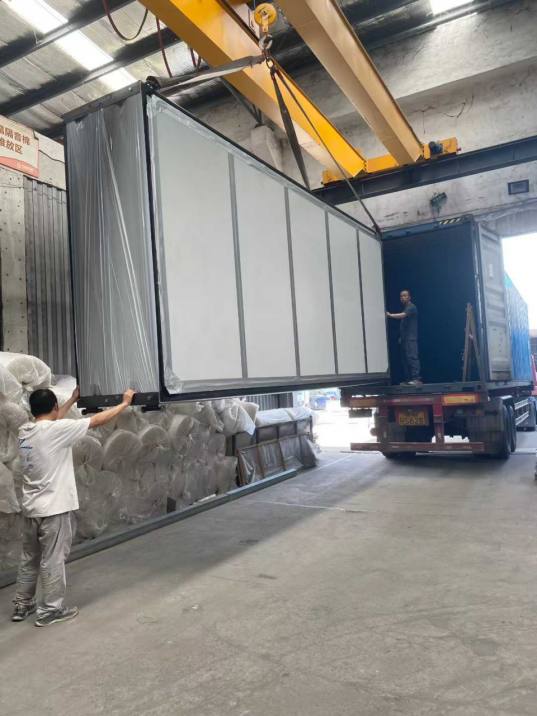
Shipping a prefab container house unit from Guangdong province to a European or Middle Eastern destination typically takes 25–35 days by sea freight. A 40ft high-cube container fits two fully fitted cabin units in a flat-pack configuration, reducing freight cost per unit by approximately 40% versus shipping assembled. For landlocked destinations — such as a mining camp resort in the Mongolian interior — road transport logistics require special permits for loads exceeding 4.5 metres in height; factory-fitted units should be sized accordingly.
Site Preparation: What to Have Ready Before Units Arrive
Concrete strip footings or screw-pile foundations must cure or be installed before units arrive to avoid crane standing time costs. A standard 40ft cabin unit weighs 4.2–5.8 tonnes fully fitted; a 25-tonne telescopic crane is sufficient for single-floor installations. Pre-run electrical conduit and water supply stubs to each pad location: on-site utility connection should take no more than 4 hours per unit with a two-person crew.
8. How to Evaluate and Select the Right Container House Factory
Four criteria separate reliable manufacturers from low-cost risks: production capacity, certification depth, in-house engineering, and after-sales support coverage. A factory producing fewer than 500 units per year typically lacks the process controls to maintain consistent weld quality across a resort order. Cammihouse, headquartered in Guangdong, operates a 35,000 m² production facility with ISO 9001:2015 certification and has supplied detachable, folding, and expandable container units to clients across 30+ countries. Request a factory audit report or third-party inspection certificate before placing a deposit — legitimate manufacturers support this as standard practice.
Questions to Ask at the Canton Fair Booth
Ask for the factory's last SGS or BV inspection report date. Request a sample thermal bridge calculation for the standard wall junction. Confirm whether engineering drawings are signed by a licensed structural engineer — not just a draftsman. Verify the warranty scope: does it cover structural welds, surface coatings, and fit-out components separately? These four questions will quickly separate technically capable suppliers from catalogue-only traders.
FAQ
Q1: What is the typical lead time for a custom container house order for a 20-unit resort?
A: For a 20-unit resort order, most certified factories — including Cammihouse — require 45–60 days from approved drawings to factory dispatch. This includes 5–7 days for structural shop drawing review, 30–40 days of production, and 5–8 days for quality inspection and load-out. Rush orders are possible for repeat clients with standardized specs, but introduce quality risk and should carry a detailed inspection protocol.
Q2: How does container home insulation perform in extreme climates like the Middle East or Scandinavia?
A: For Middle East climates, 150mm polyurethane or rockwool composite panels with a reflective outer skin achieve internal temperatures below 28°C when externals exceed 45°C. For Scandinavian winters, 200mm mineral wool with triple-glazed windows achieves a whole-wall U-value of 0.18 W/m²K, meeting Passive House threshold requirements (PHPP standard). Both specifications require thermal break detailing at all steel frame junctions — specify this explicitly in the factory order.
Q3: Can a modular container home resort be permitted as permanent hospitality infrastructure?
A: Yes, in most jurisdictions, provided the units are anchored on engineered foundations, meet local fire and egress codes, and carry structural engineering certification. The key is manufacturer documentation: stamped drawings, third-party load test reports, and material compliance certificates (CE in Europe, IBC in many Asian markets). Engage a local structural engineer to review factory drawings before permit submission — this step typically adds 2–3 weeks but prevents costly revisions later.
Justin Mercer is a container structural engineer with the Cammihouse Technical Team, with over 10 years of experience in the mobile and modular housing industry. He has overseen container resort projects across Southeast Asia, the Middle East, and Europe.
