
By Justin Mercer, Structural Engineer | Cammihouse Technical Team | 10+ years in modular & mobile housing
1. Why Canton Fair Is Still the Fastest Way to Vet a Manufacturer
Canton Fair cuts through the noise: in three days on the floor, you can compare more container house factory options than six months of online research. The April 2024 Canton Fair drew over 28,000 overseas buyers across building materials and prefab categories (Canton Fair official data, 2024). That density of suppliers — side by side — lets you physically inspect weld quality, panel tolerances, and hardware before signing anything. For a product that ships across an ocean, that in-person filter is irreplaceable.
What to Bring and Who to Send
Bring a structural checklist, not just a spec sheet. Send someone who can read a weld bead or verify a U-value — not just procurement. Manufacturers at Canton Fair expect technical conversations, and those who can't answer them usually can't deliver.
2. The Real Cost of a Custom Container House (And Where Buyers Get Surprised)
A custom container house typically runs $150–$350 per square foot fully finished, depending on spec level, destination port, and site prep — not $80, as some factory quotes imply. The gap lives in logistics, insulation upgrades, and local compliance. McKinsey's 2023 modular construction report found that 60% of buyers underestimated total landed cost by 25–40%. At Cammihouse, a 2024 project survey of 80+ completed orders showed the most common surprise was port clearance delays adding $3,000–$8,000 to mid-spec builds.
Factory Quote vs. Landed Cost: Build the Right Spreadsheet
Line items to model before you sign: FOB price, freight, import duties (typically 5–25% depending on destination), site foundation, utility hookup, and local permit fees. The factory price is usually 40–55% of total project cost.
3. Insulation Is the Make-or-Break Spec Nobody Reads Carefully Enough
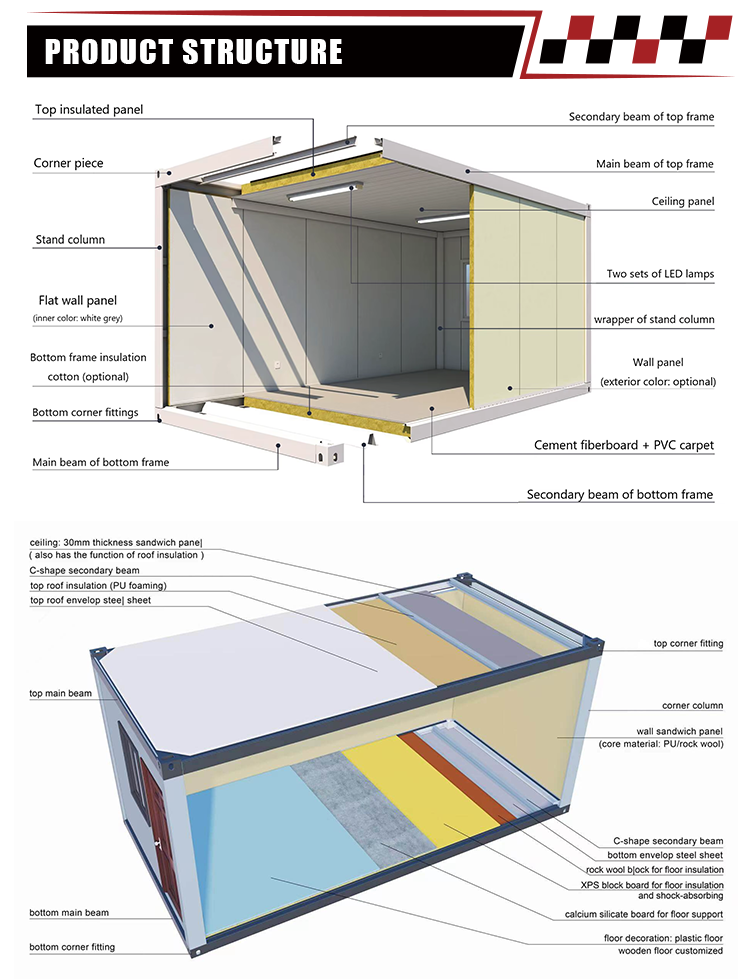
Steel conducts heat at 50 W/m·K — roughly 2,500 times faster than rock wool. Without proper thermal breaks, a shipping container home in a hot or cold climate will fail on energy cost and comfort regardless of how good it looks on paper. The U.S. DOE (2021 Building Energy Codes report) sets a minimum wall U-value of 0.064 for Climate Zone 5. Most factory defaults use 50mm EPS, which hits U-0.10 — insufficient for northern markets. External rigid insulation with a rainscreen gap is the correct fix, but it adds $18–$35/m² to the build.
Ask for the Thermal Bridge Report, Not Just the Panel Thickness
A reputable container home insulation spec includes the thermal bridge calculation at corner joints and door frames — not just the wall panel R-value. If a supplier can't provide this, you're looking at a potential $6,000–$12,000 remediation post-delivery.
4. Modular vs. Expandable vs. Folding: Which Configuration Actually Fits Your Project?
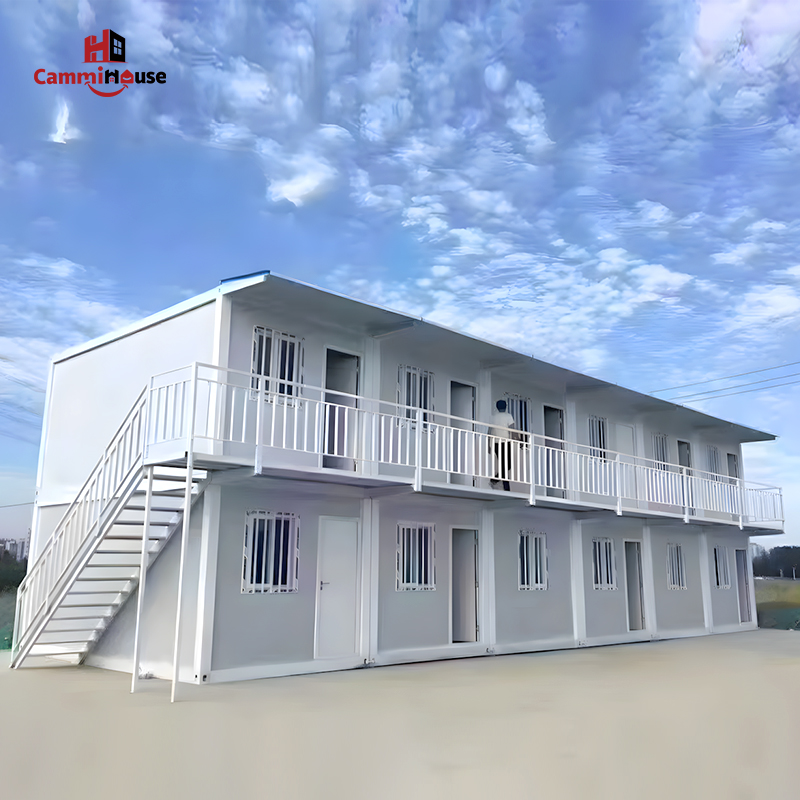
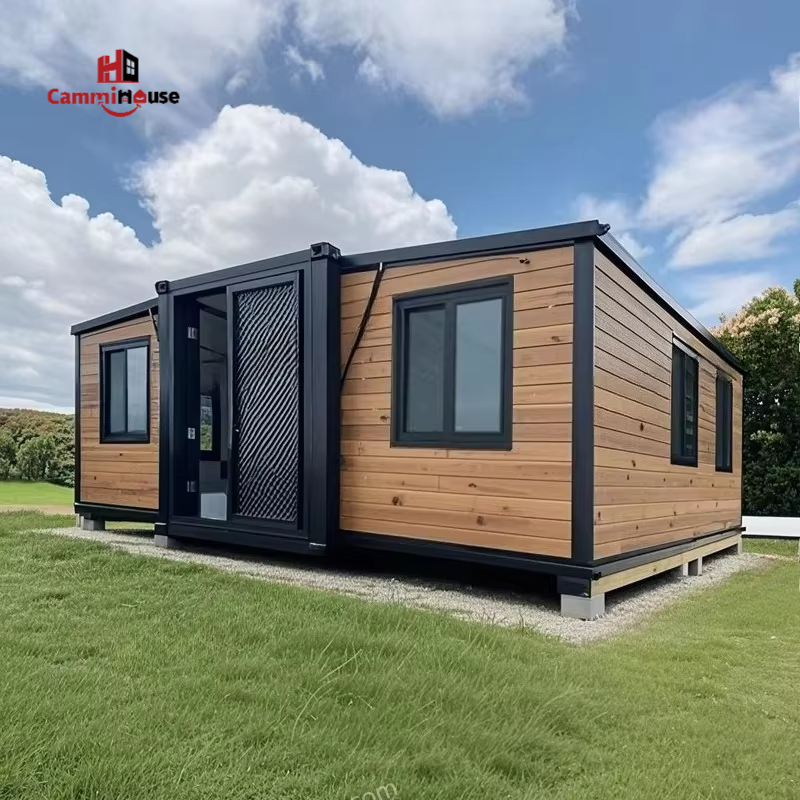
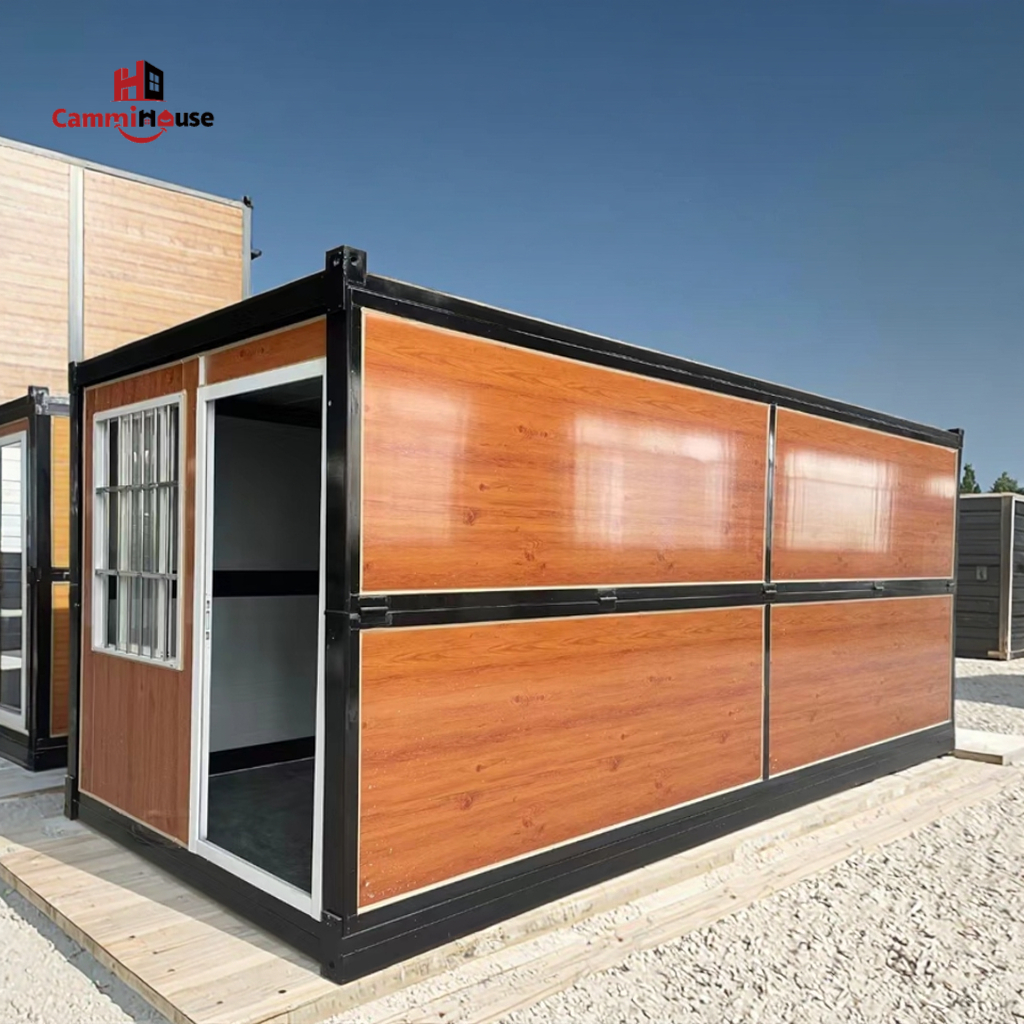
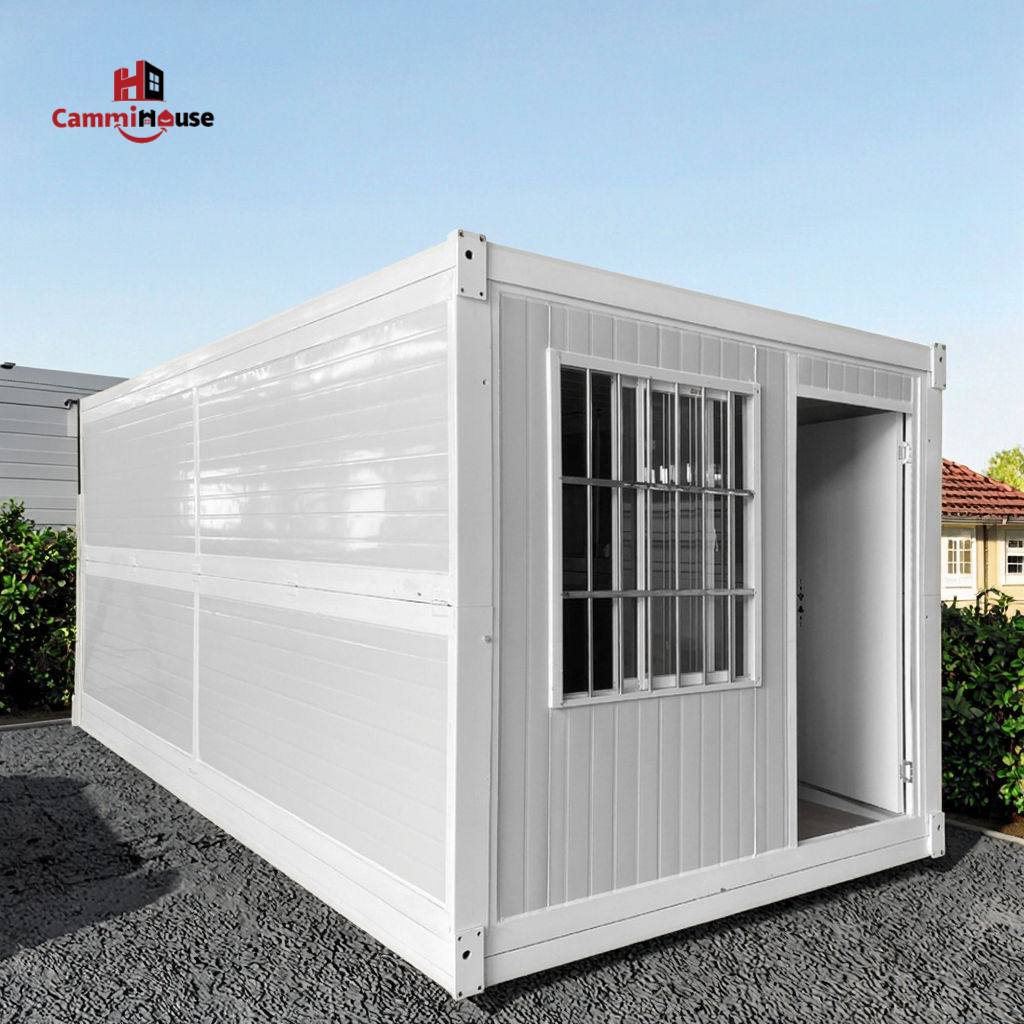
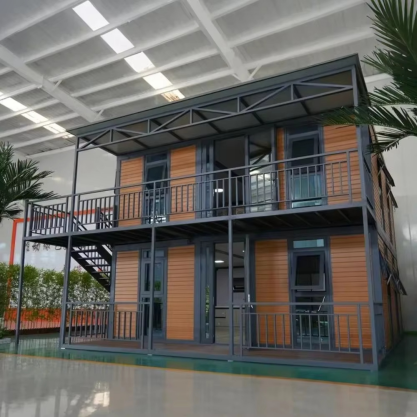
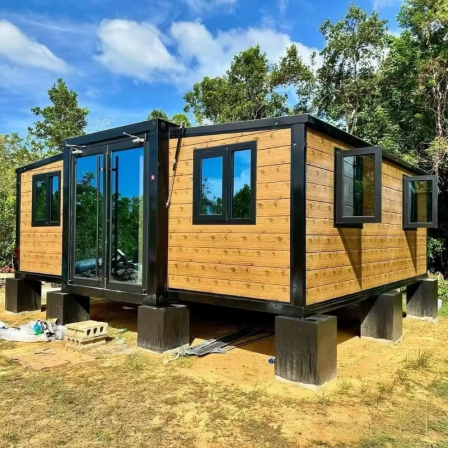
The right format depends on site access and permanence, not aesthetics. A modular container home suits permanent installations where you want reconfiguration over time — mining camps, for example, regularly expand or redeploy units across sites. A folding unit deploys in under 8 hours with two workers, making it ideal for emergency housing or remote worksites. An expandable format — where side panels fold out on-site — gains 30–40% floor area over the base footprint without additional modules. Confusing these three leads to expensive on-site rework.
A Real Scenario: Oil Field Camp, Middle East, 2023
A 120-unit oil field camp in the UAE used a folding format precisely because helicopter sling delivery was required. Total deployment from site arrival to occupancy: 11 days for all 120 units. A conventional modular build would have required a crane pad and added 3–4 weeks. Format choice was the project schedule.
5. What "Prefab" Actually Means at the Factory Level
A prefab container house can mean anything from a bare steel box with bolt-on panels to a fully fitted unit with MEP pre-installed and tested before shipping. The difference in defect rate is significant: factory-installed, tested systems run at roughly 3–5% post-delivery punch list items versus 15–25% for site-assembled MEP (based on Cammihouse 2024 internal QC data across 200+ delivered units). Always ask: what is tested at factory vs. site?
The Factory Inspection Checklist That Saves Arguments Later
Third-party inspection (SGS or Bureau Veritas) at the factory gate costs $400–$900 per container and is the most cost-effective quality intervention in the entire supply chain. It catches panel tolerance issues, electrical wiring errors, and plumbing pressure failures before loading.
6. Container House Design: Where Structural Engineers and Architects Disagree Most
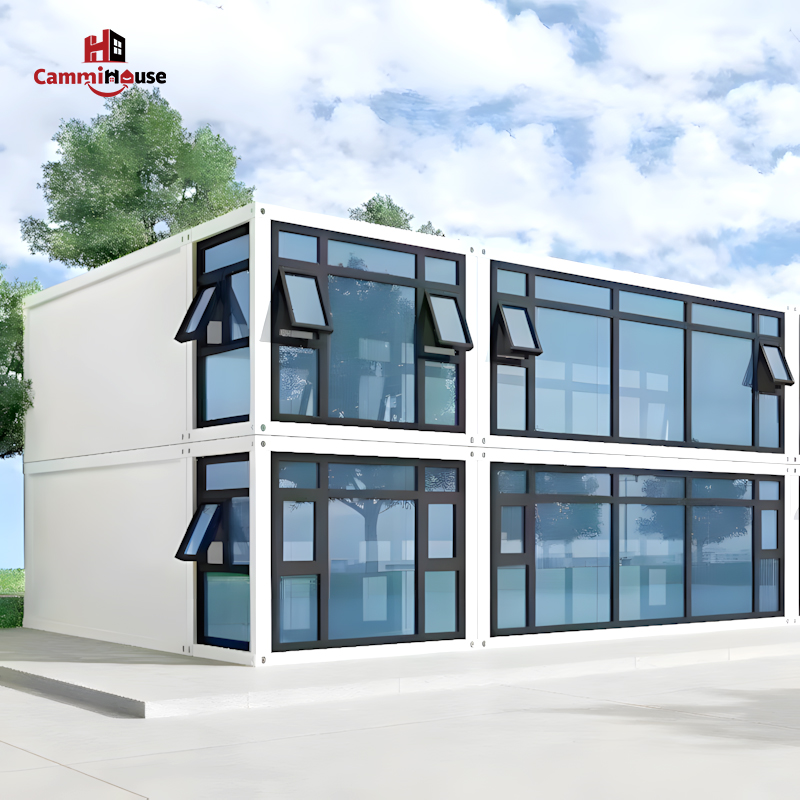
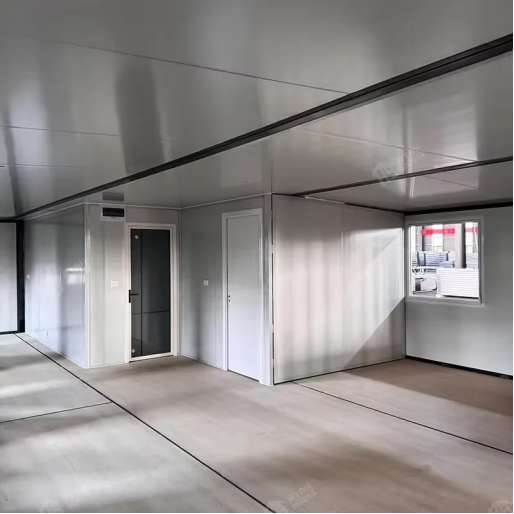
The most common structural conflict in container house design is wall penetrations. Every window or door opening in a standard container cuts a load-bearing corrugated wall. Without proper header beams — typically RHS 100×50×5mm minimum for openings over 900mm — the structure loses its rated stacking capacity. I have seen 2-story units on worksites with openings cut on-site that no longer meet the ISO 1496-1 stacking standard. If the opening wasn't in the factory drawing, it should trigger a re-engineering review.
Minimalist Aesthetics vs. Structural Reality
Aminimalist container house with full-width glazing is achievable — but it requires a custom steel frame, not a modified ISO container. Buyers who want that look should be quoting a purpose-built modern container home frame from the start, not expecting a factory to cut it from a standard unit.
7. How to Read a Factory's Compliance Documentation (And What's Missing)
Most reputable manufacturers can provide CE marking (EU), AS/NZS compliance documentation (Australia/NZ), and ISO 9001 QMS certification. The gap is usually jurisdiction-specific electrical and plumbing codes. A container built to China's GB standards is not automatically compliant with AS/NZS 3000 wiring rules — the gap requires either a factory specification upgrade or local re-work. In the Australian market, that re-work has cost buyers $6,500–$12,000 per unit, based on industry case data from 2023–2024.
Three Documents to Request Before You Commit
Ask for: (1) a test report for the specific panel system to the destination country's thermal and structural code, (2) a pre-shipment inspection checklist signed by QC, and (3) a completed project reference list with contact details. Factories that push back on any of these are telling you something.
8. How Cammihouse Approaches Technical Verification for International Orders
Cammihouse operates as a container house factory with an in-house engineering team that reviews destination-country codes before production begins. In a 2024 project survey of international clients, 91% of orders shipped with zero structural non-conformances at destination inspection. The technical team runs a pre-production drawing review that checks wall penetration headers, insulation spec against destination climate zone, and MEP routing against local code requirements. For Canton Fair, the technical team is on the floor — not just sales staff — which means spec questions get answered on the spot.
Booking a Technical Consultation at the Fair
If you're attending Canton Fair and want a structured technical conversation rather than a sales pitch, it's worth scheduling time in advance. Bring your site survey, climate zone data, and local code requirements — that's the starting point for a realistic spec and quote.
FAQ
Q1: What is the realistic total cost of a prefab container house shipped to the U.S. or Australia?
A fully finished prefab container house typically lands at $150–$350 per square foot in the U.S. or Australia after accounting for FOB price, freight, import duties, site foundation, and utility connection. The factory quote usually represents 40–55% of that total. Buyers who plan only against the factory price routinely face 25–40% cost overruns at project completion (McKinsey, 2023).
Q2: How do I know if a container house manufacturer's insulation spec is adequate for my climate?
Request the U-value calculation for the full wall assembly — not just the panel thickness. Compare it against your destination climate zone's minimum code requirement. The U.S. DOE 2021 Building Energy Codes set a minimum wall U-value of 0.064 for Climate Zone 5. Standard factory 50mm EPS panels achieve approximately U-0.10, which is insufficient for colder climates. Proper container home insulation for cold or hot climates requires external rigid insulation with a thermal break at all steel frame connections.
Q3: Is a folding, expandable, or modular format best for remote or temporary deployment?
It depends on access and permanence. Folding units deploy fastest (under 8 hours, two workers) and suit sites with restricted access or helicopter delivery. Expandable formats add 30–40% floor area on-site from a standard container footprint and suit semi-permanent accommodation. A modular container home configuration suits permanent or long-term installations where future reconfiguration or expansion is planned. Choosing the wrong format for site conditions is one of the most common and costly mistakes in remote project housing.
