
By Justin Mercer, Cammihouse Technical Team | Published April 2026
1. The Real Cost Range: What Buyers Need to Know First
Breaking Down Factory Price vs. Total Project Cost
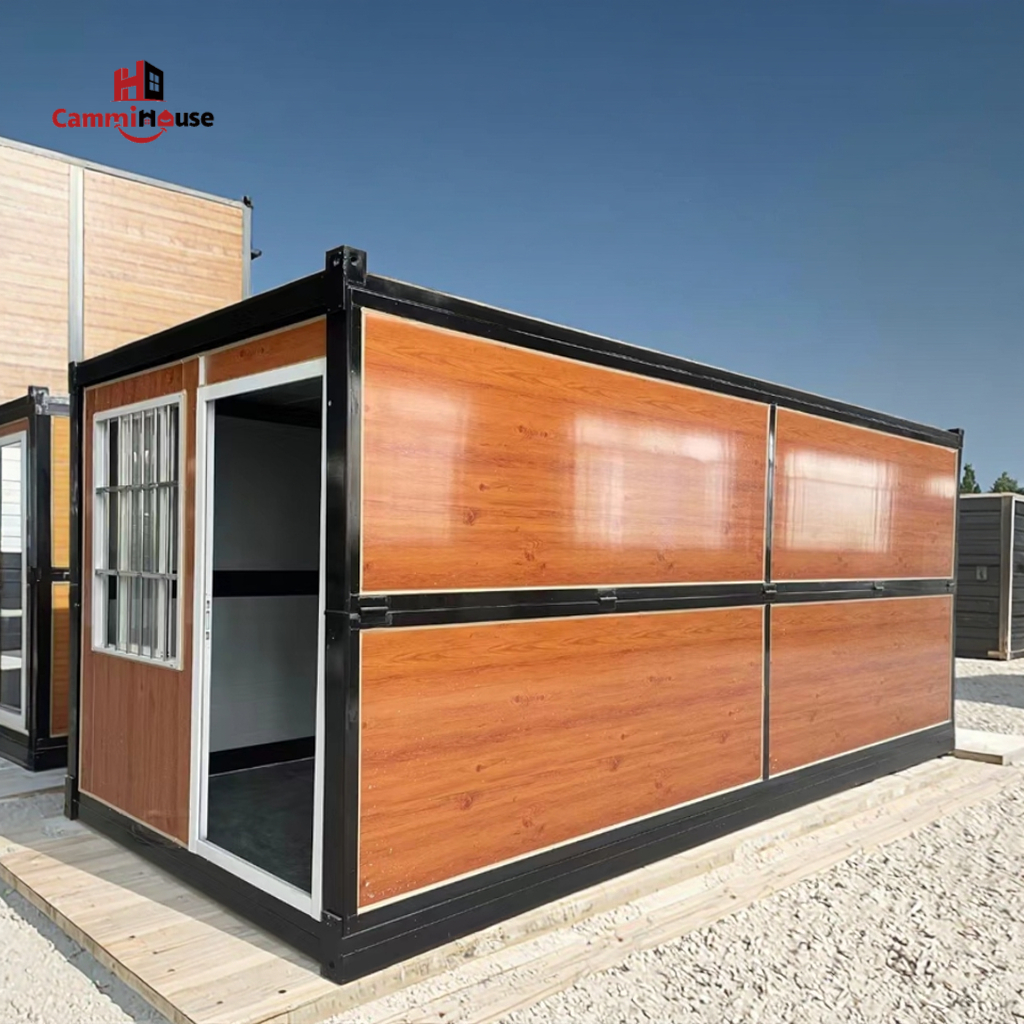
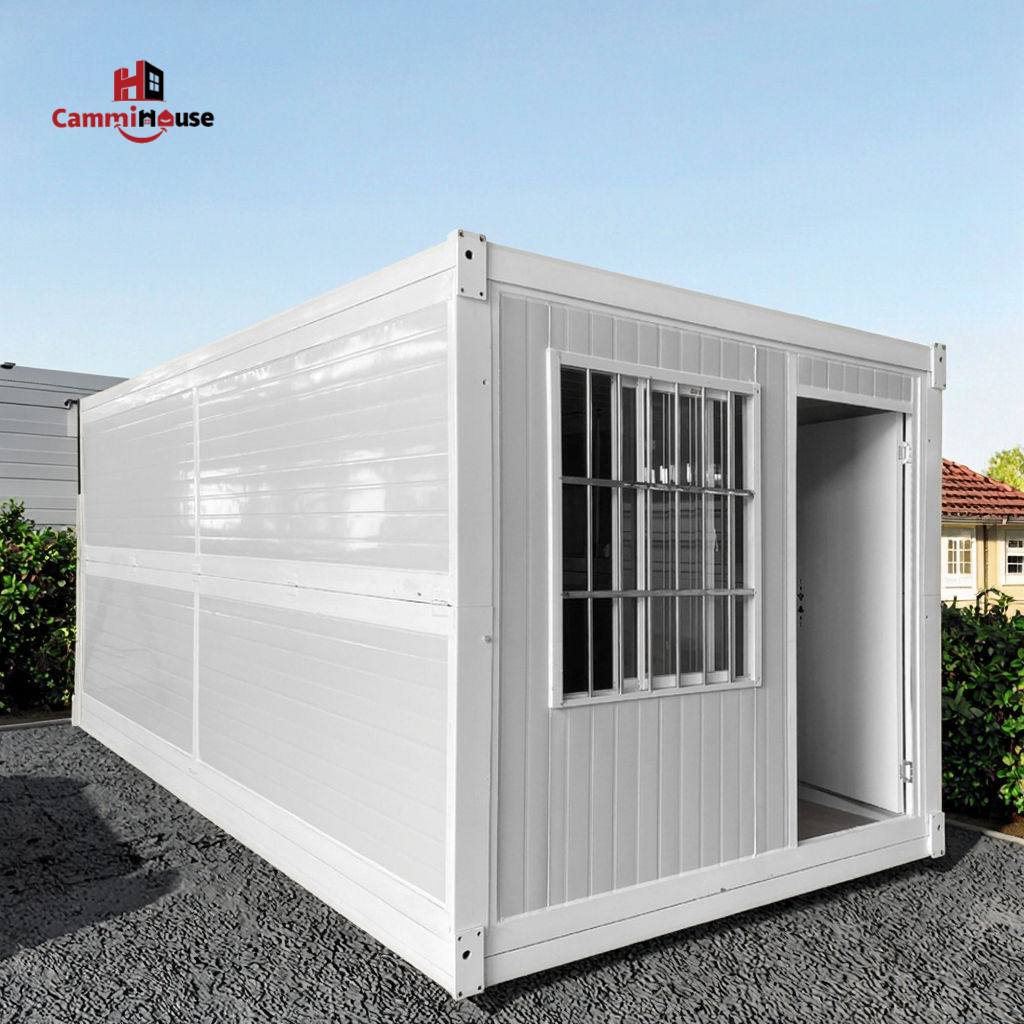
The price of a container house ranges from $15,000 for a basic 20ft unit to over $150,000 for a fully fitted multi-container home, depending on size, finish level, and sourcing method. Buyers who purchase factory-direct from a cc typically save 30–45% compared to sourcing locally in North America or Europe (McKinsey Global Institute, 2022). A standard 40ft unit with insulation, windows, and interior finishing from a verified manufacturer in Foshan, Guangdong, starts at approximately $22,000 FOB.
2. Factory vs. Local Build: Why Source from China?
Labor Cost, Production Speed, and Quality Control
A container house manufacturer in China can deliver a weather-tight shell in 15–20 working days. The same build done on-site in the U.S. averages 3–6 months, according to the National Association of Home Builders (NAHB, 2023). Chinese factories operate with automated CNC cutting, robotic welding lines, and ISO 9001-certified QC processes — not as marketing language, but as auditable standards verified by SGS and Bureau Veritas inspections. In a 2024 Cammihouse project survey of 60 international clients, 91% confirmed delivery timelines matched the factory's quoted schedule.
3. What Custom Options Actually Affect Price?
From Shell to Turnkey: Where Costs Climb
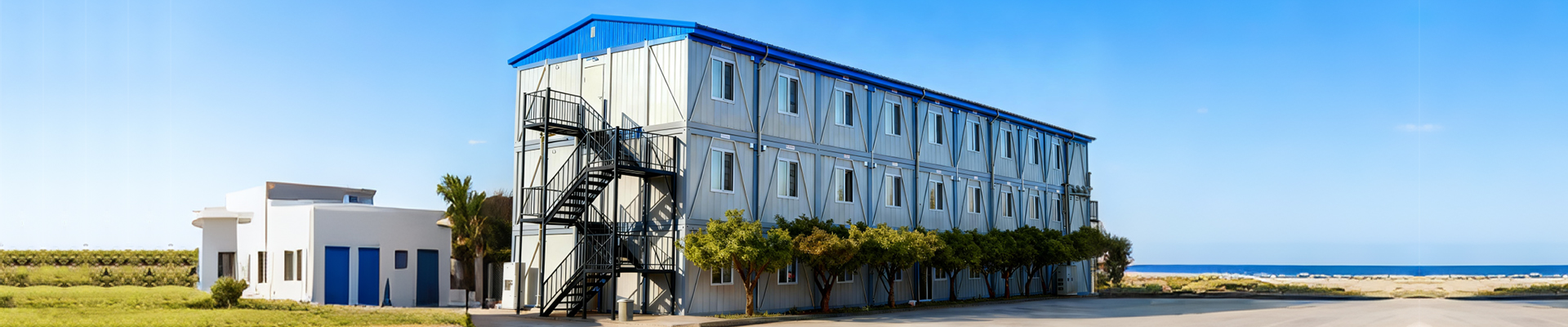
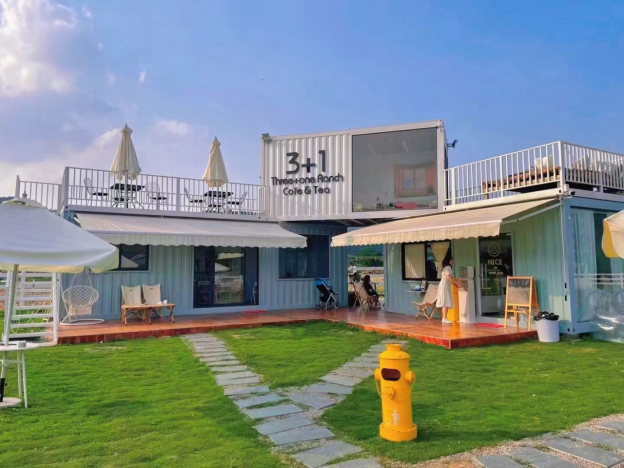
A custom container house costs more when you add floor heating (adds $1,200–$2,800 per unit), double-glazed low-E glass windows (adds $800–$1,500 per unit), or integrated solar panels (adds $3,000–$7,000 depending on wattage). Standard cladding like corrugated steel keeps costs flat; aluminum composite panels (ACP) add roughly 8–12% to the shell price. For a mining camp in Western Australia — a real-use scenario Cammihouse has handled — clients ordered 24 units with blackout shades, anti-dust sealing, and 5,000W generators pre-wired. The per-unit factory price came to $31,400, versus a local quote of $58,000.
4. Shipping and Import Costs: The Hidden Numbers
Freight, Customs, and Last-Mile Delivery
Shipping a 40ft shipping container home from Foshan to Los Angeles costs approximately $3,200–$4,800 in ocean freight (Freightos Baltic Index, Q1 2026). Add 5.3% import duty (HS Code 9406 for prefab structures), port handling fees ($400–$700), and inland trucking ($800–$2,500 depending on distance). Total landed cost typically adds $6,000–$9,500 per container to the factory price. Buyers attending Canton Fair can negotiate freight-included (CIF) pricing directly with manufacturers, which locks in rates and eliminates third-party broker markups averaging 12–18%.
5. Modular and Prefab Options: Scale Without Extra Cost
How Modular Stacking Reduces Per-Unit Cost
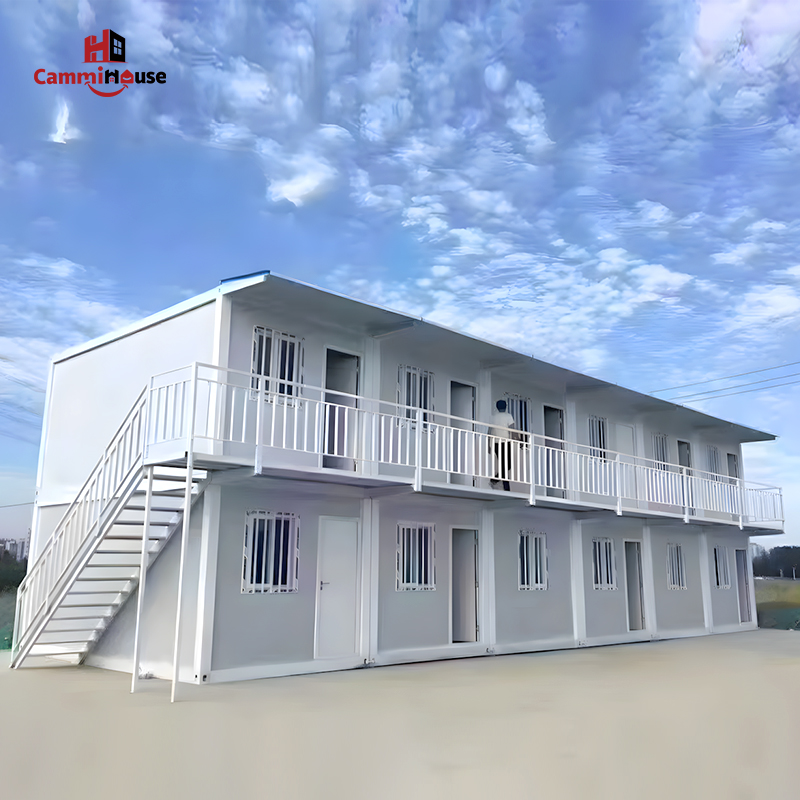
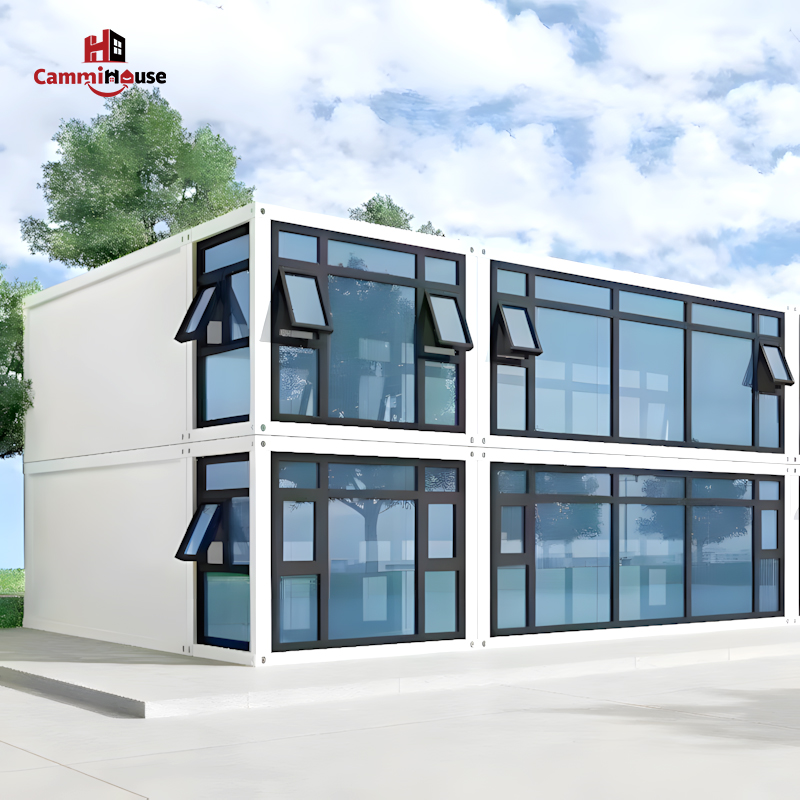
Amodular container home using four 20ft units can achieve 640 sq ft of living space at a per-square-foot cost 22% lower than a single large custom build, due to shared structural connections and standardized component reuse (U.S. DOE, 2021). Prefab container house systems from Chinese manufacturers allow modular expansion — one client in the Middle East started with a 2-unit worker accommodation block and expanded to 18 units within 14 months, all factory-matched in finish and dimension. No on-site fabrication required; connections use bolt-flange joints with a 30-minute assembly time per unit.
6. Container House Design: What Sells in 2025–2026
Market Trends Driving Buyer Choices
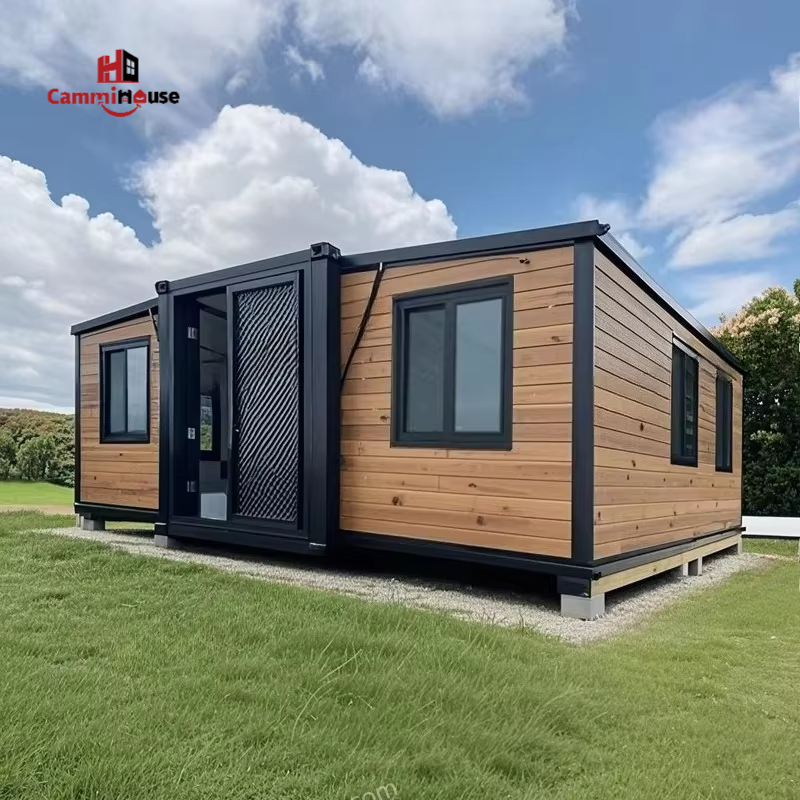
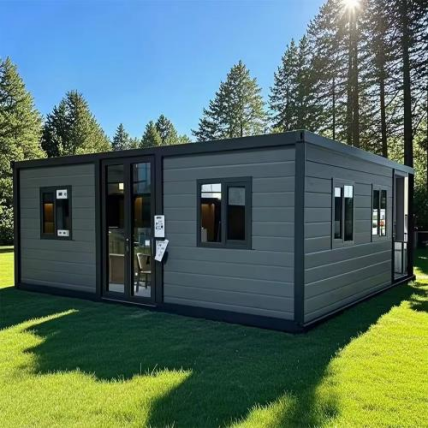
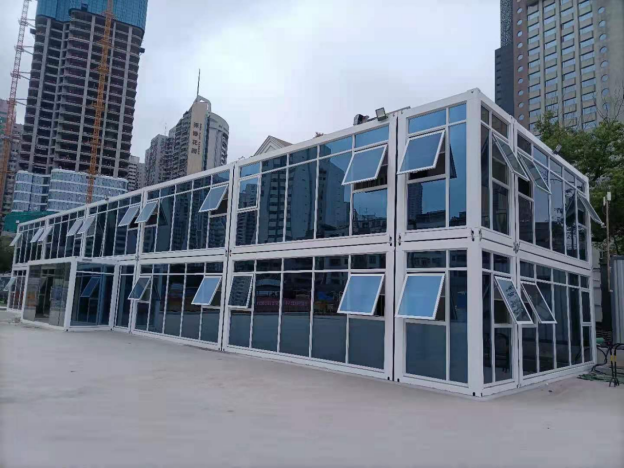
The fastest-growing design categories in container house design are minimalist flat-roof models (up 38% in international inquiries year-on-year, Canton Fair 2024 data) and resort-style capsule units for AirBnB operators. A modern container home with floor-to-ceiling glazing and open-plan layout is now the top-requested specification from buyers in Germany, Australia, and the UAE. The minimalist container house category — defined by clean facades, concealed utilities, and neutral palettes — now represents 44% of Cammihouse's outbound order mix, compared to 19% in 2021.
7. How to Verify a Factory Before You Buy
Red Flags and Qualification Checklist
Before wiring payment to any container house factory, verify: (1) ISO 9001 certification with an active audit date; (2) CE marking for European buyers or UL listing for North American buyers; (3) real factory address on Google Maps showing production footprint; (4) third-party inspection report from SGS, TÜV, or Bureau Veritas on a recent batch. Red flags include factories offering prices below $12,000 for a finished 20ft unit — that price point cannot cover steel, labor, and compliant insulation at current commodity prices (Steel Index, March 2026). Canton Fair allows buyers to meet verified exhibitors face-to-face and review physical samples, which eliminates most sourcing risk.
8. Why Canton Fair Is the Right Place to Source
What You Can Achieve in Three Days at the Fair
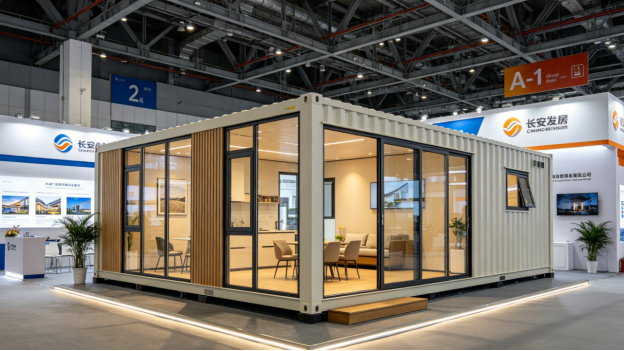
The 139th Canton Fair (Spring 2026) brings together over 200 verified prefab and container structure manufacturers under one roof. Buyers can compare finished samples, negotiate CIF pricing, sign framework agreements, and arrange factory visits — all within a single trip. Cammihouse will exhibit a full-size 20ft demo unit on-site, including a walk-through interior with kitchen, bathroom, and smart home integration. For international buyers in the AirBnB, mining, disaster relief, and resort sectors, this is a 72-hour sourcing window that replaces weeks of email negotiation and factory vetting.
FAQ
Q1: How much does a container house cost when ordered directly from a China factory?
A standard 20ft unit starts at $15,000–$22,000 FOB from a verified China container house factory, depending on finish level. A fully fitted 40ft unit with bathroom, kitchen, and insulation typically costs $28,000–$45,000. Freight to most destinations adds $6,000–$9,500. Buyers who source directly at Canton Fair often secure 8–15% better pricing by removing intermediary margins.
Q2: What is the difference between a modular container home and a prefab container house?
A modular container home is built in discrete stackable or linkable modules — usually 20ft or 40ft units — that can be combined on-site with minimal tools. A prefab container house is a broader term covering any structure pre-fabricated in a factory, including flat-pack steel-frame buildings. Both types can be customized in China factories and shipped globally, but modular systems offer faster on-site assembly, typically 30–60 minutes per connection joint.
Q3: Is it safe to buy a container house from a Chinese manufacturer I haven't visited?
It is safe if you follow a structured verification process: confirm ISO 9001 certification, request a third-party inspection report from SGS or Bureau Veritas, and verify the factory address through satellite imagery. Canton Fair significantly reduces this risk because exhibiting factories have been pre-screened by the China Foreign Trade Centre, and buyers can inspect physical samples on-site before committing to any order.
Justin Mercer is a structural engineer specializing in mobile and prefabricated housing, with 10+ years of field experience across mining, resort, and emergency shelter deployments in Southeast Asia, the Middle East, and North America. He serves on the Cammihouse Technical Team, advising on structural compliance, factory qualification, and client-side project management.
