
1. Logistics and Transportation Efficiency
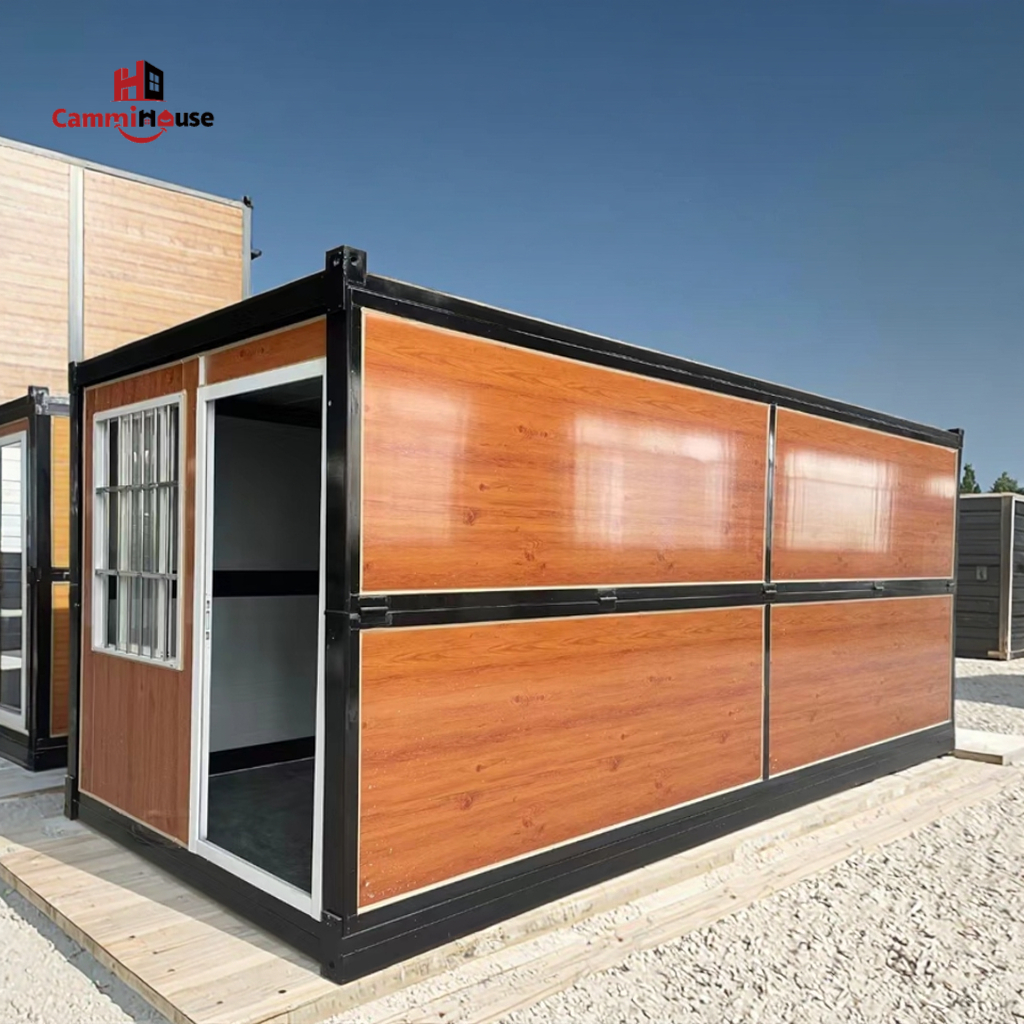
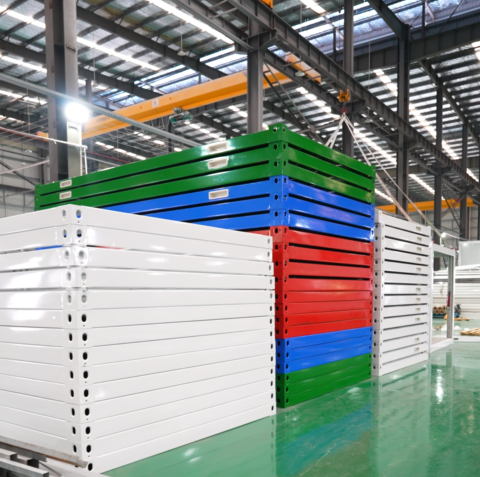
Logistics costs for foldable cabins are 75% lower than fully assembled modular units because a single flatbed truck can transport four units instead of one. In remote mining operations, where transportation accounts for up to 30% of the total camp budget, this density is critical. McKinsey (2022) data indicates that optimizing shipping volume reduces carbon emissions by 60% per square foot of delivered space.
Density and Freight Savings
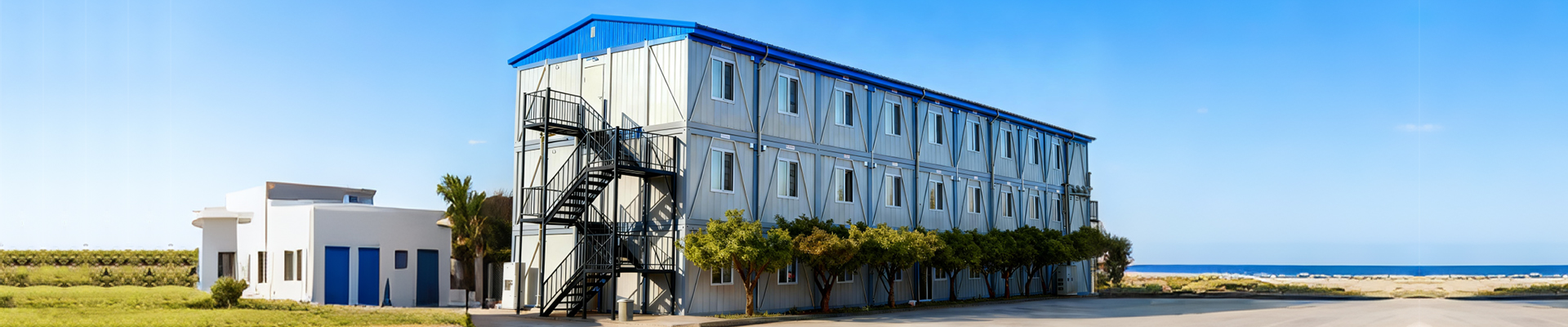
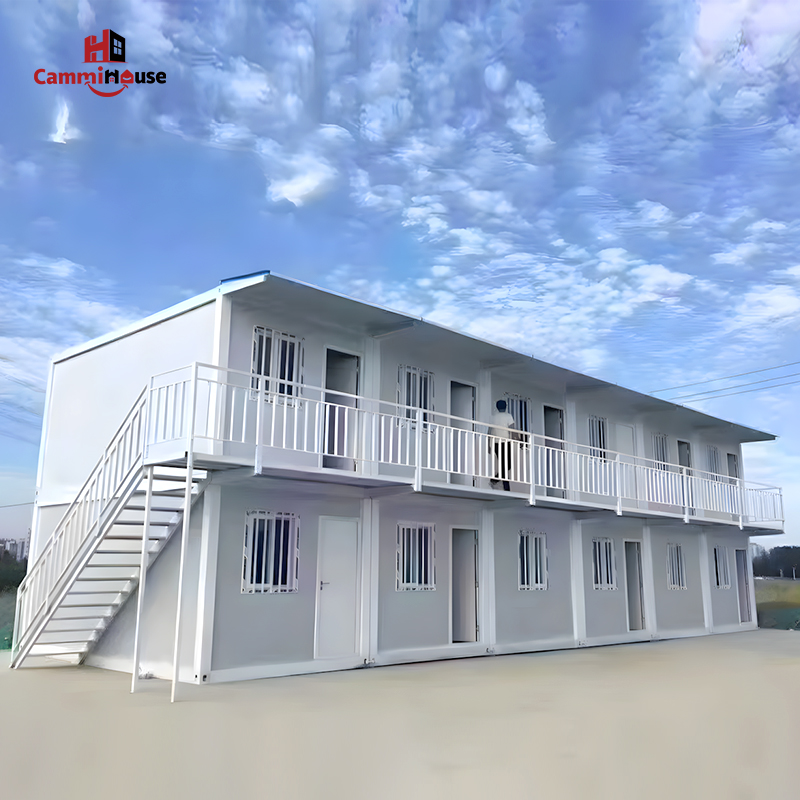
By utilizing a collapsible design, a <u>prefab container house</u> allows for 12 units to fit into a single 40ft High Cube container, significantly lowering ocean freight costs for international projects in Australia or Africa.
2. Rapid Deployment and Labor Savings
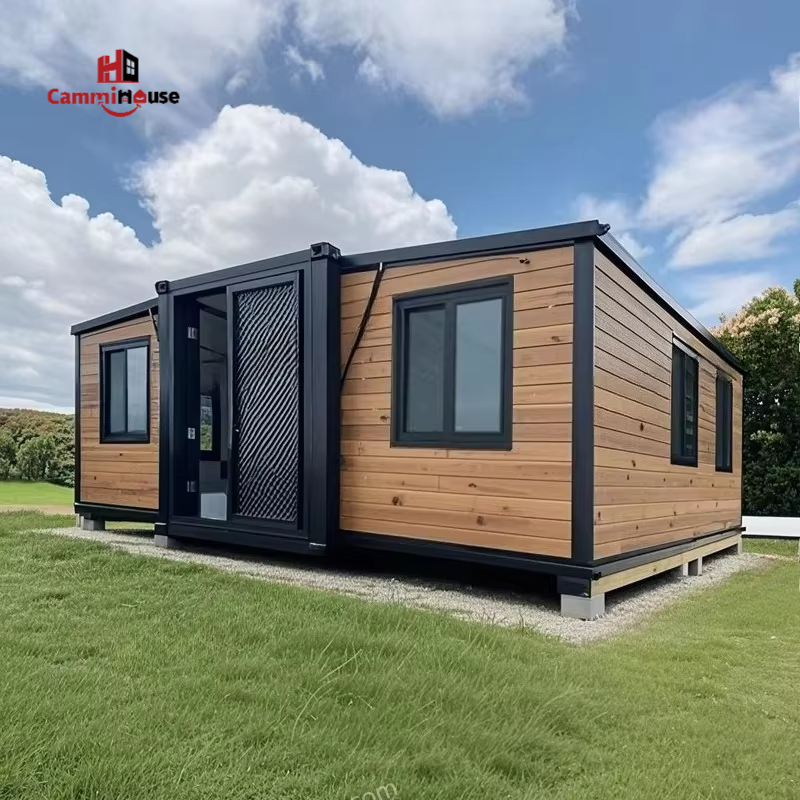
A foldable unit can be erected in under 15 minutes by two workers, compared to the 10-14 days required for traditional brick-and-mortar barracks. This speed allows a 100-person camp to be operational within 48 hours. In a 2024 Cammihouse project survey, it was found that site labor costs were reduced by 80% when switching from on-site construction to pre-manufactured foldable systems.
Assembly Speed Comparison
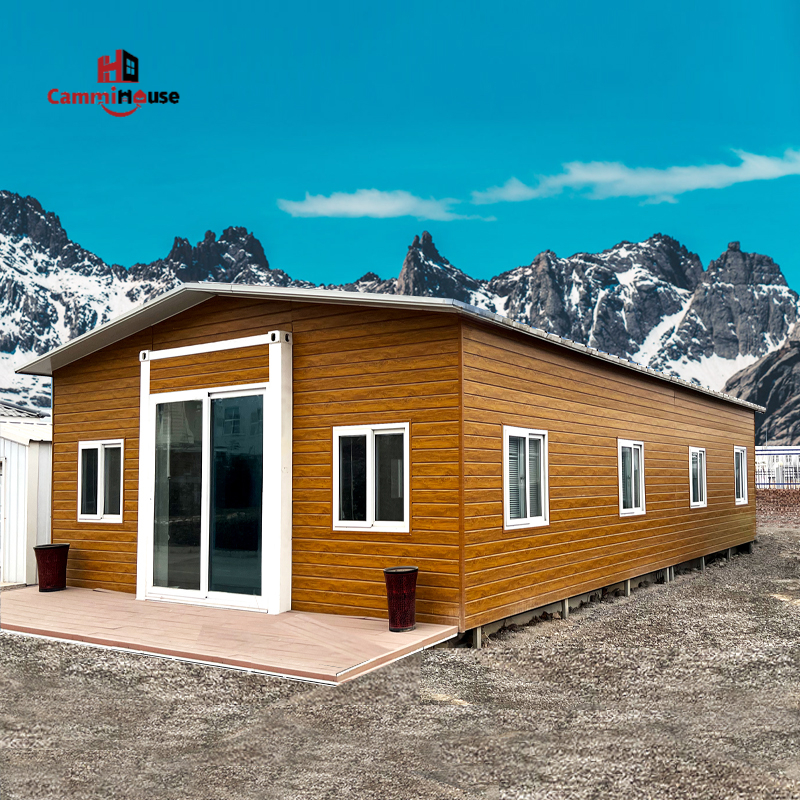
Traditional barracks require foundation pouring and curing time, whereas these modern units only require a leveled gravel pad or steel piers, further compressing the project timeline.
3. Structural Resilience in Remote Sites
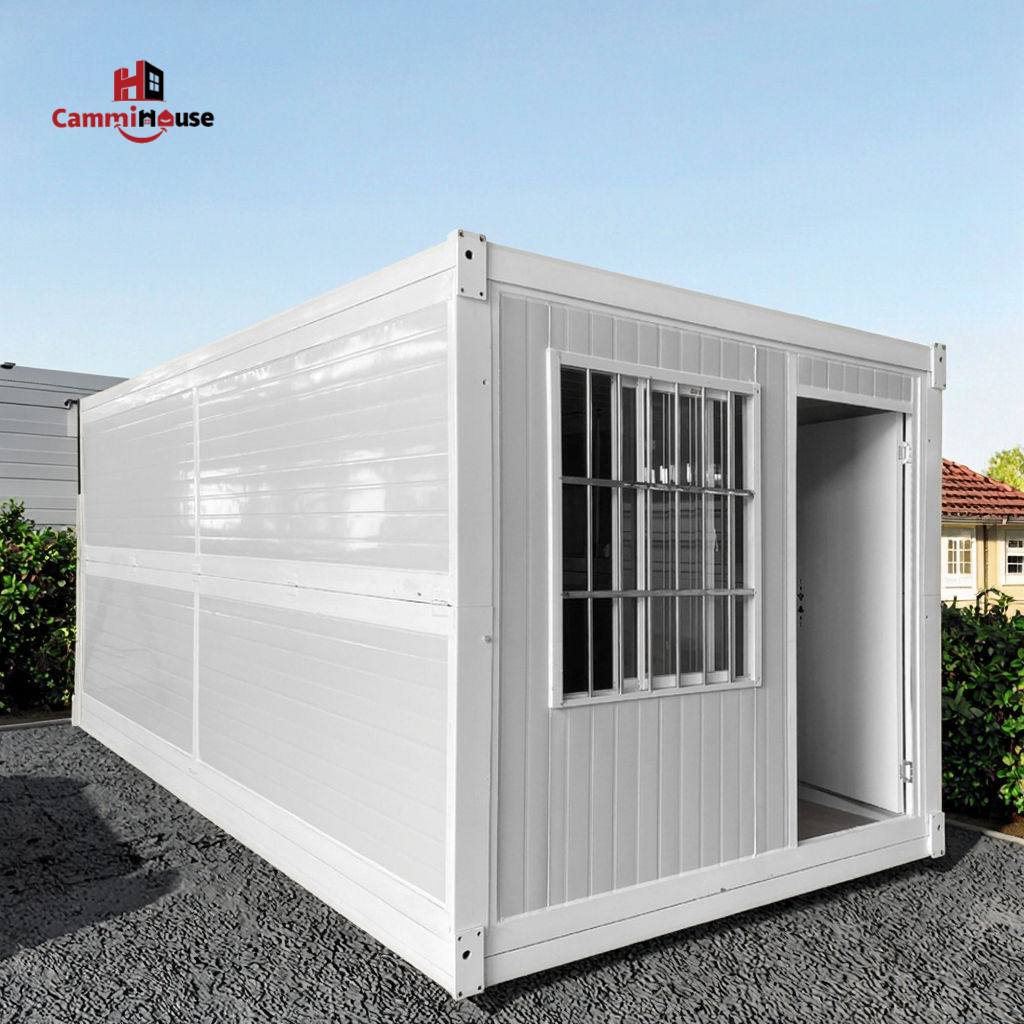
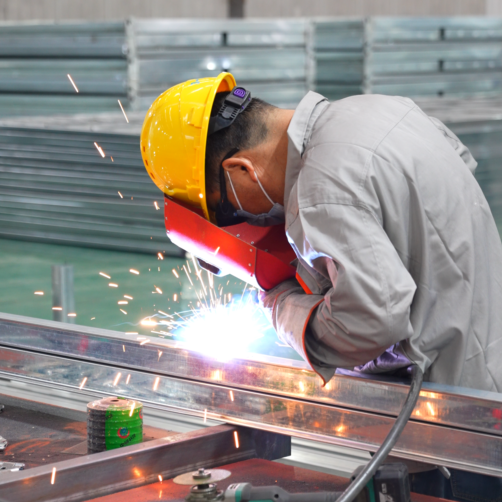
Foldable steel-frame units offer superior structural integrity, with a wind resistance rating of up to 120 km/h, far exceeding the 80 km/h threshold of standard fabric tents or light-duty temporary shelters. Every <u>container house factory</u> must ensure that the hinge mechanisms are tested for 500+ cycles to prevent mechanical failure during relocation.
Steel Frame vs. Timber Barracks
Corten steel frames used in these units do not rot, swell, or attract termites, which are common failure points in remote jungle mining camps.
4. Thermal Performance and Energy Costs
Operational energy costs are significantly reduced when <u>container home insulation</u> is integrated into the wall panels at the factory. U.S. DOE (2021) research shows that a well-insulated modular unit can maintain internal temperatures of 22°C even when exterior desert temperatures reach 45°C, reducing HVAC power consumption by 35%.
Integrated Rockwool Panels
At Cammihouse, we utilize 75mm high-density Rockwool or PU panels to achieve an R-value of 15, ensuring consistent comfort in extreme thermal environments.
5. Reusability for Multiple Projects
The ability to fold and move the camp provides a 40% higher residual value compared to traditional barracks, which are often demolished at the end of a project. A modular container home can be disassembled, folded, and stored in a warehouse until the next mining exploration begins.
Multi-Lifecycle Capability
Field data shows that high-quality foldable units can be relocated up to 10 times without losing structural alignment, making them a long-term capital asset rather than a one-time expense.
6. Quality Control in Factory Settings
Manufacturing in a controlled <u>container house factory</u> eliminates the risk of weather-related construction delays and ensures a 99.8% precision rate on all fittings. McKinsey (2022) notes that off-site construction reduces material waste by 25% compared to on-site building methods.
Precision Engineering
Every unit undergoes automated leak testing and electrical certification before leaving the factory, reducing the risk of on-site equipment failure.
7. Scalable Design and Space Optimization
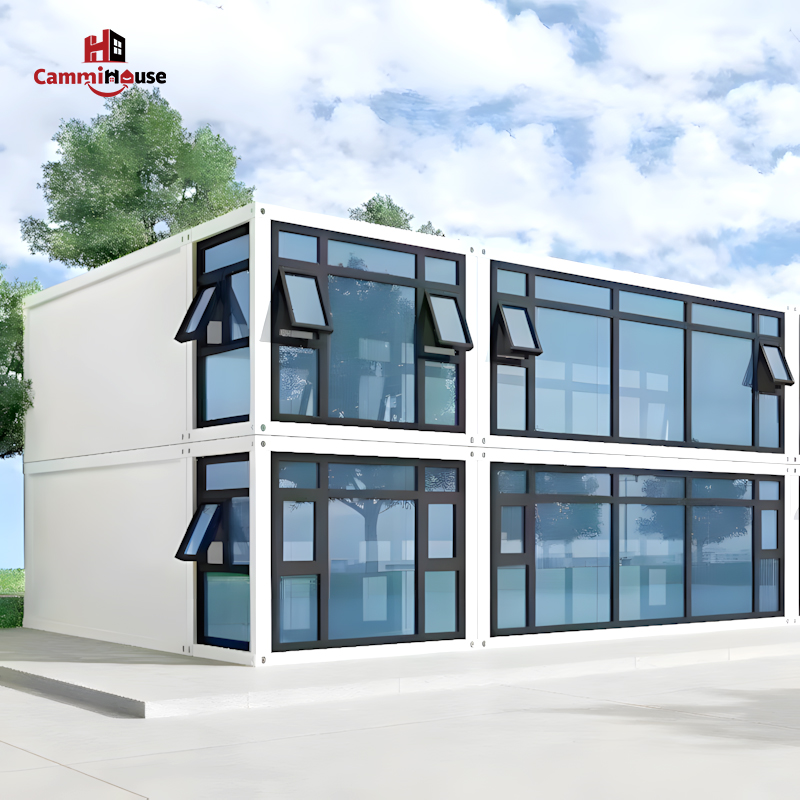
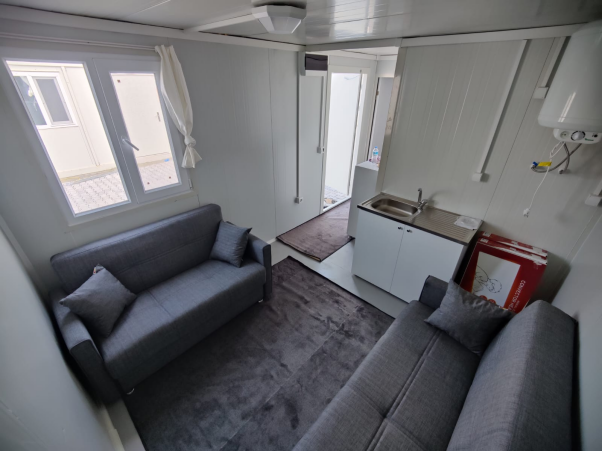
Optimized container house design allows for a 15-square-meter unit to accommodate two workers with full amenities. By utilizing vertical storage and built-in furniture, these cabins provide a living experience comparable to hotel rooms within a compact industrial shell.
Minimalist Dormitory Layouts
The internal layout can be configured as a sleeping unit, a field office, or even a medical clinic, providing flexibility for diverse mining operations.
8. Total Cost of Ownership (TCO) Analysis
When analyzing the 10-year TCO, foldable container house are 30% more cost-effective than traditional barracks due to lower maintenance, zero demolition costs, and high energy efficiency. McKinsey (2022) emphasizes that while upfront material costs may be higher, the reduction in labor and logistics creates a shorter ROI window.
ROI and Asset Depreciation
Because these units are classified as mobile equipment in many jurisdictions, they often qualify for accelerated depreciation, further improving the tax-adjusted ROI for mining companies.
Frequently Asked Questions
Q: What is your warranty policy for the structural frame and the interior finish?
A: We offer a 15-20 year warranty on the main steel structure and a 1-year warranty on interior fixtures and appliances.
Q: How much on-site labor is required to complete the assembly?
A: For an expandable house, 2-3 people can finish it in 2 hours. For complex villas, it may take 3-5 days for finishing touches like siding and roof sealing.
Q: What kind of foundation is required for these modular units?
A: They can be placed on concrete piers, slab foundations, or helical piles. We provide the foundation loading points plan after the design is finalized.
Justin Mercer, Cammihouse Technical Team.
