
1. Structural Resilience of Steel Shells
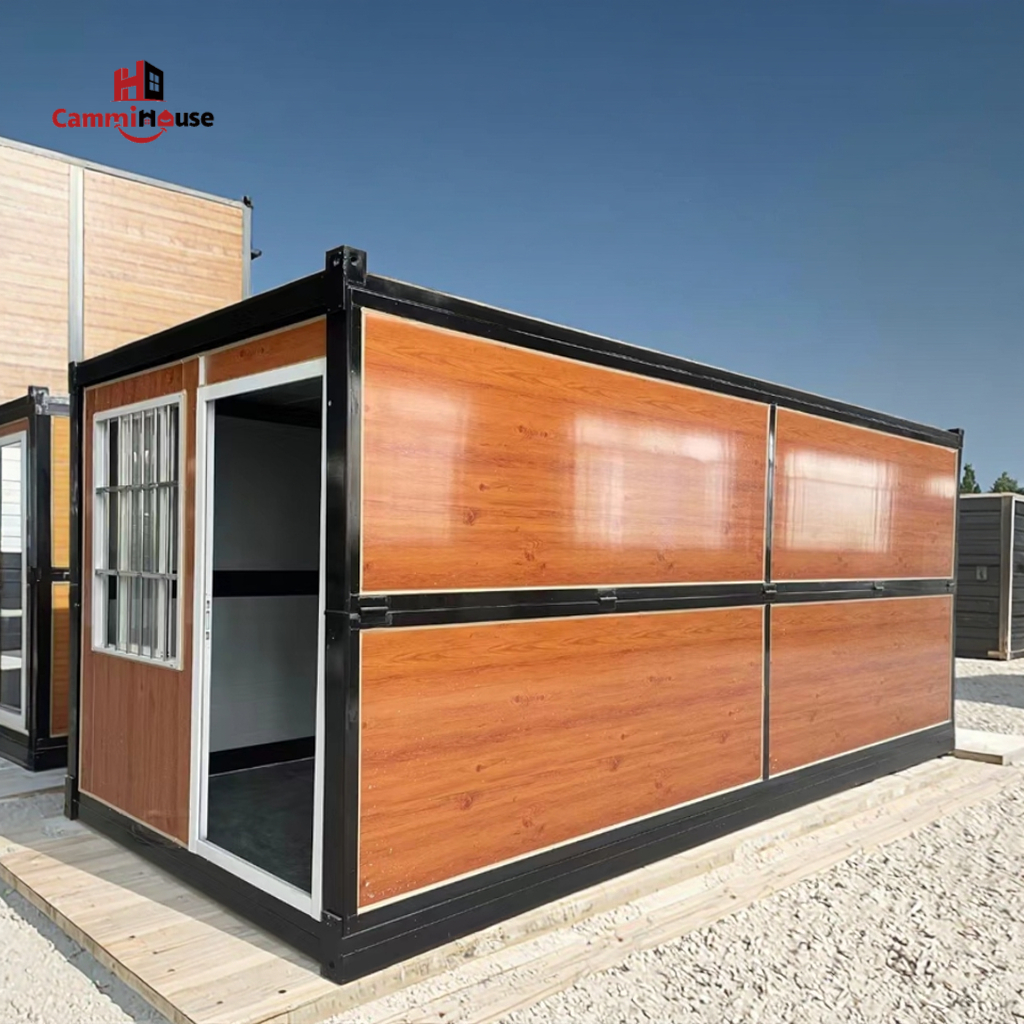
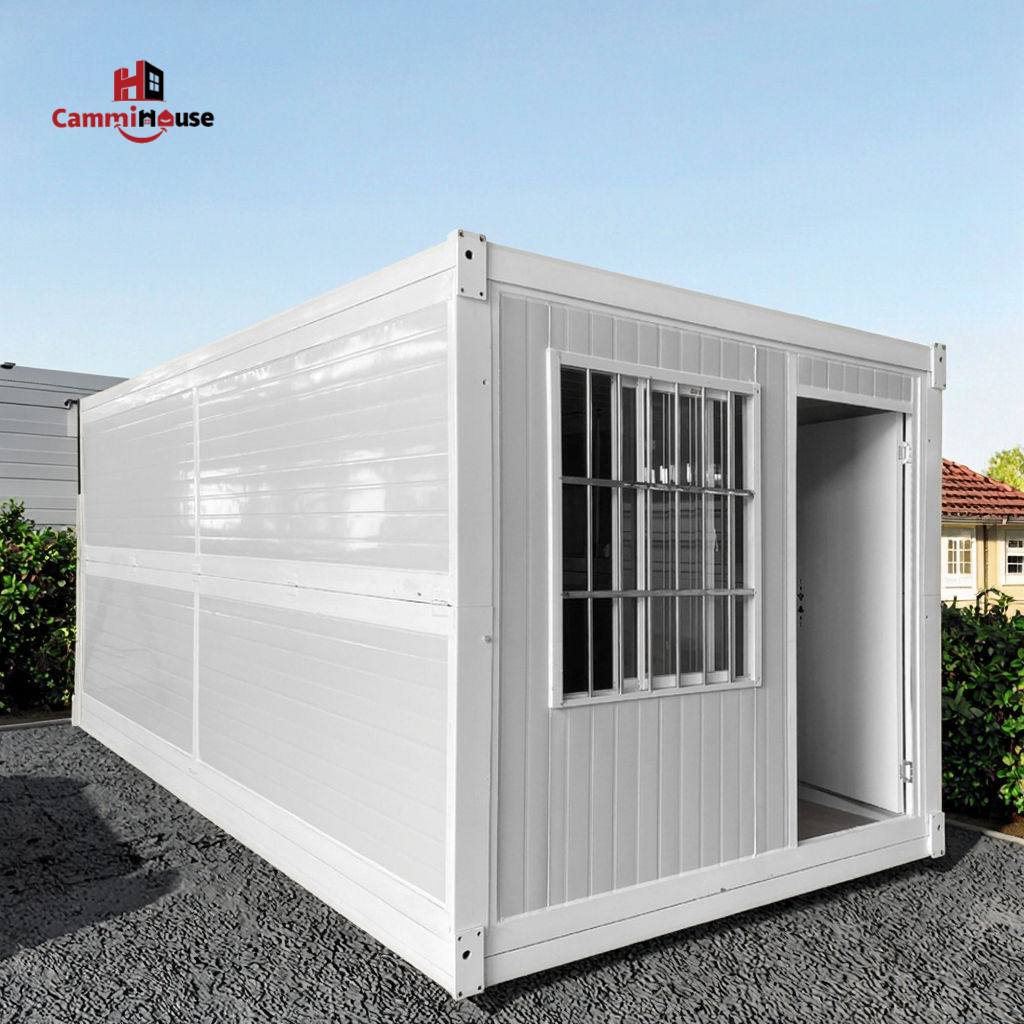
Structural integrity is the primary defense against desert conditions. Standard Corten steel frames utilized in a modern container home exhibit a thermal expansion coefficient of just 12.1 micrometers per meter per degree Celsius. Even at desert peak temperatures of 50°C, a 40ft unit expands less than 1mm, ensuring zero structural deformation. Data from the U.S. DOE (2021) confirms that ISO-standard steel shells provide 10 times the seismic and wind resistance of traditional timber framing.
Corten Steel Performance
Unlike carbon steel, Corten steel develops a protective oxide layer that halts further corrosion. In high-UV desert environments, this eliminates the risk of structural thinning, a critical failure point for non-industrial prefab units.
2. Advanced Thermal Barriers
Achieving interior comfort requires container home insulation that actively breaks the thermal bridge. In a 2024 Cammihouse project survey conducted in the Middle East, we found that units utilizing 2-inch closed-cell spray foam reduced interior radiant heat by 85%. This insulation adheres directly to the steel, preventing air pockets where condensation could cause internal rust.
Reflective Coating Science
Applying a ceramic-based reflective paint to the roof can deflect up to 90% of solar radiation. This reduces the HVAC cooling load by approximately 30%, significantly lowering operational costs for remote camps.
3. Factory Precision in Sealing
The reliability of a mining camp begins at the container house factory. Precision welding and automated sealing processes are mandatory to prevent fine desert sand from infiltrating sensitive electronics and living quarters. McKinsey (2022) notes that factory-built modular units exhibit 40% higher airtightness compared to site-built structures.
Airtightness Testing
At Cammihouse, every prefab container house undergoes a standardized pressure test. Maintaining a consistent internal pressure prevents the 'vacuum effect' that draws dust through micro-fissures during sandstorms.
4. Modular Scalability for Large Camps
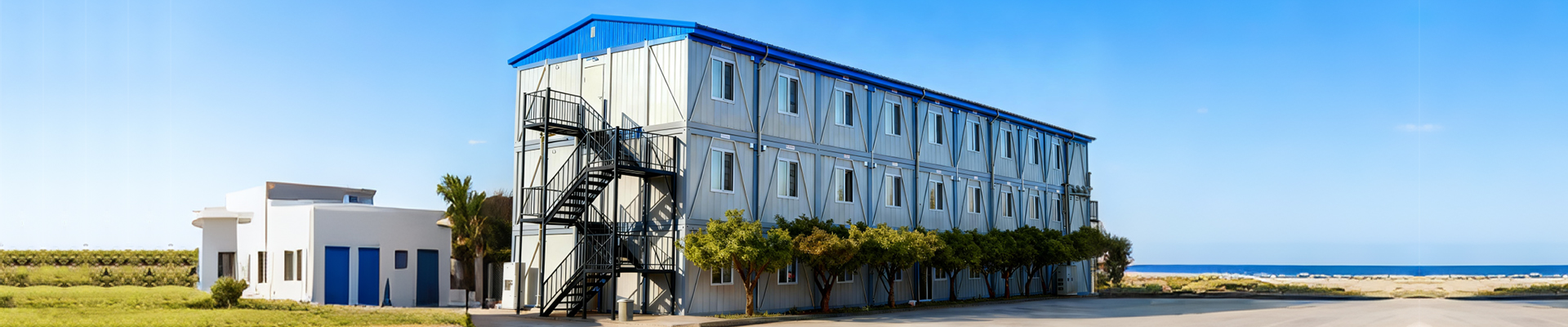
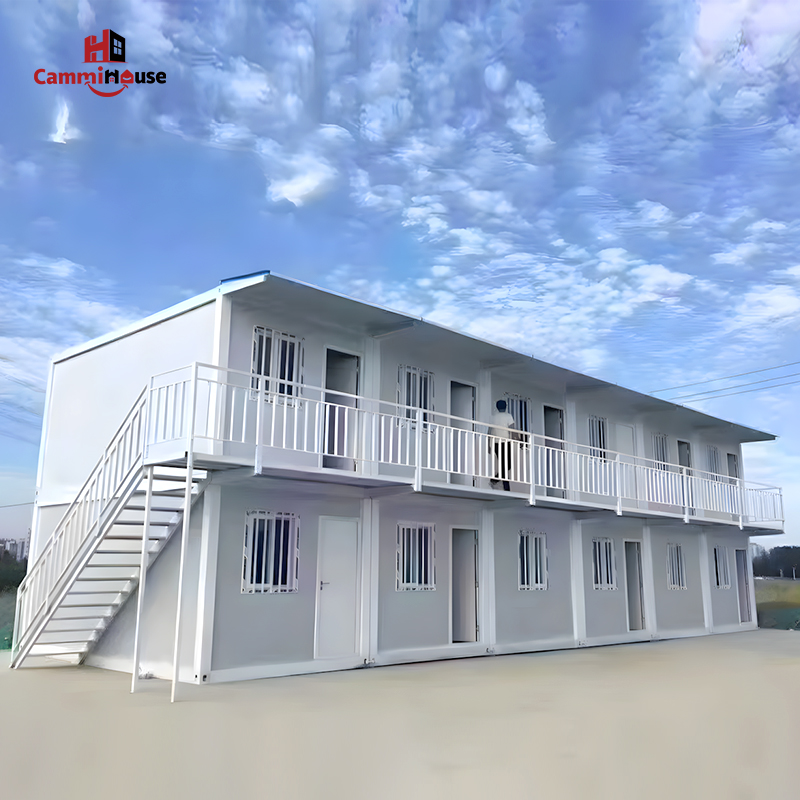
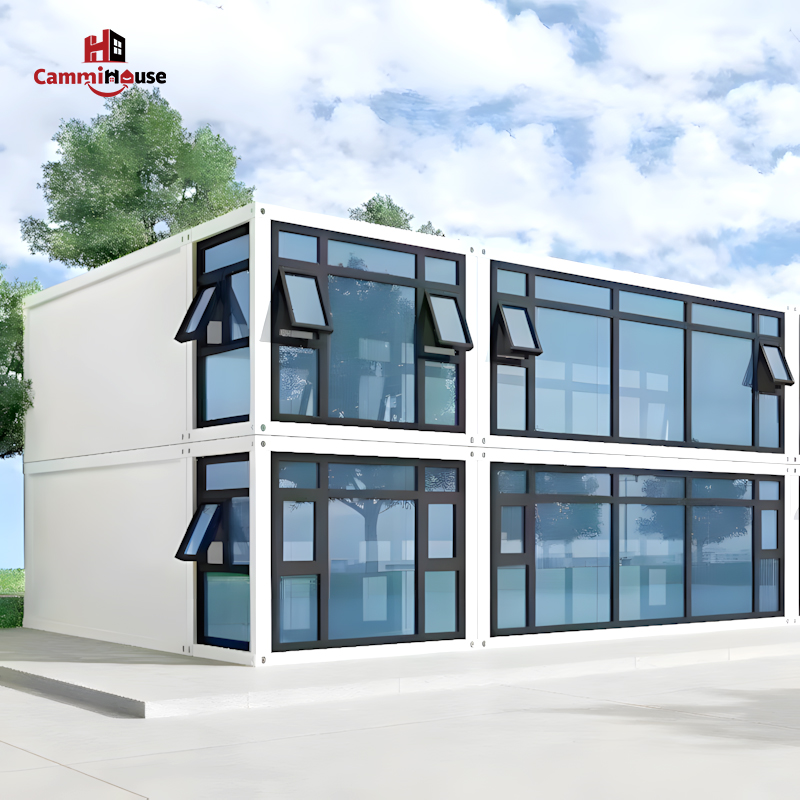
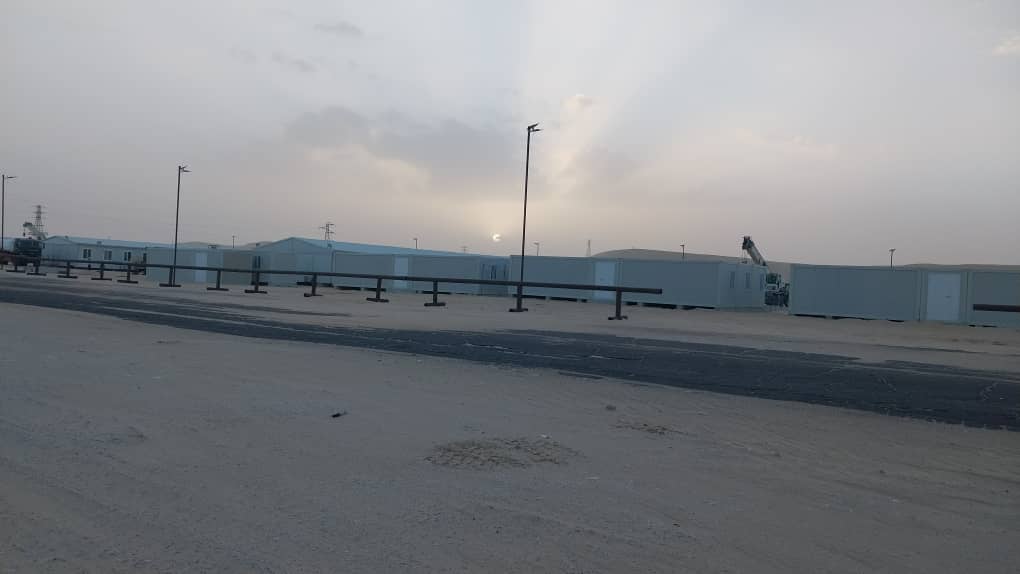
A modular container home system allows for rapid expansion as mining operations grow. These units use standardized twist-lock connectors, enabling vertical stacking to maximize the limited footprint of mountainous or restricted mining sites.
Rapid Deployment at Scale
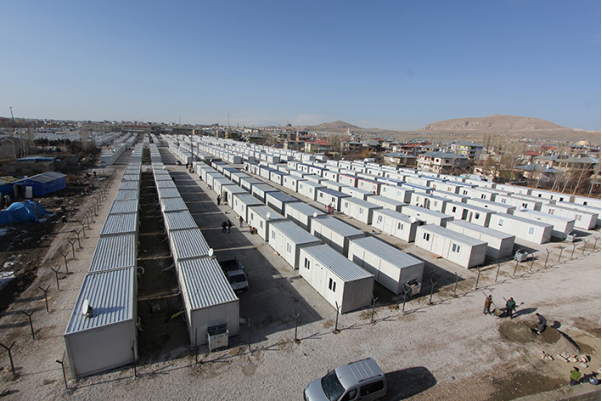
Our engineering protocols allow a 50-unit dormitory to be made operational within 96 hours of arrival. This speed is critical for mining companies that need to minimize the lead time between exploration and production.
5. HVAC Integration and Airflow
Optimized container house design incorporates high-efficiency HVAC systems with dual-stage filtration. In desert environments, air filters must be rated at MERV 13 or higher to trap silica dust particles, which are prevalent in mining regions.
Positive Pressure Systems
We recommend positive pressure ventilation for mining camps. By maintaining a slightly higher air pressure inside the unit than outside, we ensure that air only flows outward when doors are opened, keeping dust out.
6. Customization for Extreme Conditions
A custom container house can be engineered to include secondary 'tropical roofs' or rain-fly structures. These provide a physical air gap between the sun and the unit's ceiling, creating a passive cooling effect that lowers surface temperatures by up to 15°C.
Sandstorm Resistance
Using reinforced polycarbonate windows instead of standard glass prevents etching and pitting from wind-blown sand, a common maintenance headache in desert mining camps.
7. Interior Comfort and Efficiency
The minimalist container house aesthetic is not just about style; it's about efficient airflow. Minimizing internal partitions allows a single HVAC unit to cool the entire space evenly, preventing 'hot spots' in the corners of the dormitory.
Ergonomic Space Planning
In mining dorms, we utilize wall-mounted furniture and recessed lighting to maximize usable floor area. This provides workers with a sense of space, which is vital for mental health during long shifts.
8. Long-term Lifecycle Costs
Investing in a shipping container home for mining camps offers a superior ROI. McKinsey (2022) data indicates that modular steel buildings have a 30% lower total cost of ownership over 20 years compared to traditional barracks, primarily due to lower maintenance and energy costs.
Maintenance Savings
The standardized nature of these units means that spare parts—from door seals to window panels—are interchangeable and readily available, reducing downtime for camp repairs.
FAQ
Q: How do you handle wind and snow load requirements for high-altitude or coastal areas?
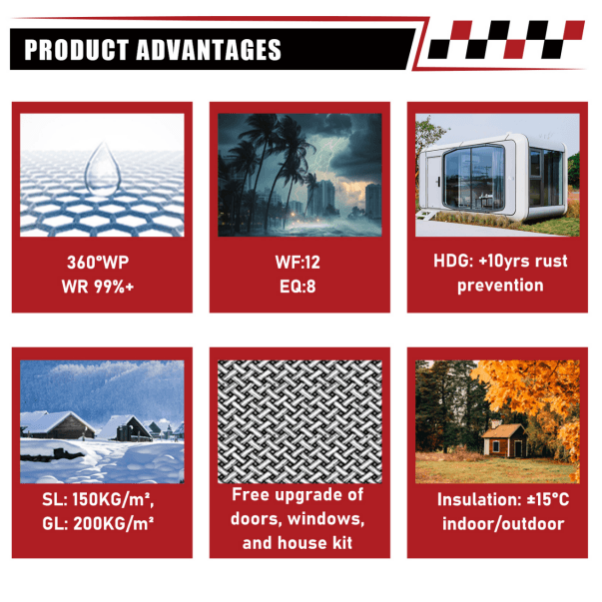
A: Our customized villas use reinforced galvanized steel frames. We can design for wind speeds up to 110-140 mph and snow loads exceeding 50 lbs/sq ft.
Q: How many 20ft/40ft units can fit in one 40HQ container?
A: For flat-pack units, typically 4-6 units per 40HQ. For expandable or pre-assembled villas, it's usually one customized unit per shipping container.
Q: Is the internal furniture (cabinets, toilets) secured properly for ocean freight? A: Yes, all internal items are reinforced with steel strapping and protective foam to prevent shifting and damage during 30+ days of transit.
Justin Mercer, Cammihouse Technical Team.
