Author: Justin Mercer, Cammihouse Technical Team
1. The Hidden Cost Problem in Hotel Camp Construction
Why traditional builds overrun budgets
Conventional onsite construction is the main reason hotel camp budgets overrun. McKinsey 2022 reports construction productivity grew only about 1% a year for two decades, while labor and material costs rose faster than general inflation. Remote workforce camps for mining and energy crews add freight premiums and weather delays on top of that baseline, often pushing total spend 20-30% above an urban build of the same size.
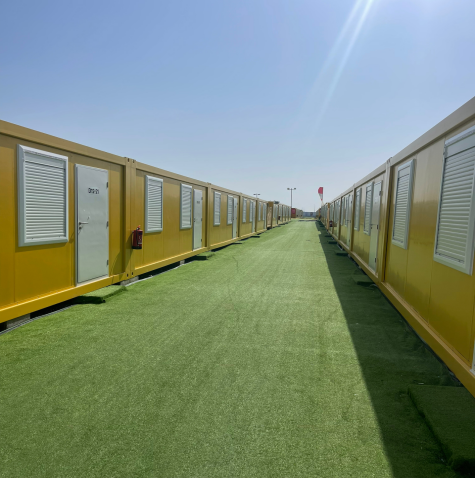
2. How Container House Factory Production Cuts Spend
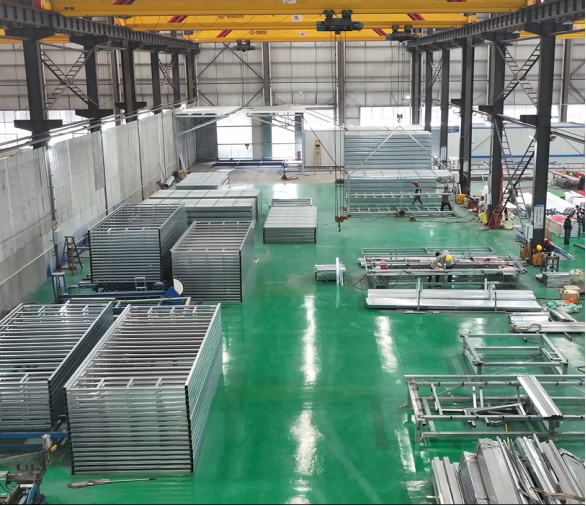
Indoor assembly versus site-built rooms
A container house factory removes weather and trade-sequencing risk by building wall, electrical, and plumbing modules on a fixed indoor line. The U.S. DOE 2021 modular construction report found indoor assembly cut rework rates by up to 20% compared with onsite trades. For hospitality camps housing rotating crews, that predictability lets operators set opening dates and revenue forecasts with far less contingency padding.
3. Modern Container Home Design for Hospitality Use
Layout efficiency in a small footprint
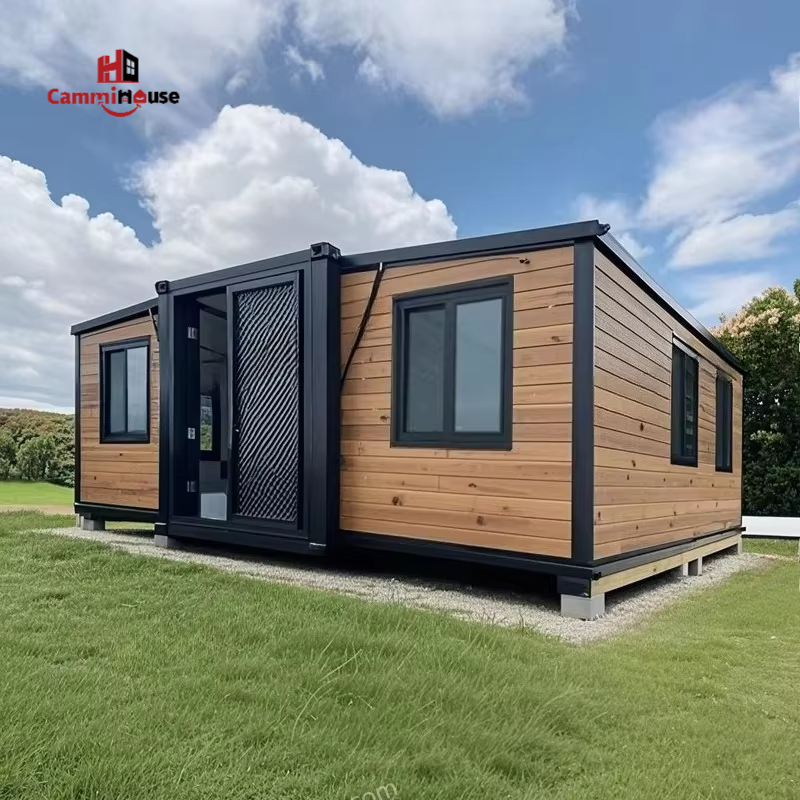
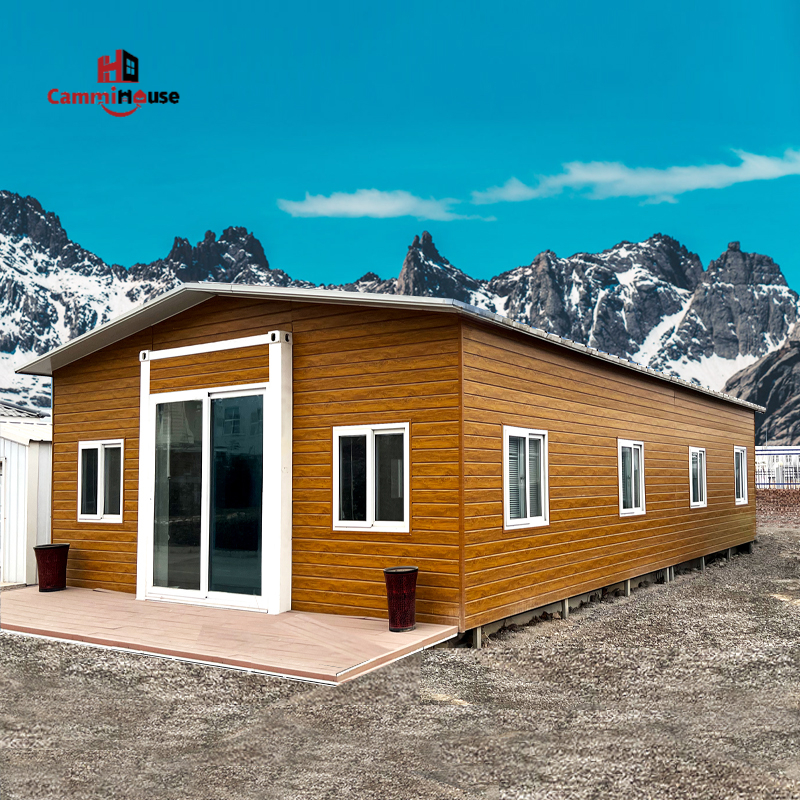
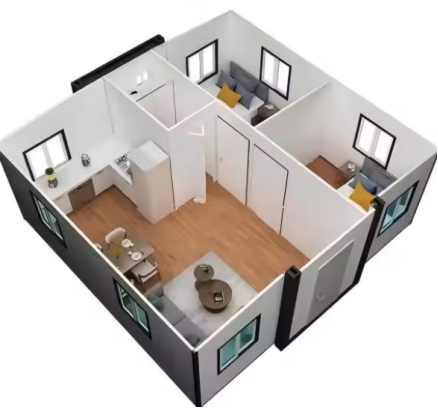
A well-planned modern container home layout solves the space limits that worried early camp operators. Placing the plumbing core along one exterior wall frees the rest of a 20-foot unit for a queen bed, a desk, and a separate shower stall, matching the room size guests expect from a budget hotel rather than a barracks-style dormitory.
4. Custom Container House Options for Brand Standards
Matching hotel chain specifications
Acustom container house program lets an operator meet brand finish, lighting, and signage requirements without a ground-up redesign for every site. Door widths, corridor spacing, and ADA-style accessibility clearances can be locked into the factory drawing set once, then repeated across every camp location the brand opens next.
5. Shipping Container Home Logistics for Remote Sites
Reaching mining, construction, and desert camps
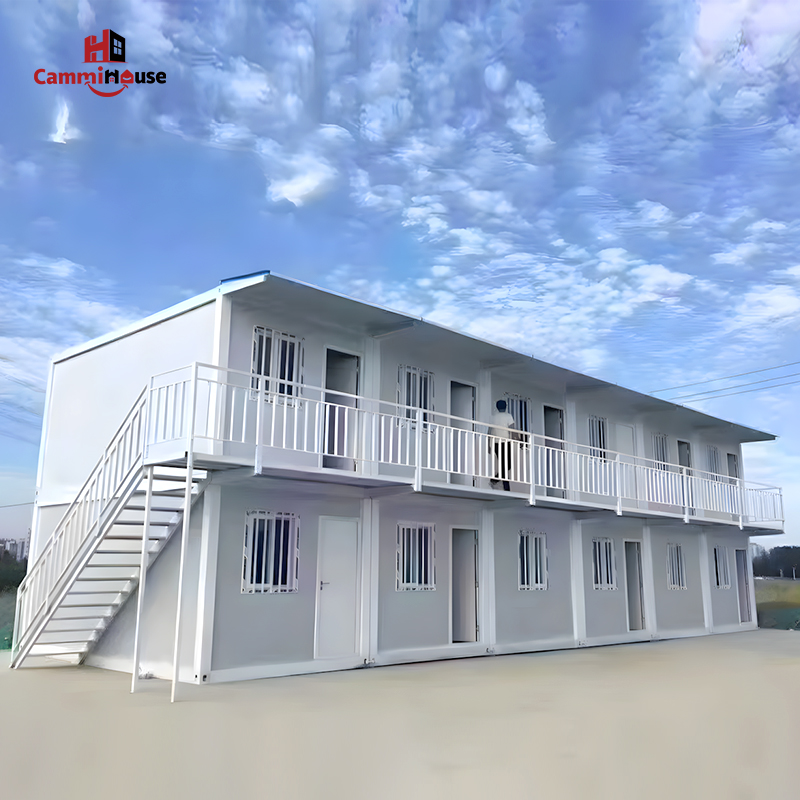
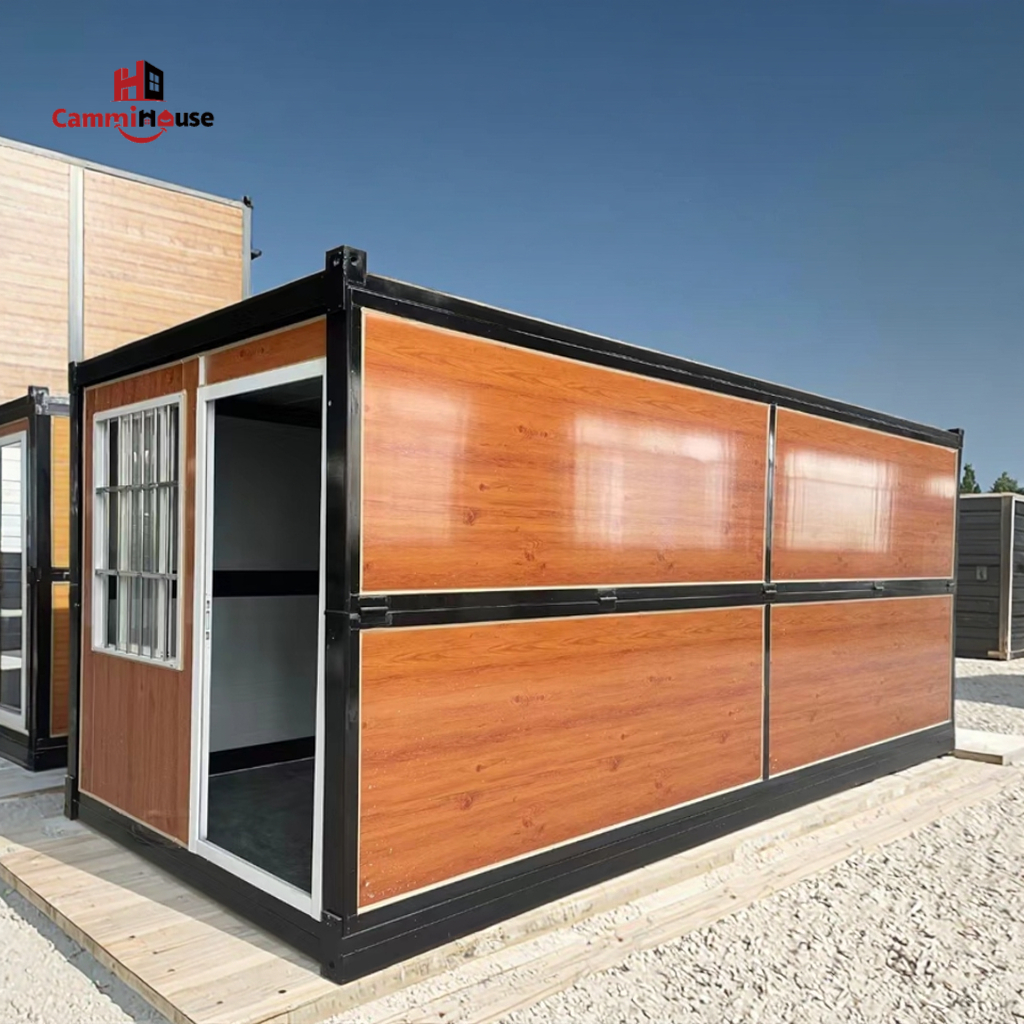
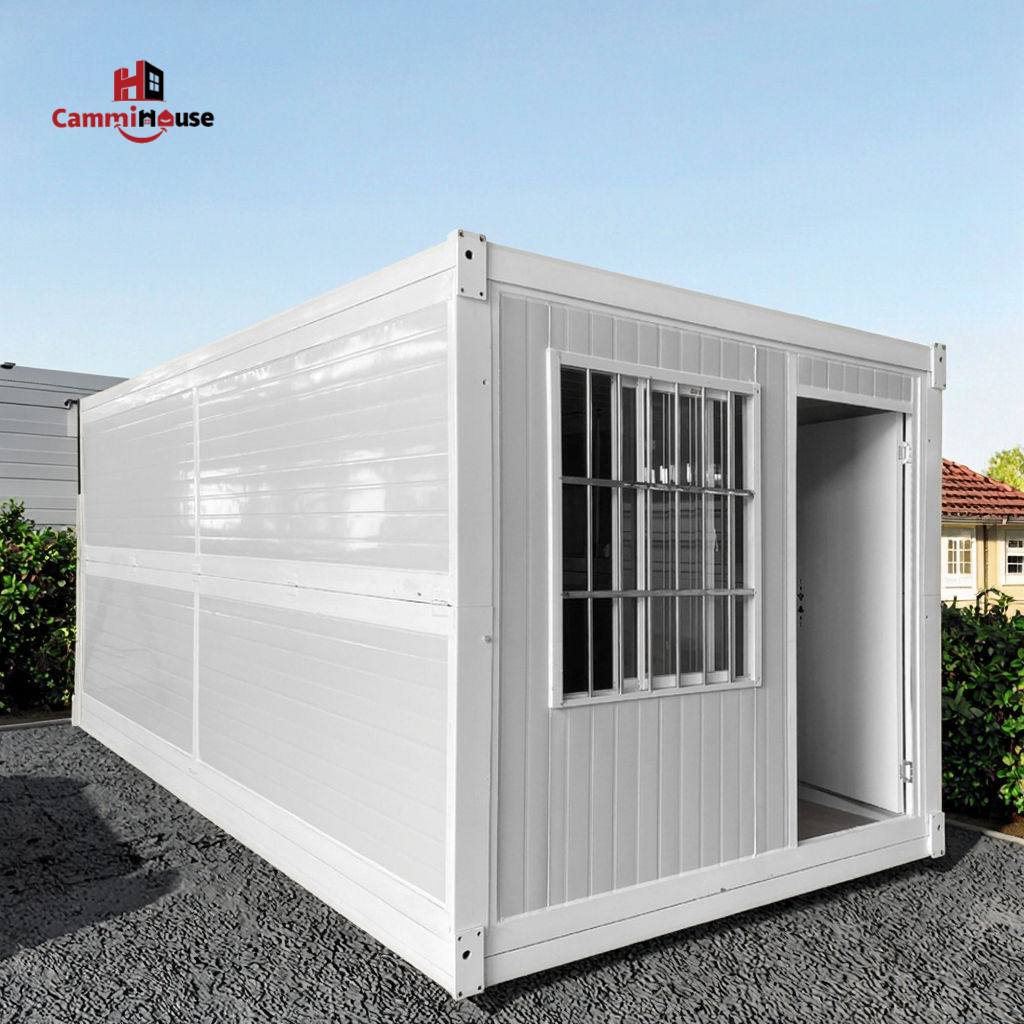
A shipping container home unit travels on standard flatbeds, rail, and ocean intermodal routes without special oversize permits in most regions. Middle East energy camps in Saudi Arabia and the UAE rely on this routing to place finished rooms in desert locations months ahead of staff arrival, avoiding the long site-built schedules that hot climates and labor import rules would otherwise require.
6. Modular Container Home Assembly Speed
Comparing install timelines on real sites
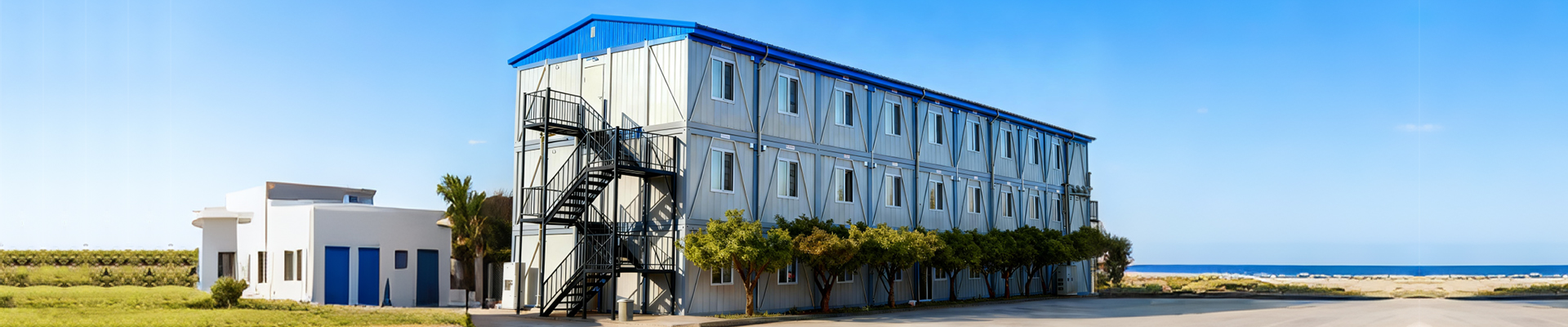
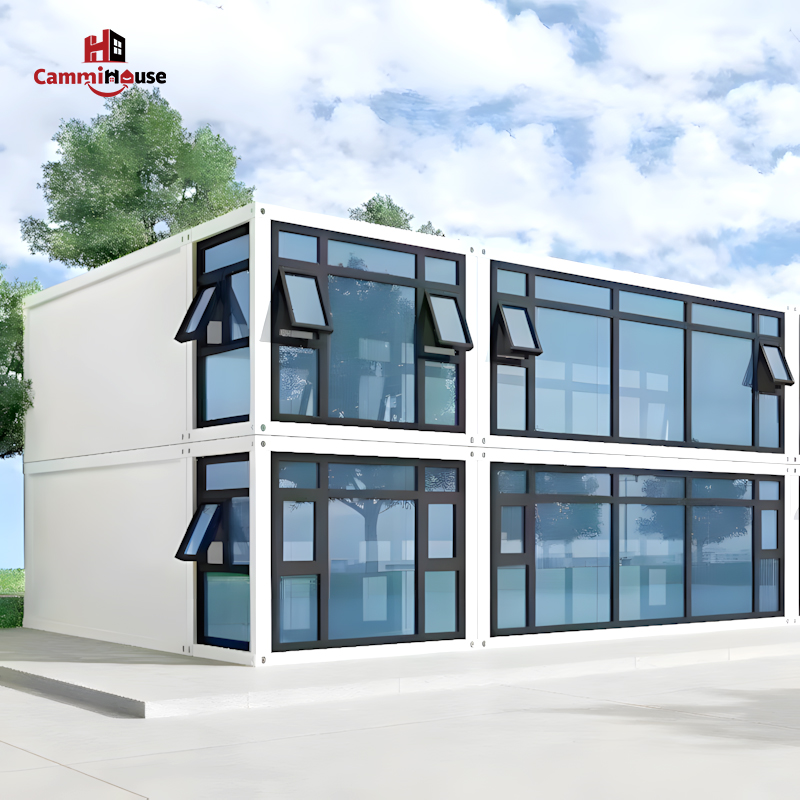
A modular container home camp goes from delivery to occupancy in weeks, not months. In a 2024 Cammihouse project survey of camp operators, a 50-unit hotel camp averaged 6 to 8 weeks of onsite assembly, against 4 to 6 months for a comparable steel-frame build, which cuts financing and carrying costs over the project timeline.
7. Prefab Container House Lifecycle and Maintenance Costs
Long-term value over a 10-plus year service life
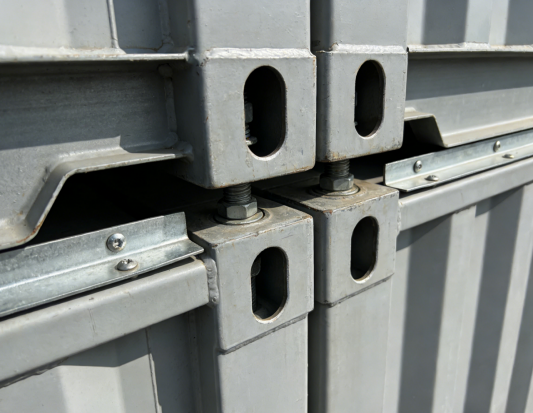
A prefab container house built on a Corten or galvanized steel frame resists corrosion better than timber-frame portables, which lowers repainting and structural repair frequency across a 10-to-15-year service life. Camp operators who relocate units between projects also recover residual resale value that a site-built structure cannot offer once the lease ends.
8. Choosing a Manufacturer for Hotel Camp Projects
What to verify before placing an order
Manufacturer selection decides whether the savings above actually appear in the final invoice. Buyers should confirm ISO container certification, factory quality-assurance logs, and a documented after-sales service network before signing. Cammihouse, operating within this container house factory segment for camp and hospitality clients, keeps unit-level QA records and regional installation support that buyers can request and verify directly during due diligence.
FAQ
Q: Can container buildings reduce costs?
A: Yes. Standardized production and faster installation reduce labor, schedule, and lifecycle costs for hotel camps compared with conventional steel-frame or timber-frame builds on remote sites.
Q: Are they suitable for remote projects?
A: Yes. They are widely used for mining, construction, and energy camps because units ship on standard flatbeds and rail, and they expand easily as crew headcount grows.
Q: Why choose a factory-built solution?
A: Certified factory manufacturing improves build consistency, simplifies maintenance planning, and protects long-term resale value better than site-built or improvised camp housing.
