
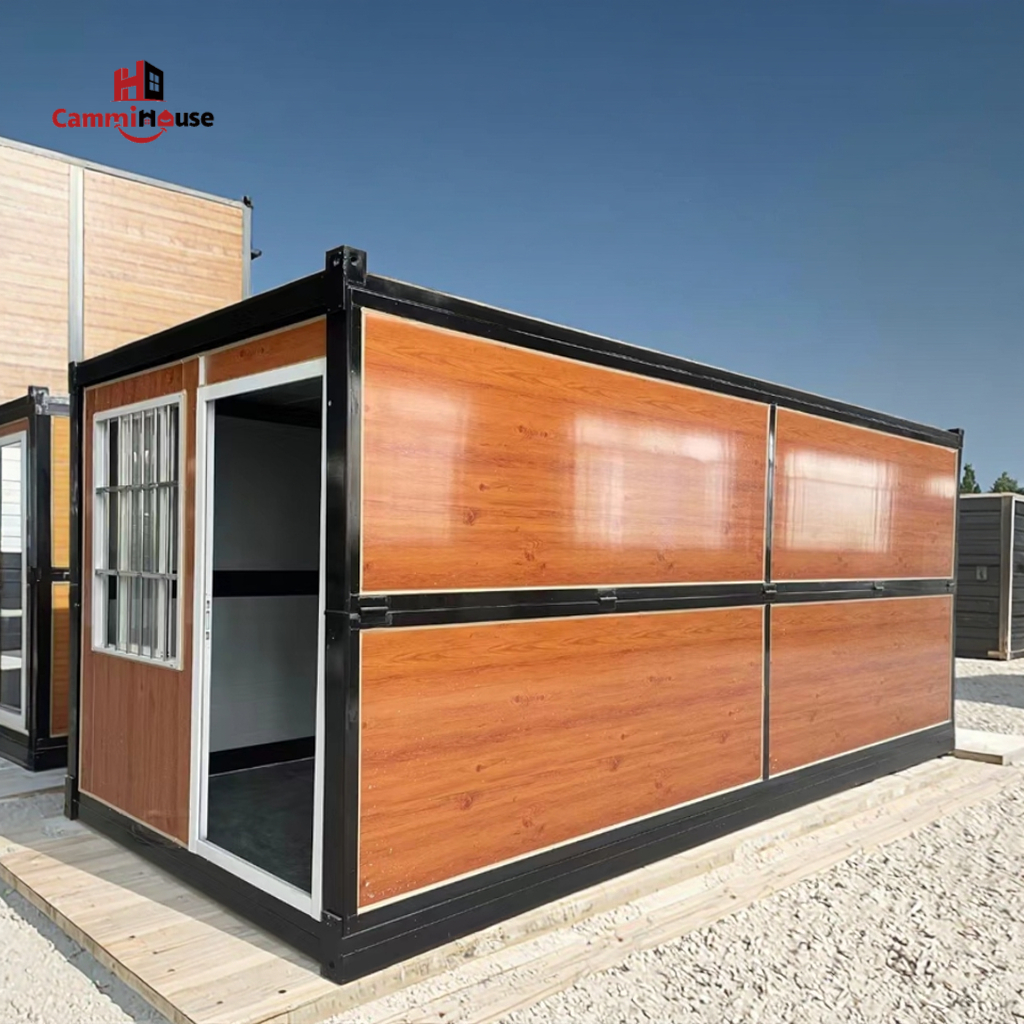
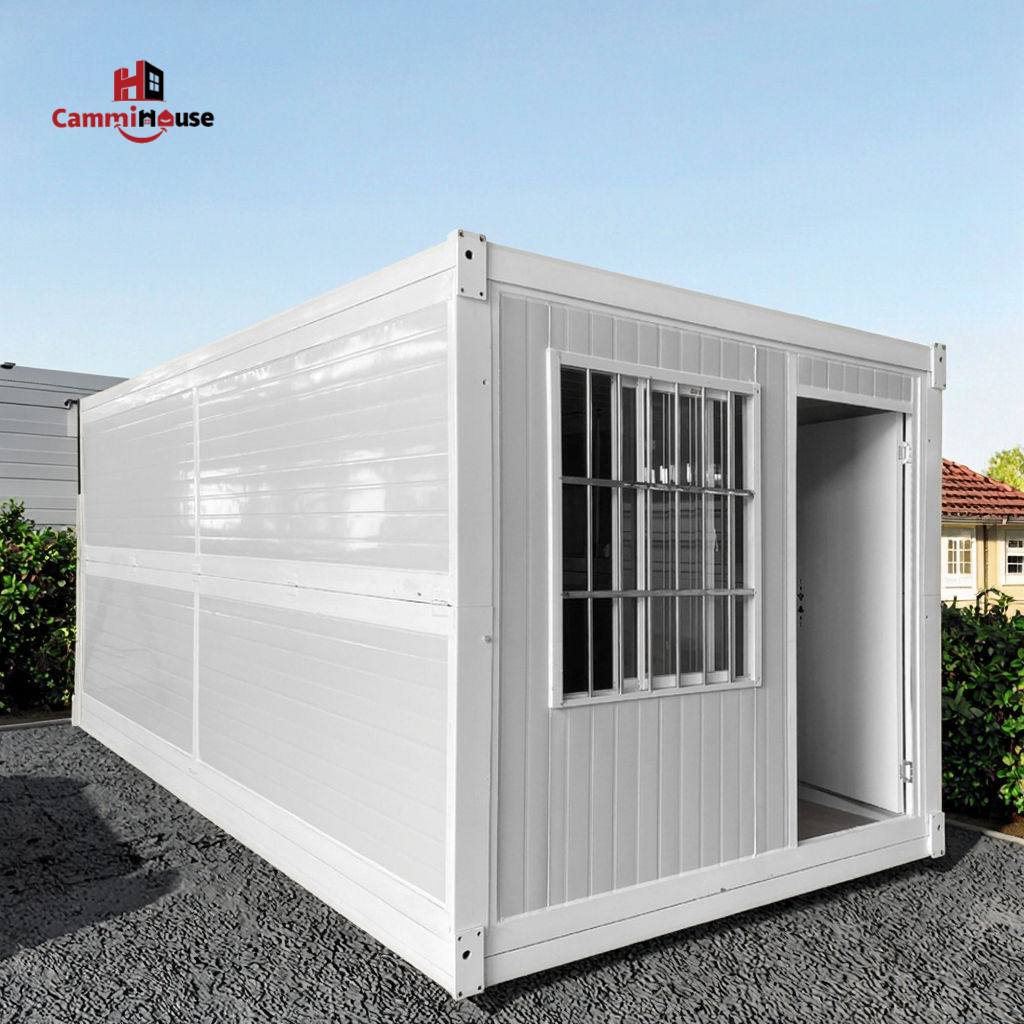
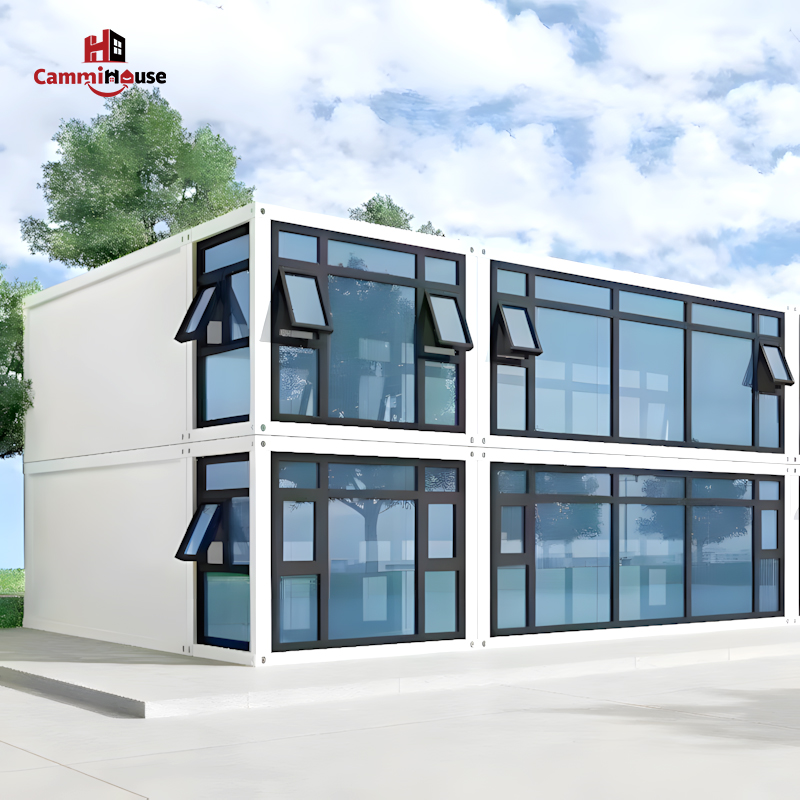
Many buyers ask whether a flat pack container house can hold up in heavy rain, strong winds, or freezing temperatures. The short answer is yes — when built to the right engineering standards, these structures are designed for long-term durability, not just quick assembly. This article breaks down the structural data, material specs, and real-world deployments that answer this question with evidence, not guesswork.
What Makes a Flat Pack Container House Structurally Strong
Steel Frame and Panel Construction
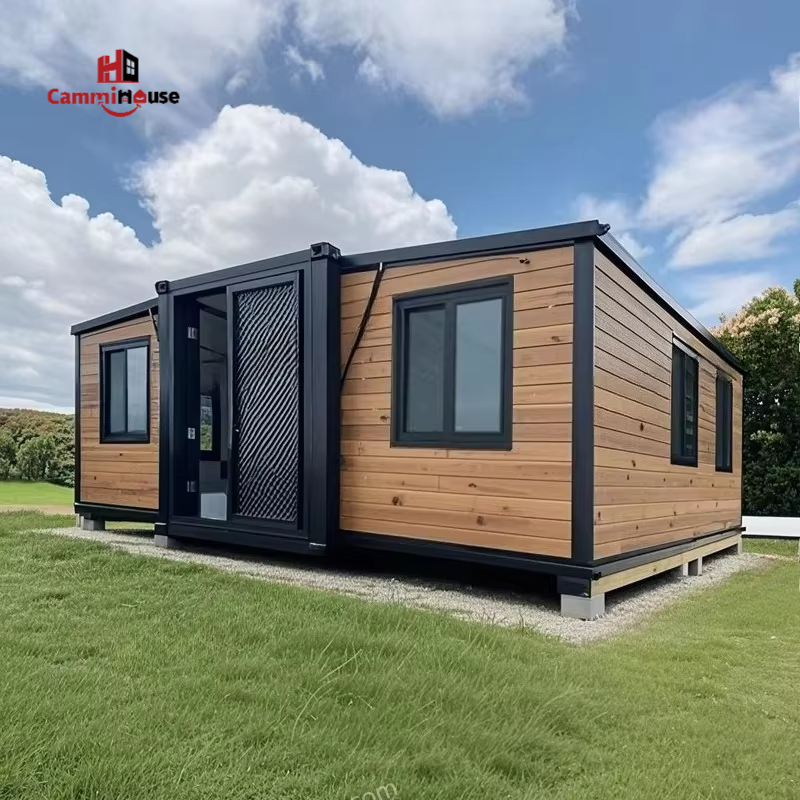
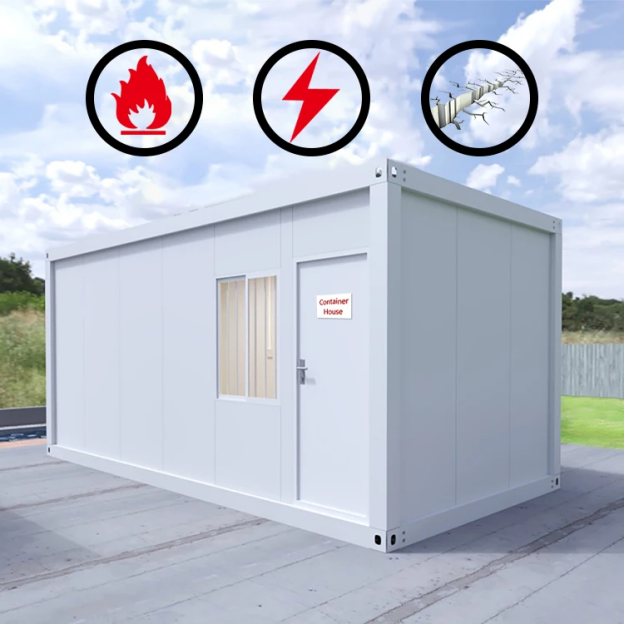
A well-built prefab container home starts with a galvanized cold-rolled section steel frame. This material resists corrosion and maintains structural integrity across climates. Wall panels are 50mm thick rock wool sandwich boards, which combine rigidity with thermal buffering. Cammihouse units carry a live load rating of 300 kg/m² — meaning the roof structure can support the weight of over 50 adults standing simultaneously without deformation or water leakage. That figure is backed by in-factory load testing, not estimates.
The entire frame is fully welded by robotic automation, eliminating the weak points that glued or bolted assemblies create. Automatic powder spraying and baking paint provide a maintenance-free anti-corrosion layer for up to 15 years, and the service lifespan of a properly installed unit exceeds 20 years under normal outdoor conditions.
HowFlat Pack Container Houses Perform in Extreme Weather
Wind Resistance and Storm Performance
Wind load is one of the primary structural concerns for any modular container house. Cammihouse flat pack container houses are rated at a wind resistance coefficient of 45 m/s — equivalent to a strong tropical storm or Category 2 hurricane by international Beaufort scale standards. The robotic full-weld construction method means no joint relies on adhesive bonding, which is typically the first failure point during sustained high-wind events.
Waterproofing, Drainage, and Rain Performance
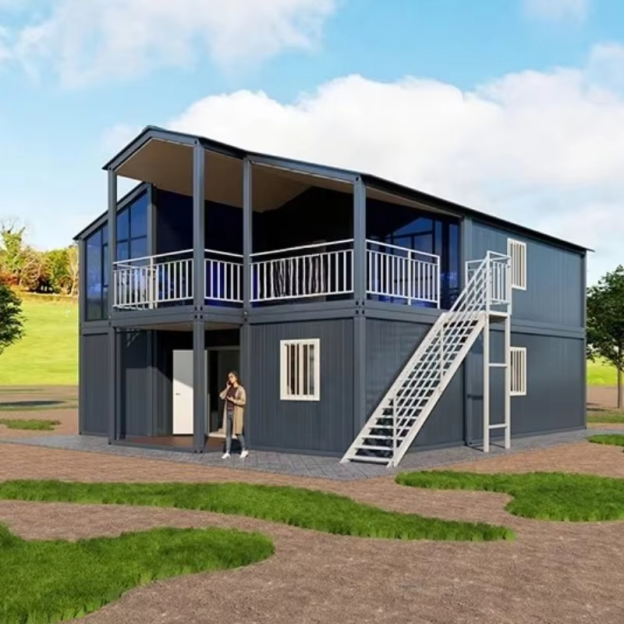
The internal drainage structure is a key design feature. A built-in flooding trough and UPVC downpipes channel rainwater away from floor joints and panel edges, preventing pooling and long-term corrosion. The waterproof roof — 0.45mm thick galvanized color steel plate combined with 50mm rock wool — is fully welded along every seam. This makes the roof one of the most leak-resistant components in the entire assembly, critical for tropical regions with sustained monsoon or heavy storm seasons.
Cold Weather and Thermal Insulation Performance
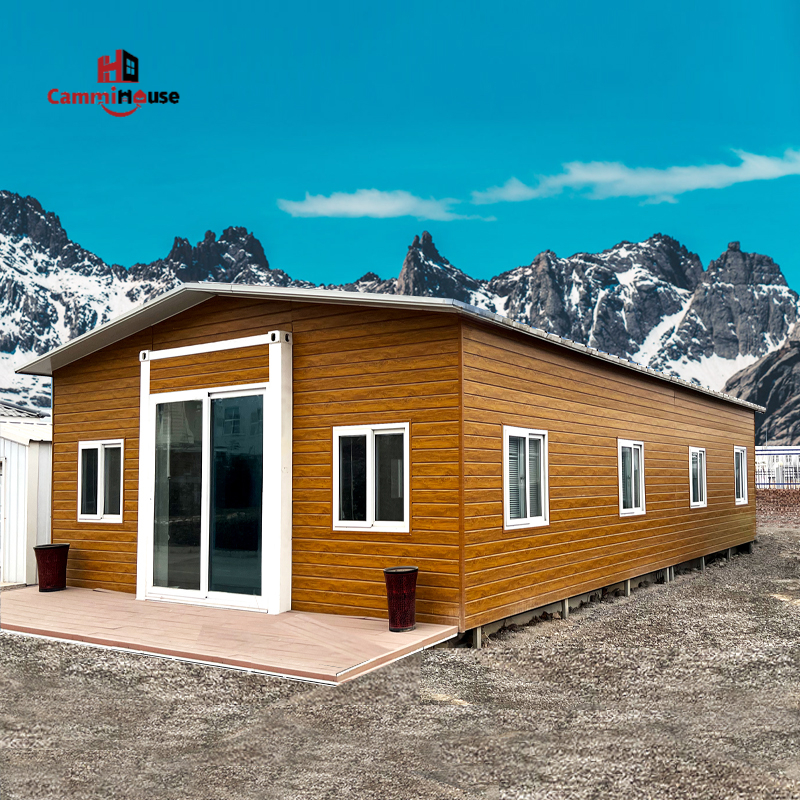
For buyers in colder climates, insulation performance is as important as structural strength. Cammihouse units carry an insulation coefficient of >R3.5, meeting international standards for moderate-to-cold climates. The 50mm rock wool panels on both walls and the roof significantly reduce heat transfer. Optional bottom frame insulation cotton is available for installations in freezing or sub-zero environments. The 100mm glass insulation cotton used in the ceiling panel layer adds an additional thermal barrier overhead.
Proven Performance Across Real Deployments
Case Studies in Harsh Conditions
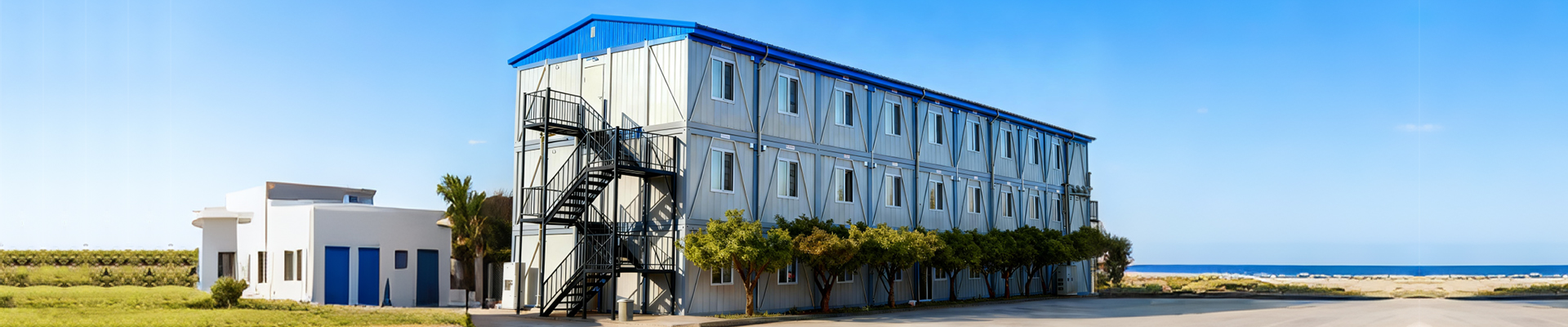
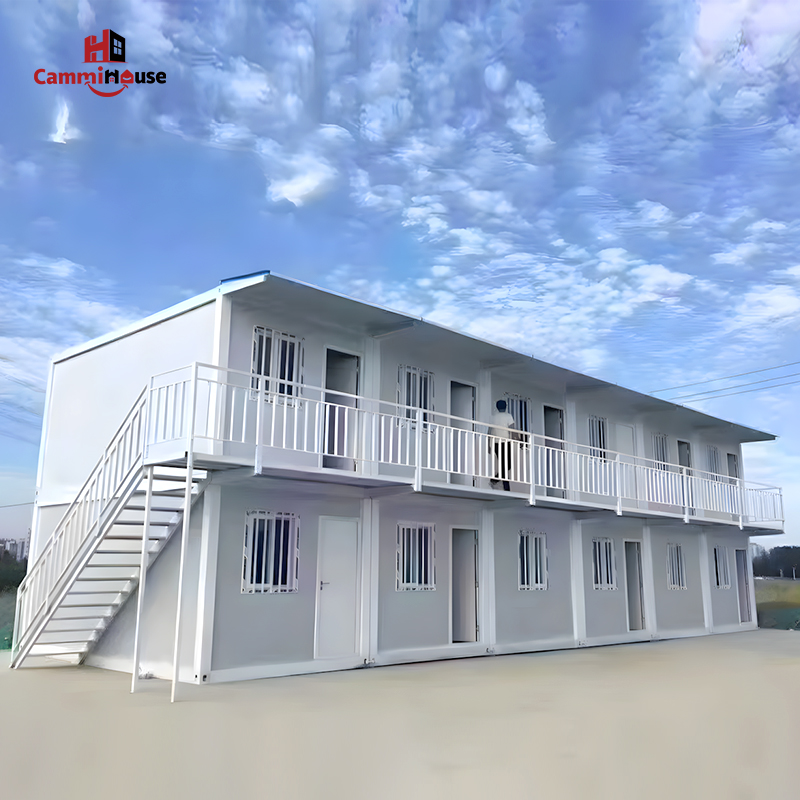
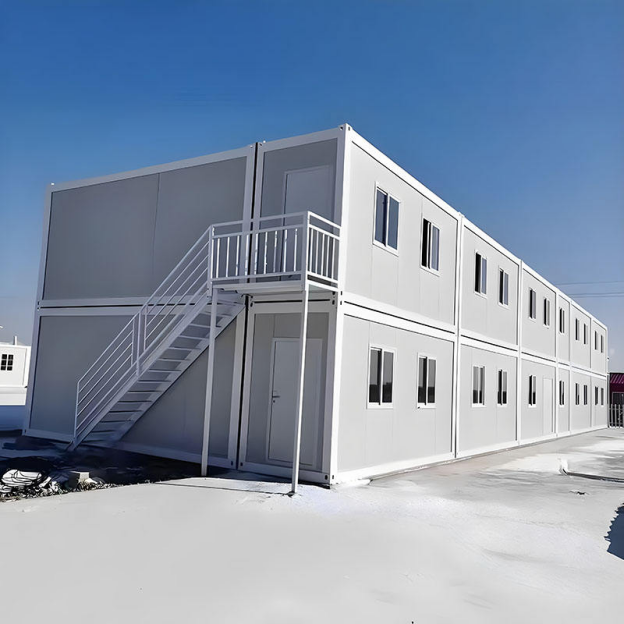
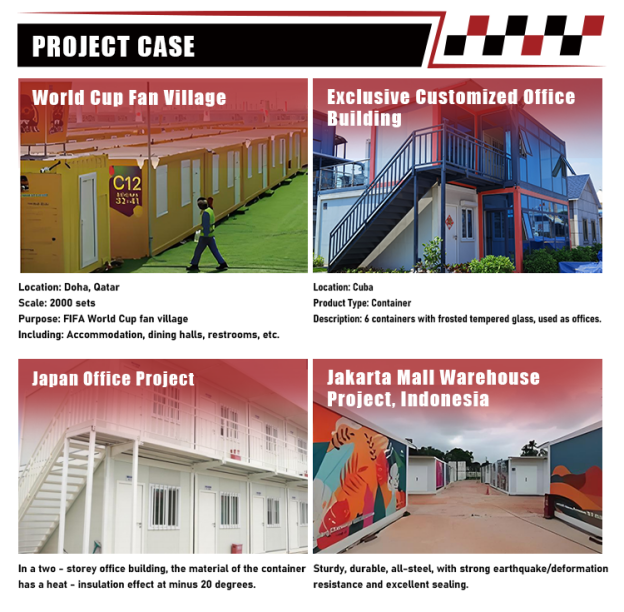
Real-world use cases demonstrate how flat pack container houses hold up beyond controlled factory conditions. Cammihouse supplied 3,000 rooms to Iraq following the 2023 earthquake for emergency relief housing — deployed rapidly across open terrain with no permanent infrastructure. In South Africa, 200 units of the double Z-foldable series were installed as dormitories for an oil mining operation. In Malaysia, 20 units formed a folding container hotel, and in Indonesia, 90 houses were built to support a Jakarta mall as food and freezer warehouse units. Each context required the structure to perform consistently in outdoor heat, humidity, and heavy-use conditions.
Key Structural Specifications at a Glance
The following figures apply to the standard Cammihouse flat pack container house (5900 × 2435 × 2896 mm):
• Wind resistance coefficient: 45 m/s
• Live load capacity: 300 kg/m²
• Insulation coefficient: >R3.5
• Anti-corrosion: maintenance-free for 15 years
• Service life: 20+ years
FAQ
Q1: Can a flat pack container house withstand a hurricane?
A: A flat pack container house with a 45 m/s wind resistance rating can handle winds equivalent to a strong tropical storm or low-category hurricane. The key factor is the fully welded steel frame — not glued joints — combined with proper foundation anchoring on-site. Cammihouse units are robotically welded, which removes adhesive failure points and significantly improves resilience under sustained wind load.
Q2: Is a flat pack container house waterproof in heavy rain?
A: Yes, provided the unit includes an internal drainage system. Cammihouse's waterproof design uses built-in flooding troughs, UPVC downpipes, and a fully welded roof to channel rainwater away from joints and floor panels. This internal drainage structure is especially important in tropical or monsoon climates, where surface water management directly affects the long-term structural health of the building.
Q3: How long does a flat pack container house last outdoors?
A: With galvanized steel framing, rock wool insulation panels, and 360° anti-corrosion powder coating, a well-maintained flat pack container house lasts 20 years or more. The anti-corrosion coating on Cammihouse units is rated maintenance-free for up to 15 years under normal outdoor exposure, making them cost-effective for both temporary deployment and semi-permanent installation.
