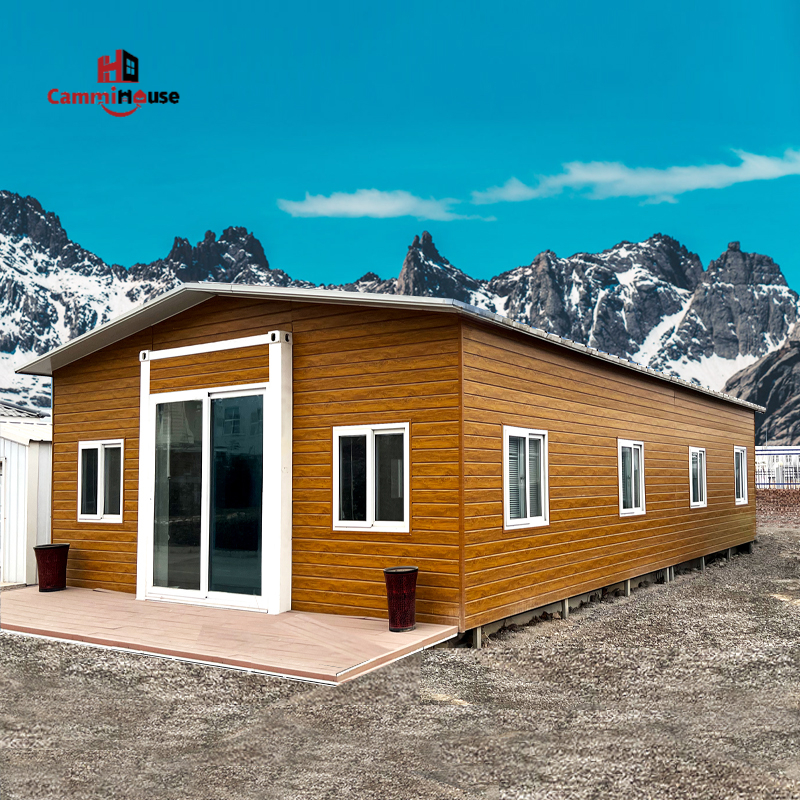
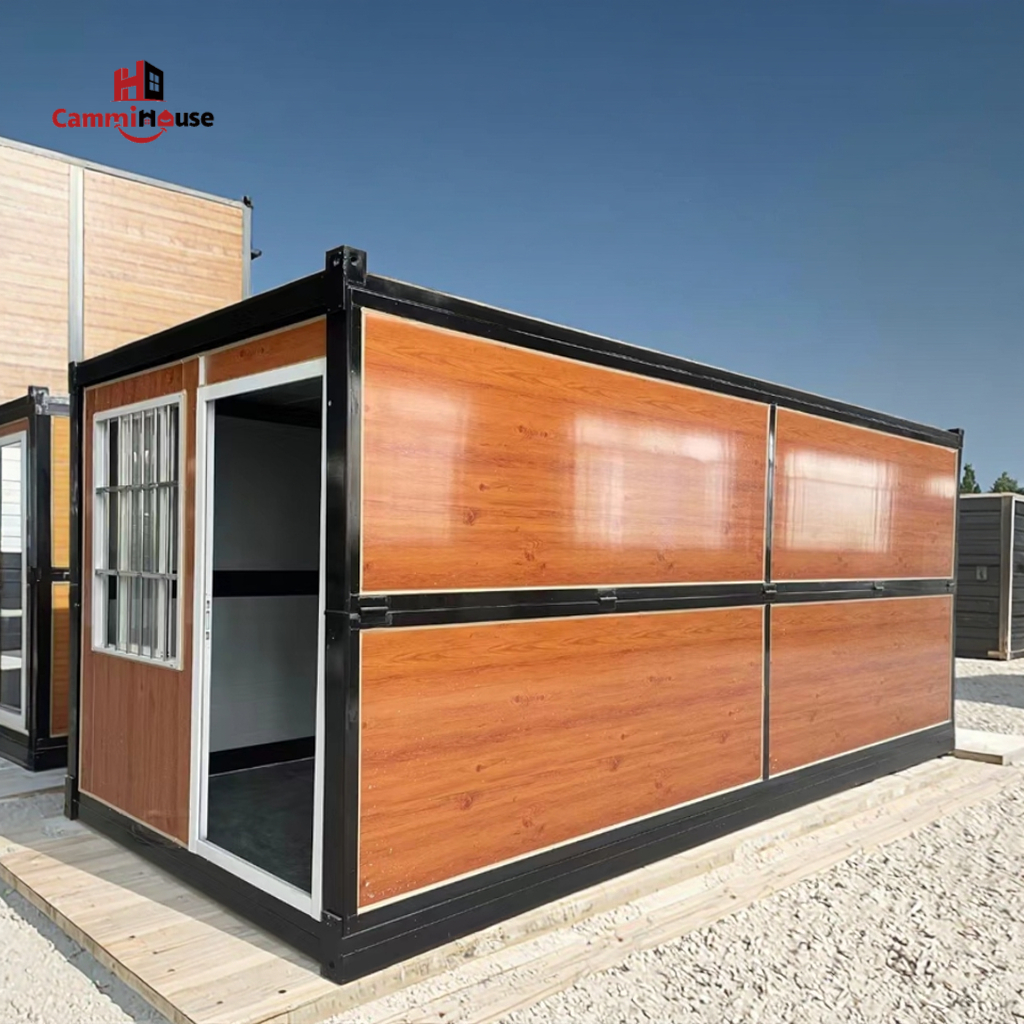
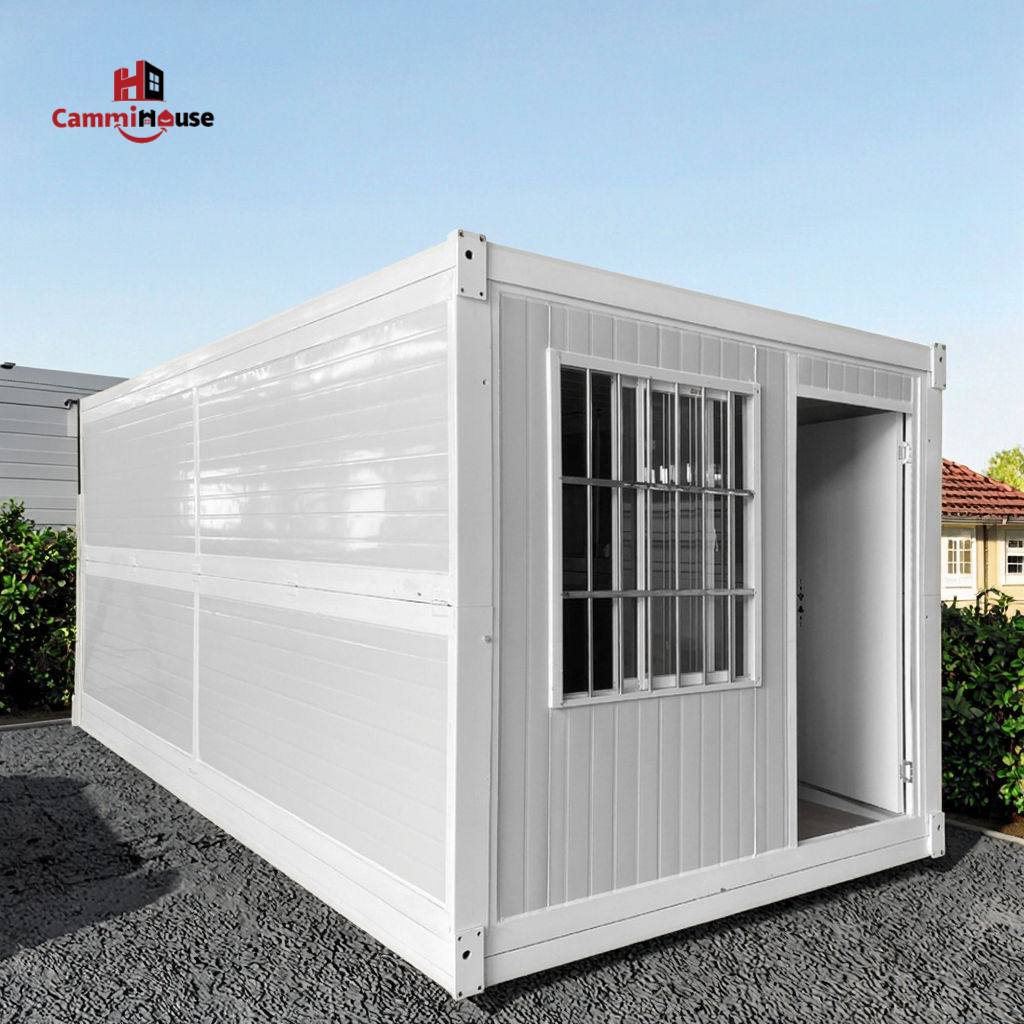
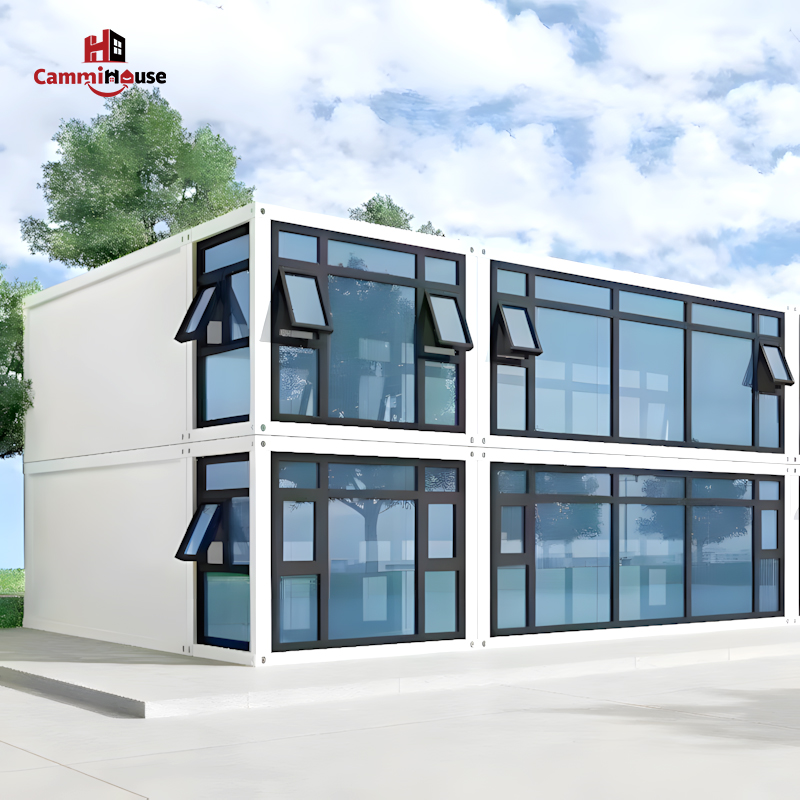
The short answer is yes — a flat pack container house can generate consistent rental income or Airbnb revenue with a lower upfront cost than traditional construction. But whether it is the right choice depends on location, local regulations, and how the unit is configured. This article breaks down the real numbers, practical use cases, and structural advantages that make container homes worth evaluating as a short-term or long-term rental asset.
Why aContainer Home Works as a Rental Property
Lower Entry Cost Compared to Conventional Builds
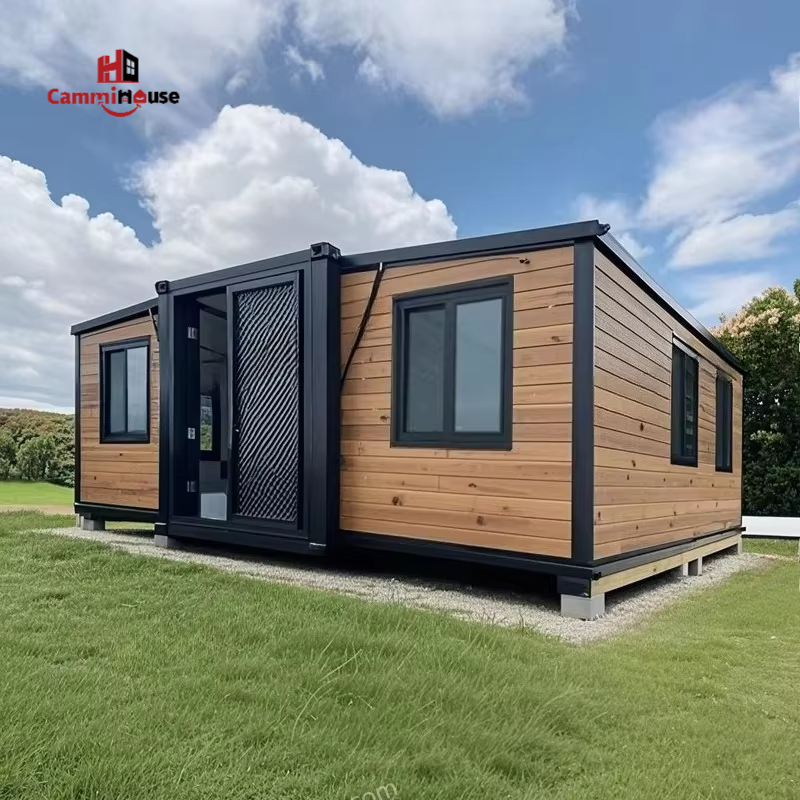
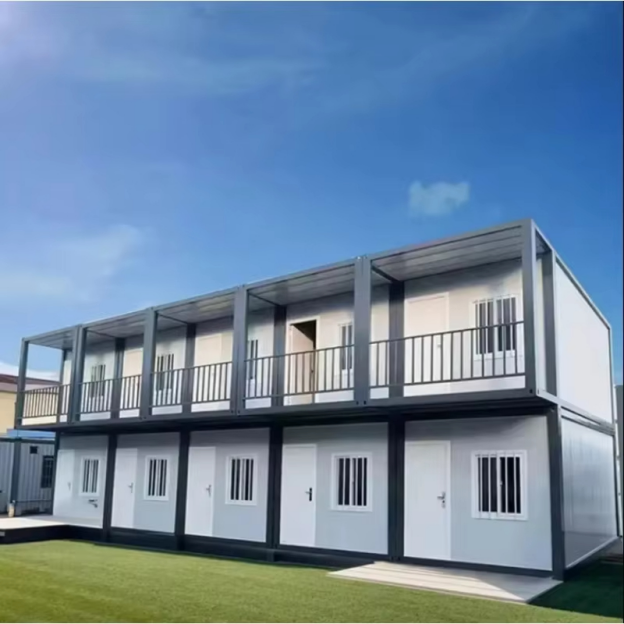
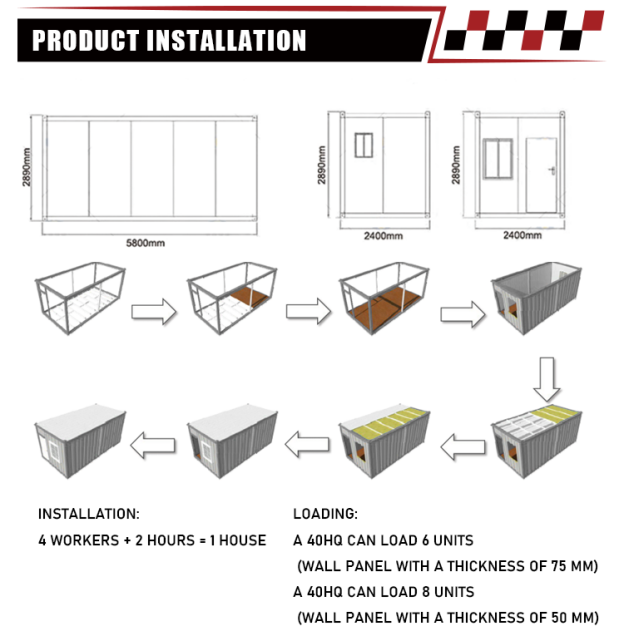
Building a traditional short-term rental unit from the ground up typically costs two to four times more per square meter than purchasing a prefab container home. A standard Cammihouse flat pack container house (5900 × 2435 × 2896 mm) arrives with the structural frame, wall panels, roof, flooring, and LED lighting already integrated. Labor time is reduced to 4 workers + 2 hours = 1 house. That speed-to-market advantage means you can start collecting rental income weeks, not months, after placing your order.
Built for High-Turnover Guest Use
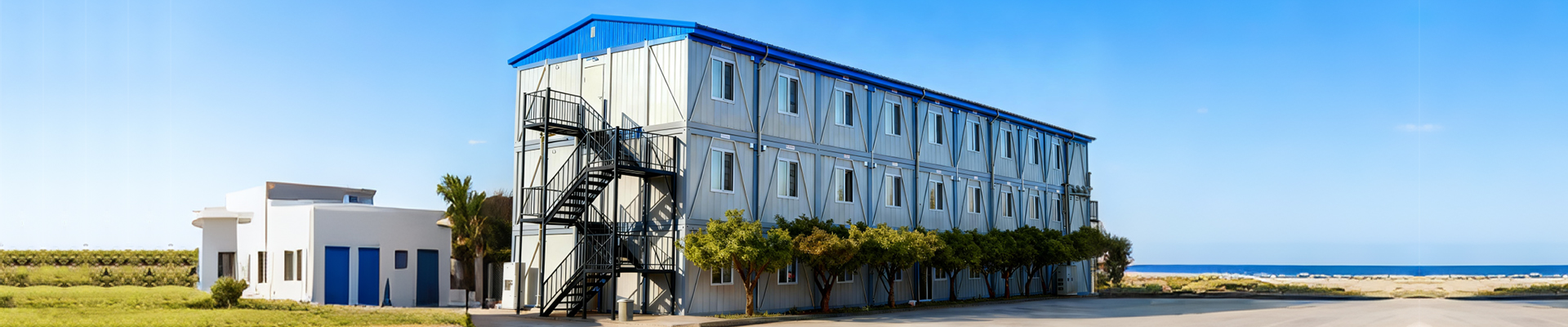
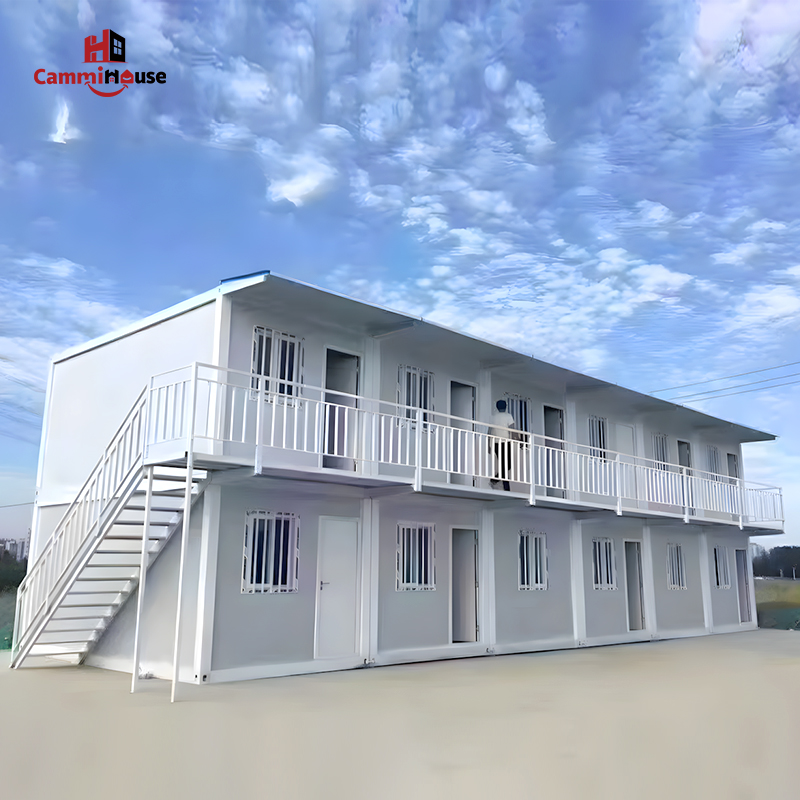
A rental property takes more wear than a private residence. Cammihouse units are built on a galvanized cold-rolled steel frame with 50mm rock wool sandwich wall panels and an 18mm fireproof cement fiberboard floor topped with PVC flooring — materials that are scrub-clean, moisture-resistant, and durable under daily guest use. The structure carries a live load of 300 kg/m² and a service lifespan of over 20 years, making it a long-horizon asset rather than a temporary structure.
Airbnb and Short-Term Rental Use Cases That Work
Glamping, Eco-Tourism, and Scenic Location Rentals
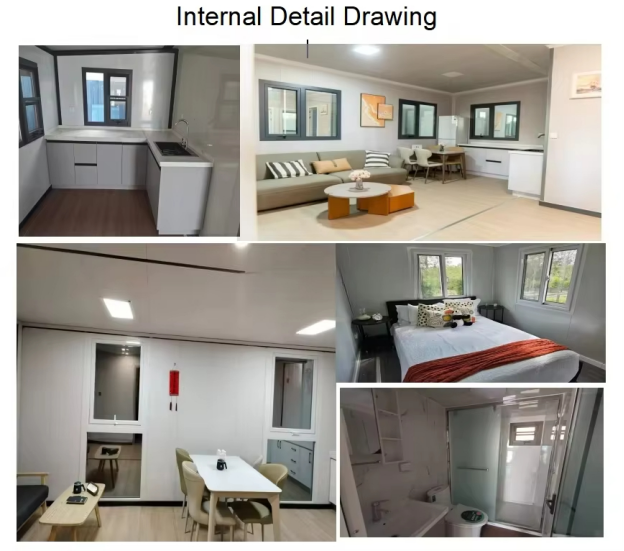
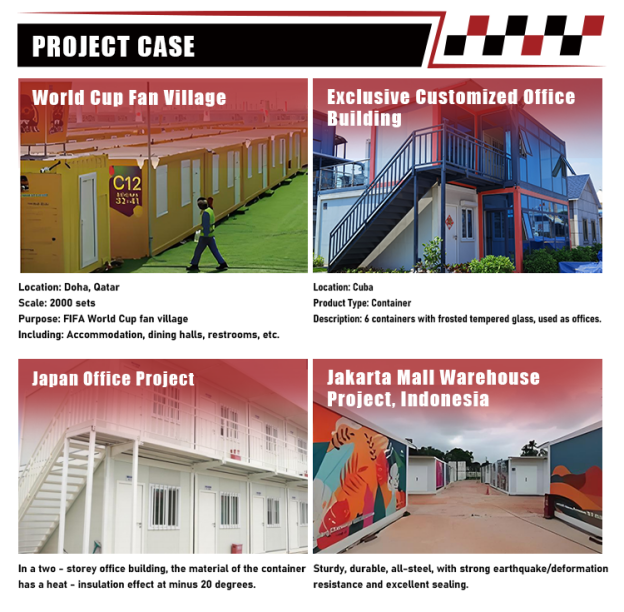
Container units perform particularly well as Airbnb listings in scenic or rural locations where guests actively seek unique accommodations. A single modular container house can be configured with a bedroom, bathroom, and kitchen — the three-container floor plan allows two bedrooms, a living room, and a kitchen, making it viable for family bookings. In Malaysia, Cammihouse supplied 20 units for a folding container hotel, assembled at a rate of 4 workers in 3 hours per unit, demonstrating how fast a complete guest-ready facility can be deployed.
Backyard ADU and Granny Flat Rental Applications
One of the fastest-growing container home investment strategies is placing a single unit in a backyard as an accessory dwelling unit (ADU) and listing it on Airbnb. Because flat pack container houses are self-contained and do not require permanent foundation work in many jurisdictions, they can be installed without the permitting delays associated with conventional additions. The compact 20ft footprint fits most standard residential lots, and the unit's insulation coefficient of >R3.5 ensures year-round comfort for guests in varying climates.
How to Evaluate ROI on a Container House Rental
Comparing Purchase Cost Against Rental Income Potential
The return on investment for a container home depends on three variables: the purchase and shipping cost, the nightly or monthly rate achievable in your market, and local occupancy rates. In popular Airbnb markets, unique or compact accommodation units often command a premium over standard apartments. Container units with custom exterior finishes — which Cammihouse offers as optional exterior wall panel colors — can be positioned as distinctive listings that justify higher nightly pricing. A well-located unit with 60% annual occupancy can recoup its cost within 2–4 years depending on market.
Shipping and Logistics: What Buyers Often Overlook
A 40HQ container can load 6 Cammihouse flat pack units (75mm wall panel) or 8 units (50mm wall panel), meaning shipping cost per unit is spread across multiple structures. This stacking efficiency makes bulk orders for rental portfolio development significantly more cost-effective than buying one unit at a time. For buyers planning a multi-unit container home resort or glamping site, ordering in volume reduces per-unit landed cost and strengthens the overall investment case.
FAQ
Q1: Can I legally rent out a flat pack container house on Airbnb?
A: Legality depends on local zoning laws and short-term rental regulations, which vary by country, state, and municipality. In many regions, a flat pack container house qualifies as a habitable structure if it meets local building codes. Before listing on Airbnb, verify whether your jurisdiction requires a building permit, occupancy certificate, or short-term rental license. Some areas treat container homes the same as conventional prefab dwellings.
Q2: How much does a flat pack container house cost compared to a traditional rental unit build?
A: A flat pack container house typically costs significantly less per square meter than a site-built unit, excluding land. The main cost advantages are factory-controlled manufacturing, reduced on-site labor (4 workers, 2 hours per unit), and bulk shipping efficiency. Exact pricing varies by specification, wall thickness, and destination, but the lower capital entry point shortens the break-even timeline for rental income generation.
Q3: What interior configurations are available for an Airbnb container home?
A: Cammihouse flat pack container homes support multiple floor plan configurations: a single unit with bedroom and bathroom, two combined units with bedroom, bathroom, and living room, or three units offering two bedrooms, a living room, and a kitchen. Interior fit-out options include furniture, bathroom fixtures, and kitchen modules. Each configuration can be adapted for short-term rental or Airbnb use without structural modification.
