
1. Material Reuse Reduces Construction Waste
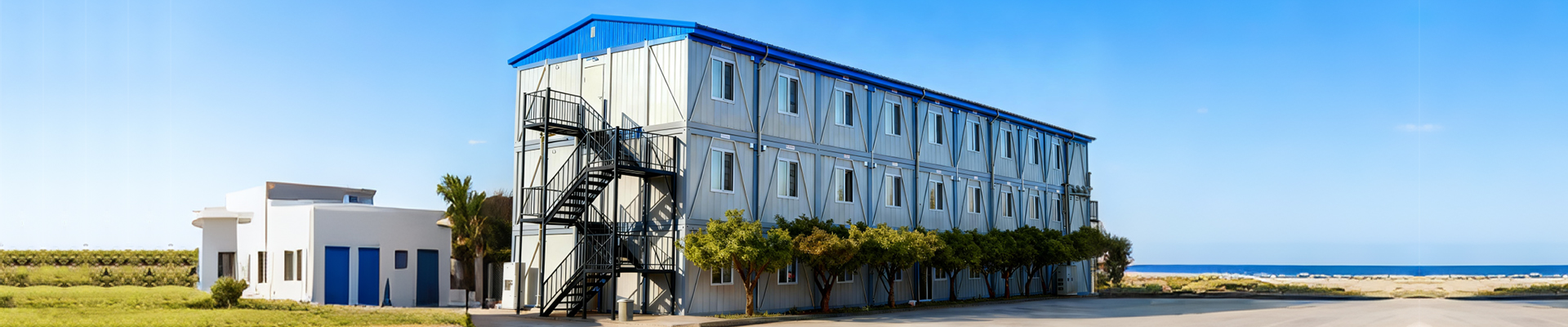
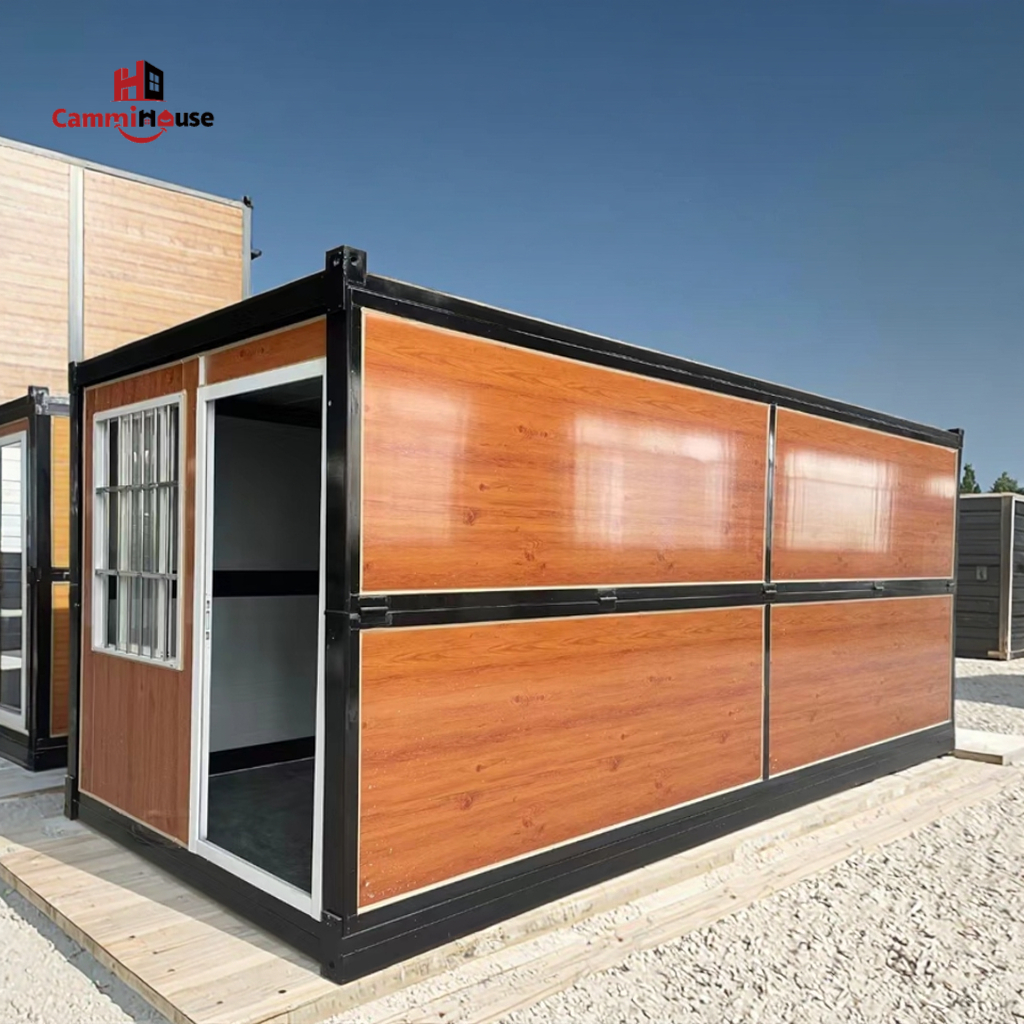
Reusing steel containers significantly lowers raw material consumption in temporary housing projects. According to the World Steel Association 2022 report, recycling one ton of steel saves approximately 1.5 tons of iron ore and reduces energy use by nearly 74%. A customised camp built from reused containers can reduce construction waste compared to traditional concrete structures used on mining sites or oil camps.
Steel Lifecycle Advantages
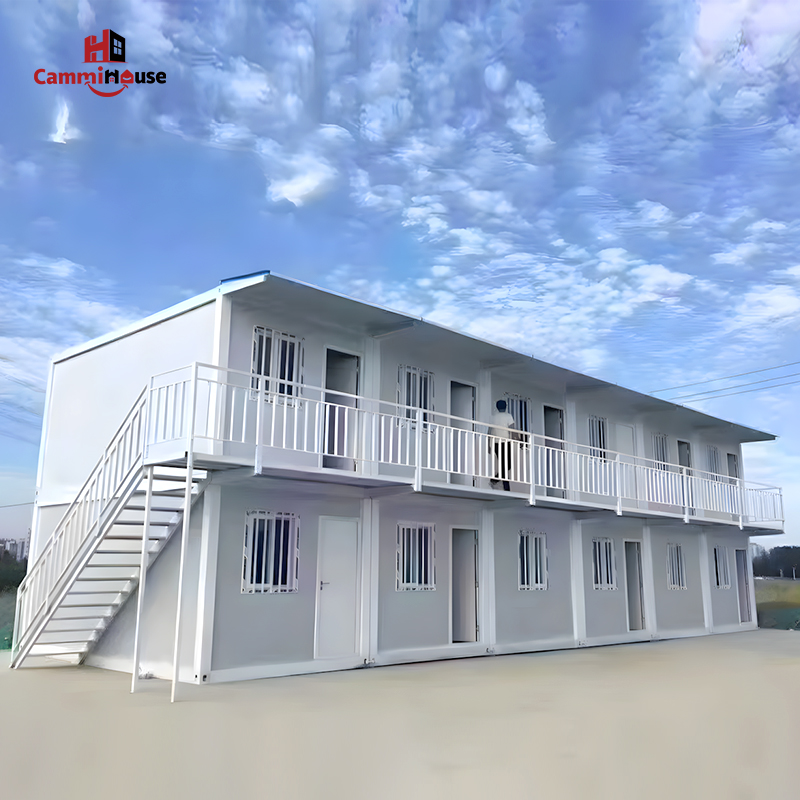
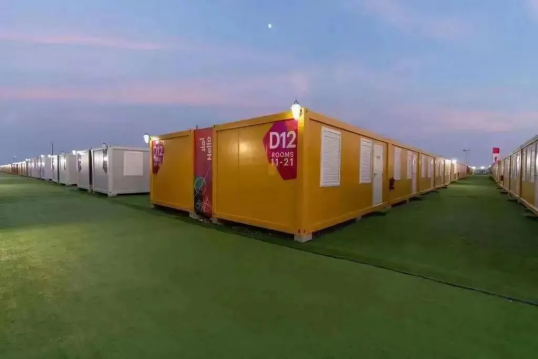
A shipping container home already has a structural frame, reducing the need for new steel fabrication. In Middle Eastern worker camps, reused containers are often converted into dormitories, offices, and medical units within 30 days. This approach minimizes demolition debris and lowers transportation frequency.
2. Modular Systems Reduce Site Disturbance
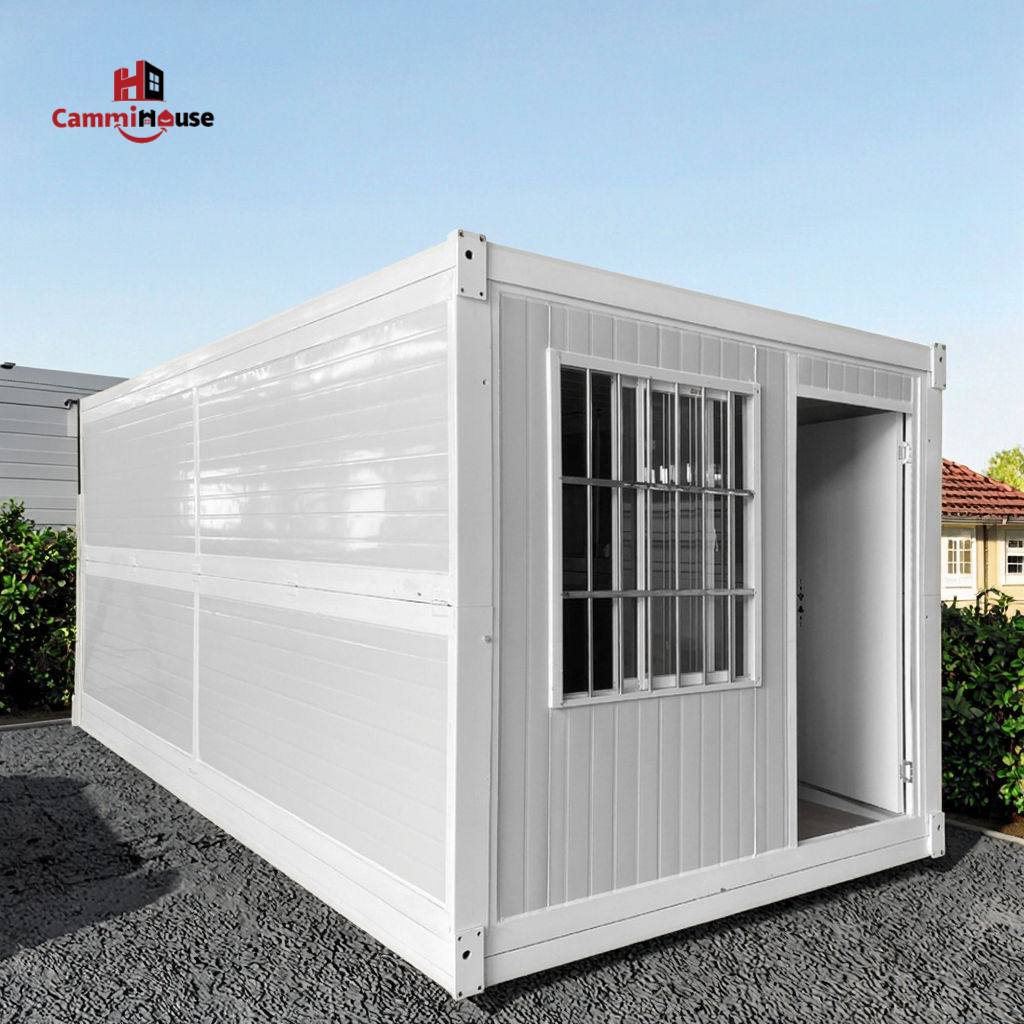
Factory-built modules reduce land disruption because most fabrication happens off-site. McKinsey 2022 estimated that modular construction can cut on-site waste by up to 50% and reduce project timelines by 20–50%. A modular container home can therefore reduce environmental pressure in remote construction zones.
Controlled Factory Production
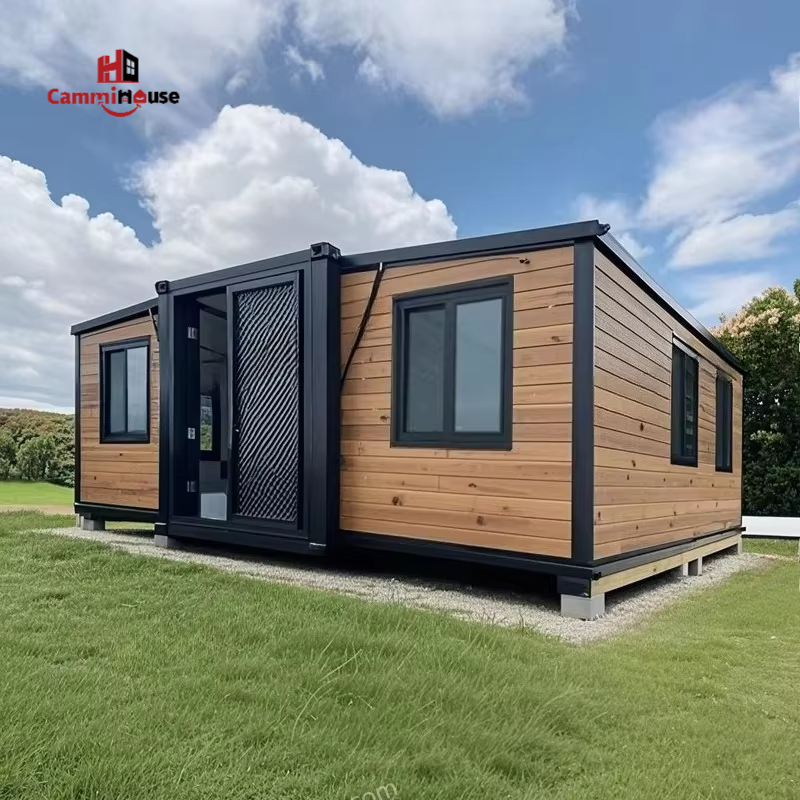
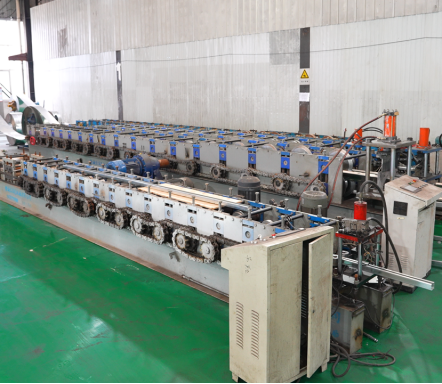
A professional container house factory uses CNC cutting and standardized welding systems to limit material errors. In remote African mining camps, modular units are commonly assembled on screw foundations instead of poured concrete, preserving natural ground conditions.
3. Energy Efficiency Depends on Insulation Design
Container structures become sustainable only when thermal insulation is properly designed. The U.S. DOE 2021 stated that insulation can reduce heating and cooling energy use by 20–30%. Poorly insulated steel walls create heat transfer issues in both deserts and cold regions.
Climate-Specific Wall Systems
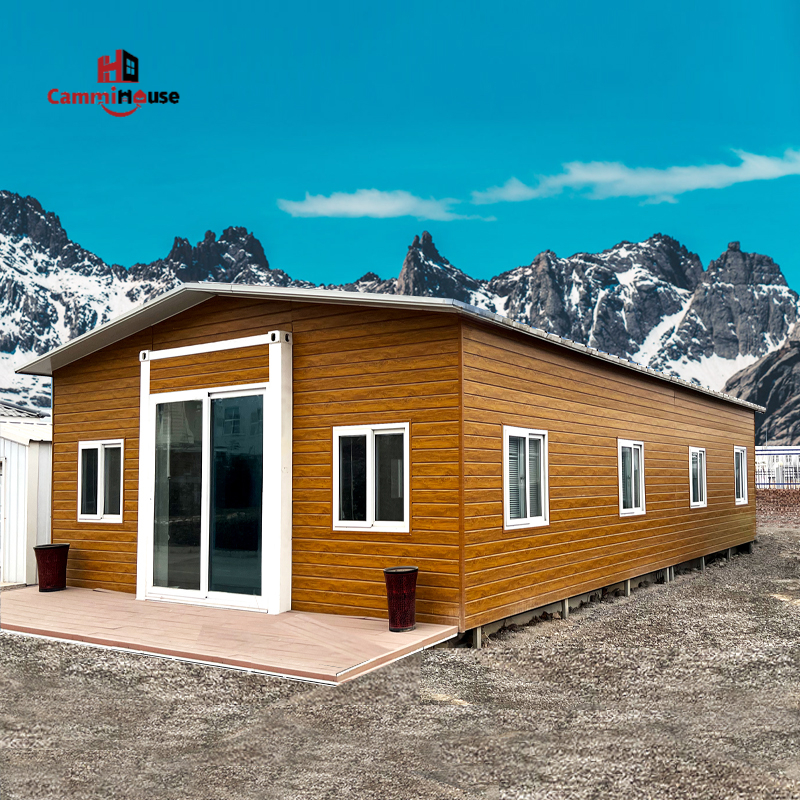
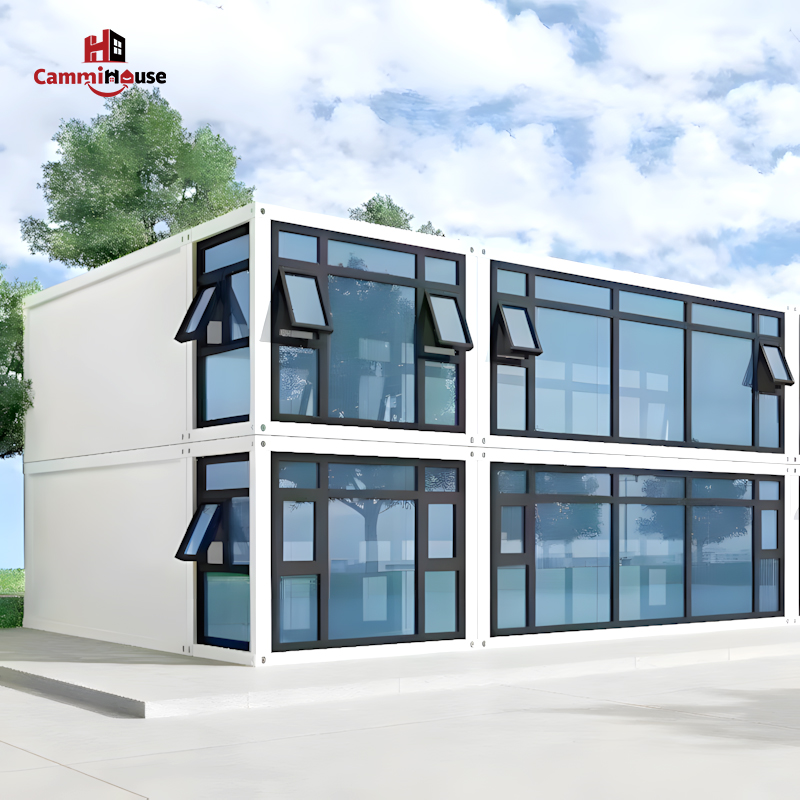
A modern container home used in Canada may require rock wool insulation above R-30, while Gulf-region camps often use reflective sandwich panels to reduce solar heat gain. In a 2024 Cammihouse project survey, insulated wall systems lowered summer indoor temperatures by nearly 8°C in Middle Eastern accommodation camps.
4. Water Management Improves Camp Sustainability
Integrated water systems help reduce operational costs in isolated camps. The United Nations Environment Programme 2023 reported that greywater recycling can reduce freshwater demand by up to 35% in temporary housing communities.
Compact Utility Integration
A prefab container house can include rainwater collection, greywater filtration, and low-flow plumbing systems within a compact utility core. This setup is frequently used in desert workforce camps where water transportation costs remain high.
5. Solar Integration Supports Off-Grid Operation
Solar-ready roofing structures improve sustainability in remote regions with unstable power infrastructure. The International Energy Agency 2023 noted that solar PV costs have dropped by nearly 80% over the past decade, making off-grid systems more practical.
Renewable Energy Applications
Several container camps in Australian mining regions now combine rooftop solar panels with battery storage. A properly engineered container house design can integrate cable routing and inverter rooms during factory production, reducing later retrofitting waste.
6. Transportation Efficiency Matters
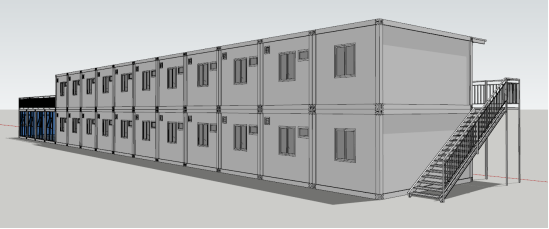
Transport efficiency directly affects the environmental impact of modular housing. Standard ISO container dimensions simplify shipping logistics and reduce partial-load transportation waste.
Compact Shipping Advantages
A custom container house can be transported using existing global freight systems without oversized cargo permits in many countries. In Southeast Asian infrastructure projects, flat-pack container units reduced shipping volume by over 60% compared to fully assembled cabins.
7. Long Service Life Improves Resource Efficiency
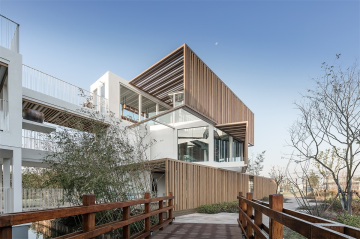
Durability is one of the strongest sustainability advantages of steel modular housing. According to the American Institute of Steel Construction 2021, corrosion-protected steel structures can remain operational for over 50 years with proper maintenance.
Maintenance and Lifecycle Planning
A shipping container home with galvanized coatings and ventilated wall systems performs well in coastal climates. Many construction firms now reuse worker accommodation units across multiple projects instead of demolishing temporary buildings after completion.
8. Sustainability Depends on Manufacturing Standards
Not every modular project is environmentally responsible because factory standards vary widely. Sustainable outcomes depend on insulation quality, welding accuracy, energy systems, and lifecycle planning.
Choosing the Right Production Partner
A reliable container house factory should provide structural calculations, insulation specifications, and material traceability reports. Cammihouse projects in 2024 increasingly adopted recyclable sandwich panels and low-emission interior materials for worker housing developments.
FAQ
Q: Are customised camps more sustainable than traditional buildings?
A: Yes, they can be more sustainable when they reuse steel structures, reduce on-site waste, and include efficient insulation systems. Their environmental performance depends on manufacturing quality, energy systems, and long-term reuse planning rather than the container structure alone.
Q: Can container camps operate in extreme climates sustainably?
A: Yes, but insulation and ventilation systems are critical. Camps used in cold regions require thick thermal insulation, while desert camps need reflective roofing and controlled airflow. Proper climate adaptation greatly reduces energy consumption and improves long-term operational efficiency.
Q: How long can a modular container camp remain operational?
A: A well-maintained modular camp can operate for more than 30–50 years depending on climate and corrosion protection. Galvanized steel, protective coatings, and replaceable wall systems help extend service life and reduce the need for complete rebuilding.
Justin Mercer, Cammihouse Technical Team.
