

1. Wall insulation determines winter energy costs
Choosing the right insulation core
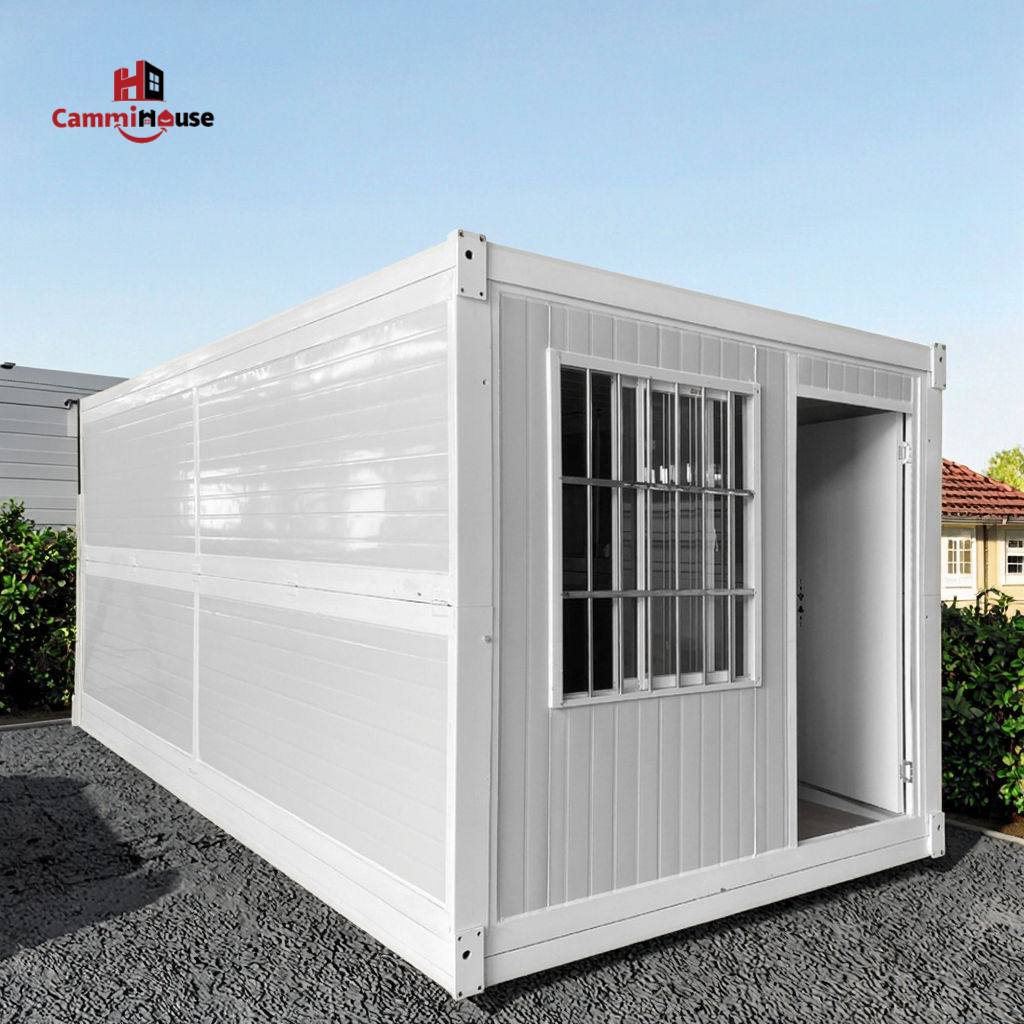
Cold-region camps lose most heat through walls, so insulation thickness should be matched to local temperatures. A customised camp used in Canada or Northern Europe normally requires 100–150 mm polyurethane panels to maintain indoor temperatures above 20°C. According to U.S. DOE 2021 data, insulated sandwich panels can reduce heating energy use by 35% compared with standard steel walls.
Mining operators in Kazakhstan often choose closed-cell polyurethane because it absorbs less than 2% moisture. This is important for a shipping container home exposed to snow and freezing rain for long periods.
2. Roof insulation prevents rapid heat loss
Using layered roofing systems
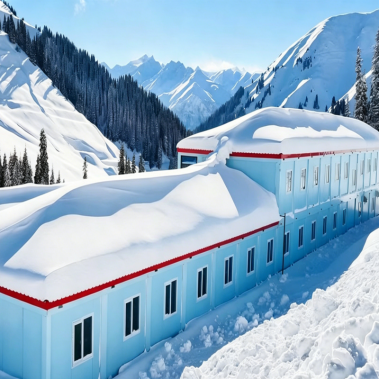
Heat rises quickly in steel structures, making roof insulation critical for a modern container home. In Arctic construction camps, adding mineral wool above the ceiling can lower roof heat transfer by nearly 40%, according to ASHRAE cold climate studies.
A layered roof system usually combines waterproof membranes, insulation boards, and air gaps. In a 2024 Cammihouse project survey for a Siberian worker camp, double-roof insulation reduced internal condensation during -25°C nights.
3. Thermal bridge control improves indoor comfort
Reducing steel frame heat transfer
Steel beams conduct heat rapidly, creating cold spots inside a container house design. Thermal breaks between structural steel and interior panels reduce surface condensation and improve occupant comfort.
Factories serving Middle East and Central Asian markets often install rubber or composite thermal separators around doors and windows. This solution is commonly used by a container house factory producing camps for remote oil sites.
4. Window selection affects heating efficiency
Installing double or triple glazing
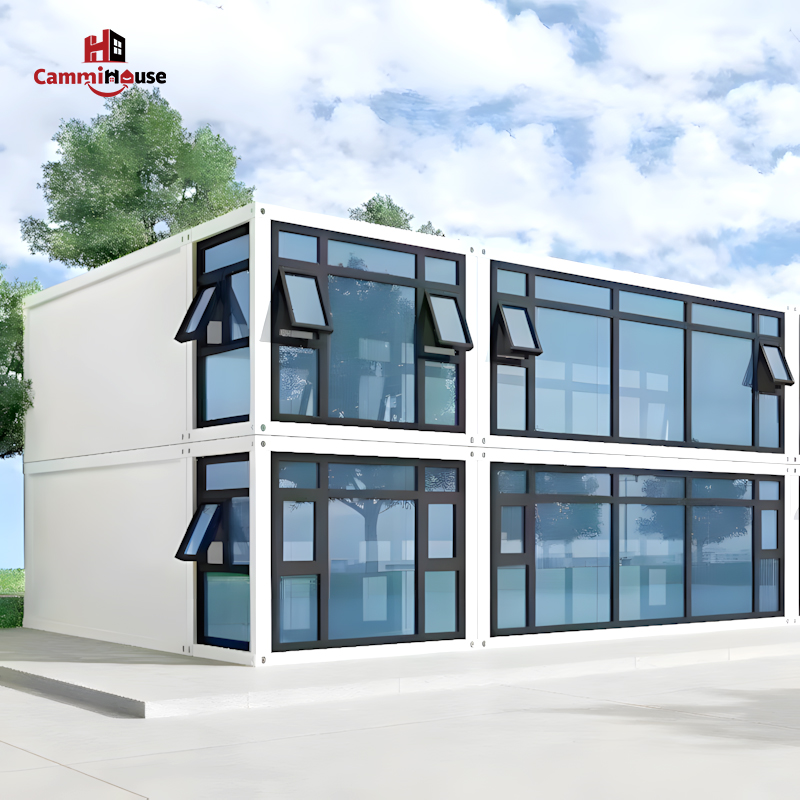
Windows are a major source of heat leakage in a prefab container house. Double-glazed LOW-E glass can reduce heat transfer by up to 50% compared with single-pane systems, based on National Glass Association reports.
For camps operating below -20°C, triple-glazed units with insulated aluminum frames are commonly used. Construction camps in Mongolia often combine argon-filled glass with insulated shutters to reduce overnight energy loss.
5. Floor insulation protects occupants from frozen ground
Adding insulated floor systems
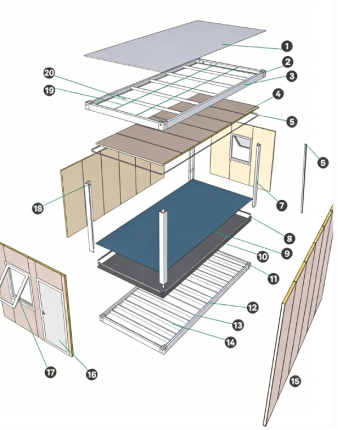
Ground temperatures can freeze steel flooring quickly, especially in elevated camp structures. A custom container house should include rigid foam boards or rock wool beneath the floor deck to reduce cold transfer.
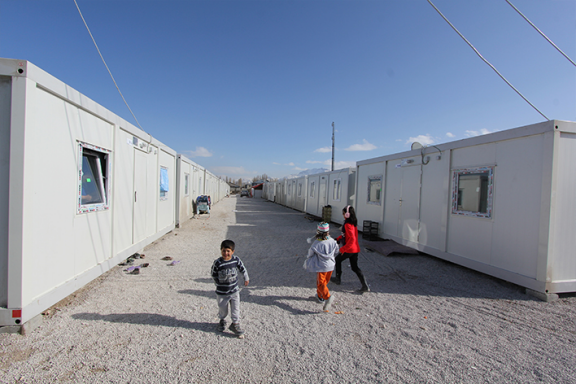
According to Canadian building studies, insulated raised floors can improve indoor thermal stability by nearly 30%. This method is frequently used for temporary mining housing and remote worker accommodation.
6. Ventilation prevents moisture buildup
Balancing airflow and insulation
Good insulation alone is not enough because sealed camps can trap humidity. Mechanical ventilation with heat recovery systems helps a modular container home maintain stable air quality while reducing heating losses.
European passive-house guidelines show that heat recovery ventilation can retain 70–90% of indoor heat energy. This is valuable for camps operating continuously during winter construction projects.
7. Door sealing reduces unwanted drafts
Improving entrance insulation
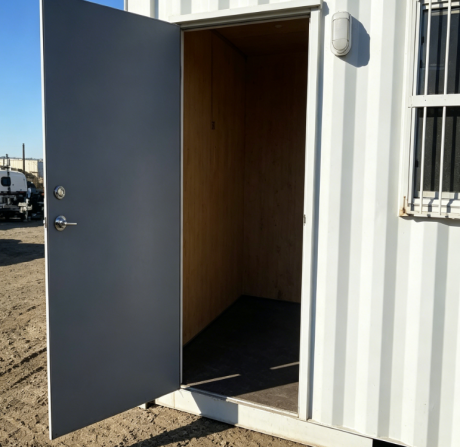
Poorly sealed doors can increase heating demand significantly in a cold-region shipping container home. Industrial-grade rubber gaskets and insulated steel doors help prevent air leakage during strong winter winds.
In remote logistics camps, operators often install double-door entry systems to reduce temperature fluctuation. This approach is widely used in Scandinavian modular housing projects.
8. Factory prefabrication improves insulation consistency
Controlling quality during production
Factory-built insulation systems are more consistent than on-site installation because moisture, gaps, and alignment can be controlled precisely. Many buyers prefer a container house factory capable of pre-installing wall panels, sealed windows, and insulated roofs before shipment.
Cammihouse has supplied insulated camps for mining and infrastructure projects where transport efficiency and cold resistance were both required. Preassembled insulation systems also shorten installation time in harsh winter conditions.
FAQ
How thick should insulation be for a cold-region container camp?
Most cold-region camps use 100–150 mm polyurethane or rock wool insulation. Areas with temperatures below -20°C may require thicker roof and floor insulation to maintain stable indoor conditions and reduce heating energy consumption.
Can insulated container camps work in mining areas?
Yes. Insulated camps are widely used in mining and oil projects because they can be transported quickly and assembled in remote regions. Proper wall, roof, and ventilation systems help maintain worker comfort during long winter operations.
Why is factory insulation better than on-site installation?
Factory-installed insulation reduces construction errors caused by weather, moisture, or uneven panel alignment. Controlled production environments also improve sealing quality, helping modular camps perform more reliably in freezing climates.
Justin Mercer, Cammihouse Technical Team.
