
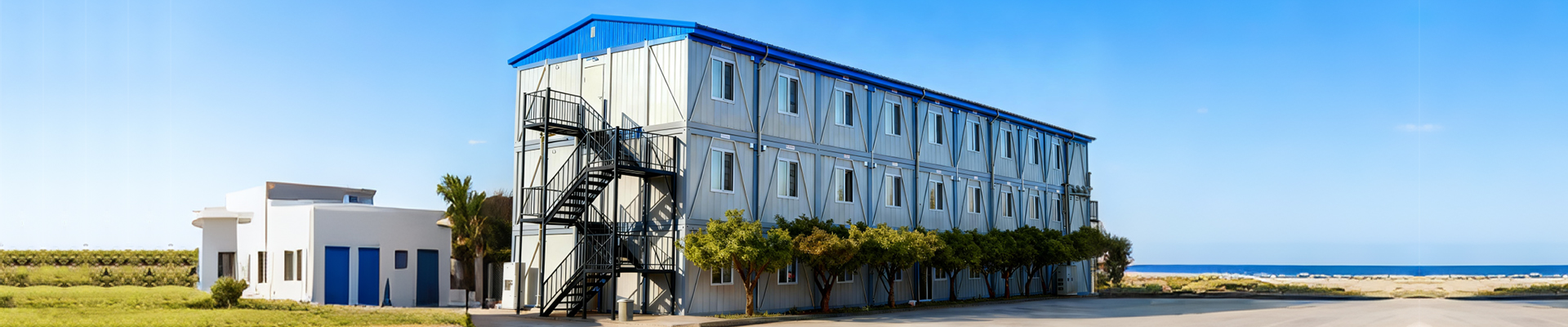
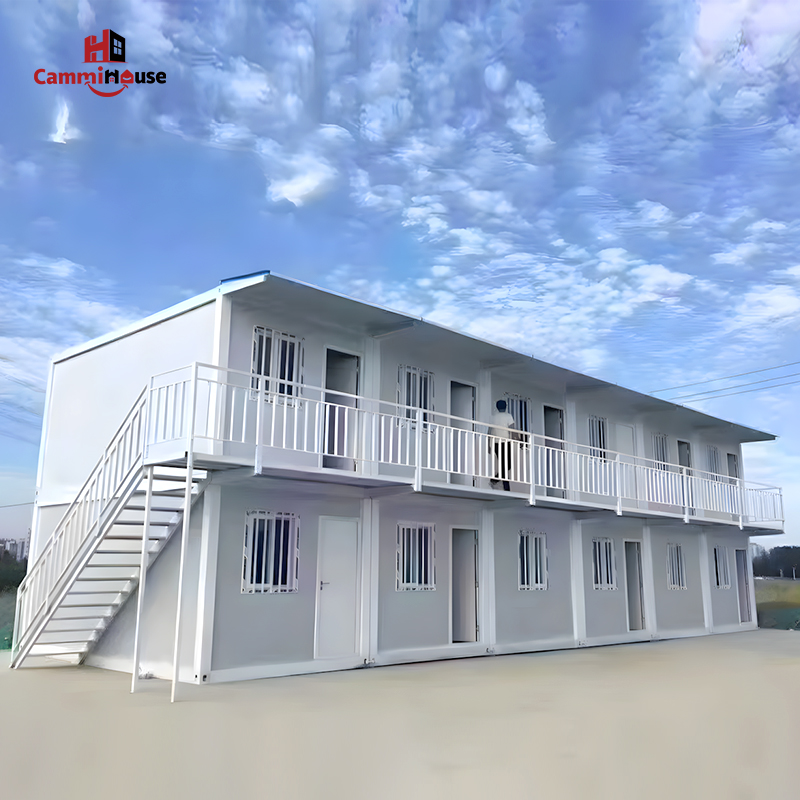
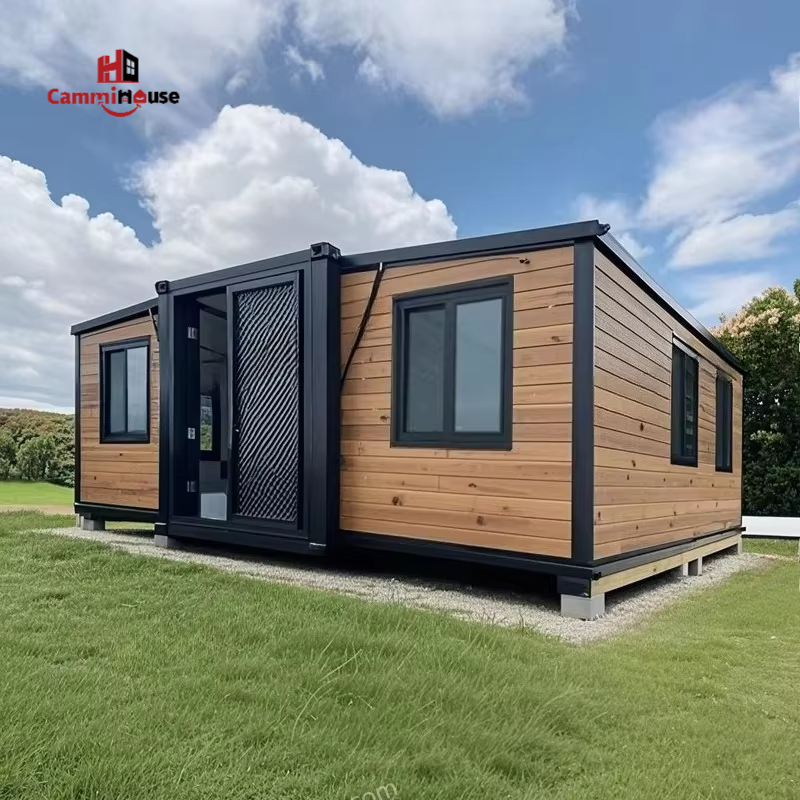
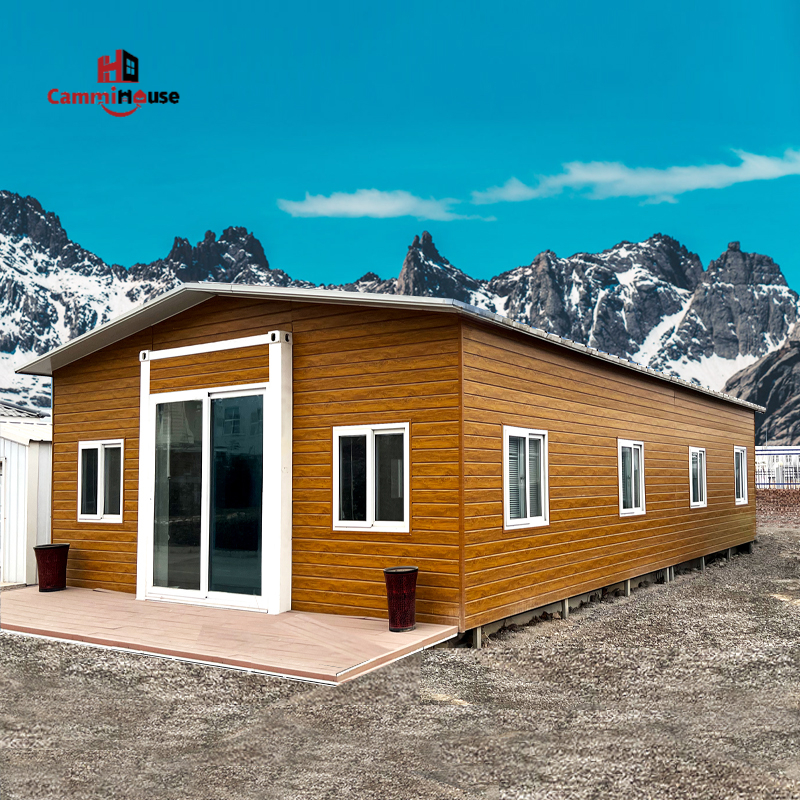
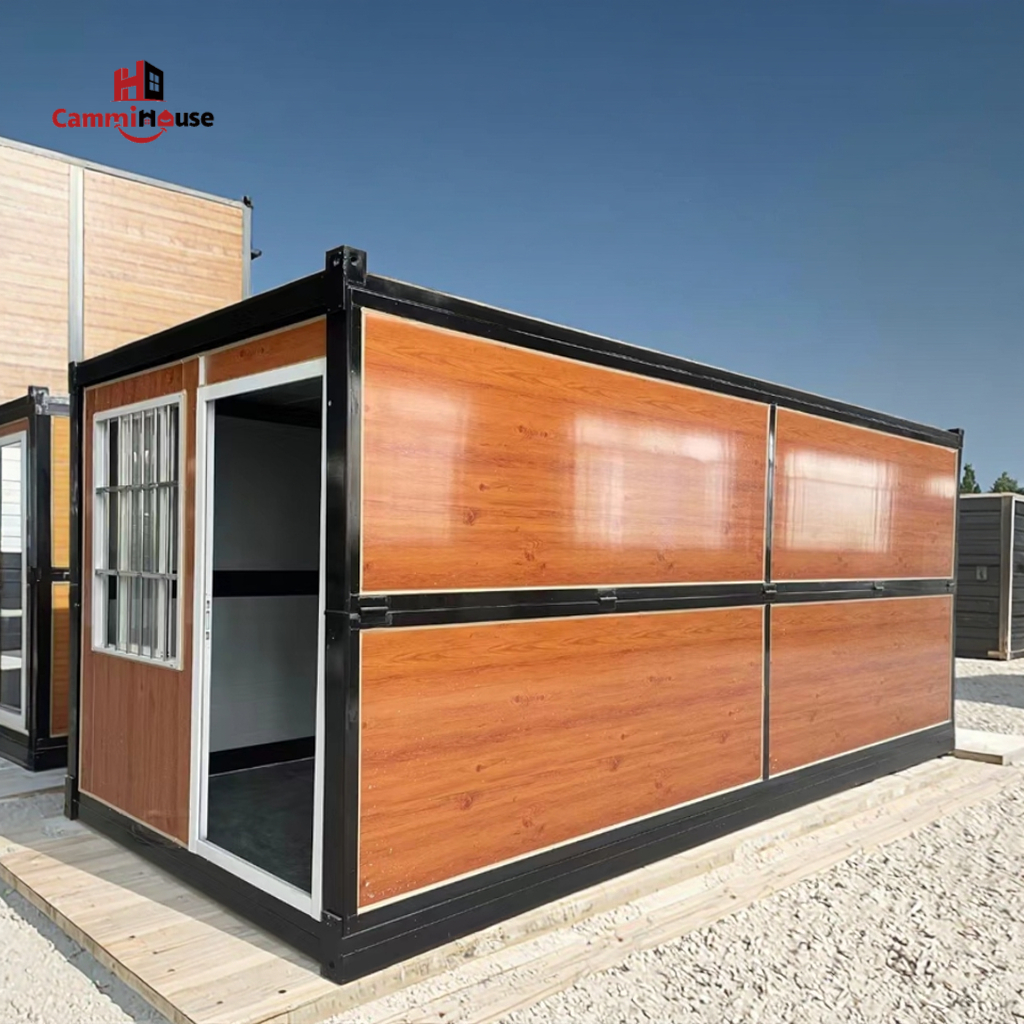
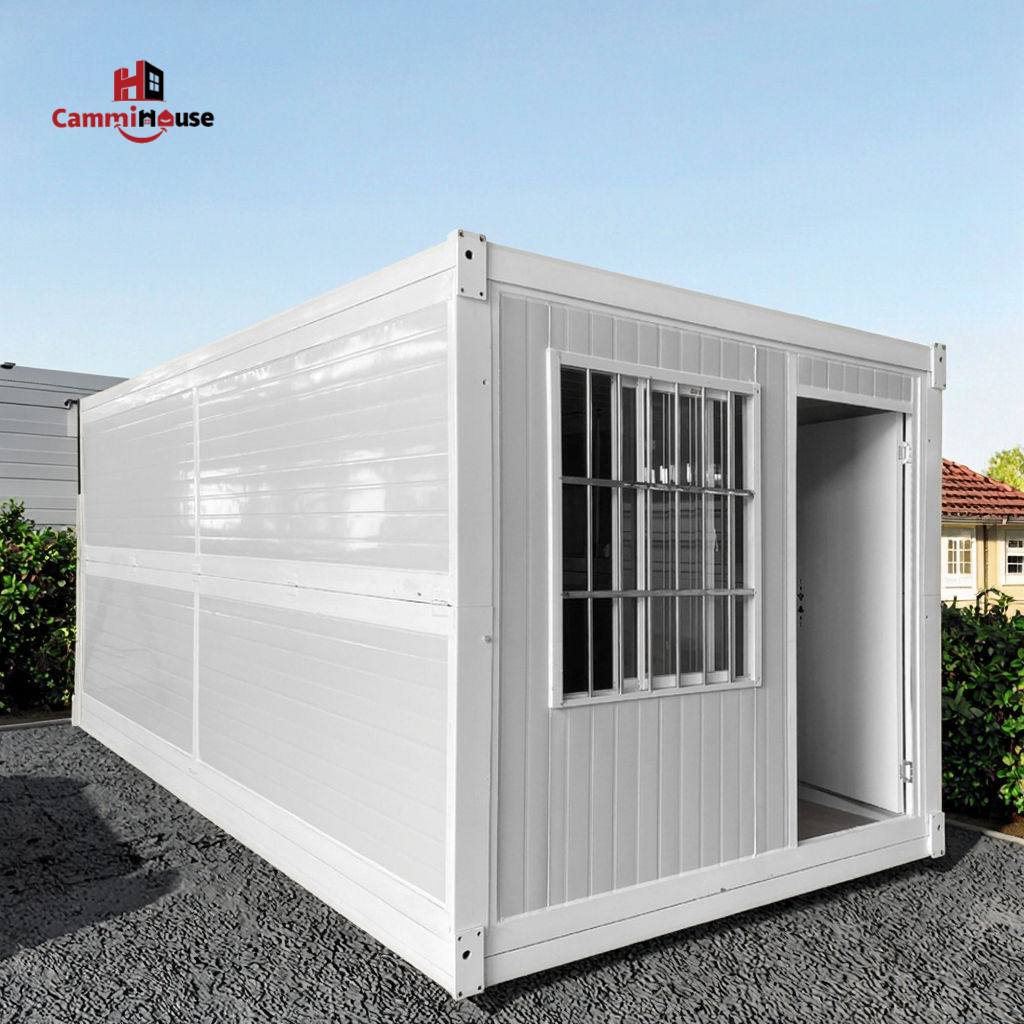
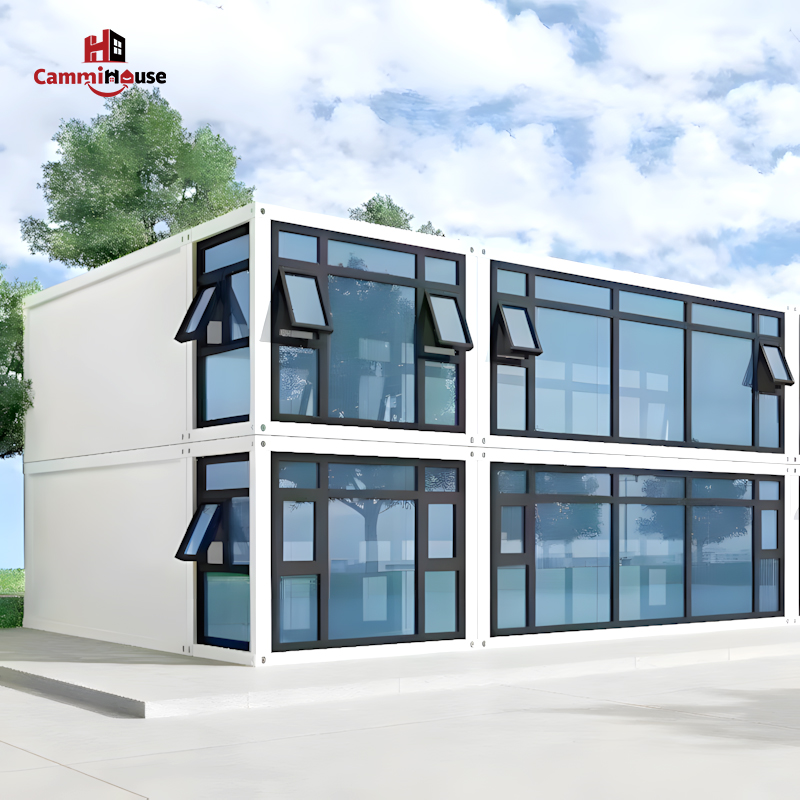
Cost efficiency is the main reason many developers now compare customised camp solutions with traditional construction. A modular approach can reduce labor dependency, shorten delivery cycles, and improve cost predictability in remote markets.
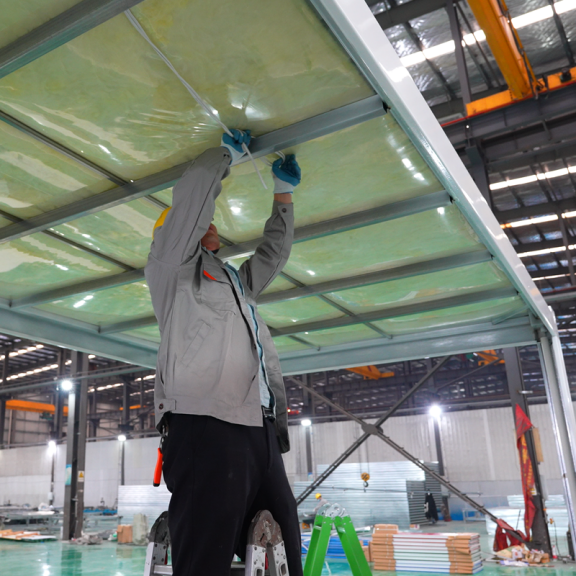
1. Factory Production Reduces Labor Costs
Factory-built units reduce labor spending by up to 30% compared with traditional site-built projects, according to McKinsey 2022.
Key Cost Driver
Labor costs increase sharply in remote mining and oilfield projects because workers, equipment, and temporary housing must be transported to isolated locations. A custom container house produced in a controlled workshop reduces on-site assembly time from several months to a few weeks. In a 2024 Cammihouse project survey in the Middle East, modular camp installation required 40% fewer workers than a conventional steel-frame dormitory.
2. Material Waste Is Easier to Control
Standardized production lowers material waste and improves budgeting accuracy.
Key Cost Driver
The U.S. Environmental Protection Agency estimated in 2021 that traditional construction waste can exceed 30% of total material consumption. A container house factory uses pre-cut steel panels and repeatable dimensions, reducing scrap and lowering procurement uncertainty. This is especially useful for infrastructure camps where hundreds of units must follow the same specification.
3. Faster Delivery Reduces Financing Pressure
Shorter schedules can reduce financing and operational delays.
Key Cost Driver
Traditional buildings often face weather interruptions, subcontractor delays, and inspection rescheduling. A prefab container house can usually be shipped in completed modules, reducing site preparation requirements. In mining projects across Western Australia, modular camps are often operational within 60–90 days, while site-built facilities may require six months or more.
4. Transportation Can Affect Total Savings
Transportation costs determine whether modular housing remains cheaper in remote areas.
Key Cost Driver
Shipping container-based housing performs best when ports, highways, or rail systems are accessible. Transporting oversized modules into mountain regions may increase crane and logistics expenses. However, flat-pack designs can reduce freight volume by more than 50%, according to International Code Council modular studies.
5. Energy Efficiency Reduces Long-Term Costs
Operating expenses are often lower when insulation and ventilation are planned correctly.
Key Cost Driver
A modern container home designed with polyurethane insulation and double-glazed windows can reduce HVAC energy consumption by 20–35%, based on U.S. DOE 2021 data. Camps in the Gulf region increasingly use reflective roofing and solar integration to manage cooling costs during summer operations.
6. Maintenance Is More Predictable
Modular steel structures simplify future maintenance planning.
Key Cost Driver
Traditional concrete dormitories often require large-scale repairs after repeated expansion or relocation. A shipping container home uses bolted structural systems that can be replaced section by section. Industrial operators prefer this model because damaged units can be swapped without shutting down the entire camp.
7. Scalability Supports Temporary Projects
Expandable housing systems reduce the risk of overbuilding.
Key Cost Driver
Oilfields, labor camps, and construction projects frequently change workforce size within months. A modular container home allows operators to add or remove units depending on project demand. In African infrastructure projects, temporary worker camps are commonly relocated after road or railway completion, making reusable systems financially practical.
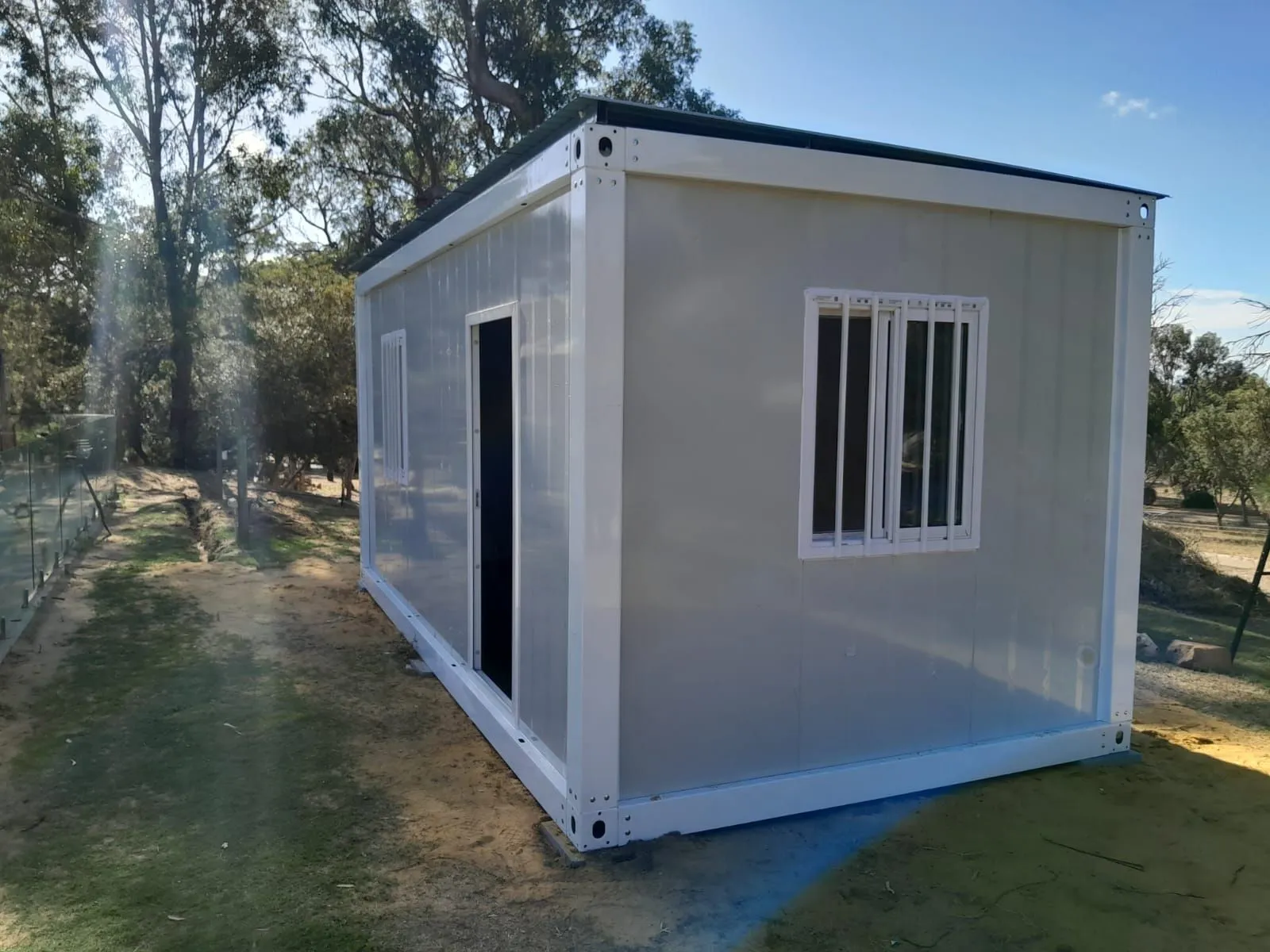
8. Site-Built Structures Still Fit Permanent Developments
Traditional construction remains suitable for projects requiring permanent foundations and complex architecture.
Key Cost Driver
Luxury resorts, hospitals, and long-term urban housing developments may require customized layouts that exceed modular transport dimensions. Even so, many developers combine concrete cores with container house design modules to reduce labor-intensive work while keeping architectural flexibility.
FAQ
Q: Is a customised camp always cheaper than site-built housing?
A: Not always. Modular camps are usually cheaper for temporary or remote projects because they reduce labor and shorten schedules. However, projects with difficult transportation routes or highly customized architectural requirements may still favor traditional construction methods.
Q:How long does a modular container camp typically last?
A: A properly maintained modular steel structure can operate for 20–30 years. Lifespan depends on corrosion protection, insulation quality, and climate conditions. Industrial camps in mining regions often use galvanized steel frames for longer durability.
Q: Why do mining and oil companies prefer modular camps?
A: Mining and oil companies value rapid deployment and relocation flexibility. Modular housing can be installed quickly, expanded in phases, and relocated after project completion. This lowers idle asset costs and improves operational efficiency in remote environments.
Justin Mercer, Cammihouse Technical Team.
