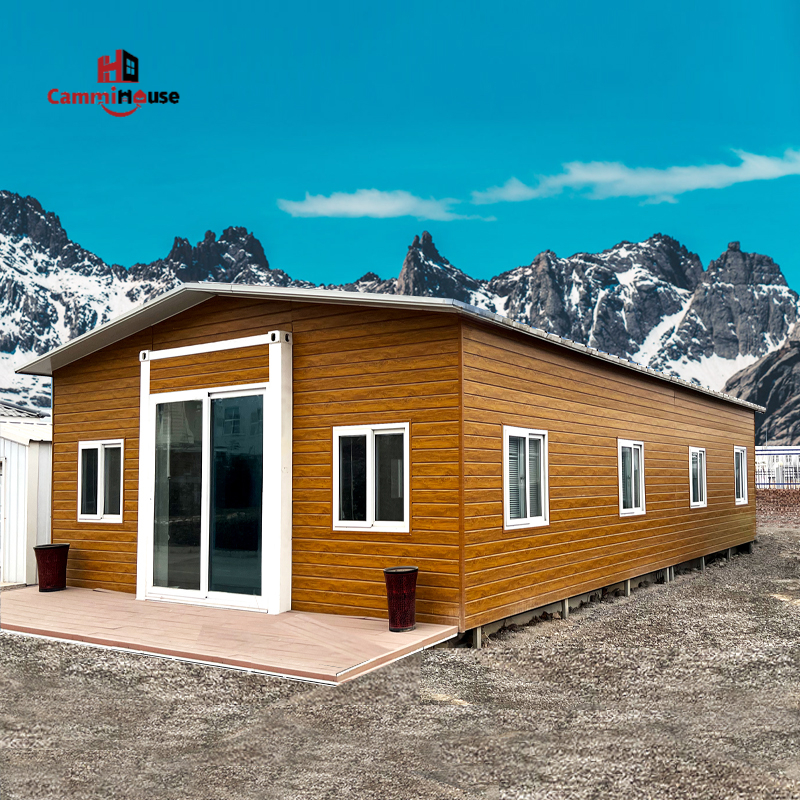
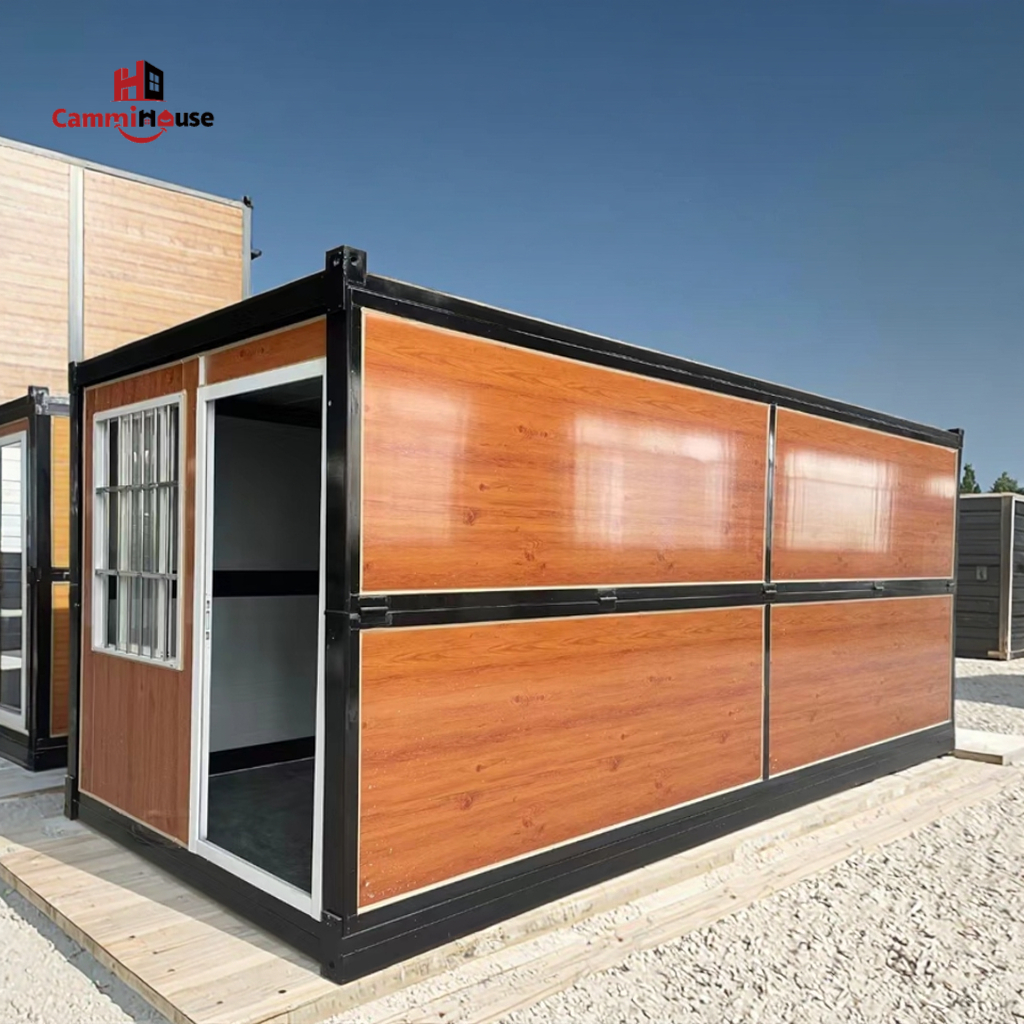
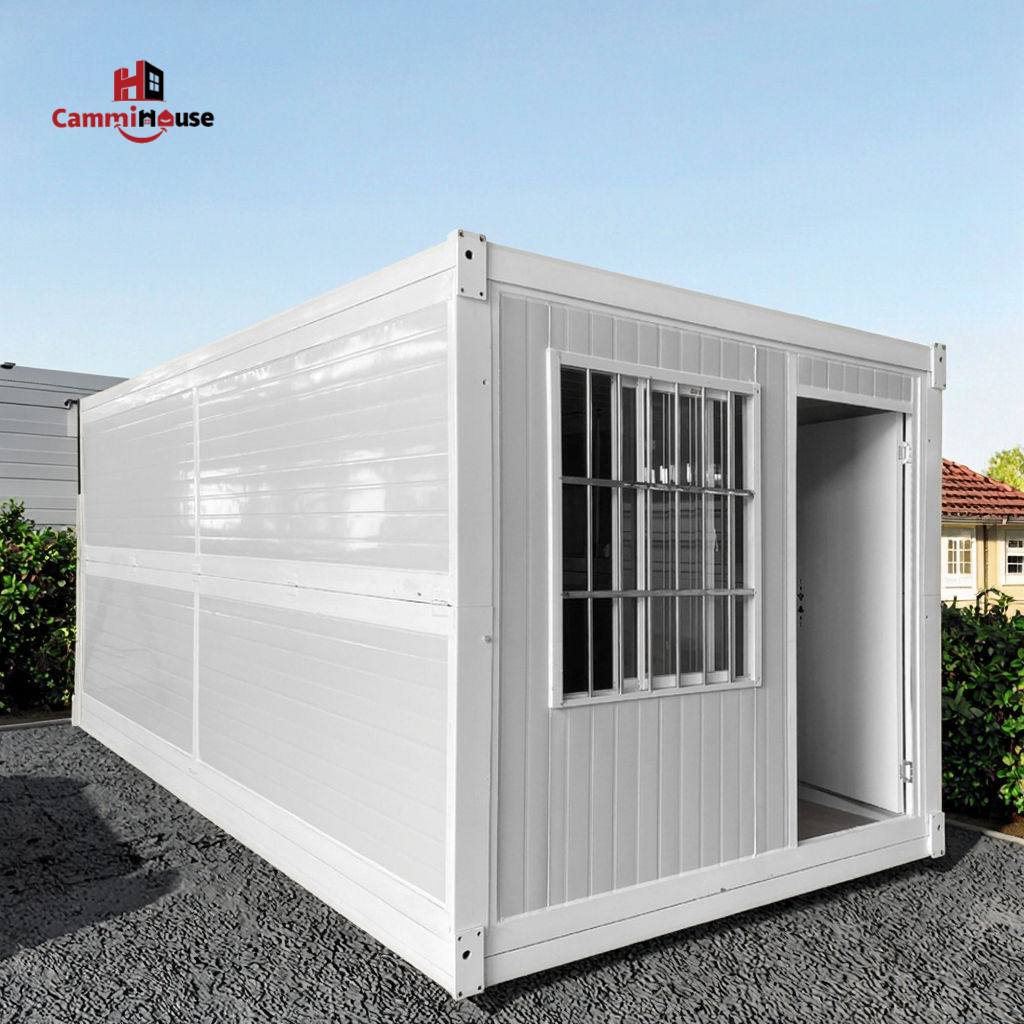
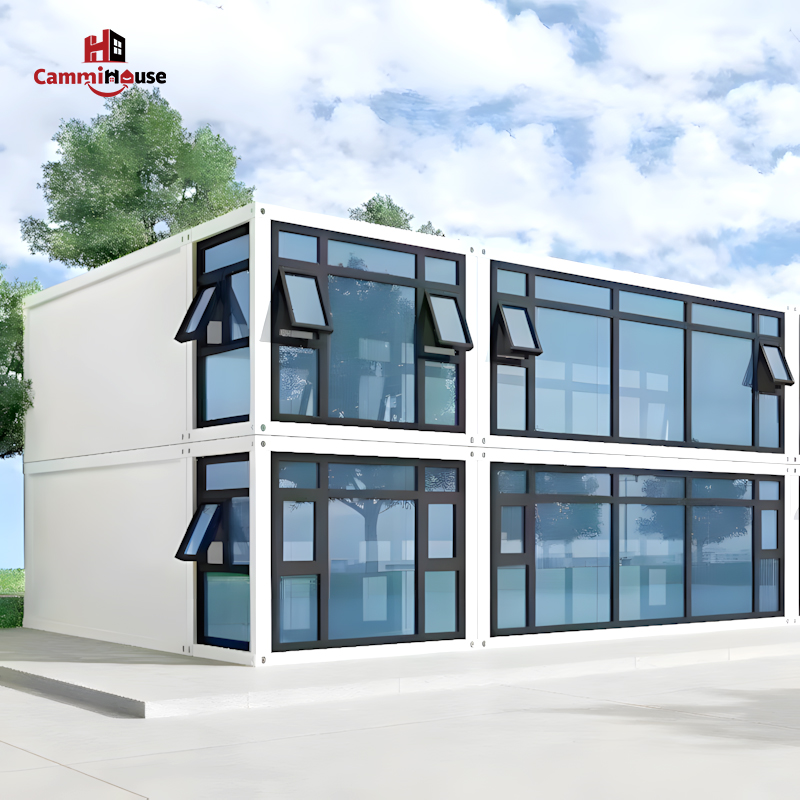
Construction sites require fast deployment, controlled labor costs, and stable living conditions. A well-planned customised camp solves these issues by combining modular accommodation, office space, and utility systems into one scalable setup.
1. Custom camps reduce project setup time
Fast deployment is the main reason contractors choose modular camps for remote projects.
Standardized steel modules can be installed in weeks instead of months. According to McKinsey 2022, modular construction can reduce project schedules by up to 20%. A container house factory with pre-installed plumbing and electrical systems helps workers move into the site faster. In a 2024 Middle East labor camp survey by Cammihouse, contractors reduced temporary housing setup from 45 days to 18 days using a customised camp solution.
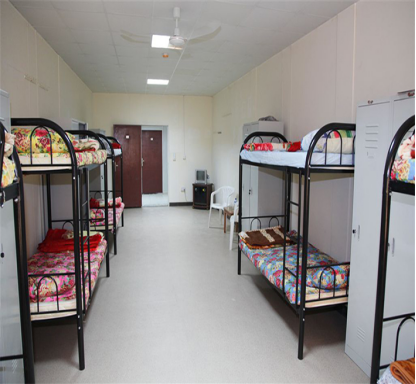
2. Modular layouts improve workforce management
Flexible room layouts help site managers organize labor teams efficiently.
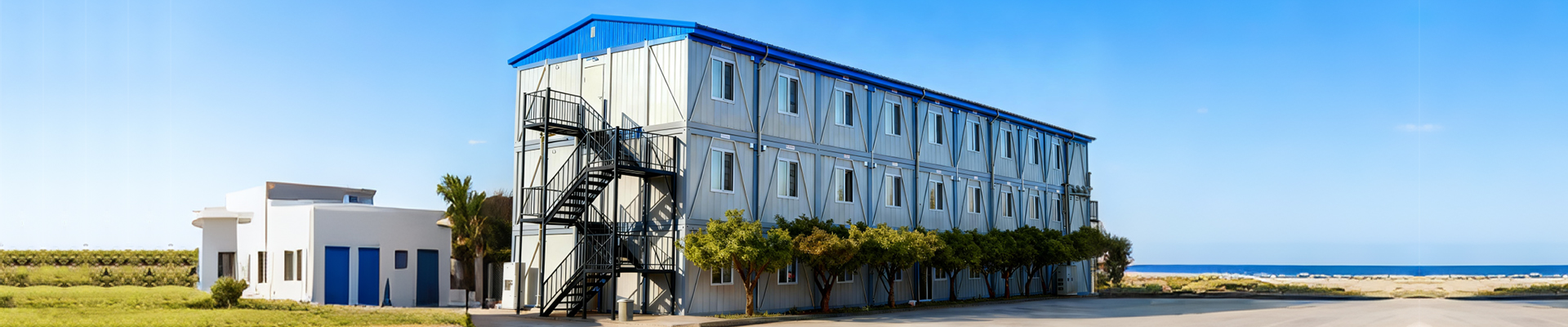
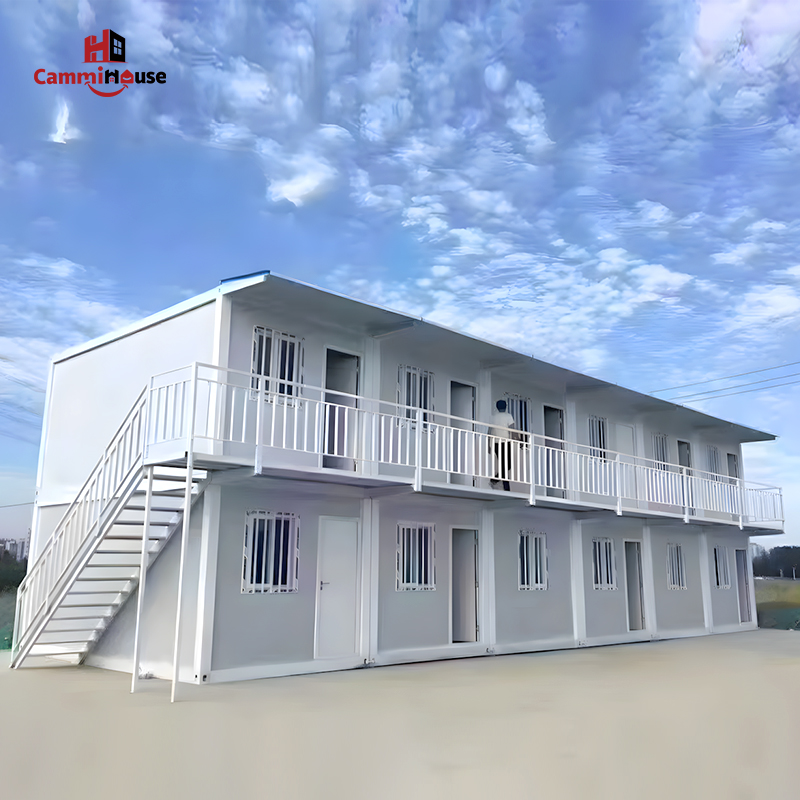
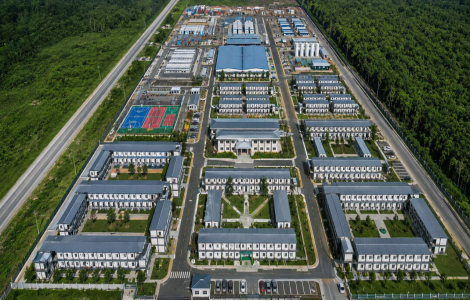
A modular container home system can separate worker dormitories, offices, dining halls, and medical rooms. This structure improves safety and reduces traffic inside active construction zones. On mining projects in Australia, container-based camps are often arranged in clusters to reduce walking distance and simplify utility maintenance.
3. Container structures perform well in harsh climates
Steel-framed camps are commonly used in desert, mining, and offshore construction environments.
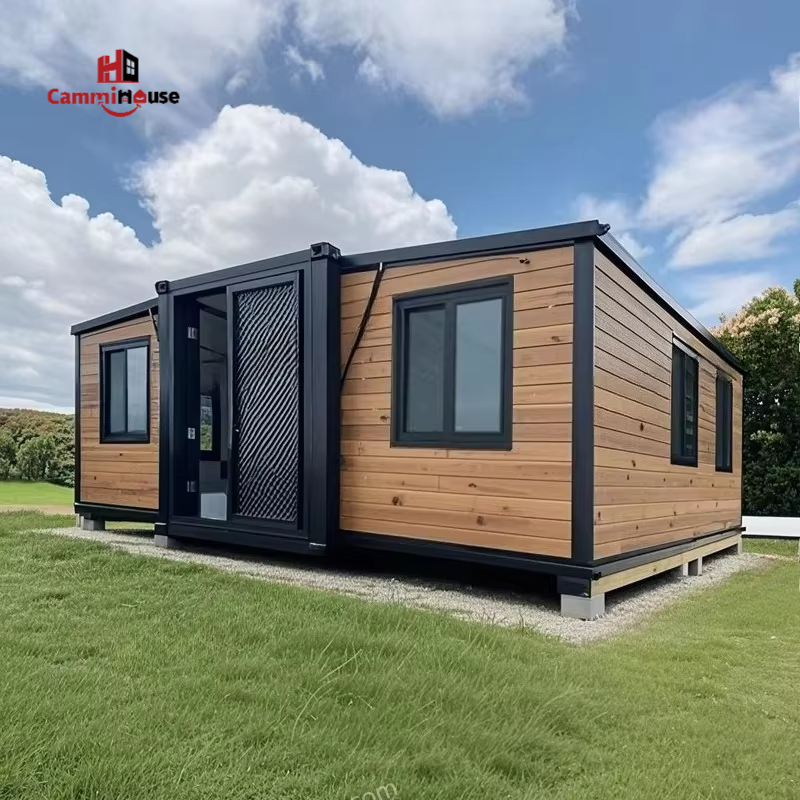
Many contractors choose a shipping container home structure because it resists strong winds and heavy transport movement. U.S. DOE 2021 reported that insulated modular buildings can lower cooling energy demand by nearly 15% in hot climates. In Saudi Arabia, insulated sandwich panels with 75 mm rock wool are frequently used for worker camps exposed to summer temperatures above 45°C.
4. Standardized production controls project budgets
Factory manufacturing reduces unexpected site expenses and material waste.
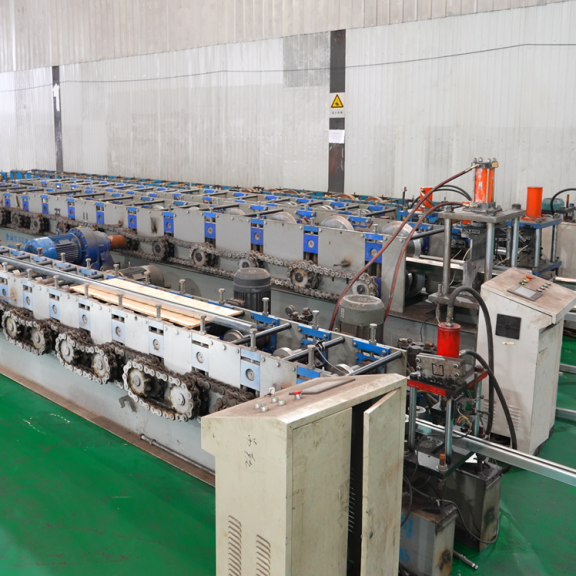
A reliable prefab container house supplier completes cutting, welding, and electrical assembly before shipment. This reduces labor dependency on site. According to World Green Building Council data, modular systems can reduce material waste by up to 83% compared with traditional temporary buildings.
5. Utility integration supports long-term operations
Integrated utility systems make camps practical for projects lasting over one year.
Construction companies often require sewage systems, solar backup power, and centralized HVAC inside a custom container house camp. In African mining projects, water storage tanks and solar hybrid systems are frequently integrated to reduce diesel generator dependence. These systems lower operational interruptions in remote areas.
6. Modern designs improve worker retention
Comfortable accommodation helps reduce labor turnover on remote projects.
A modern container home design usually includes thermal insulation, soundproof walls, private bathrooms, and shared recreation areas. Research from the International Labour Organization in 2023 linked improved worker accommodation with higher workforce stability in remote industrial sectors. Better living conditions also improve contractor reputation during international bidding.
7. Container camps support relocation and expansion
Relocatable modules give contractors flexibility when project phases change.
Unlike traditional temporary buildings, container modules can be transported and reused at another site. This makes them suitable for road construction, oil projects, and temporary logistics hubs. A modular camp in Southeast Asia can be expanded from 100 workers to 300 workers by adding new housing blocks without redesigning the entire site.
8. Manufacturer selection directly affects performance
The experience of the supplier determines camp durability and long-term maintenance costs.
Contractors should review steel thickness, anti-corrosion treatment, insulation standards, and electrical certifications before selecting a supplier. Companies such as Cammihouse provide customized camp layouts for construction and mining applications with configurable office, accommodation, and sanitary systems. A practical container house design should also consider transportation dimensions and local compliance requirements.
FAQ
Why are customised camps popular on construction sites?
Customised camps are popular because they reduce setup time, simplify workforce management, and allow contractors to relocate buildings between projects. Modular structures also provide predictable construction costs and faster utility integration compared with traditional temporary buildings.
Can container camps handle extreme weather conditions?
Yes. Many container camps use galvanized steel frames, insulated sandwich panels, and reinforced roofing systems. These features help camps perform in desert heat, heavy rain regions, and mining environments where traditional temporary housing may fail faster.
How long can a modular construction camp last?
A properly maintained modular camp can remain operational for more than 15 years. Service life depends on steel protection, insulation quality, and local environmental conditions. Regular maintenance of electrical and plumbing systems also improves durability.
Justin Mercer, Cammihouse Technical Team.
