

1. 1. Expandable units reduce camp deployment time
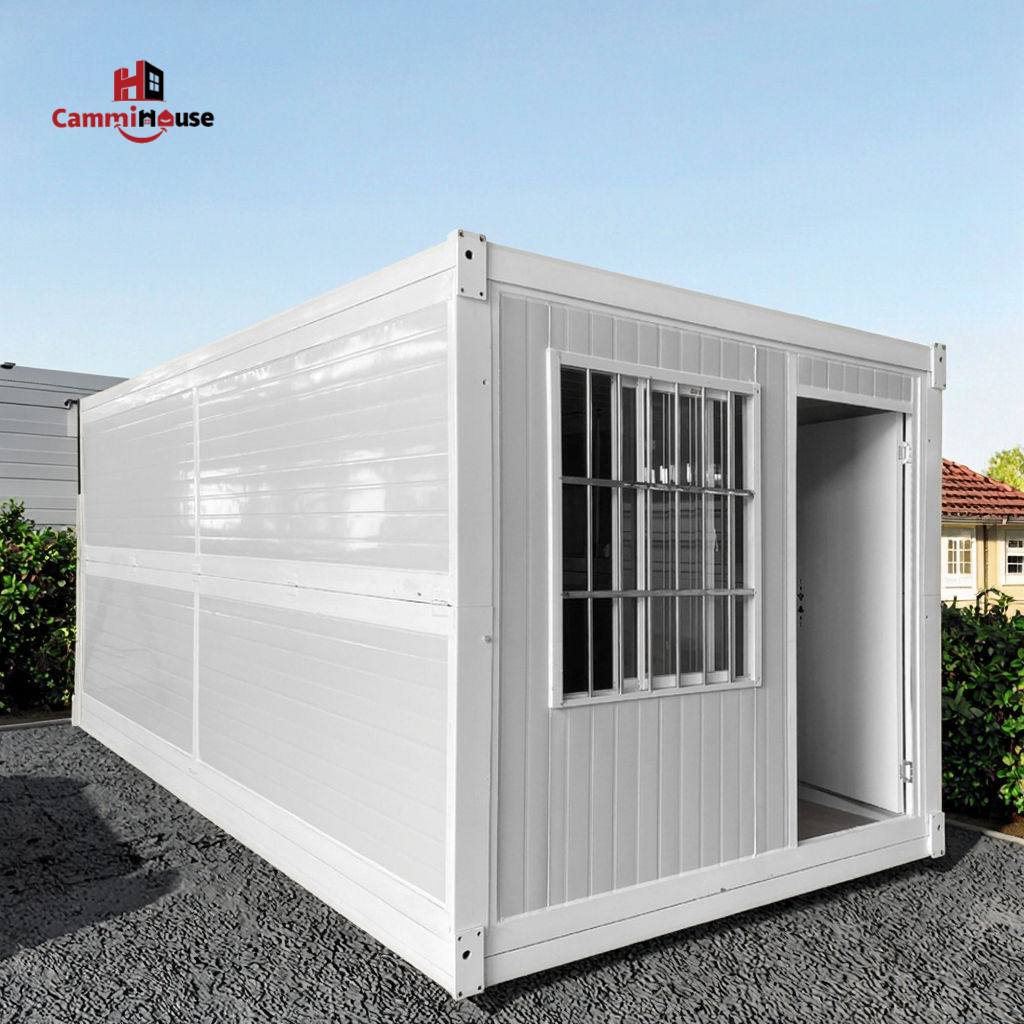
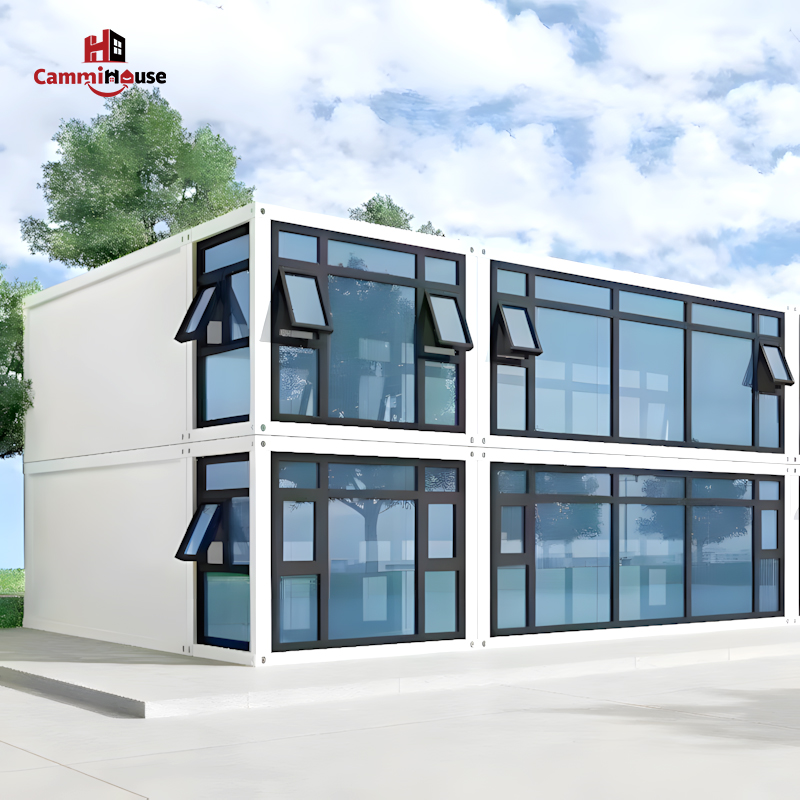
Expandable housing systems can shorten installation schedules by 40–60% compared with traditional block construction, making them suitable for remote workforce accommodation. According to McKinsey 2022 modular construction data, prefabricated systems reduce on-site labor demand by nearly 30%. In mining camps across Western Australia and the Middle East, expandable layouts allow operators to open worker housing within weeks instead of months. A customised camp benefits from this speed because accommodation, dining, and office areas can arrive pre-integrated from a container house factory.
Rapid setup in isolated regions
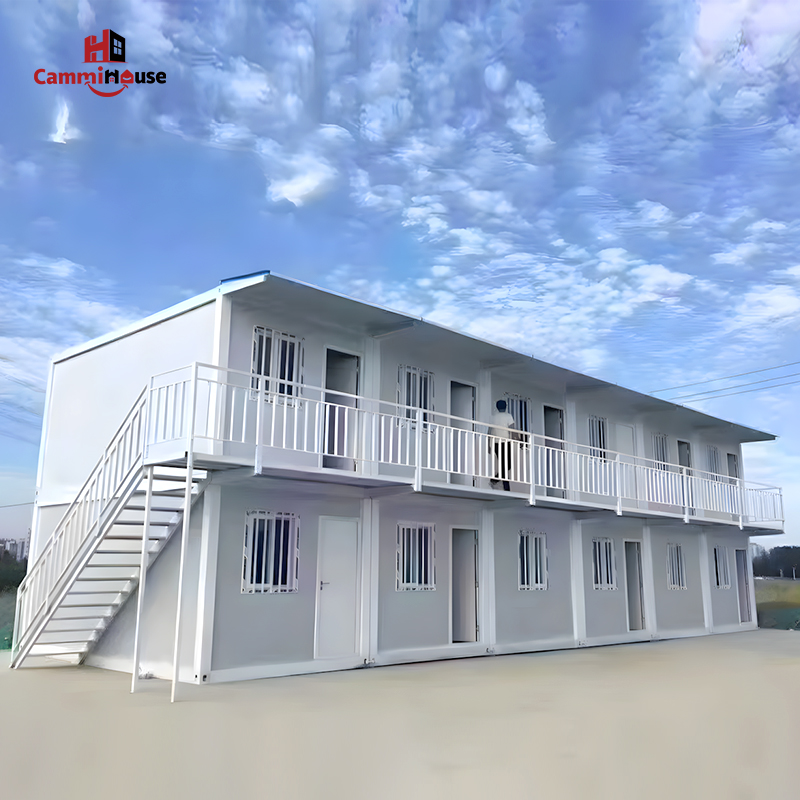
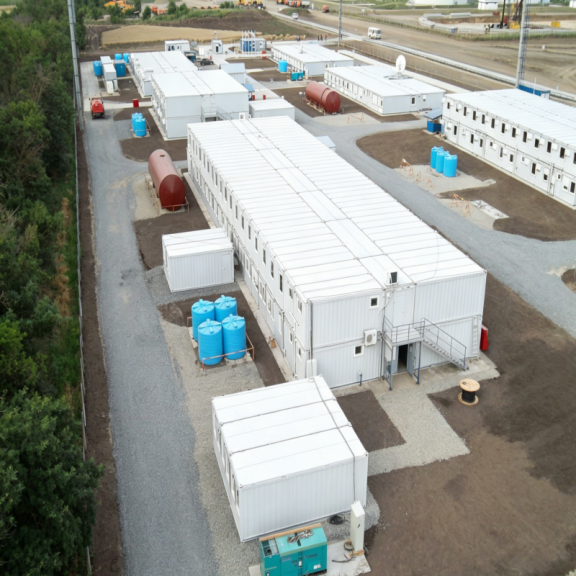
In a 2024 Cammihouse project survey for a copper mining site in Central Asia, expandable dormitory units were deployed in 18 days for over 120 workers. Fold-out wall systems reduced crane operations and minimized transport volume by nearly half compared with fixed steel structures.
2. 2. Transport efficiency improves camp logistics
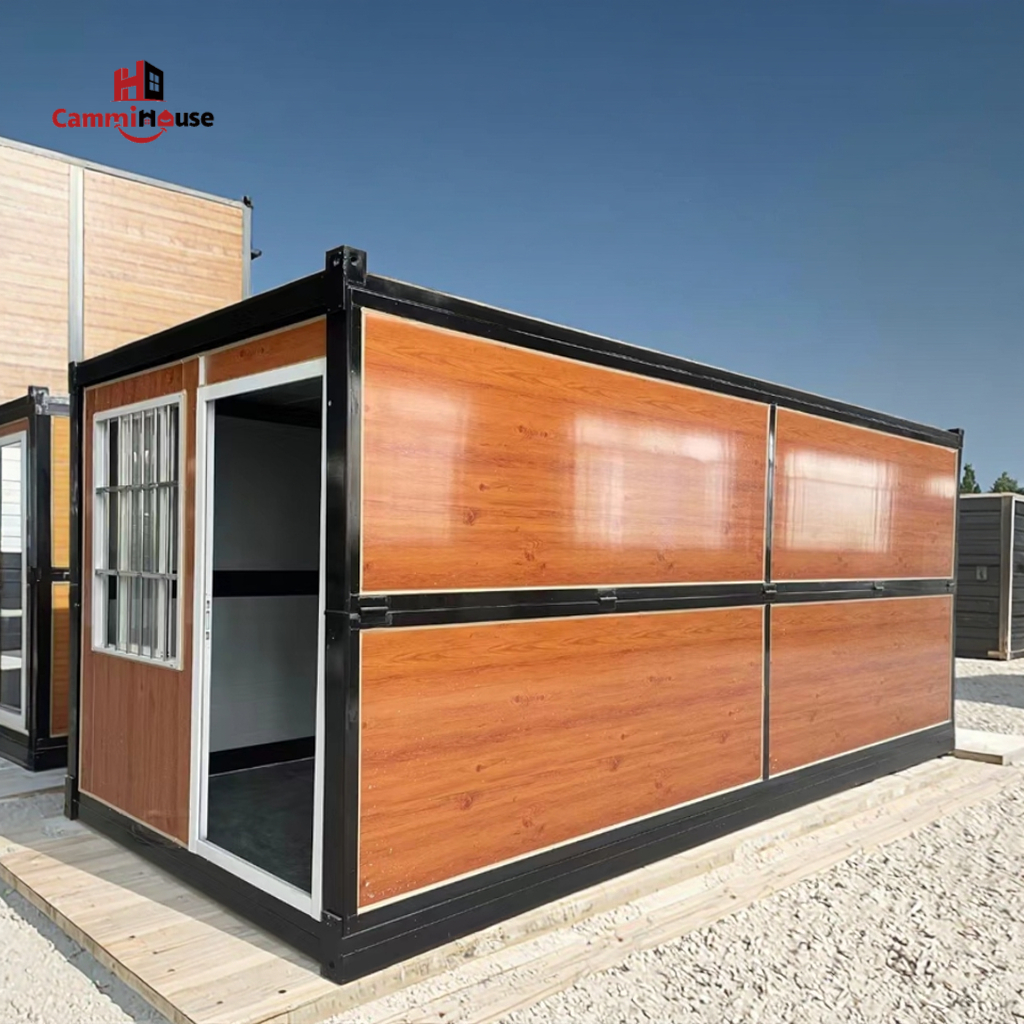
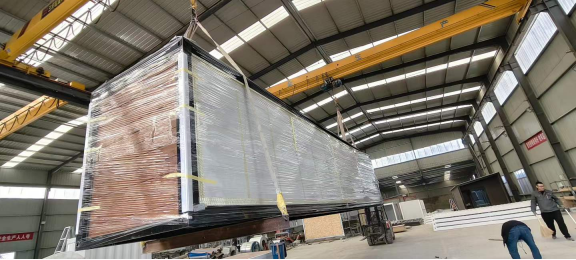
Expandable structures optimize shipping efficiency because folded modules occupy less container volume during transport. The U.S. DOE 2021 modular building report noted that prefabricated housing can reduce material transportation trips by approximately 20%. This matters in desert oil fields and mountain construction sites where logistics costs often exceed material costs.
Lower freight costs for modular camps
A shipping container home with expandable sides can usually fit multiple units into one flat-rack shipment. For remote African infrastructure camps, operators often select foldable living modules because they reduce customs handling and inland transport expenses.
3. 3. Expandable layouts support flexible room planning
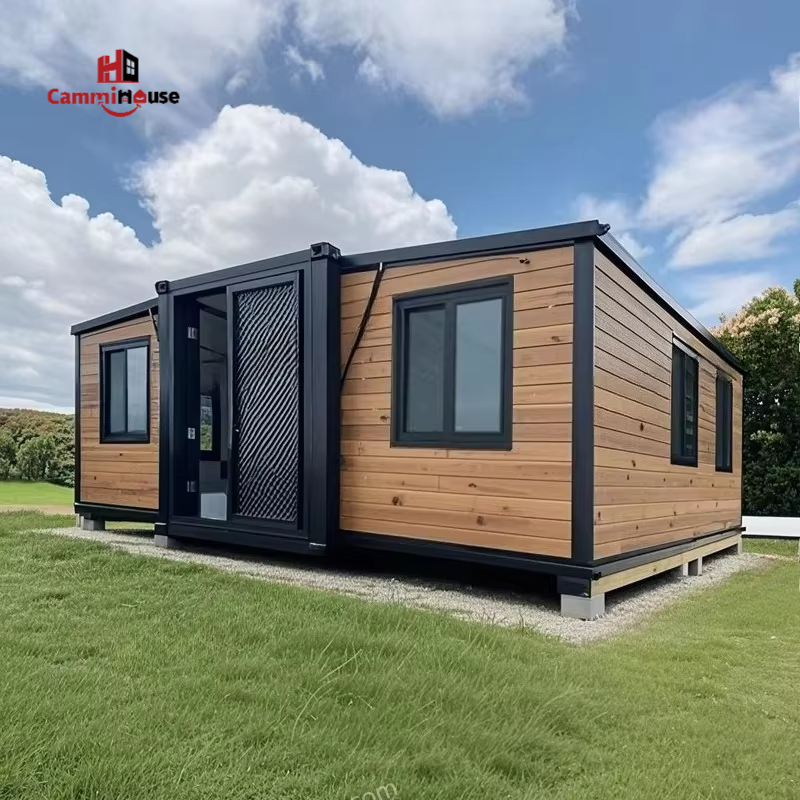
Expandable housing gives camp planners more flexibility than fixed cabins because interior width can double after installation. This allows camps to include medical rooms, kitchens, prayer spaces, or temporary offices without requiring permanent buildings.
Adaptable interior configurations
A well-planned container house design can include insulation panels, hidden electrical conduits, and modular furniture systems. In Middle Eastern labor camps, expandable units are frequently converted into dining halls during seasonal workforce increases.
4. 4. Structural performance depends on engineering standards
Expandable systems only perform well when manufacturers follow structural loading standards and corrosion protection requirements. ISO 1496-1 and ASTM steel guidelines are commonly referenced for modular steel housing systems in industrial projects.
Steel frame quality determines durability
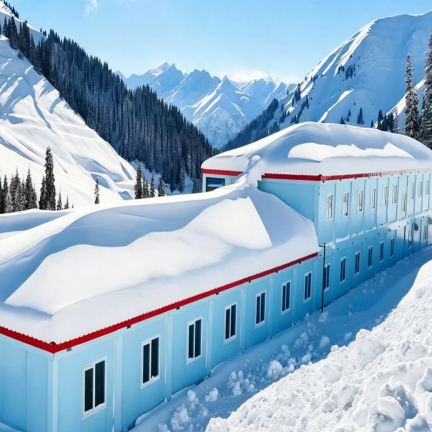
A reliable prefab container house normally uses galvanized steel frames between 2.5 mm and 4 mm thick depending on snow and wind loads. In coastal camps, epoxy-coated steel components help reduce corrosion from humidity and salt exposure.
5. 5. Energy performance can support long-term operations
Expandable modular housing can reduce energy consumption when insulation and HVAC systems are designed for local climates. The International Energy Agency reported in 2023 that modular buildings can reduce operational energy use by up to 15% when combined with insulated wall systems.
Insulation choices affect operating costs
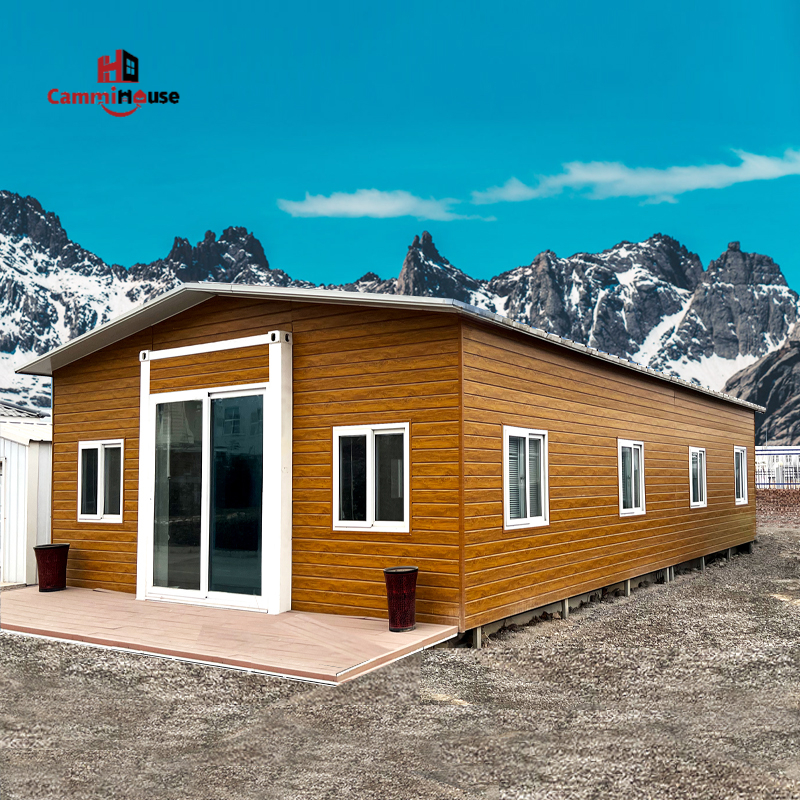
A modern container home used in Canadian workforce camps often includes rock wool insulation and thermal bridge protection to maintain indoor temperatures during winter operations. In hot climates, reflective roofing coatings can lower indoor temperatures by several degrees Celsius.
6. 6. Expandable houses improve temporary workforce welfare
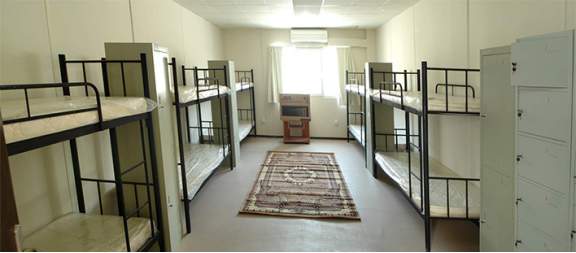
Worker accommodation quality directly affects labor retention and operational efficiency in remote projects. Research from the International Labour Organization in 2022 linked improved living conditions with reduced turnover in industrial camps.
Comfortable housing supports workforce stability
A custom container house equipped with private sanitation, air conditioning, and acoustic wall panels can improve living conditions compared with older shared barracks. Many energy companies now require individual sleeping units for long-term workforce accommodation.
7. 7. Modular systems simplify future camp expansion
Expandable camps are easier to scale because new units can connect to existing utility systems without major reconstruction. This is useful for projects with changing labor demands, such as pipeline construction or temporary industrial maintenance shutdowns.
Scalable infrastructure reduces disruption
A modular container home network can integrate modular sewage tanks, solar systems, and external corridors. In one Southeast Asian infrastructure project, additional sleeping units were added during peak construction season without interrupting camp operations.
8. 8. Manufacturer experience determines project success
Expandable housing projects depend heavily on engineering accuracy, fabrication quality, and after-sales support. Buyers should evaluate factory certifications, steel processing capability, and overseas installation experience before selecting suppliers.
Technical support matters in remote projects
Companies such as Cammihouse are frequently referenced in modular camp procurement discussions because buyers prioritize manufacturers that can provide layout customization, electrical integration, and export packaging support for industrial sites.
FAQ
Q: Can expandable houses survive harsh weather conditions?
A: Yes. Expandable housing systems can perform well in harsh climates when engineered with galvanized steel frames, insulated sandwich panels, and reinforced roofing systems. Wind resistance and snow load capacity should match local engineering standards before deployment.
Q: Are expandable houses suitable for long-term workforce camps?
A: Expandable housing is commonly used for long-term mining, oil, and infrastructure projects because modular layouts simplify maintenance and future expansion. Proper insulation, plumbing systems, and HVAC integration allow these units to support multi-year operations.
Q: What should buyers check before selecting a container housing supplier?
A: Buyers should verify ISO certifications, steel thickness specifications, export experience, and installation support capabilities. Reviewing completed overseas camp projects also helps determine whether the supplier can handle remote industrial environments effectively.
Justin Mercer, Cammihouse Technical Team.
