
1. Structural certification is the first screening standard
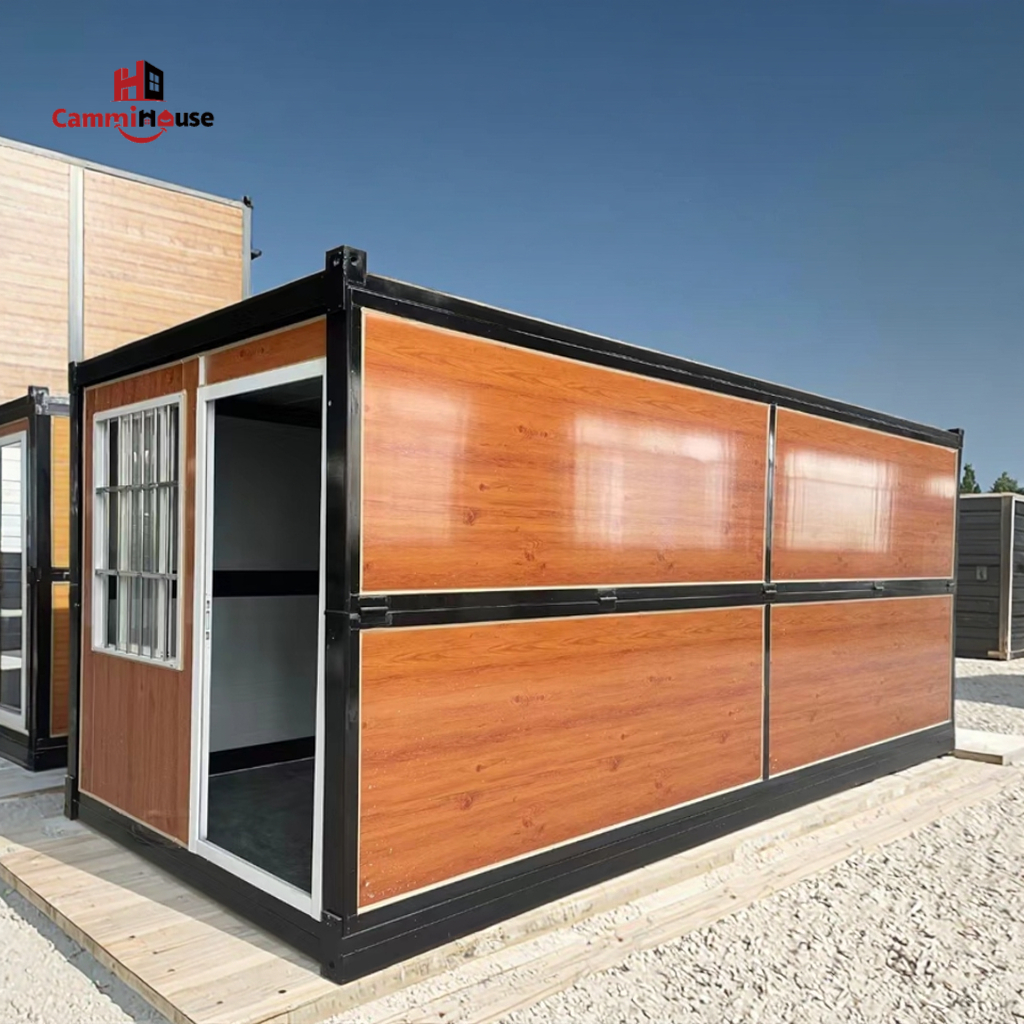
Reliable suppliers of container house factory solutions should provide ISO 1496-1 or CSC certification before any quotation stage. These documents verify whether the structure can handle stacking pressure, wind load, and repeated transportation. According to the International Organization for Standardization, a standard container corner post should withstand more than 86,000 kg in vertical load conditions.
Check load-bearing reports before layout discussions
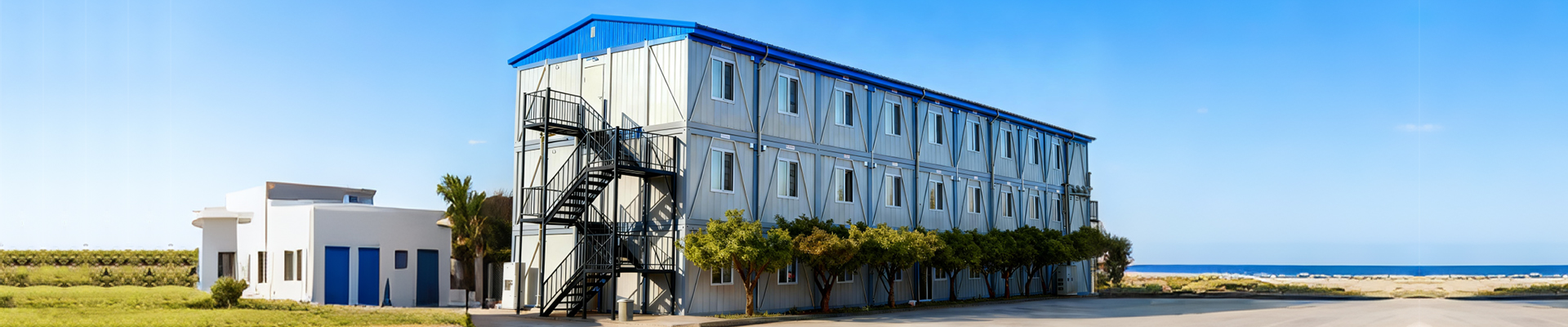
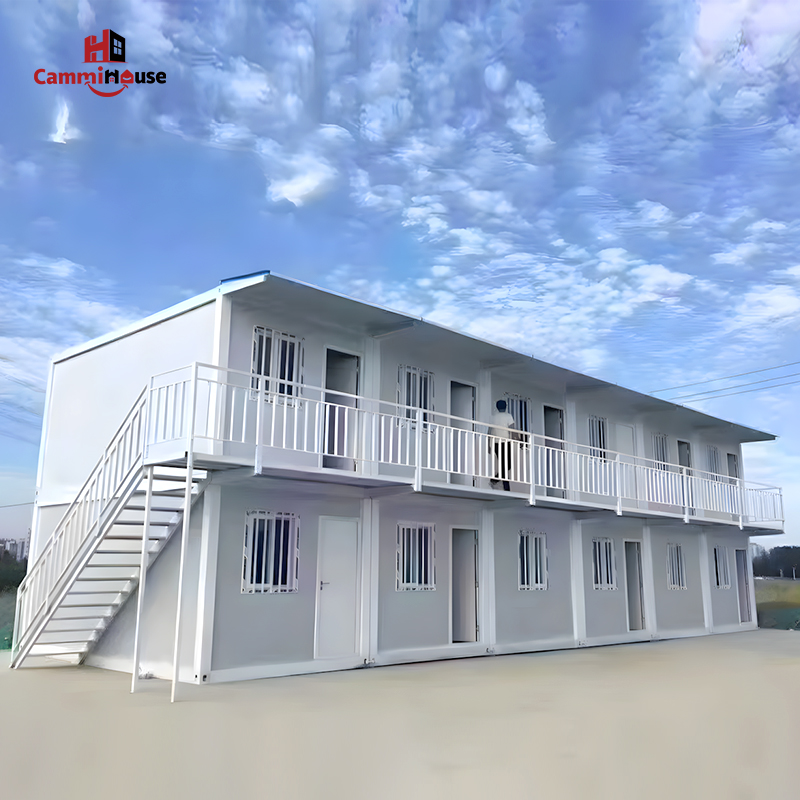
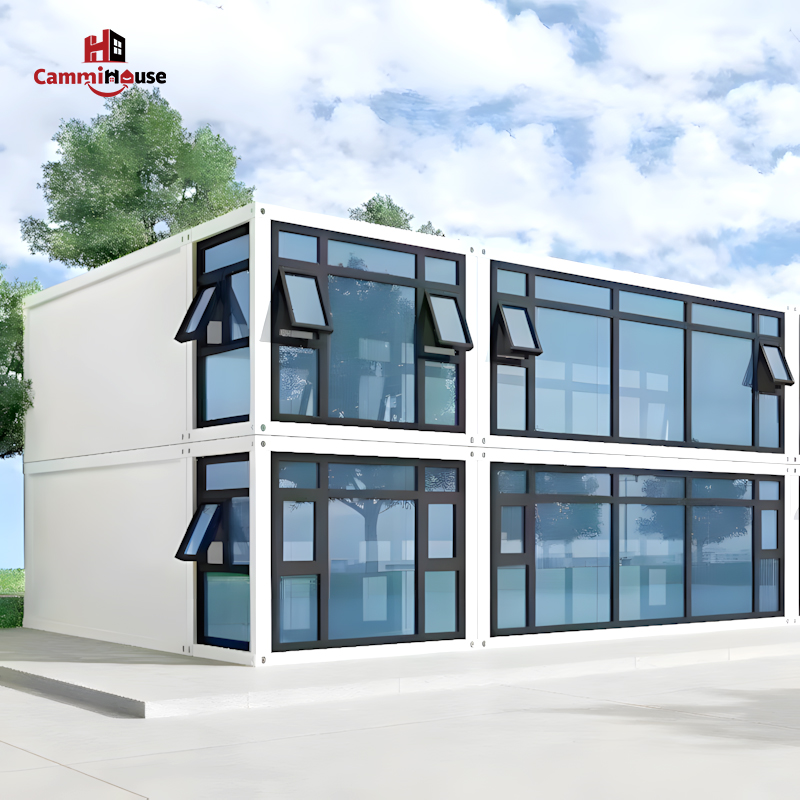
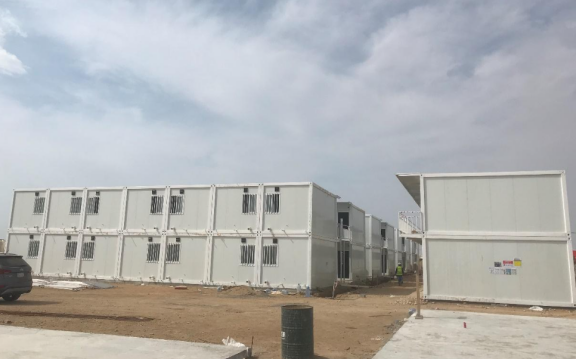
Mining camps in Australia and remote oil projects in the Middle East often require two-storey or three-storey camp blocks. Without verified structural calculations, the risk of frame deformation increases during crane lifting and shipping. In a 2024 Cammihouse project survey for a desert worker camp, reinforced roof beams reduced transportation damage claims by 18%.
2. Material specifications directly affect lifecycle cost
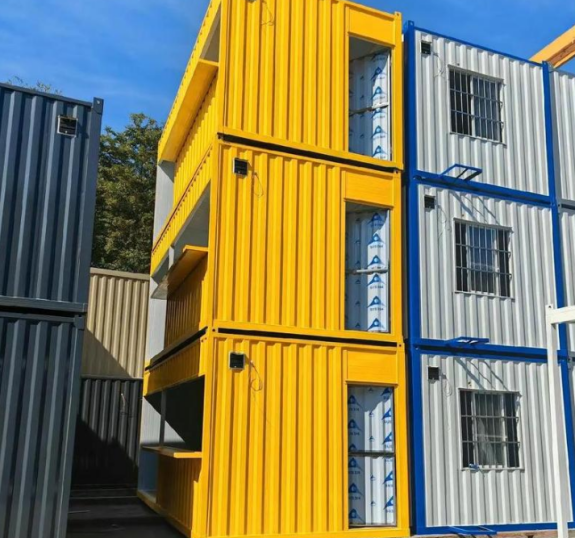
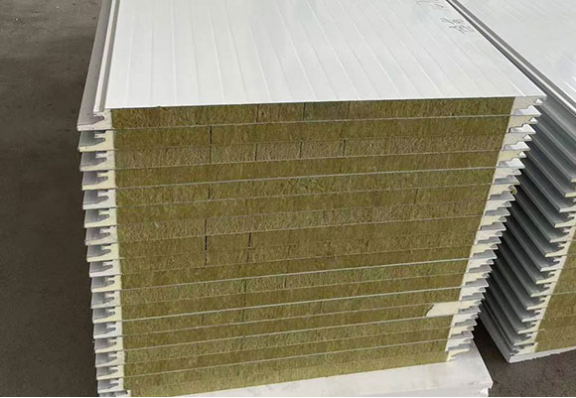
Steel thickness and insulation density determine whether a custom container house can survive extreme climates for more than 10 years. McKinsey 2022 reported that maintenance costs in temporary worker housing can rise by 25% when low-grade steel is used in humid environments.
Review steel grade and insulation details
For tropical construction camps, galvanized steel above 2.5 mm and 75 mm rock wool insulation are common specifications. In colder regions such as Canada, polyurethane insulation panels reduce heat transfer more effectively than EPS boards. Buyers should request actual material test reports instead of catalog descriptions.
3. Production capacity impacts delivery reliability
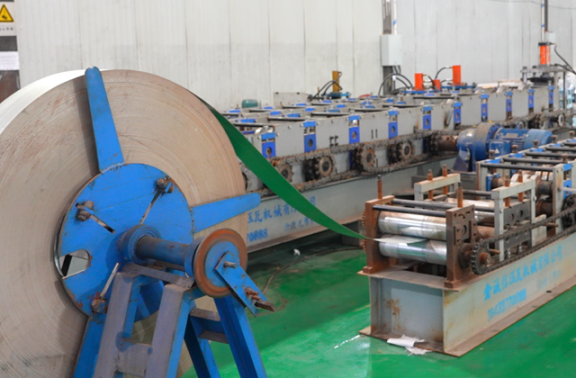
Factories producing modern container home projects at scale are less likely to miss urgent deadlines during peak seasons. U.S. DOE 2021 data showed modular construction can shorten project schedules by 20% to 50% compared with traditional site-built housing.
Visit assembly lines or request live production videos
A manufacturer handling over 200 units per month normally has dedicated welding, painting, and electrical teams. This becomes critical for mining camps or military accommodation projects requiring fast deployment. Buyers should confirm whether electrical wiring and plumbing are pre-installed before shipment.
4. Camp design flexibility improves long-term usability
Efficient customised camp layouts reduce operational costs and improve worker comfort. Camps used for energy, mining, or infrastructure projects often require dining halls, offices, clinics, and accommodation units within the same site.
Evaluate modular expansion options
A flexible container house design allows future expansion without replacing the original structure. For example, modular corridors and detachable sanitary blocks help reduce installation time in African mining camps where local labor availability is limited.
5. Transport efficiency influences total project budget
Manufacturers should optimise packaging dimensions to reduce shipping costs for every shipping container home project. According to World Bank logistics data, transport can account for up to 35% of total temporary camp costs in remote regions.
Compare foldable and flat-pack systems
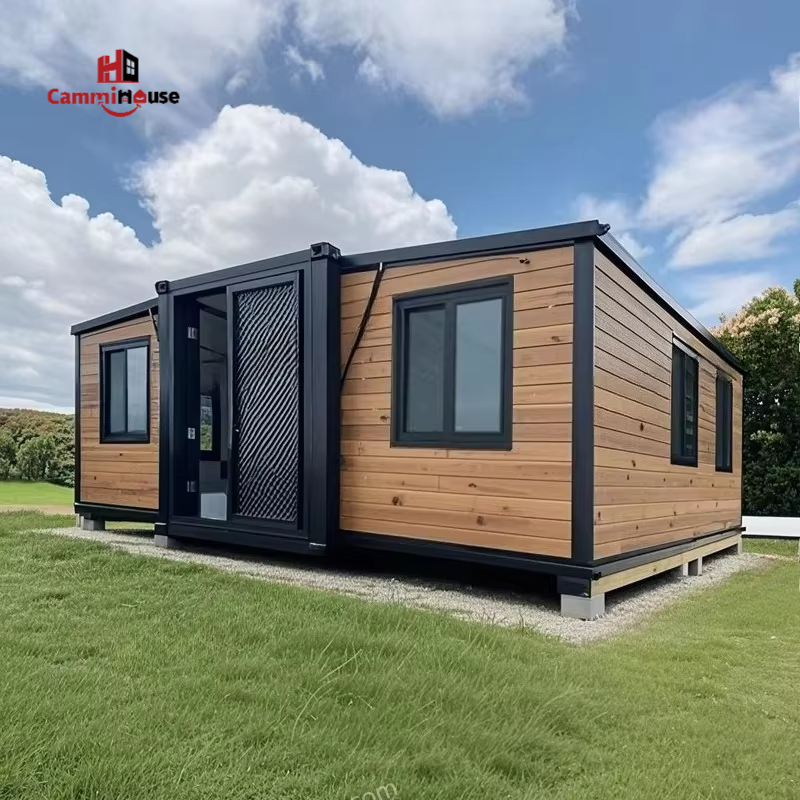
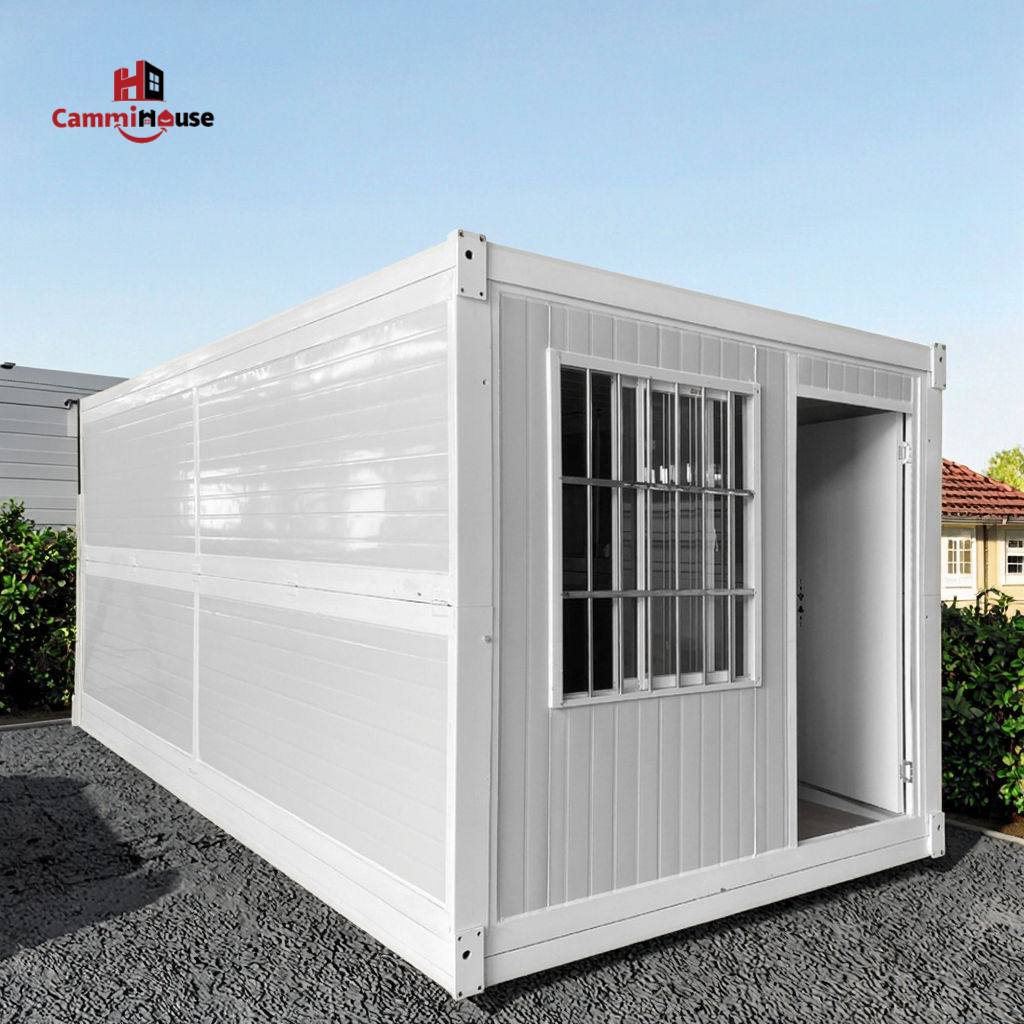
Foldable units can load multiple rooms into one shipping container, while flat-pack systems simplify unloading in restricted areas. Middle Eastern oilfield camps often prefer flat-pack structures because desert roads limit oversized cargo transportation.
6. Electrical and plumbing integration should be standardised
Integrated systems reduce installation errors and shorten on-site setup time for aprefab container house. Poor electrical planning can delay project handover by several weeks in remote construction zones.
Confirm compliance with local electrical codes
Manufacturers exporting to the United States, Australia, or Saudi Arabia should adapt voltage systems, breaker standards, and plumbing layouts according to local regulations. Buyers should also verify whether air conditioning systems are tested before shipment.
7. After-sales support matters in remote camp projects
Technical support availability is often more important than initial purchase price. Remote camps cannot afford extended downtime caused by delayed replacement parts or unclear installation instructions.
Request installation manuals and spare-part policies
Experienced suppliers normally provide remote video guidance, spare component lists, and maintenance schedules. In several 2024 African infrastructure projects managed by Cammihouse partners, pre-labelled electrical systems reduced installation troubleshooting time by nearly 30%.
8. Factory transparency helps reduce procurement risk
A transparent supplier provides factory audits, project references, and documented testing records before contract signing. Buyers should avoid manufacturers unwilling to disclose workshop capacity or real project photos.
Use real project cases to verify credibility
Procurement teams should request references from previous mining camps, worker housing sites, or government accommodation projects. Video calls during production stages also help confirm whether the manufacturing schedule matches the contract timeline.
FAQ
How do I verify whether a container camp manufacturer is reliable?
Buyers should review ISO certifications, structural testing reports, and previous project references before placing orders. Factory video inspections, material specifications, and transportation case studies also help confirm whether the supplier can handle large-scale camp projects safely and on schedule.
What insulation material is best for a container worker camp?
Rock wool insulation is widely used because it offers fire resistance and stable thermal performance in extreme climates. Polyurethane panels provide better insulation efficiency in colder regions, while EPS boards are generally selected for projects with tighter budgets.
Why are modular container camps popular in mining projects?
Modular camp systems reduce installation time, simplify transportation, and allow future expansion without rebuilding the entire site. Mining companies also prefer modular accommodation because units can be relocated after project completion, reducing long-term infrastructure investment.
Justin Mercer, Cammihouse Technical Team.
