
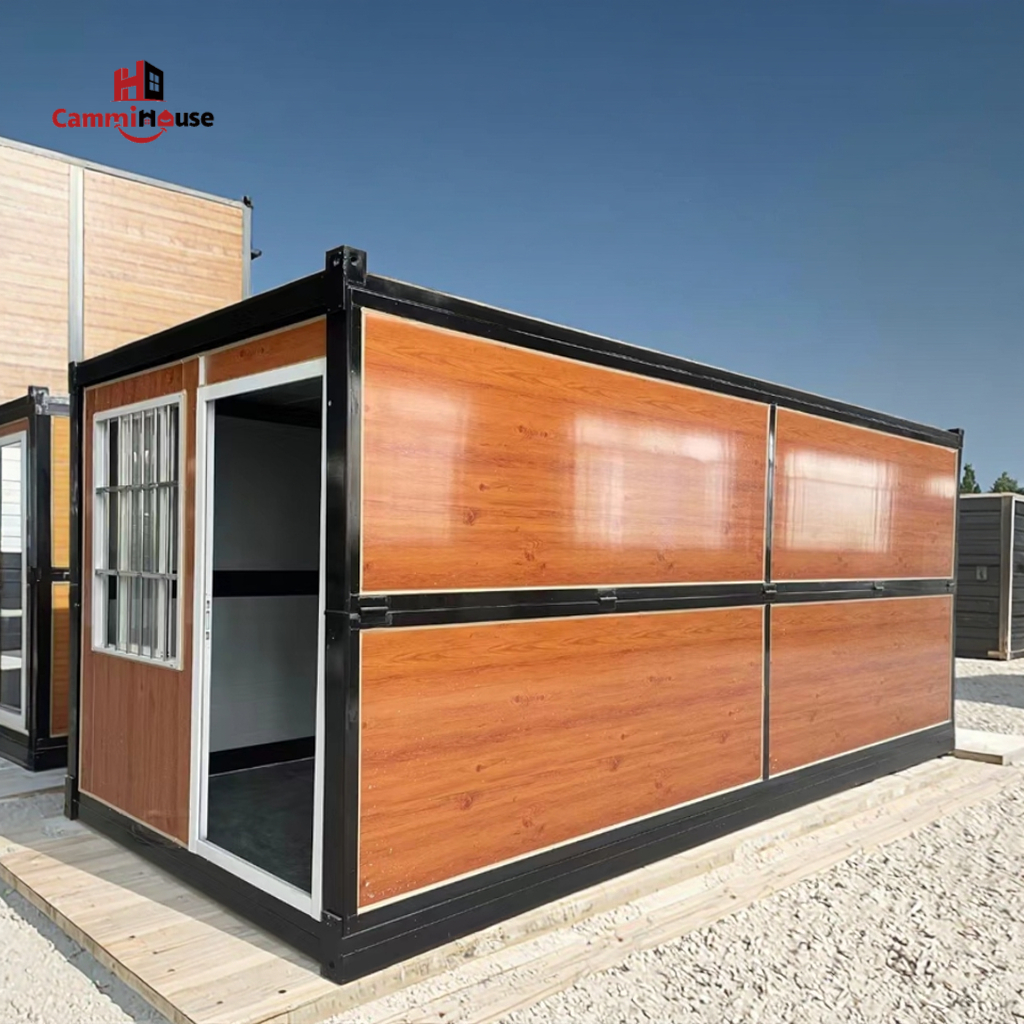
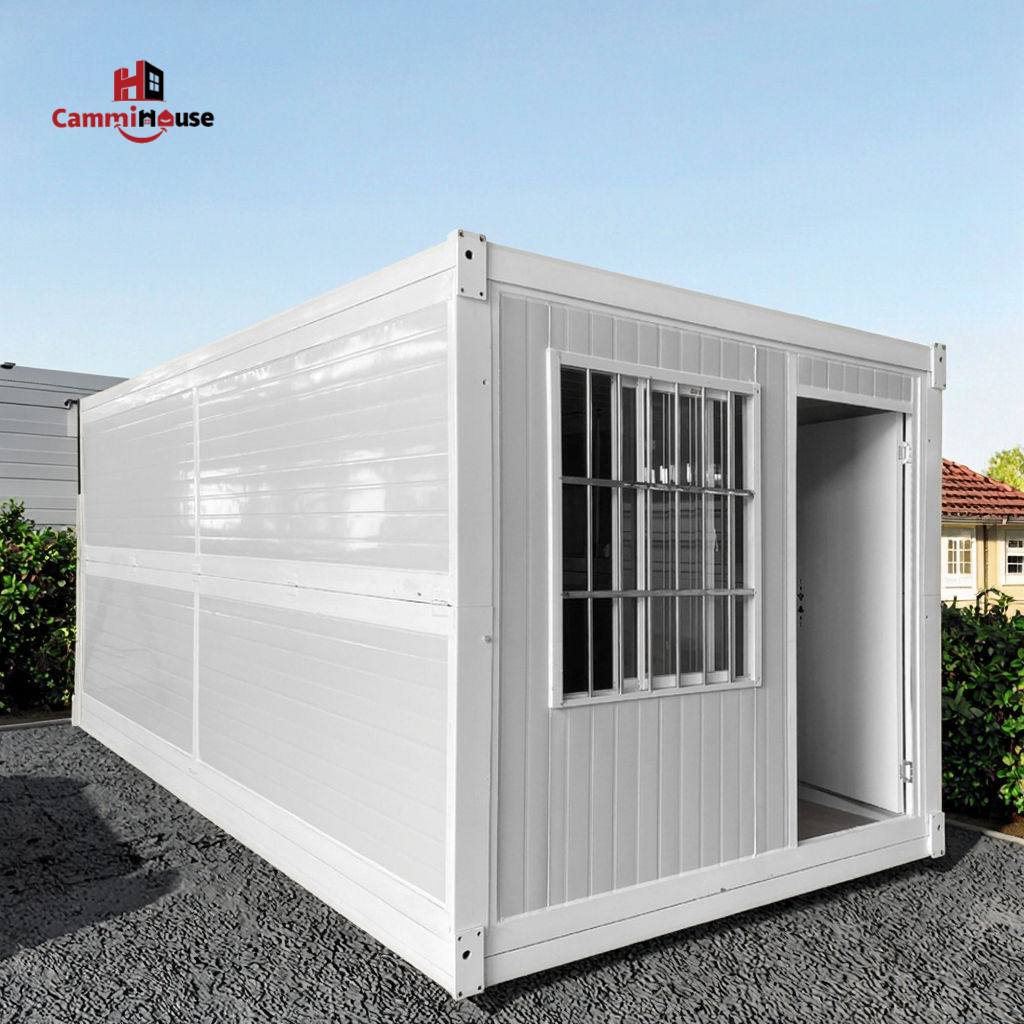
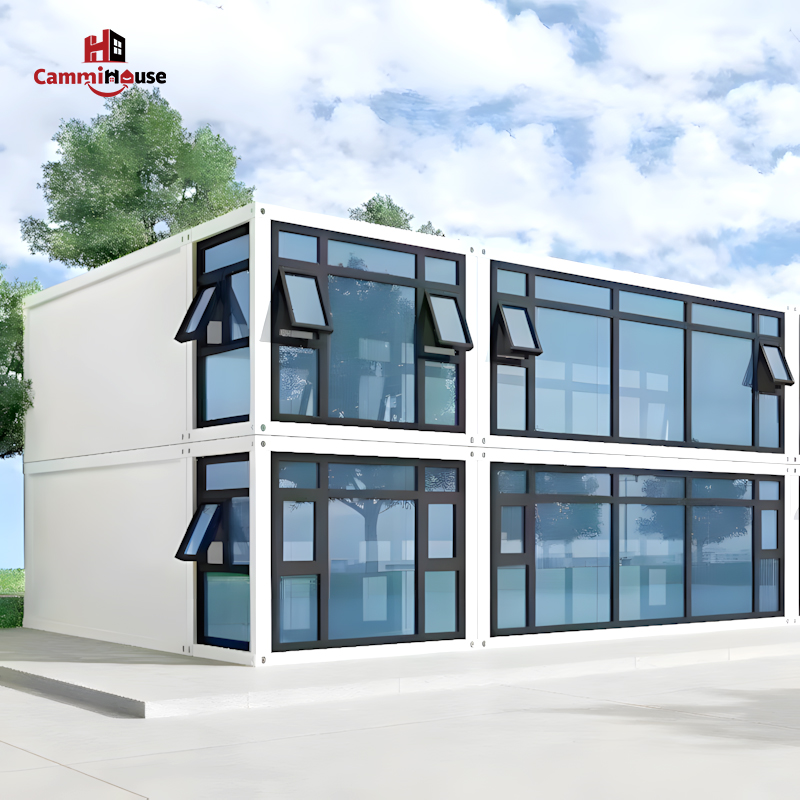
Why Exterior Maintenance Determines the Lifespan of Your Container Home
A container house is built from weathering steel — a material designed to perform under load, not to be ignored. Without a structured exterior maintenance routine, surface oxidation penetrates the coating layer within two to five years, depending on climate and proximity to salt air. Once rust reaches the structural wall panel, repair costs escalate quickly.
This is not a theoretical risk. It is the most common issue reported incontainer house projects that were purchased without a long-term maintenance plan. The good news: exterior upkeep is straightforward when you know what to inspect, when to act, and which materials to use.
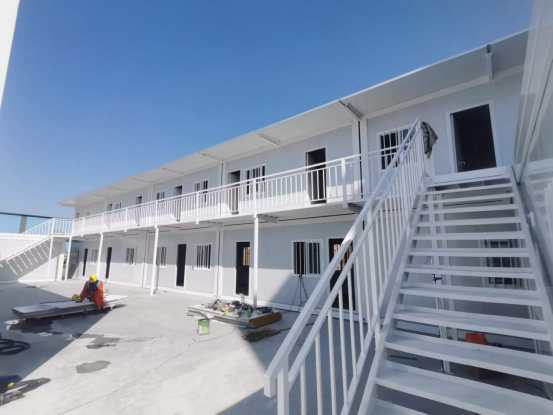
Inspect the Exterior on a Fixed Schedule
Inspection is the foundation of every effective maintenance routine. For container homes in temperate climates, a twice-yearly inspection — spring and autumn — is sufficient. Coastal locations, high-humidity regions, and areas with significant temperature variation require quarterly checks.
What to Look For During Each Inspection
Focus on four areas: coating condition, joint sealant integrity, roof drainage, and window or door frame gaps. Surface paint that has begun to chalk, crack, or peel is a pre-rust signal — not a cosmetic issue. Sealant around panel joints that has shrunk or separated allows water ingress at the exact points where two steel surfaces meet, which is where corrosion starts fastest.
Document each inspection with photographs taken from the same angles. This creates a visual record that makes deterioration trends visible over time — a practice standard on all Cammihouse container builds delivered to clients running multi-unit hospitality or residential projects.
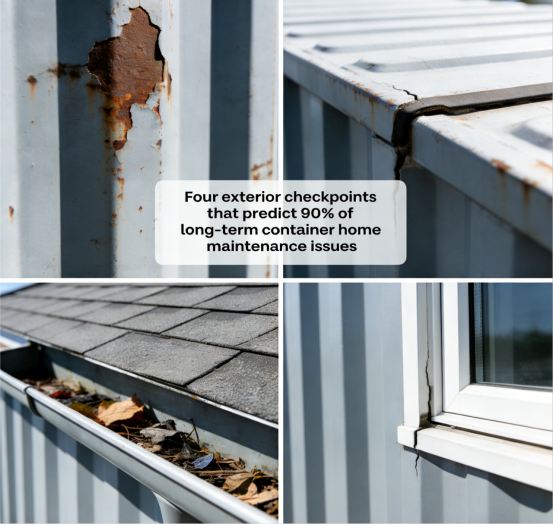
Surface Coating — The First Line of Defense
The exterior coating on a container house is not decoration. It is a corrosion barrier. Most units from a reputable container house factory ship with a two-layer system: an epoxy primer coat followed by a polyurethane topcoat. This system is rated for 10–15 years under normal exposure conditions, but UV degradation and mechanical abrasion shorten that window in practice.
When and How to Recoat
When the existing topcoat begins to visibly chalk — meaning there’s a powdery residue that rubs off onto your finger when you wipe across the surface — or when a few {less than 5%} spot rust patches appear, it’s time for re-coating. At this point, the repair is still manageable.
The steps involved are: pressure wash the surface with 2,000–3,000 PSI, sand the compromised surfaces down to bare metal, apply a rust inhibiting primer, and then coat with a UV-stable exterior topcoat for metal substrates. Do NOT use standard exterior house paint — it bonds incorrectly to steel and will fail in one season.
For container house for sale listings, a freshly recoated exterior adds measurable resale value and signals to buyers that the structure has been actively maintained.
Rust Treatment for Localized Corrosion
If you notice orange spots on a metal surface and catch it early before pitting, then treatment on rust spots is a one day job. You would use a rust converter to chemically neutralize the oxidation and then let it cure for around 24 hours. After that, you would need to prime and then topcoat the area you worked on. Avoid sanding, pitting rust, and painting over rust without neutralization. If you do, then you will end up trapping and sealing corrosion that is active underneath the new paint and that will speed up the decay of the structure.
Roof and Drainage Maintenance
Container homes have roofs that trap and retain debris and water at lower points. If you do not take care of them, then roofs will become the point of entry for water that destroys insulation, ceiling panels, and electrical conduits that are located lower.
Clearing and Sealing the Roof Surface
After every major weather event, you should clear the roof of debris, leaves, and water, and check to see that the drainage outlets are not obstructed. Container roofs that are flat, or have a low slope, will also be able to withstand minor surface cracking because of an elastomeric roof coating recommended every five to seven years. The coating also aids in the reflection of UV radiation which in turn aids in the reduction of the thermal load inside the unit.
One client running a four-unit container accommodation project in Western Australia reported that adding elastomeric coating to their roofs reduced interior peak temperatures by 4°C in summer — a direct impact on guest comfort and air conditioning load. The units were originally sourced through container house china supply and had standard factory roof finishes.
Joints, Sealants, and Openings
The exterior of the container has the potential to trap water at every point meeting the two materials. All joints should have flexible sealants as they will be able to accommodate thermal expansion.
Selecting the Right Sealant for Steel Substrates
Use a polyurethane or silicone-hybrid sealant rated for metal substrates and exterior exposure. Standard silicone does not bond reliably to painted steel and will separate within 12–18 months in variable climates. Apply sealant to clean, dry surfaces and tool it into the joint before skinning begins — typically within five to ten minutes of application.
Cammihouse includes a joint sealant specification sheet with every unit delivered, detailing the product type used at the factory and the recommended replacement product for field maintenance. This is a standard inclusion across all container house projects we deliver — residential, hospitality, and commercial.
Build a Maintenance Schedule Before You Need One
The most effective container home maintenance programs are written before the first inspection takes place. A simple annual schedule — inspection dates, surface check criteria, sealant replacement intervals, and roof coating timeline — removes the decision-making burden in the moment and ensures nothing is missed across years of use.
A container house manufacturer with export experience across multiple climates can provide climate-specific maintenance guidance at the point of purchase. At Cammihouse, we supply a maintenance reference document with every unit, covering exterior upkeep schedules calibrated to tropical, temperate, and arid environments. If you are evaluating container house for sale options, ask whether the supplier includes post-delivery technical documentation — the answer tells you a great deal about how they operate.

FAQ
Q1: How often should I repaint the exterior of a container house?
A factory-applied two-coat system on a container house typically lasts 8–12 years before full recoating is needed, depending on climate exposure. Coastal and high-humidity environments shorten this to 5–7 years. Spot repairs for localized rust or coating damage should be addressed within 30 days of discovery. Early intervention keeps repair scope small and prevents corrosion from reaching the structural steel beneath the coating layer.
Q2: Can I use standard exterior paint on a container house?
Standard exterior house paint is formulated for masonry or timber substrates and does not bond reliably to steel. For a container home, use an epoxy primer followed by a polyurethane or alkyd-modified topcoat rated for metal exterior applications. Cammihouse provides coating product specifications with every unit delivered so owners can source compatible touch-up and recoat materials locally without guessing at compatibility.
Q3: What is the most common exterior maintenance mistake container house owners make?
The most common mistake is treating surface rust as a cosmetic issue and painting over it without chemical neutralization. Rust sealed beneath a new coat continues to expand, lifting the topcoat from the inside and creating a larger repair within one to two seasons. Always use a phosphoric acid rust converter on any visible oxidation before priming. Catching and treating rust at the surface stage costs a fraction of what panel-level corrosion repair requires.
