

1. Relocation is practical when the steel frame is engineered for transport
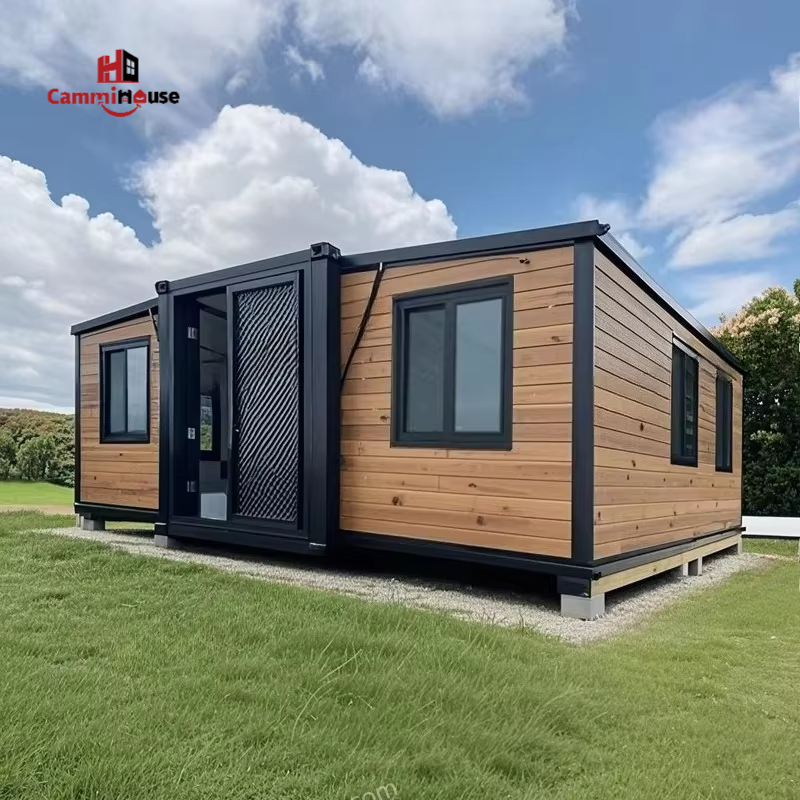
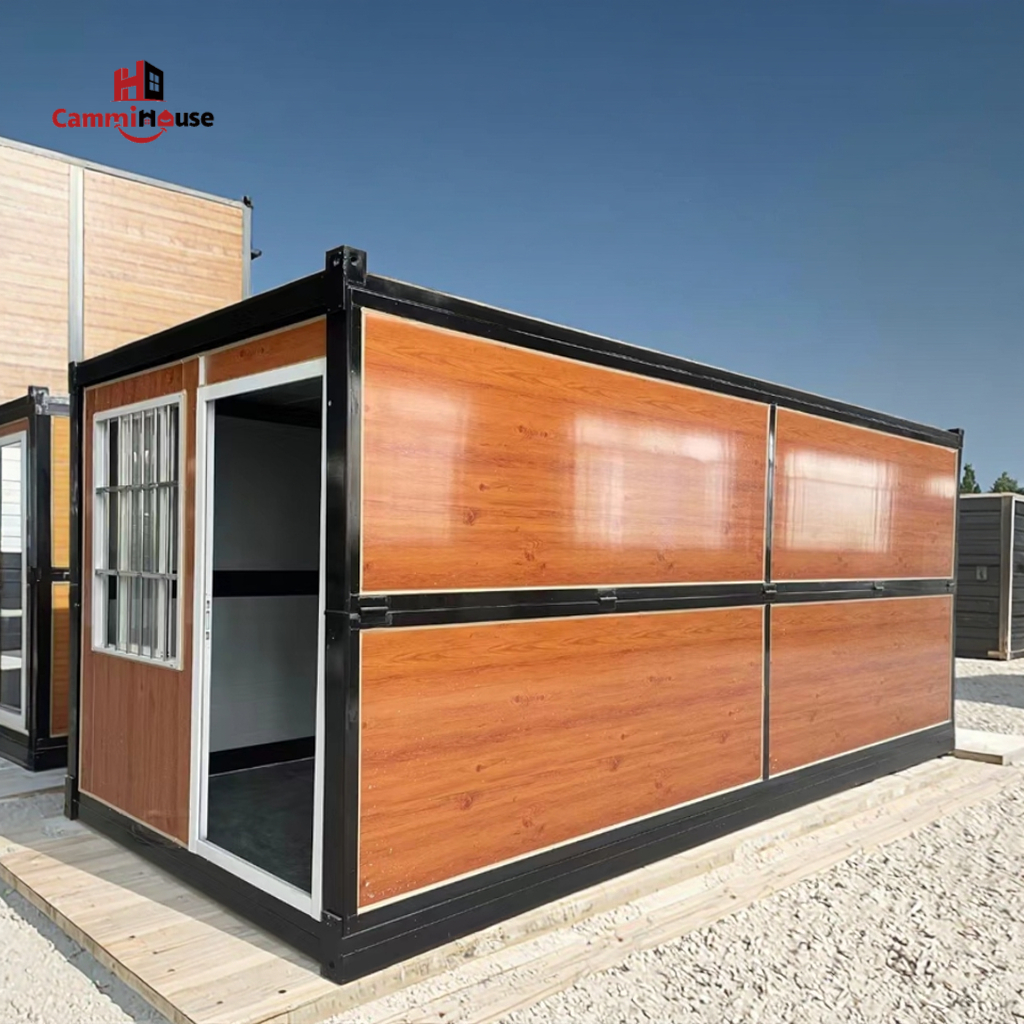
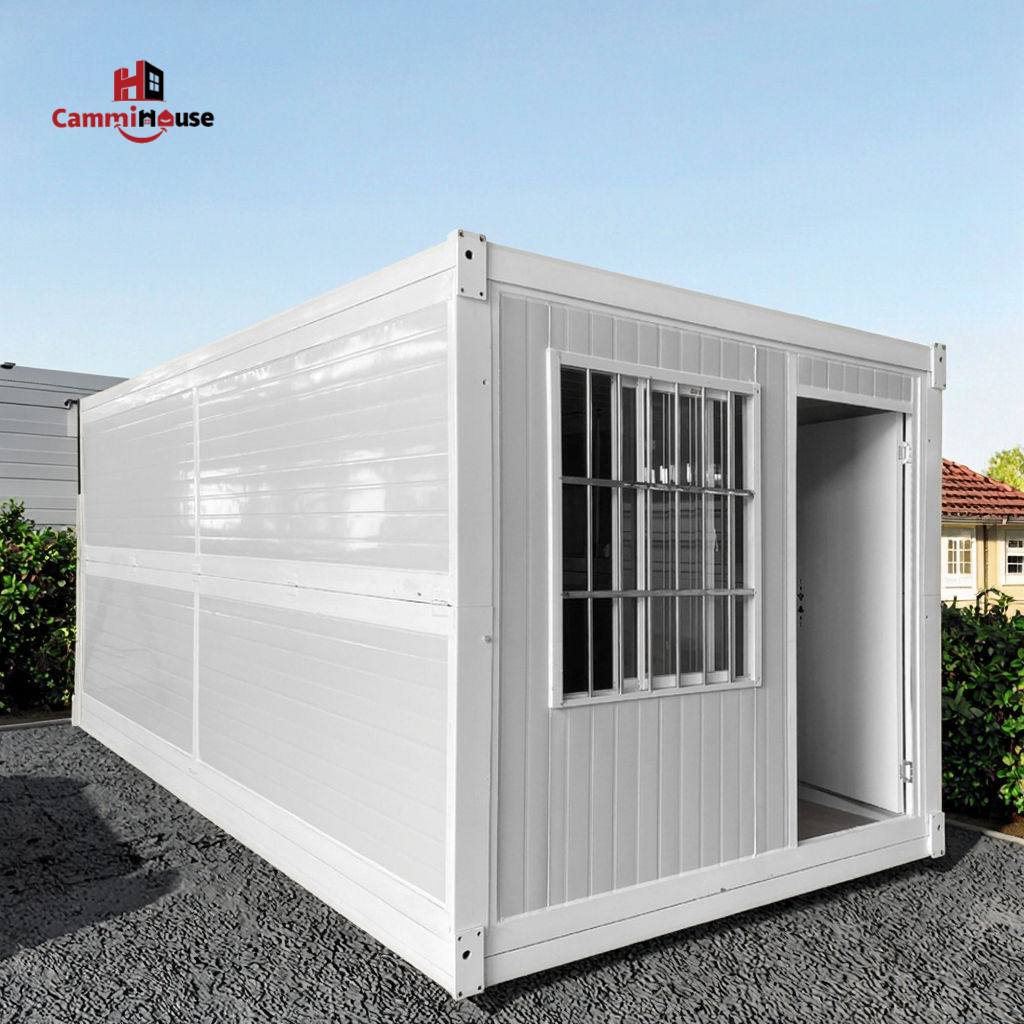
Most tiny pods can be relocated after installation if the chassis and lifting points are designed for repeated transport cycles. According to the Modular Building Institute 2023 report, modular units reduce relocation downtime by nearly 40% compared with permanent site-built structures. Many buyers now choose modular container home systems because cranes and flatbed trailers can move them without dismantling the entire structure.
Transport structure matters more than interior finishes
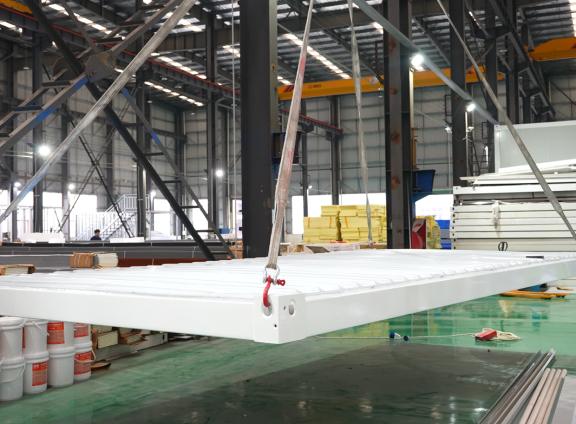
Pods built with reinforced corner castings and galvanized steel bases perform better during secondary transport. In a 2024 Cammihouse project survey for Middle East labor camps, units moved twice within 18 months showed no frame deformation after highway transport.
2. Foundation type determines how fast a pod can be moved
Relocation becomes easier when pods use temporary foundations instead of poured concrete slabs. Adjustable piers and steel skids reduce removal work and lower reinstall costs. This is why many prefab container house projects for mining and oil operations avoid deep foundations.
Temporary foundations reduce labor hours
The U.S. DOE 2021 modular housing guide noted that removable pier systems can shorten site recovery time by up to 50% compared with fixed concrete foundations.
3. Utility connections are the biggest relocation challenge
Moving the structure itself is usually simpler than reconnecting water, sewage, and electrical systems. Flexible utility interfaces are now common in shipping container home projects used on construction sites and remote camps.
Quick-connect systems reduce downtime
Industrial projects in Australia often use plug-and-play electrical cabinets and external water lines. These systems allow technicians to reconnect a housing pod within one working day.
4. Pod dimensions affect transport permits and logistics
Oversized pods increase transportation costs because many countries require special permits for units wider than 2.9 meters. Compact layouts remain popular in container house design because they fit standard road regulations.
Smaller modules simplify international shipping
Manufacturers serving African mining camps often limit pod width to reduce customs delays and escort vehicle expenses during cross-border transport.
5. Climate conditions influence relocation durability
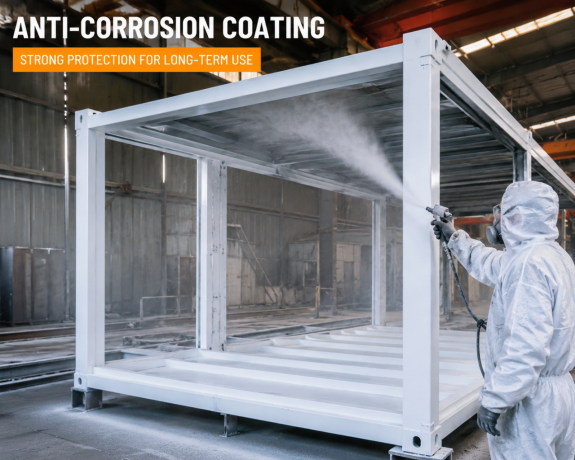
Repeated transport in humid or desert climates can weaken untreated steel and sealants. Buyers should check corrosion resistance before selecting a custom container house supplier.
Protective coatings extend transport life
McKinsey 2022 construction research highlighted that galvanized modular steel structures can extend usable life by more than 20 years in coastal environments when properly maintained.
6. Interior materials must tolerate vibration during transport
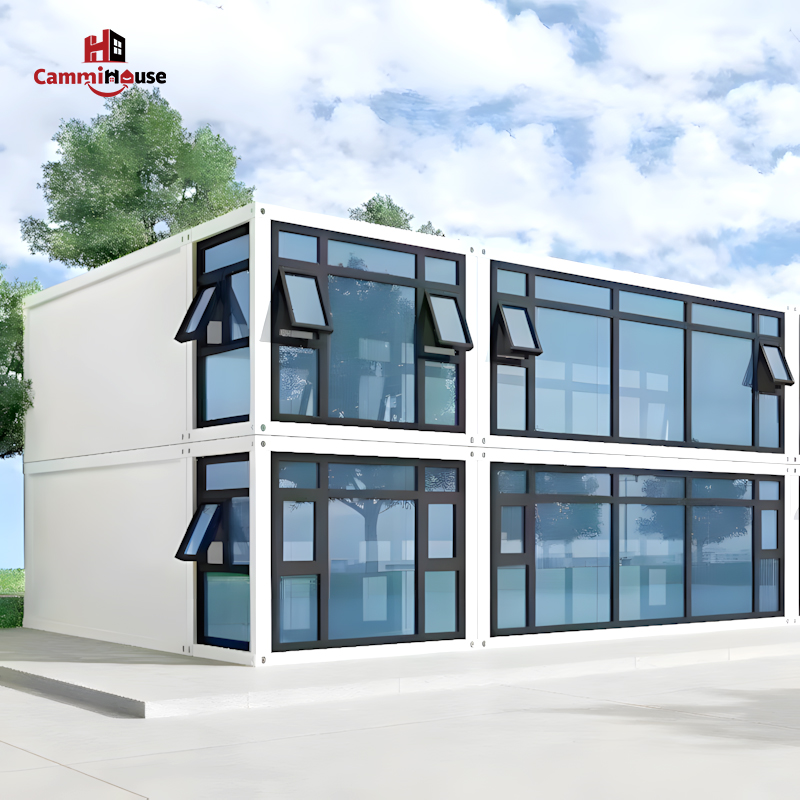
Relocation safety depends on more than structural steel. Cabinets, glass panels, and ceiling systems must remain stable during highway movement. This issue is common in modern container homeprojects with hotel-style interiors.
Industrial fasteners reduce maintenance
Commercial camp operators often specify aluminum trims and locking furniture systems because vibration damage creates costly repairs after long-distance hauling.
7. Modular camps are designed for repeated deployment
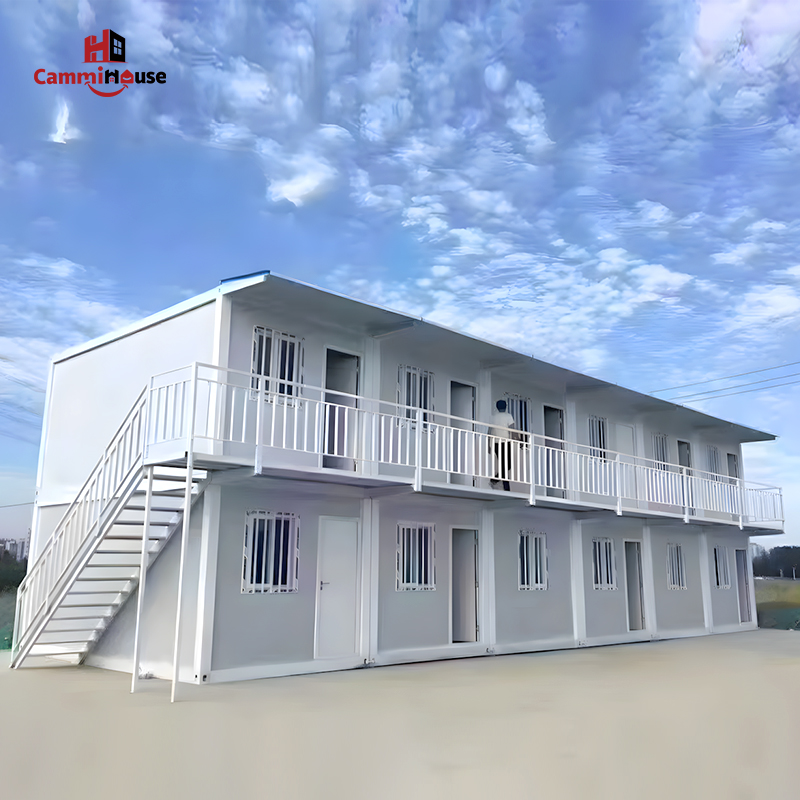
Large accommodation projects increasingly use relocatable pods because workforce locations change frequently. A customised camp can be expanded, reduced, or transferred based on project timelines.
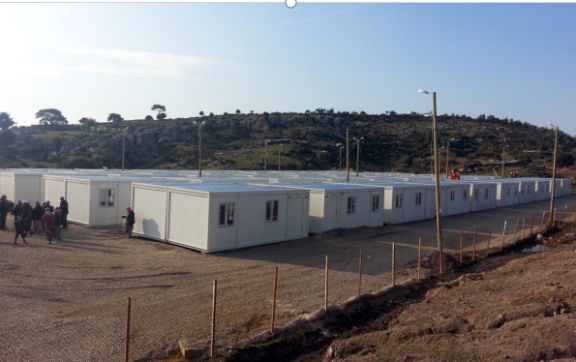
Mining and energy sectors rely on mobility
In Central Asia and the Middle East, temporary worker housing often moves between drilling and mining locations every two to three years to match operational demand.
8. Manufacturer experience affects long-term relocation performance
Not every factory designs pods for multiple transport cycles. Buyers should review transport test records, welding standards, and previous overseas projects before selecting a container house factory.
Experienced suppliers document transport standards
Cammihouse frequently provides lifting drawings, load calculations, and installation manuals for export projects to reduce relocation risks during future redeployment.
FAQ
Can tiny house pods be moved more than once?
Yes. Pods built with reinforced steel frames and transport-certified lifting points can usually be relocated multiple times. The main limitation is not the structure itself, but how well utilities, roofing joints, and interior fixtures are protected during transport and reinstallation.
Are relocatable pods cheaper than rebuilding housing on a new site?
In many workforce housing projects, relocation costs are lower than constructing new buildings. Companies can reuse existing modules, reducing material waste and shortening deployment schedules. Savings are especially noticeable in mining, oil, and remote infrastructure projects.
What should buyers check before relocating a modular pod?
Buyers should inspect the steel frame, lifting points, waterproof seals, and transport dimensions before relocation. It is also important to verify local road permit requirements and confirm that electrical and plumbing systems support fast reconnection on the new site.
Justin Mercer, Cammihouse Technical Team.
