

1. Understanding the Flat Pack Container House Market in 2026
The global prefabricated building market exceeded $180 billion in 2025 (Grand View Research), and the flat pack container house segment is among the fastest-growing categories within it. Demand now spans individual homeowners, workforce housing developers, and emergency relief organizations across Africa, the Middle East, and Southeast Asia — regions where logistics cost and construction speed are decisive factors.
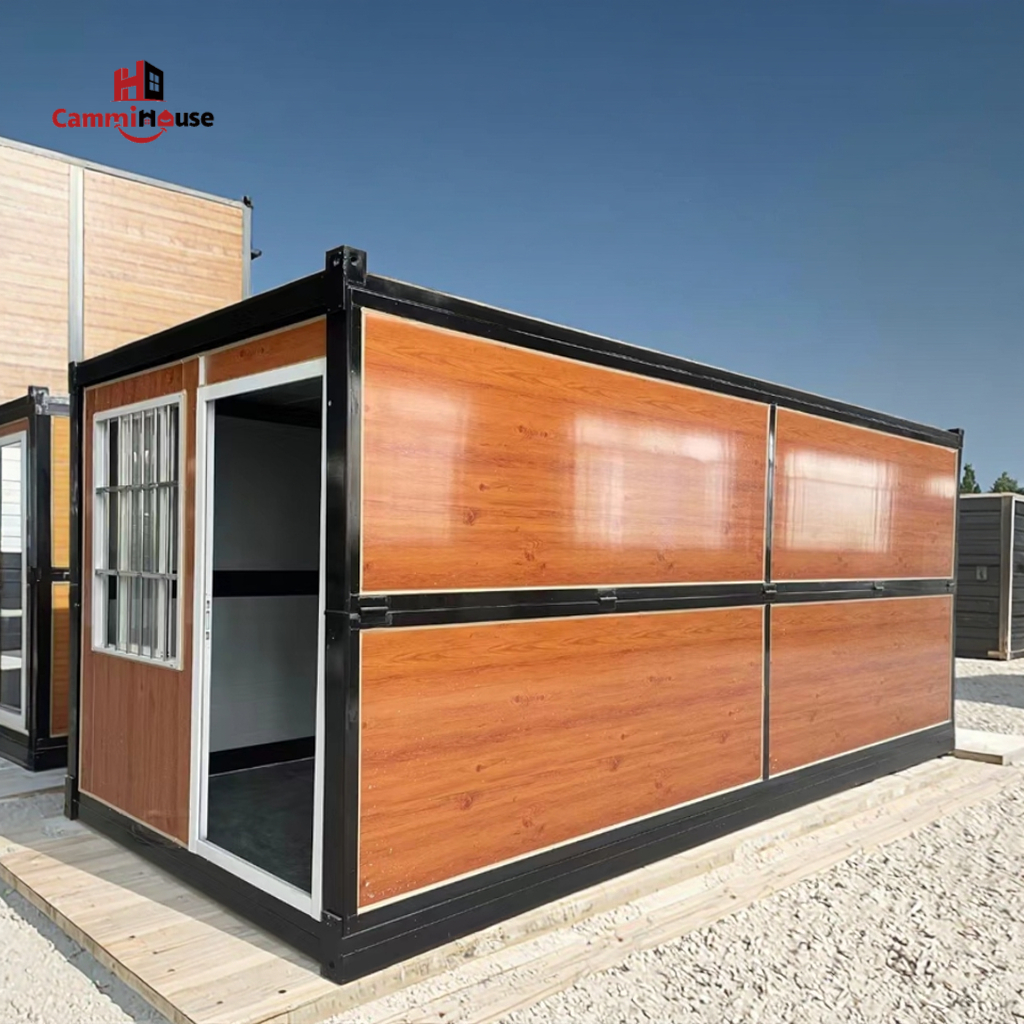
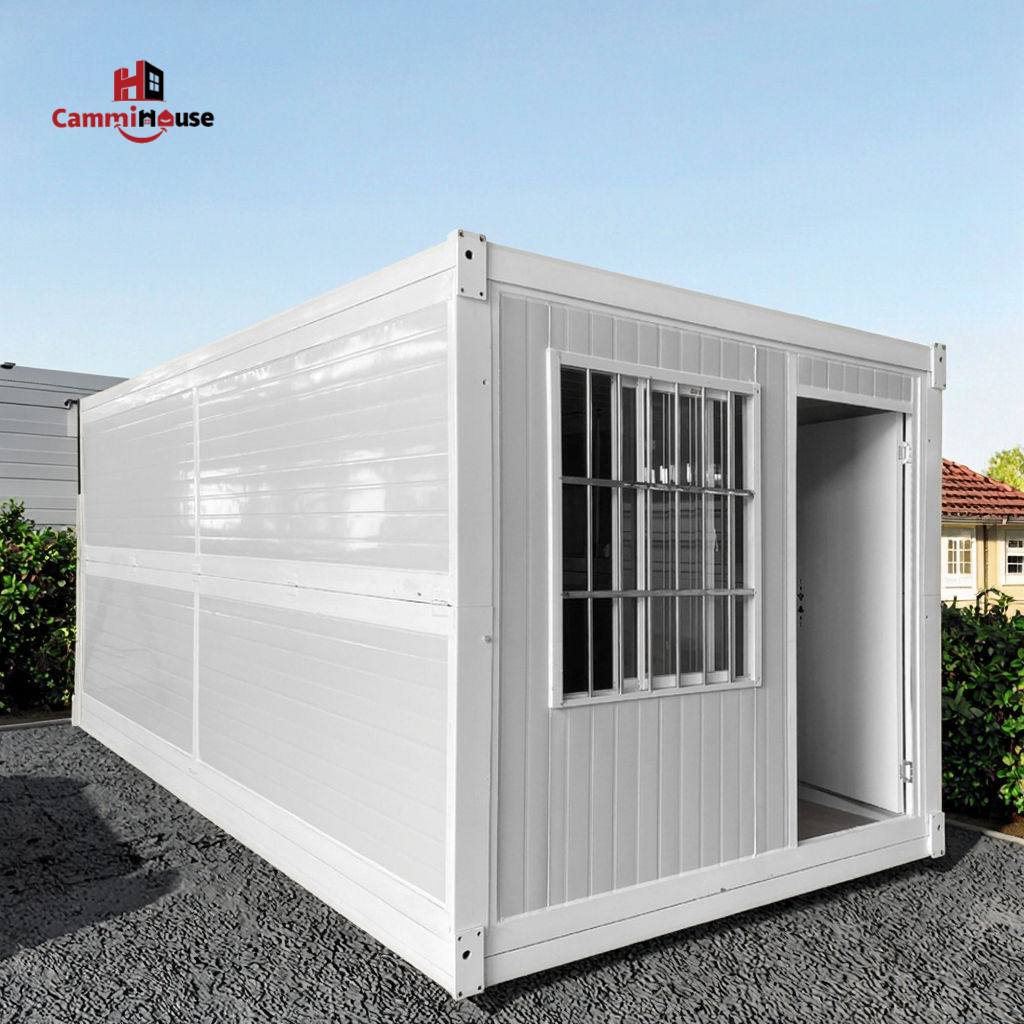
Unlike a standard shipping container, a flat pack container house is built from pre-cut steel panels and framing components that ship flat inside a 40HQ container. This design reduces shipping volume by up to 70% compared to pre-assembled units, making overseas procurement significantly more cost-effective.
What Sets a Flat Pack Design Apart
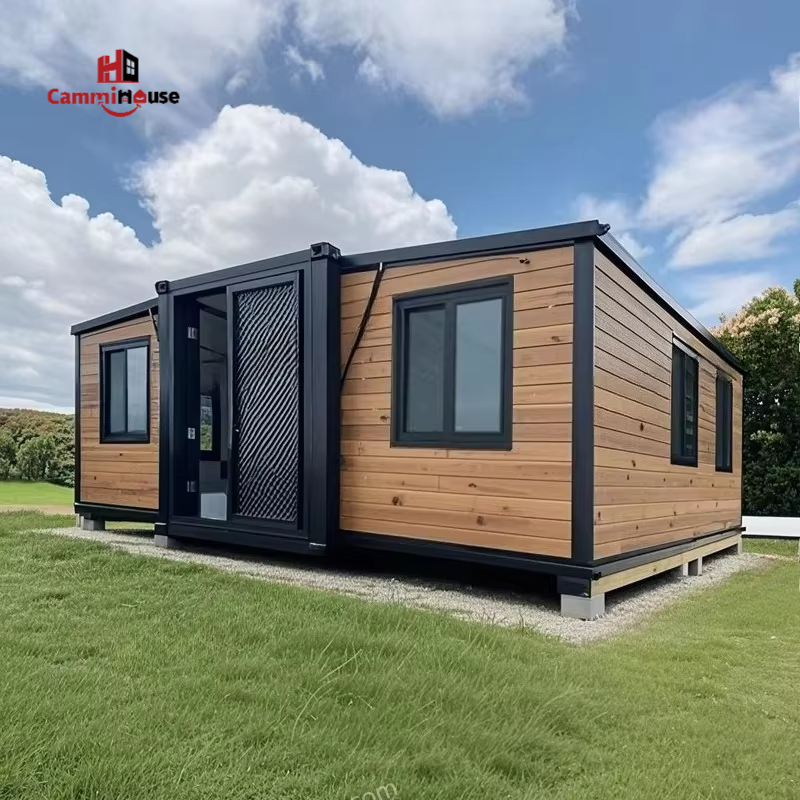
The defining advantage is logistics efficiency. Panels nest flat inside a standard container, allowing one 40HQ shipment to carry components for two to four units depending on model size. This is why the expandable container house — a sub-category that unfolds on-site to double its footprint — has gained traction for remote worksite deployment where on-site labor costs are high and crane access is limited.
2. Core Criteria for Evaluating a Container House Manufacturer
The wrong container house manufacturer can mean structural failures, customs delays, and budget overruns. Evaluate every potential supplier against four measurable factors: material specification, certification compliance, production capacity, and after-sales support. Price alone is not a reliable sorting tool.
Structural Materials and Certification Standards
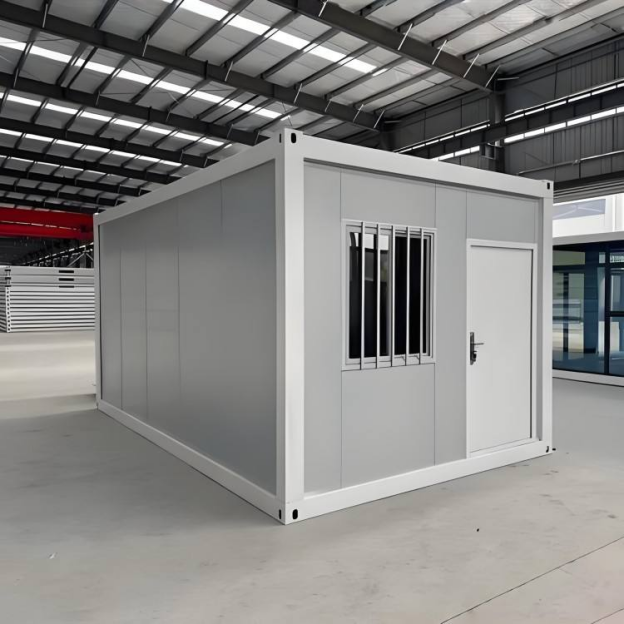
A credible steel structure container house uses Q345B or equivalent high-strength steel, with structural members at a minimum 1.8mm wall thickness. Request test reports upfront — specifically ISO 9001 for quality management, CE marking for European buyers, and SGS inspection certificates for export orders. Any container home supplier that cannot supply these documents on request should be disqualified immediately.
Customization and Design Flexibility
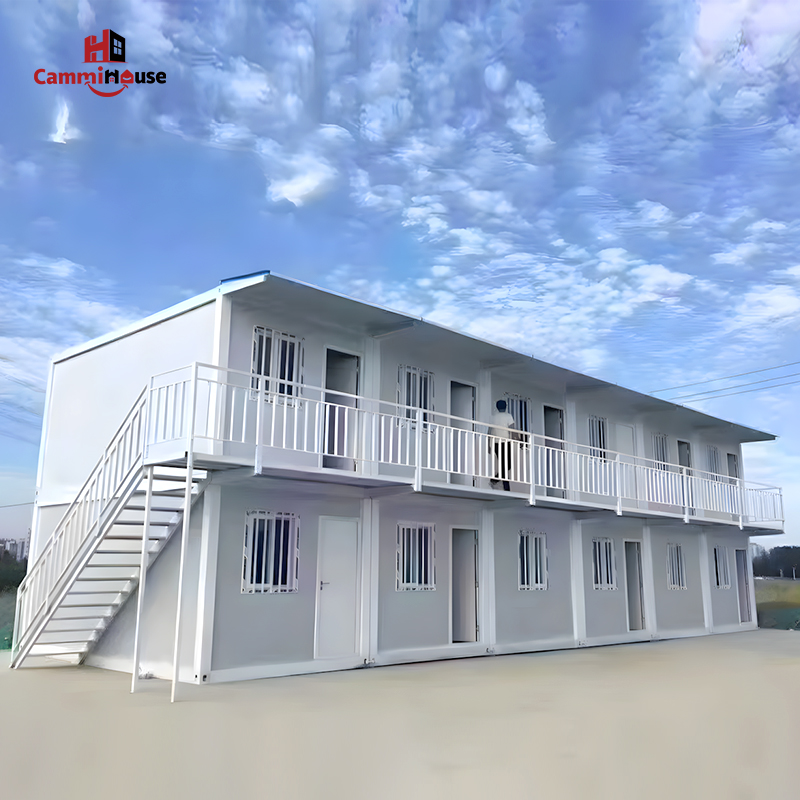
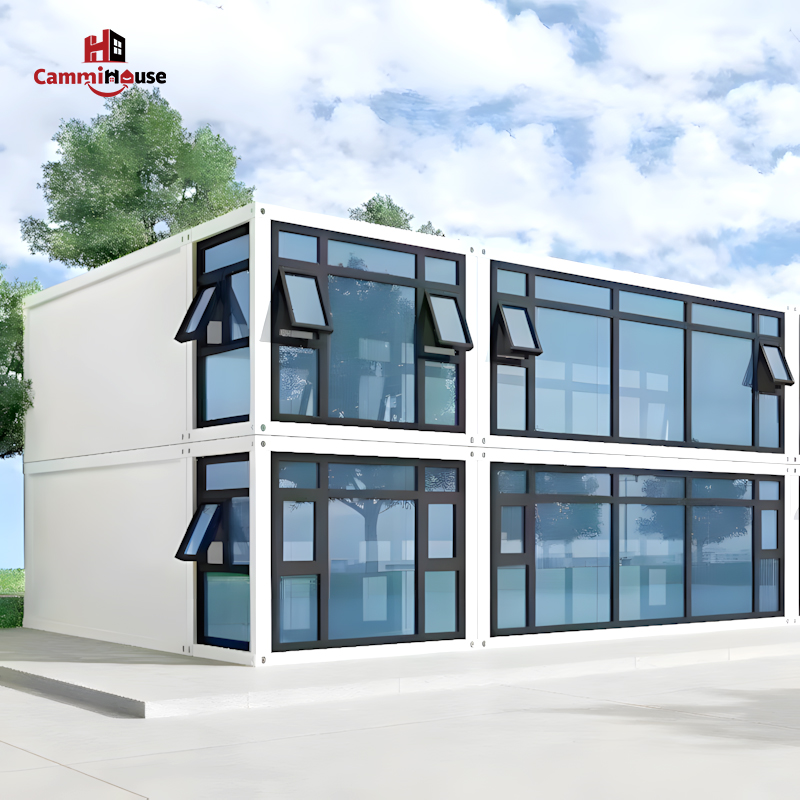
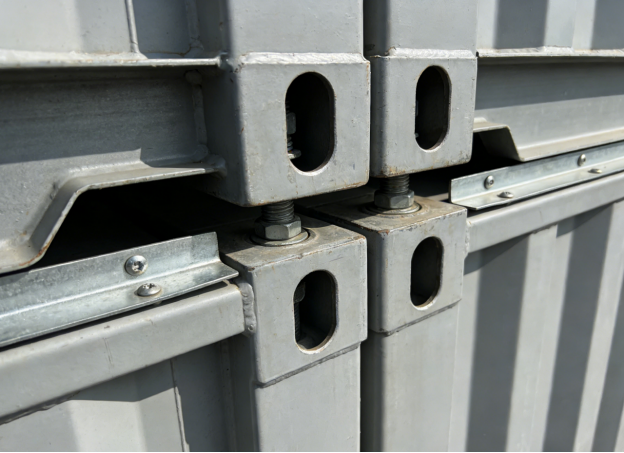
A capable prefab container home supplier should support adjustable dimensions (typically 2.4m, 3m, and 4m widths), multiple insulation core options (EPS, rock wool, or PU rated ≥50mm), and flexible door and window placement. Stacking capability — at least two stories, ideally three — is critical for multi-room residential builds and workforce housing camps requiring high unit density per land area.
3. Real-World Applications That Test Manufacturer Capability
From Residential Housing to Commercial Projects
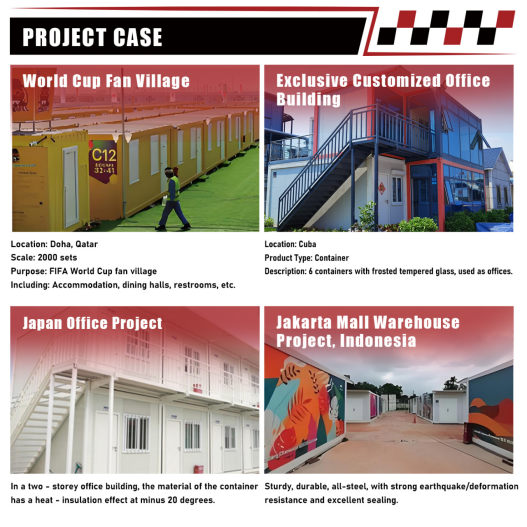
A manufacturer's completed project portfolio is more informative than any product brochure. Strong modular container house suppliers have delivered across multiple application categories. Look for verified reference projects — ideally with GPS-locatable site photos — in at least three countries before committing to an order.
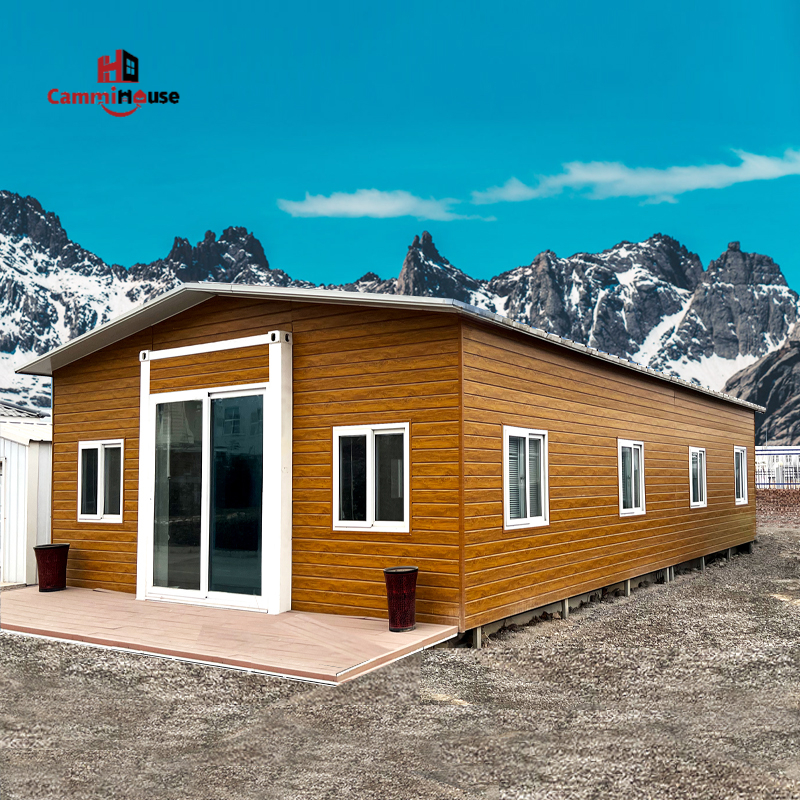
• Residential: permanent and semi-permanent homes with full plumbing and electrical rough-in
• Workforce housing: labor camps at mining, oil & gas, and construction sites (50–500+ units)
• Commercial: site offices, retail kiosks, pop-up food & beverage venues
• Emergency relief: rapid-deploy shelters for post-disaster response programs
If a supplier's portfolio consists only of 3D renders with no photographic documentation, treat that as a disqualifying signal. A genuine portable container house manufacturer will have completed a minimum of 20 documented projects and will share contact details for reference buyers.
4. Recommended Flat Pack Container House Manufacturers in 2026
Cammihouse — Precision Engineering for Global Buyers
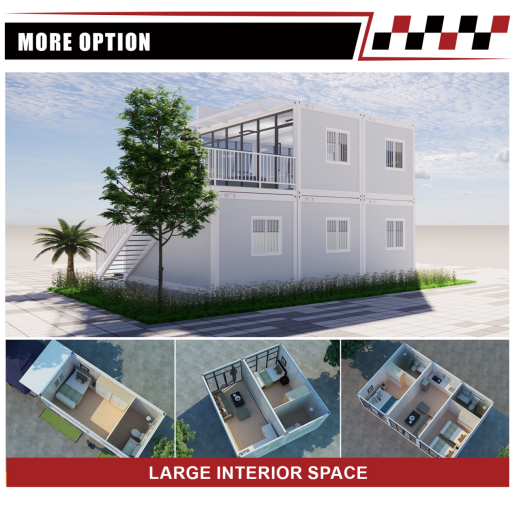
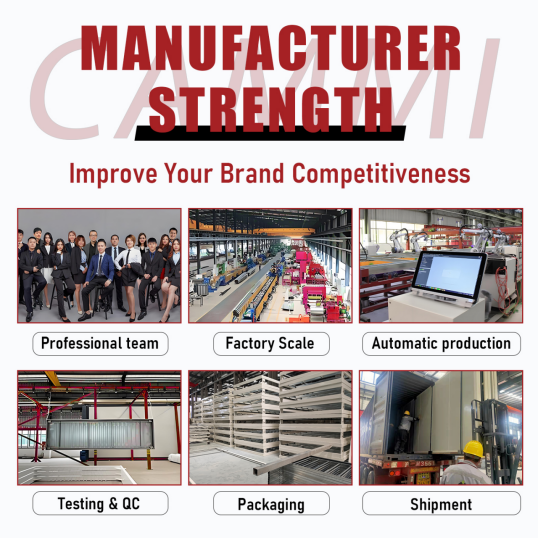
Cammihouse (cammihouse.com) manufactures a full product line of flat pack container house units, including standard flat panel models, expandable configurations, and fully integrated prefab homes with pre-installed electrical conduit, plumbing rough-in, and interior wall finishing. Production is ISO 9001 certified, with mandatory pre-shipment inspection and load testing before each export order is released.
What makes Cammihouse a practical choice for buyers in 2026 is the combination of design flexibility and predictable lead times — standard orders ship in 15 to 25 working days. Their modular system scales from single residential units to workforce housing camps exceeding 500 units, which eliminates the need to switch suppliers as project scope grows.
5. Red Flags That Signal a Weak Supplier
The following warning signs appear across unreliable container house manufacturer profiles repeatedly: no verifiable factory address (trading company only), refusal to allow third-party inspection, steel thickness below 1.5mm in written specifications, and no documented after-sales support process. A credible manufacturer welcomes factory audits and provides a written warranty covering the steel frame for a minimum of five years.
Buyers sourcing a flat pack house for the first time should request a sample panel before placing a full order, use an independent inspection service such as SGS or Bureau Veritas for pre-shipment verification, and confirm Incoterms in writing. FOB is standard for most manufacturers; CIF pricing may indicate hidden cost-shifting in the freight component.
FAQ
Q1: What is the typical lead time for a flat pack container house order?
A: Standard models from established manufacturers take 15 to 30 working days after order confirmation. Custom designs with non-standard dimensions or special insulation cores typically require 35 to 45 days. Always request a written production schedule that includes a pre-shipment inspection milestone, and build a 5-day buffer into your project timeline for port clearance.
Q2: How many flat pack container house panels fit in one 40HQ shipping container?
A: A standard 40HQ can carry components for two to four units, depending on unit size and panel configuration. Flat panel nesting reduces freight cost per unit by 40 to 60% compared to shipping pre-assembled modular homes — this logistics advantage is the primary reason flat pack designs dominate international export markets for prefab housing.
Q3: Can a flat pack container house be used as a permanent residence?
A: Yes. With a proper foundation, quality insulation panels rated at 50mm or thicker, and code-compliant electrical and plumbing installation, a flat pack container house meets permanent residential building requirements in many countries. Verify local building codes before purchase, particularly for seismic and wind load ratings, as these vary significantly by region and may affect the structural specification you order.
