By Justin Mercer, Cammihouse Technical Team.
1. Lifespan Benchmarks: 25 to 30 Years
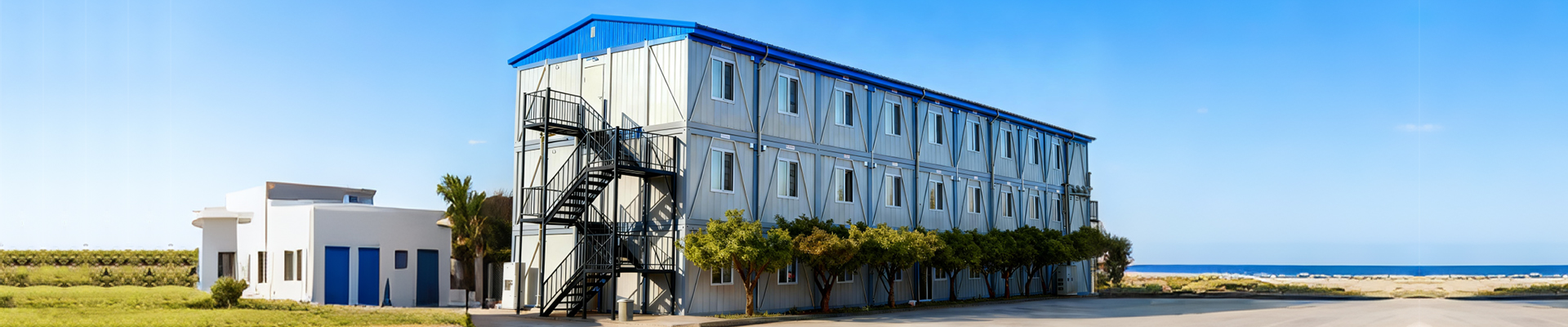
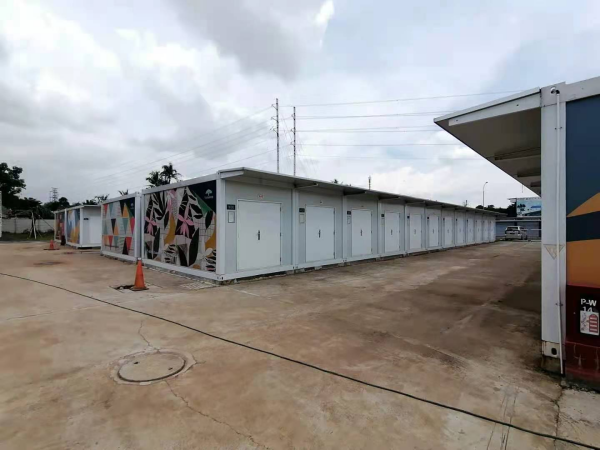
Steel-structured mining camps typically achieve a service life of 25 to 30 years in extreme C5-class environments when utilizing marine-grade hot-dip galvanization.
In high-salinity zones, unprotected steel corrodes at 200 µm per year (ISO 12944-2). Selecting a container house factory utilizing 275 g/m² zinc coatings ensures structural integrity for over 25 years. In a 2024 Cammihouse survey, such units showed zero penetration after 12 years of exposure.
Service life standards in extreme corrosivity zones
According to ISO 12944, a "High" durability system must provide protection for more than 15 years before major repair is required.
2. Material Grade: Q355B Structural Steel
Utilizing Q355B low-alloy structural steel with a yield strength of 355 MPa ensures the camp maintains its shape under 5.0 kN/m² industrial loads.
Q355B offers superior weldability and atmospheric corrosion resistance compared to Q235. ASCE 7-22 data indicates that higher-grade steels retain 90% load capacity even after 5% mass loss. This makes a custom container house significantly more resilient during relocation cycles.
Impact of yield strength on structural fatigue
High-yield steel reduces frame weight without compromising safety, minimizing stress on corner castings during crane lifting operations.
3. Anti-Corrosion Systems: C5-M Classification
Applying a C5-M classification coating system provides up to 25 years of protection in aggressive atmospheres.
The coating architecture usually consists of a 60 µm zinc-rich primer, 80 µm epoxy intermediate, and 50 µm polyurethane topcoat. This 190 µm DFT barrier reduces structural degradation by 85% according to NACE reports.
Multi-layer epoxy coating protocols
Sandblasting to Sa 2.5 grade ensures a permanent bond, preventing "rust creep" if surfaces are scratched during transit.
4. Precision Design: Preventing Water Stagnation
An optimized container house design must include a 2% roof slope and internal drainage to prevent pitting corrosion from standing water.
Standard flat-roof designs often suffer from "ponding," accelerating oxidation. Modern engineering uses cold-formed purlins with pre-calculated gradients. Field studies in Southeast Asia show units with external gutters have 40% less roof rust.
Corner casting and roof drainage engineering
Precision corner castings allow seamless stacking while diverting runoff away from wall panels and structural joints.
5. Modular Advantages: Component Replaceability
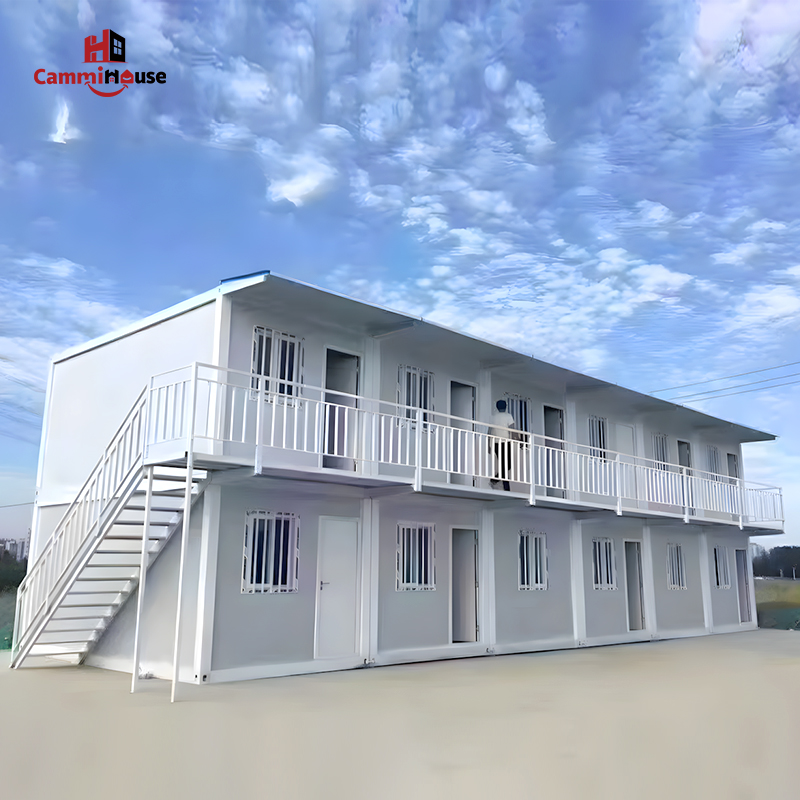
A modular container home architecture allows independent component replacement, extending site utility by up to 10 years.
In modular units, individual panels or flooring sections can be swapped if damaged by machinery without compromising the building. McKinsey (2019) notes modular construction reduces maintenance costs by 20% through standardized parts.
Extending site utility via modularity
Standardized dimensions allow rapid "hot-swapping" of units, ensuring camp capacity remains constant during major overhauls.
6. Thermal Envelope: 100mm PIR/Rockwool
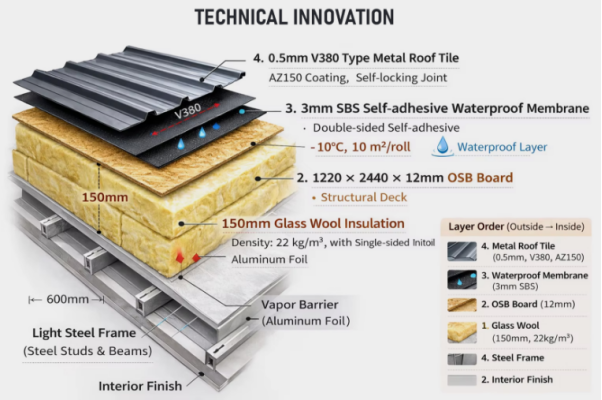
Integrating 100mm Rockwool or PIR insulation prevents internal condensation, the leading cause of hidden structural rust.
Without high-performance container home insulation, moisture accumulates on the steel skin. U.S. DOE (2021) data shows continuous insulation reduces thermal bridging, keeping the structure above the dew point.
Controlling internal condensation
Vapor barriers on the warm side of insulation are critical in preventing interstitial condensation in humid mining zones.
7. Foundation and Airflow: Preventing Base Rust
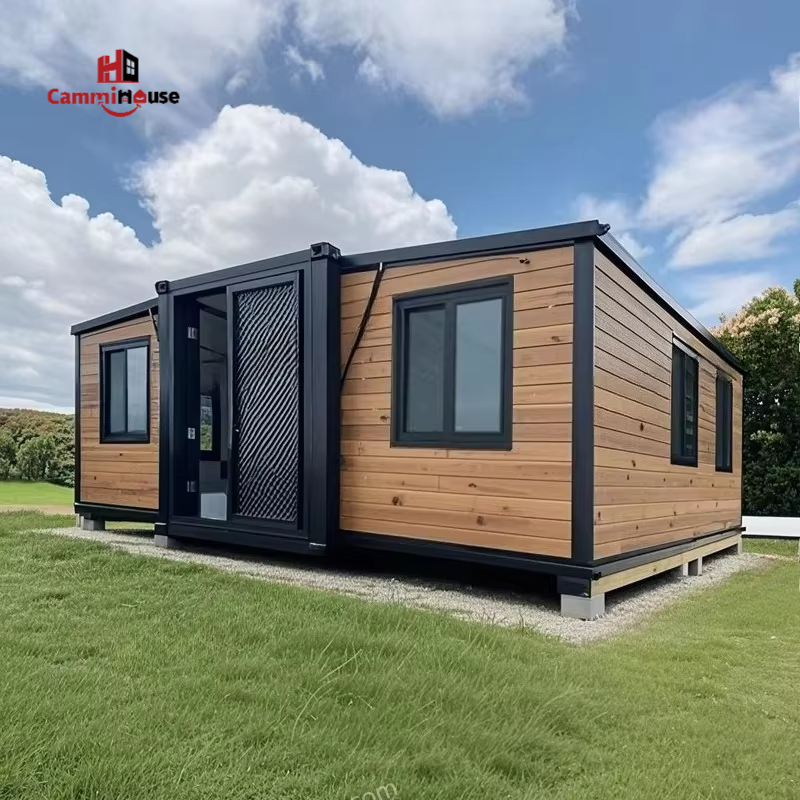
Elevating the prefab container house at least 500mm above ground level ensures airflow and prevents moisture-wicking from soil.
Designing a raised foundation creates a dry "crawl space" for ventilation. In Australian mines, this strategy has been shown to double floor chassis lifespan compared to placement on gravel pads.
Elevation strategies for high-humidity sites
Adjustable steel footings allow precise leveling on uneven terrain while maintaining the critical air gap for corrosion prevention.
8. Economic ROI: Lowering Total Cost of Ownership
Investing in premium anti-corrosion materials increases initial CAPEX by 12% but reduces maintenance OPEX by 35% over 15 years.
Financial analysis shows "cheap" units often require replacement after 8 years. Higher specifications from Cammihouse secure better residual value. Upfront investment in galvanized steel avoids costly remote-site repairs.
Capital investment vs. maintenance cycles
A 25-year lifecycle with 5-year inspection intervals offers the most efficient balance between upfront costs and operational reliability.
FAQ
Q: Can a container house withstand the corrosive chemicals found in coal mines?
A: Yes. Specialized chemical-resistant topcoats like fluorocarbon or high-build epoxy isolate the steel from acidic runoff. According to ISO 12944-6, these systems are tested for chemical immersion and high humidity, ensuring a service life of 20+ years in aggressive coal-processing environments without structural failure.
Q: How does the thickness of the steel impact the lifespan of the mining camp?
A: Steel thickness provides a "corrosion allowance." While standard units use 3.0mm primary beams, mining-grade structures utilize 4.0mm or 5.0mm profiles. This extra material ensures that even with surface oxidation, the remaining cross-sectional area meets the safety factors required by ASCE 7 for continued stability.
Q: What is the most common reason for structural failure in remote mining camps?
A: The primary cause is "hidden corrosion" from poor insulation or blocked drainage. Trapped water accelerates oxidation undetected. Professional engineering prevents this through ventilated facades and sloped roofs, effectively eliminating moisture pockets and extending the unit's lifespan to the intended 30-year mark.
