
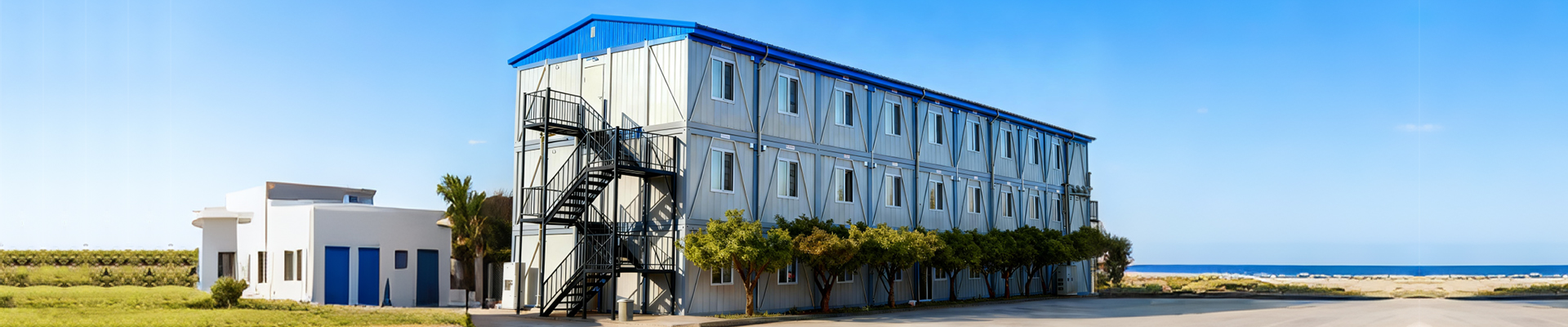
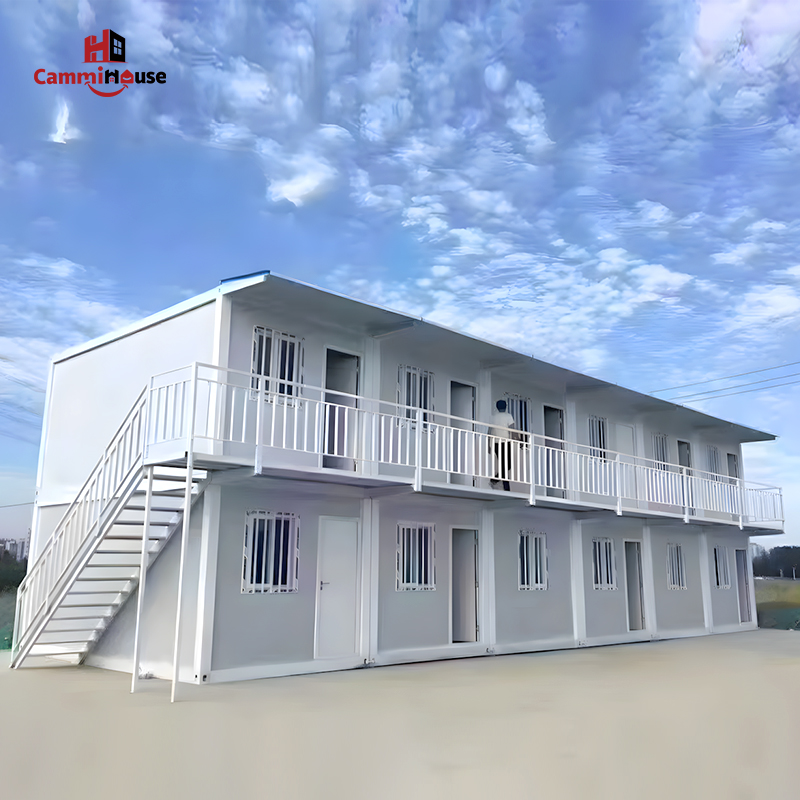
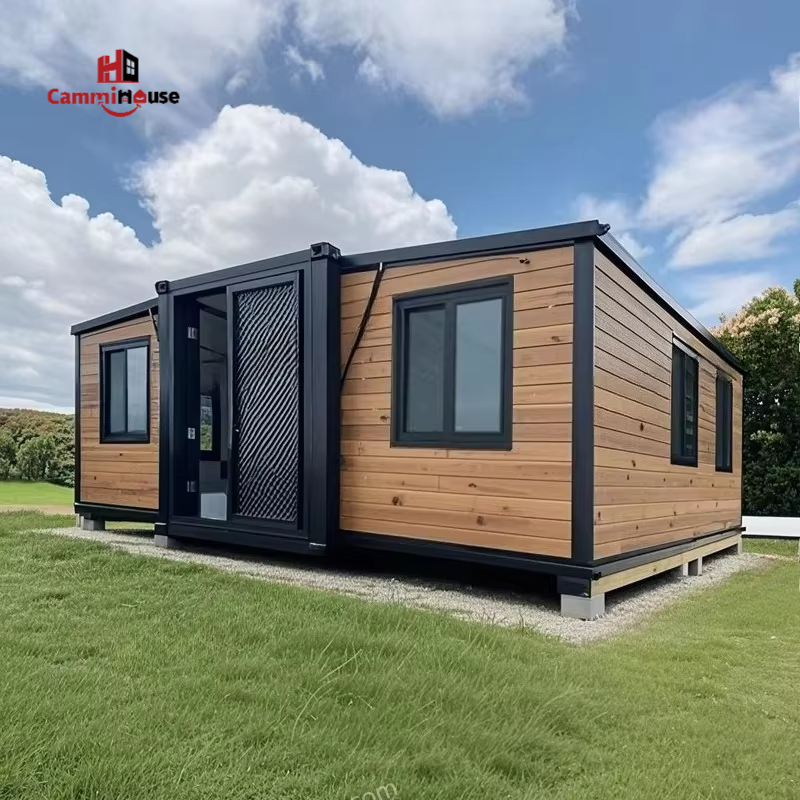
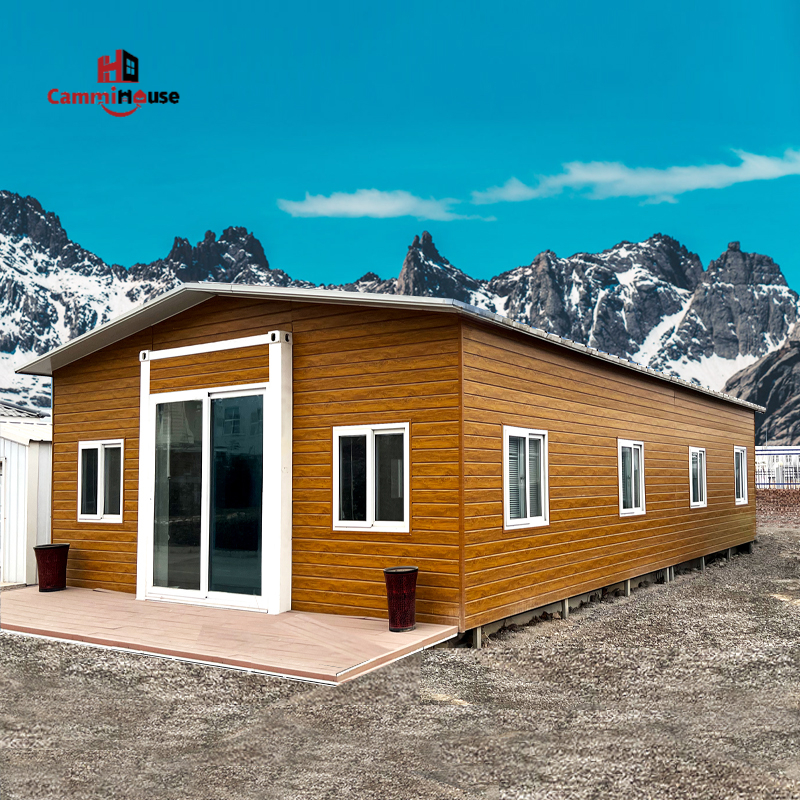
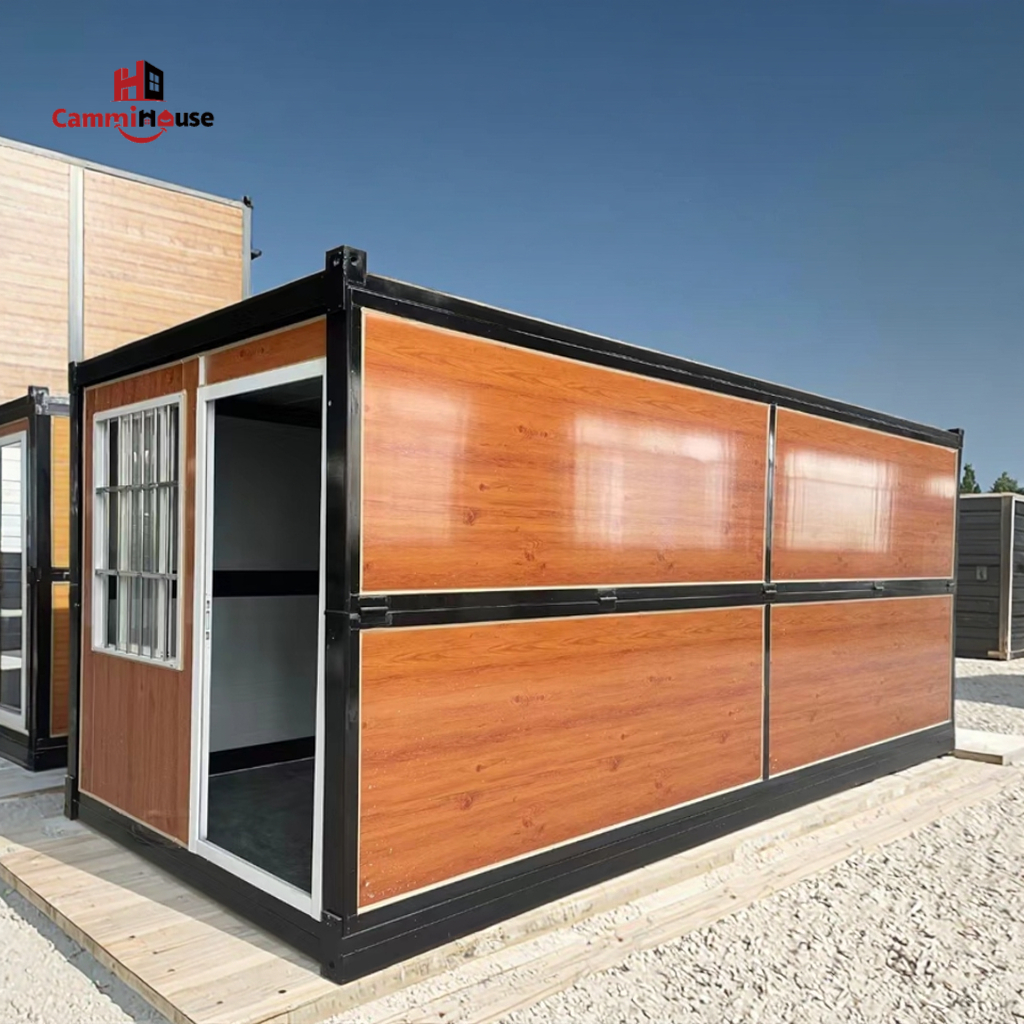
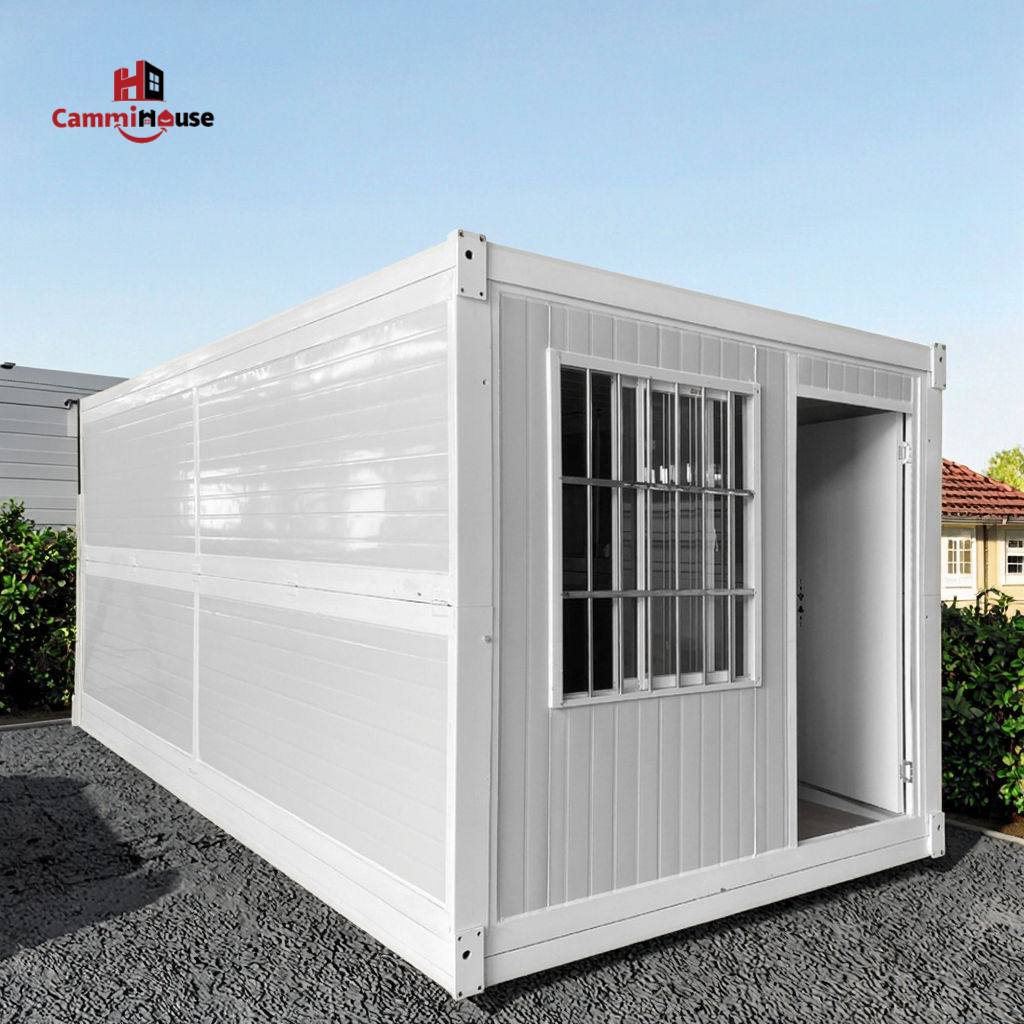
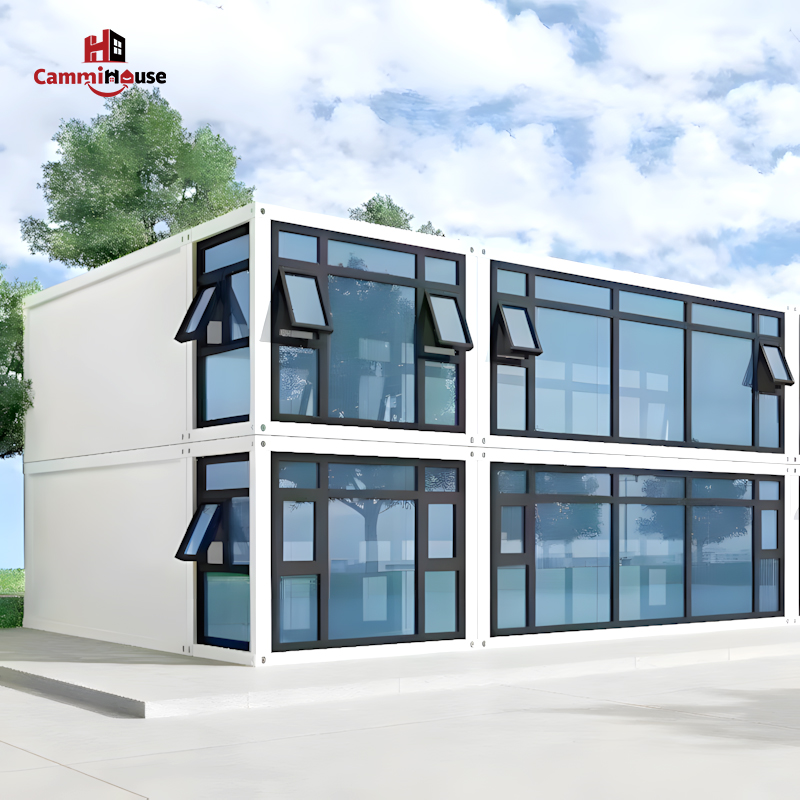
A folding container house is manufactured in a controlled factory environment, with each unit assembled from pre-cut steel components, insulated wall panels, and a mechanical fold system. The process takes roughly 7–15 working days per unit, depending on specifications. Understanding how a folding container home is made helps buyers evaluate build quality, compare suppliers, and anticipate lead times before placing an order.
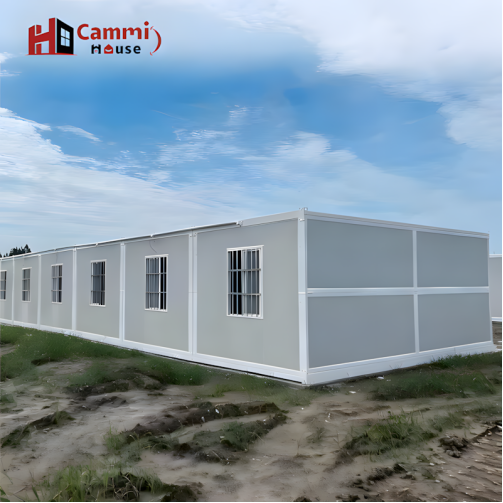
What Makes a Folding Container House Different from a Standard Unit
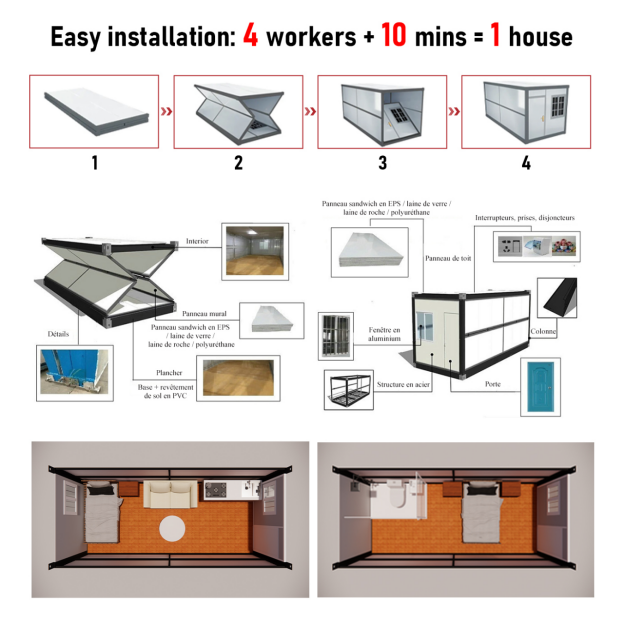
A folding container house — also called a collapsible container home or flat pack house — is engineered to fold down to roughly one-quarter of its deployed height. This folding design reduces shipping volume, which directly lowers freight costs by up to 75% compared to shipping rigid units. Standard shipping containers are welded rigid and cannot be folded; folding units use a hinged wall-and-roof system that locks securely in place once on-site.
CammiHouse produces folding container houses with a galvanized steel frame, sandwich wall panels, and an internal hinge mechanism. Each folded unit occupies around 40 cm in height. Four units can be stacked into a single flat-rack container for ocean freight, making the design practical for international buyers in the US, Europe, and Australia.
Stage 1: Steel Frame Fabrication
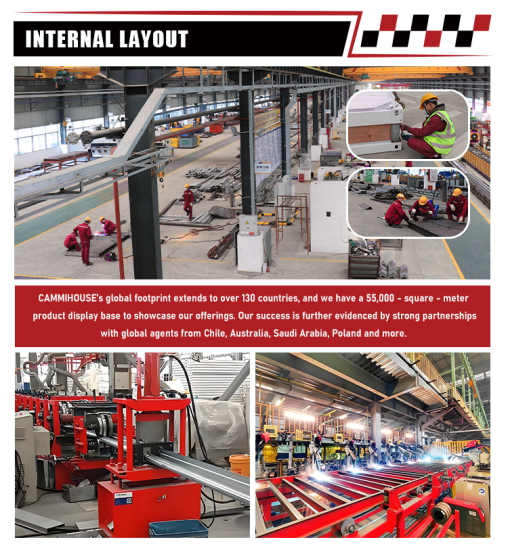
Every folding container house starts with the structural frame. Factory workers cut cold-rolled, galvanized steel (Q235B grade, 2–3 mm wall thickness) using CNC plasma-cutting machines to precise tolerances. The top and bottom rails, corner posts, and cross beams are then MIG-welded together. Weld joints are ground smooth, inspected visually, and checked with a pull-force gauge before moving to the next stage.
Corner Castings and Load-Bearing Design
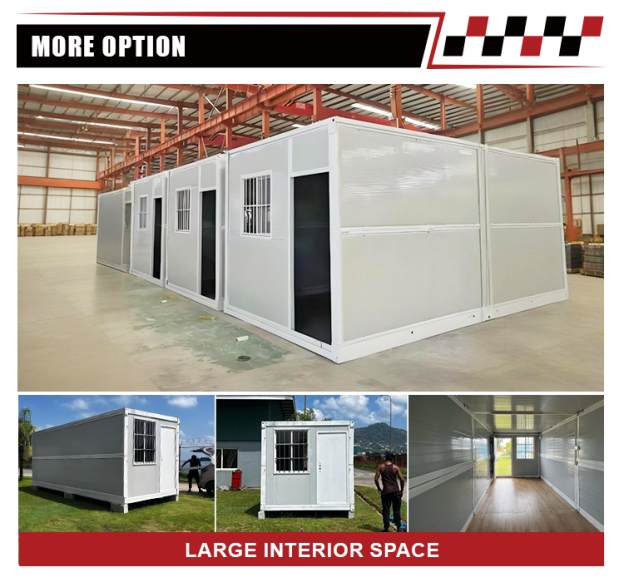
Corner castings are a critical structural element. Each cast-iron corner fitting is rated to ISO 1161 standards and allows the folding unit to stack up to four units high — the same stacking tolerance used on standard intermodal containers. This matters for buyers planning multi-level or scalable modular builds. The corner design also allows units to be connected side by side using standard twist-lock connectors.
Stage 2: Wall Panels, Floor, and Roof Assembly
Once the frame passes inspection, wall panels are fitted. Standard panels use a 50 mm EPS (expanded polystyrene) or 75 mm rock wool sandwich construction, with a galvanized steel skin on both faces. Rock wool panels carry a fire-resistance rating of A2 (non-combustible) and provide better acoustic insulation, which makes them the preferred choice for residential use.
The floor deck is typically 18 mm bamboo or plywood board bonded to a steel sub-frame, rated to carry 250 kg per square meter. For the roof, corrugated galvanized steel with a polyurethane coating handles rain loads and UV exposure. At CammiHouse, each panel is pre-cut to size at the factory — no on-site cutting is needed during installation.
Insulation and Cladding Options
Buyers can request EPS panels for lower-cost projects or rock wool for fire-rated builds. Exterior cladding options include smooth color-coated steel or wood-grain texture PVC film laminate. The cladding choice does not affect structural performance, only appearance and surface maintenance requirements. Rock wool panels add approximately 8–12% to the unit cost but significantly improve thermal and fire performance.
Stage 3: Installing the Fold Mechanism
The fold mechanism is what separates a folding container house from any other prefab structure. Engineers attach a steel hinge bar to the top rail of each wall panel. When the unit folds, the roof pivots on these hinges and lays flat on top of the floor slab, with the two long-side walls folding inward. The short-end walls are removable panels that attach after deployment.
How the Hinge System Locks
Locking pins insert through pre-drilled holes in the hinge bar and the wall post. Pins are made from heat-treated alloy steel and carry a rated tensile strength of 600 MPa. Once installed on-site, the deployed unit is locked at all four hinge points. Wind-load resistance meets EN 1991-1-4 (wind action) standards for structures up to 10 m/s sustained wind, making the design suitable for most residential regions.
Stage 4: Electrical and Plumbing Rough-In
Before final assembly, the factory pre-installs electrical conduit, outlet boxes, and LED light fixture bases inside the wall and ceiling panels. Wiring is run to a central junction box, ready for the buyer's local electrician to connect to the site supply. Optional factory-fit plumbing packages include PVC drain lines and copper or CPVC supply lines pre-installed in the floor and wall panels.
Pre-installing services at the factory reduces on-site labor by an estimated 30–40% compared to site-built structures (source: McKinsey Global Institute, 2019 Modular Construction Report). For buyers ordering multiple units — for example, a campsite or workforce housing project — factory pre-wiring creates meaningful schedule savings.
Stage 5: Quality Inspection and Load Testing
Each finished unit goes through a multi-point quality checklist before shipment. Checks include: frame weld integrity, panel attachment torque, hinge pin insertion and lock confirmation, door and window seal tests, and a 72-hour weatherproof spray test on the roof seam. CammiHouse units are CE certified and comply with ISO 9001 quality management standards.
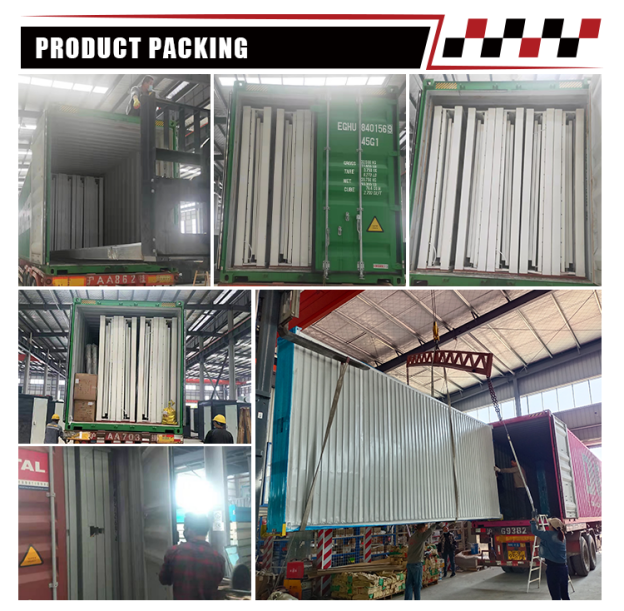
For export orders, units are folded, stacked (up to four per flat-rack), and wrapped in protective film. Shipping documents include CE certification, factory inspection report, and material test certificates for steel and panels. Standard lead time from order confirmation to shipment is 15–25 working days for standard models.
Frequently Asked Questions
Q: How long does it take to unfold and set up a folding container house on site?
A: Two workers can unfold and lock a standard folding container house in approximately 4–8 hours, depending on the foundation type. No crane is required for single-story units — a manual chain block or small forklift is sufficient. Foundation options include concrete pads, screw piles, or compacted gravel, all of which can be prepared in advance to reduce total installation time to under one day.
Q: What is the difference between a folding container house and an expandable container house?
A: A folding container house folds flat for shipping and deploys to its full footprint on-site. An expandable container house ships at half its deployed width and extends laterally once placed, adding floor area. Folding units are better for single-room modules and faster installation. Expandable units suit buyers who need more interior space from a single delivery, such as a 40 m² living unit shipped as a 20-foot container.
Q: Are folding container houses approved for permanent residential use?
A: Building permit requirements vary by country and municipality. In the US, folding container houses typically require a building permit and must meet local zoning and IRC (International Residential Code) requirements. Many CammiHouse models are supplied with structural engineering drawings and CE or ISO certification that support permit applications. Buyers should confirm local requirements with their municipality before ordering.
