Folding container houses are getting a lot of attention — and for good reason. But most buying guides only cover the highlights. This article covers both sides honestly: the real advantages, the drawbacks buyers commonly miss, and the questions worth asking before you place an order.
What Is a Folding Container House?
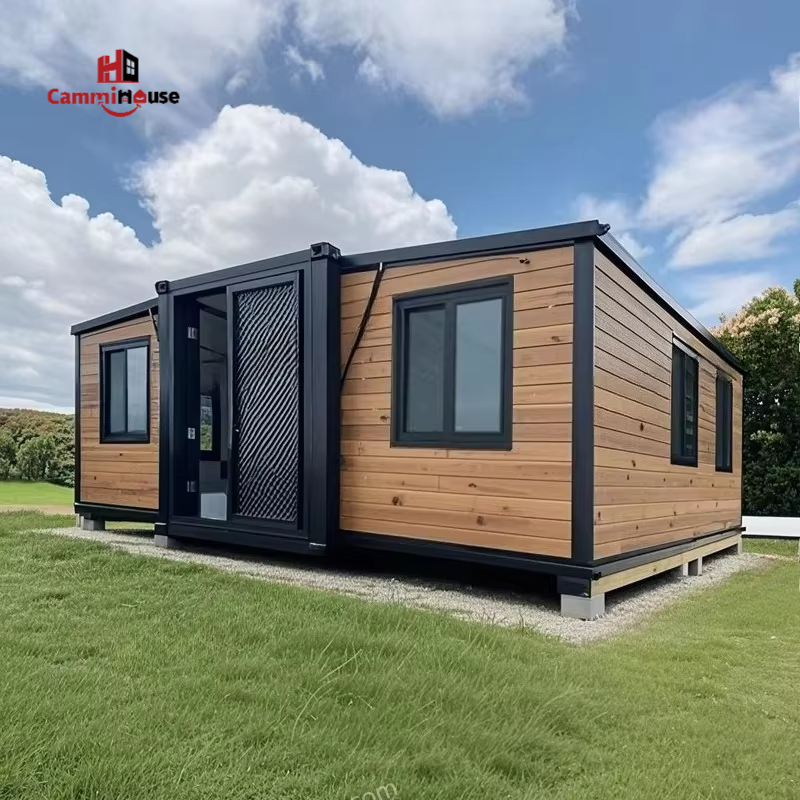
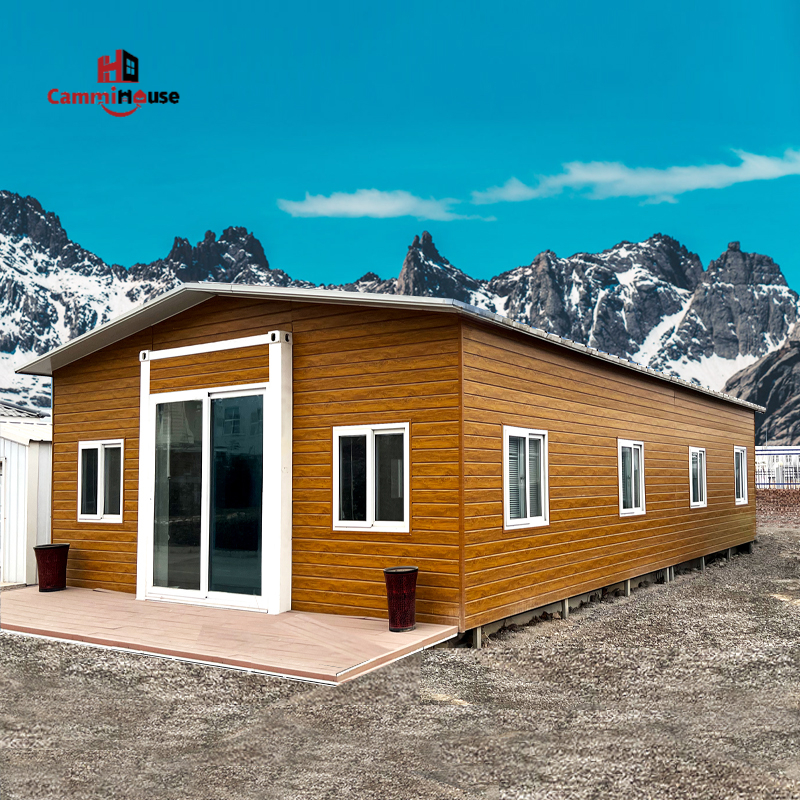
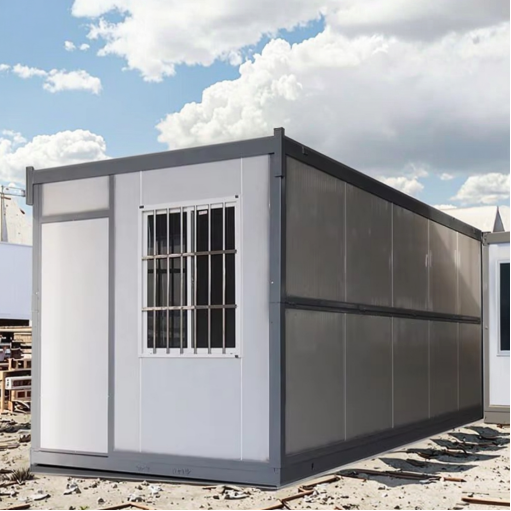
A folding container house — also called an expandable container home or fold-out modular unit — is a prefabricated steel-frame structure that ships in a compact form and expands on-site to roughly two to three times its transport width. The core unit holds all utility connections; the side wings fold out to create separate living zones such as a kitchen, bedroom, or bathroom.
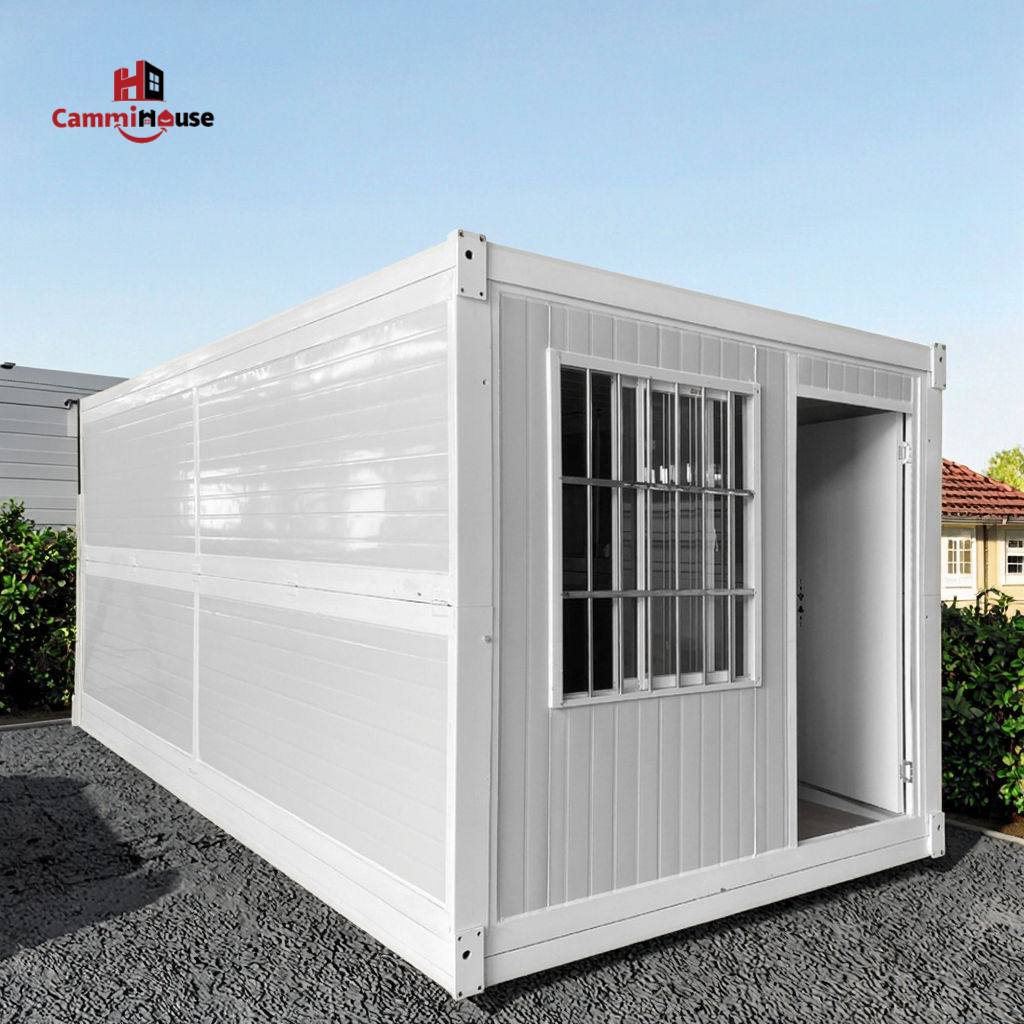
Unlike traditional shipping container conversions, purpose-built folding units are designed from the ground up as living spaces. The standard Cammihouse expandable model measures approximately 20 ft in transport mode and opens to nearly 40 ft of usable floor space — typically 40 to 50 square metres — enough for a complete one-bedroom layout with kitchen, bathroom, and a second room.
The Real Pros of an Expandable Container Home
1. Setup Time Is Measured in Hours, Not Months
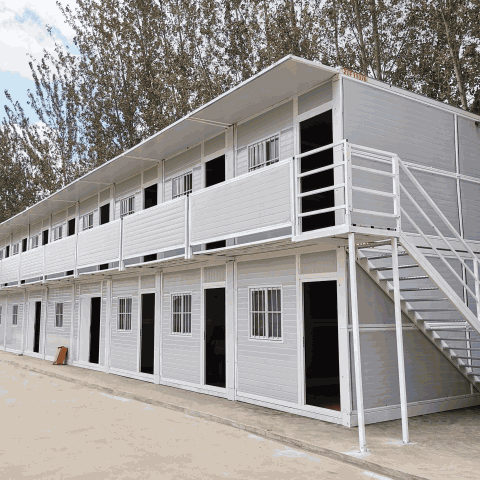
A folding container home can be placed and made functional in 3 to 8 hours with a small crew and a crane or forklift. That compares with 6 to 18 months for traditional construction. For buyers who need housing quickly — vacation rentals, remote site offices, farm stays, or temporary accommodation — this speed advantage is decisive. Real estate developers in Southeast Asia and Australia are already using expandable units as short-stay rental assets to generate income while permanent builds progress.
2. Structural Integrity You Can Verify
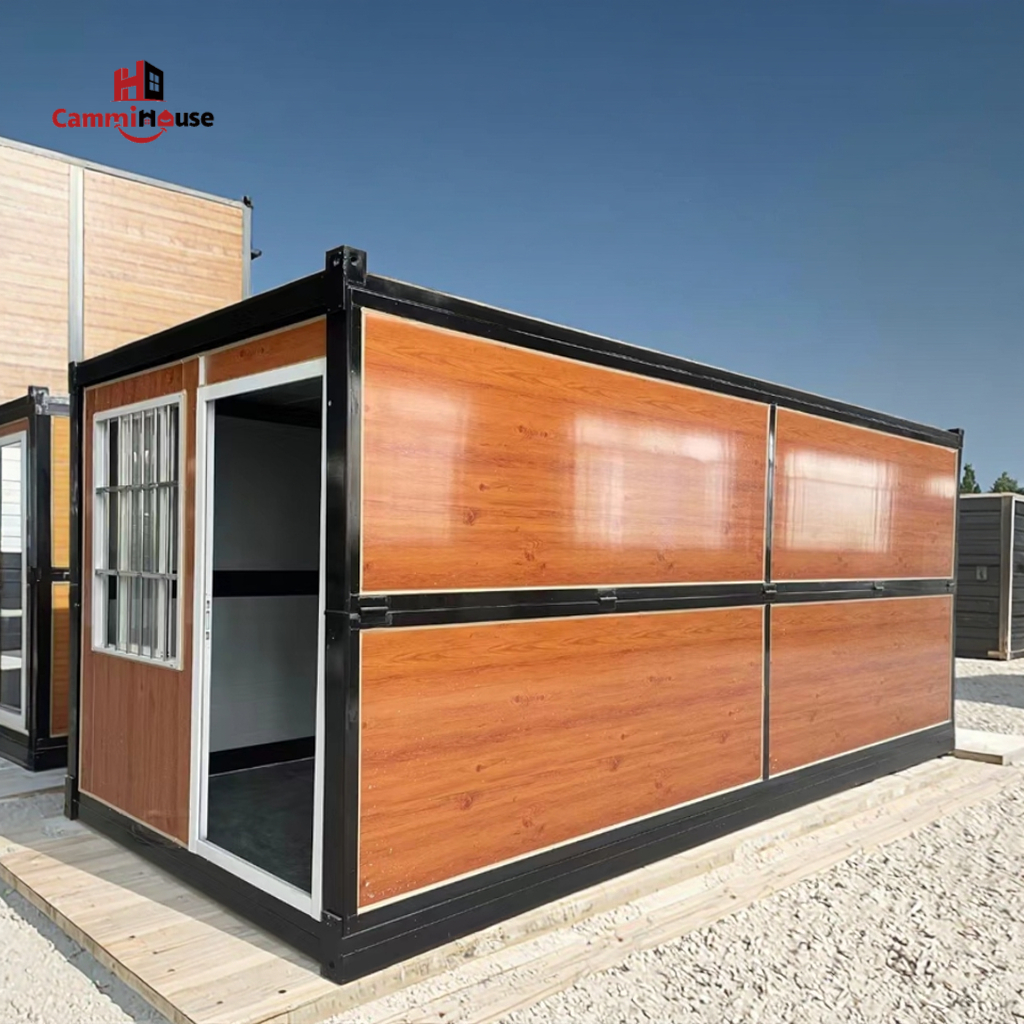
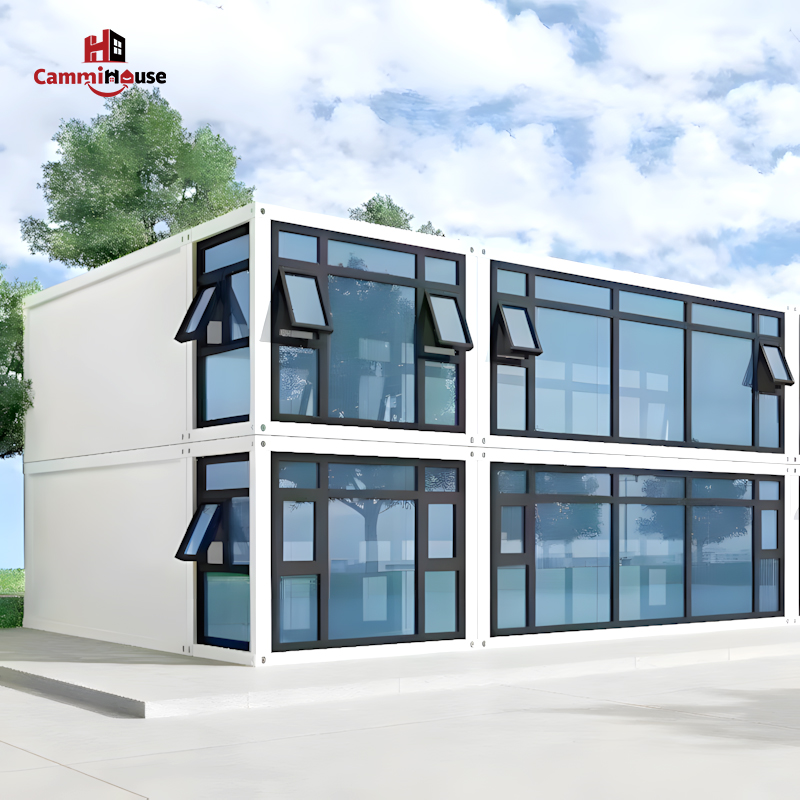
The steel skeleton of a purpose-built folding unit is engineered to meet ISO container load standards — typically rated for stacking up to 3 units high and wind resistance up to 120 km/h depending on specification. The corner casting system on the Cammihouse exterior frame is the same locking mechanism used on ocean-freight containers. That is not a marketing claim — it is a load-tested engineering standard. According to ISO 1496-1, standard container frames withstand a 192,000 kg stacking load; purpose-built residential units use the same corner casting system at a residential-grade specification.
3. Relocation Is Practical, Not Just a Feature on Paper
Most prefab housing is marketed as relocatable but rarely moved in practice. A folding container home is different: it folds back to transport size, loads onto a flatbed truck, and ships to a new site. Owners who lease land rather than own it, relocate for work, or want to use the unit seasonally at different properties find this genuinely useful — not just a theoretical specification.
4. Cost Is Fixed Before Production Starts
Factory production means materials are ordered in bulk, labor hours are fixed, and the finished price is agreed before manufacturing begins. Traditional builds routinely exceed budget by 10 to 30 percent due to weather delays, labor shortages, and material price changes. A folding container home from a direct manufacturer carries a fixed ex-factory price, and shipping cost is calculable by container weight and destination port.
The Cons — What Buyers Rarely Hear Upfront
1. Permitting Is the Biggest Variable
In the United States, Canada, Australia, and the EU, planning permission for a container home depends on local zoning laws — and those laws vary by county, not just by country. Some rural zones permit portable structures outright; others classify a folding unit as a permanent dwelling and require the same approval process as a conventional house. Buyers should contact the local planning authority before purchasing, not after delivery. Skipping this step is the most common cause of buyer regret in this product category.
2. Insulation Performance Varies by Manufacturer
Not all expandable container homes are insulated equally. Steel conducts heat and cold efficiently — which works against you without proper insulation. Quality manufacturers use EPS (expanded polystyrene) sandwich panels or rock wool with an R-value appropriate for the intended climate. Ask for the wall panel R-value specification before ordering. R-13 is adequate for mild climates; cold-climate buyers should look for R-19 or above in wall and roof panels.
3. Interior Ceiling Height Is Lower Than Standard
Most folding container homes have an interior ceiling height of 2.4 to 2.6 metres (about 7.9 to 8.5 ft), compared to the 2.7 metre standard in American residential construction. For most people this is comfortable. For taller occupants or buyers who prefer high-ceiling aesthetics, it is worth viewing a unit in person before committing. Cammihouse accepts showroom viewing appointments for exactly this reason.
4. The Site Needs Utility Infrastructure Ready
The unit arrives ready for connection — water inlet, drainage outlet, and electrical hookup points are all pre-installed. But the site must have those utilities available: a water source, a drainage system, and a grid connection or a solar and battery setup. Off-grid deployment is possible but adds cost. Buyers placing units on remote land should budget for utility infrastructure separately and include this in total project cost.
Who Is a Folding Container Home Right For?
The use cases below summarise where expandable container homes perform well and where buyers should do additional research before proceeding.
• Vacation and holiday rental — strong fit. Fast setup, low capital cost, good short-term ROI.
• Permanent primary residence — check local zoning first. Permitting requirements vary significantly by region.
• Remote work cabin or home office — strong fit. Self-contained, portable, and set up in a single day.
• Construction site accommodation — strong fit. Relocatable as the project moves to a new location.
• Urban backyard accessory dwelling unit (ADU) — check zoning. Some cities permit this; others restrict it.
• Off-grid living — possible with additional investment in solar panels and water storage.
How Cammihouse Expandable Units Are Constructed
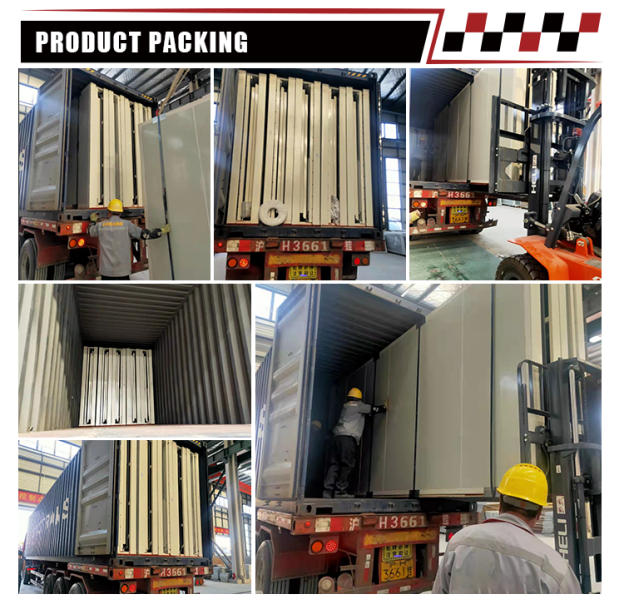
The Cammihouse folding container home uses a hot-dip galvanized steel main frame, EPS sandwich wall panels, PVC flooring over a steel sub-floor, and double-glazed aluminum-frame windows. The two side wing sections lock to the main frame via the same corner casting system used in freight logistics. Each unit is fully assembled, tested, and loaded at the factory — the buyer receives a finished living space, not a flat-pack kit requiring on-site construction.
Interior finishes are included as standard: white composite ceiling panels, dark hardwood-effect PVC flooring, and a pre-wired electrical distribution board. Optional upgrades include kitchen cabinetry, air conditioning, solar panel brackets, and custom exterior cladding. Lead time from order confirmation to factory departure is typically 20 to 25 working days.
Frequently Asked Questions
Q1: How long does a folding container house last?
A well-maintained folding container home built on a hot-dip galvanized steel frame has an expected service life of 20 to 30 years. The main wear points are roof panel seals, exterior cladding, and floor surface. Annual inspection of corner castings, wall panel joints, and roof drainage will extend the lifespan significantly. Structural steel components are generally maintenance-free for the first decade under normal residential use.
Q2: Can I get a mortgage or financing for a prefab container house?
Financing availability depends on the country and lender. In the United States and Australia, some lenders classify relocatable structures as personal property rather than real estate, which changes the loan type available. Buyers who use the unit as a permanent dwelling on owned land typically have more options than those on leased land. Consult a lender familiar with manufactured or modular housing before purchase, as options vary by jurisdiction and intended use.
Q3: What is the price range for an expandable container home?
Factory prices for a one-bedroom expandable container home (approximately 40 to 50 square metres) typically range from USD $18,000 to $35,000 ex-factory, depending on specification, interior finish, and included appliances. Shipping, site preparation, utility connection, and permit fees are additional costs that vary by destination. Always request a landed-cost quote — including freight and port charges — before comparing suppliers, as factory price alone does not reflect the true total cost.
