
1. The Real Timeline: What to Expect
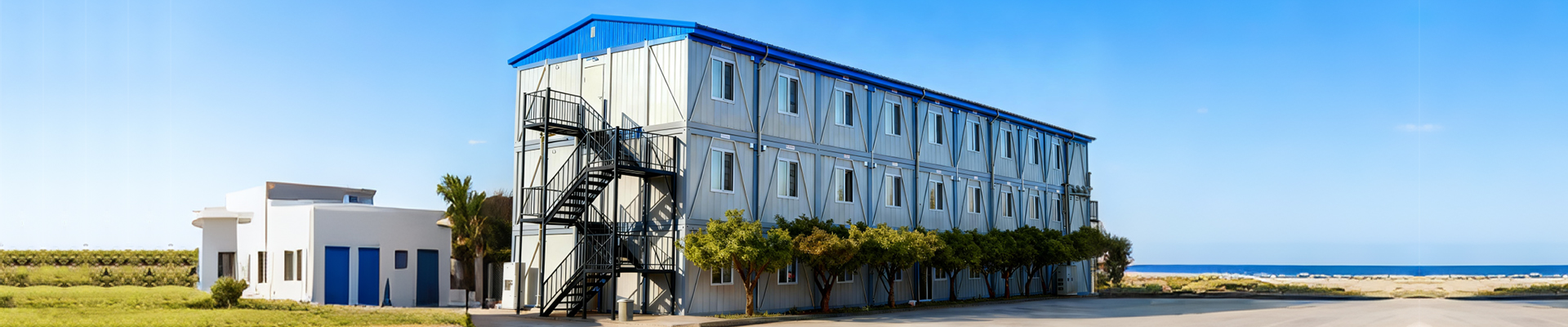
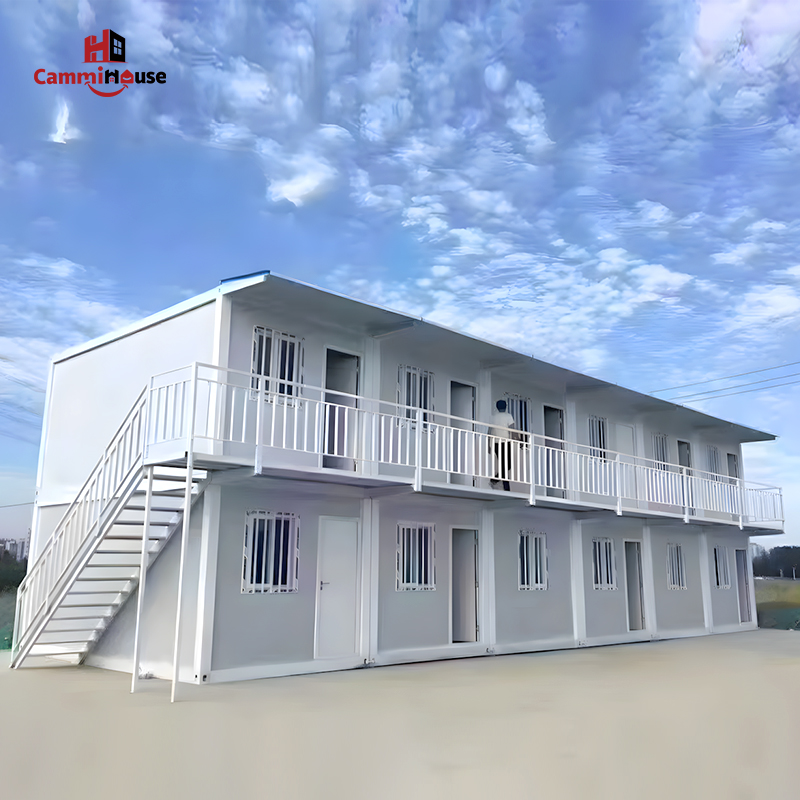
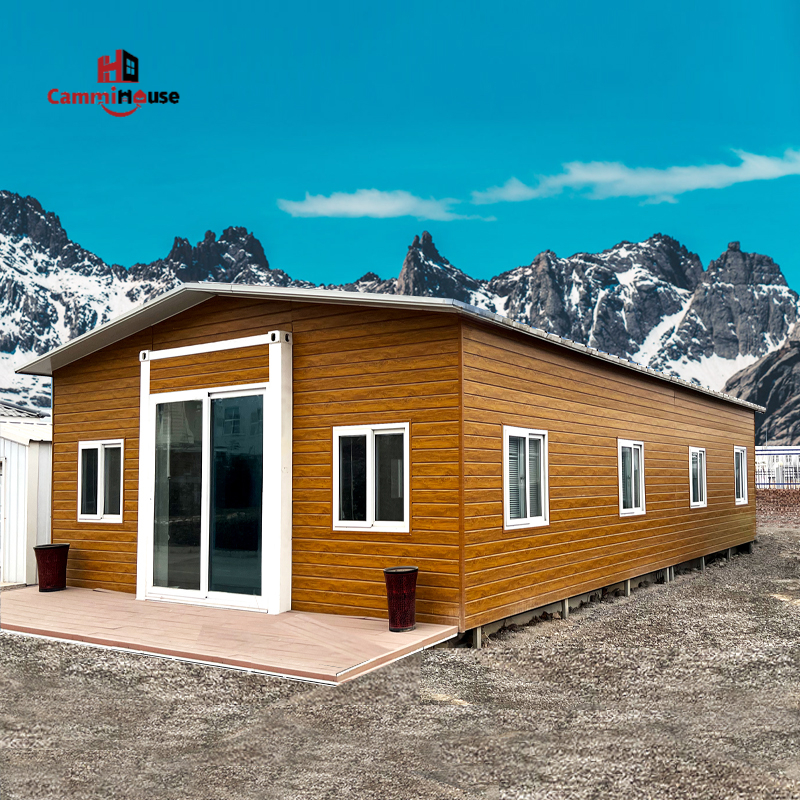
A fully operational commercial camp built from modular steel units can be delivered in prefab container house form in as little as 8–14 weeks from order confirmation to site handover — roughly 60% faster than traditional construction (McKinsey Global Institute, 2020). The exact schedule depends on unit count, site conditions, and permitting.
Key Phases and Typical Durations
The build process breaks into four phases: design and engineering (1–2 weeks), factory production (4–6 weeks), logistics and transport (1–2 weeks), and on-site installation (1–3 weeks). Overlapping factory work with permitting is the single biggest time saver most clients overlook.
2. Why Factory-Built Units Compress the Schedule
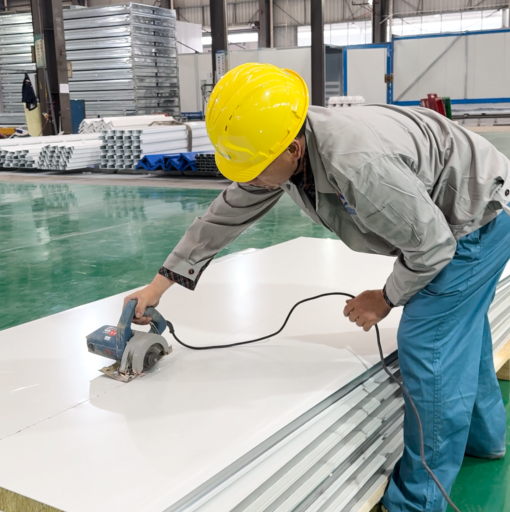
Speed comes from parallel workflows. While site preparation happens on location, the units are taking shape at a container house factory. At Cammihouse’s production facility, a standard 20-ft sleeping module — insulated walls, electrical fit-out, plumbing stub-ins — exits the line in 72 production hours.
Controlled Environment = Fewer Delays
Factory assembly eliminates weather-related stoppages, which account for 20–30% of on-site delays in conventional builds (U.S. DOE, 2021). Quality inspections happen at every production stage, so punch-list items on arrival are typically under 2% of total scope.
3. Custom Layouts Without Sacrificing Speed
Operators often assume that a custom container house takes longer to build. In practice, modular design libraries allow engineers to configure dining halls, ablution blocks, and accommodation wings from pre-engineered building blocks. Unique floor plans rarely add more than one week to factory time.
Real-World Example: Mining Camp in Western Australia
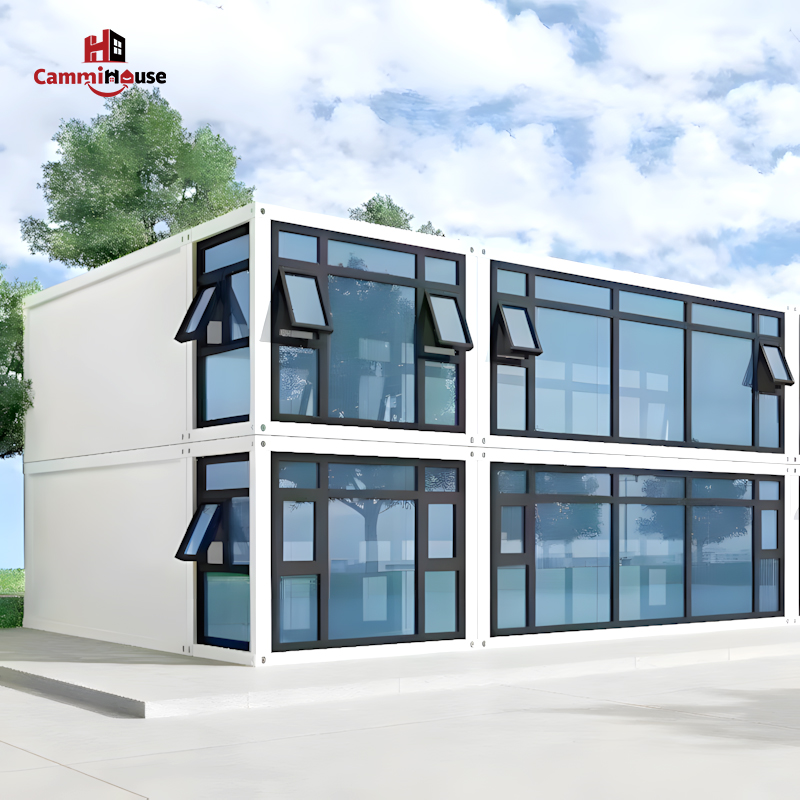
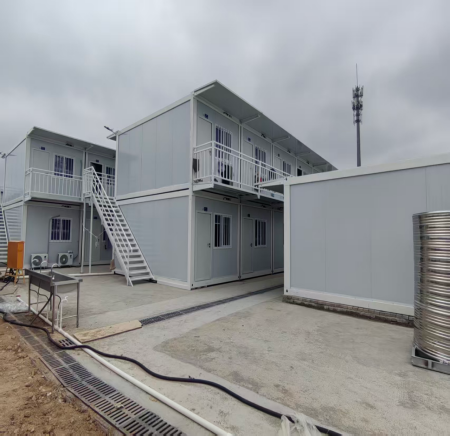
In a 2024 Cammihouse project survey, a 120-person fly-in/fly-out mining camp was designed, produced, and installed in 11 weeks. The client required 24 sleeping modules, a central kitchen-dining unit, and a medical bay — all built to AS 4600 steel structure standards and FIFO camp guidelines.
4. Structural Standards and Load Ratings
Every modular container home or commercial camp unit must meet local structural codes. Standard ISO-derived frames carry a 1.8-tonne corner-stack load and are engineered to Beaufort Scale 12 wind resistance. Units destined for seismic zones are upgraded to IBC 2021 Seismic Category D compliance.
Middle East Market: Wind and Thermal Performance
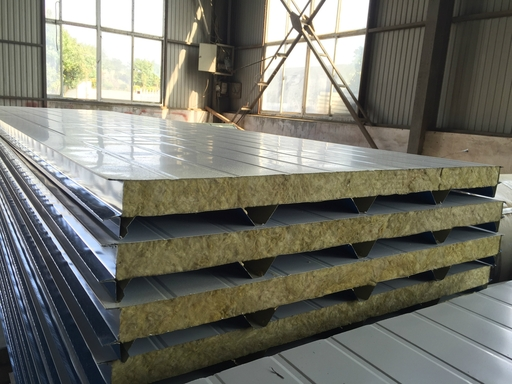
Projects in Saudi Arabia and the UAE face 50°C ambient temperatures. Cammihouse units for that market use 75 mm polyurethane foam sandwich panels (U-value ≤ 0.25 W/m²K), cutting HVAC energy demand by 38% compared to 50 mm rock wool panels, based on internal thermal modelling validated against ASHRAE 90.1.
5. Permitting and Compliance: The Hidden Schedule Risk
Permitting is the most variable element in anyshipping container home or camp project. In Australia, a Class 1b/3 occupancy approval for a 50-person camp averages 3–4 weeks. In parts of Sub-Saharan Africa, clients have received temporary-use approvals in under 10 business days when pre-certified drawings were submitted.
How to Accelerate Approvals
Submit engineer-stamped drawings and third-party structural test reports at the same time as the development application. Pre-certified modular units from accredited manufacturers reduce back-and-forth with building authorities by an average of 40% (Building Cost Information Service, 2022).
6. Site Preparation and Foundation Options
Proper ground preparation determines whether installation takes two days or two weeks. For a 50-unit camp on level ground, a pin-pile foundation grid can be installed in 3 days by a four-person crew. Concrete slab pours for the same footprint average 7–9 days including cure time.
Remote Sites: Minimal-Prep Installation
In a 2023 oil-field project in northern Chad, Cammihouse engineers specified adjustable screw-pile footings that required no concrete. The 18-unit camp was levelled and structurally connected within 36 hours of equipment arrival — a result made possible because the container house design incorporated factory-drilled base-plate connection points.
7. Logistics Planning: Moving Units to Site
Transport cost and route planning are often underestimated. A standard 40-ft camp module fits on a low-loader within standard over-dimension permits in most jurisdictions. Sea freight from China to East Africa averages 18–22 days; to the Middle East, 12–15 days.
Reducing Handling Costs with Flat-Pack Variants
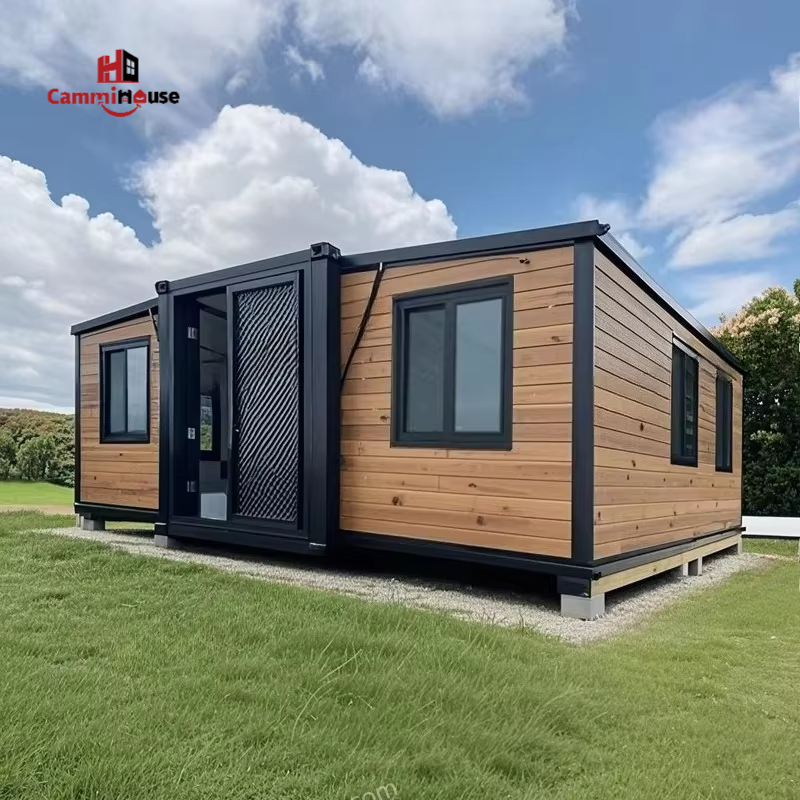
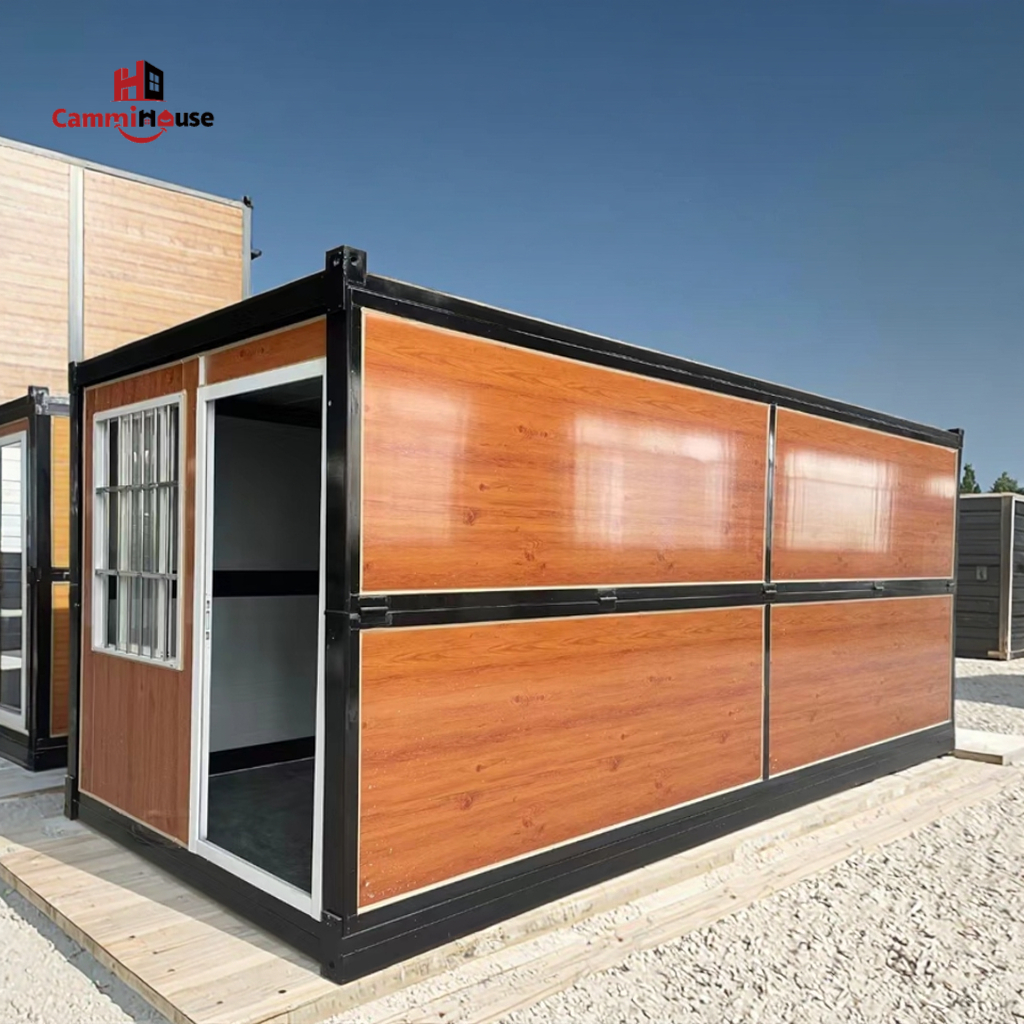
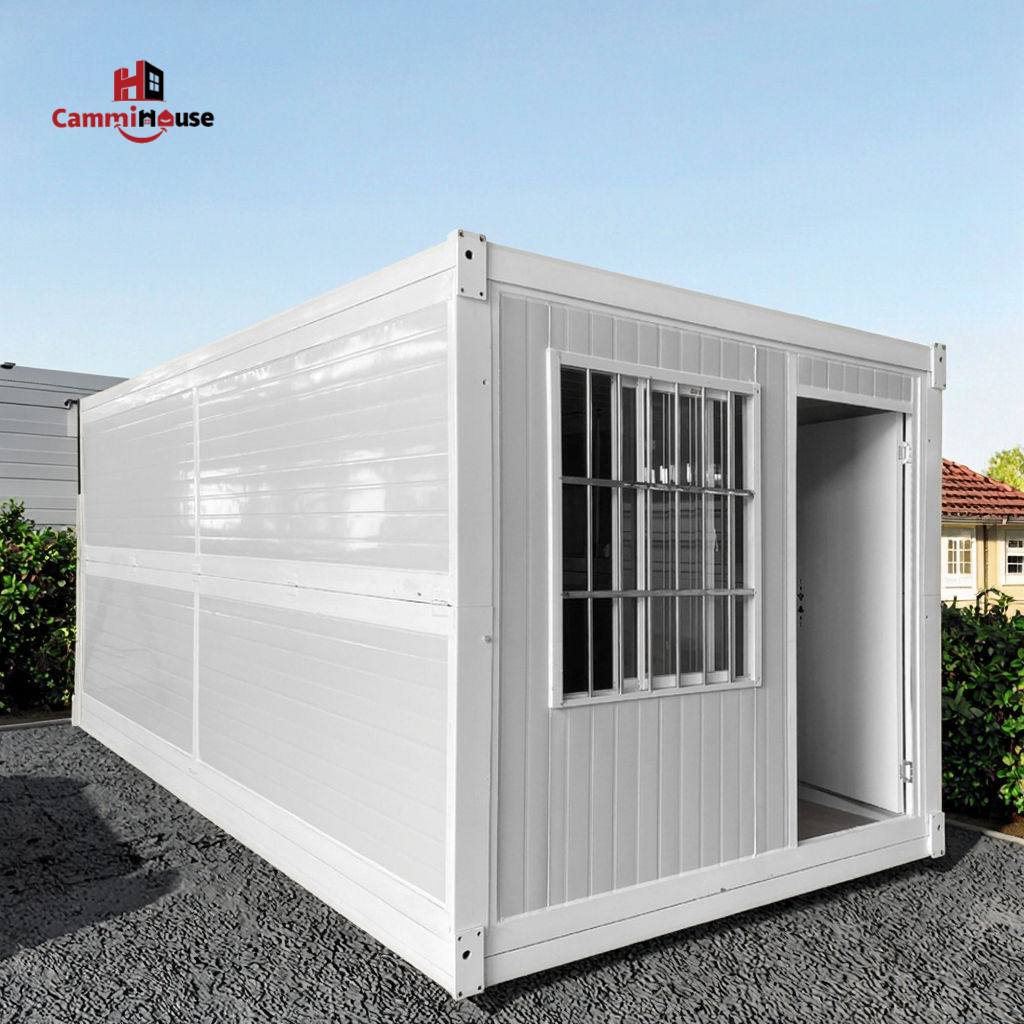
For sites more than 500 km from the nearest rail head, flat-pack prefab container house variants reduce shipping volume by 65%. Assembly on site uses only hand tools and a single 25-tonne mobile crane, and trained crews can erect one module per 4 hours.
8. Choosing the Right Manufacturer: What the Numbers Should Show
When evaluating suppliers, ask for ISO 9001 certification, third-party structural test reports, and a verifiable project list. Production capacity matters: a factory outputting fewer than 30 units per month will struggle to hit aggressive timelines for camps above 80 units.
What to Request in a Quotation
A credible quote for a modern container home camp should itemise: steel frame grade (Q355B minimum), insulation U-value, fire-rating certificate (typically EN 13501 Class B-s2-d0 or equivalent), electrical compliance standard, and lead time broken down by phase. Cammihouse publishes these figures as standard in all technical proposals.
FAQ
How long does it take to build a 50-person container camp from scratch?
From order confirmation to site handover, a 50-person modular camp typically takes 8–12 weeks. That includes 4–6 weeks of factory production, 1–2 weeks of shipping, and 1–2 weeks of on-site connection and commissioning. Permitting timelines vary by country and can run in parallel with factory production to avoid schedule impact.
Can container camp layouts be customised without delaying delivery?
Yes. Most manufacturers use pre-engineered module libraries — sleeping units, kitchen blocks, ablution facilities — that can be reconfigured without extending factory lead times. Fully bespoke structural modifications may add 5–7 days. Clients should provide site plans and headcount early so engineers can lock the layout before cutting steel.
What foundation type is fastest for a remote container camp site?
Adjustable screw-pile or pin-pile systems are fastest for remote locations. They require no concrete cure time and a four-person crew can complete a 50-unit grid in 2–3 days. Concrete slabs offer higher long-term stability but add 7–9 days. The right choice depends on soil bearing capacity, local frost depth, and whether the camp is permanent or temporary.
Author: Justin Mercer, Cammihouse Technical Team
